

There’s a version of sustainable living that gets enormous attention online: linen totes, glass jars lined up on a shelf, artful beeswax wraps, and a zero-waste “shelfie” that took thirty minutes to style. It looks good. It also misses most of the point. The people who actually work in sustainability, the researchers, lifecycle analysts, circular economy consultants, and environmental scientists, tend to live quite differently at home. Their habits are rarely photogenic.
What separates them from the influencer version isn’t devotion, it’s priority. They know the data well enough to skip the performative stuff and focus on the changes with the biggest measurable impact. Some of what they do is surprisingly boring. Some of it requires genuine inconvenience. Almost none of it is trending on social media.
They Track Their Home Energy Use Rather Than Just Lowering It
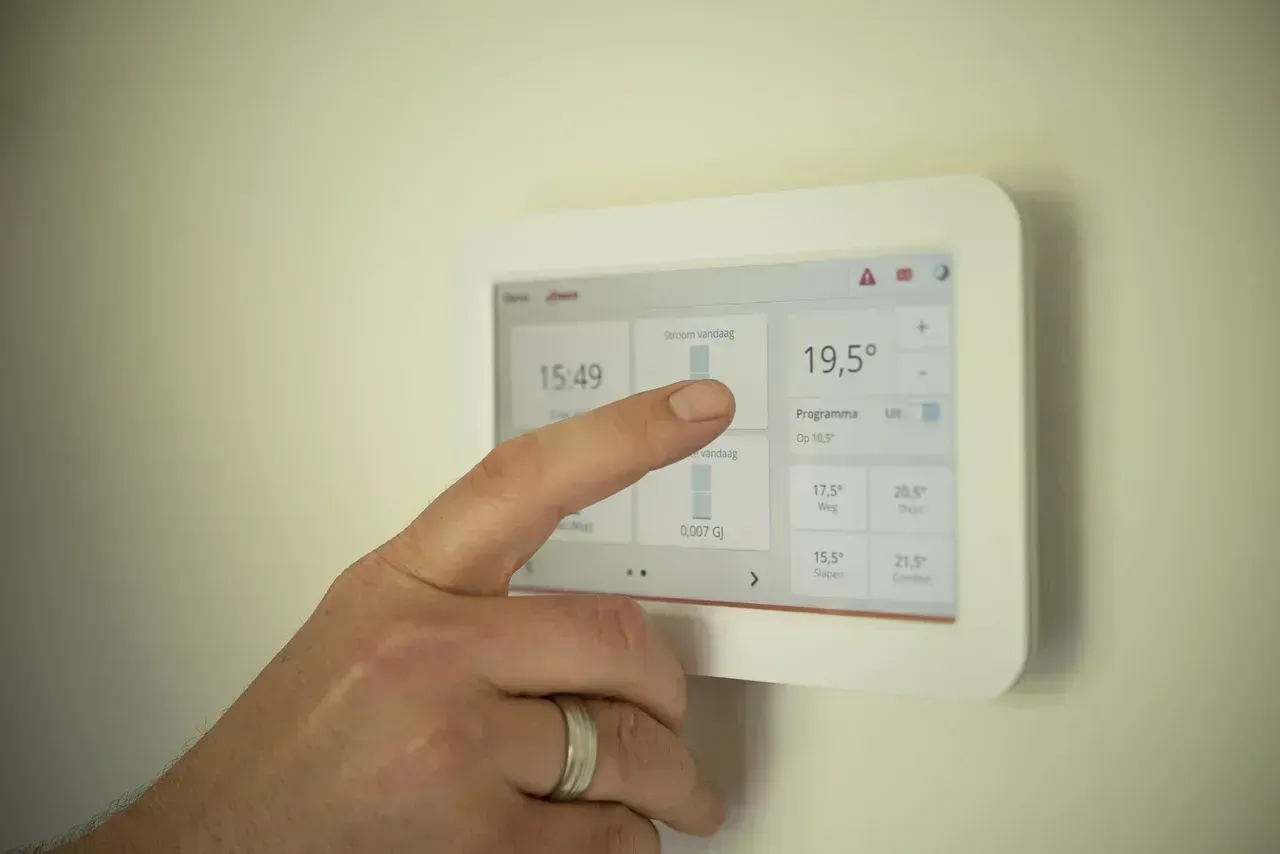
Most households treat energy the way most people treat their health: they assume things are fine until something goes wrong. Sustainability professionals take a different approach. Heating and cooling account for roughly 41 percent of energy used in U.S. residential buildings. Knowing that, they use smart meters and home energy monitors to understand exactly when and where consumption spikes, rather than just setting a thermostat lower and hoping for the best.
The difference between general energy reduction and targeted reduction is significant. Electronics left in standby mode alone account for somewhere between five and ten percent of residential energy use, costing the average U.S. home around $100 per year. Experts address this systematically, using power strips with timers or smart plugs, not because it looks good, but because the data consistently points there first.
They Compost Without Making It an Aesthetic Project
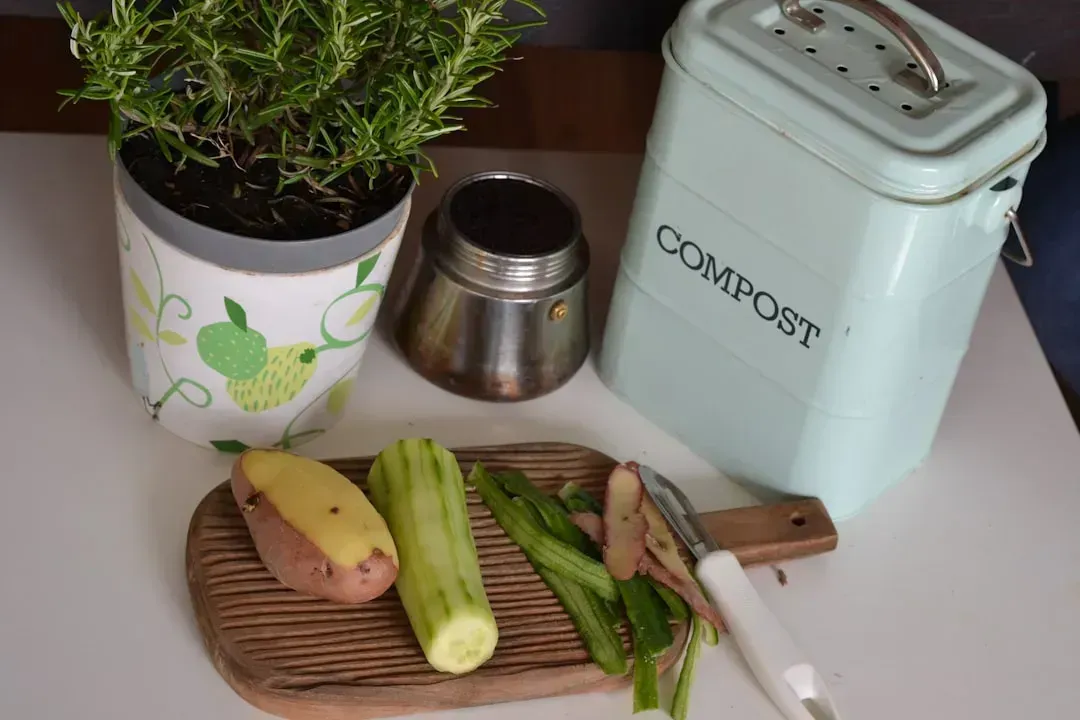
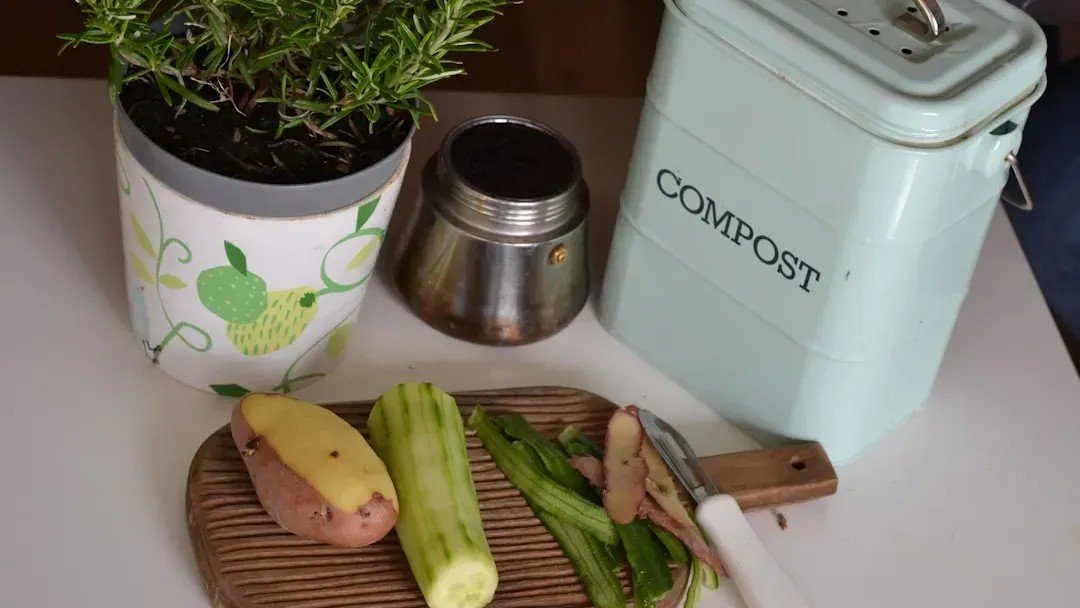
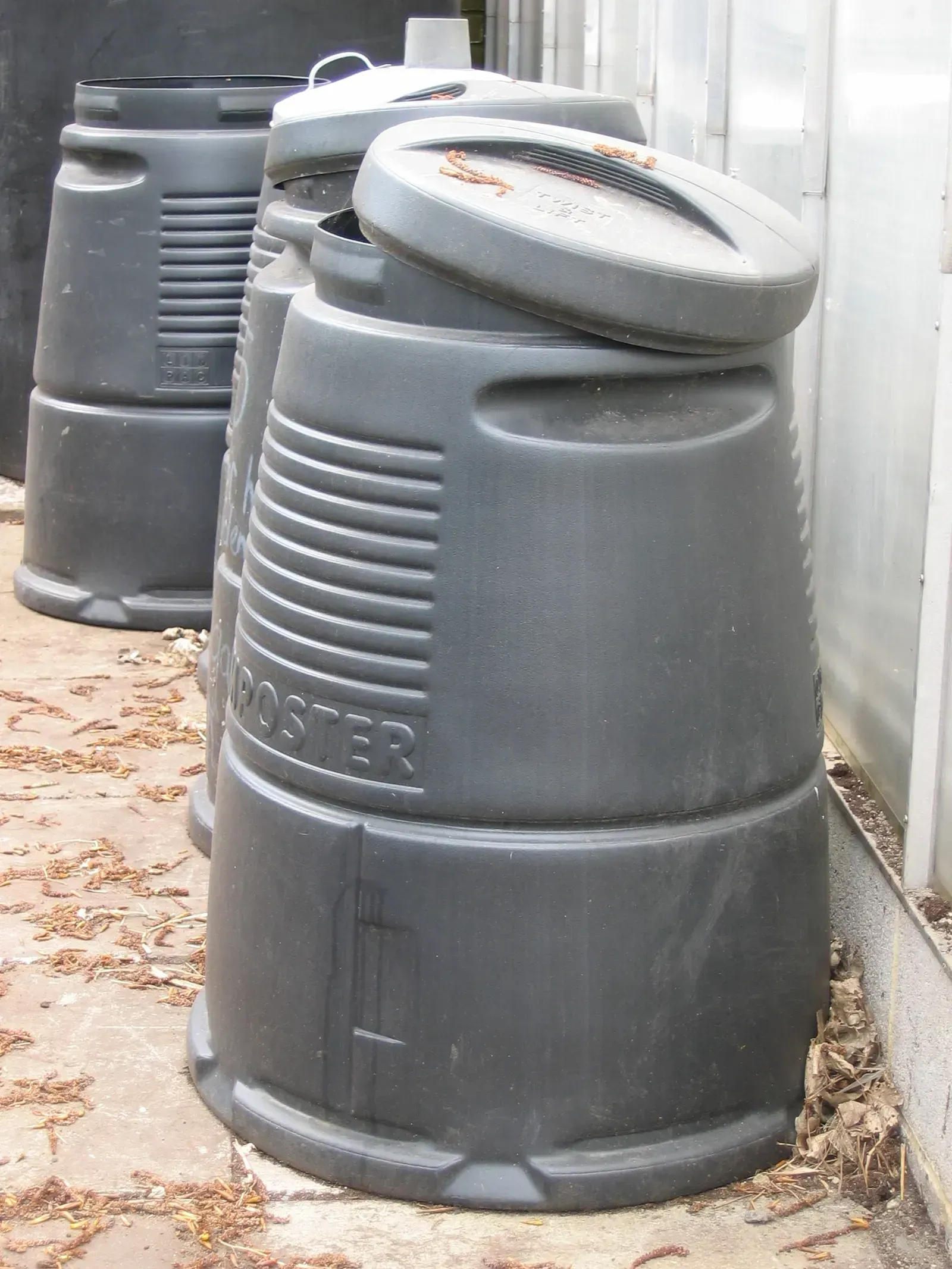
Food waste is a major component of landfills, where it produces up to 14 percent of the world’s methane, a greenhouse gas 80 times more potent than carbon dioxide. Sustainability professionals understand this well enough that composting is less a lifestyle choice for them and more a basic waste management practice. It’s not styled. It sits in a corner of the kitchen or under the sink, doing its job.
Composting prevents waste from ending up in landfills and producing methane. The resulting compost improves soil health and is an excellent source of plant nutrients, and when it substitutes chemical fertilizers in agriculture, it contributes to healthier food networks and reduces the energy needed to support agricultural practices. That functional chain, from kitchen scrap to soil amendment, is what motivates the habit. The ceramic compost crock that matches the kitchen decor is incidental.
They Eat Less Meat, Especially Beef, Without Announcing It

Sustainability professionals rarely frame their food choices as a personal identity statement. They just quietly apply what the evidence says. Research from Oxford University published in 2024 shows that adopting a primarily plant-based diet can cut food-related emissions by roughly 60 percent. That’s not a number they need to look up; it’s the kind of figure that shapes daily decisions without fanfare.
Food systems emit about 30 percent of greenhouse gases globally, and the distribution within that figure points clearly toward animal products, particularly beef, as the heaviest contributors. Reducing red meat isn’t the flashiest sustainability move, and it doesn’t generate content. It does, however, consistently rank among the highest-impact individual actions a household can take.
They Prioritize Repairing Things Over Replacing Them

Fixing appliances and items is often more cost-effective and sustainable than replacing them, and supporting repair promotes a circular economy by extending device lifespan and reducing landfill waste. Sustainability professionals internalize this not as frugality but as lifecycle thinking. When a blender breaks, the question isn’t whether a newer model has a better rating. It’s whether the existing one can be fixed first.
Even when a newer product is more energy-efficient, the carbon cost of manufacturing and transporting it may outweigh the energy savings for years. Educational initiatives among sustainability practitioners focus on teaching how to repair broken items rather than discarding them, since repair culture extends the functional lifespan of manufactured goods and reduces the demand for raw material extraction. It’s a principle that applies to shoes, toasters, jackets, and furniture alike.
They Buy Secondhand First, Including for Furniture and Clothing

More than half of all greenhouse gas emissions are embodied in the things we consume, which is why secondhand represents an essential tool for shifting material use. For sustainability professionals, buying secondhand isn’t a budget workaround, it’s the default opening position before considering anything new. Buying refurbished items can cut emissions by up to 85 percent compared to purchasing new equivalents.
Even when a secondhand item requires minor repairs or local delivery, the total emissions of a used piece are significantly lower than those of a new one, and across a whole room’s worth of furnishings, you’re looking at hundreds of kilograms of carbon emissions avoided. The habit extends to clothing too. Secondhand clothing markets are promoted as a sustainable alternative and have grown rapidly, with global sales reaching $177 billion in 2022. The key, which experts know well, is that secondhand needs to replace new purchases, not supplement them.
They Are Deliberate About Water, Especially in the Laundry
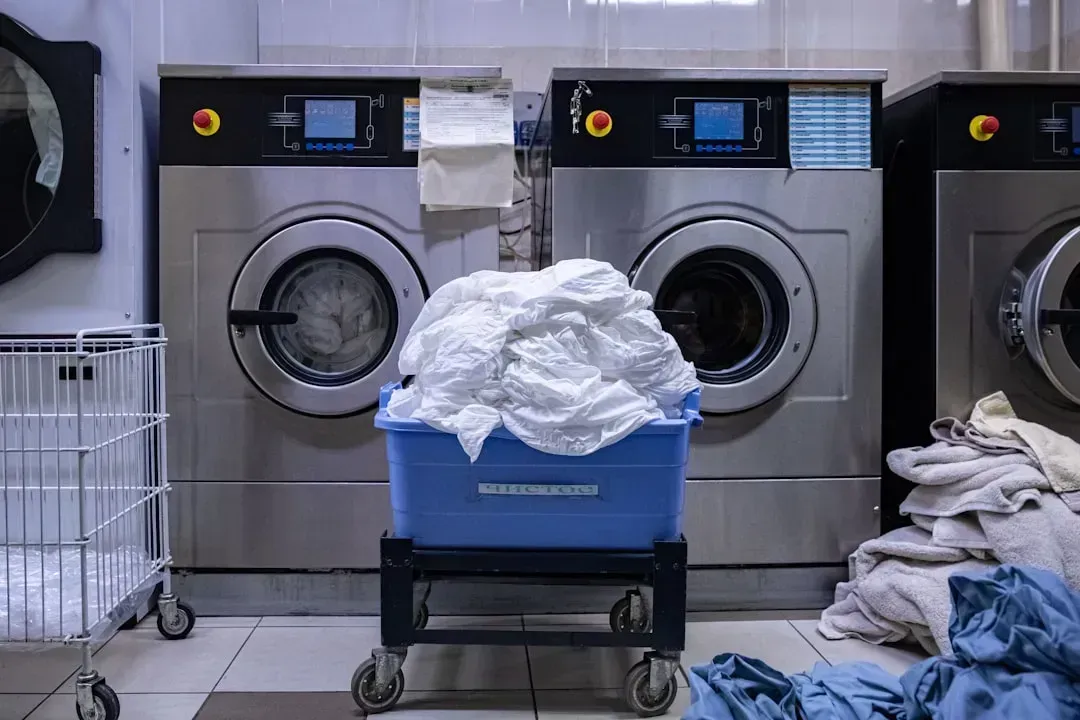
Water is an area where small, consistent habits compound meaningfully. Sustainability professionals don’t necessarily have elaborate rainwater harvesting systems at home. More often, they’ve made quiet adjustments grounded in what actually moves the needle. Switching to cold water for just one load of laundry per week can cut household emissions by roughly 70 pounds of CO₂ equivalent per year. It requires almost no effort and no special equipment.
They also tend to think about water embedded in food and consumer goods, not just water flowing from a tap. Water stewardship is increasingly recognized as a core pillar of sustainability practice, a concept that filters into how they evaluate purchases and daily routines alike. This isn’t about guilt; it’s about applying the same systems thinking at home that they use professionally.
They Manage Food Waste Through Planning, Not Products

More than 30 percent of the U.S. food supply goes unsold or uneaten from farm to fork, with nearly half that amount generated by consumers in the home and at restaurants. Sustainability professionals are acutely aware of this. Their primary tool isn’t a special food-preservation gadget, it’s a weekly meal plan and an honest assessment of what’s already in the fridge before going shopping.
Planning meals, storing foods properly, using leftovers creatively, and buying only what you need are the baseline practices that reduce household food waste most reliably. The approach is almost aggressively unglamorous. There’s no product to buy and no habit to photograph. It’s simply a matter of thinking one step ahead before opening the grocery app.
They Think Carefully About Fast Fashion Without Performing Minimalism

Sustainability professionals don’t necessarily own a ten-item wardrobe or post capsule collection photos. What they do is think in terms of cost-per-wear and lifecycle impact before making clothing purchases. The average American buys 53 items of clothing per year, producing emissions roughly equivalent to driving nearly 3,000 miles, with the U.S. carrying the highest fashion carbon footprint in the world at 132 million metric tons of CO₂ equivalent annually.
Fast fashion accelerates environmental harm through rapid production cycles, low costs, and short garment lifespans. Knowing the data, sustainability experts tend to buy less overall and hold onto things longer. They’ll repair a coat before replacing it. They’ll choose a mid-range item with a longer expected life over a cheap one that will need replacing in a year. The logic is straightforward and unspectacular.
They Accept Imperfection and Focus on Impact Scale Rather Than Purity
One reason societies struggle to reach sustainability goals is that many behaviours are now bound by strong habits that override knowledge and intentions to act. Sustainability professionals understand this from their research and apply it to themselves. They don’t expect to be perfect, and they don’t spend energy on low-impact actions just because they feel virtuous. They focus on the things that measurably matter.
Habit theory highlights how behaviour is heavily reliant on automatic processes, and the environmental context shapes those habits and cues action responses. Experts use this understanding to set up their homes in ways that make the sustainable choice the easy one: a composting bin that’s convenient, a smart plug on the entertainment system, secondhand as the first tab opened when something needs replacing. The goal isn’t a curated lifestyle. It’s a set of defaults that quietly add up.
The gap between expert practice and influencer content isn’t a gap in effort or commitment. It’s a gap in where that effort is directed. The habits above are largely invisible, occasionally inconvenient, and almost never shareable. They also tend to have the highest measurable impact, which is exactly why the people who study these systems most closely have quietly made them routine.