


- The Planet Where It Rains Liquid Glass – 7 Alien Worlds Defying Known Physics - November 14, 2026
- Stars Consuming Entire Worlds – 6 Planetary Systems Swallowing Their Own Worlds - November 14, 2026
- The Ground Liquefies Like Water – 6 Silent Fault Lines Geologists Watch Closely - November 14, 2026
When people think about where America’s economic future is headed, the answer usually bends toward the familiar: the Sun Belt, the coasts, the tech corridors. But something quieter is happening in the states that rarely make the headline cut. Places like Minnesota, Michigan, Ohio, Wisconsin, and Vermont are drawing a new kind of attention, not because of glamour, but because of something far more durable.
In 2024, there were 27 “billion dollar climate disasters” in the United States, three times as many as the annual average for the previous 44 years. Against that backdrop, the calculus for where to live, invest, and build is shifting fast. The states that once seemed unremarkable are now looking more like strategic bets.
Why “Boring” States Are Starting to Look Very Interesting

In some Florida markets, rising property insurance costs and climate concerns have added a new layer of friction. Redfin reported that for the first time since 2019, high-flood-risk areas in the United States saw a net domestic outflow of nearly 30,000 people in 2024. Miami-Dade County alone recorded the worst domestic outflow among high-flood-risk counties. People aren’t just searching for cheaper housing. They’re quietly retreating from risk.
The cost and climate risk context of 2026 has made the Midwest a genuinely competitive alternative rather than a consolation choice for a growing segment of relocating families. That’s a meaningful shift in how researchers and real estate analysts frame these markets. The “boring” label is starting to peel.
Minnesota: Freshwater, Cold Winters, and a Migration Surge
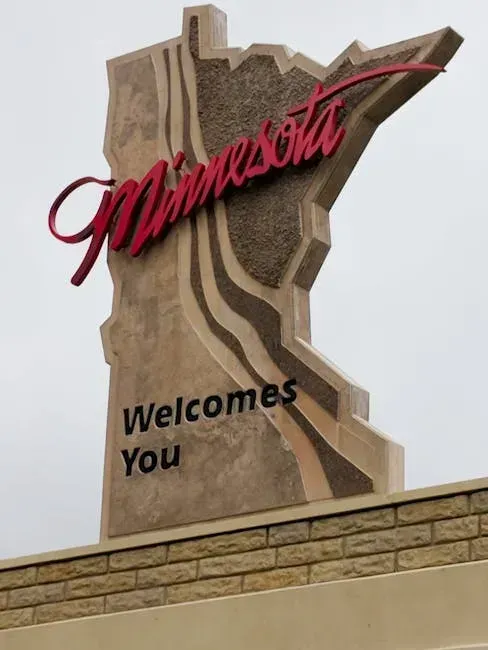
Minneapolis and Indianapolis both flipped from net domestic outflow to net inflow in the most recent year, according to Redfin’s analysis of Census data. Minnesota appeared on United Van Lines’ top 10 inbound list for the first time, and Minneapolis cracked U-Haul’s top 25 growth metros, also a first. The numbers are modest but the direction is clear.
Researchers have identified cities like Duluth, Minnesota as places that will be relatively pleasant to live in as the world heats up. The Midwest holds special appeal with its abundant fresh water, cooler summers, and comparatively little risk from hurricanes and wildfires. Minnesota’s combination of Great Lakes adjacency and relative storm stability makes it a standout in the emerging “resilience belt” narrative.
Michigan: Home to 20 Percent of the World’s Freshwater
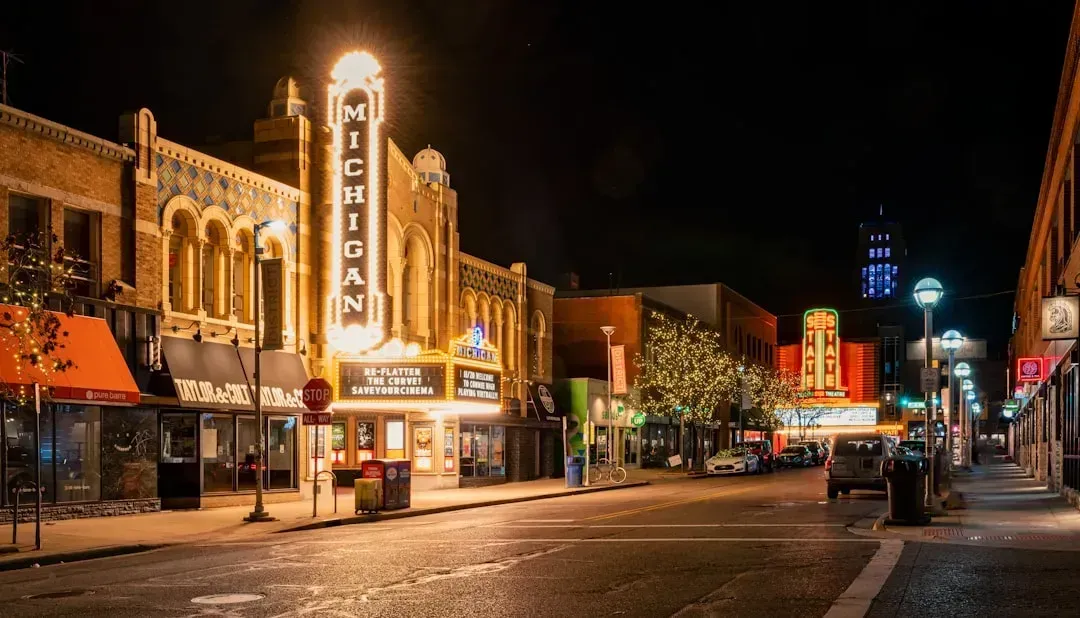
Michigan is home to roughly 20 percent of the world’s freshwater, making it highly desirable from a longevity standpoint, according to climate and environment experts working in the region. That single fact carries extraordinary weight as water scarcity intensifies across the American Southwest and Southeast. Land and property values tied to stable water access look increasingly attractive to long-term investors.
Researchers have pointed to the Great Lakes region, and Michigan in particular, as a destination for people seeking to escape the storm-ravaged Southeast or the parched Southwest. Cities like Ann Arbor and Grand Rapids are already seeing population growth that would have seemed unlikely a decade ago. Housing prices spiked in Traverse City, and demand for new homes skyrocketed, with bidding wars over even modest homes.
Ohio: Affordable Housing, Infrastructure Investment, and Water Quality Efforts
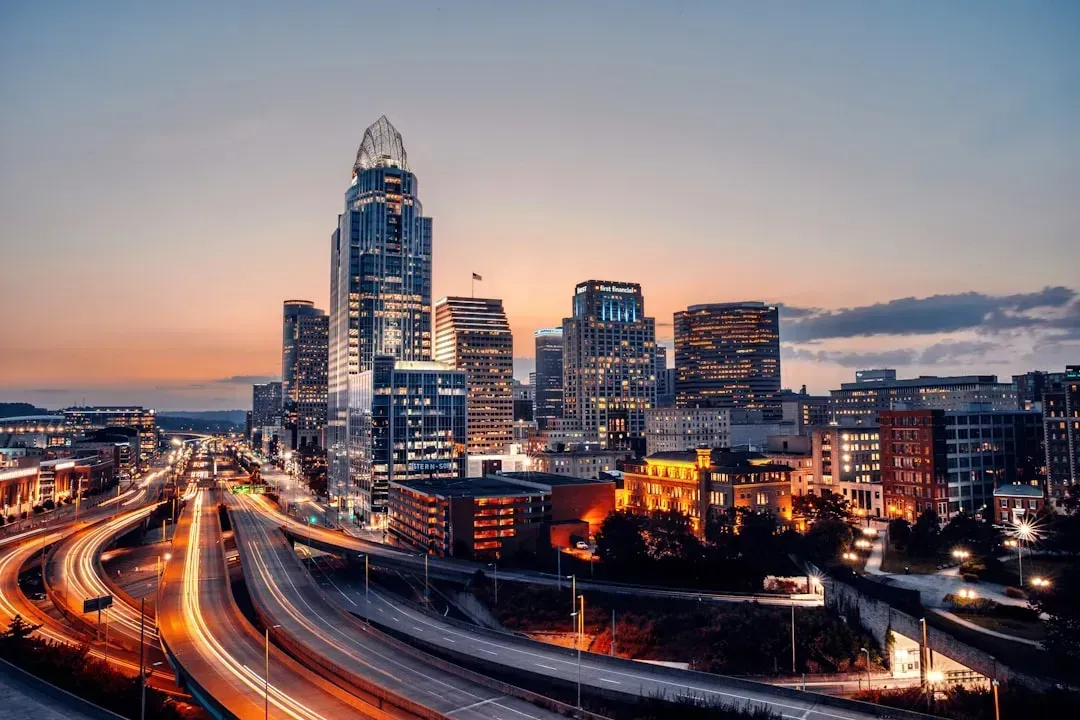
National median home prices reached $414,900 in the fourth quarter of 2025, according to the National Association of Realtors. The regional gap is enormous: the median in the West was $625,800 and in the Northeast $514,600, compared to $317,100 in the Midwest. Ohio sits squarely inside that affordability band, with cities like Toledo and Cleveland offering home prices a fraction of coastal equivalents.
The Nature Conservancy championed H2Ohio, a bipartisan effort that secured $172 million for water quality improvement projects in the state. Funded projects such as wetlands protection and restoration are helping improve climate resilience across Ohio, including in Lake Erie. That kind of public investment, directed at genuine environmental infrastructure, is exactly what climate-focused investors are beginning to track closely.
Wisconsin: Resilience Cities and the Green Bond Opportunity
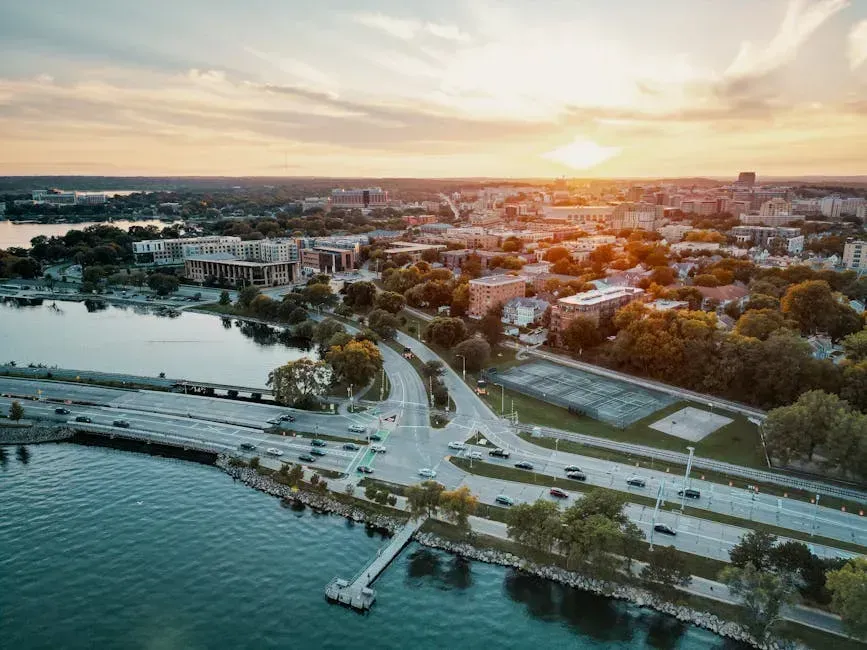
Some of the most cited climate havens in research by national organizations are older cities in the Great Lakes region and upper Midwest, including Madison, Wisconsin. Madison consistently ranks well on quality-of-life metrics, and its university-anchored economy provides a degree of stability unusual for a mid-sized Midwestern city. It’s the kind of place that functions as a buffer against volatility.
Municipal green and resilience bond issuance showed a 30 percent increase, demonstrating continued investor appetite for transparent, impact-oriented municipal debt. Wisconsin municipalities have been active participants in green financing strategies, leveraging bonds to fund stormwater infrastructure and urban resilience projects. Climate bonds, or “green bonds,” are gaining traction as a way for states to fund climate programs, with states issuing bonds sold to investors to raise money upfront.
Vermont: The First Climate Superfund State
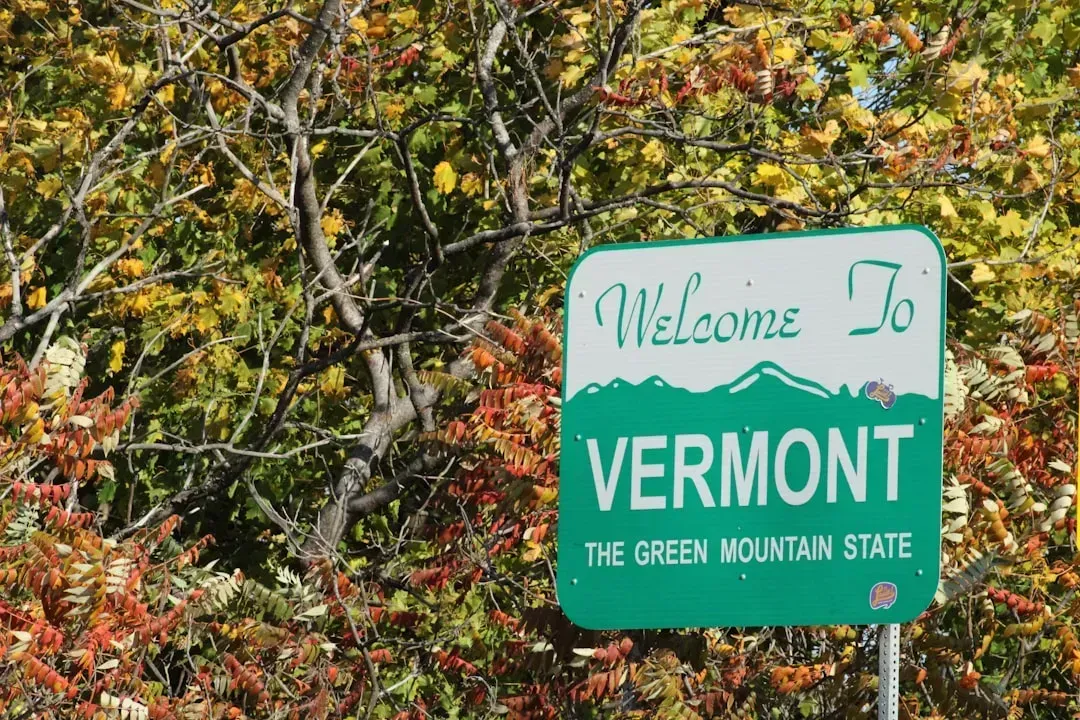
Vermont was the first state in the nation to enact climate superfund legislation in 2024. The state issues a “cost recovery demand” to polluters and then uses the funds collected to pay for climate change adaptation projects, including infrastructure upgrades and disaster preparedness. That legislative boldness sets Vermont apart from most of its neighbors. It signals a state government treating climate finance as a serious long-term obligation rather than a line item.
Vermont released its inaugural Resilience Implementation Strategy in 2025, a specific, measurable, and prioritized roadmap to resilience. The strategy is the culmination of a 2024 state initiative and catalogs current resilience-related work by state government while identifying near- and long-term actions needed to enhance resilience. For investors and residents weighing where governance is ahead of the curve, Vermont’s track record is hard to ignore.
The Housing Math That Makes These States Compelling

The National Association of Realtors’ affordability index for the Midwest stood at 115.6, the only region in the country where the index remained above 100, meaning it is the only region where an average-income family can still qualify for a mortgage on a median-priced home. That figure matters enormously. Everywhere else in the country, affordability has effectively collapsed for median-income households.
According to Zillow’s projections, a homebuyer in Pittsburgh faces a mortgage payment consuming just 21.4 percent of the median household income. In Detroit, it is 25.5 percent. Cleveland registers at 27.7 percent. Compare those numbers to San Jose’s median home price of nearly $2 million and the case for these overlooked states becomes genuinely compelling, not just as a budget play but as a generational wealth-building decision.
The Real Risks That Come With the Territory

None of this is a free lunch. Each of the most-cited climate haven cities will likely have to contend with some of the greatest temperature increases in the country in the coming years. Warmer air also has a higher capacity to hold water vapor, causing more frequent, intense, and longer-duration storms. These states face real infrastructure challenges that shouldn’t be papered over with optimism.
Vermont and Michigan are ranked near the bottom among all states in electricity reliability, incorporating the frequency of outages and the time it takes utilities to restore power. Stormwater systems in the Great Lakes region also regularly fail to keep pace with the heavy rainfall and rapid snowmelt caused by climate change. Identifying a state as a climate goldmine doesn’t mean it’s problem-free. It means the trajectory and relative risk profile compare favorably to the alternatives.
What the Investment Numbers Actually Say

Demand for technologies that support climate resilience and adaptation could create a $1 trillion opportunity for private capital by 2030. States that are better positioned on natural resources, lower disaster frequency, and proactive governance are most likely to capture a disproportionate share of that capital. The five states discussed here check multiple boxes in that framework.
Every dollar invested in disaster preparedness saves $13 in future losses, according to research from the U.S. Chamber of Commerce, Allstate, and the U.S. Chamber of Commerce Foundation. Viewed through that lens, the states investing in resilience infrastructure now aren’t just protecting residents. They’re compounding long-term economic value in a way that coastal disaster-prone states increasingly cannot. Investing in climate action isn’t just an environmental imperative. It’s economic strategy, with US cities reporting that their climate mitigation and adaptation actions are expected to reduce costs today while building community resilience against tomorrow’s disasters.
