


- The Planet Where It Rains Liquid Glass – 7 Alien Worlds Defying Known Physics - November 14, 2026
- Stars Consuming Entire Worlds – 6 Planetary Systems Swallowing Their Own Worlds - November 14, 2026
- The Ground Liquefies Like Water – 6 Silent Fault Lines Geologists Watch Closely - November 14, 2026
For decades, Mars was easy to dismiss as a frozen, lifeless desert, a red smudge in the night sky with little to offer beyond cold craters and thin air. That picture has been crumbling steadily, and the pace of revision has accelerated sharply in just the past few years. What rovers, orbiters, and laboratories are now uncovering on the Red Planet is forcing scientists to reconsider basic assumptions about habitability, geology, and even the origins of life itself.
From ancient river channels hiding chemical signatures of possible biology to brand-new minerals no one had catalogued before, the discoveries keep arriving faster than the textbooks can be updated. Here are twelve findings that, taken together, are reshaping what we think we know about Mars.
1. The “Leopard Spots” of Cheyava Falls: The Closest We’ve Come to Finding Ancient Life
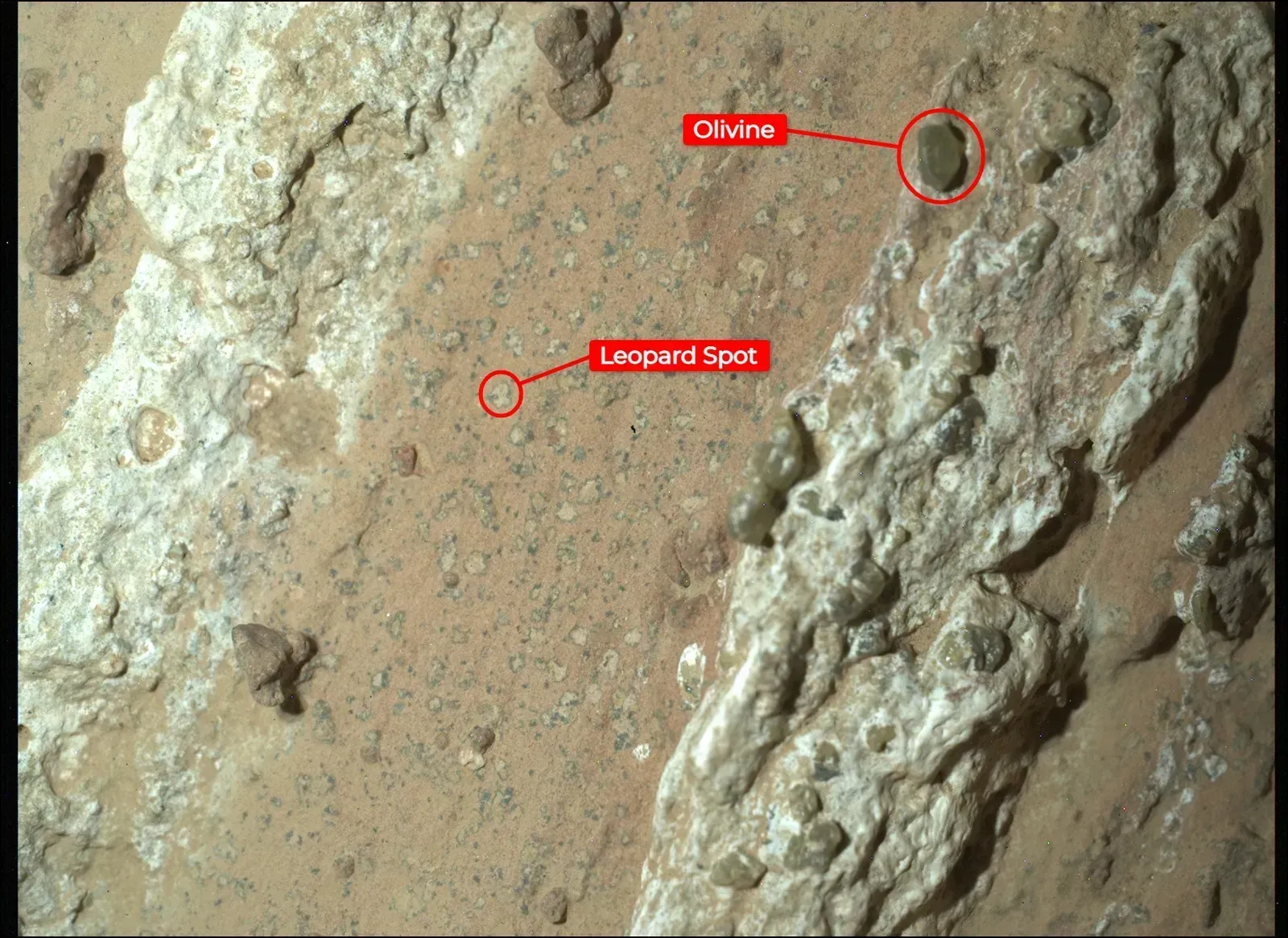
NASA’s Perseverance rover discovered leopard spots on a reddish rock nicknamed “Cheyava Falls” in Mars’ Jezero Crater in July 2024. Scientists think the spots may indicate that, billions of years ago, the chemical reactions in this rock could have supported microbial life, though other explanations are being considered.
After a rigorous, yearlong peer-review process during which outside scientists scrutinized the Mars 2020 team’s data and analysis, the journal Nature published the validated results: Perseverance’s “Sapphire Canyon” sample indeed contains potential biosignatures – clues that suggest past life may have been present, but that require more data or further study before any conclusions about the absence or presence of life. Along with organic carbon, a building block of life, researchers found minuscule specks enriched with iron phosphate and iron sulfide. On Earth, these chemical compounds are the byproducts when microorganisms break down organic matter.
2. White Kaolinite Rocks Hinting at Millions of Years of Martian Rain
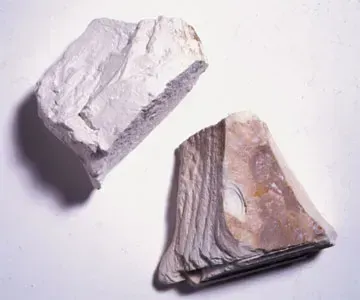
Bright white rocks spotted by NASA’s Perseverance rover are rewriting what we thought we knew about ancient Mars. These aluminum-rich clays, called kaolinite, usually form on Earth only after millions of years of heavy rainfall in warm, humid environments – conditions similar to tropical rainforests. Their presence on today’s cold, dry Mars suggests the planet once had abundant rain, flowing water, and possibly lush oases long ago.
What made the discovery fascinating is that this mineral typically forms only in very warm and wet environments. The discovery, published in Nature Communications Earth & Environment, suggests that Mars may have been warmer, wetter, and weirder than scientists suspected. Researchers estimate that the rocks, found in an ancient riverbed and strewn uphill on the rim of Jezero Crater, are several billion years old.
3. The Longest Organic Molecules Ever Detected on Mars
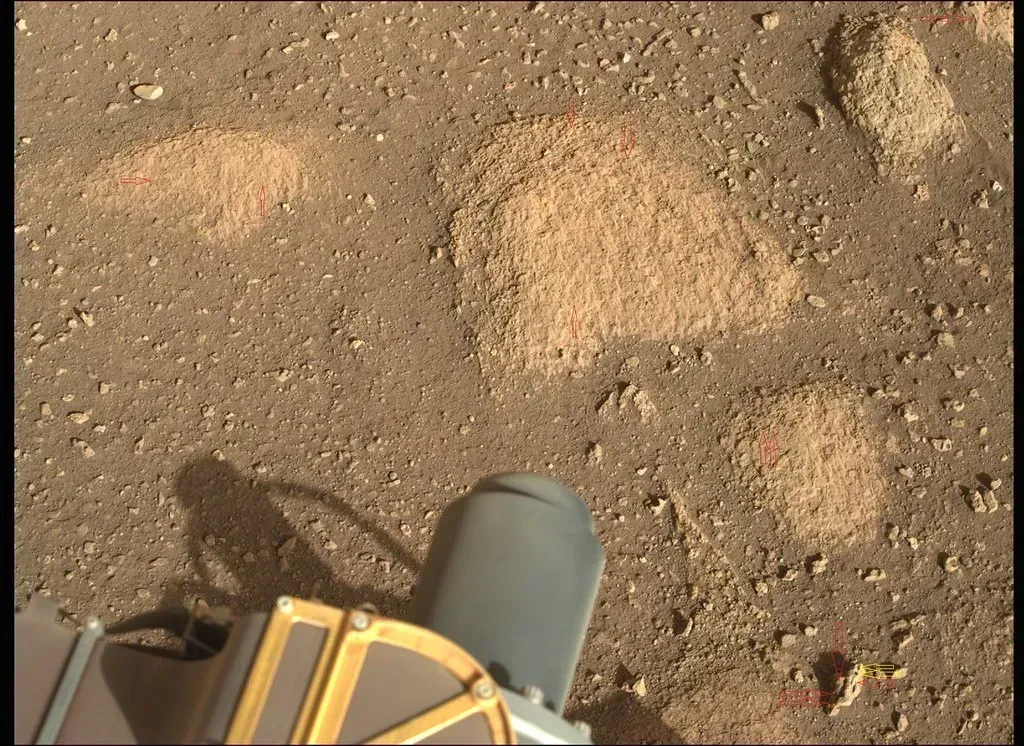
The longest organic molecules identified to date on Mars have recently been detected. These long carbon chains, containing up to 12 consecutive carbon atoms, could exhibit features similar to biological structures. The analysis was carried out using the Sample Analysis at Mars instrument suite, known as SAM.
Scientists used a chemical called TMAH to break down larger organic molecules into smaller fragments, which could then be examined by SAM’s onboard instruments. The success of this method is shaping future exploration plans. Upcoming missions, including the Rosalind Franklin rover and the Dragonfly mission to Saturn’s moon Titan, are expected to carry similar TMAH-based experiments to search for organic compounds.
4. Jezero Crater Shifted from Acidic to Life-Friendly Alkaline Chemistry Over Time
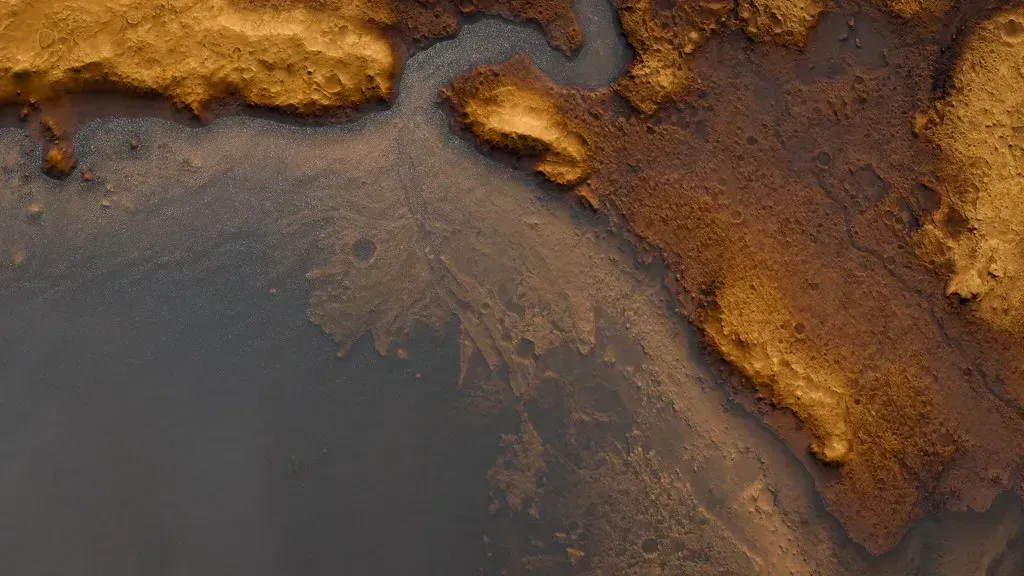
New research using NASA’s Perseverance rover has uncovered strong evidence that Mars’ Jezero Crater experienced multiple episodes of fluid activity, each with conditions that could have supported life. By analyzing high-resolution geochemical data from the rover, scientists identified two dozen types of minerals that help reveal a dynamic history of volcanic rocks altered during interactions with liquid water on Mars.
Sepiolite, a common alteration mineral on Earth, formed under moderate temperatures and alkaline conditions and was found widely distributed across all units the rover has explored. Its presence reveals a widespread episode of liquid water creating habitable conditions in Jezero Crater. Jezero Crater’s rocks reveal three stages of water activity, shifting from hostile acidic fluids to more life-friendly alkaline ones.
5. A Possible Brand-New Mineral Found in Mars’ Ancient Sulfate Deposits
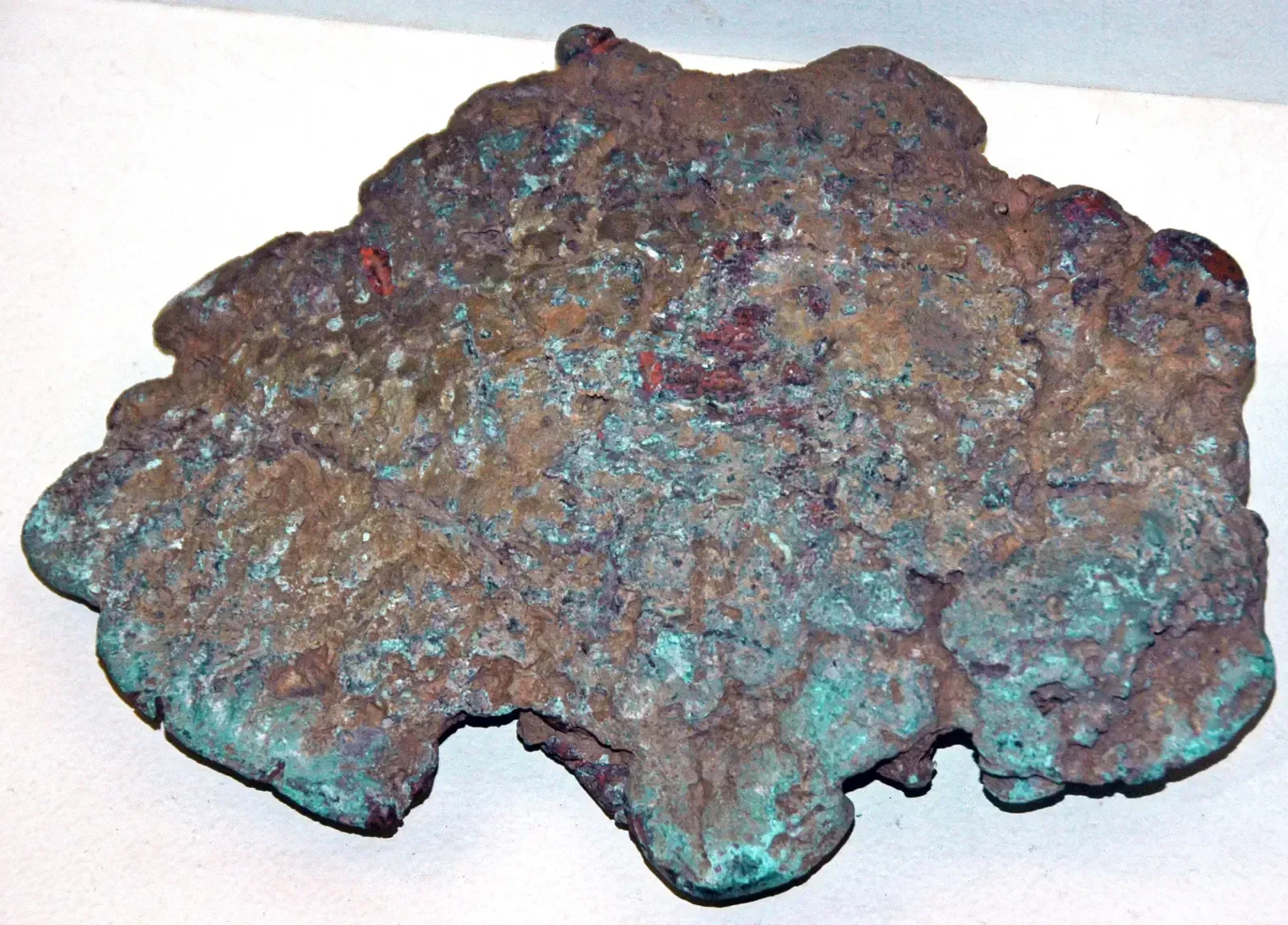
A study published in Nature Communications reports the detection of an iron sulfate on Mars that may represent a previously unknown mineral. Sulfur is abundant on Mars and commonly combines with other elements to create sulfate minerals. By combining spacecraft observations with laboratory experiments, researchers traced unusual spectral signals to a rare iron sulfate compound.
Ferric hydroxysulfate requires oxygen and temperatures above 100 degrees Celsius, much hotter than the surface of Mars today, meaning the main culprits for its development are volcanic and geothermal activity. That leads to the conclusion that the alteration in Mars’ minerals happened within the last 3 billion years, in the so-called Amazonian period. This finding pushes Mars’ geological timeline in an unexpected direction.
6. Mysterious Methane Seeping from Gale Crater
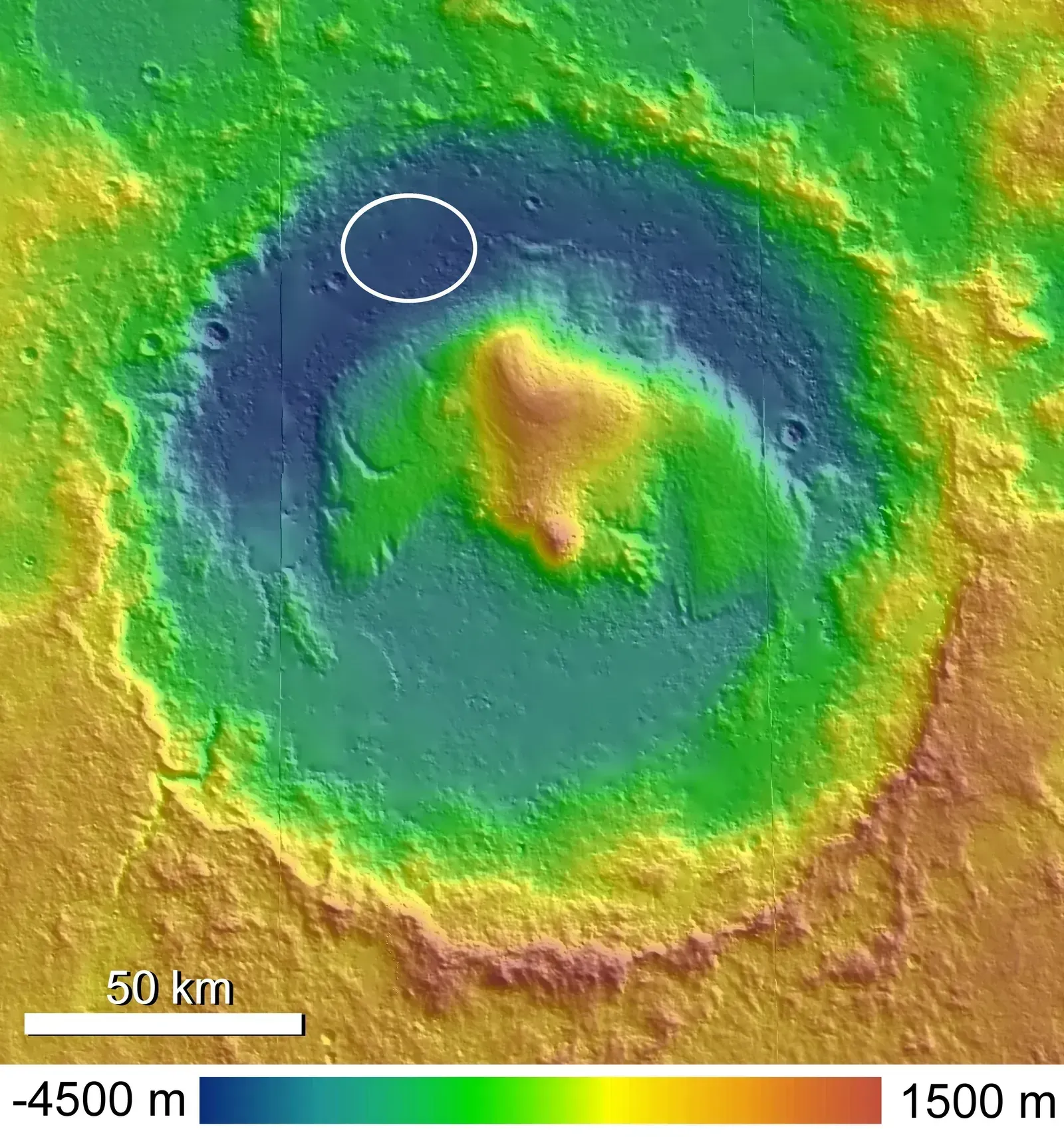
The most surprising revelation from NASA’s Curiosity Mars Rover is that methane is seeping from the surface of Gale Crater. The portable chemistry lab aboard Curiosity, known as SAM, has continually sniffed out traces of the gas near the surface of Gale Crater, the only place on the surface of Mars where methane has been detected thus far.
Its likely source, scientists assume, are geological mechanisms that involve water and rocks deep underground. Scientists have also described the discovery of seasonal variations in methane in the Martian atmosphere over the course of nearly three Mars years, which is almost six Earth years. Whether those pulses are geological or something more intriguing remains an open, charged question.
7. Pure Sulfur Crystals Found on the Surface for the First Time
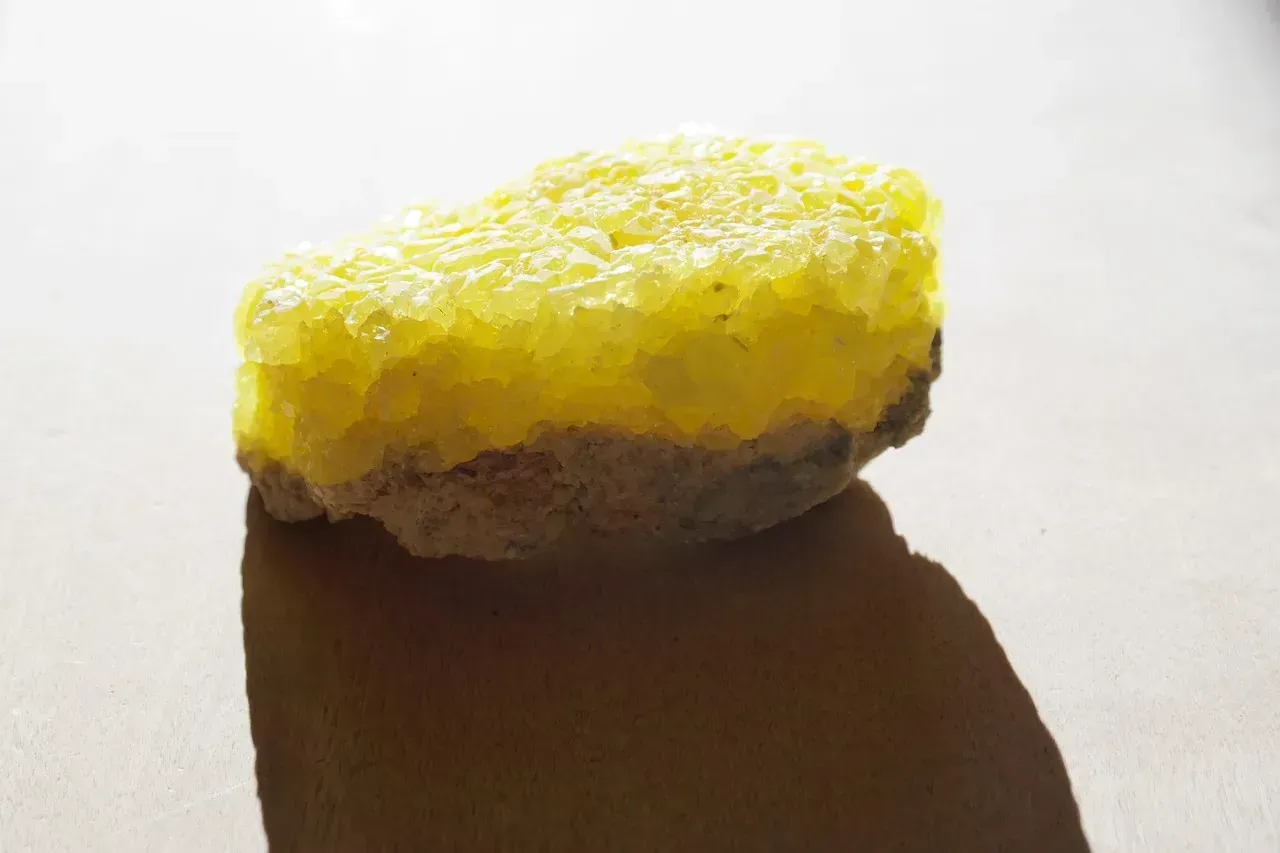
During a routine day on Mars in 2024, NASA’s Curiosity rover ran over a rock and split it open. This mishap turned out to be an accidental stroke of luck, exposing something no one had ever seen on the Red Planet: a striking cluster of bright yellow sulfur crystals. Curiosity quickly sent the images back to Earth, stunning scientists around the world.
Sulfur plays a key role in the search for life. On Earth, some microorganisms rely on sulfur compounds for energy, making the element a valuable clue in the ongoing quest to understand whether life could exist beyond our planet. Finding pure elemental sulfur in crystal form was something planetary scientists simply had not anticipated and still struggle to fully explain.
8. Ancient Organic Molecules Preserved in 3.7-Billion-Year-Old Rock
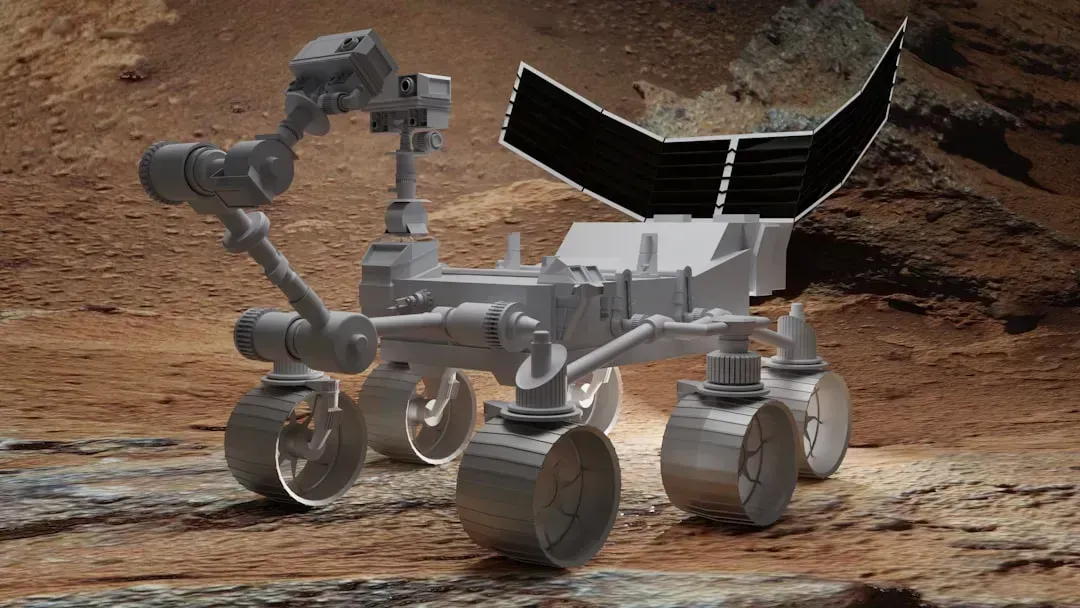
Although the surface of Mars is inhospitable today, there is clear evidence that in the distant past, the Martian climate allowed liquid water to pool at the surface. Data from Curiosity reveal that billions of years ago, a water lake inside Gale Crater held all the ingredients necessary for life, including chemical building blocks and energy sources.
To identify organic material in the Martian soil, Curiosity drilled into sedimentary rocks known as mudstone from four areas in Gale Crater. This mudstone gradually formed billions of years ago from silt that accumulated at the bottom of the ancient lake. SAM measured small organic molecules that came off the mudstone sample. Some of these fragments contain sulfur, which could have helped preserve them in the same way sulfur is used to make car tires more durable.
9. Jezero Crater’s Rim Holds Some of the Oldest Rocks in the Solar System
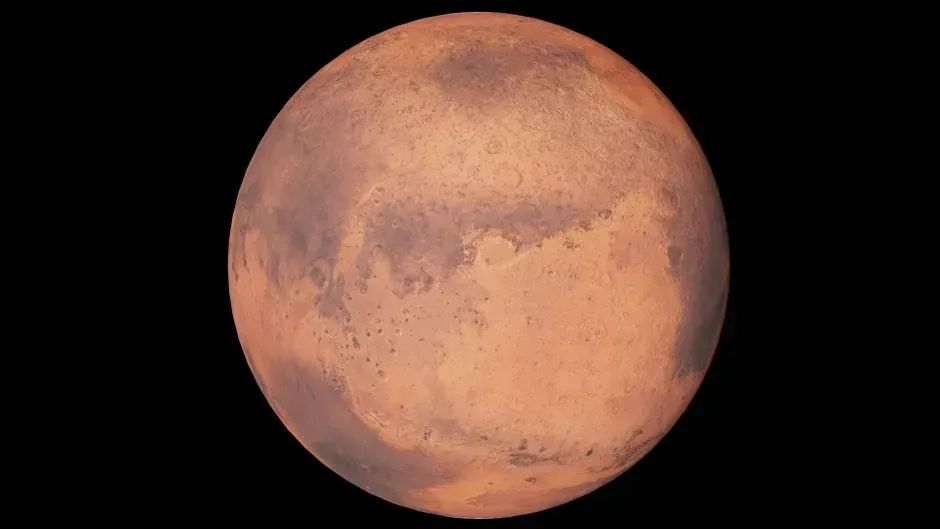
NASA’s Perseverance Mars rover captured a 360-degree panorama of a region nicknamed “Crocodile Bridge” on the rim of Jezero Crater. This region holds some of the oldest rocks anywhere in the solar system. The fifth campaign, “Northern Rim,” is exploring “the northern part of the southwestern section of Jezero’s rim” to study rocks from deep down inside Mars that were thrown upward to form the crater rim after the impact 3.9 billion years ago.
A paper published in Science details what Perseverance discovered in the “Margin Unit,” a geologic area at the inner edge of Jezero Crater. The rover collected three samples from that region. Scientists think these samples may be particularly useful for showing how ancient rocks from Mars’ deep interior interacted with water and the atmosphere, helping create conditions supportive for life.
10. Curiosity’s “Boxwork” Formations Reveal a Hidden Chapter of Mars’ Watery Past
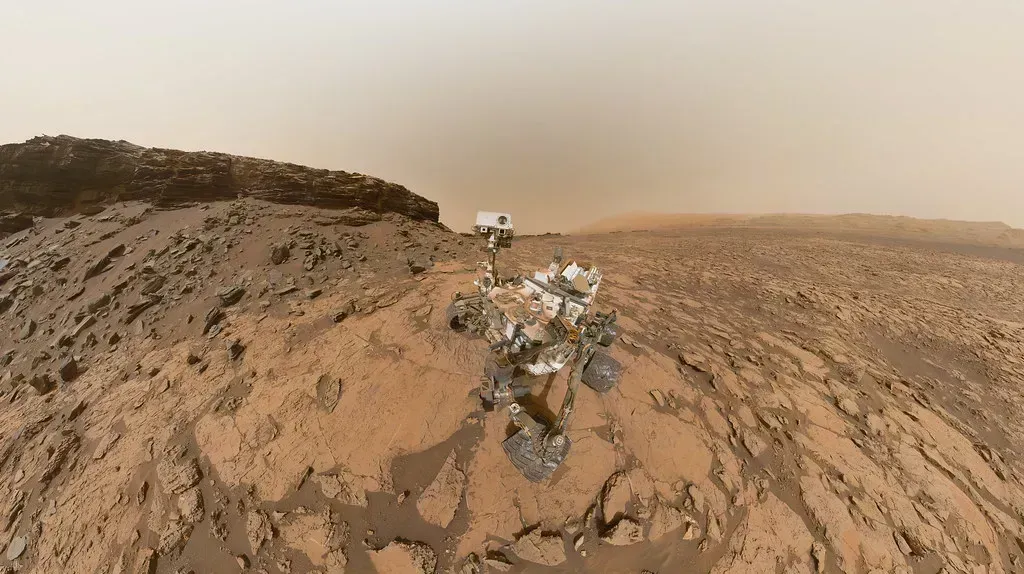
NASA’s Curiosity rover is investigating strange spiderweb-like ridges on Mars that may reveal a hidden chapter of the planet’s watery history. Stitched together from more than 1,000 images taken in late 2025, Curiosity’s 360-degree panorama offers a detailed look into a region filled with a vast network of boxwork formations: resembling giant spiderwebs in orbiter images, the low ridges were created by groundwater.
NASA’s Curiosity Mars rover captured a 360-degree view of this region filled with low ridges called boxwork formations between November and December 2025. At 1.5 billion pixels, this is one of the largest panoramas Curiosity has ever taken. The sheer scale of these formations suggests groundwater activity far more widespread than previously modeled.
11. Photosynthesis May Be Possible Within Mars’ Dusty Water Ice
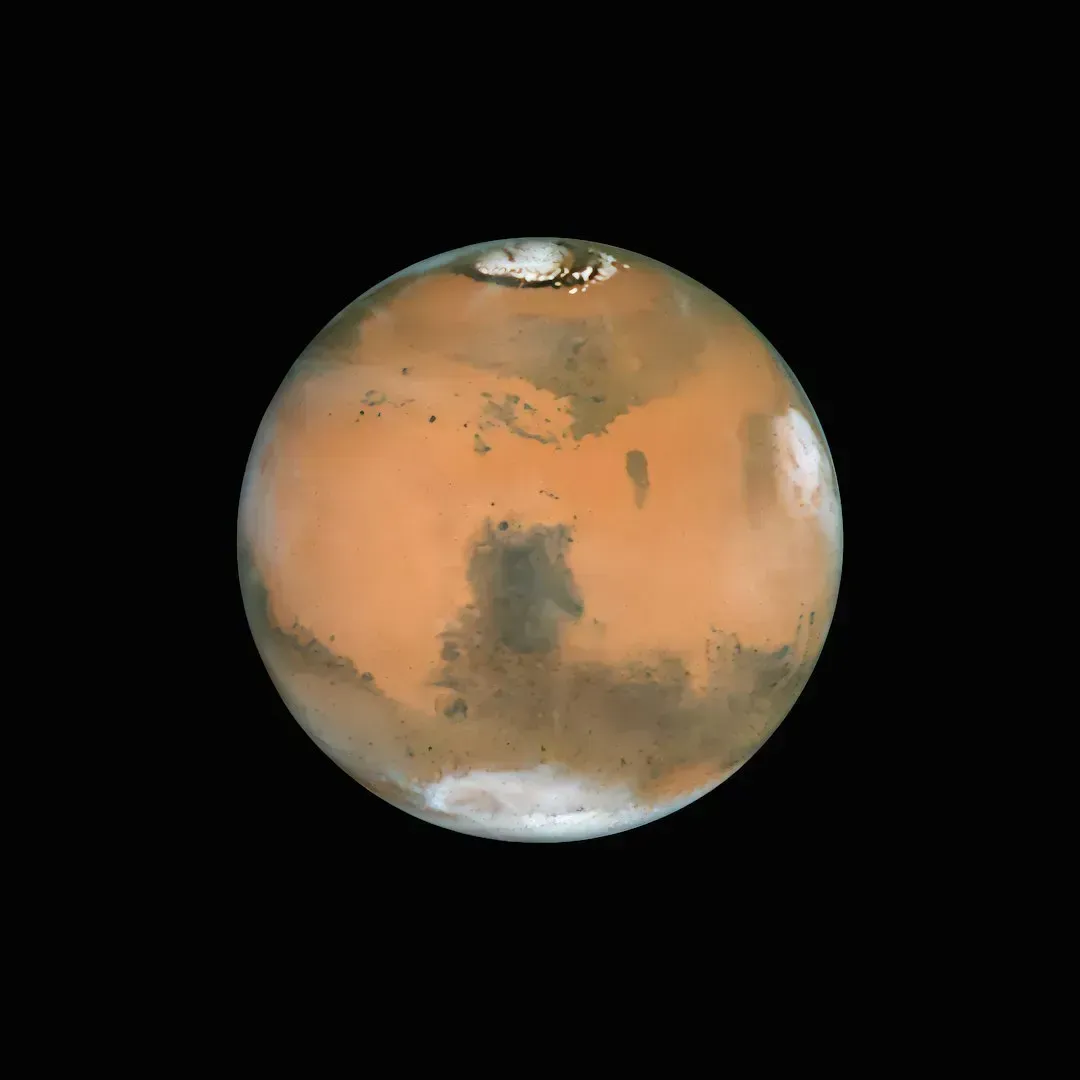
In October 2024, NASA announced that it may be possible for photosynthesis to occur within dusty water ice exposed in the mid-latitude regions of Mars. The implications are significant: if sunlight can penetrate ice mixed with mineral dust, a thin layer near the surface could theoretically provide a habitable niche even under current Martian conditions.
Liquid water cannot exist on the surface of Mars except at the lowest elevations for only minutes or hours. However, liquid water could form in minuscule amounts around dust particles in snow heated by the Sun. This idea challenges the long-held assumption that modern Mars is simply too harsh to sustain any form of active chemistry that could support life.
12. AI-Driven Autonomous Navigation Is Accelerating Discoveries Dramatically
NASA’s Perseverance rover has made history by driving across Mars using routes planned by artificial intelligence instead of human operators. A vision-capable AI analyzed the same images and terrain data normally used by rover planners. A paper published in IEEE Transactions on Field Robotics highlights an autonomous planning tool called Enhanced Autonomous Navigation, or ENav, which looks up to 50 feet ahead for potential hazards, then chooses a path without obstacles.
More than nine-tenths of Perseverance’s journey has relied on autonomous driving, making it possible to quickly collect a diverse range of samples. Over the past two years, engineers have extensively evaluated nearly all the vehicle’s subsystems, concluding that they can operate until at least 2031. More ground covered means more rocks examined, more samples drilled, and a faster pace of discovery at a moment when Mars is yielding its secrets more readily than ever before.
What’s remarkable about this era of Mars science is how each discovery seems to raise the stakes for the next. A rover cracks open a rock and finds sulfur crystals nobody expected. Another drills into ancient mudstone and returns a sample that a year of peer review can’t dismiss. The picture that’s emerging isn’t a simple, settled story of a dead planet. It’s something far more complicated, and far more interesting, than that.
