

- The Planet Where It Rains Liquid Glass – 7 Alien Worlds Defying Known Physics - November 14, 2026
- Stars Consuming Entire Worlds – 6 Planetary Systems Swallowing Their Own Worlds - November 14, 2026
- The Ground Liquefies Like Water – 6 Silent Fault Lines Geologists Watch Closely - November 14, 2026
Earthquakes have a reputation for striking without warning, and for the most part that reputation is earned. Many seismologists have long argued that earthquakes are impossible to predict because Earth’s crust doesn’t give any detectable warning before it snaps. Yet that view is softening. Over the past decade, researchers have catalogued a growing list of phenomena, some physical, some chemical, some biological, that seem to cluster in the days, hours, or weeks before major ruptures. None of them constitutes a reliable alarm clock. Taken together, though, they paint a picture of a planet that is, perhaps, less silent before it breaks than we once assumed.
Earthquakes are the most feared among all natural disasters because they seem to strike suddenly, without forewarning. However, there have been innumerable reports of non-seismic pre-earthquake signals hours, days, and sometimes even weeks before major seismic events. These signals are often fleeting and subtle, seemingly “unreliable,” but occasionally distinct and strong. The eleven signs below represent the phenomena that scientists most frequently flag as deserving far more public attention than they currently receive.
1. Foreshocks and Small Seismic Swarms
Fast-developing research is hinting that faults like Cascadia and Nankai might send out warning signals: a smaller quake as a foreshock, or a subtle groan only detectable by sensors, which scientists call a slow-slip event. Foreshocks are, in hindsight, among the most consistent precursors documented in the scientific literature. The challenge is that in the moment, a small tremor looks identical to any other minor earthquake, and the vast majority of small quakes are never followed by something larger.
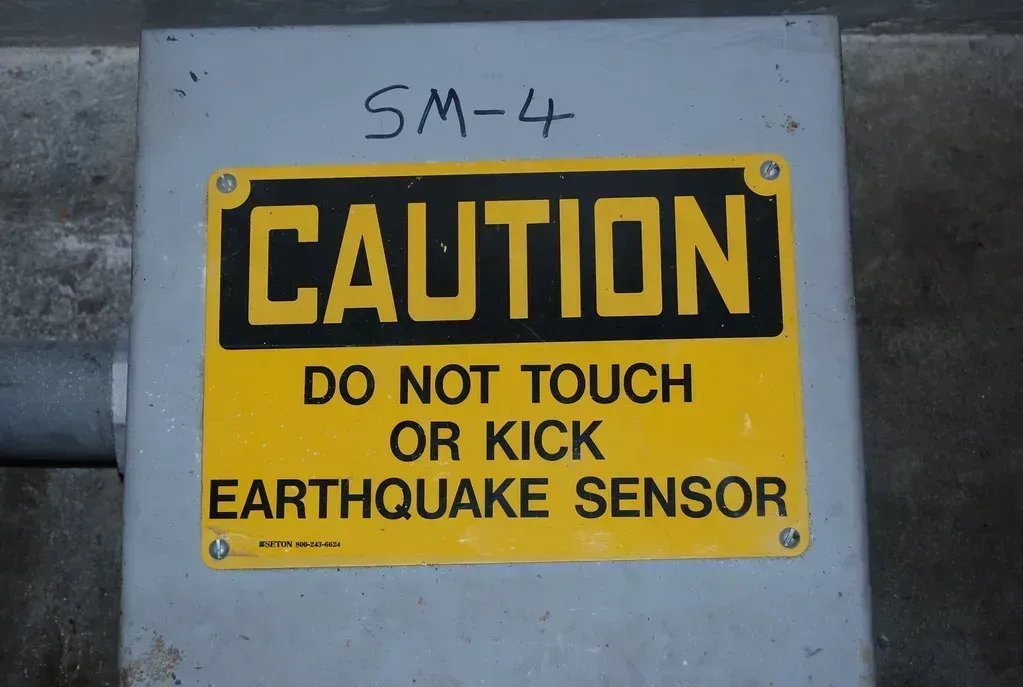
A series of small tremors, or foreshocks, can occur before a larger earthquake. Earthquake monitoring networks can help track these events, providing valuable data regarding seismic activity. Experts wish more people understood that a cluster of small quakes in a short period in a known seismic zone is not routine background noise to be dismissed. It can be a signal worth paying attention to, even if it doesn’t always lead somewhere serious.
2. Slow-Slip Events Along Major Fault Zones

Slow-slip earthquakes release their energy slowly over weeks or months and don’t cause perceptible shaking. Scientists first recognized their existence about two decades ago, thanks to advances in GPS technology. These quiet, creeping movements along fault zones are invisible to anyone standing on the surface, yet they transfer stress onto the locked portions of faults where destructive ruptures eventually originate. They are among the most important warning signals scientists currently monitor.
Some scientists think these slow-slip events might sometimes precede big subduction zone quakes. Scientists recorded a slow-slip event in 2011 before the magnitude-9 Tohoku earthquake and tsunami in Japan, which killed more than 18,000 people. That connection is still being studied and debated, but the fact that GPS networks can now detect these events in near-real time represents a genuine step forward in hazard assessment.
3. Subtle Fault Creep Detected by GPS
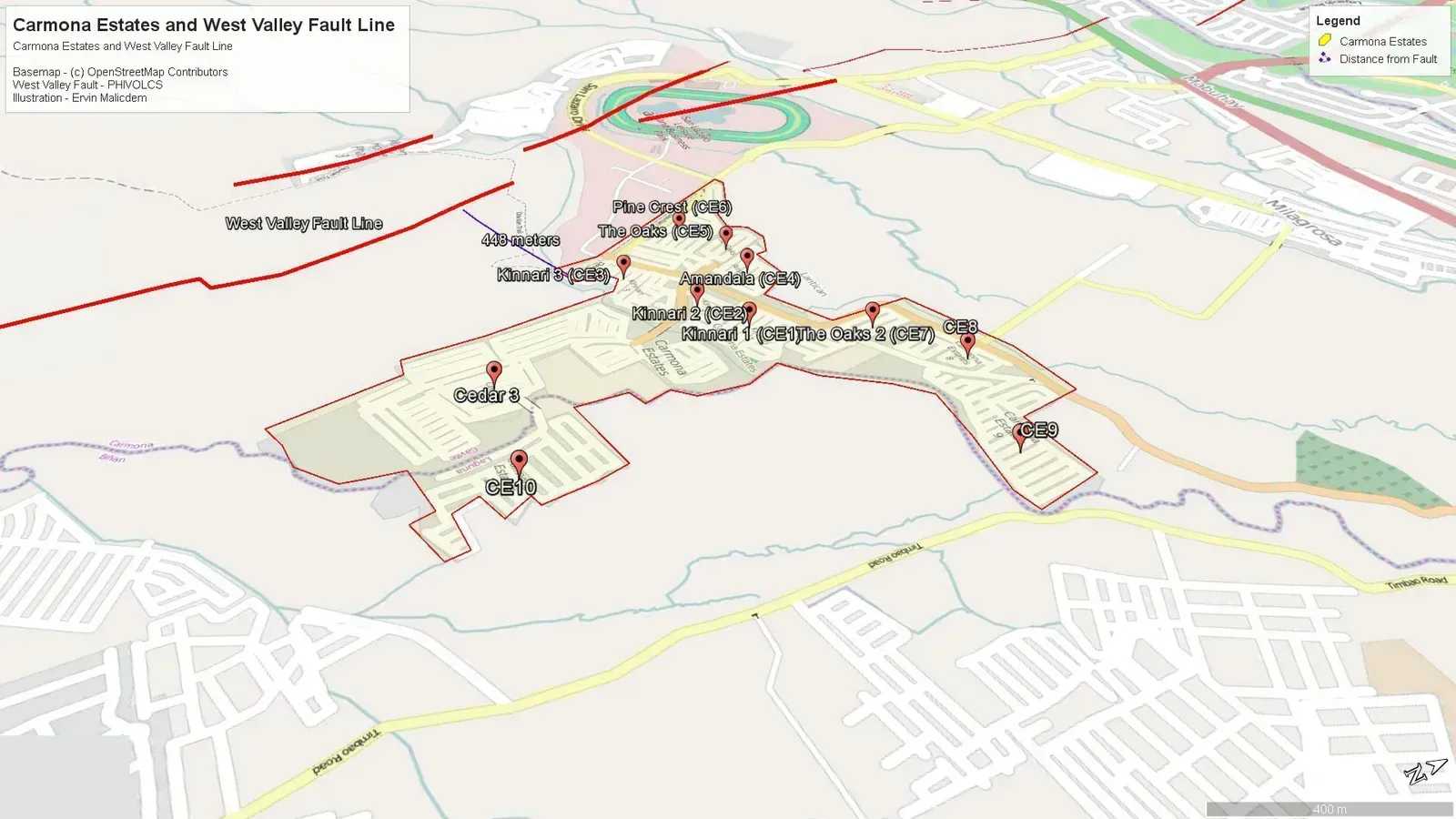
Researchers say they have identified nearly imperceptible shifts along fault zones up to 2 hours before large earthquakes. Although existing monitoring systems cannot yet pick up this signal in real time, the discovery points toward a future where residents could retreat to safe havens ahead of the most catastrophic quakes. The signal is extraordinarily faint, far below what any human could feel, but it showed up consistently when researchers stacked GPS time-series data from dozens of major earthquakes.
“It’s solid evidence that there is something happening before large earthquakes,” says study co-author Quentin Bletery. “It doesn’t mean that we know how to predict them, but it means that it’s physically possible.” But just because there is a pattern of events before an earthquake doesn’t mean the new finding itself will amount to a prediction method, warns Lucy Jones, a seismologist and founder of the Dr. Lucy Jones Center for Science and Society. The science here is early, but the direction it points is genuinely exciting.
4. Changes in Groundwater Levels
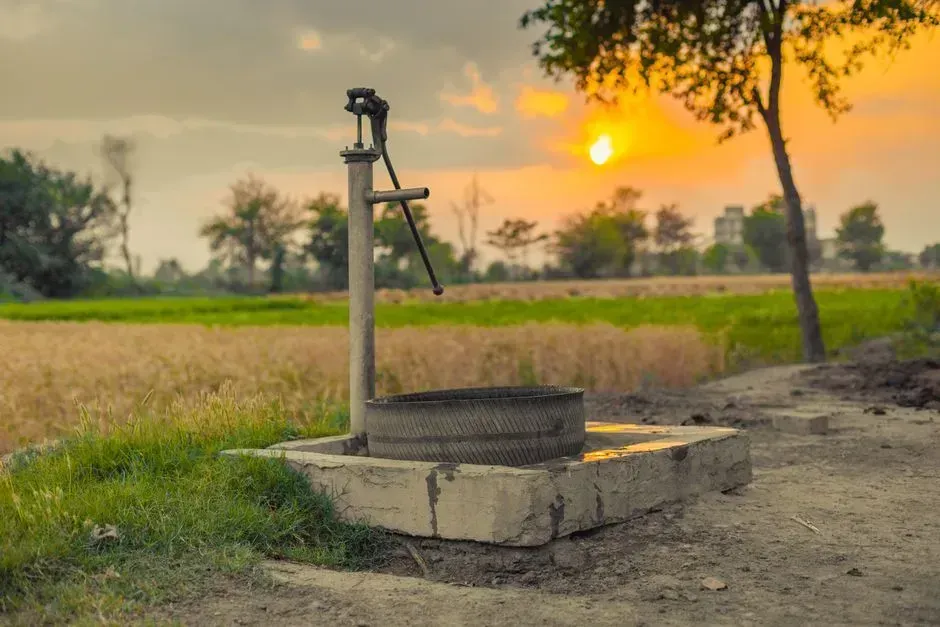
Variation of the groundwater level and composition has been reported some weeks up to a few hours before earthquakes. When tectonic stress builds in the crust, it can compress underground rock formations, squeezing water upward into wells or, conversely, causing water tables to drop unexpectedly. Fluctuations in water levels in wells or artesian bores can be indicative of subsurface changes associated with an impending earthquake.
Macroscopic anomalies such as well water fluctuations and unusual animal behaviour have been recorded in old documents and folklore accounts as possible earthquake precursors. Modern research is giving these old observations a second look. Earthquake chemical precursors could be supportive in developing early warning systems. To minimize the loss of life caused by earthquakes, it is crucial to have early warning tools that provide sufficient warning time.
5. Elevated Radon Gas Emissions

Radon is a naturally occurring radioactive gas that seeps up through cracks in the Earth’s crust. Radon concentration gradually grows during several months before a strong earthquake, with a sharp increase a few days before and an abrupt drop a few hours before the shock. This pattern has been documented near fault zones in multiple countries, making it one of the more studied geochemical precursors in the field.
Gas exhalations, mainly of radon or radioactive ions, are induced by gas-water release from the earthquake preparation zone into the atmosphere. Some studies indicate that increased radon gas emissions may be correlated with seismic activity. The difficulty lies in filtering out natural background variations and seasonal changes, which is why continuous, long-term monitoring near active faults is considered essential for making this signal useful.
6. Unusual Animal Behavior

Of all the proposed warning signs, unusual animal behavior is perhaps the most ancient and the most contested. Common toads were observed to exhibit a highly unusual behavior prior to a M6.3 earthquake that hit L’Aquila, Italy, on April 6, 2009: a few days before the seismic event the toads suddenly disappeared from their breeding site in a small lake about 75 km from the epicenter and did not return until after the aftershock series. That documented disappearance sparked serious scientific interest in the mechanism behind such behavior.
If in fact there are precursors to a significant earthquake that we have yet to learn about, such as ground tilting, groundwater changes, electrical or magnetic field variations, it is possible that some animals could sense these signals and connect the perception with an impending earthquake. Electromagnetic emissions before rupture may be the mechanism for the explanation of abnormal behavior of animals before earthquakes. The science isn’t settled, but the biological observations are hard to simply ignore.
7. Ground Uplift or Subsidence
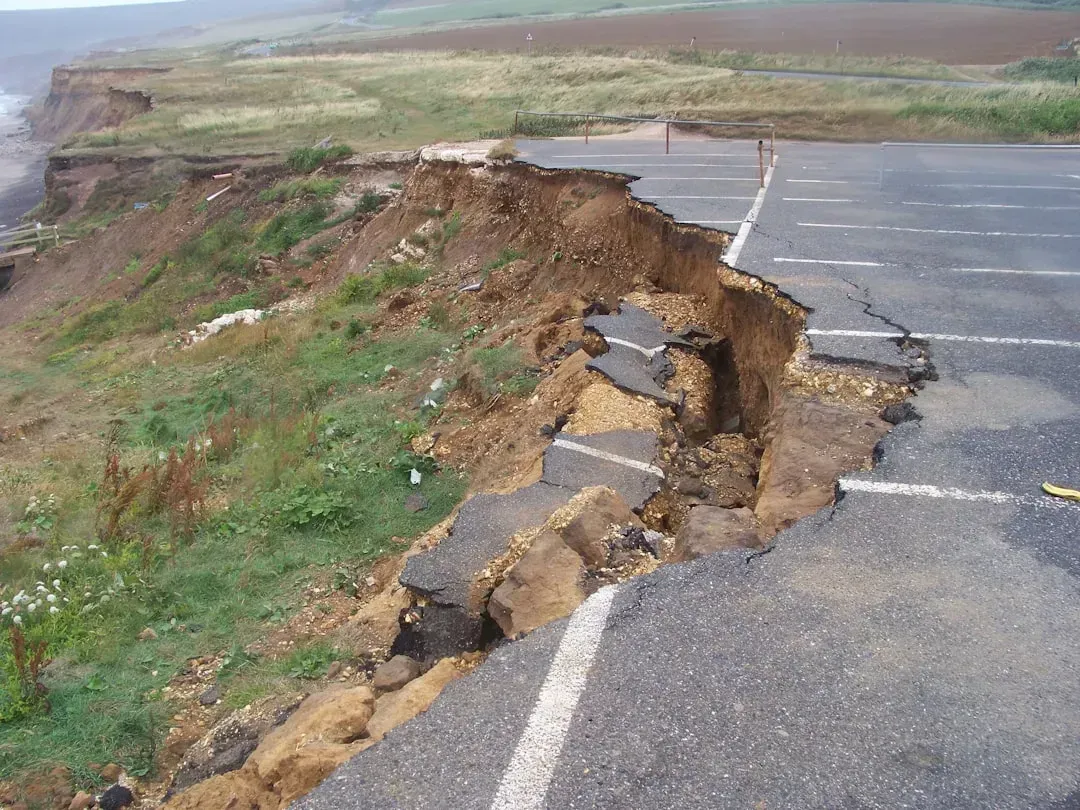
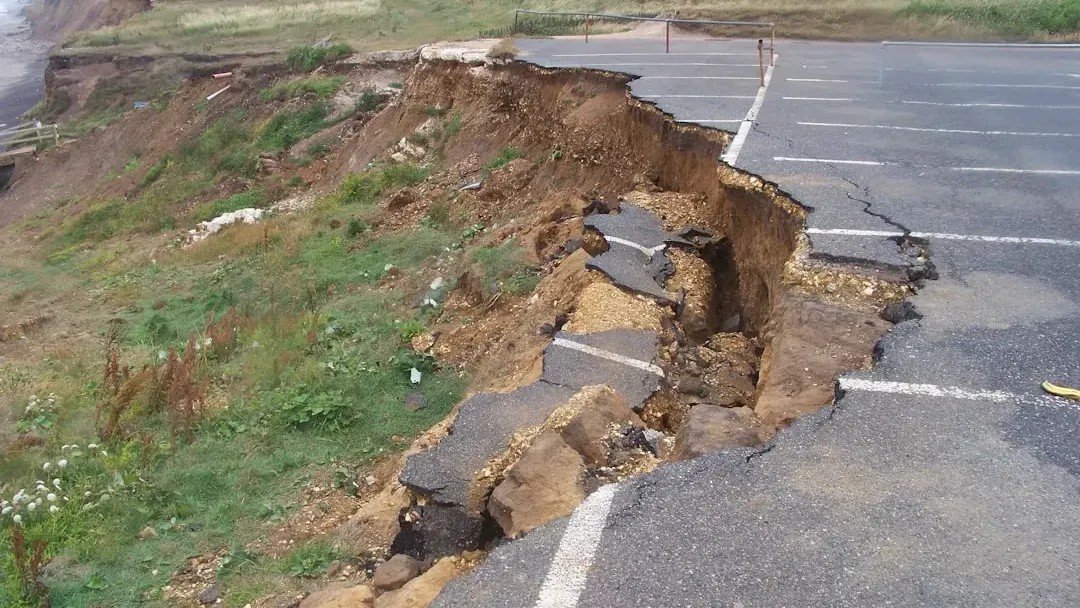
Changes in ground level can be a sign of stress building along fault lines. This can involve the ground bulging upwards (uplift) or sinking downwards (subsidence). In volcanic and tectonic settings, these deformations can be dramatic enough to measure without specialized instruments, though more commonly they require satellite-based radar or tiltmeters to detect. These changes are often very gradual and might require specialized equipment to measure them.
Lithospheric mechanical deformations, such as those detectable with creep- and strain-meters, are among the recognized categories of earthquake precursor. When ground deformation accelerates near a historically quiet fault segment, seismologists take notice. The practical problem is that ground uplift and subsidence can also be caused by groundwater extraction, volcanic activity, and seasonal loading, which makes confident attribution difficult.
8. Ionospheric Disturbances
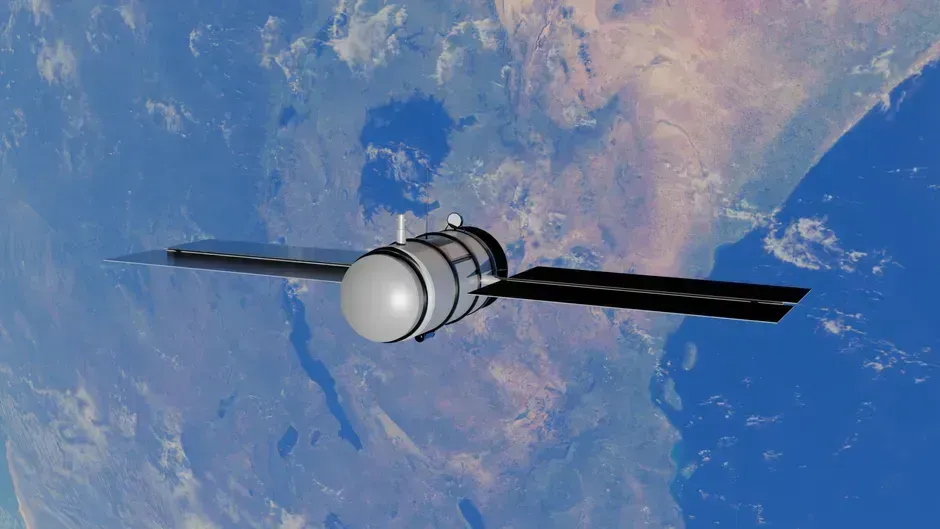
Radon and other gases rise from the epicentral and associated fault lineaments regions before the main shock day during the earthquake breeding period, causing different reactions in the air at the Earth-atmosphere interface in the form of ion-molecular reactions, followed by air ionization. This chain of processes is thought to eventually alter the electrical properties of the ionosphere, the charged layer of the upper atmosphere, in ways that satellites can detect. Researchers studying this phenomenon call it lithosphere-atmosphere-ionosphere coupling.
Dr. Dimitar Ouzounov studied the lithosphere-atmosphere-ionosphere coupling associated with earthquake preparation processes. Ouzounov identified a strong anomaly in the outgoing longwave radiation in early May, before the M7.3 earthquake on May 12th. This thermal infrared signature, visible from orbit, is one of the more intriguing potential precursors currently under investigation, though distinguishing earthquake-related signals from weather-related ones remains a significant challenge.
9. Changes in Electromagnetic Fields
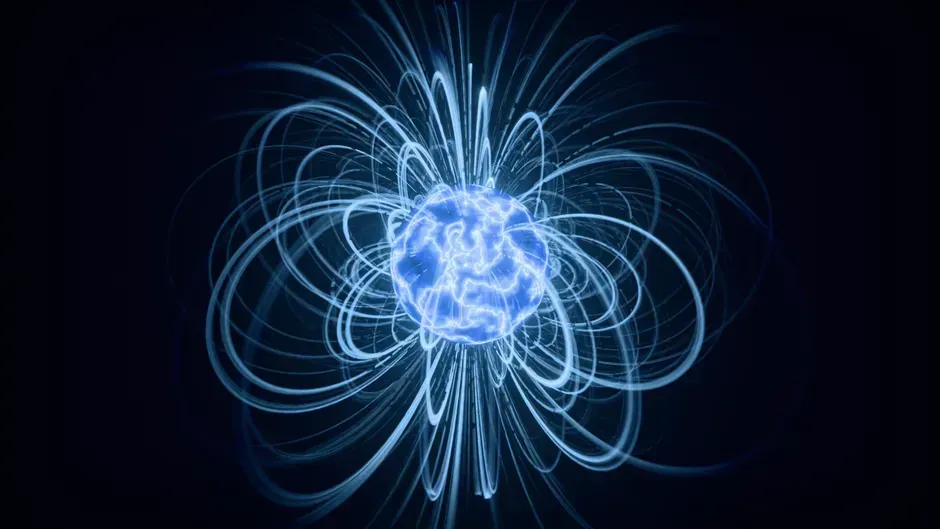
Changes in the environment prior to major earthquakes have been observed on the land surface, in water, in the air, and in the ionosphere. Some of these changes, particularly electric and magnetic field precursory changes, have been used in practice in the 1990s and 2000s to announce the parameters of impending major earthquakes in Greece. These low-frequency electromagnetic signals, sometimes called seismic electric signals, remain controversial, but the body of observational data supporting them is not trivial.
Seismic precursors include changes in the geomagnetic field, in telluric currents, and in resistivity, all of which reflect how electrical properties of the crust shift under stress. Taking advantage of measurements provided by the Swarm magnetic satellites, researchers investigate the possibility of detecting pre-earthquake magnetic anomalous signals, likely due to lithosphere-atmosphere-ionosphere coupling. Different techniques have been applied to Swarm data, and the cumulative number of anomalies follows the same typical power-law behavior of a critical system approaching its critical time.
10. Groundwater Chemistry Changes
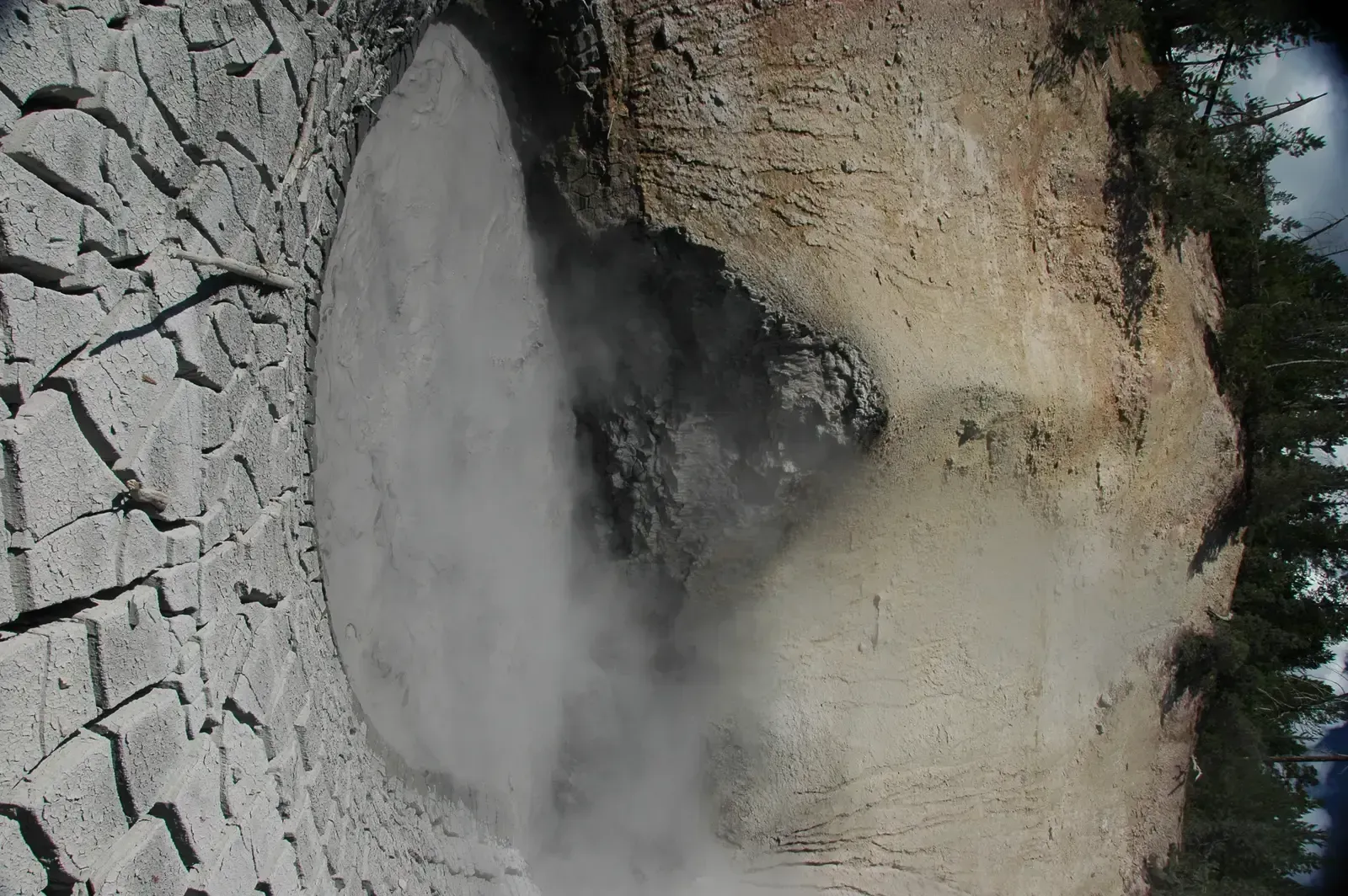
Changes prior to major earthquakes are noticeable at the land surface, in water, in the air, and in the ionosphere. Key to understanding these diverse pre-earthquake phenomena has been the discovery that, when tectonic stresses build up in the Earth’s crust, highly mobile electronic charge carriers are activated. These charge carriers can trigger oxidation reactions in groundwater, altering the water’s chemical signature in measurable ways before any shaking occurs.
Redox reactions in groundwater can help define earthquake chemical precursors. Hydrogen peroxide and hydroxyl radicals play key roles in generating the chemical precursors. Advanced oxidation contributes greatly to the oxidation of organic compounds. Behavioral changes in organisms before earthquakes can help validate these precursors, providing an indirect biological confirmation that something is genuinely changing in the subsurface environment before a major rupture.
11. Seismic Gaps and Long Quiet Periods on Active Faults
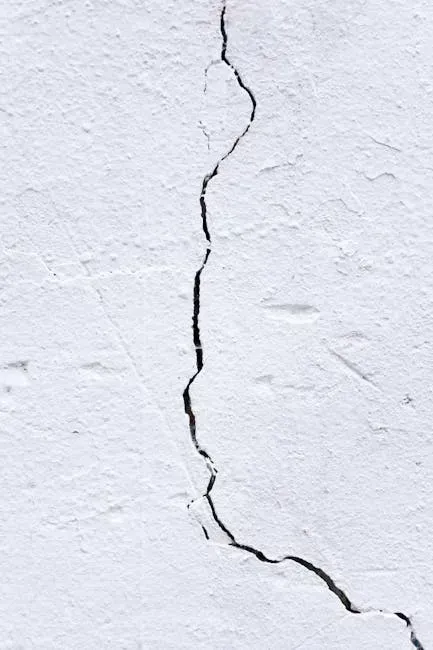
A seismic gap is a section of a known active fault that has not produced a significant earthquake in an unusually long time, even while neighboring sections continue to rupture. Rather than being reassuring, that silence is itself a warning sign. Stress continues to accumulate along locked fault segments, and the longer a section goes without releasing energy, the more energy it is likely storing for a future event. Scientists consider this one of the most straightforward statistical indicators of elevated seismic hazard.
For seismologists, the key question now is how to forecast future seismic violence. Fast-developing research is hinting that faults like Cascadia and Nankai might send out warning signals: a smaller quake as a foreshock, or a subtle groan only detectable by sensors, which scientists call a slow-slip event. Watching for any sudden change in behavior along a historically silent fault segment, whether it’s a small swarm of microearthquakes, a hint of ground deformation, or even a shift in local well water levels, is exactly the kind of multi-signal monitoring that researchers argue gives the best chance of catching the Earth in the act of preparing its next big move.
None of these eleven signs works as a standalone alarm. The most important problem with all these precursors is to distinguish signals from noise. A single precursor may not be helpful; the prediction program strategy must involve a combination of indicators. What scientists do agree on is that the era of dismissing all pre-earthquake signals as coincidence or folklore is fading. The Earth does appear to speak before it breaks. Learning to listen, carefully and with appropriate skepticism, may eventually save lives on a meaningful scale.
