

- The Planet Where It Rains Liquid Glass – 7 Alien Worlds Defying Known Physics - November 14, 2026
- Stars Consuming Entire Worlds – 6 Planetary Systems Swallowing Their Own Worlds - November 14, 2026
- The Ground Liquefies Like Water – 6 Silent Fault Lines Geologists Watch Closely - November 14, 2026
The Numbers Finally Catch Up With the Warnings
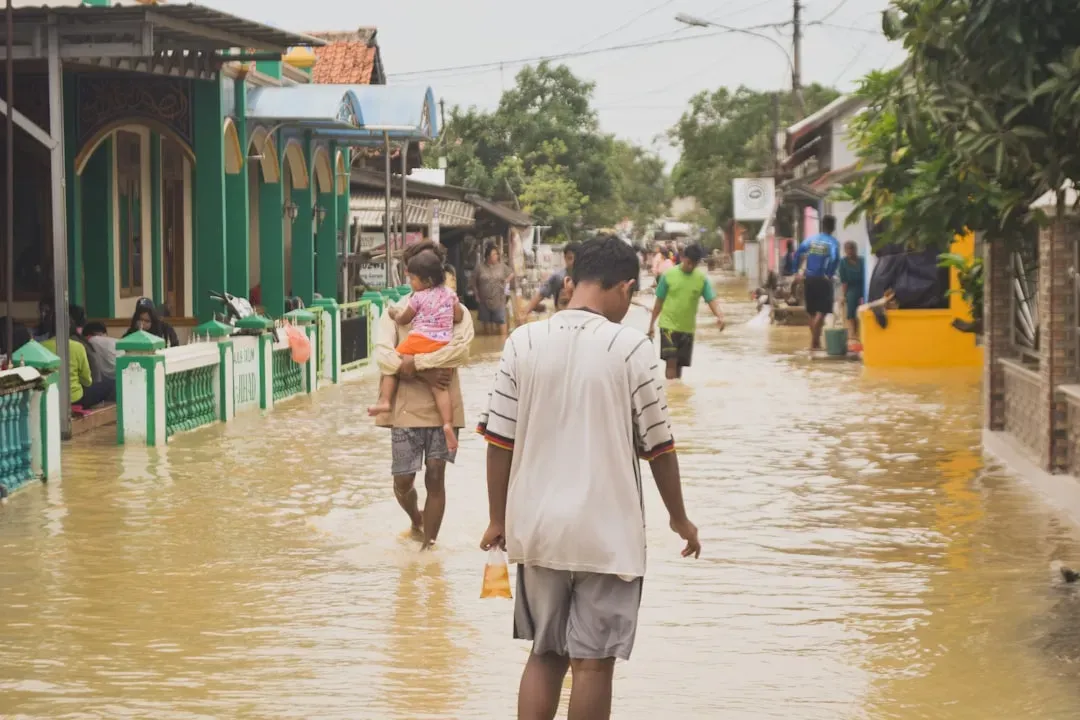
For years, researchers predicted that flood risk would eventually start showing up in migration patterns. That prediction has now become measurable fact. High-flood-risk counties posted a net outflow of 63,357 people in 2025, nearly double the 34,099 recorded a year earlier.
Meanwhile, the places people are moving toward tell their own story. Low-flood-risk counties moved in the opposite direction, gaining 69,857 more residents than they lost in 2025, the largest net inflow since 2018. That divergence didn’t exist a decade ago, when cheap mortgage rates and remote work sent people flooding into coastal Sun Belt markets regardless of risk.
Miami Is Losing People Even as Billionaires Move In
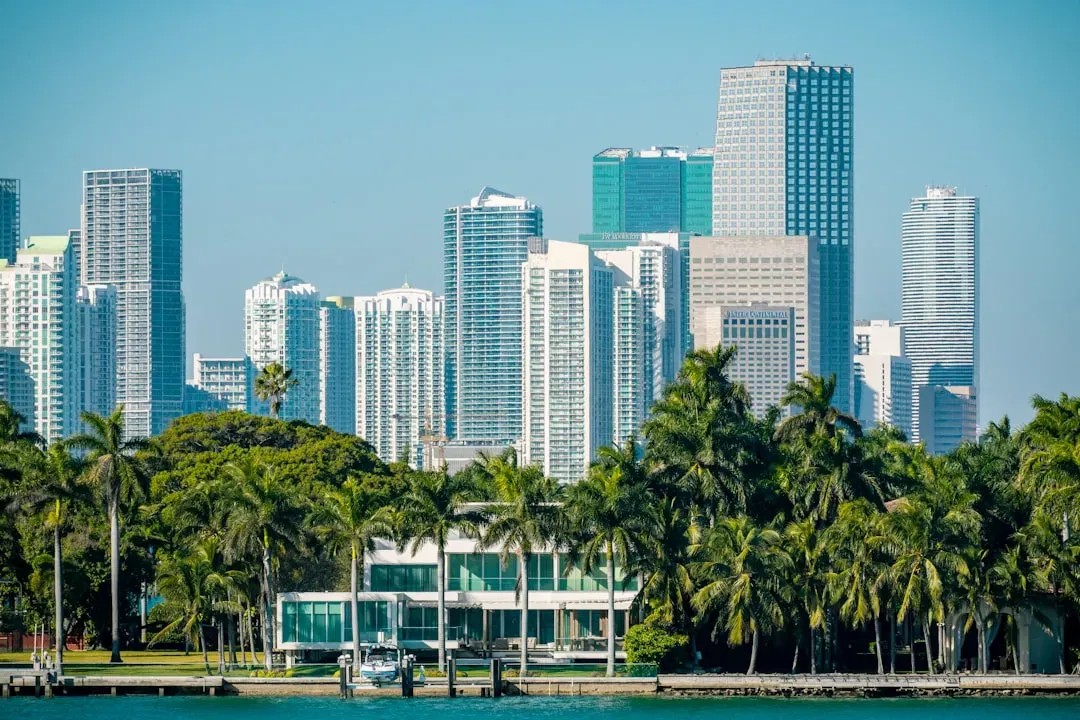
Miami-Dade County offers maybe the starkest illustration of what’s happening. Miami-Dade County lost 72,254 more residents than it gained last year, the largest net outflow among the flood-prone counties in the analysis, and also the largest net outflow on record for the county. That’s not a small dip. That’s the biggest single-year loss the county has ever recorded.
What makes it strange is who’s replacing whom. While Miami is losing residents in general, it’s gaining billionaires, and the area has become a magnet for ultra-wealthy Americans, partly because it has no state income tax. Regular families are being priced and risked out while the ultra-rich buy waterfront estates they can afford to insure, or simply choose not to insure at all. Florida’s insurance market has made the calculation brutally clear for everyone else: premiums rose 12% nationwide in 2025, with rates increasing in 45 states, and Florida’s average premium stands at $8,292, nearly three times the national average.
Houston’s Flood Risk Is Pushing People to the Suburbs, Not Out of Texas
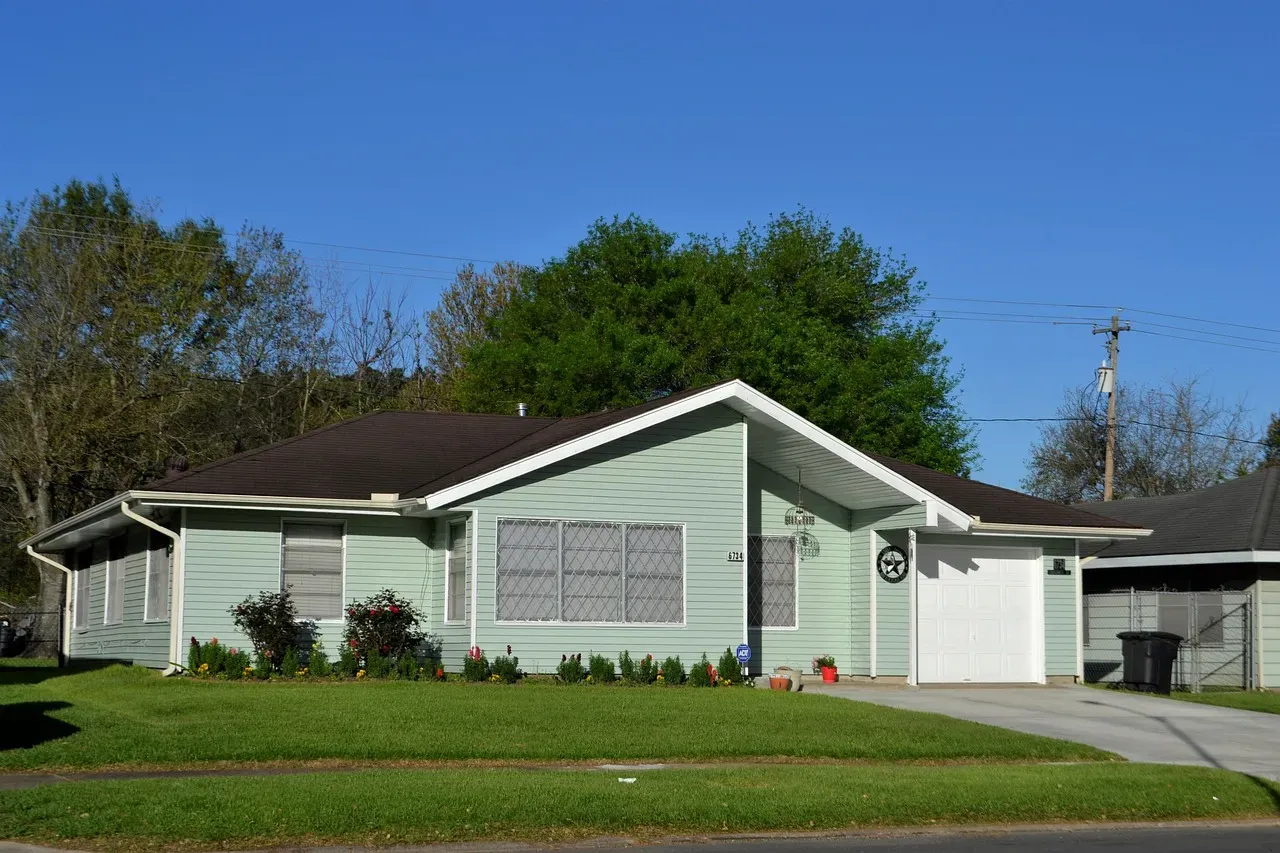
Harris County, home to Houston, shows a slightly different version of the same trend. Harris County, Texas ranks second with a net loss of more than 43,000 residents. That’s a serious number for one metro area to lose in a single migration cycle.
But the exodus from flood-prone Houston neighborhoods isn’t necessarily leaving Texas behind. While some Houston residents are moving out of state, others are moving to the suburbs, and Montgomery County, a low-flood-risk county north of Houston, saw 23,919 more people move in than out last year, the largest net inflow in the country, with just 14.7% of homes there facing high flood risk. Residents seem less interested in abandoning the region’s economy and more interested in staying close while getting off the floodplain.
Louisiana’s Coast Is Running Out of Land, Not Just People
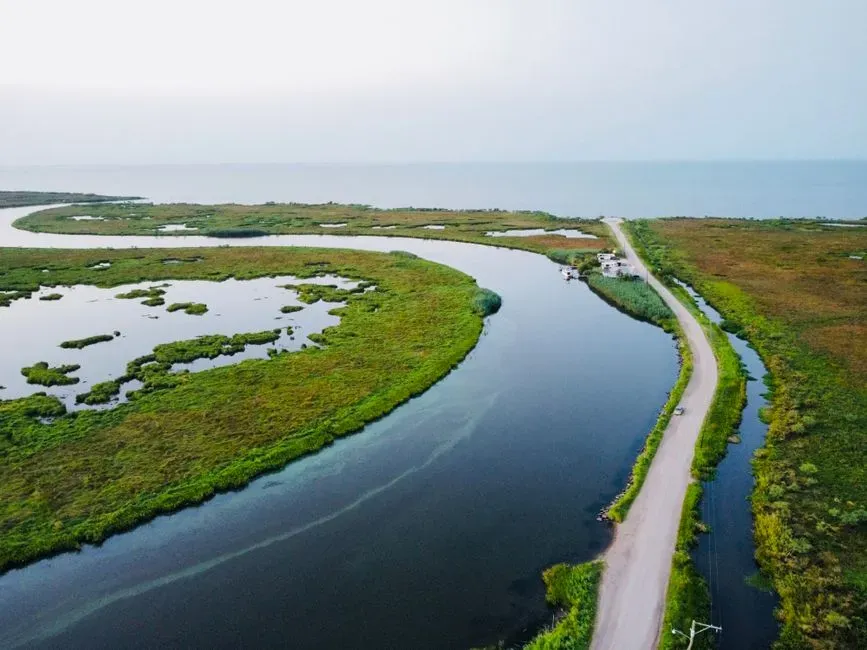
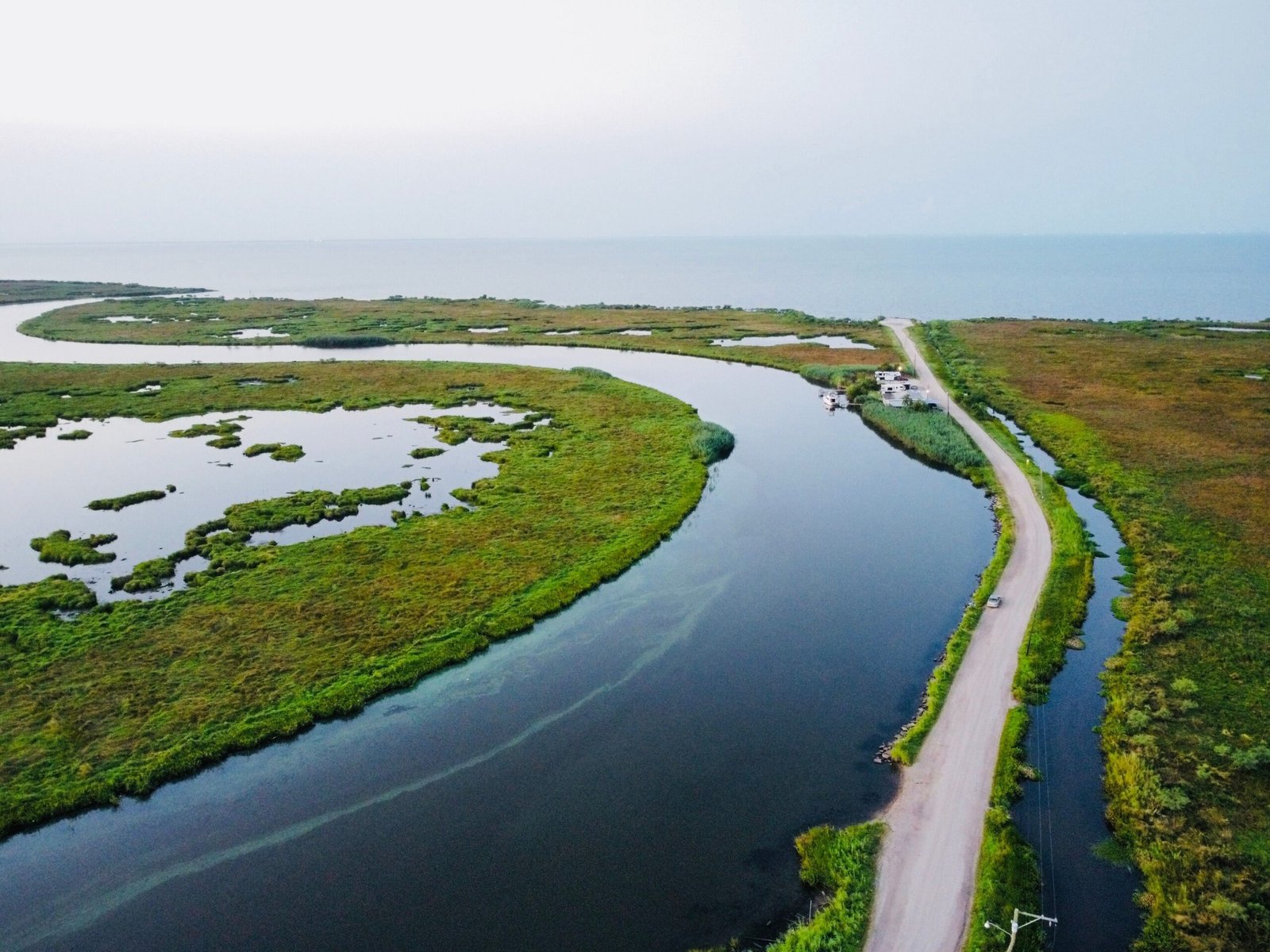
South Louisiana represents something more permanent than a housing preference shift. The Isle de Jean Charles, a narrow strip of Terrebonne Parish that has been home to the Biloxi-Chitimacha-Choctaw people since the 1830s, is disappearing into the Gulf. In 2016, the federal government funded the country’s first full community relocation, moving residents to a new community in Gray, 9 miles north of Houma and 40 miles north of their old homes. Three years after the move, the results haven’t matched the promise. Naquin was among the more than 30 residents who used to live along the Louisiana coastline at Isle de Jean Charles, and says the 3-year-old homes are substandard. Researchers now describe the project as a warning sign rather than a template, especially since an estimated 2.5 million Americans could be forced to relocate away from the coast over the next 25 years.
Alaska’s Villages Are Losing Ground Beneath Their Feet

Louisiana isn’t the only place watching its shoreline vanish. Alaska faces perhaps the most urgent version of this crisis, where thawing permafrost, not just rising water, is literally pulling the ground out from under entire communities. More than 30 indigenous villages face imminent relocation due to flooding, land erosion, permafrost thaw or combinations of all the above because of climate change.
Yet moving an entire village turns out to be extraordinarily difficult, even with political will behind it. Only one village, Newtok, has made successful strides in that direction, and even that took nearly two decades and about $60 million in federal funds. With dozens of other villages still waiting their turn, and federal disaster-relocation funding increasingly uncertain, the math simply doesn’t work in most communities’ favor.
Paradise, California Shows What Comes After the Fire
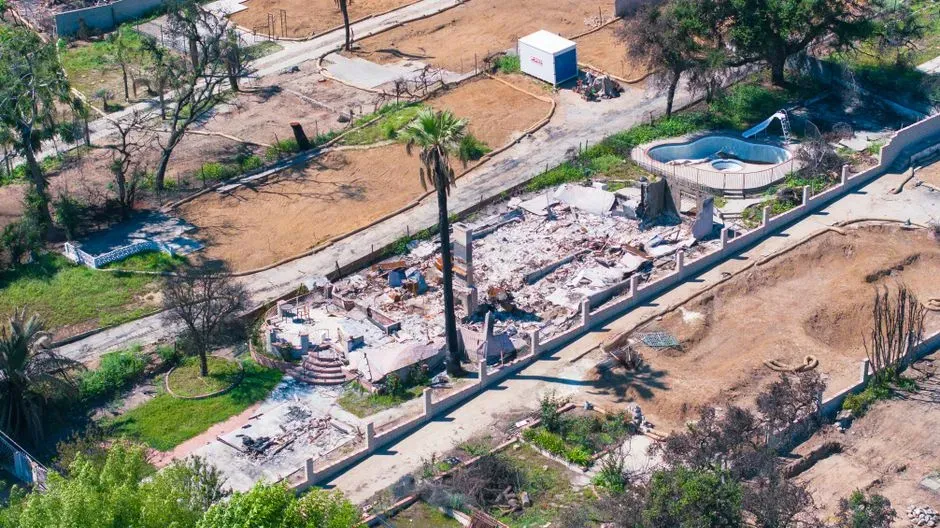
Wildfire produces a different kind of emptying than water does, one that’s sudden rather than slow. The Camp Fire nearly erased the town of Paradise in 2018, and the population collapse afterward was almost total. Even seven years later, the population has climbed back to more than 11,000 residents, up from near zero in the months following the 2018 fire but still below the pre-fire population of 26,000.
Rebuilding has been uneven, and the town’s biggest obstacle now isn’t construction, it’s coverage. Despite the strong pace of rebuilding, insurance remains the community’s biggest challenge, as many companies have pulled back from offering coverage in high fire-risk zones, leaving homeowners with few options. A geography researcher who has studied the town’s recovery put it plainly when he said he didn’t know if Paradise would ever again reach its pre-fire population size.
The Insurance Spiral That Quietly Empties Towns

Behind most of these stories sits the same mechanical process, and it rarely gets the attention it deserves. Once insurers pull back from a region, home values soften, tax revenue shrinks, and local services decline in a loop that’s hard to reverse. Federal Reserve Chair Jerome Powell warned lawmakers about where this leads, saying that within a decade or so there will be regions of the country where you can’t get a mortgage, there won’t be ATMs, banks won’t have branches and things like that.
The flood insurance gap makes the exposure even wider than most residents realize. Nearly every county in the United States has experienced flooding in the past few decades, but just 4% of homeowners nationwide have flood insurance, according to the Federal Emergency Management Agency. That means when the water eventually does come, the vast majority of homeowners are financially on their own, which accelerates the decision to leave once the first disaster hits.
Not Everyone Is Leaving for the Same Reasons

Climate risk rarely acts alone. It usually shows up bundled with affordability, insurance costs, and lifestyle preferences, and separating those threads is genuinely difficult. Redfin’s own research found that climate risk was more of a motivating factor for Florida residents than Texas residents, who were more likely to cite cost as a reason.
Still, when Redfin surveyed people actually planning to move, the numbers surprised even the researchers who ran the study. Sixteen percent of those planning to move within the next year cited concern about natural disasters or climate risks as a reason, and among those planning an interstate move, the share rose to 21%. Chief economist Daryl Fairweather noted that people ranked concern for natural disasters more often than moving for a new job. That’s a quiet but significant shift in how Americans weigh their options.
The Midwest’s Unlikely Rise as a Climate Destination
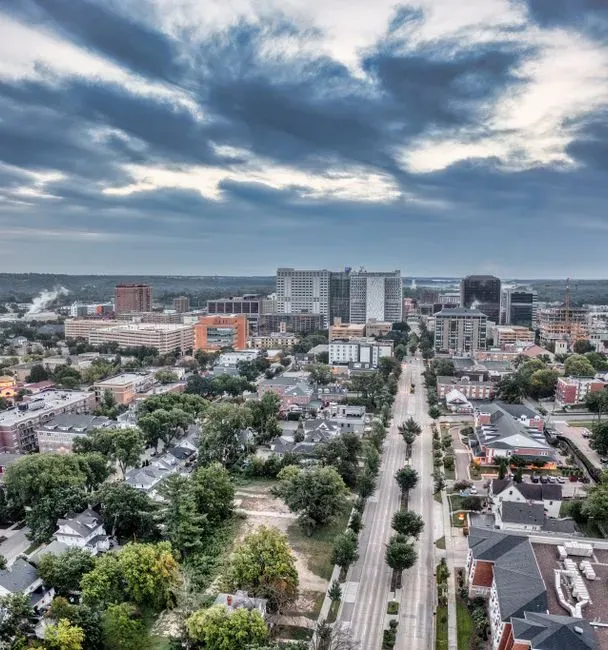
If people are leaving flood zones, they have to be landing somewhere, and increasingly that somewhere is a region nobody expected. While the Sun Belt gets most of the attention, one of the most notable trends in the data is the Midwest’s emergence as a migration destination, with Minneapolis and Indianapolis both flipping from net domestic outflow to net inflow in the most recent year. Neither city was ever considered a hot migration market before.
Researchers who study long-term climate risk have been predicting this shift for years, pointing to fresh water access as the deciding factor. Particularly well-positioned geographically are states near the Great Lakes, since fresh groundwater will be an increasingly precious resource as the planet warms. First Street’s own modeling backs this up in an almost counterintuitive way: Midwestern states including Illinois, Indiana, Michigan and Ohio face some of the highest risks for future inbound climate migration, meaning the very places once considered climate backwaters may become the next boomtowns.
History Offers an Uncomfortable Preview

None of this is entirely without precedent, and the historical record isn’t encouraging for the towns left behind. The Dust Bowl migration of the 1930s emptied huge stretches of the Great Plains, and the damage never fully reversed. The places migrants left behind never fully recovered, and eighty years later, Dust Bowl towns still have slower economic growth and lower per capita income than the rest of the country.
That pattern of permanent decline, rather than gradual recovery, is what worries economists watching today’s flood-zone exodus. Once home values begin a one-way plummet, entire communities can spin out of control as the tax base declines and the school system and civic services falter, creating a negative feedback loop that pushes more people to leave. It’s a slow-motion version of the same collapse, just with hurricanes and wildfires standing in for drought and dust.
The Country Still Has No Real Plan for This
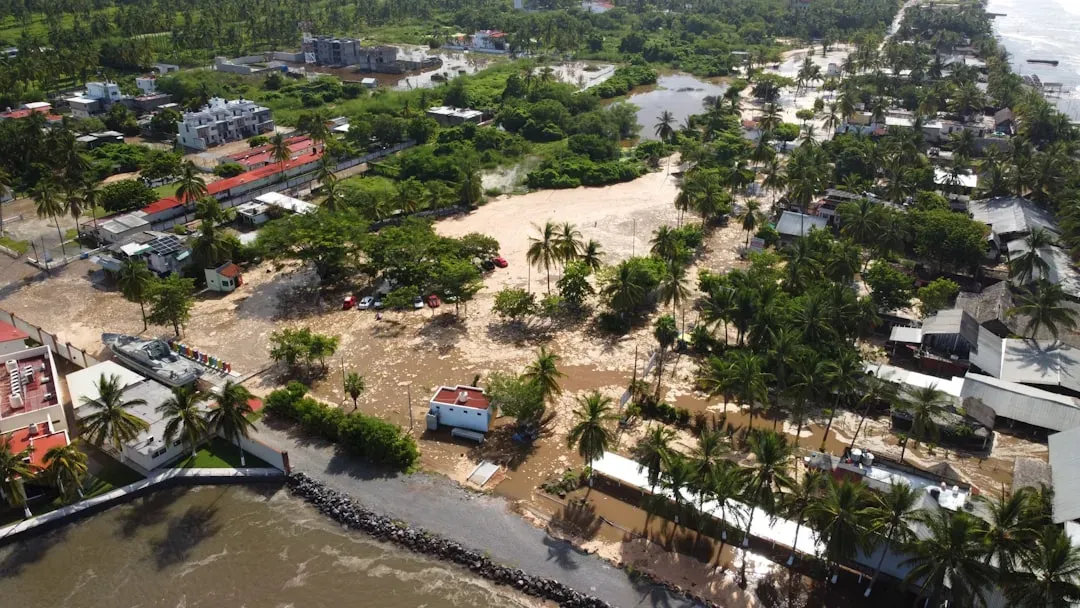
Perhaps the most striking part of this whole story is what’s missing rather than what’s present. Despite millions of Americans already affected, there is no coordinated federal strategy guiding who gets help, how much, or when. The U.S. Government Accountability Office found the United States has no national strategy for relocating coastal communities from harm’s way, and has “limited” funds to do so.
Even the money that does exist is politically fragile right now. Some of that funding is being targeted for elimination by the Trump administration, which is seeking to defund the Building Resilient Infrastructure and Communities program, which has provided $4.5 billion to mitigate harm from natural disasters. Without that safety net, towns caught in the slow squeeze of insurance costs and repeated disasters are largely left to manage their own decline, one household at a time.
