

- The Planet Where It Rains Liquid Glass – 7 Alien Worlds Defying Known Physics - November 14, 2026
- Stars Consuming Entire Worlds – 6 Planetary Systems Swallowing Their Own Worlds - November 14, 2026
- The Ground Liquefies Like Water – 6 Silent Fault Lines Geologists Watch Closely - November 14, 2026
Boston, Massachusetts
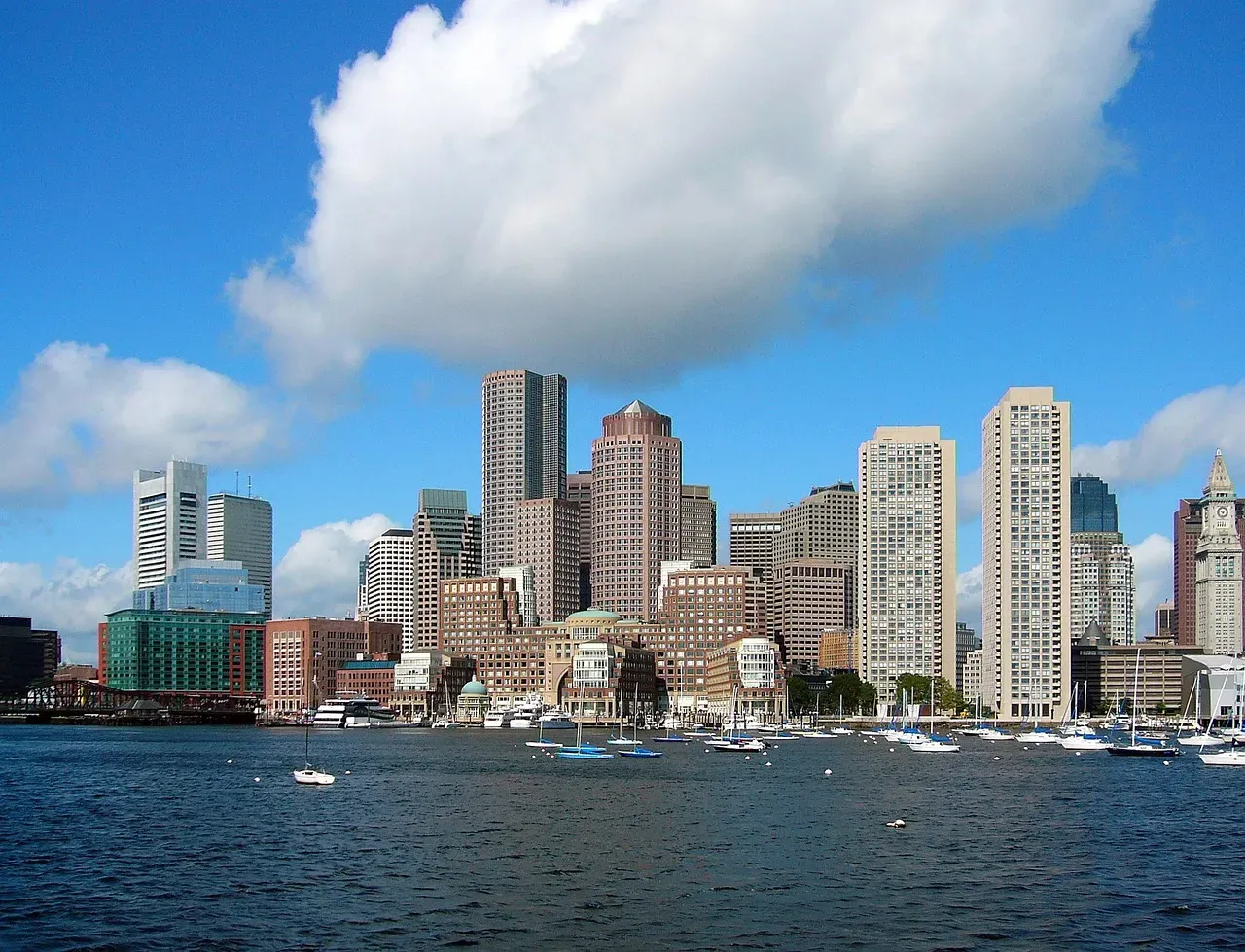
Boston’s coastal position and cooler climate work in its favor when it comes to pollen. According to research from the Asthma and Allergy Foundation of America, cities like Boston experience fewer high-pollen days and generally have lower allergen levels, making them more favorable for those looking to minimize exposure to seasonal triggers. The city’s older tree canopy and dense urban development also limit the kind of sprawling grass and weed growth that fuels allergy misery elsewhere.
Ocean air moving in off the Atlantic tends to dilute pollen concentrations before they build up over the metro area. New England winters, while getting milder with climate change, still delay the start of tree pollen season compared to warmer regions further south. That shorter window gives residents a bit more breathing room before oak, birch, and maple pollen peaks in the spring.
Salt Lake City, Utah
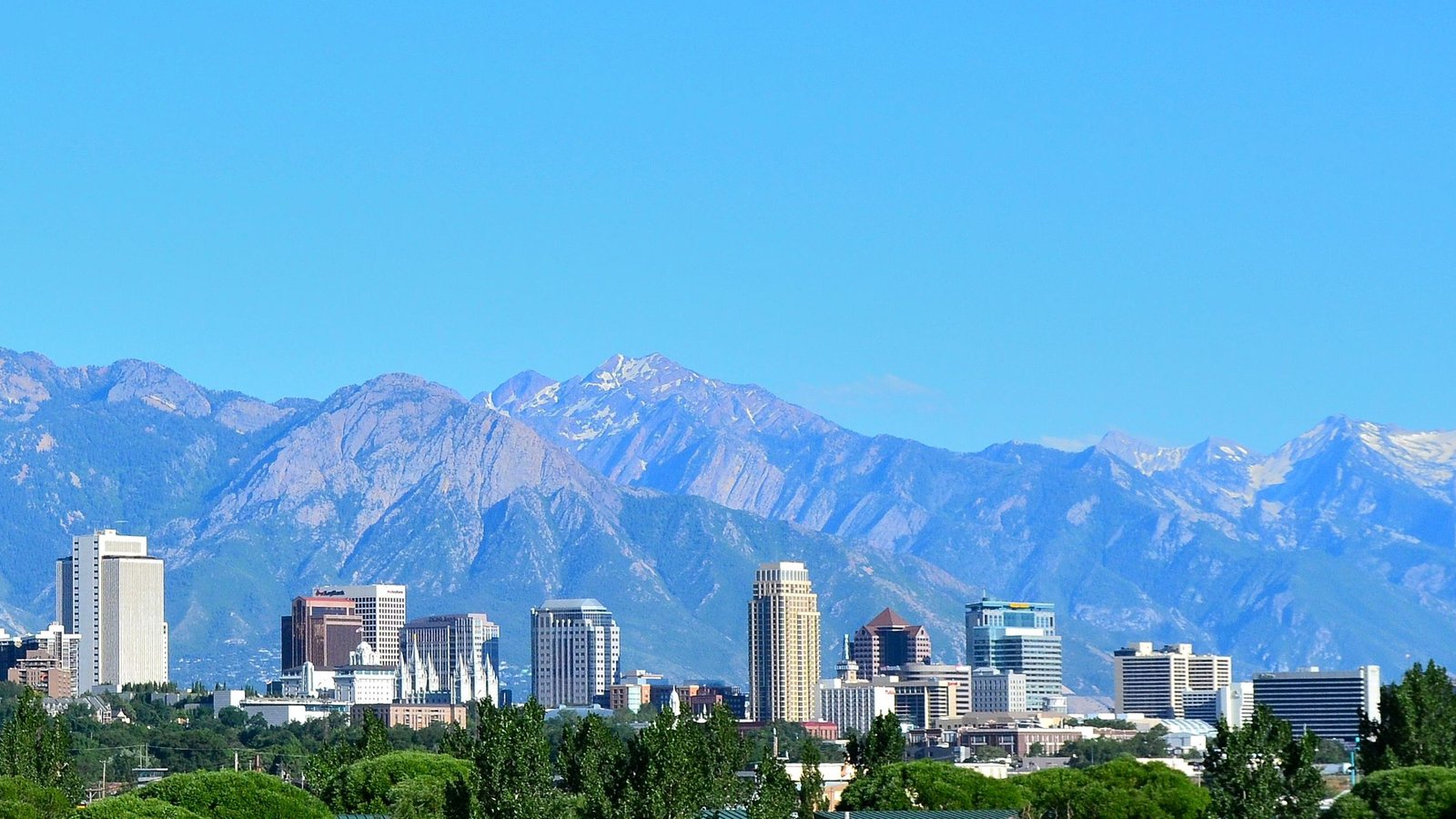
Salt Lake City owes much of its allergy-friendly reputation to elevation and a drier desert climate. Research on pollen patterns notes that Utah’s high-altitude desert environment offers cleaner air and reduced allergen levels, especially in regions like Salt Lake City, since the state’s natural landscapes create fewer opportunities for heavy pollen production. That combination of thin mountain air and arid conditions simply doesn’t support the dense grasslands and humid-loving weeds that drive up pollen counts in wetter parts of the country.
Common triggers in the area do exist, including juniper, cottonwood, and sagebrush, so it isn’t a pollen-free paradise by any means. Still, Utah offers a more manageable allergy season for those sensitive to grasses and trees, and while overall allergen levels are lower than in more humid regions, allergy sufferers may still experience symptoms during peak pollen seasons. It’s worth noting that Salt Lake City’s ranking has shifted in recent AAFA reports, a reminder that even favorable cities can have rough years depending on winter moisture and spring weather patterns.
Akron, Ohio
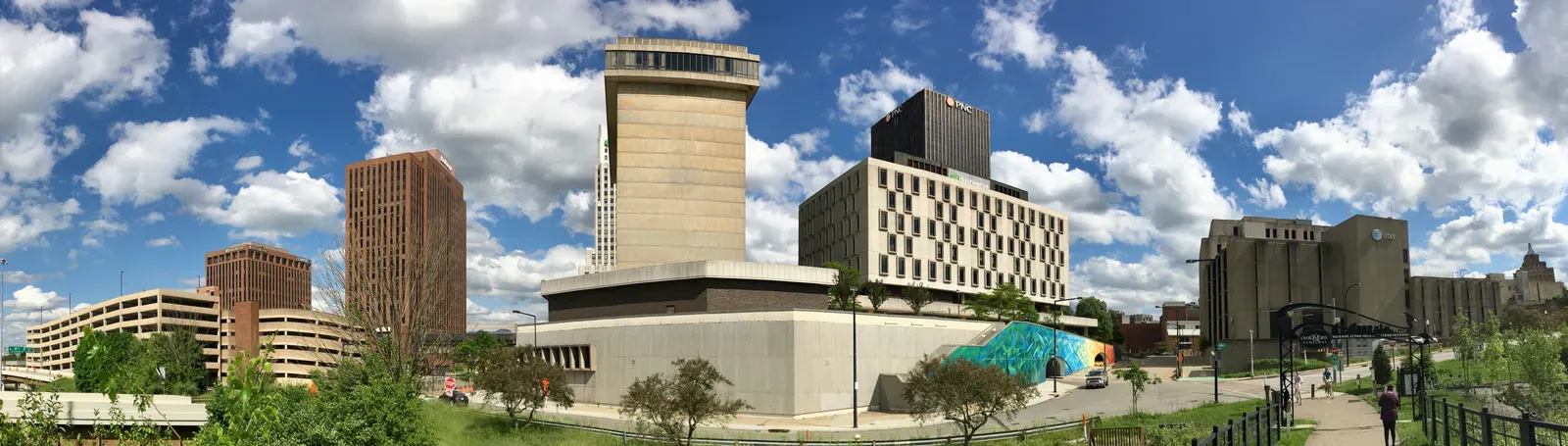
Akron doesn’t get the same national attention as bigger Midwest metros, but it has quietly earned a spot among the more livable cities for allergy sufferers. The same AAFA-based analysis that highlighted Boston and Salt Lake City also pointed to Akron as a place that experience fewer high-pollen days and generally have lower allergen levels compared to many of its regional neighbors. Its moderate size and mix of older residential neighborhoods with mature tree cover help keep pollen dispersal more predictable than in sprawling, newer suburban developments.
Ohio as a whole tends to sit in the middle of the pack for allergy severity, with plenty of tree and grass pollen during spring and early summer. Akron’s advantage seems to come less from having zero pollen and more from a manageable, shorter burst of high pollen days rather than the extended, multi-month seasons seen in the Southeast. For residents, that translates into a more predictable calendar for managing symptoms.
San Diego, California

San Diego’s mild, dry climate and steady ocean breezes have long made it a reference point for lower pollen exposure. Researchers studying pollen counts across the state have found that coastal regions, like San Diego, have mild climates and reduced pollen levels due to ocean breezes, which can help disperse pollen and reduce their concentrations. That marine layer effect, combined with limited rainfall extremes, keeps the kind of explosive grass and weed growth found inland from taking hold as aggressively.
San Diego’s allergy story is not entirely settled, though. Some recent AAFA data has shown California cities climbing in the rankings during years with unusually wet winters, since extra moisture can boost grass and weed pollen the following season. That volatility is a useful reminder that allergy friendliness is a pattern built over multiple years, not a permanent guarantee, even in a city with San Diego’s climate advantages.
Cleveland, Ohio
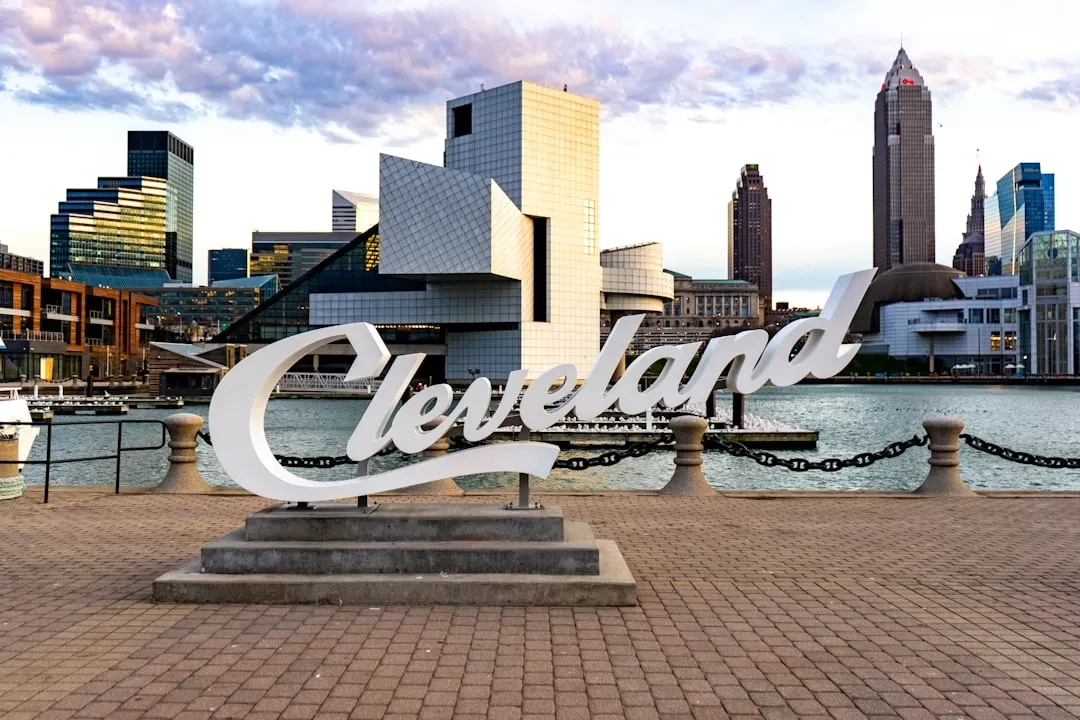
Cleveland rounds out the list of cities that tend to post lower allergen levels compared to national averages. The same body of AAFA-informed research naming Boston, Salt Lake City, Akron, and San Diego also identified Cleveland as a city where residents experience fewer high-pollen days and generally have lower allergen levels, making them more favorable for those looking to minimize exposure to seasonal triggers. Its location along Lake Erie brings in cooler, moisture-regulating air that can temper some of the more extreme pollen spikes seen in landlocked Midwest cities.
Like Akron, Cleveland benefits from a shorter, less intense allergy season rather than the near year-round pollen exposure reported in parts of the South and West. Local health officials still recommend the usual precautions during peak tree pollen weeks in spring, but for many residents, the season feels more contained than in cities further inland. That containment, more than a total absence of pollen, is what tends to define the “allergy-friendly” label.
Why rankings shift from year to year

It’s worth being upfront about something these lists tend to gloss over: allergy rankings are not fixed. The AAFA’s own 2026 Allergy Capitals report shows how much can change in a single year, with cities like San Diego and Salt Lake City appearing near the top of the most challenging list rather than the least challenging one. That’s a notable shift, since both cities were cited as favorable in earlier assessments just a year prior.
Weather is the biggest driver of that volatility. A wet winter followed by an early warm spring can push a normally mild city into a rough pollen season overnight, as happened with several Western cities in the most recent report. Climate change appears to be amplifying these swings, extending pollen seasons and making year-over-year comparisons less predictable than they used to be.
Final thoughts

No city offers complete immunity from pollen, and even the most allergy-friendly places on this list have residents who still reach for antihistamines every spring. What sets Boston, Salt Lake City, Akron, San Diego, and Cleveland apart is a pattern of fewer high-pollen days and lower overall allergen exposure, built from a mix of climate, geography, and local landscaping that happens to work in allergy sufferers’ favor. Anyone weighing a move for health reasons should treat these rankings as a helpful starting point rather than a guarantee, since a single unusual weather year can reshuffle the list. Checking recent local pollen data and talking to an allergist familiar with the region remains the most reliable way to know what a specific city will actually feel like during allergy season.
