

- The Planet Where It Rains Liquid Glass – 7 Alien Worlds Defying Known Physics - November 14, 2026
- Stars Consuming Entire Worlds – 6 Planetary Systems Swallowing Their Own Worlds - November 14, 2026
- The Ground Liquefies Like Water – 6 Silent Fault Lines Geologists Watch Closely - November 14, 2026
A season that’s already breaking its own patterns
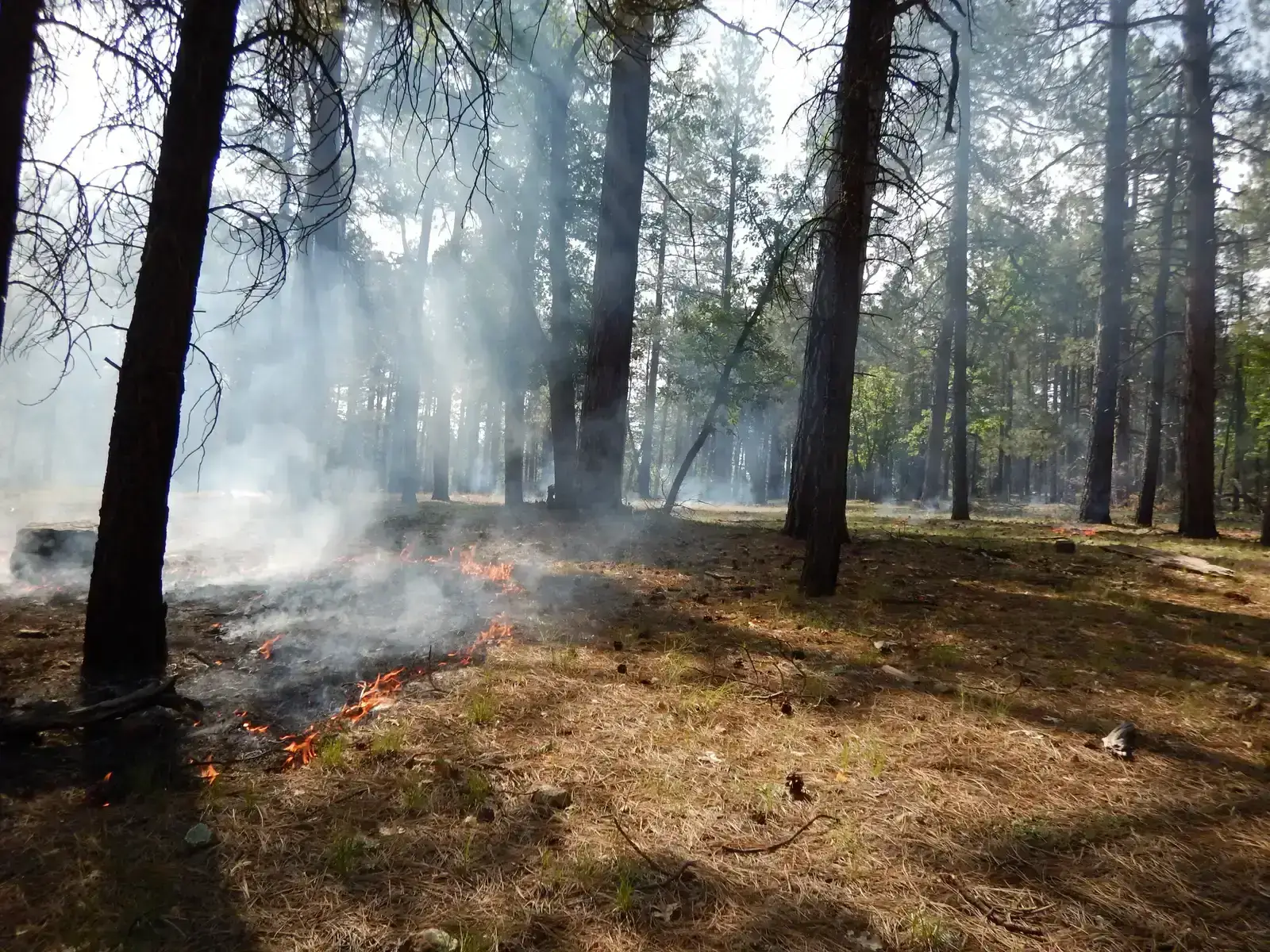
The scale of this year’s forecast is part of what’s unsettling. AccuWeather’s 2026 Wildfire Season Forecast projects 5.5 to 8 million acres will burn across the United States this year as drought, extreme heat, wind and dry vegetation increase wildfire danger across the West, even though the total number of wildfires may be lower than in 2025. That’s a strange kind of relief. Fewer fires sounds better, until you realize it means the ones that do start are expected to burn hotter and spread faster.
The highest fire risk this year is concentrated across the Southwest, Rockies, Great Basin, and Interior Northwest. Meanwhile, the geographic breadth of above-normal significant fire potential extends beyond the West into parts of the Plains, South and Southeast during spring and into summer. For captains used to thinking of certain states as the dangerous ones, that spread changes how they plan for mutual aid and resource sharing.
Crews that are thinner than the job requires
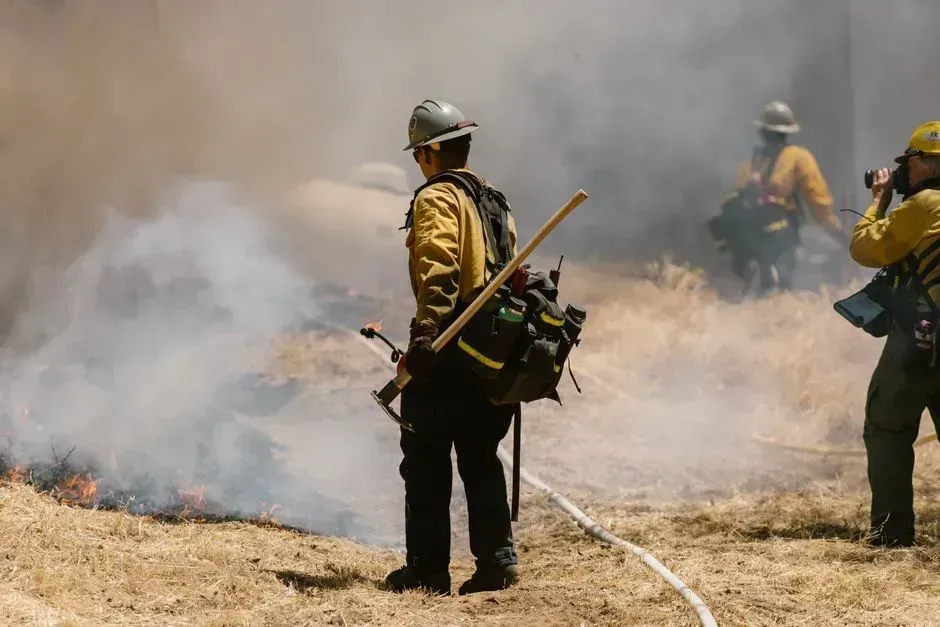
Ask almost anyone running a hand crew right now and staffing comes up fast. One report found California is about 1,250 wildland firefighters short of what it needs to fully staff its crews. That’s not an abstract shortfall. It’s the difference between a crew that can rotate rest periods and one that runs everyone into the ground by August.
Fire union officials have been blunt about what it would actually take to close that gap. Advocates within the International Association of Firefighters have argued the wildland workforce needs roughly double its current numbers, along with more fixed and rotary-wing aircraft to support them. Captains don’t need a report to tell them this. They feel it every time a request for additional resources gets bumped because there’s simply nothing left to send.
Hiring numbers that look better on paper than they feel on the ground
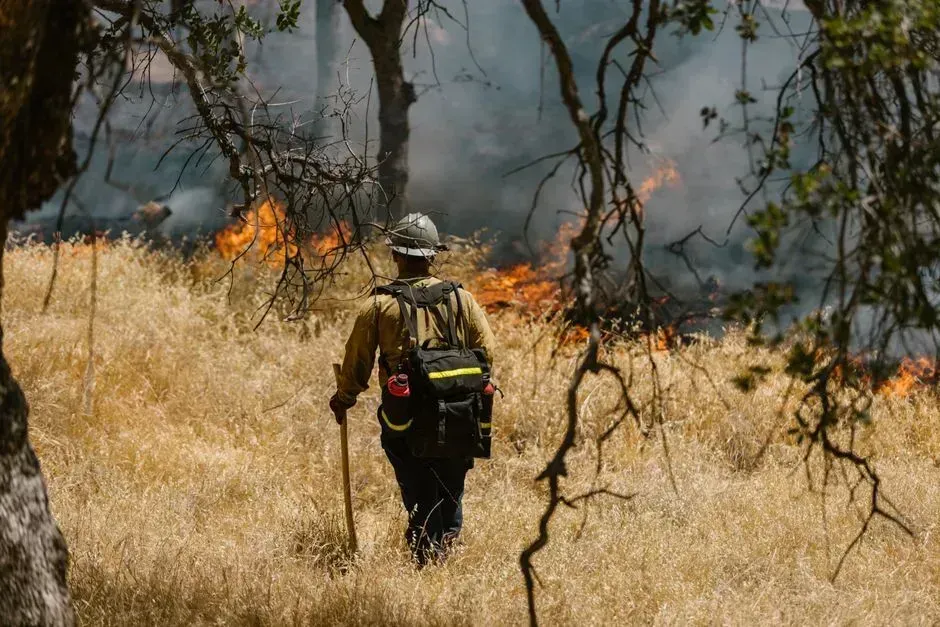
Federal agencies have leaned hard on their hiring statistics this year, and the numbers are genuinely improved. The Forest Service set a goal of 11,300 wildland firefighters onboard by mid-July, and as of early July it had 11,816 on staff, about 104% of that target. Separate figures show 11,550 seasonal staff either trained or ready to deploy, roughly 200 more than the agency’s initial goal and about 6% ahead of schedule compared with recent years.
Captains who’ve worked full seasons know that hitting a hiring target and having enough people on a fireline in late July are two different things. Federal officials have acknowledged the nation is still missing roughly a quarter of the desired capacity of about 18,000 federal wildland firefighters across the Interior Department and Forest Service. In recent years, agencies have found themselves short staffed by mid-July even after meeting their initial hiring goals. That gap between the headline number and the reality on a given ridge is exactly the kind of thing that keeps a captain up at night.
Support staff quietly disappearing from behind the scenes
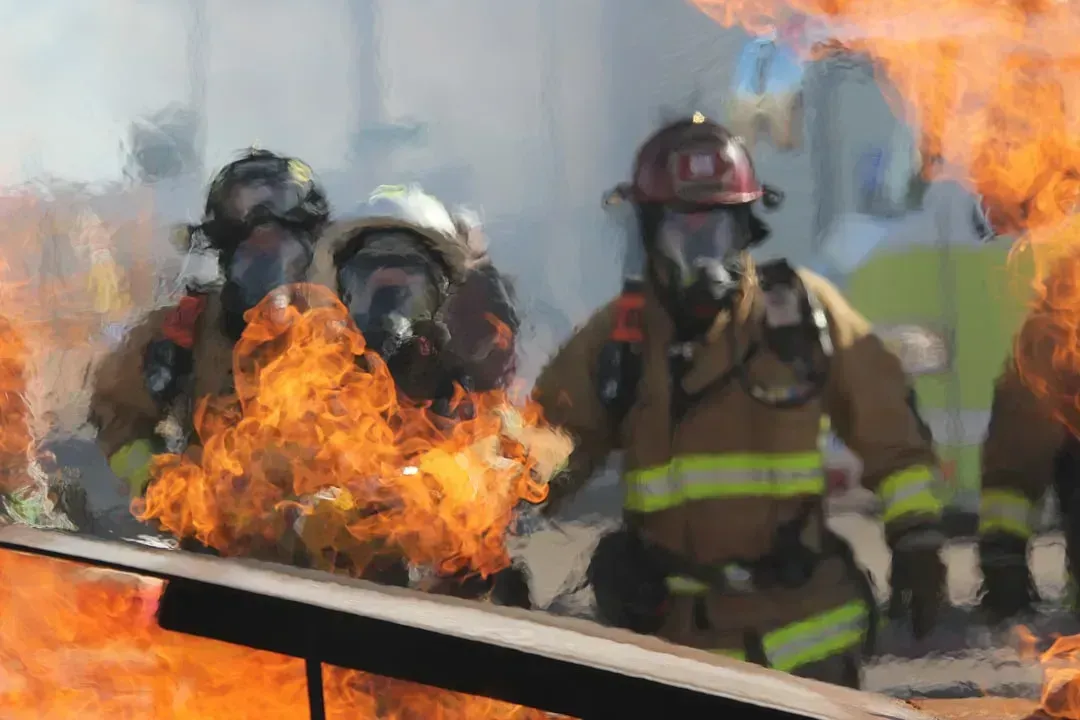
The people who never touch a fireline still matter enormously to whether a crew can function. Uncertainty from recent federal workforce reductions and agency reorganization has intensified long-standing workforce challenges, and separations across support roles like logistics and finance have still affected frontline crews even when firefighter positions themselves weren’t directly cut. A crew captain doesn’t order fuel or file the paperwork that gets aircraft cleared for a mission, but without someone doing that work, the whole operation slows down.
The scale of federal downsizing has been substantial enough to worry people well outside the fire service itself. Since 2025, the U.S. Forest Service has lost close to 6,000 permanent staff to layoffs, buyouts or early retirements. Washington state’s elected public lands commissioner has said these federal layoffs present risk to the ability to respond to major wildfires, and has expressed concern that downsizing could lead to a shortage of elite incident command teams that states rely on during major fires.
Pay that still doesn’t match the demands of the job
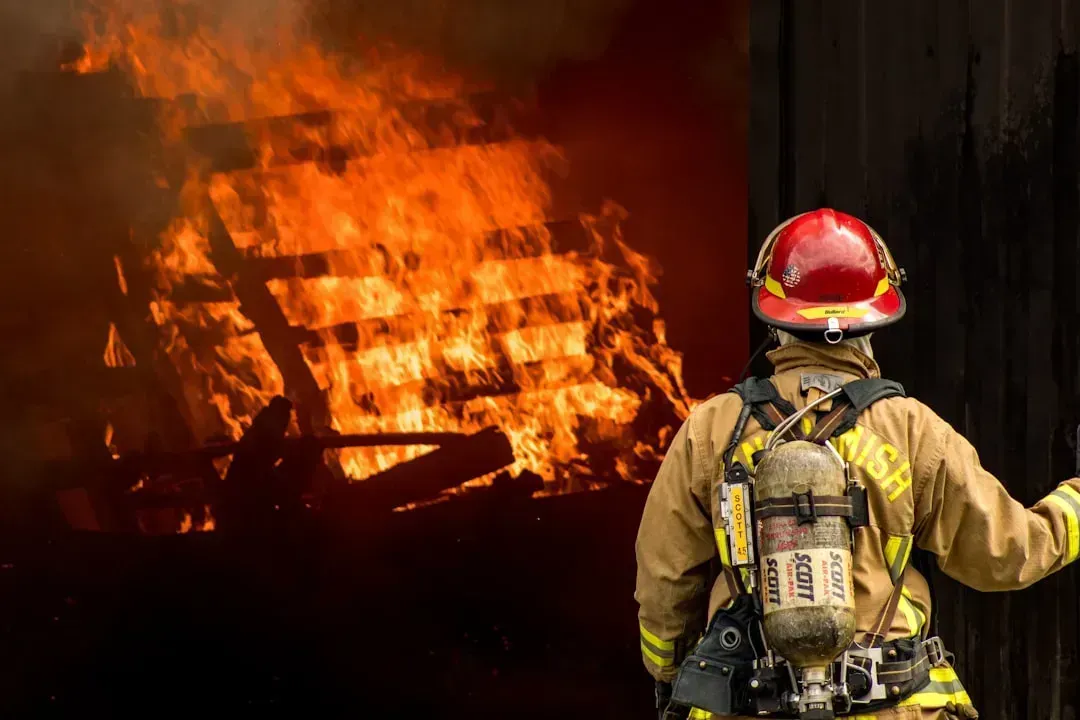
Money is a persistent worry, even after recent reforms. Before a 2021 infrastructure law took effect, most federal wildland firefighters earned less than fifteen dollars an hour, and it took a six hundred million dollar infusion along with years of congressional battles before permanent pay increases were locked in through a March 2025 continuing resolution. That fight for permanence tells its own story about how fragile firefighter pay has been.
Even with those gains, the base numbers remain modest for work this demanding. An entry-level wildland firefighter typically makes around 34,000 dollars a year, and many rely heavily on overtime or hazard pay just to get ahead financially. For a captain trying to retain experienced crew members against private-sector job offers, that pay gap is a constant source of anxiety, not a one-time complaint.
Weeks on the line with almost no chance to recover
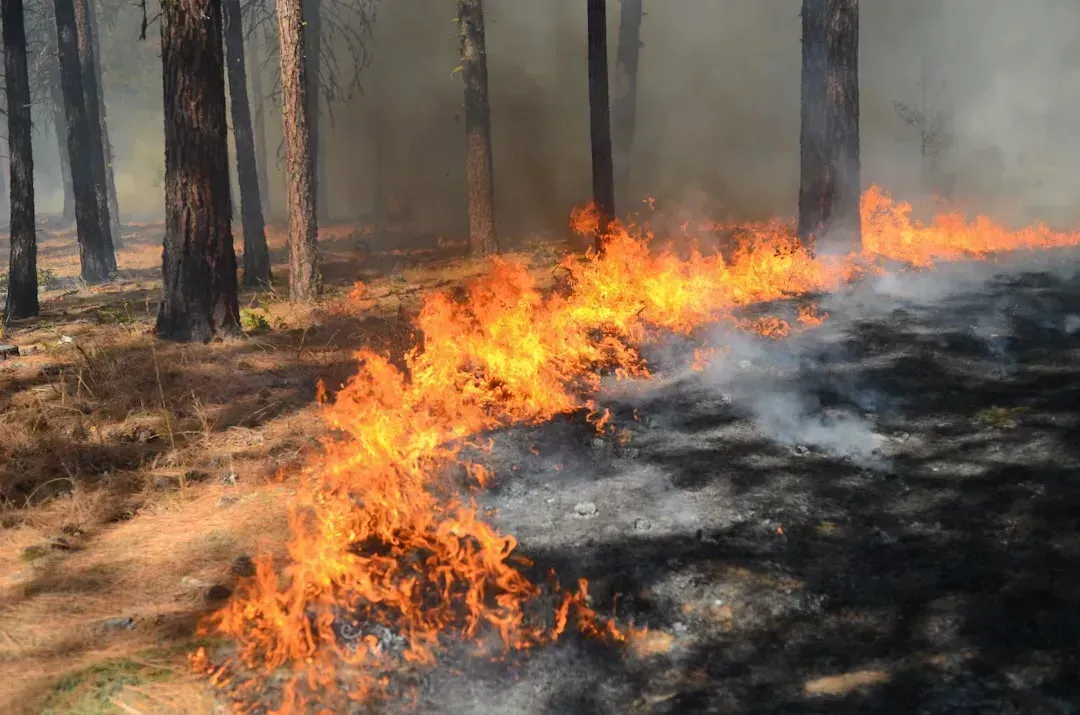
The physical grind of a wildland fire assignment is hard to explain to anyone who hasn’t lived it. Wildland firefighters can be on duty for twenty to forty days in a row, working twenty-four to forty-eight hour shifts. That’s not a single hard week. It’s a season structured around near-constant exposure to exhaustion.
Longtime hotshot crew veterans describe a schedule built almost entirely around overtime just to make ends meet. Federal wildland firefighters are, on average, sleeping in the dirt and on assignment in excess of 130 days a year. Making a livable income in this field often requires accruing a thousand or more hours of overtime every fire season, compressed into roughly a five to six month stretch. Captains watching younger crew members burn through that pace year after year worry openly about how long anyone can sustain it.
A health toll that shows up years later, not on the fireline
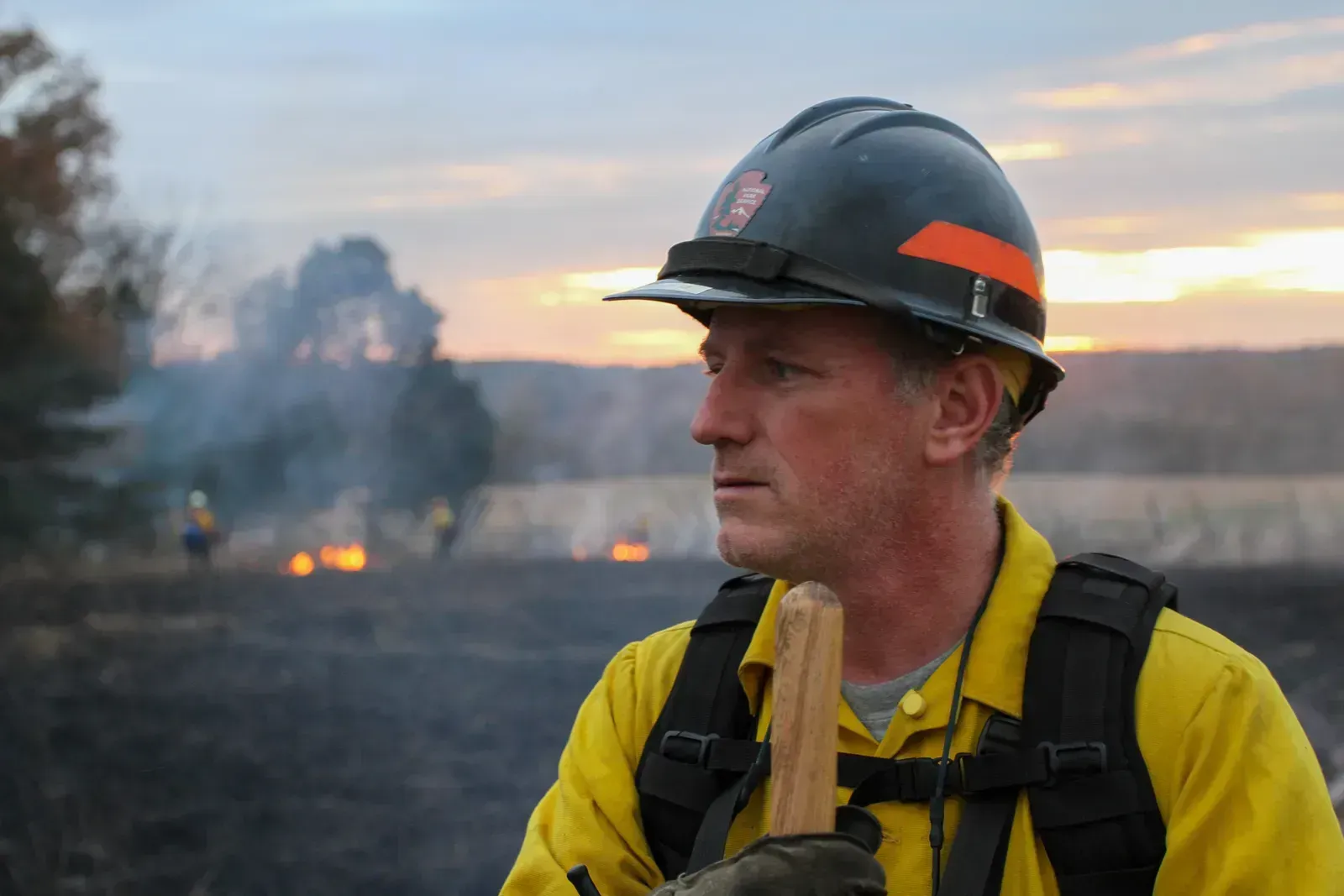
The dangers that scare captains most aren’t always the ones with visible flames. The Forest Service has acknowledged a link between cancer and fighting wildland fires. Structure firefighters typically use oxygen devices for respiratory protection, but most wildland firefighters working in uncultivated terrain don’t have that same protection.
That long-term exposure creates a quieter kind of dread than the immediate danger of an active fire. Retired Forest Service firefighters have described how many crew members end up choosing between their health, their family and the job itself, noting it’s genuinely rewarding work even as pay, health risks, travel demands and accumulated trauma wear people down over time. A captain sending crew members out year after year carries that tradeoff personally, even when nobody says it out loud.
Losing the experienced people who actually run a fireground
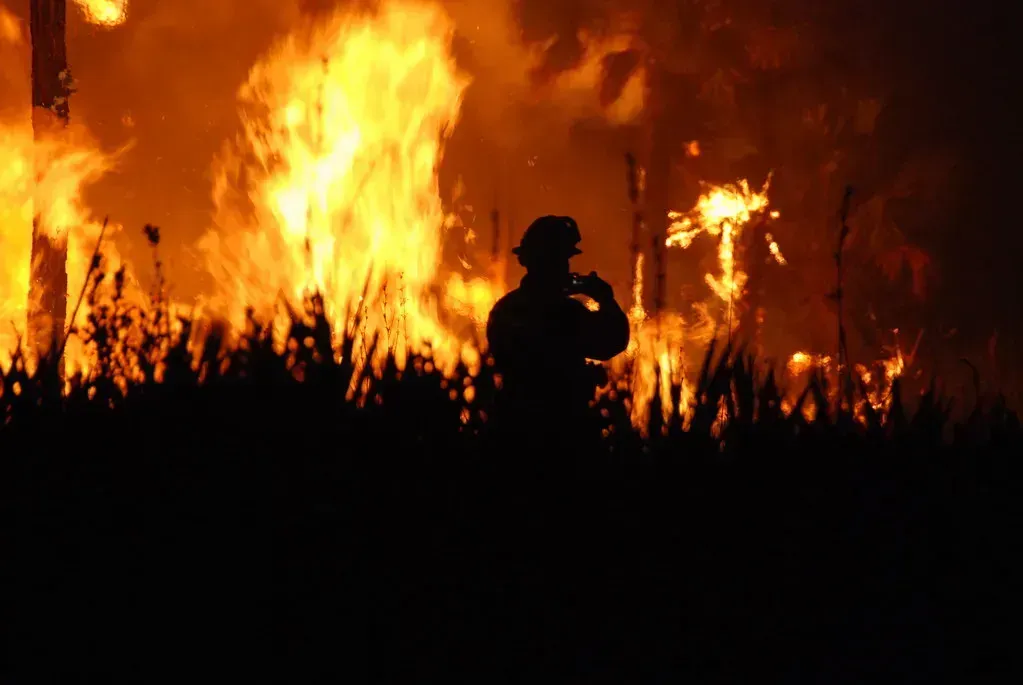
Experience is not something you can hire back overnight. An untold number of permanent staff, including rangers and timber technicians who have recently been let go, also held what are known as red cards, meaning they were trained to leave their regular jobs and deploy to wildfires when needed. Every one of those departures removes a person who knew the terrain, the local fuel conditions, and how a fire in that specific canyon tends to behave.
Frontline advocacy groups say the toll on morale has become measurable, not just anecdotal. A March 2026 survey of wildland firefighters conducted by Grassroots Wildland Firefighters in partnership with the National Federation of Federal Employees drew 825 responses from workers across the Forest Service and Interior Department. The group’s president, a retired firefighter, said the volume of responses reflected a workforce eager to have its voice heard about the issues it’s facing, calling it indicative of a workforce that is struggling. That kind of institutional fatigue worries captains as much as any weather pattern.
Weather patterns stacking the deck against them this year
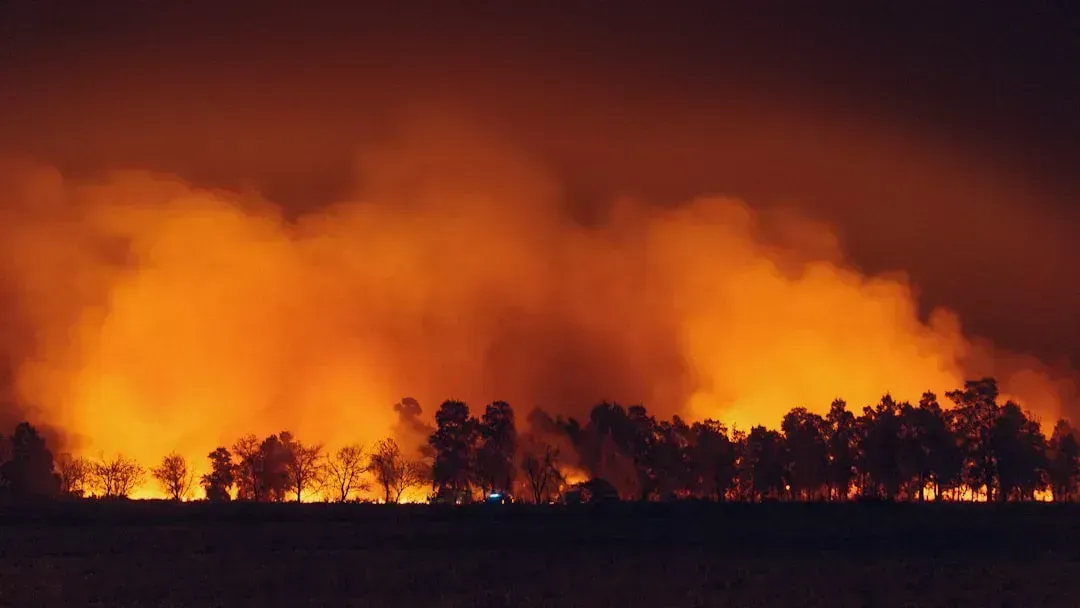
Wind gets mentioned constantly by people who track fire behavior for a living, and this year it’s been especially active. Meteorologists have noted that last year was the second-windiest year on record in Montana, describing wind as an accelerant that promotes drying across the landscape. Combine that with dry fuel and a single spark can turn into something unmanageable within hours.
Drought and rapid snowmelt have added another layer of concern heading into summer. Snowpack across much of the interior Northwest was well below the historical average this winter, and a record-shattering Southwest heat wave in March triggered rapid snowmelt. That early loss of moisture means grasses and brush dry out sooner than usual, giving fire crews a longer window of dangerous fuel conditions to manage rather than a short, predictable peak.
