

- Top 6 South American Cities Americans Love – and 3 They’d Rather Skip - September 11, 2026
- The 5 Countries Where Plastic Waste Per Person Is Highest Each Year - September 11, 2026
- The Top 3 Countries for Recycling Rates Worldwide – and 4 That Recycle Almost Nothing - September 11, 2026
South America has quietly become one of the hottest regions for American travelers, and the numbers back it up. Cheaper flights, favorable exchange rates, and a growing appetite for something beyond the usual European getaway have pushed U.S. visitors south in record numbers. Still, not every city on the continent is winning hearts. While some destinations have turned into full-blown American favorites, others have earned a reputation that makes travelers think twice before booking a ticket.
From tango-soaked boulevards to colonial old towns and a few cities that have simply lost their shine, here’s an honest look at where Americans are flocking and where they’re increasingly steering clear.
1. Rio de Janeiro, Brazil
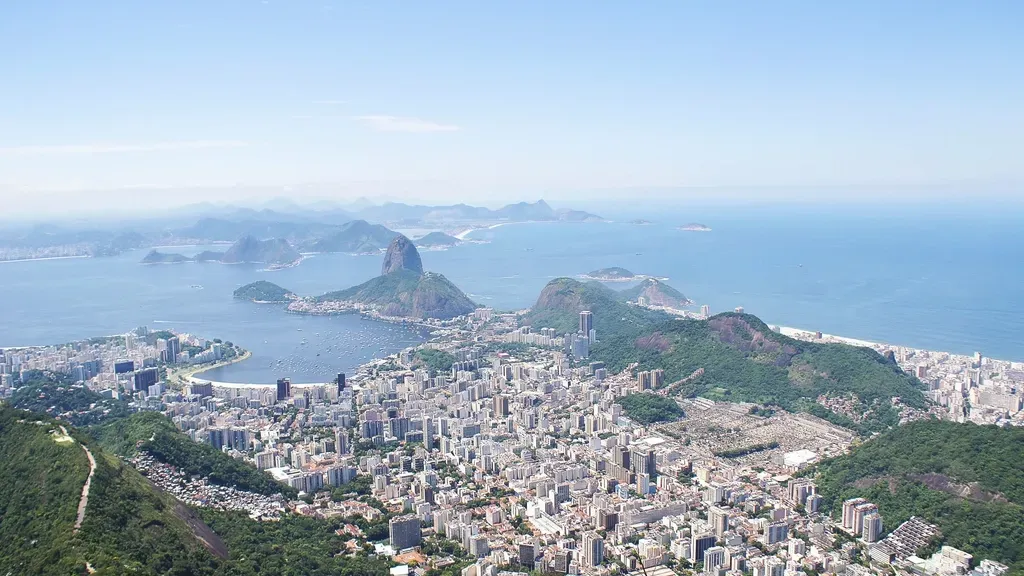
Rio remains the postcard image of South America, and Americans keep showing up in bigger numbers every year. Rio has successfully used “mega-events” to stabilize tourism year-round, and the February Carnival drew 300,000 foreign visitors, a 17% increase over 2025, generating nearly 186 million dollars in a single week. Even pop culture is fueling the surge, since a free Copacabana Beach concert by Shakira in May 2026 drove an 80.75% increase in airline bookings for that week compared to 2024.
The city’s pull is obvious: Sugarloaf Mountain, Christ the Redeemer, and the beaches of Ipanema and Copacabana are hard to top anywhere else on the continent. Yet the same travelers who rave about the views often admit the experience comes with an asterisk, since safety in certain neighborhoods still requires real caution after dark.
2. Buenos Aires, Argentina
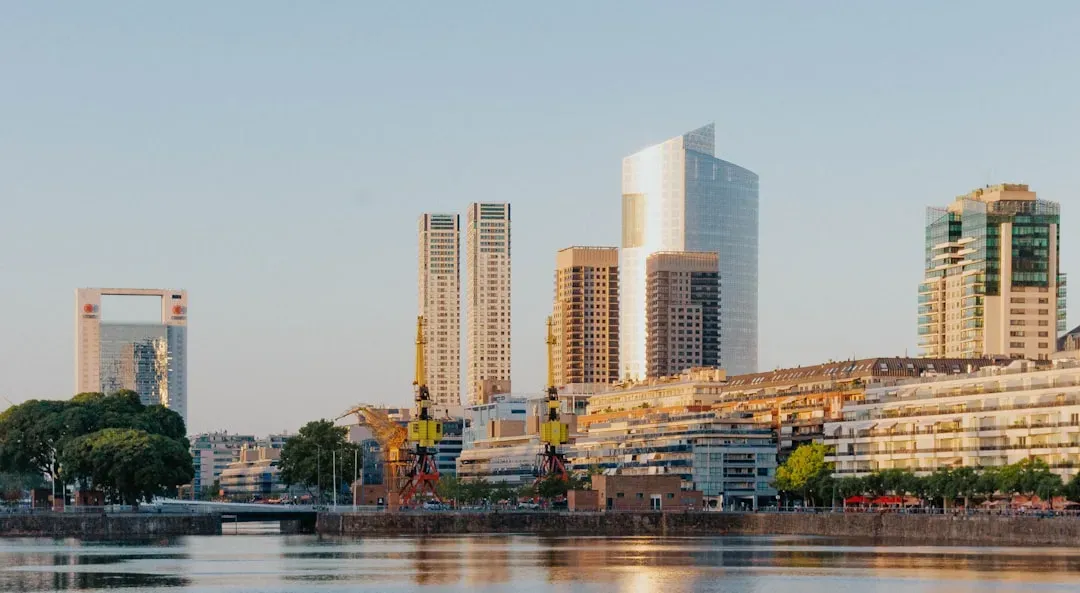
Buenos Aires has become the go-to European-flavored escape without the transatlantic price tag. American visitors love its mix of grand architecture, cafe culture, and world-class steak, and the city consistently ranks as one of the region’s top draws for U.S. tourists in 2026 travel data. Its capital is arguably one of the world’s most exciting capitals, with a cafe culture, great architecture and history, amazing tango dancing, and a pulsating nightlife, along with passionate football teams and a tantalizing food scene.
Beyond the capital itself, wine country in Mendoza and the wild landscapes of Patagonia extend the appeal for travelers who want more than a city break. Argentina has a generally peaceful feeling, allowing you to enjoy your adventure without worrying, which is part of why so many Americans return for a second or third visit.
3. Cartagena, Colombia
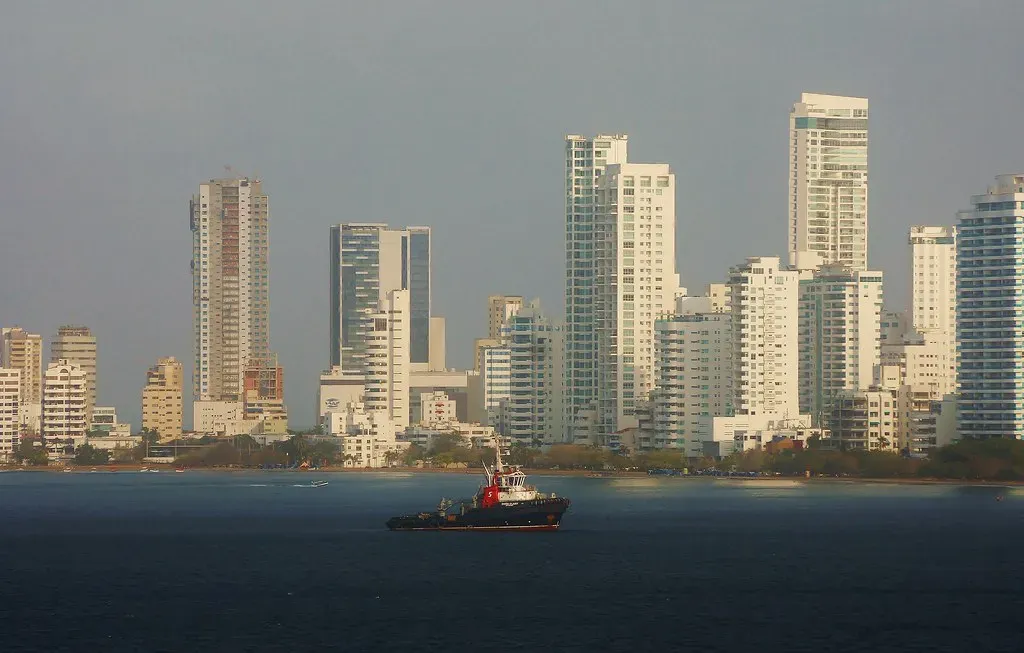
Cartagena’s walled old town, pastel-colored balconies, and Caribbean coastline have made it one of Colombia’s biggest tourism success stories among American travelers. The city has worked hard to shed the country’s old reputation, and it shows. In Colombia, the government has implemented special tourist police units in major cities like Bogotá and Cartagena, which has helped visitors feel more at ease wandering the historic streets.
Add in horse-drawn carriages, rooftop bars overlooking the sea, and easy day trips to nearby islands, and it’s easy to see why Cartagena has become a favorite entry point into South America for first-time visitors from the United States. The colonial charm paired with modern comforts gives it a rare balance that few cities in the region manage.
4. Cusco, Peru
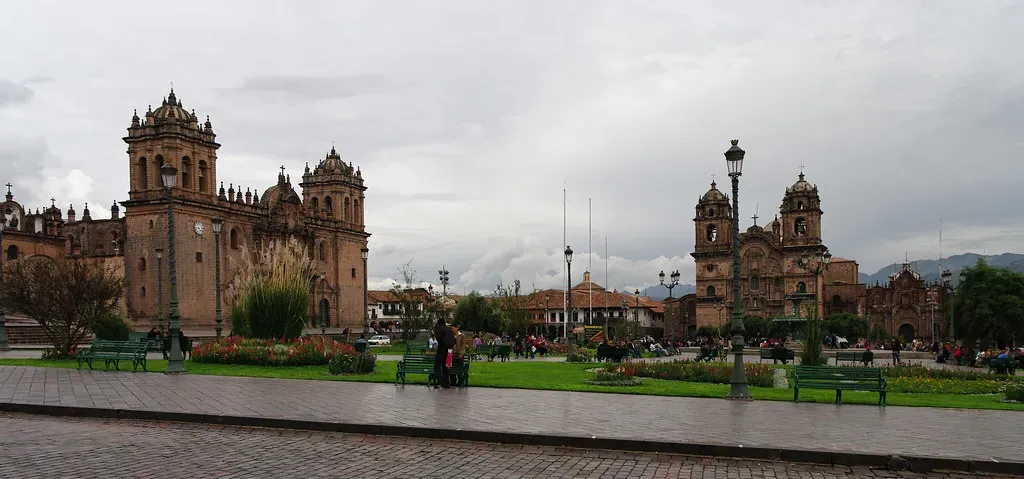
Cusco remains the gateway to Machu Picchu, and that alone keeps Americans booking flights year after year. This 15th-century Inca citadel is a must-see in the Andes, and most travelers pass through Cusco’s cobblestone streets and Incan ruins on their way there. The city’s high-altitude setting, colonial plazas, and vibrant markets give visitors plenty of reason to linger before or after the trek.
Peru’s tourism numbers have been climbing back after a rocky patch, and safety perceptions have followed. Peru has been climbing the ranks back up the safety list, moving up 14 places in 2025 compared to 2024, and remains one of the most popular destinations for people traveling through South America. That recovery has made Cusco feel like a safer bet again for American travelers planning bucket-list trips.
5. Quito, Ecuador
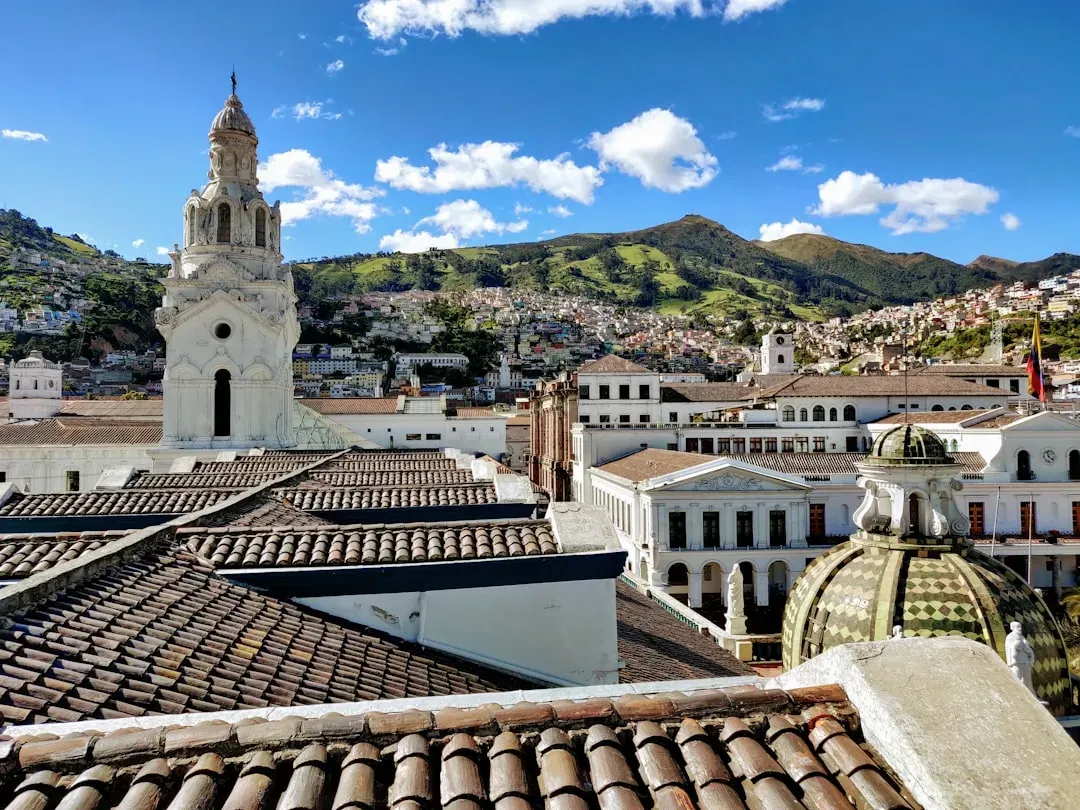
Quito offers something few cities can: a UNESCO-listed colonial core sitting at over 9,000 feet in the Andes, with the Galápagos Islands just a short flight away. Lonely Planet highlights Quito for its alluring blend of Indigenous and Spanish influences, evident in its stunning colonial architecture, and its breathtaking historical center is a UNESCO World Heritage site filled with centuries-old churches, museums, and galleries. That combination of history and access to natural wonders keeps it firmly on American itineraries.
New hotel openings are backing up the demand. New hotels include the Courtyard by Marriott Quito Airport, which opened in 2025, and the InterContinental Guayaquil, which is slated to debut in 2027, signaling continued investment in the region’s tourism infrastructure. Quito’s compact size also makes it easy to pair a few days in the capital with excursions into the highlands or Amazon basin.
6. Bogotá, Colombia
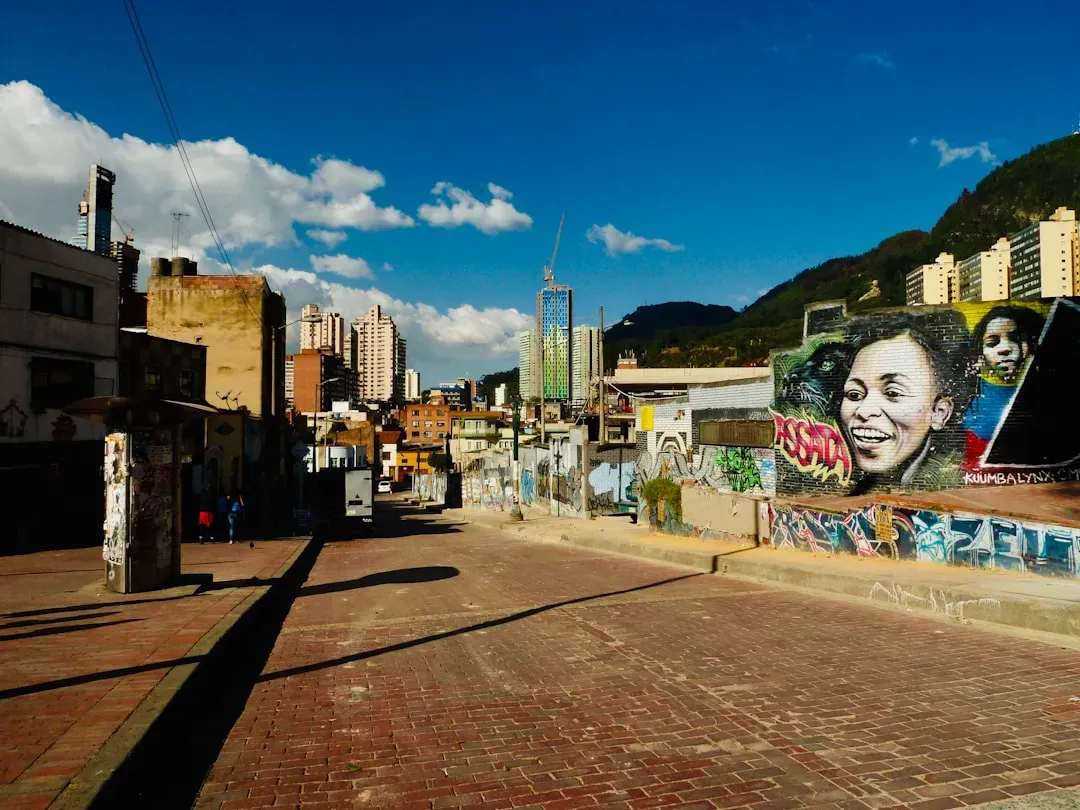
Bogotá has transformed from a city Americans once avoided into one they now seek out for its food scene and cultural energy. The famous ajiaco, a hearty chicken and potato soup, and arepas offer a taste of Colombia’s rich food culture, and the city’s gastronomic revolution is about much more than traditional dishes, with trendy cafes, experimental restaurants, and food markets showcasing its creative spirit. That shift toward a modern, cosmopolitan identity has done wonders for its image abroad.
Museums, street art tours in La Candelaria, and a thriving nightlife scene round out the appeal for younger American travelers especially. Colombia’s broader tourism push, paired with dedicated tourist police in major hubs, has given visitors more confidence to explore a city that was once written off entirely.
7. Caracas, Venezuela
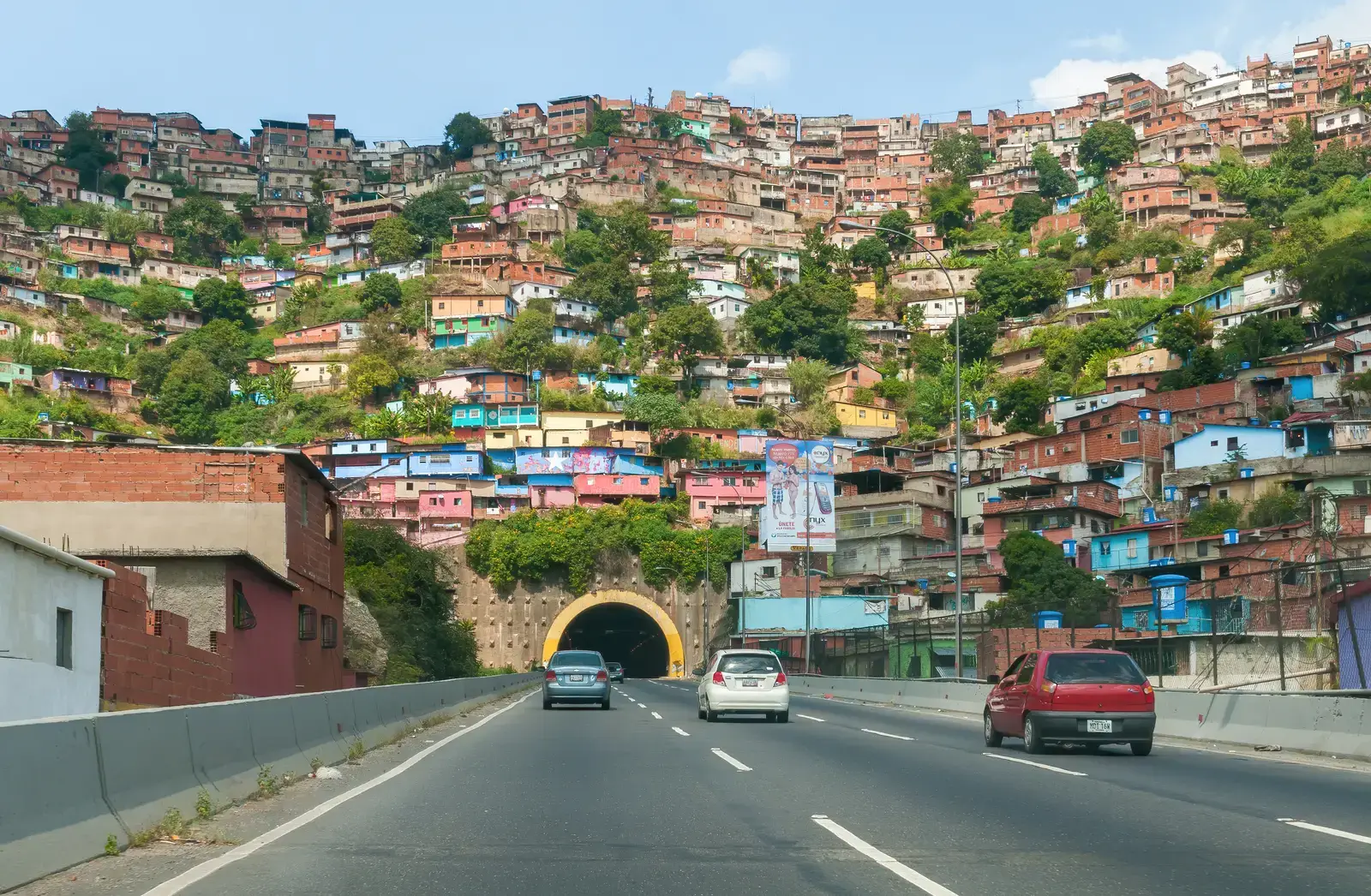
Caracas sits at the top of the list of cities Americans are avoiding, and the reasons go well beyond typical travel hesitancy. Caracas has long been a cultural and historical hub, but ongoing political instability, economic crisis, and high crime rates have made many travelers wary, with theft, scams, and violent incidents common despite the city’s rich museums, architecture, and vibrant culture. Recent political upheaval has only added to the uncertainty.
Some travel writers have noted cautious optimism about the city’s trajectory, though nothing is settled yet. Venezuela’s capital is far safer than it once was and offers a unique adventure given its recent troubled history, though a 2026 update notes it remains uncertain whether recent political developments will have a positive or negative impact, so it’s wise to be cautious about visiting for now. Until that picture clears up, most American travelers are choosing to look elsewhere.
8. Guayaquil, Ecuador
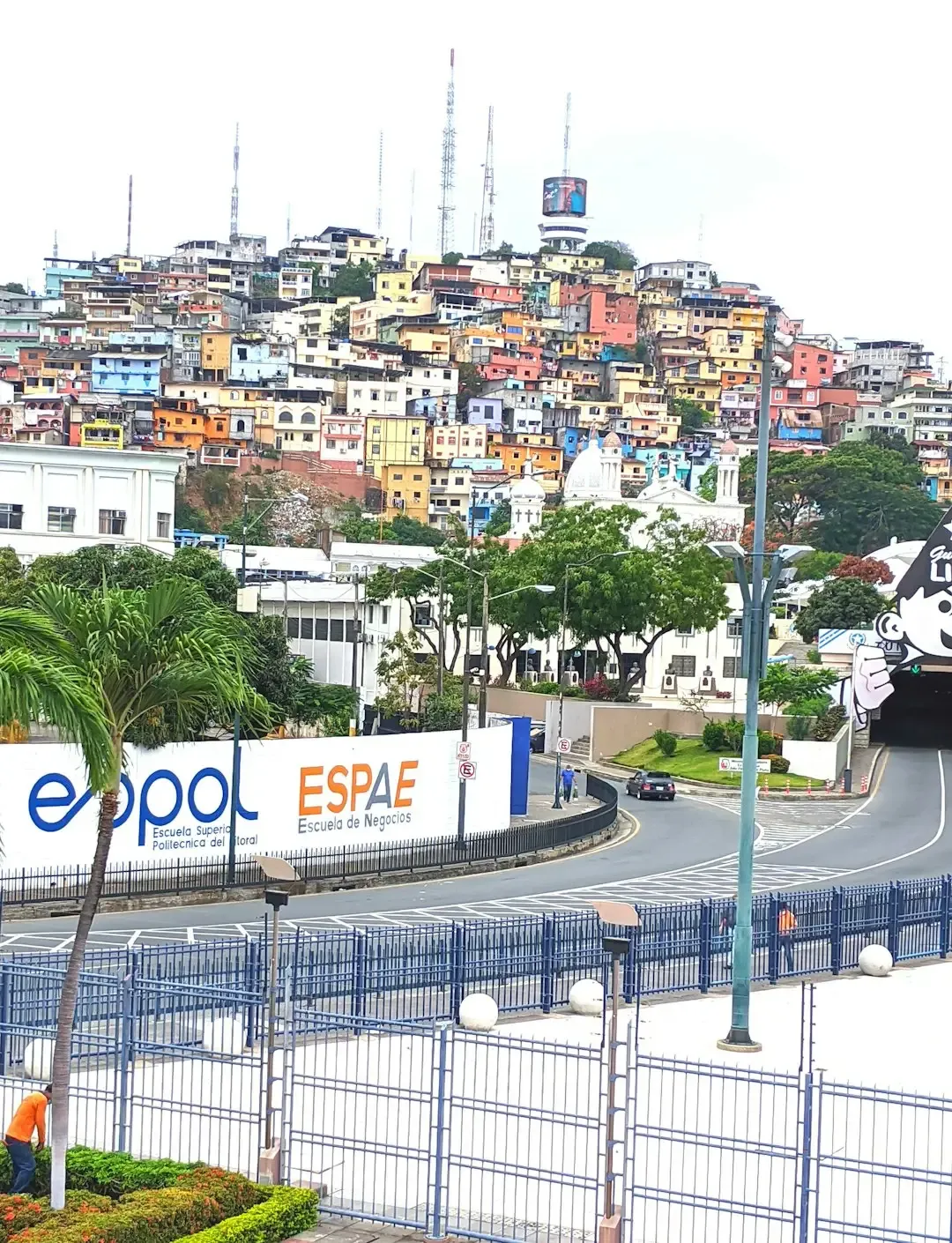
Guayaquil used to be a routine stopover for Americans heading to the Galápagos, but that’s changed fast. The city has become the epicenter of growing violence, with territorial struggles between drug cartels turning previously touristy areas into battlefields, and Ecuador added terrorism to its advisory risk factors in 2025 due to gang activity in coastal areas. That kind of language on an official advisory tends to scare off even seasoned travelers.
The shift in behavior is already visible in booking patterns. Americans who once treated Guayaquil as a convenient stopover en route to the Galápagos are increasingly flying around it instead. It’s a stark reversal for a city that not long ago was considered a safe, if unremarkable, gateway to one of the world’s most famous wildlife destinations.
9. Santiago, Chile
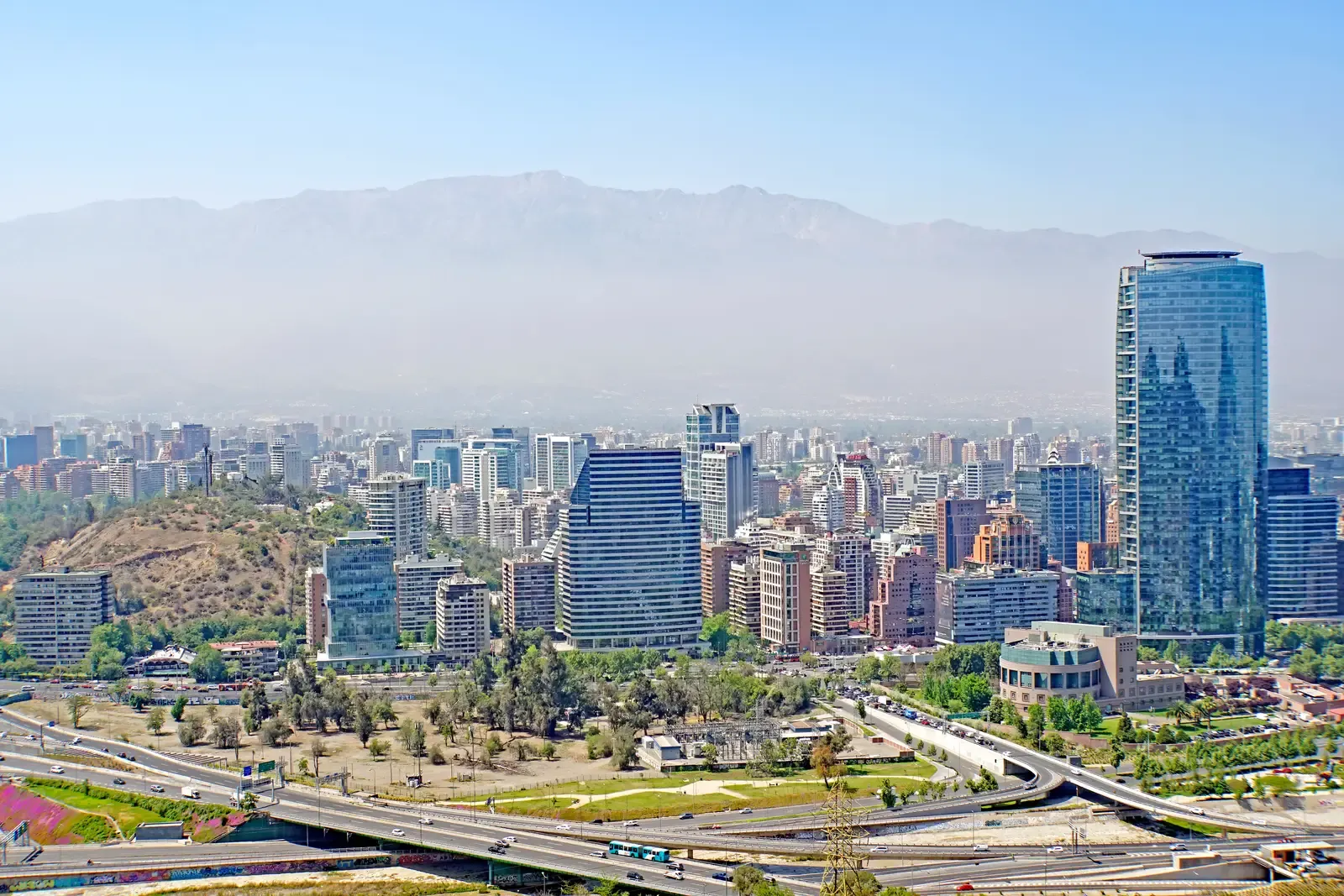
Santiago has plenty going for it on paper, with mountain backdrops, a growing food scene, and easy access to wine country. Even so, recurring unrest has chipped away at its appeal for American tourists. Chile currently has a level 2 warning due to civil unrest and crime, and while protests tend to happen in cycles, it’s still advisable to be aware of potential gatherings in major cities and petty crimes like carjacking, which have increased in recent years.
Layer on the region’s seismic risk and the picture becomes less inviting for casual travelers. Chile also has a risk of natural disasters, especially earthquakes and volcanic eruptions, so travelers should keep up with the latest info before visiting. None of this makes Santiago unsafe by any stretch, but the combination of periodic unrest and unpredictable ground movement has been enough to nudge some Americans toward calmer alternatives like Buenos Aires or Mendoza instead.
What stands out across all nine cities is how quickly reputations can shift in either direction. A city like Bogotá spent years fighting an outdated image before winning Americans back, while places like Guayaquil have gone the opposite way in a matter of months. Travel advisories, currency swings, and a single viral news story can reshape an entire city’s tourism fortunes almost overnight.
For now, the pattern is clear enough. Americans are chasing colonial charm, mountain scenery, and world-class food in cities that feel manageable and welcoming, while steering around places where instability or crime headlines overshadow the sightseeing. That balance will likely keep shifting as 2026 unfolds, but for the moment, South America’s biggest winners and its cautionary tales are easy to spot.
