


- Real Estate Analysts Just Changed Their Mind About the Safest Places to Buy – Here’s Why - November 12, 2026
- Black Holes Firing Beams at Near-Light Speed – 5 Cosmic Engines Warping Spacetime - November 12, 2026
- Silent Rogue Worlds Drifting in Total Dark – 6 Planets Ejected From Their Star Systems - November 12, 2026
Upsala Glacier: the fastest retreat in the Southern Icefield
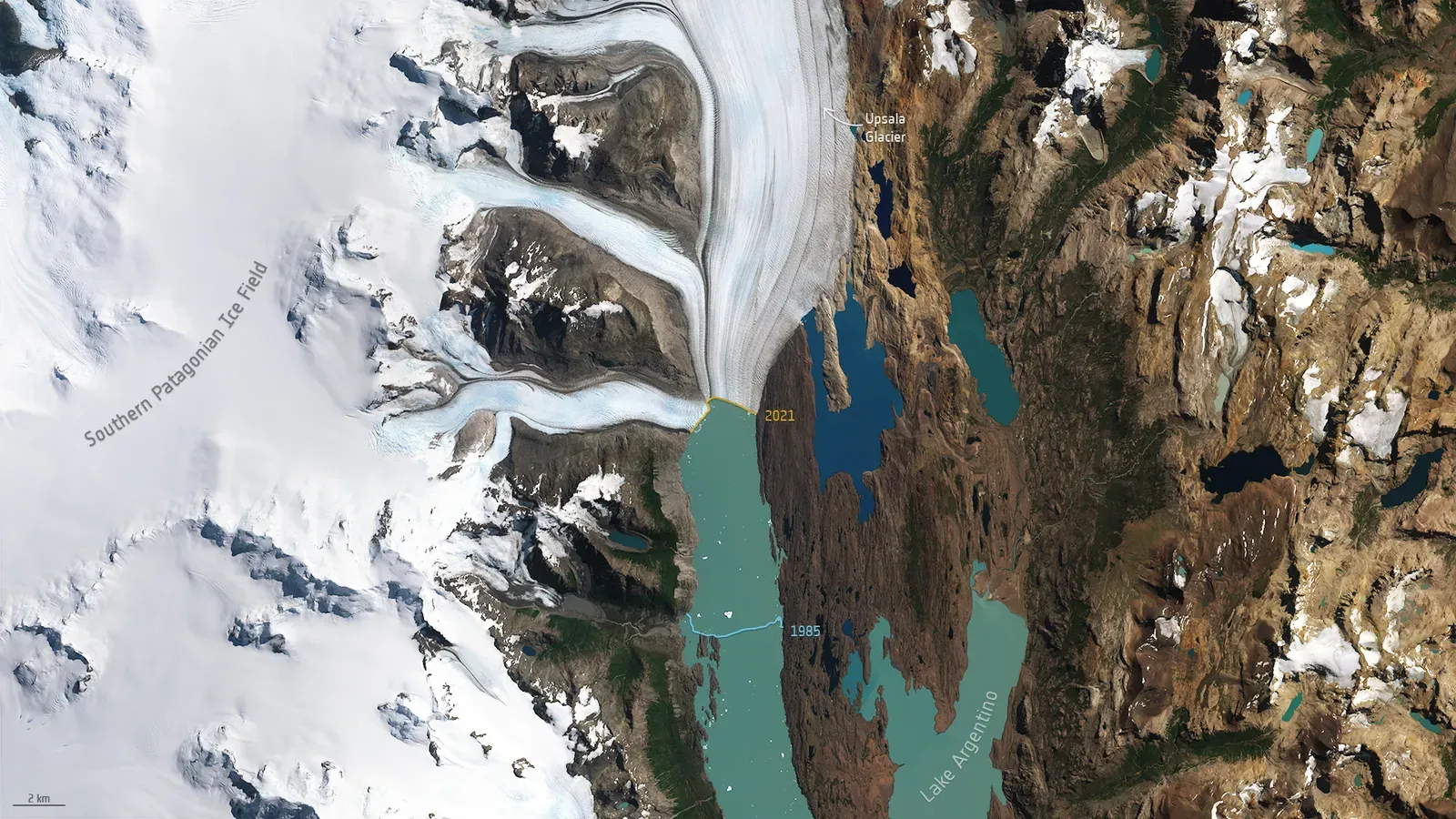
A 27-year remote sensing study covering 1997 to 2023 confirmed what guides and researchers in El Calafate have suspected for years. Upsala Glacier lost roughly 6,989 meters of frontal ice, retreating at an average rate of about 304.55 meters per year, with a statistically significant acceleration of nearly 1.9 meters per year squared.
That acceleration term matters. It means the glacier is not just retreating, it is retreating faster each year than the year before. Researchers behind the study noted that Upsala represents one of two contrasting cases within the Southern Patagonia Icefield, standing in stark relief against its more famous neighbor.
Perito Moreno: the stable glacier that stopped being stable
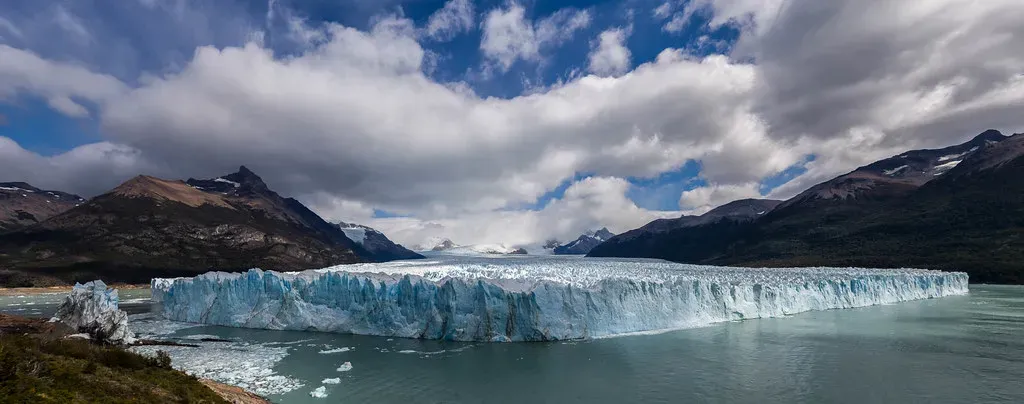
For decades, Perito Moreno was the exception that made textbooks. The glacier showed near-equilibrium conditions with no sustained frontal retreat for most of the study period, but since 2016 it has shifted toward sustained retreat, reaching rates of about 55 meters per year and accounting for nearly two-thirds of its total area loss since 1997.
The shift became unmistakable in 2025. A pronounced retreat event that year reached roughly 385 meters, the largest frontal recession recorded during the entire study period. A separate study using helicopter-borne radar found the same pattern from a different angle. Frontal surface lowering rates accelerated from 0.34 meters per year between 2000 and 2019 to 5.5 meters per year between 2019 and 2024. That is roughly a sixteen-fold jump in thinning speed within a single glacier, and researchers warn it could trigger buoyancy-driven retreat once the ice passes a submerged ridge beneath it.
Jorge Montt: retreat measured in kilometers, not meters
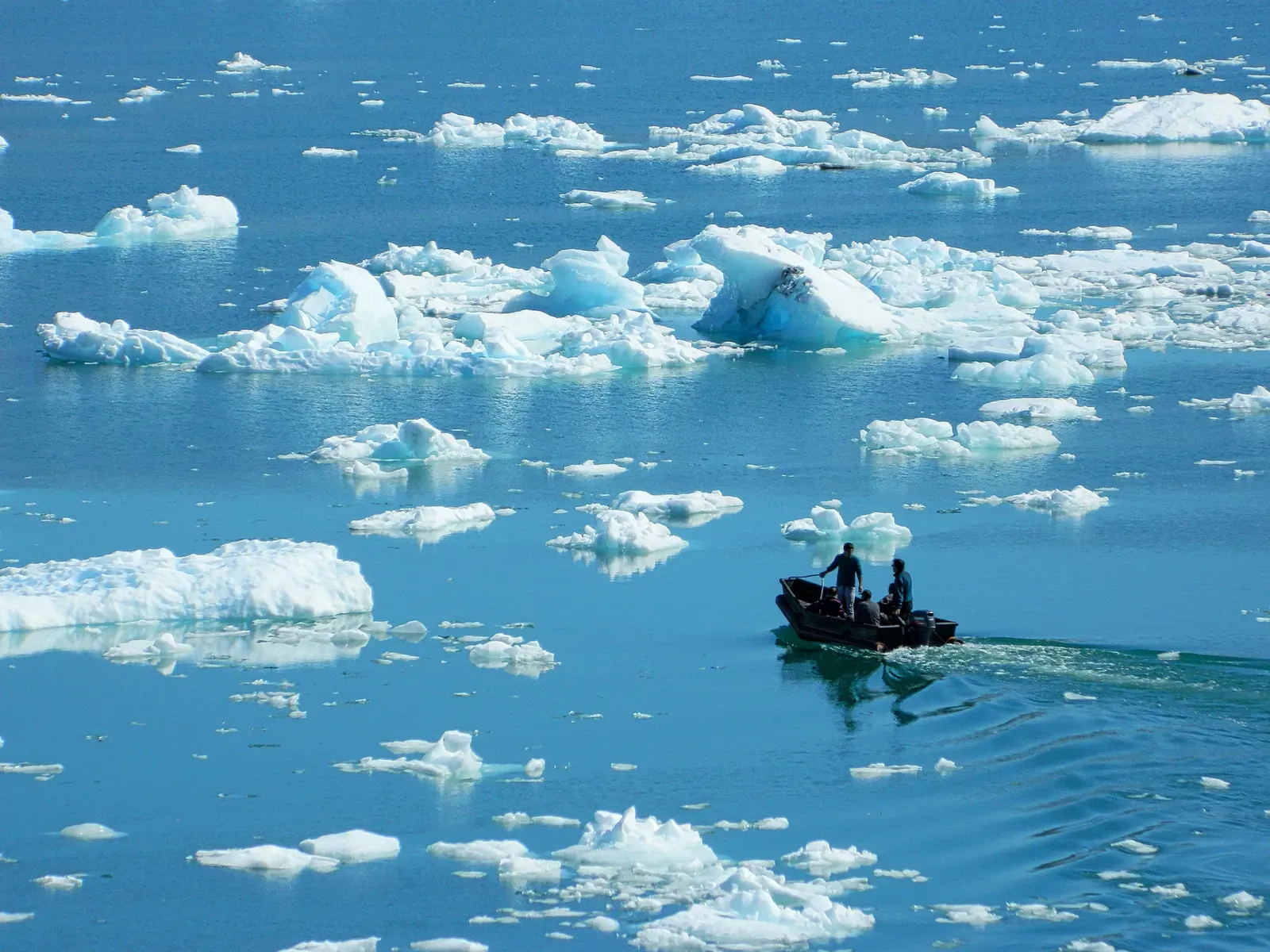
Jorge Montt Glacier, on the western edge of the Southern Patagonian Icefield, has behaved less like a slow-moving ice sheet and more like something in freefall. The glacier retreated by 11 kilometers between 1990 and 2011, and pulled back another 2 kilometers by 2016.
That retreat came paired with dramatic acceleration in the ice’s forward flow. Volume change rates for Jorge Montt worsened by 0.36 cubic kilometers per year during a recent study period, associated with major flow acceleration between 2007 and 2014. Flow speeding up while the front pulls back is a signature of glaciers losing structural grip on the bedrock beneath them, a pattern glaciologists watch closely because it tends to compound over time.
O’Higgins Glacier: decades of calm, then a sudden lurch
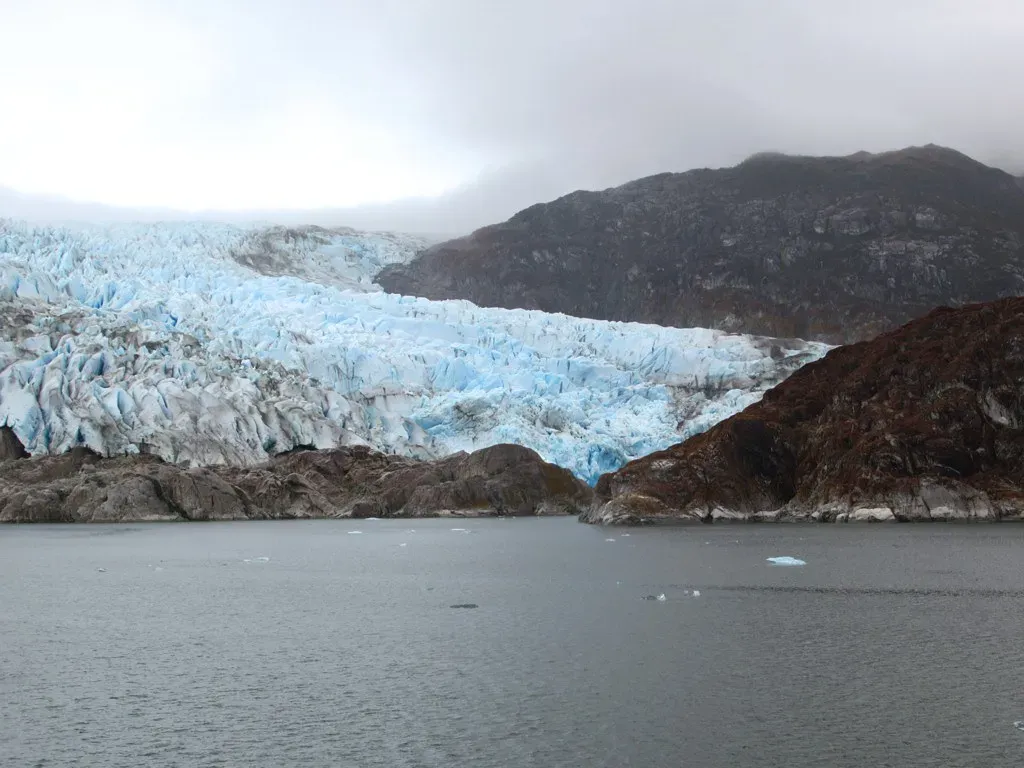
O’Higgins Glacier offers one of the more curious data points in the region. Satellite monitoring using imagery from the International Space Station found that the glacier did not change the position of its frontal part for 12 years, then retreated in 2018 and 2019 by 1,250 meters.
A more than kilometer-long retreat packed into roughly a year, after over a decade of apparent stability, is the kind of nonlinear behavior that makes long-range projections difficult. Glaciers do not always erode gradually. Sometimes they hold a line for years and then give way all at once, and O’Higgins is a clear example of that pattern playing out in real time.
Viedma Glacier: the largest in Argentina, now off-limits to walkers
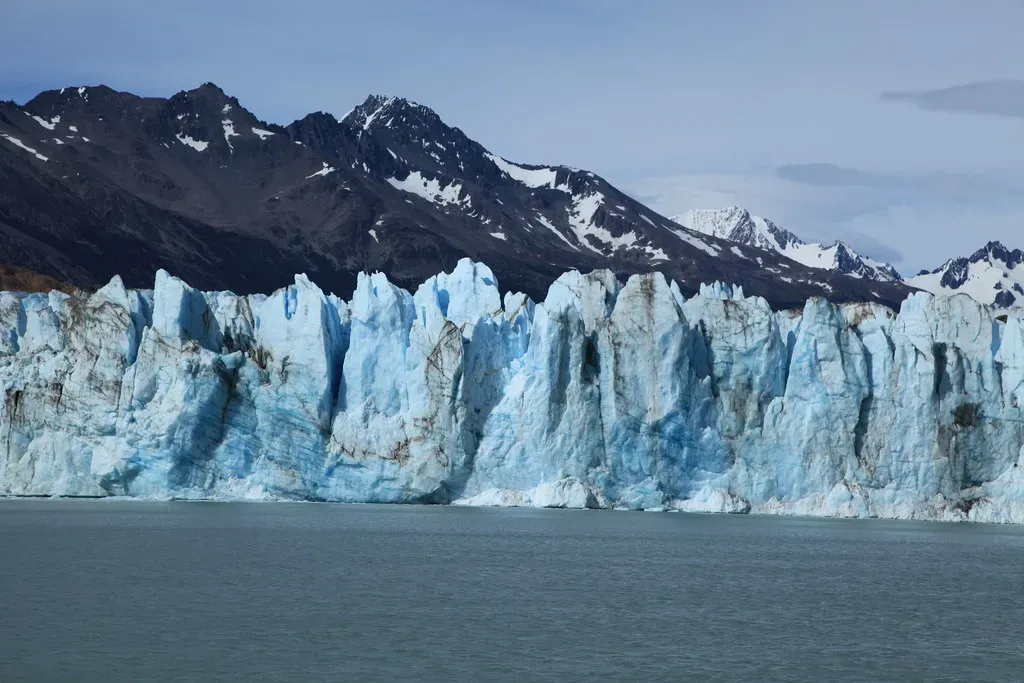
Viedma is South America’s biggest glacier by some measures, feeding directly from the Southern Patagonian Icefield into Viedma Lake. Surface elevation surveys found that between 2000 and 2018, the accumulation area of Glaciar Viedma lost surface elevation at a rate of 1.7 meters per year.
That thinning has had real consequences for people who visit the glacier, not just for scientists studying it. Ice trekking on Viedma Glacier itself has been suspended since 2018 due to the glacier’s retreat, though lake navigation to view its face resumed in November 2025. Tour operators now redirect trekkers to nearby glaciers instead, a small but telling sign of how fast conditions on the ground have changed.
Pio XI: the outlier that briefly defied the trend
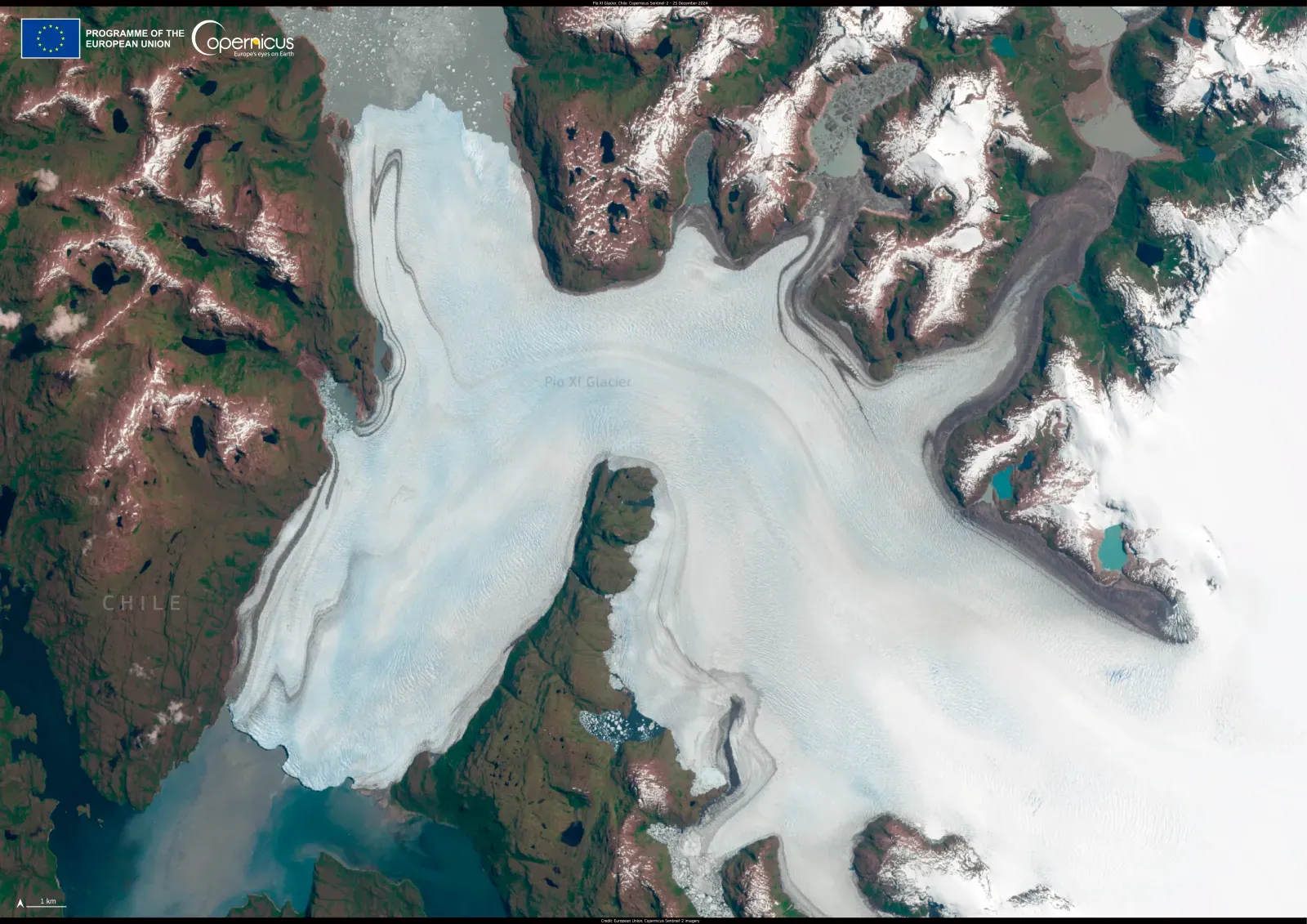
Pio XI, the largest glacier in the Southern Hemisphere outside Antarctica, has spent years confusing the pattern. Unlike its neighbors, it saw a period of frontal advance rather than retreat, and the same elevation survey that tracked Viedma’s losses found Pio XI’s accumulation zone actually gained surface elevation at 0.4 meters per year over the same 2000 to 2018 window.
Researchers have studied whether this reflects a surge dynamic tied to the glacier’s unusual geometry rather than a genuine resistance to warming. Even so, satellite records show a large cumulative frontal advance since 1945, including a general advancing period of its southern and northern sections, though scientists caution that surging glaciers can reverse abruptly once the mechanics driving the advance change.
San Rafael: the accessible glacier racing toward disappearance
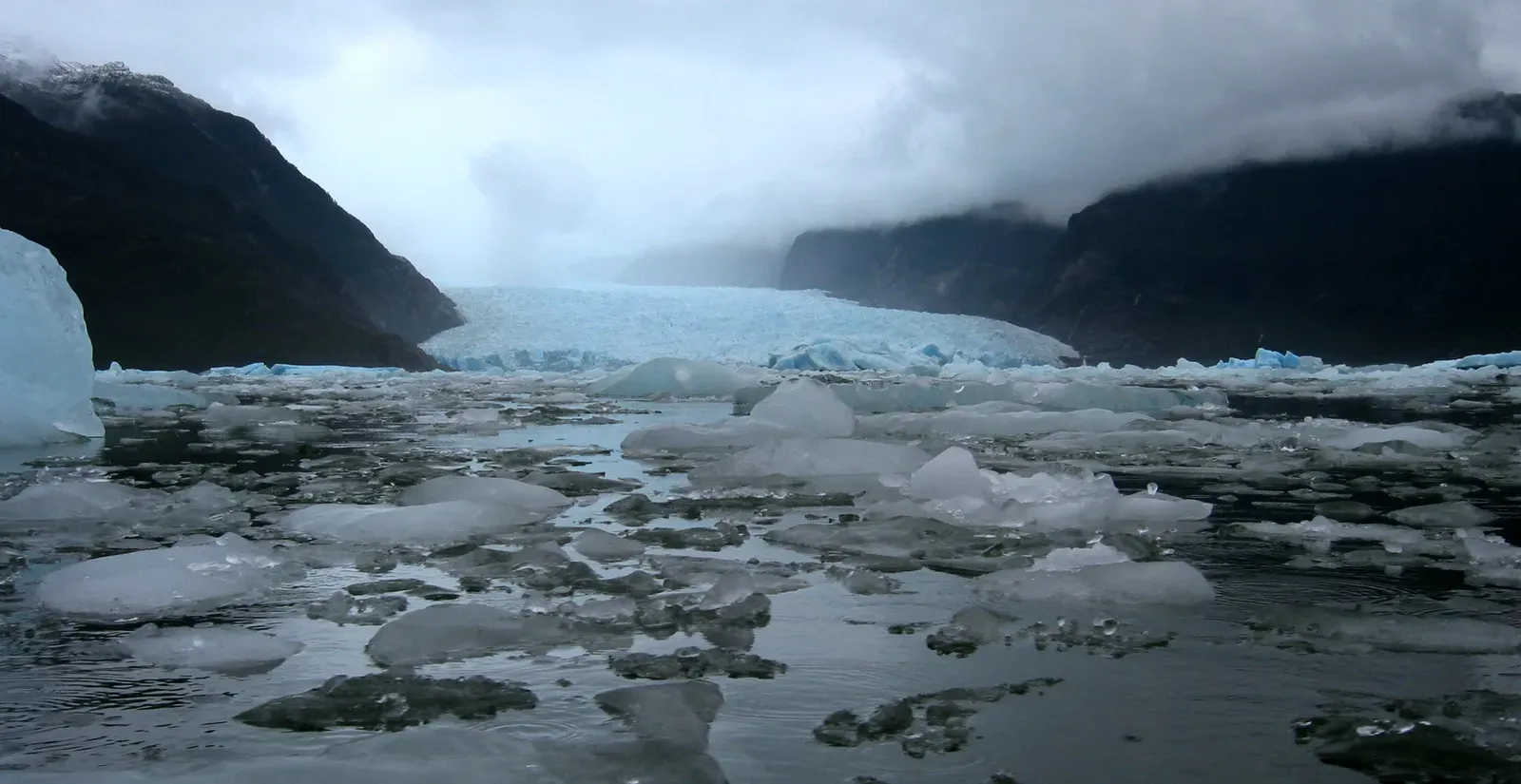
San Rafael Glacier, descending from the Northern Patagonian Icefield into its namesake lagoon, is one of the most visited glaciers in Chile precisely because boats can approach its face closely. That accessibility has made its retreat highly visible to tourists as well as researchers.
Estimates cited by regional tour operators suggest if the glacier continues to diminish at its current rate, it could be completely gone by 2030. That kind of timeline, while drawn from observational trend extrapolation rather than a full ice-dynamics model, underscores how visibly and quickly some of the Northern Icefield’s outlet glaciers have thinned compared with projections made even a decade ago.
Spegazzini: a wall of ice losing its footing
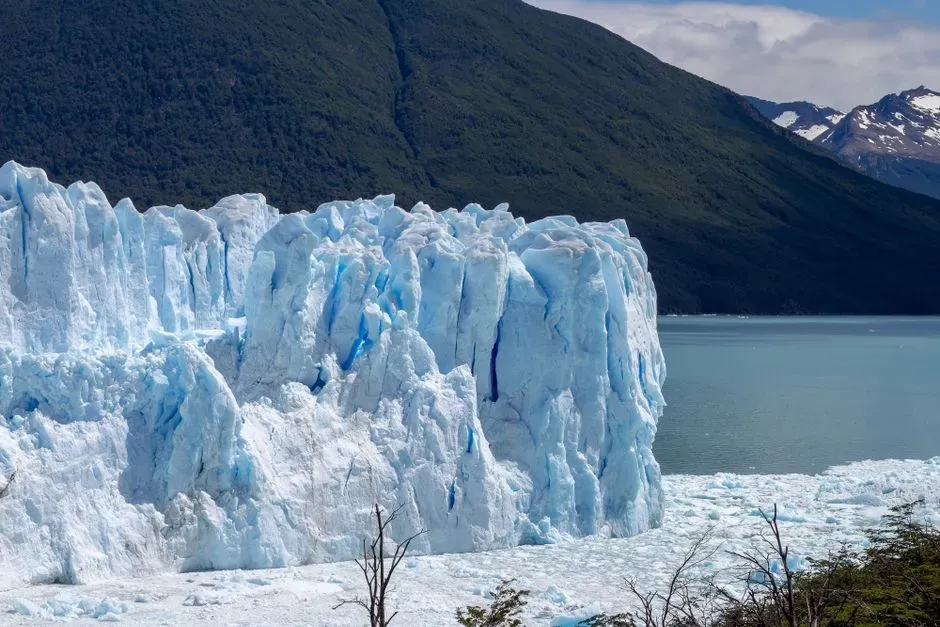
Spegazzini Glacier is best known for having the tallest ice wall in Los Glaciares National Park, rising well over a hundred meters above the water. The glacier covers approximately 134 square kilometers and features a wall reaching up to 135 meters above the water.
Its dramatic height makes changes easier to observe from cruise vessels that pass close to its face, and calving events there have grown more frequent according to guides operating in the area over the past several seasons. Because Spegazzini sits within the same broader ice field as Upsala and Perito Moreno, its behavior is often studied as a comparison point for how lake-terminating glaciers respond differently depending on their local bedrock and basin shape.
Marinelli Glacier: erosion and ice loss moving together
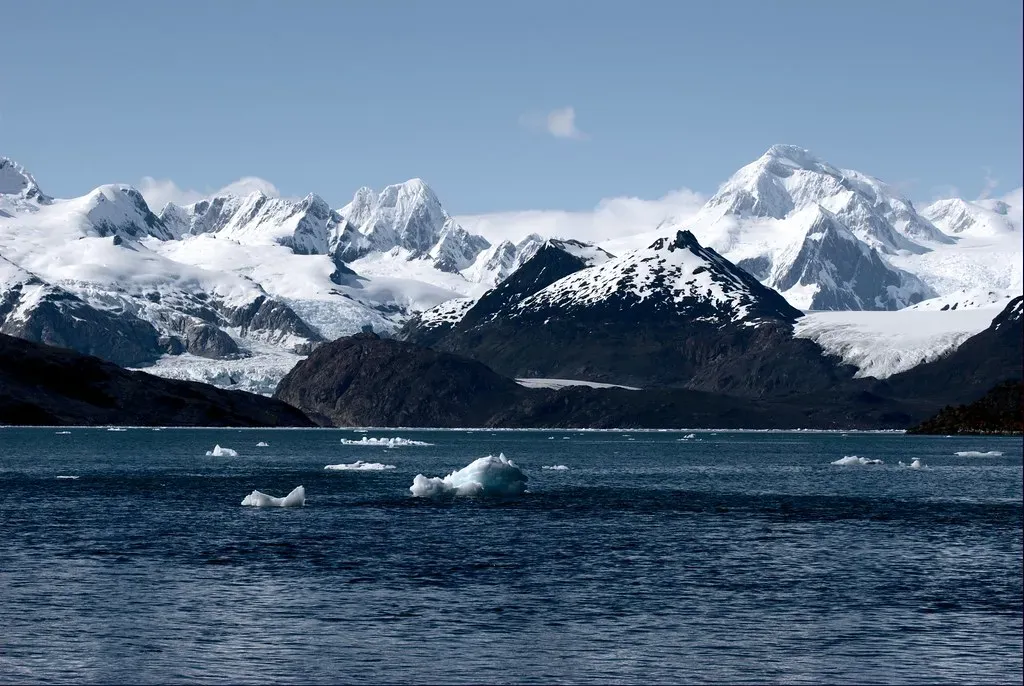
Farther south, in Tierra del Fuego, Marinelli Glacier has drawn attention for a different reason. Research on the glacier documented what scientists describe as a synchronous acceleration of ice loss and glacial erosion, a pairing that suggests the ice and the landscape beneath it are being reshaped at the same time rather than one process trailing the other.
This matters because it points to feedback loops that standard surface mass balance models do not always capture well. When a retreating glacier accelerates erosion of its own bed, the resulting changes in basal friction can, in turn, speed up further ice loss, a dynamic that has shown up repeatedly across the broader Patagonian Icefield system.
Why the region as a whole keeps outrunning its own forecasts
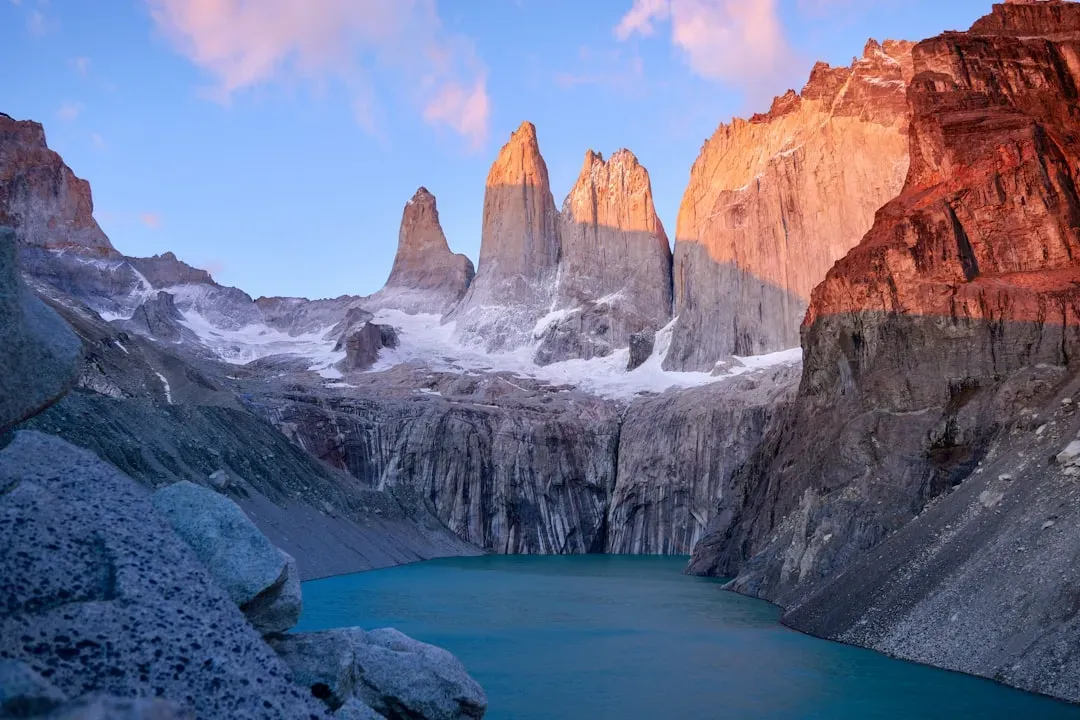
Zooming out from individual glaciers, the regional numbers tell a consistent story. A study of the Patagonia Icefields concluded they are thinning at an accelerating pace, faster than other areas on the planet, a finding that dates back to early NASA-led research but has only been reinforced by more recent satellite work. The glaciers of the Southern Andes are responsible for a total of 3.3 millimeters of sea-level rise between 1961 and 2016, a contribution disproportionate to the region’s relatively small ice volume compared with Greenland or Antarctica.
Part of the explanation lies in atmospheric circulation shifts rather than temperature alone. A 2025 study found that a large-scale atmospheric circulation change brings more warm air to Patagonia, thereby accelerating glacier melt. Researchers involved in that work cautioned about the human stakes tied to these changes, since their disappearance would endanger South American communities reliant on summer meltwater supply. Other research has found that precipitation has partly offset losses in some western glaciers, but that this buffer depends entirely on emissions trajectories. Simulations show precipitation would need to increase by 10 to 50 percent to maintain present-day glacier volumes depending on the climate scenario, and if greenhouse gas emission cuts fail, these glaciers will enter a warmer regime unseen over the last 6,000 years. Historical baseline data adds further context to how widespread the trend already is, with older surveys finding that recession is widespread, with 90.2 percent of glaciers having retreated since 1870, and more rapid retreat concentrated among smaller land-terminating glaciers.
