


- The Planet Where It Rains Liquid Glass – 7 Alien Worlds Defying Known Physics - November 14, 2026
- Stars Consuming Entire Worlds – 6 Planetary Systems Swallowing Their Own Worlds - November 14, 2026
- The Ground Liquefies Like Water – 6 Silent Fault Lines Geologists Watch Closely - November 14, 2026
Wildfire risk in the United States has shifted dramatically over the past decade, and it’s no longer just a California problem. Drought, population growth into rural landscapes, and warmer, drier winters have pushed fire danger into states that once felt relatively safe. At the same time, a handful of states, mostly clustered in the Northeast, continue to sit far outside the path of major wildfire activity thanks to wetter climates and different vegetation patterns.
Below is a closer look at eight states where wildfire risk dominates headlines and insurance conversations, followed by four states where residents genuinely have little reason to lose sleep over wildfire season.
1. California
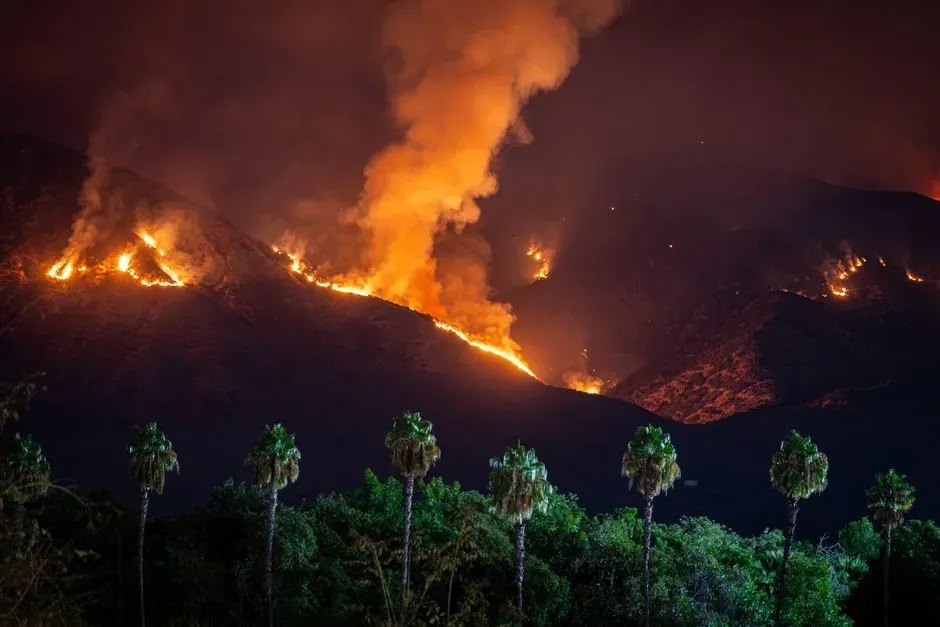
California remains the undisputed leader in wildfire exposure by nearly every measure available. California leads the nation in wildfire exposure, with 2.1 million homes at risk, nearly three times more than Texas at 750,000 or Colorado at 380,000. The state’s own fire agency reported staggering numbers even in a relatively calmer year. The California Department of Forestry and Fire Protection reported over 8,000 wildfires in 2024 alone, burning more than 1 million acres, with the state accounting for over 40% of all burned acres in recent wildfire seasons.
The financial toll has been just as brutal as the physical damage. The January 2025 Palisades and Eaton Fires near Los Angeles destroyed more than 13,500 structures and resulted in over 40 billion dollars in insured losses. That kind of loss has reshaped the insurance market entirely, since insurers have responded by pulling back from the state, with the California FAIR Plan seeing its policy count more than double between 2020 and 2024, surpassing 452,000 policies. No other state comes close to matching California’s combination of scale, frequency, and cost.
2. Texas
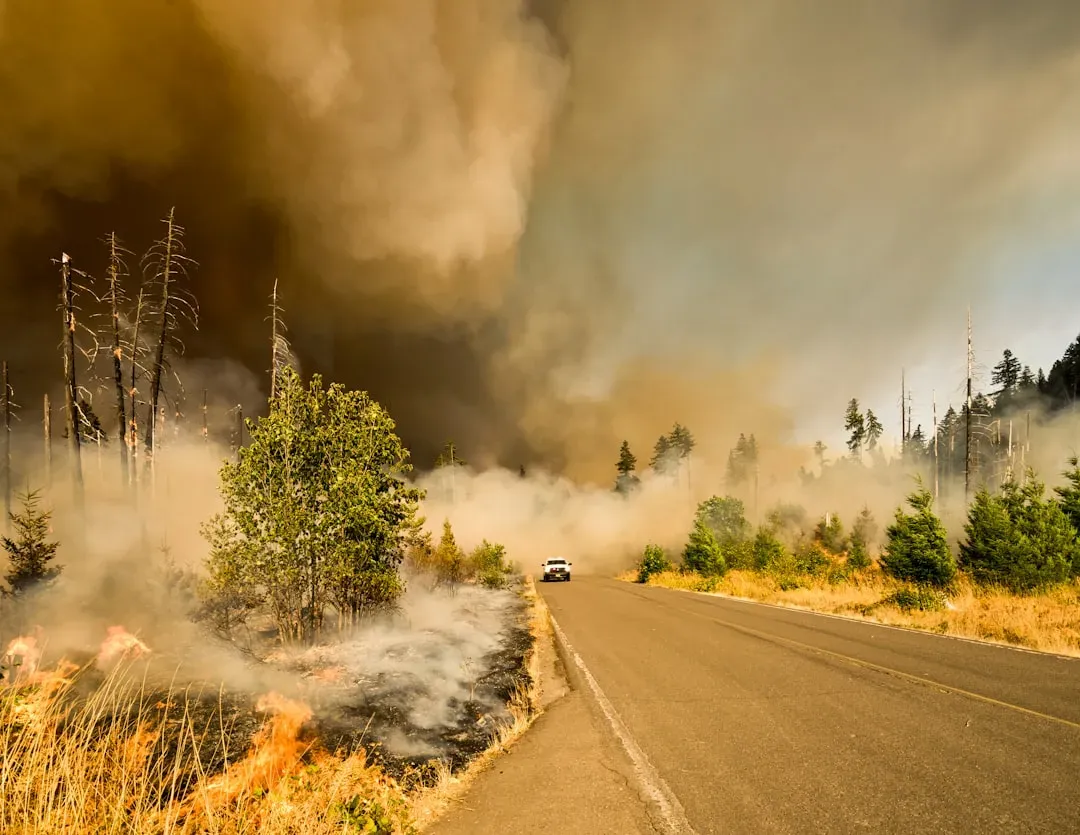
Texas has quietly become one of the fastest-growing wildfire hotspots in the country, and it’s not just about acreage. Texas has rapidly emerged as one of the most fire-prone states in the country, particularly across the dry Panhandle, with its low-humidity climate and terrain contributing to extreme wildfires. The Austin metro area in particular has become a flashpoint for insurers and regulators watching the state’s exposure grow.
Recent property data paints a sobering picture of how concentrated that risk has become. Cotality’s 2025 count put Texas at roughly 243,000 at-risk properties, and Austin alone carries more at-risk properties than any other place in the country outside California, with over 100,000 properties exposed and 49.2 billion dollars in combined rebuild costs. With nearly 10 million housing units statewide, even a modest percentage at risk translates into an enormous number of homes and communities that could be affected by fast-moving grass and brush fires.
3. Colorado
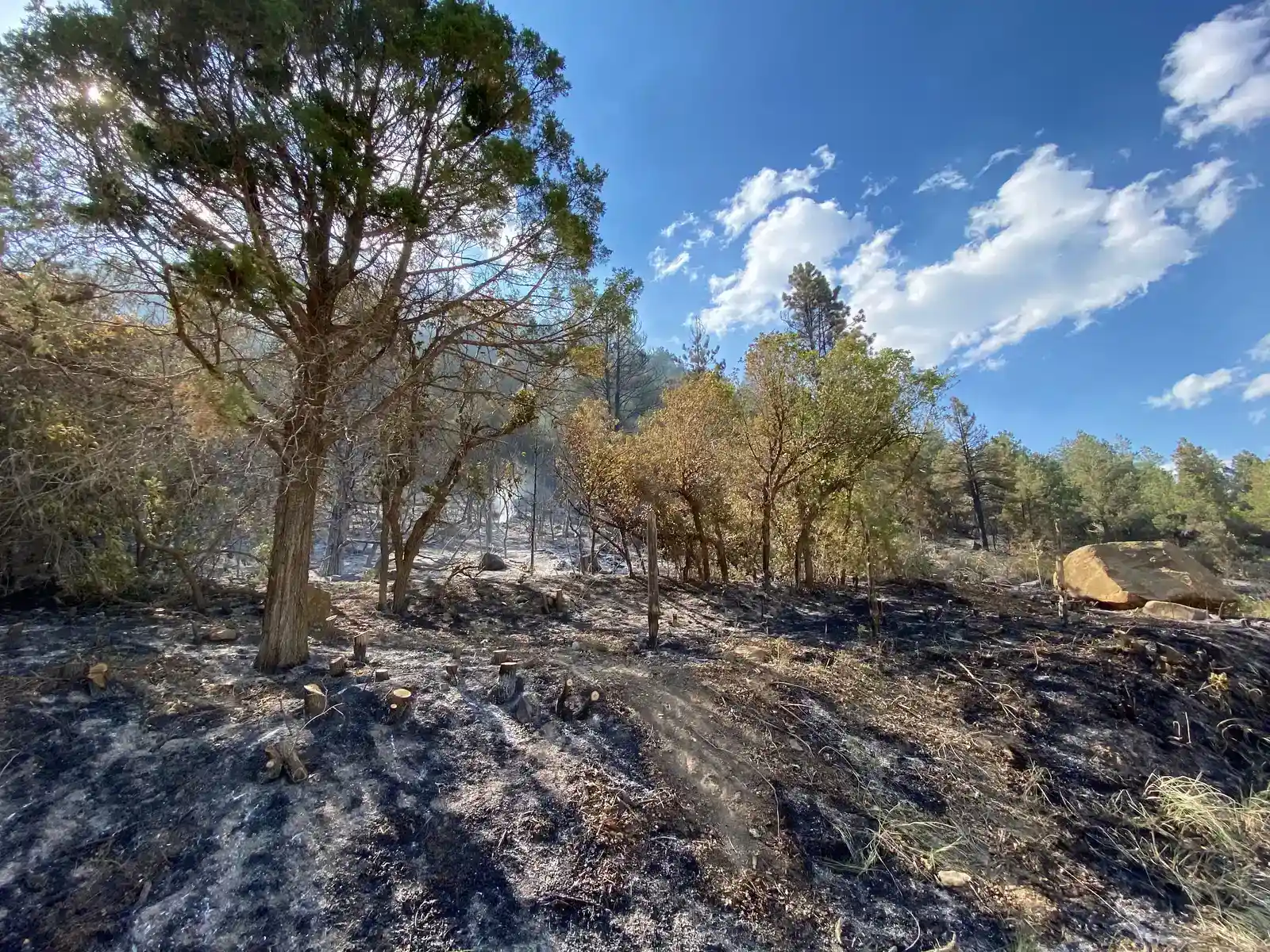
Colorado’s wildfire problem is less about total acreage and more about how much value sits directly in harm’s way. In Cotality’s 2025 count, Colorado carried roughly 319,000 properties at moderate or greater wildfire risk, the second-highest total of any state in the country behind California. Front Range communities near Denver and Boulder have expanded steadily into pine and scrub oak terrain that burns fast when conditions align.
Lawmakers have taken notice, and Colorado has become a testing ground for how insurance and wildfire risk intersect legally. Colorado is one of only two states where the price of wildfire risk is becoming a matter of law rather than just underwriting, with a new law, HB25-1182, taking effect July 1, 2026, requiring insurers using a wildfire risk score to disclose that score to homeowners, credit them for mitigation work, and give them a formal way to appeal a score they believe is wrong. That kind of legislative response underscores just how central wildfire risk has become to everyday life in the state.
4. Oregon
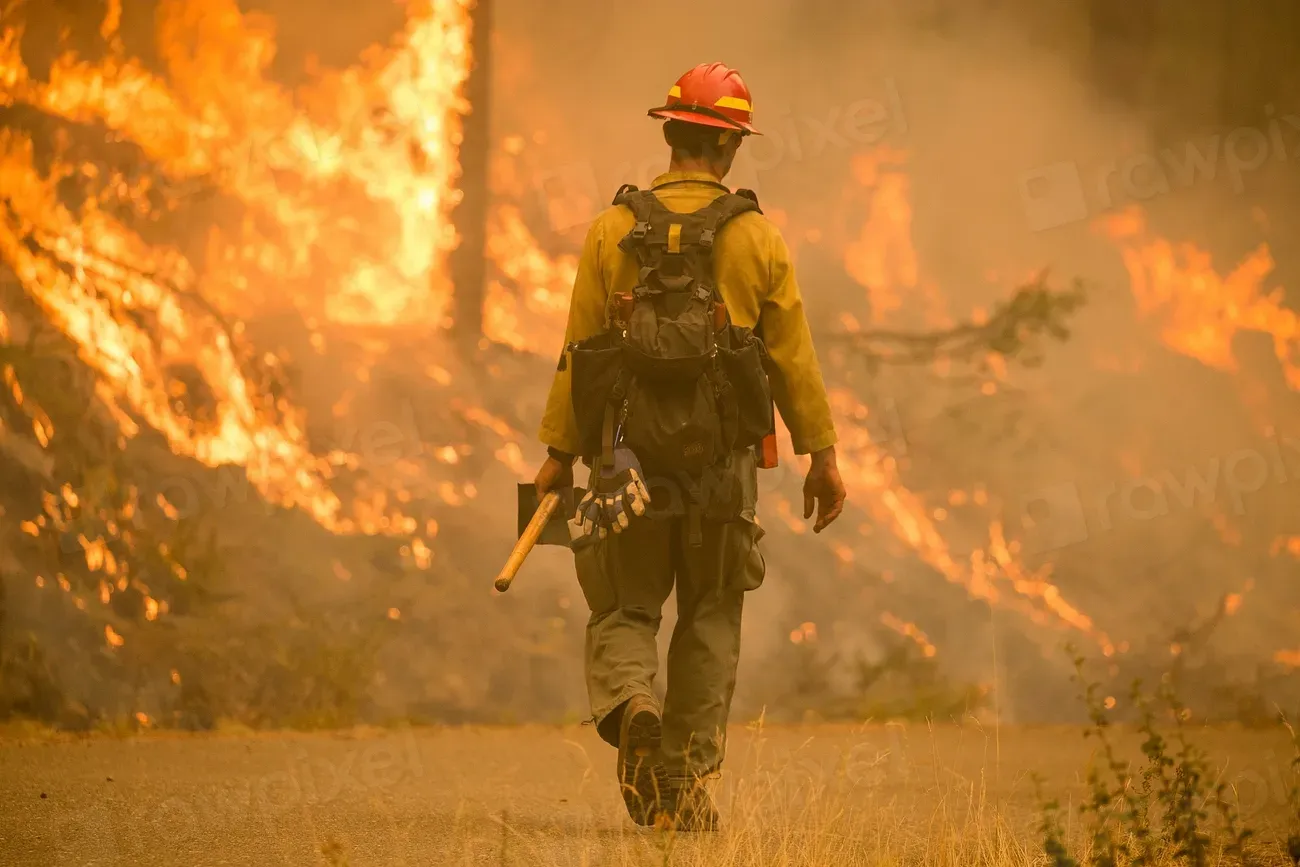
Oregon has spent the last two fire seasons setting uncomfortable records. Oregon’s 2024 fire season set a modern state record, with around 1.9 million acres burned across roughly 2,000 fires. The following winter offered little relief, since Oregon tied its own record for its warmest winter between 2025 and early 2026, experienced less snowfall, and set the scene for dry, wildfire-prone terrain.
Officials have responded with strict seasonal controls to try to limit human-caused ignitions. The Bureau of Land Management enforces a burn ban on public lands between May and October to minimize Oregon wildfire risks. Combined with rugged terrain in the Cascade Range, Oregon consistently ranks among the handful of states insurers and emergency planners watch most closely each summer.
5. Arizona
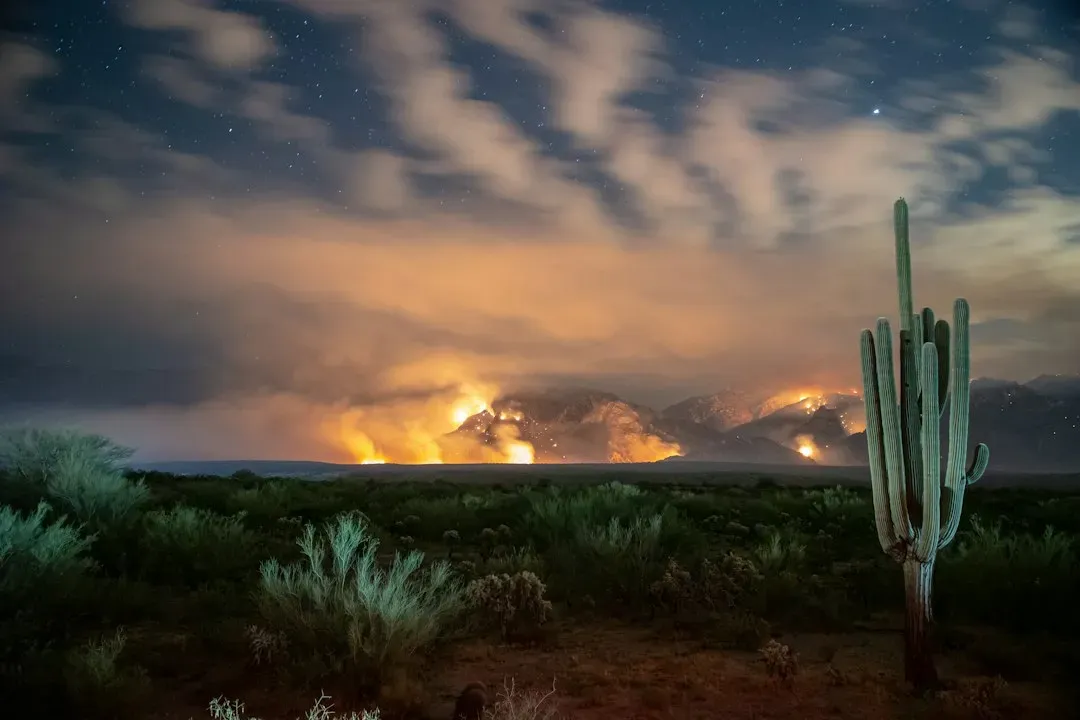
Arizona’s wildfire season used to have clear boundaries, but that’s changed in recent years. Historically, fire season in Arizona began in April in desert areas and May around the Mogollon Rim with peak activity near July, but there is now a fire risk year-round, since Arizona is drought prone with precipitation varying widely between deserts and mountains. That shift toward year-round exposure has changed how residents and officials plan for fire danger.
Certain communities bear a disproportionate share of that risk. Cities like Flagstaff and communities along the Mogollon Rim face persistent fire exposure, with Flagstaff itself sitting among the nation’s top 15 metro areas for the number of homes with moderate-to-high wildfire risk, according to Cotality’s 2025 Wildfire Risk Report. Arizona’s combined exposure alongside neighboring states has also drawn attention from national insurers reassessing coverage across the entire Southwest.
6. Wyoming
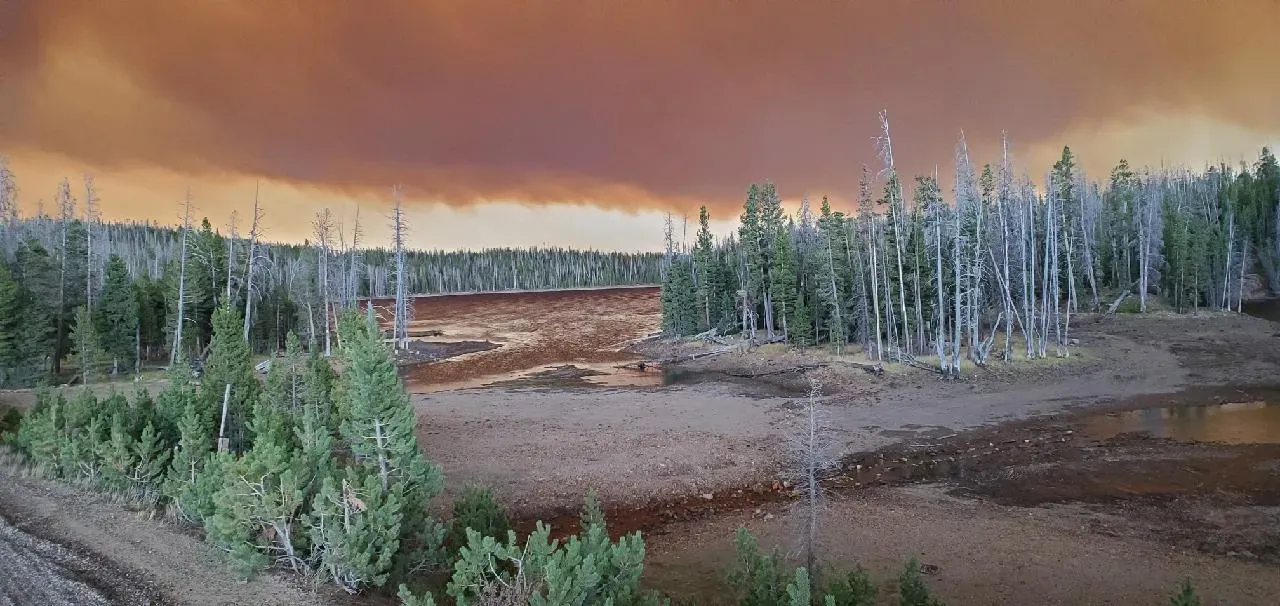
Wyoming rarely tops headline lists the way California or Texas does, yet by one important measure it actually leads the nation. In Wyoming and Montana, 54% and 51% of buildings, respectively, are at risk of wildfires, making them the only two states with more than half at risk. That’s a striking figure for a state with a relatively small population, and it reflects how much of Wyoming’s housing sits in forested or brushy terrain.
Separate research confirms Wyoming’s place among the states with the most serious wildfire exposure nationally. Wyoming is the U.S. state most at risk for wildfire-related property loss, with an estimated share of total housing units that could burn at least once over a 50-year time period. Wide open rangeland, strong seasonal winds, and scattered rural development all combine to keep Wyoming firmly on the list of states most exposed to wildfire.
7. Montana
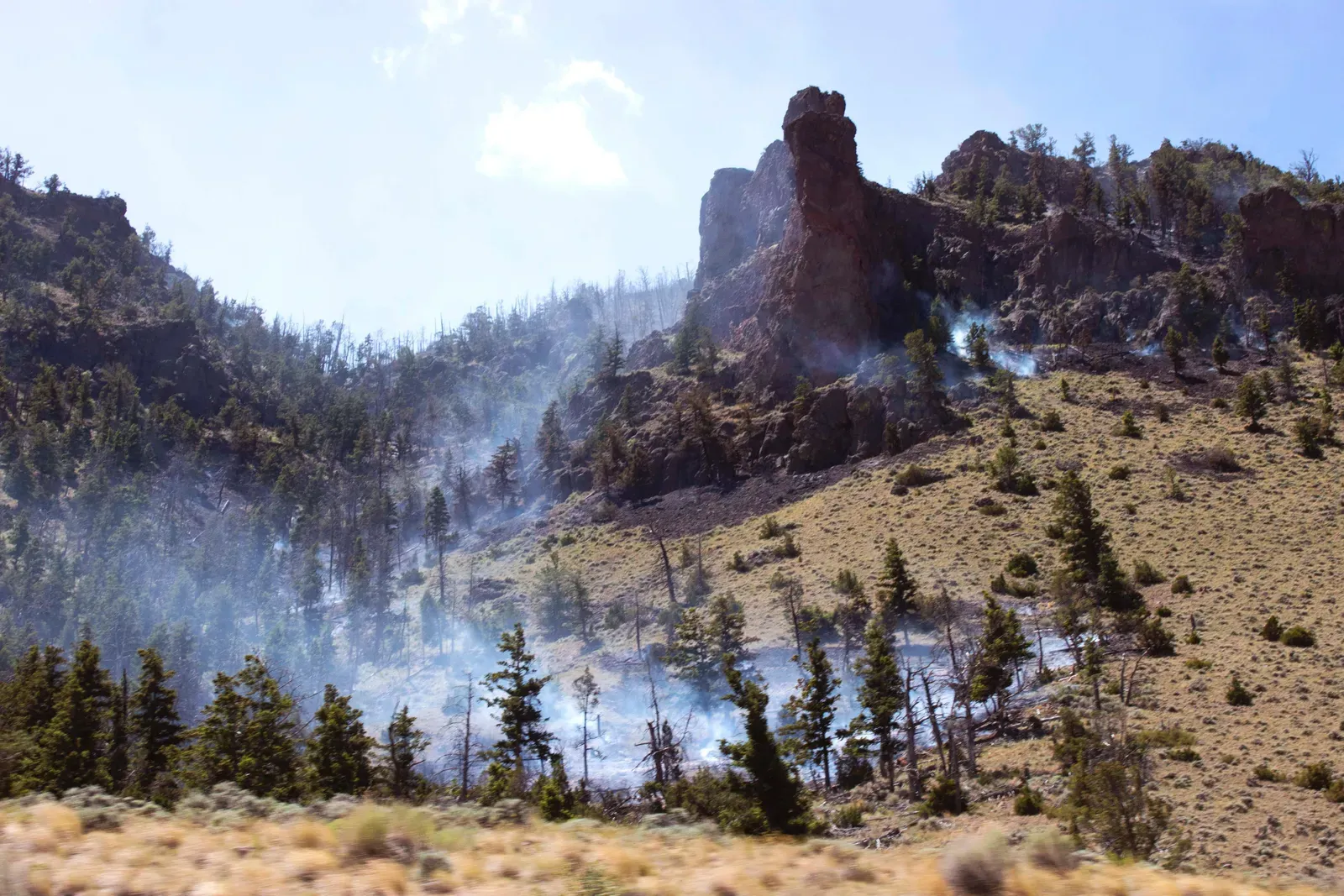
Montana sits right alongside Wyoming when it comes to the sheer share of homes exposed to fire danger. In Montana, 51% of buildings are at risk of wildfires, making it one of only two states with more than half of its buildings at risk. That statistic alone places Montana in a category shared by almost no other state in the country.
Researchers studying wildfire hazard across the West have consistently flagged Montana as a state that carries year-over-year risk rather than occasional spikes. A study identifying the 14 states in the lower 48 with the highest wildfire risk, based on average annual acres burned between 2016 and 2020, included Montana alongside Arizona, California, Colorado, Idaho, and several other Western states. Vast forested mountains combined with a growing number of homes built near the wildland-urban interface keep Montana’s fire risk elevated year after year.
8. Idaho
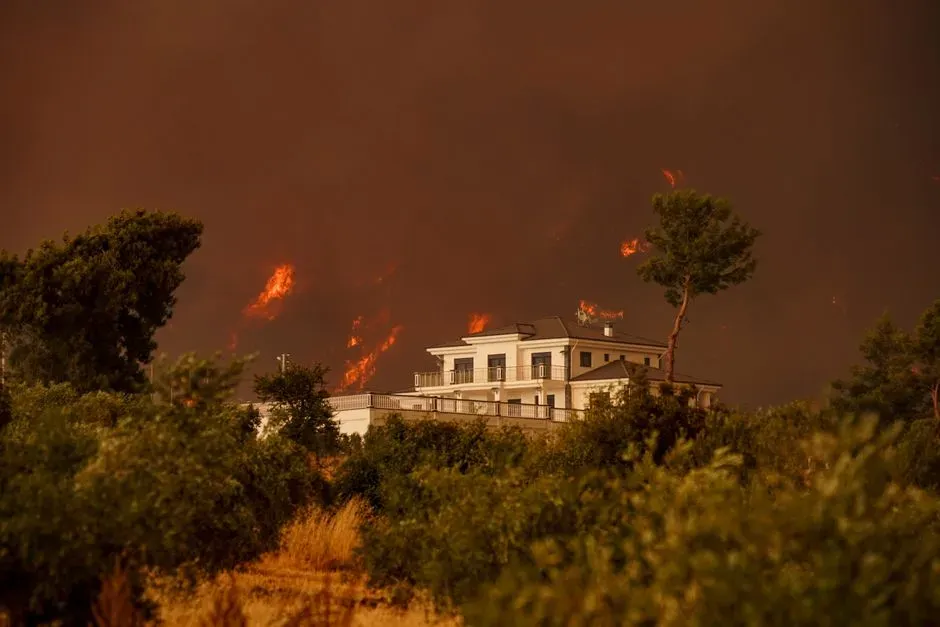
Idaho’s terrain creates a unique kind of fire vulnerability that has less to do with drought and more to do with how the state is built. Idaho has many structures located in brushy areas that are prone to igniting. That pattern of development, mixed with dense forest cover in the northern part of the state, has made Idaho a fixture on lists of states carrying serious wildfire exposure.
Idaho’s inclusion among the highest-risk states isn’t a recent development either. Idaho was named among the 14 states in the lower 48 with the highest wildfire risk based on average annual acres burned from 2016 through 2020. With population growth continuing to push new construction into forested foothills, that risk shows no sign of easing anytime soon.
9. Vermont
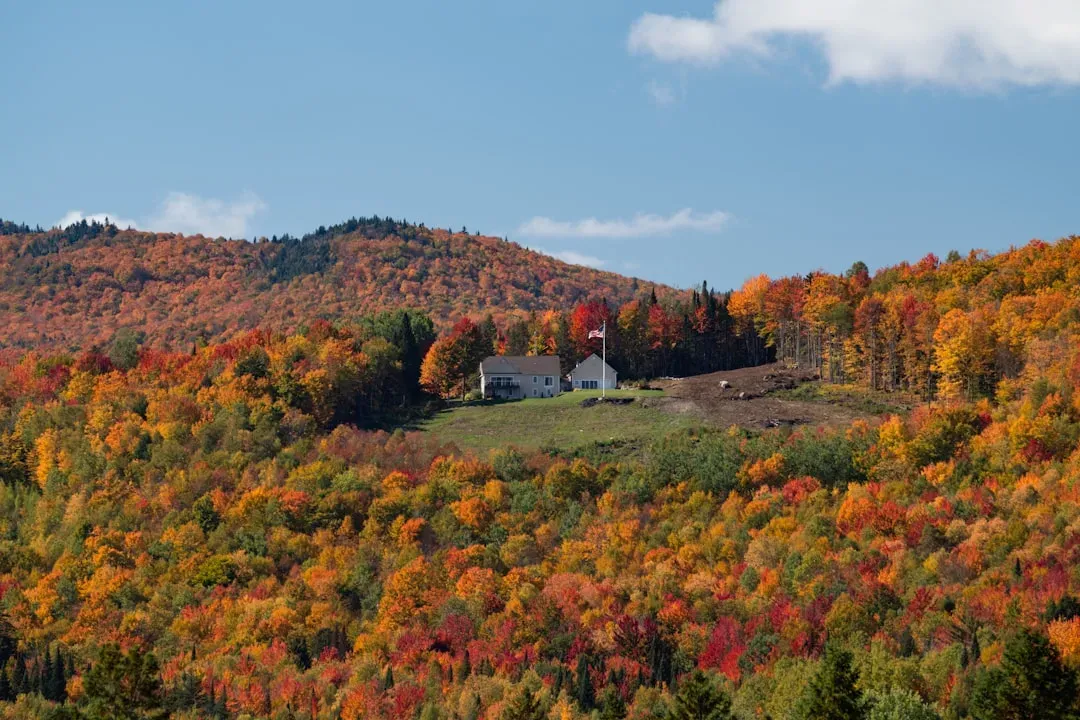
Vermont sits about as far from the wildfire conversation as any state in the country, and the climate explains why. Vermont is among the states that generally have the lowest wildfire risk, thanks to higher annual rainfall, fewer drought conditions, and less flammable vegetation. The state’s dense hardwood forests simply don’t dry out and ignite the way brush and pine stands do in the West.
Even when fires do occur in New England, they rarely escalate into the kind of large, destructive events seen out West. The New England states have a low wildfire occurrence, and while they do get fires, rarely are they large or difficult to contain, since fires that start are usually caught quickly at a small size. Vermont’s consistent moisture and smaller population footprint in rural forested areas keep it well outside the national conversation on wildfire risk.
10. New Hampshire
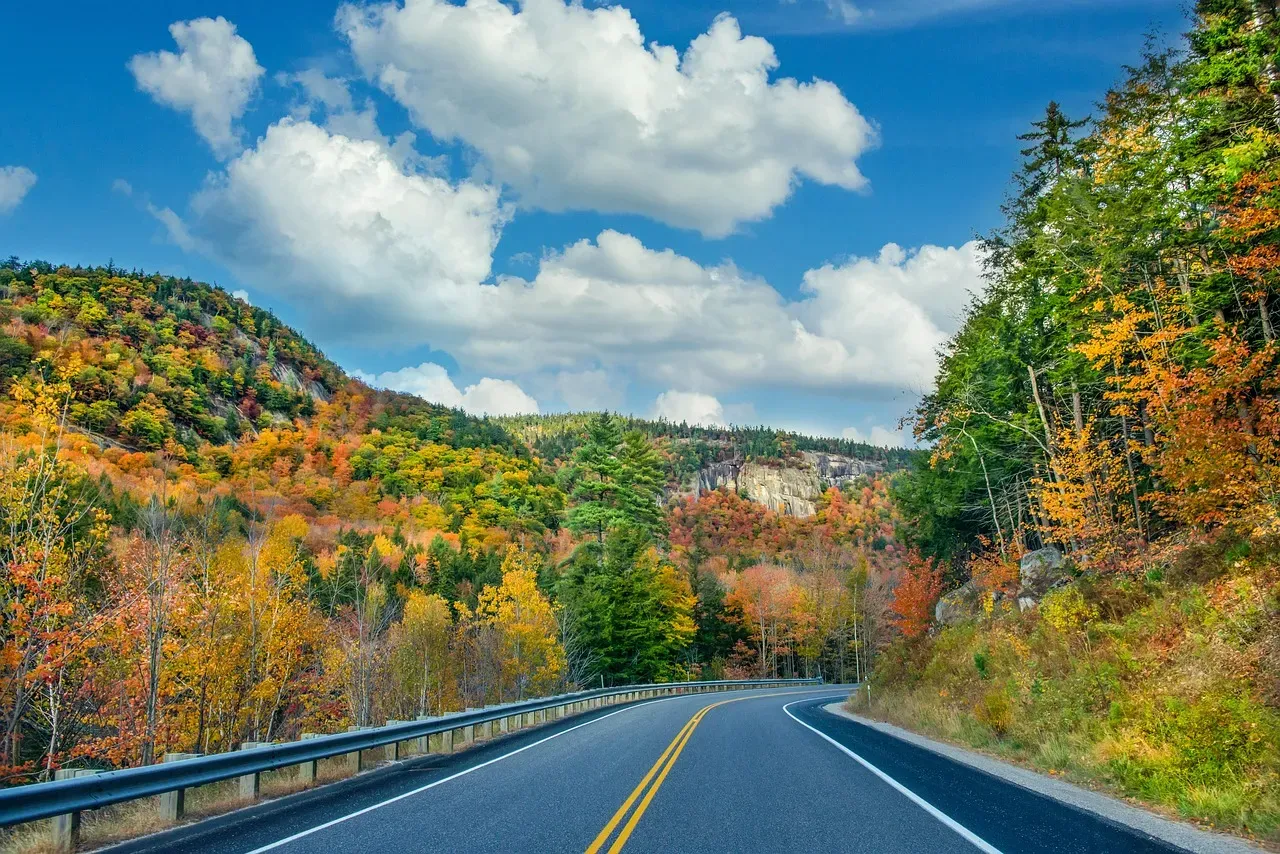
New Hampshire shares Vermont’s climate advantages almost point for point. New Hampshire is among the states with generally the lowest wildfire risk, benefiting from higher annual rainfall, fewer drought conditions, and less flammable vegetation. The state’s granite hills and hardwood forests simply retain moisture in a way that Western landscapes rarely do.
The broader pattern across the Northeast reinforces why New Hampshire so rarely appears in wildfire risk rankings. Higher average relative humidity and more frequent rain across the region help explain the low occurrence. Outside of unusual drought years, wildfire simply isn’t part of the seasonal rhythm the way it is in states like Oregon or Arizona.
11. Maine
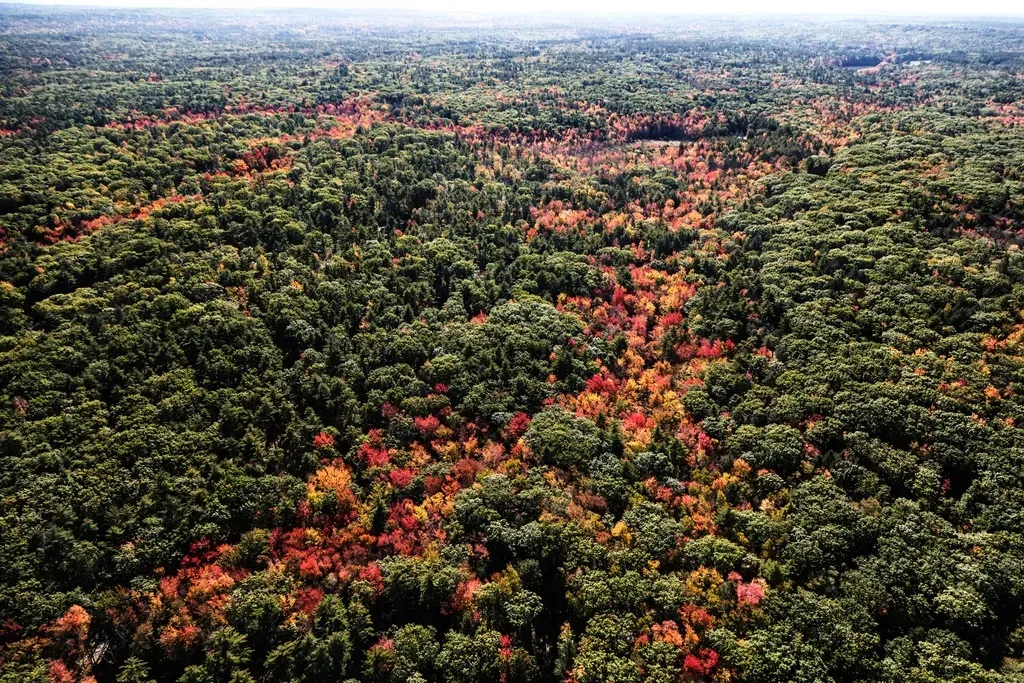
Maine rounds out the trio of northern New England states that insurers and forestry officials rarely flag for wildfire concern. Maine is included among the states with generally the lowest wildfire risk, due to higher annual rainfall, fewer drought conditions, and less flammable vegetation. Its coastal and forested interior climate keeps humidity levels high enough that large fire runs are uncommon.
Maine’s vast forests are extensive, but the moisture that keeps them green also keeps them from becoming the kind of tinderbox seen in the American West. The same regional dynamics that protect Vermont and New Hampshire apply here as well, with frequent precipitation limiting how dry vegetation gets even during warmer stretches of summer. Large, destructive wildfires simply aren’t part of Maine’s typical weather pattern.
12. Connecticut
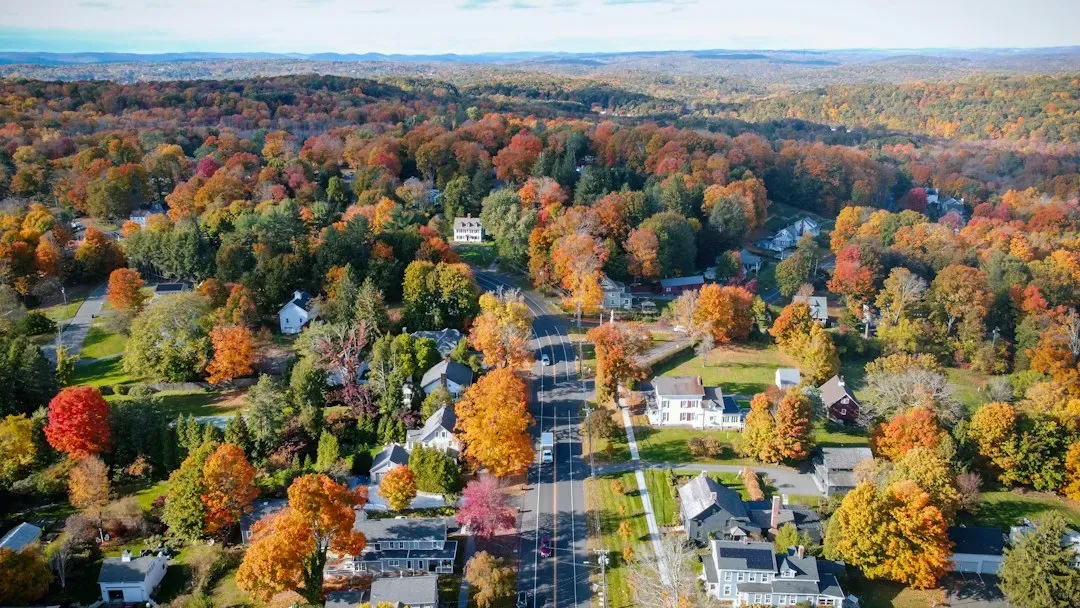
Connecticut closes out the list of states where wildfire risk barely registers on the radar. Connecticut is grouped among the states with generally the lowest wildfire risk, thanks to higher annual rainfall, fewer drought conditions, and less flammable vegetation. Its dense population centers and smaller stretches of wildland further limit the kind of large, fast-moving fires seen elsewhere.
Insurance data backs up just how minimal the exposure really is. Connecticut has among the lowest expected annual economic losses from wildfire in the country, following only Rhode Island and the District of Columbia. For homeowners in Connecticut, wildfire risk simply isn’t a meaningful factor in insurance costs or property planning the way it has become across much of the West.
Put side by side, these two groups of states tell a clear story about how uneven wildfire risk has become across the country. States like California, Texas, and Colorado are dealing with rapidly rising property exposure, new legislation, and insurance markets under real strain, while states like Vermont, New Hampshire, Maine, and Connecticut continue to benefit from wetter climates and less flammable landscapes. As drought patterns shift and development keeps pushing into forested and brushy terrain, the gap between high-risk and low-risk states may keep widening rather than closing.
