


- The Planet Where It Rains Liquid Glass – 7 Alien Worlds Defying Known Physics - November 14, 2026
- Stars Consuming Entire Worlds – 6 Planetary Systems Swallowing Their Own Worlds - November 14, 2026
- The Ground Liquefies Like Water – 6 Silent Fault Lines Geologists Watch Closely - November 14, 2026
Ask most people to name an astronaut and you’ll hear the same few names. Armstrong, Gagarin and Aldrin usually top the list. Spaceflight, though, has always depended on far more people than the ones who sat at the top of a rocket.
Some of the figures below flew in orbit, while others never left the ground. Each one changed what became possible for everyone who followed, and their records are well documented.
Sergei Korolev, The Hidden Chief Designer
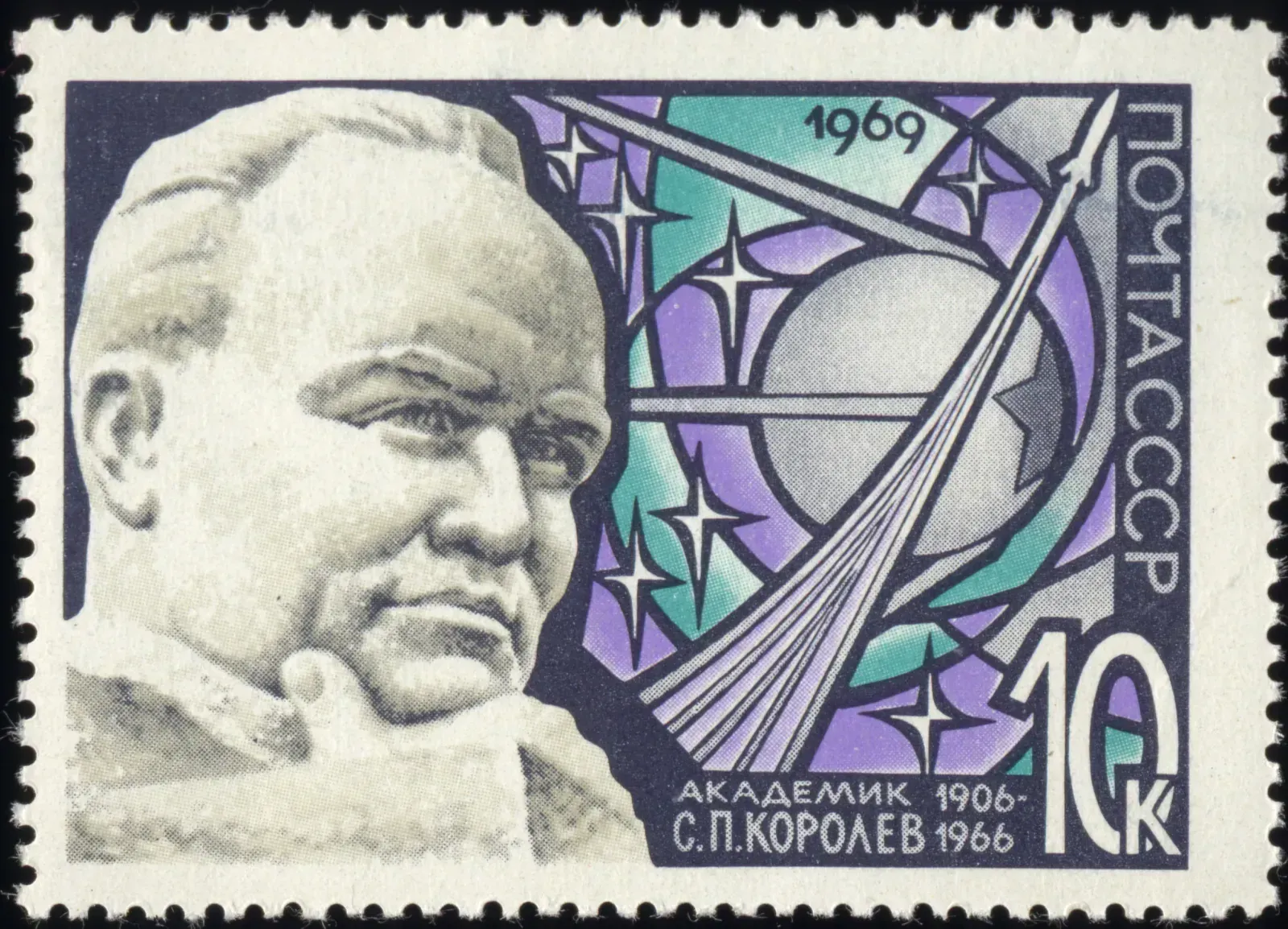
Sergei Korolev led the Soviet rocket program through its most successful years. His R-7 rocket launched Sputnik 1 on October 4, 1957, the first artificial satellite. The same rocket family later carried Yuri Gagarin into orbit in 1961.
Korolev’s name stayed secret while he was alive, because the Soviet government kept its chief designer out of public view. He was publicly identified only after his death in 1966. He had also survived imprisonment in the Gulag in the late 1930s before returning to rocket work.
Valentina Tereshkova, First Woman in Space
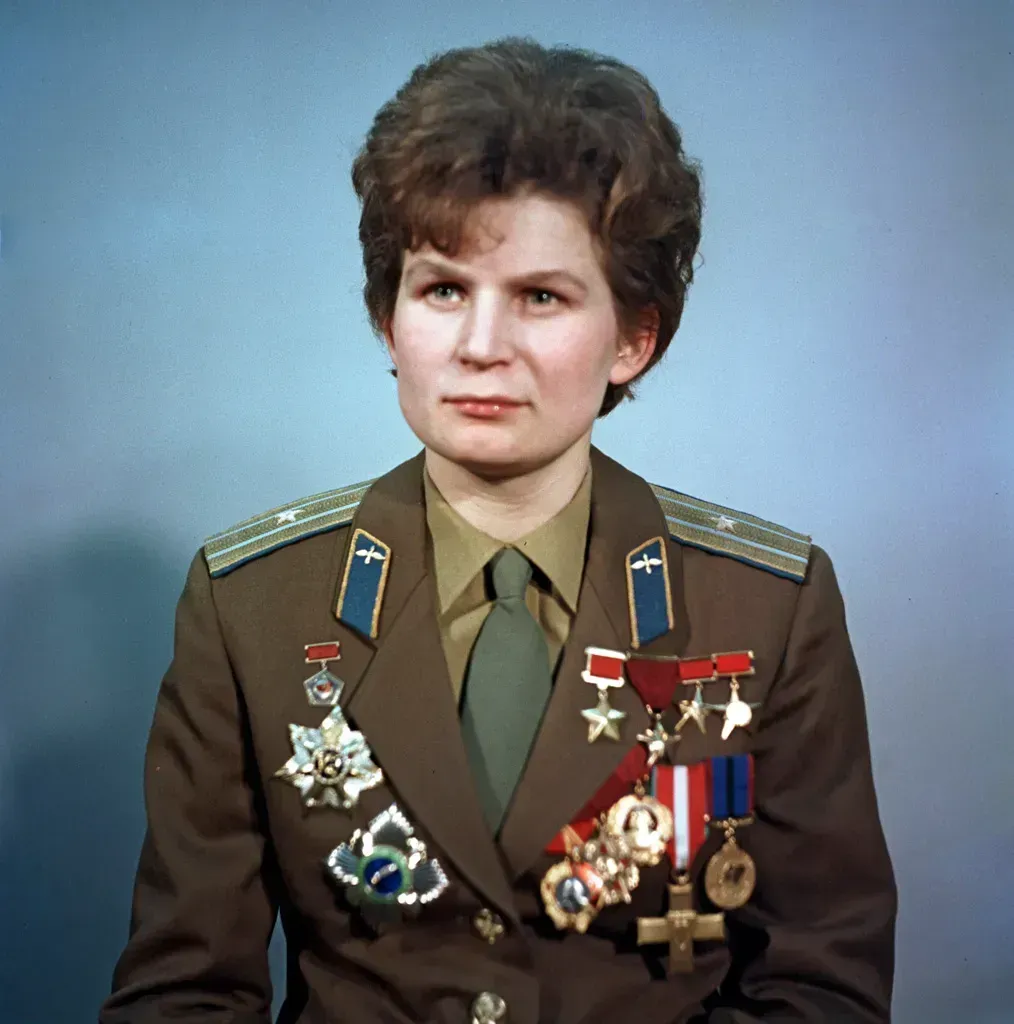
Valentina Tereshkova flew aboard Vostok 6 on June 16, 1963. She orbited Earth 48 times over nearly three days. Her single flight lasted longer than the combined time in space of all the American astronauts who had flown up to that point.
Before her selection she worked in a textile factory and did amateur parachuting, which counted in her favor since cosmonauts ejected and parachuted down separately from their capsules. The next woman in space, Svetlana Savitskaya, didn’t fly until 1982. That nearly two decade gap shows how singular Tereshkova’s flight was.
Alexei Leonov, The First Spacewalker
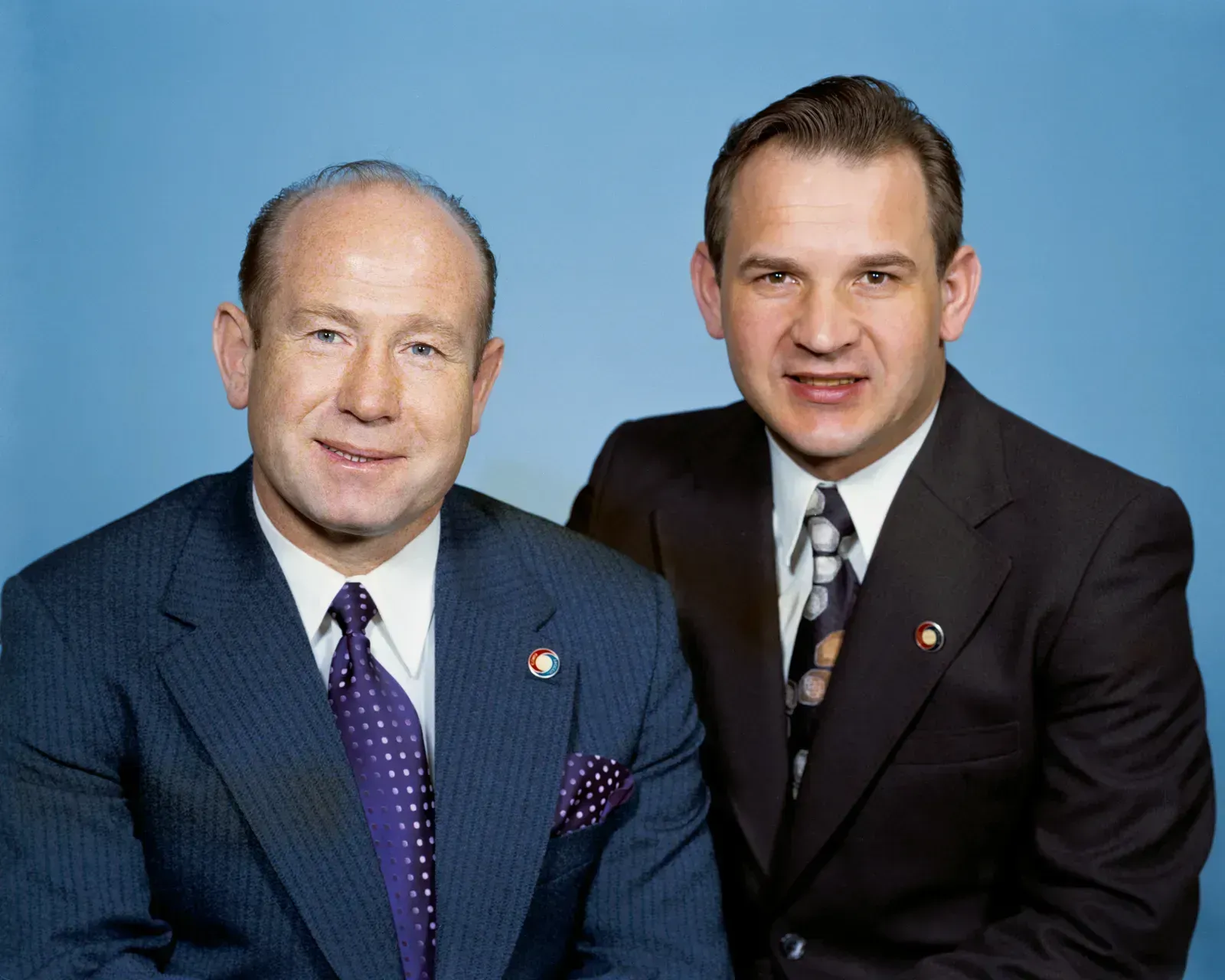
On March 18, 1965, Alexei Leonov left Voskhod 2 and floated in open space for roughly twelve minutes. It was the first spacewalk in history. His suit inflated in the vacuum until he couldn’t bend enough to re-enter the airlock.
He solved the problem by venting some of the suit’s air, which was a risky move, and squeezed back inside. A decade later he commanded the Soviet Soyuz craft in the 1975 Apollo Soyuz mission, which docked with an American spacecraft in orbit. He died in 2019.
Katherine Johnson, The Mathematician Behind the Flights
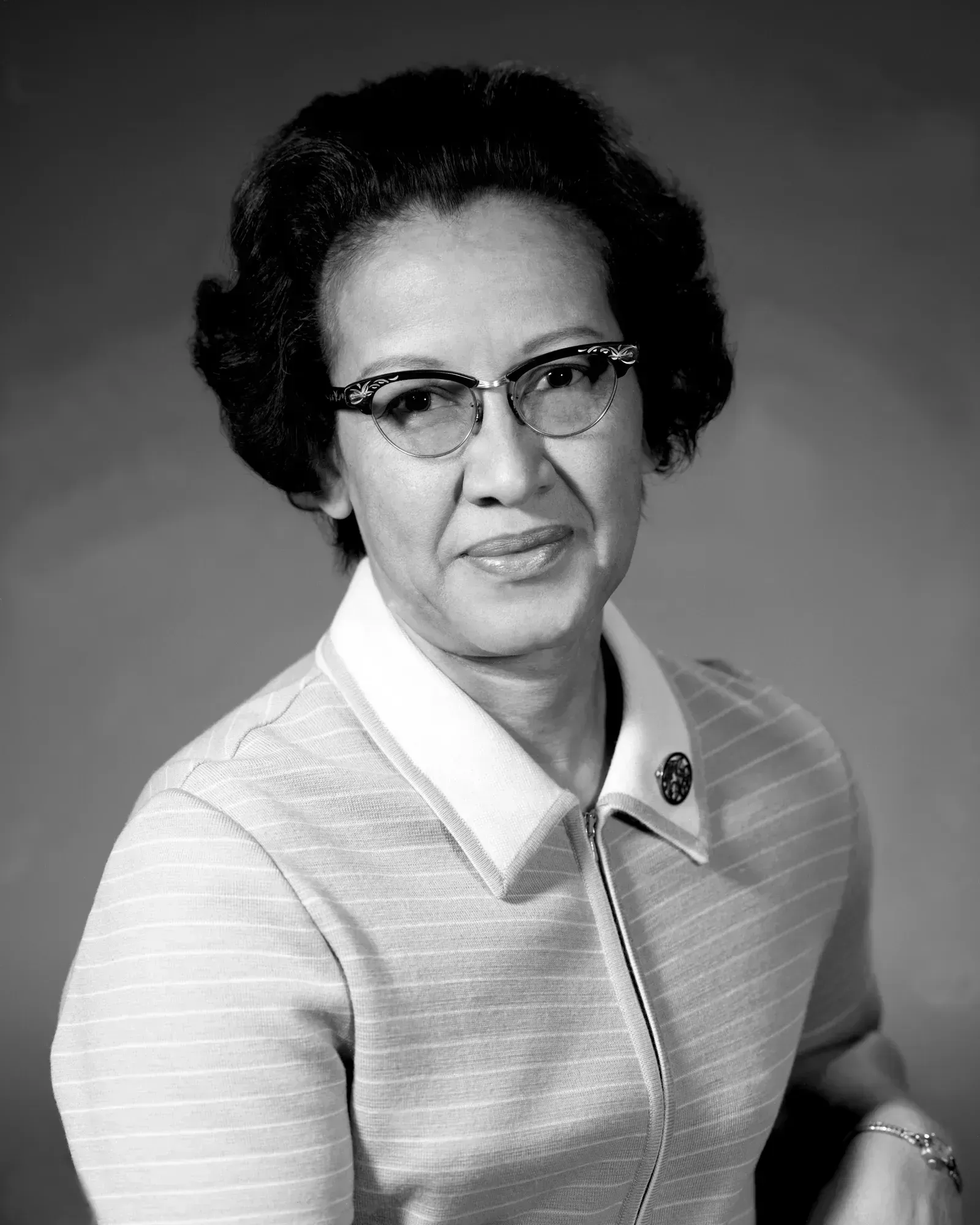
Katherine Johnson worked as a human computer at NASA, doing trajectory calculations by hand in the early space program. She calculated the path for Alan Shepard’s 1961 flight, the first American in space. Before John Glenn’s 1962 orbital mission, he asked that she personally check the electronic computer’s numbers.
NASA recognized her decades later. She received the Presidential Medal of Freedom in 2015 and lived to age 101, dying in 2020. Her career shows how much early spaceflight rested on careful, unglamorous math.
Margaret Hamilton, The Software Behind Apollo
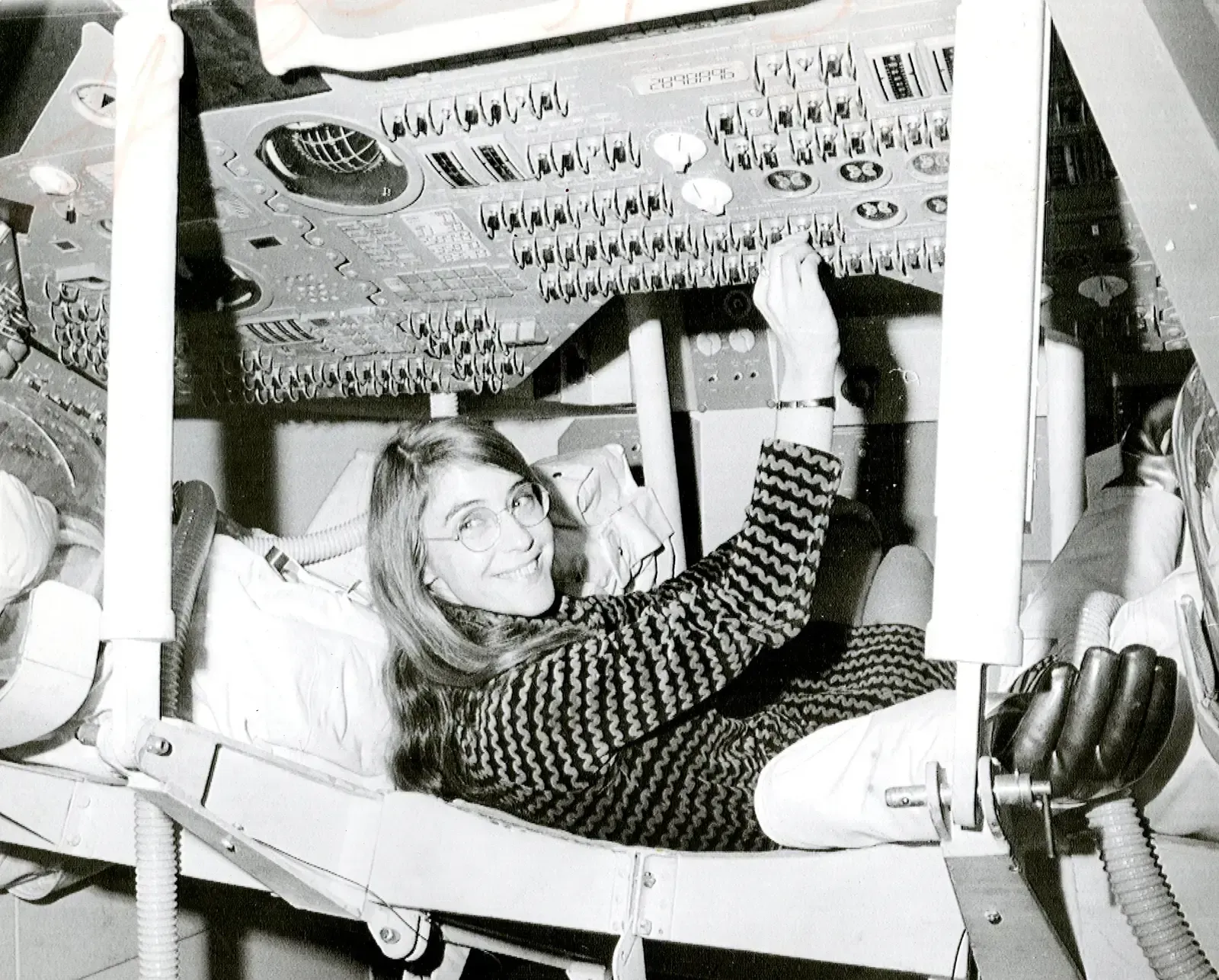
Margaret Hamilton led the software engineering team at MIT’s Instrumentation Laboratory that wrote code for the Apollo guidance computer. During the Apollo 11 lunar descent, the computer flagged overload alarms known as the 1201 and 1202 alerts. Her team had designed the software to prioritize critical tasks, so the landing could continue.
She is also widely credited with helping popularize the term software engineering, at a time when the discipline barely had a name. In 2016 she received the Presidential Medal of Freedom. Every crewed landing since has relied on the idea that software can be built to fail gracefully.
Sally Ride, America’s First Woman in Space
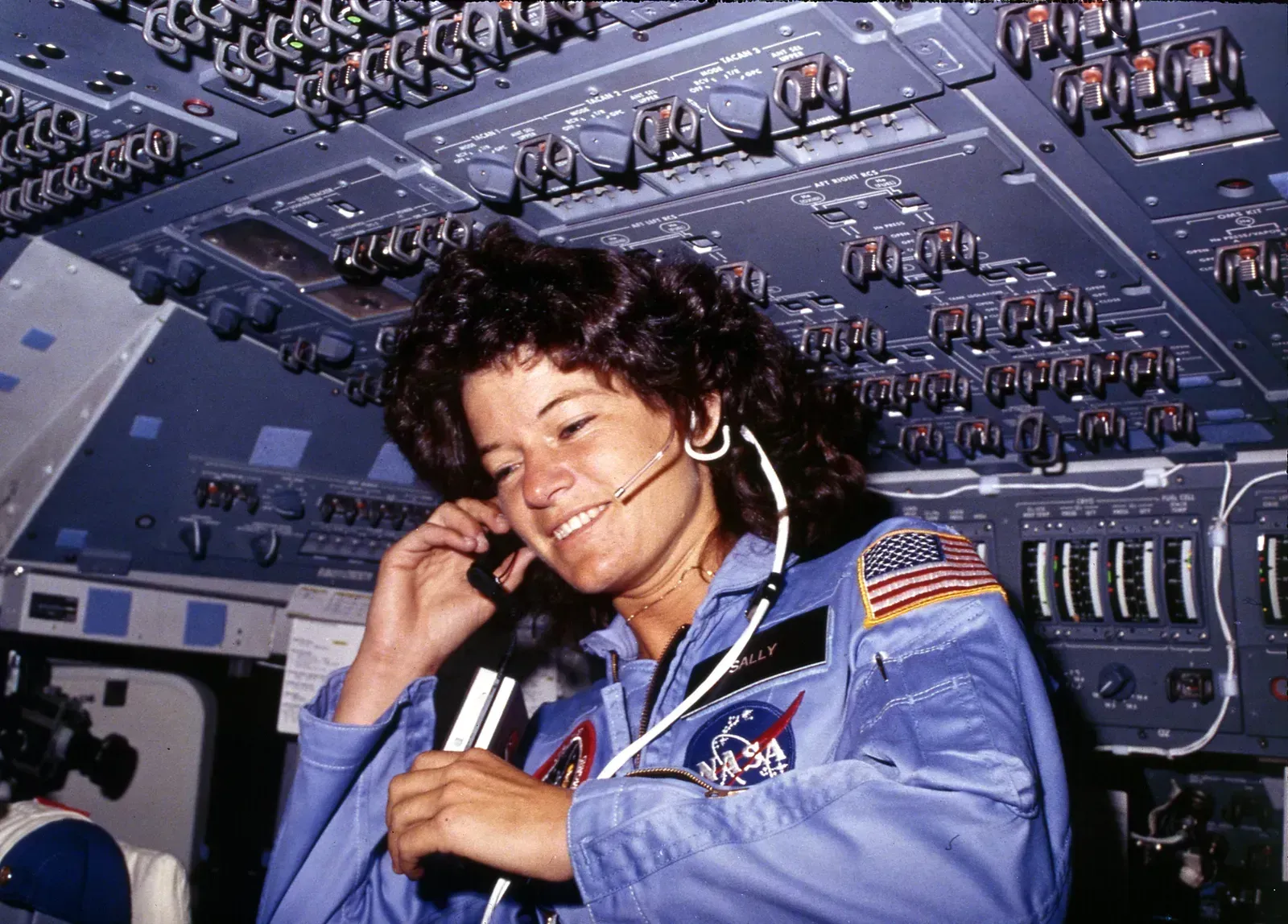
Sally Ride flew on the space shuttle Challenger on STS-7, launched June 18, 1983. She became the first American woman in space, and at 32 she was the youngest American to reach orbit at that time. She held a physics doctorate from Stanford.
After her flights she served on the investigation boards for both the Challenger and Columbia accidents. She later founded Sally Ride Science to encourage young students, especially girls, toward science and math. She died in 2012.
Guion Bluford, The First African American in Space
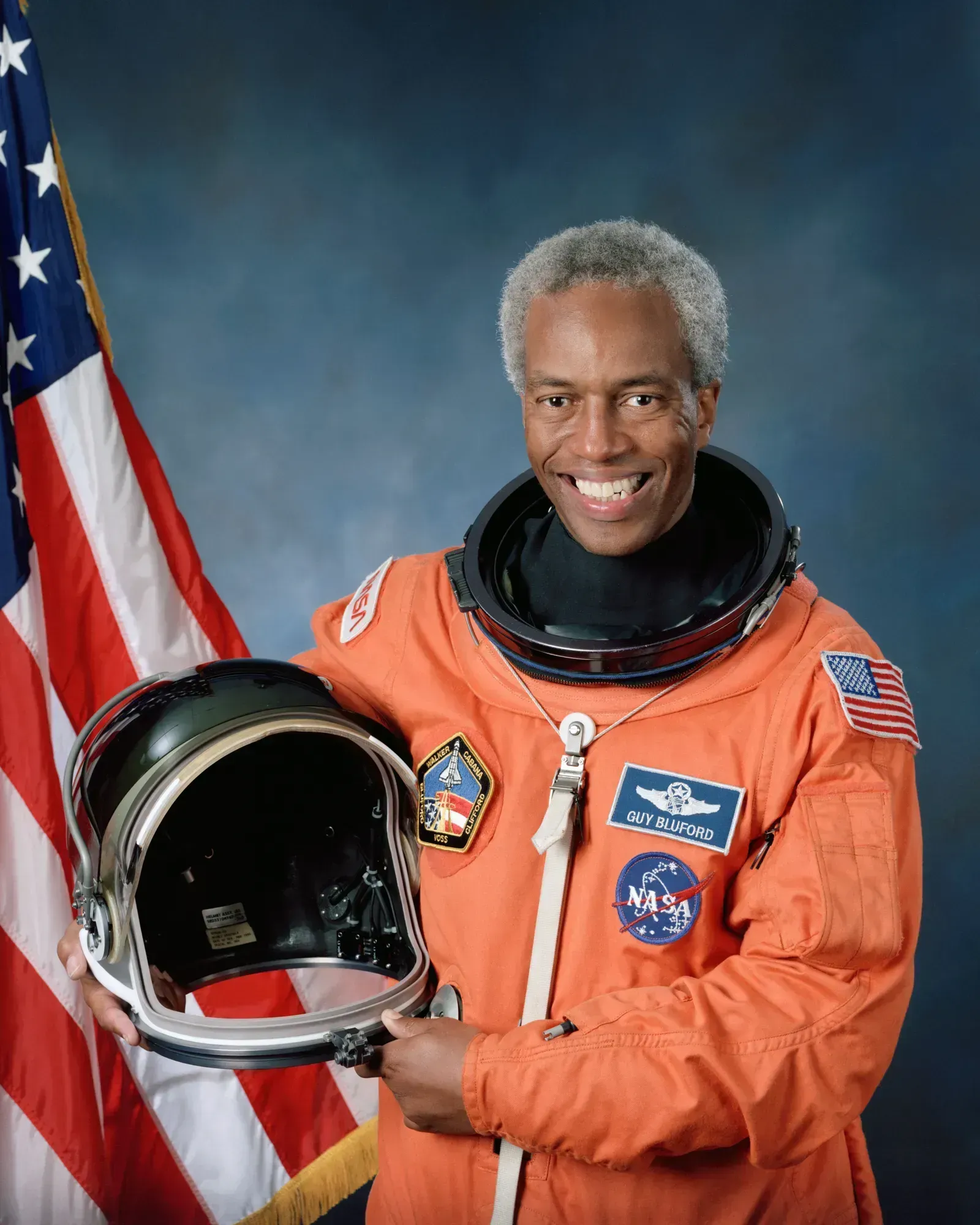
Guion Bluford flew on the shuttle Challenger during STS-8, launched August 30, 1983. He became the first African American in space. He was an Air Force pilot with combat experience in Vietnam and held a doctorate in aerospace engineering.
Bluford went on to fly four shuttle missions in total, between 1983 and 1992. His record as a mission specialist put him among the most experienced shuttle astronauts of his era. Few casual space fans know his name, yet his path opened doors that stayed open.
Mae Jemison, Physician and Astronaut
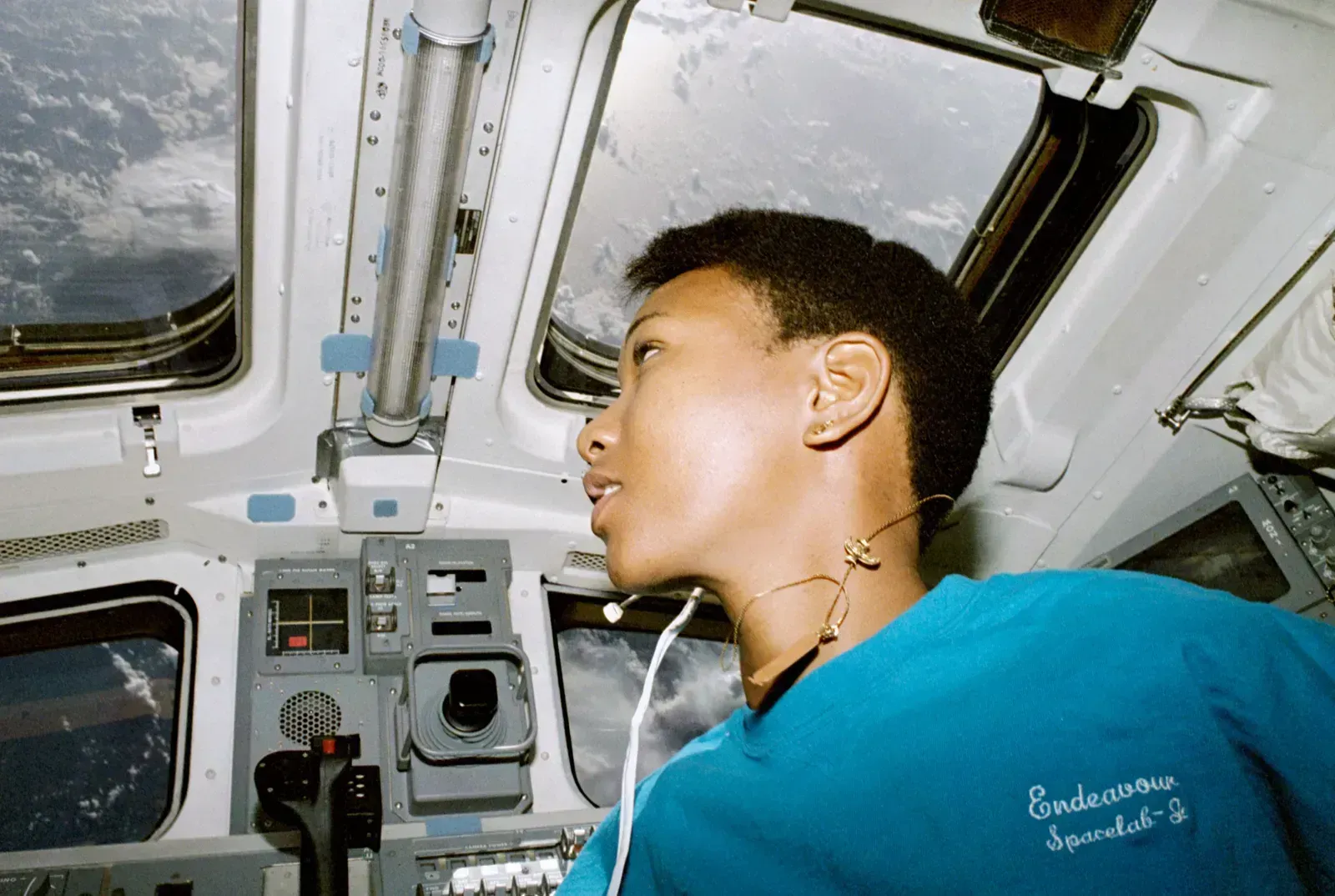
Mae Jemison became the first Black woman in space when she flew aboard Endeavour on STS-47 in September 1992. She was a medical doctor and had served as a Peace Corps medical officer in West Africa before joining NASA. On the mission she worked as a science mission specialist.
After leaving NASA she turned to education and technology work. She later led the 100 Year Starship initiative, a project to study the long term challenges of interstellar travel. Her career shows how varied the path to astronaut selection can be.
Peggy Whitson, The Record Setting Commander
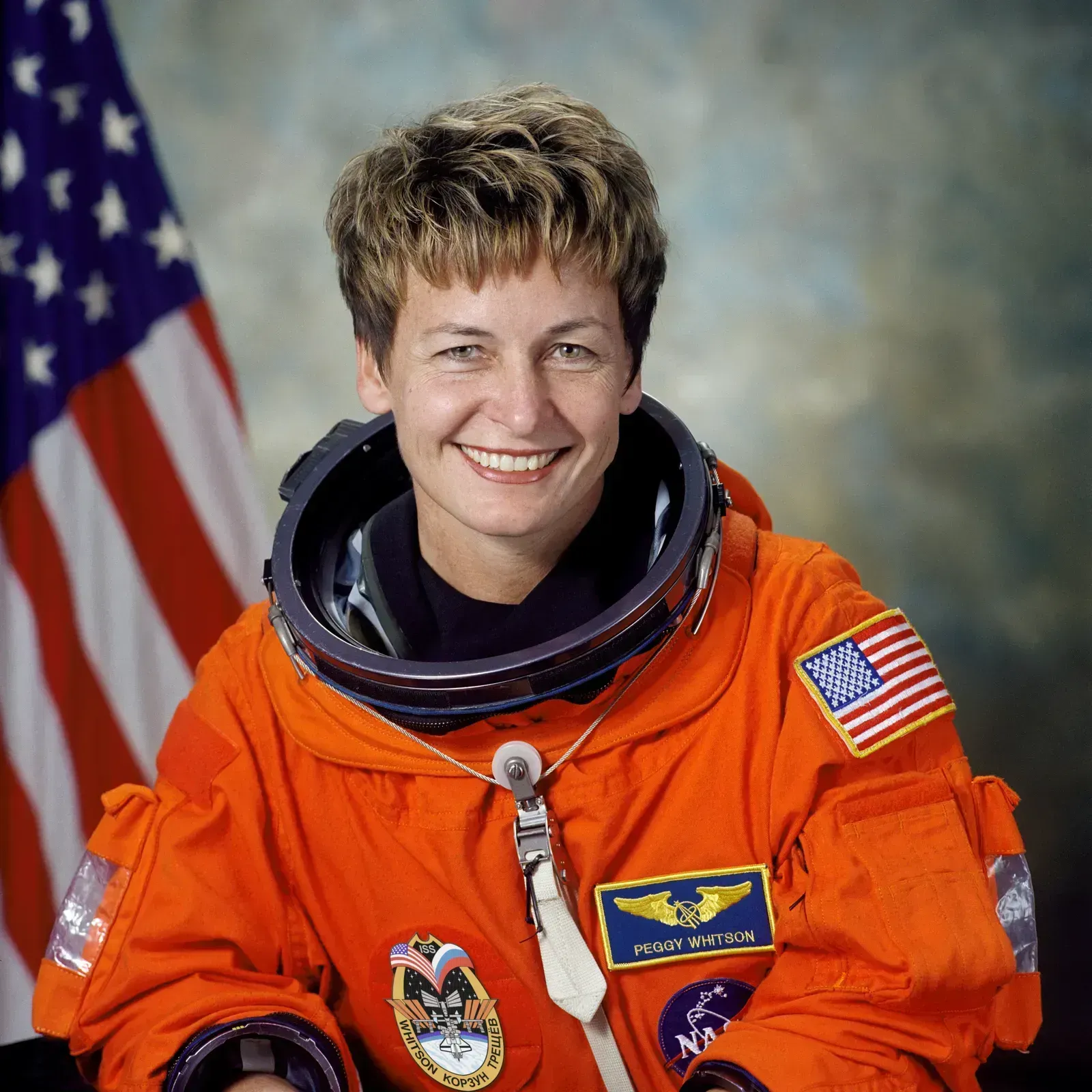
Peggy Whitson is a biochemist who became the first woman to command the International Space Station, first in 2007 and again in 2017. Across her NASA career she logged well over six hundred days in space, more than any other American at the time she retired. At 56, she also became the oldest woman to fly in space during her 2016 to 2017 stay.
Her flying didn’t stop with NASA. She commanded the private Axiom Mission 2 in 2023 and Axiom Mission 4 in 2025, both flights to the space station. Those missions make her one of the few people to lead crews in both government and commercial spaceflight.
