

- The Planet Where It Rains Liquid Glass – 7 Alien Worlds Defying Known Physics - November 14, 2026
- Stars Consuming Entire Worlds – 6 Planetary Systems Swallowing Their Own Worlds - November 14, 2026
- The Ground Liquefies Like Water – 6 Silent Fault Lines Geologists Watch Closely - November 14, 2026
For years, textbooks and museum posters described the Milky Way’s merger with Andromeda as a done deal. The date was usually given as roughly four to five billion years from now. It was one of those cosmic facts people repeated with total confidence.
A 2025 paper changed the tone. Astronomers took a fresh look at the data, and the certainty went away. Here is what the new estimate says, how it was built, and why the question is still open in 2026.
Where the Old Prediction Came From
The idea of a looming crash rests on the fact that Andromeda is our nearest large spiral neighbor. It is commonly believed that the Milky Way is on a collision course with Andromeda, with a merger predicted in around 5 billion years. That belief became part of popular astronomy.
A major source was earlier Hubble work that tracked Andromeda’s sideways motion. Studies by Sangmo Tony Sohn, Jay Anderson, and Roeland van der Marel followed that motion with Hubble between 2002 and 2010. Those measurements made an eventual encounter look nearly unavoidable.
The 2025 Study That Shook the Forecast
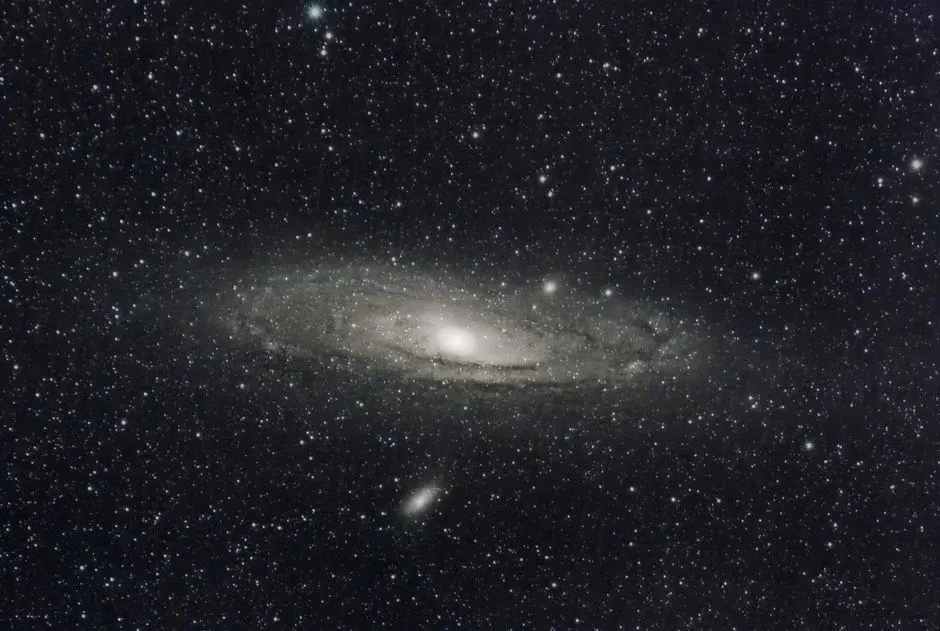
The new result was published in Nature Astronomy under the title “No certainty of a Milky Way–Andromeda collision,” led by Till Sawala of the University of Helsinki. The team also included researchers from Durham University, the University of Toulouse, and the University of Western Australia. The paper appeared in June 2025.
The headline finding was blunt. Uncertainties in the present positions, motions and masses of the galaxies leave room for drastically different outcomes, with a probability of close to half that there will be no merger in the next 10 billion years. In other words, it’s essentially a coin flip.
How the Simulations Worked
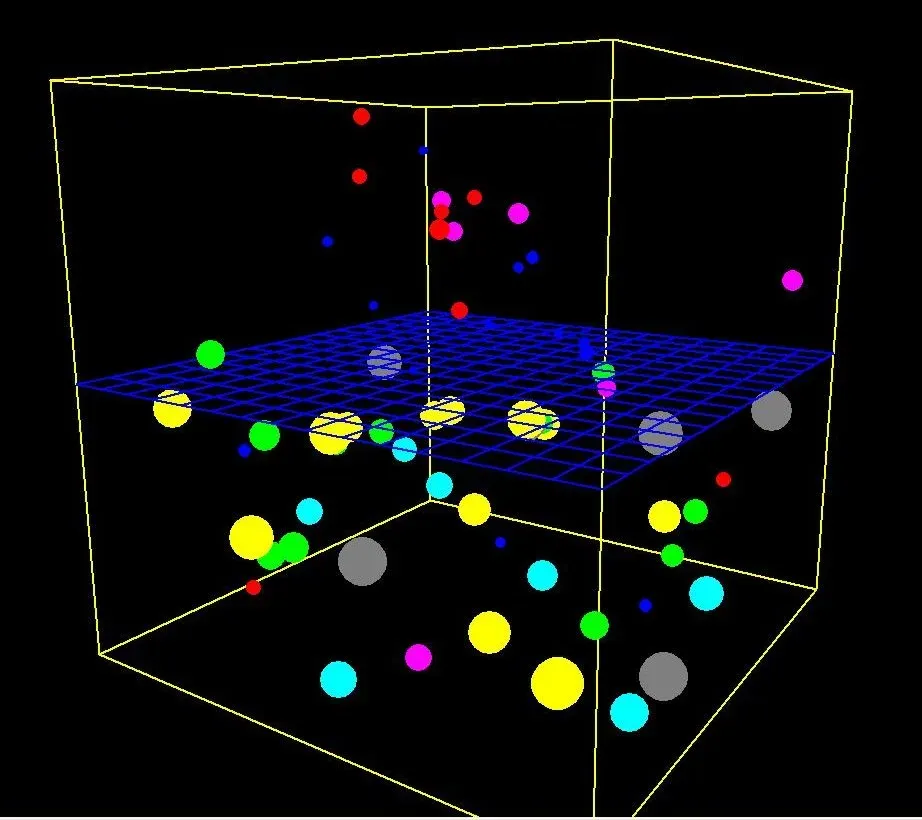
Instead of tracing one best guess path, the team ran the problem many times. They ran 100,000 simulations using new Hubble and Gaia data, accounting for the gravitational pull of Local Group galaxies. Each run nudged the starting measurements within their error bars.
That matters because small errors grow over billions of years. The team accounted for 22 different variables that could contribute to a collision. A reported report elsewhere describes the approach as a Monte Carlo method, meaning random sampling across the uncertainties.
Why Triangulum and the Large Magellanic Cloud Matter
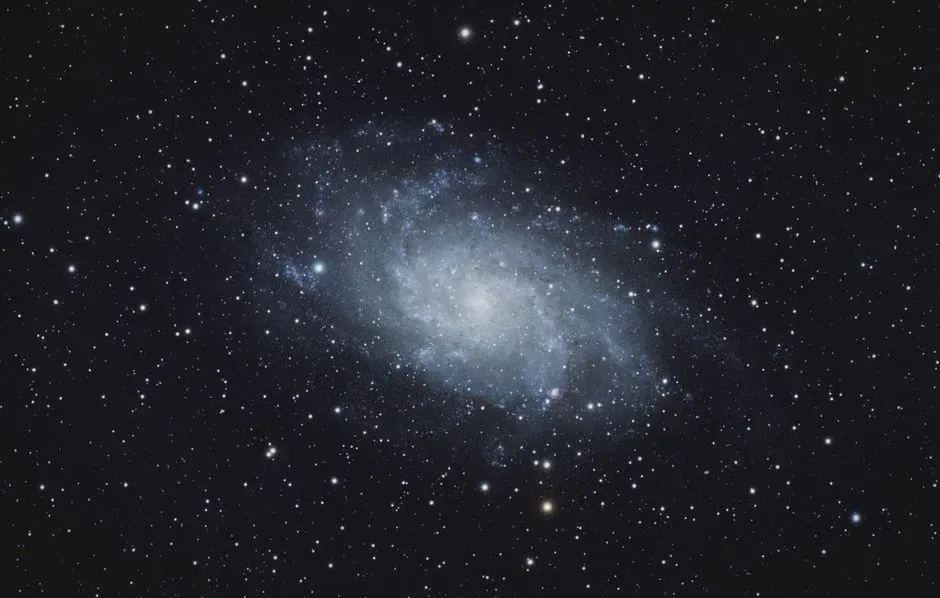
Earlier models focused mostly on two galaxies. The new result differs from a 2012 one because it adds the Large Magellanic Cloud to the Milky Way, Andromeda and the Triangulum galaxy, M33. More players mean a more realistic gravitational tug of war.
The two smaller galaxies pull in different directions. In the calculations, Triangulum increased the likelihood of a merger. The Large Magellanic Cloud, a satellite of our own galaxy, pushed the result the other way by changing the Milky Way’s motion.
What the Odds Really Mean
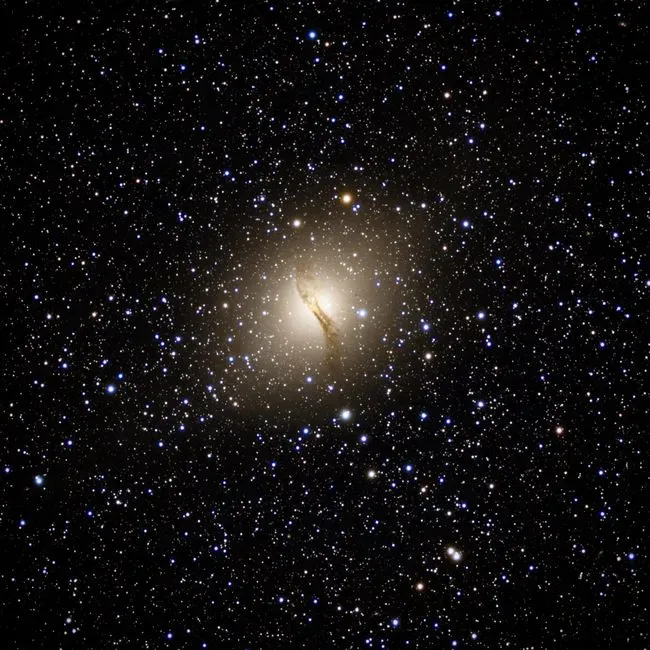
It’s easy to misread “near fifty percent.” The figure covers a very long window, not the near future. The study found only about a 2% chance the galaxies would collide in 4 to 5 billion years, as previously thought.
So the old timeline looks unlikely, while a later merger remains possible. In just over half of the simulations covering 8 to 10 billion years, the galaxies first passed fairly close, circled back, and lost enough orbital energy to merge. In the remaining runs, the galaxies crossed paths without disturbing each other.
What a Merger Would Look Like
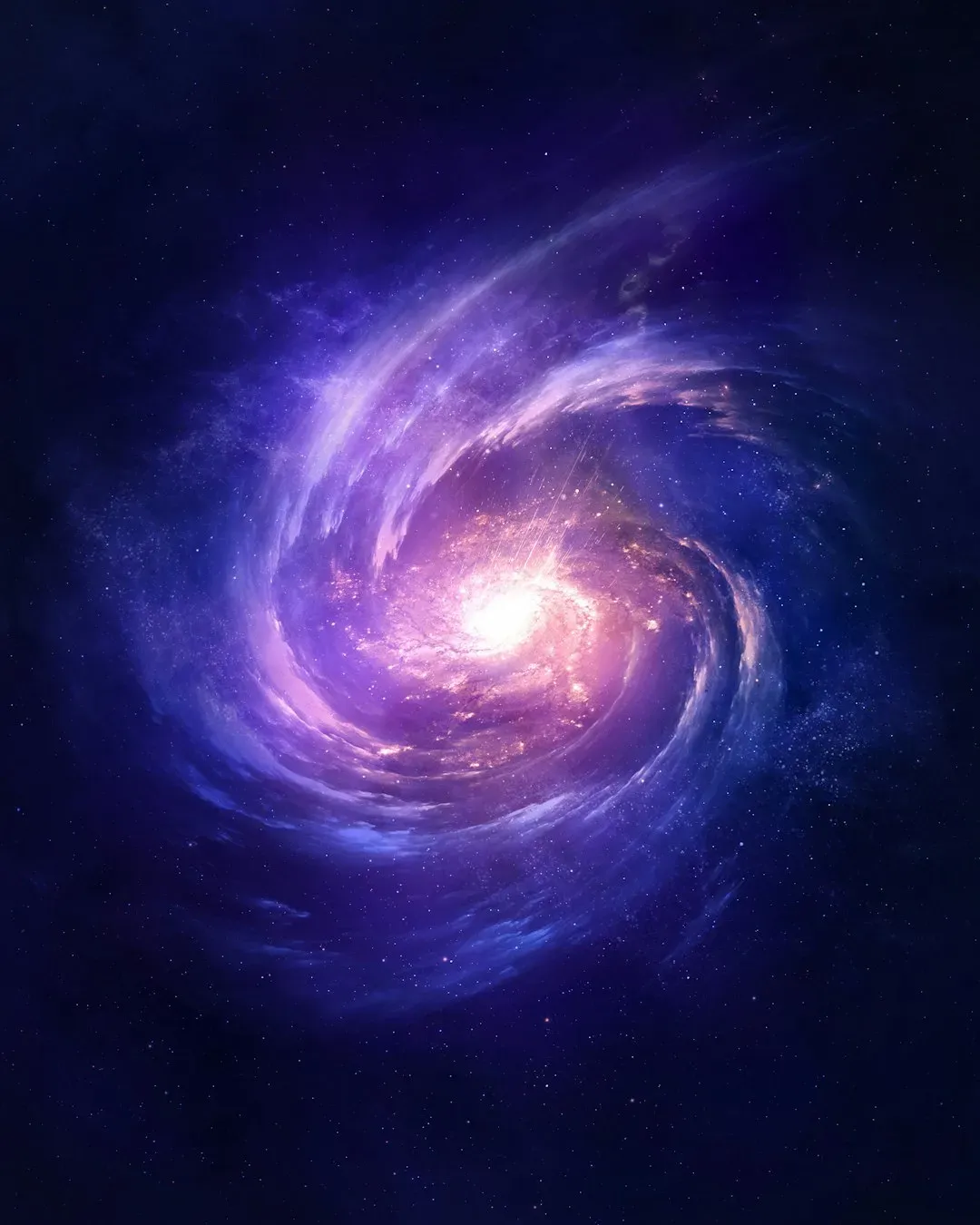
If the galaxies do merge, neither would survive in its present form. The study authors said a merger would destroy both, eventually turning the two spirals into one elongated galaxy. Astronomers often call such a result an elliptical galaxy.
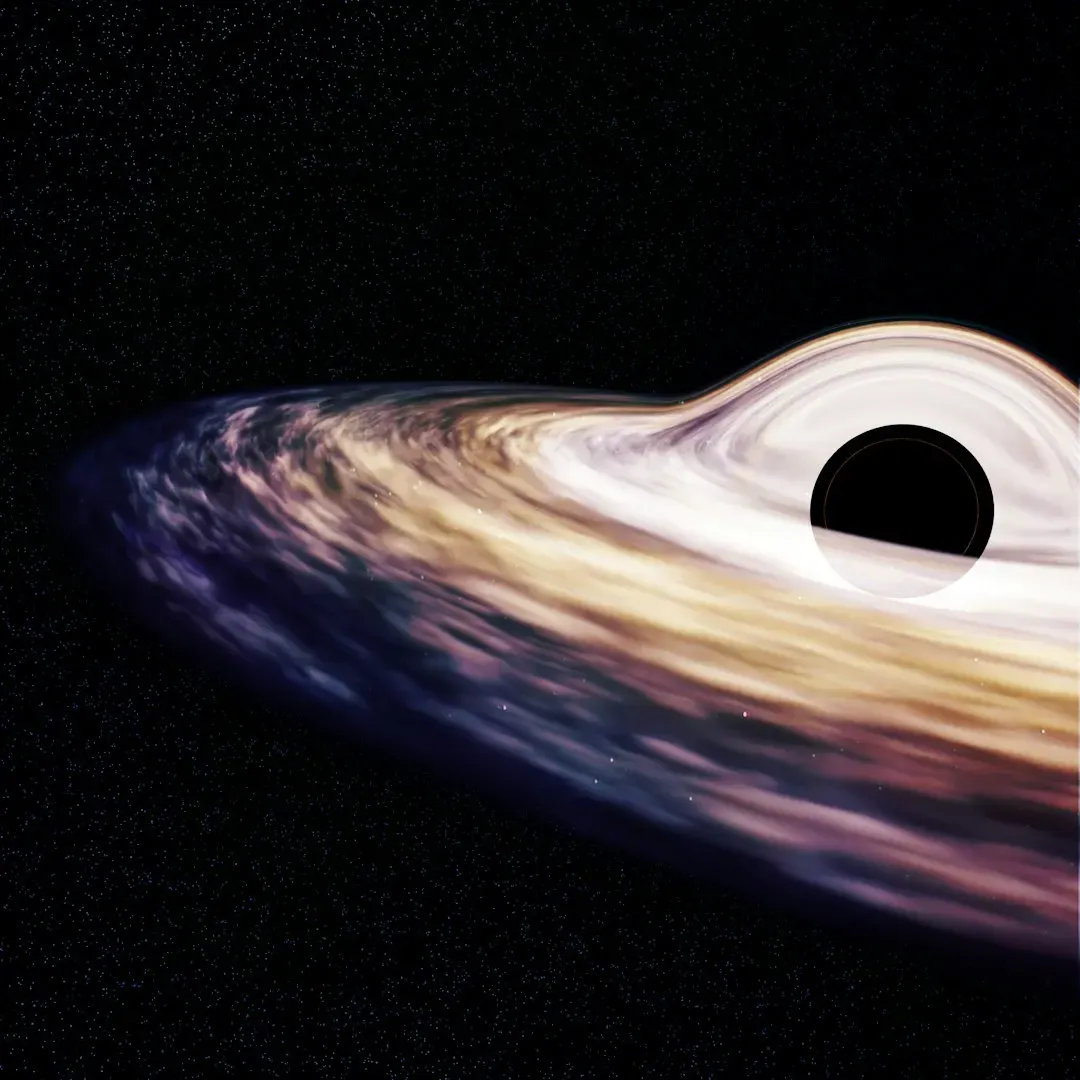
Mergers can also light up the center. Durham University’s Carlos Frenk pointed to other colliding galaxies where gas driven toward the center feeds a black hole that emits enormous amounts of radiation. Whether that would happen here depends on how the encounter unfolds.
A Possible Near Miss Instead
A collision isn’t the only route. The Hubble team illustrated three scenarios, in which galaxies pass at a separation of 1 million light years, come to a close encounter at 500,000 light years thanks to dark matter friction, or collide at 100,000 light years. Distance at the closest approach decides the outcome.
Dark matter plays a quiet role here. Its extended halos around each galaxy can slow them as they pass, which is why a near miss can still turn into a merger later. Without enough of that drag, the two simply drift apart.
The Sun’s Own Deadline
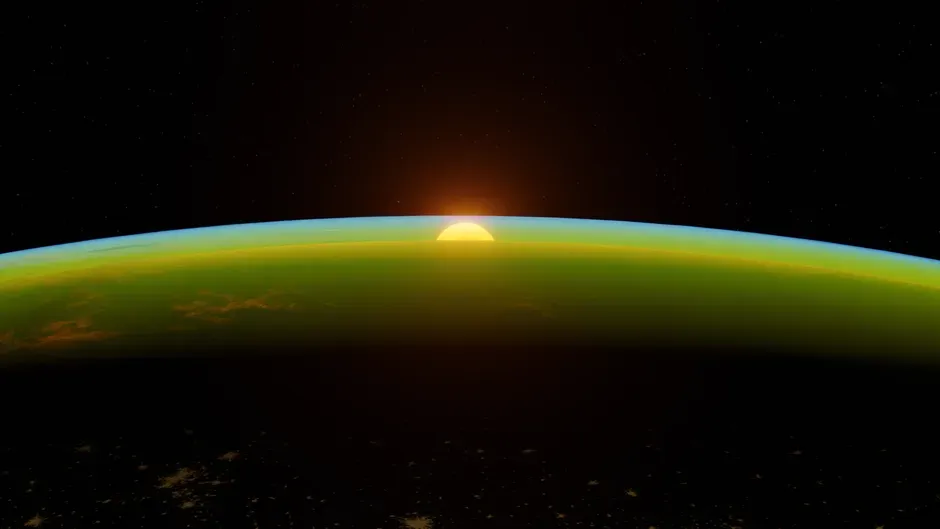
Our star won’t be around to see most of this. The sun will exhaust its energy in about 5 billion years, regardless of the galaxies’ fate. Even the earlier merger date would have been close to that limit.
That makes the debate more about cosmic history than human consequences. Any collision in the later window would unfold long after the Sun has changed beyond recognition. The question is mainly about the future of the Local Group itself.
Why the Number Is Still Moving
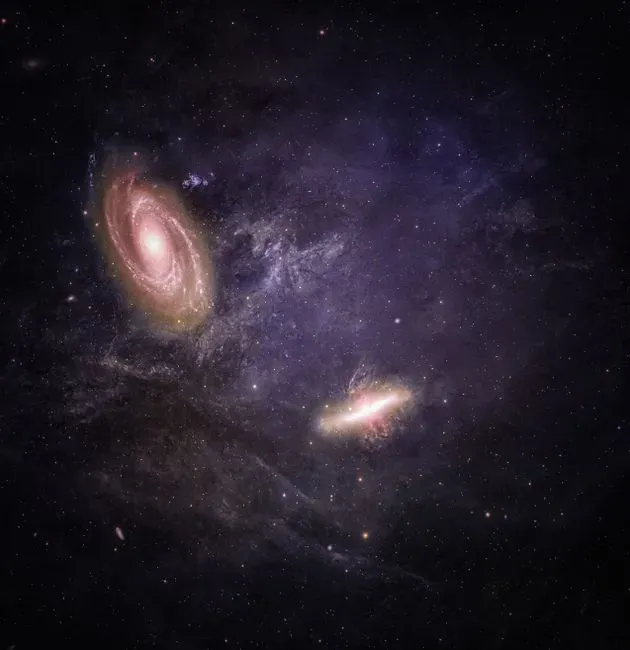
The 2025 result isn’t the last word. A separate study published in April 2026 raised the merger probability to about 90 per cent in its preferred model. That shows how sensitive the forecast is to the assumptions behind it.
The original authors were clear about the limits. Sawala emphasized that predicting the long term future of galaxy interactions is highly uncertain. Better measurements of galaxy motions and masses from Hubble and Gaia are what will tighten the estimate.
