

- The Planet Where It Rains Liquid Glass – 7 Alien Worlds Defying Known Physics - November 14, 2026
- Stars Consuming Entire Worlds – 6 Planetary Systems Swallowing Their Own Worlds - November 14, 2026
- The Ground Liquefies Like Water – 6 Silent Fault Lines Geologists Watch Closely - November 14, 2026
A dog pants, flops onto the cool kitchen tile, and looks fine a few minutes later. Most owners have seen this and shrugged it off. For some breeds, though, that same scene can slide into a medical emergency much faster than people expect.
Veterinary organizations, including the American Veterinary Medical Association and the Royal Veterinary College in the UK, have long pointed to the same risk factors. These include a flat face, a heavy or dense coat, a large body, and extra weight. The breeds below are the ones most often named in that conversation, and each section explains why.
Pug
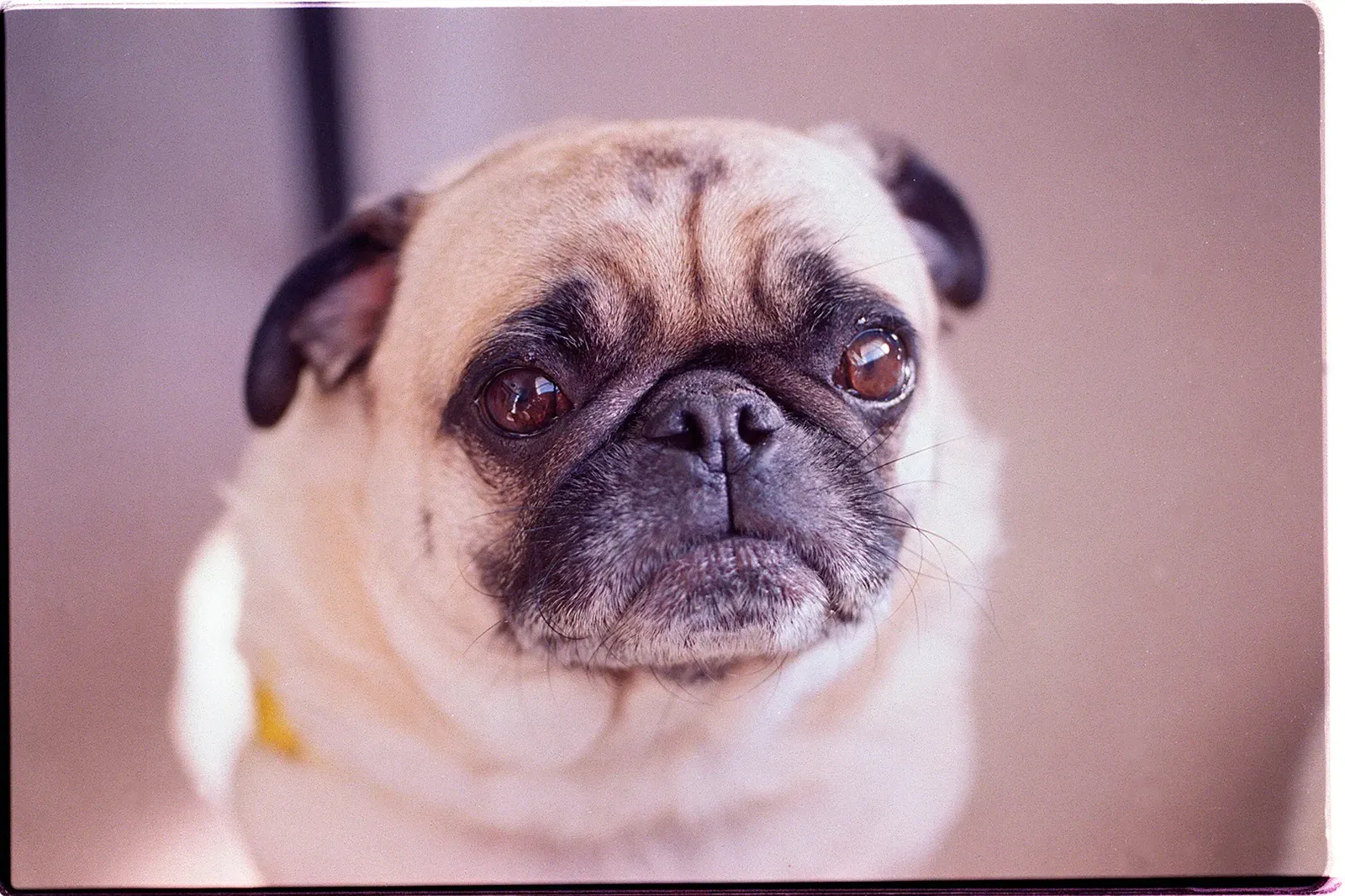
The Pug is the classic example of a flat faced, or brachycephalic, dog. Its shortened skull leaves cramped nasal passages and a long soft palate. Dogs cool themselves mainly by panting, so any narrowing of the airway makes that process less efficient.
Many Pugs also snore, snort, and work hard to breathe even on mild days. Heat adds strain to an airway that is already under pressure. Vets generally advise keeping Pugs indoors in air conditioning during hot spells and limiting walks to early morning or late evening.
French Bulldog
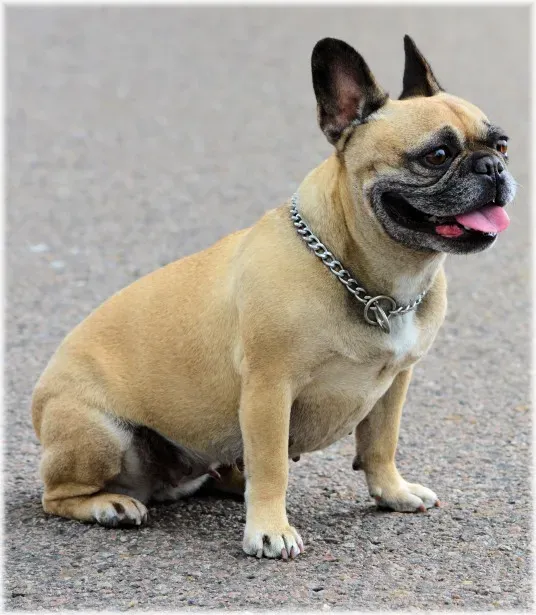
French Bulldogs have become hugely popular in recent years. Veterinary groups have repeatedly raised concerns about the breed’s breathing problems. Narrow nostrils and a compressed airway make it harder to move enough air to shed body heat.
Owners often mistake loud breathing for normal Frenchie behavior. In warm weather, that noisy panting can be an early warning sign. Because the breed is compact and sturdy, people may also overestimate how much exercise it can handle in the sun.
English Bulldog
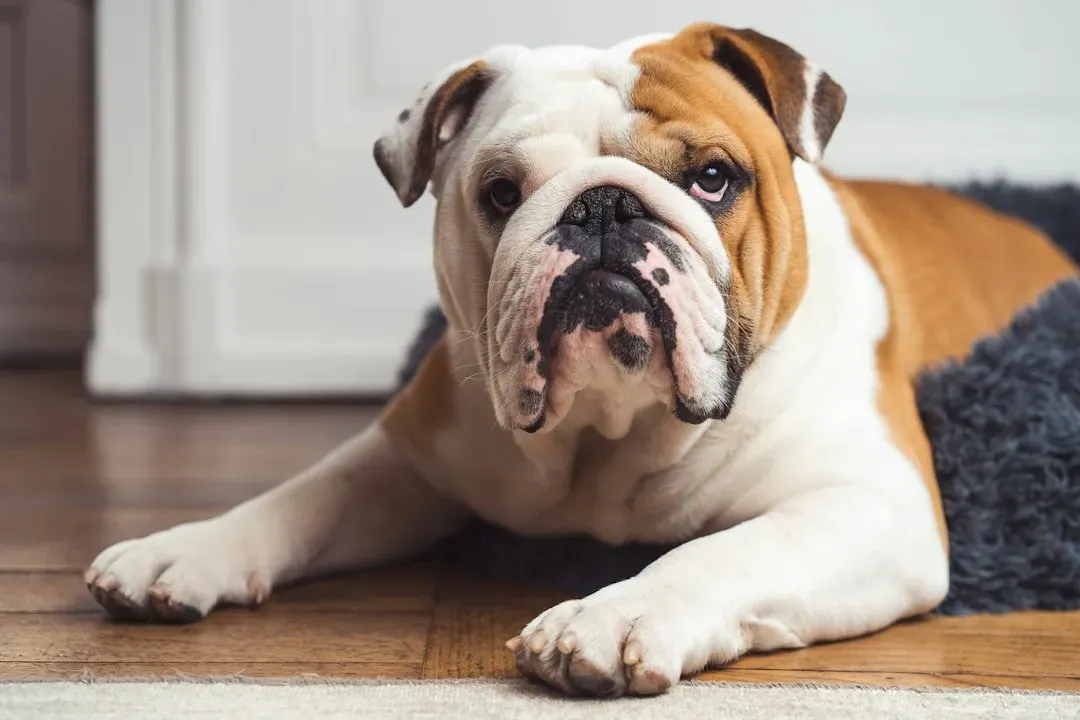
English Bulldogs combine a flat face with a thick, stocky build. That means a restricted airway and a body that holds heat well. Veterinary sources commonly list the breed among those most vulnerable to heatstroke.
Many Bulldogs also carry extra weight, which makes cooling harder still. Even a short stroll on a warm afternoon can tip them into trouble. Shade, fresh water, and a cool indoor space matter more for this breed than for most.
Boston Terrier
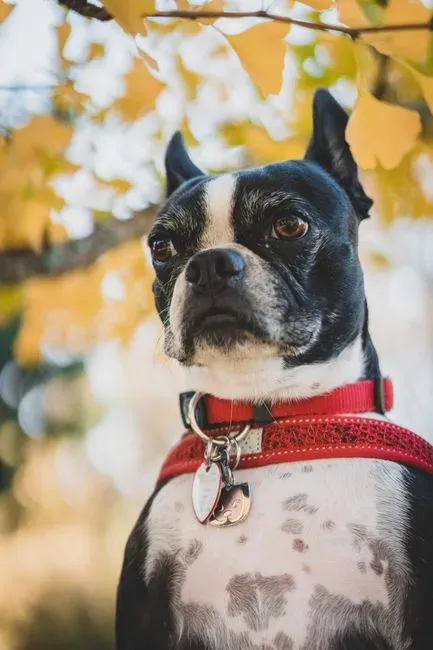
The Boston Terrier is small and lively, which can hide its heat limits. As a flat faced breed, it shares the same airway restrictions as Pugs and Bulldogs. Its enthusiasm for play can push it past safe limits before its owner notices.
The breed’s short coat offers little protection from the sun, though it also doesn’t trap heat. The main issue is breathing, not fur. Veterinarians suggest watching for heavy panting, drooling, or a sudden reluctance to move, and stopping activity right away if those appear.
Shih Tzu
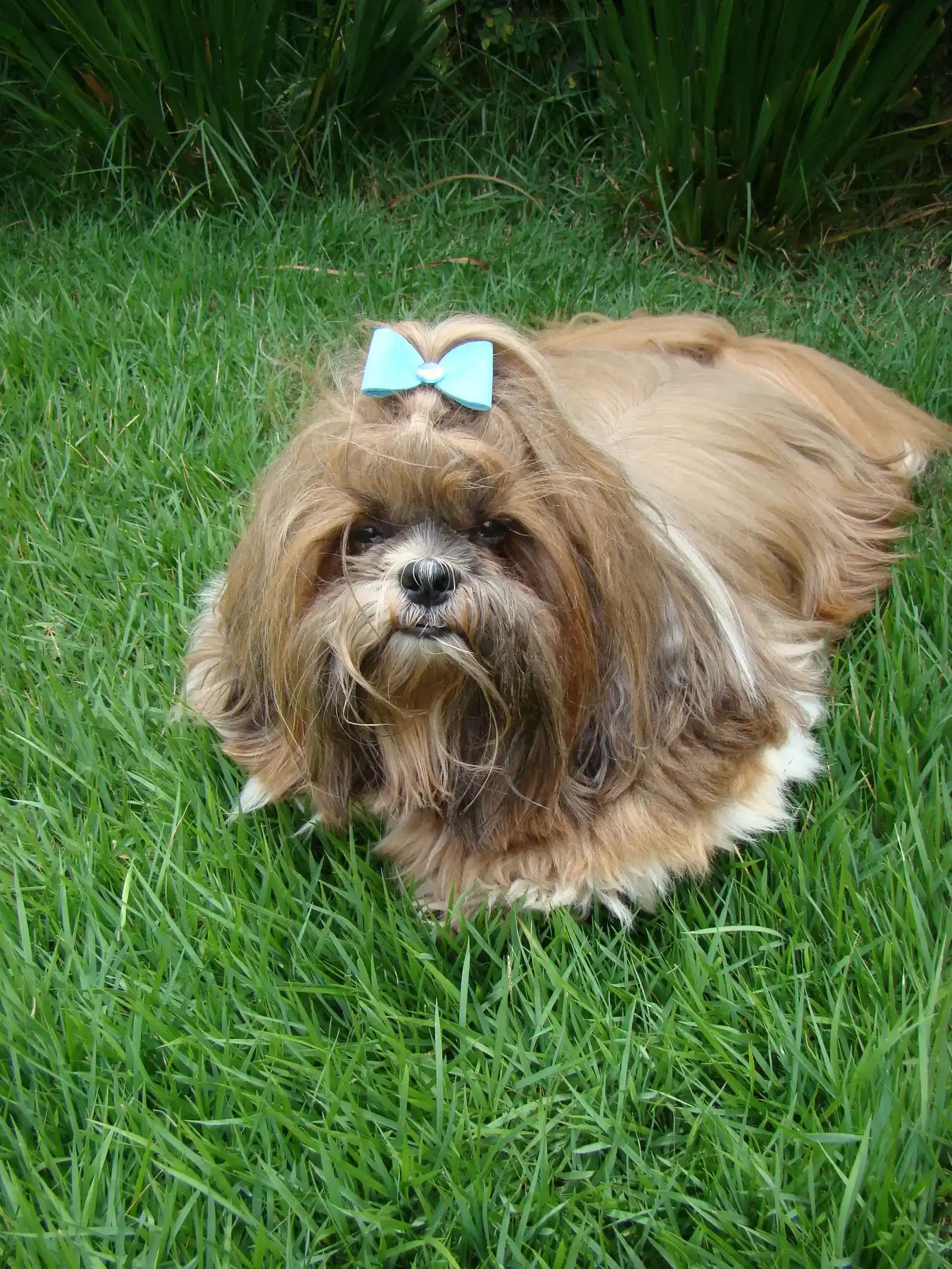
The Shih Tzu has a shorter muzzle than many people realize, and that places it in the brachycephalic group. Its long, flowing coat can add to the problem if it’s left untrimmed in summer. Together, the airway and the coat can slow cooling down.
Many groomers and vets recommend a shorter summer cut, though never a full shave without advice. Coats do offer some insulation against the sun. Indoor time, water access, and short outdoor trips are the safest approach for this small companion breed.
Pekingese
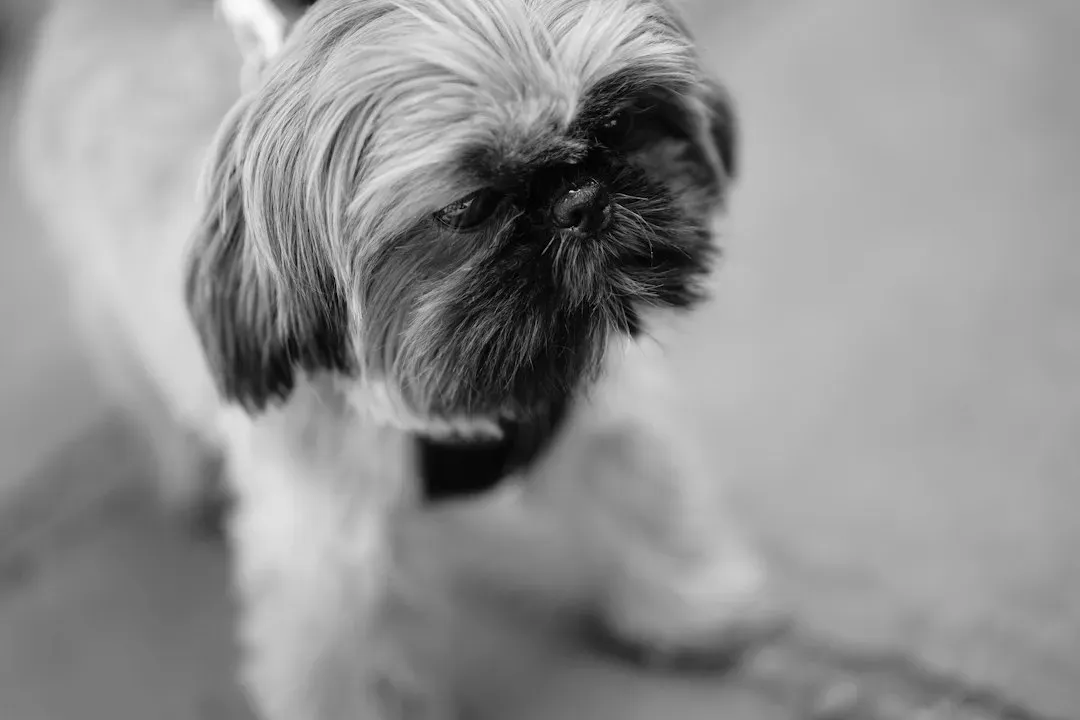
The Pekingese is another flat faced toy breed, bred for centuries as a palace companion. Its face is very short, and it carries a thick double coat. That mix makes it unusually prone to overheating.
The breed is typically content with little exercise, which helps. Still, even a brief walk or time in a warm car can cause problems. Veterinarians stress that no dog should ever be left in a parked car, and for breeds like this one the danger arrives even faster.
Boxer
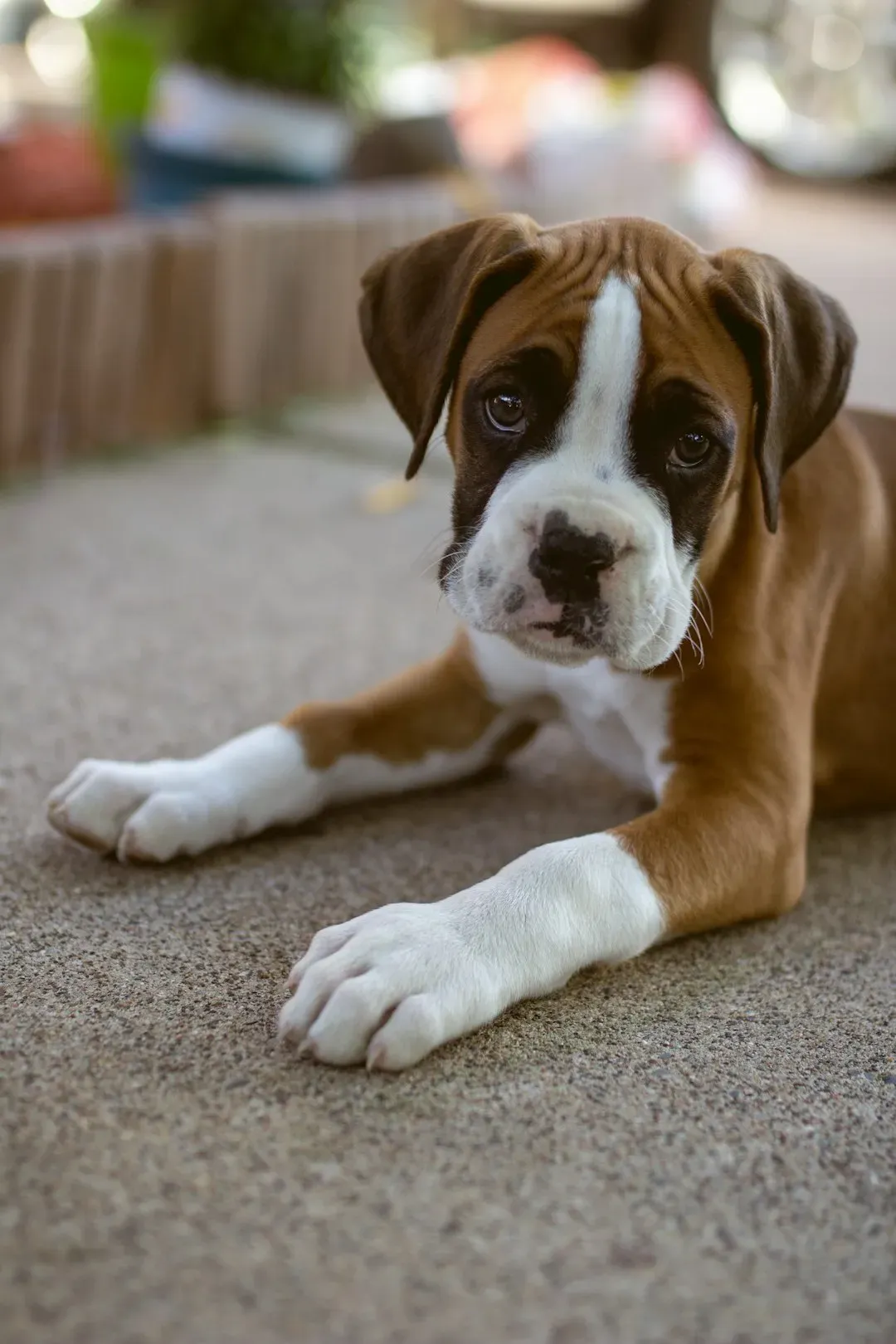
Boxers are athletic and energetic, yet they are also moderately flat faced. Their muzzles are shorter than those of many breeds, and that reduces their ability to pant effectively. A Boxer will often keep running well past the point it should rest.
That eagerness is what makes the breed risky in summer. Owners may not see warning signs until a dog is already in distress. Scheduling exercise during the coolest parts of the day is a simple way to lower the risk.
Chow Chow
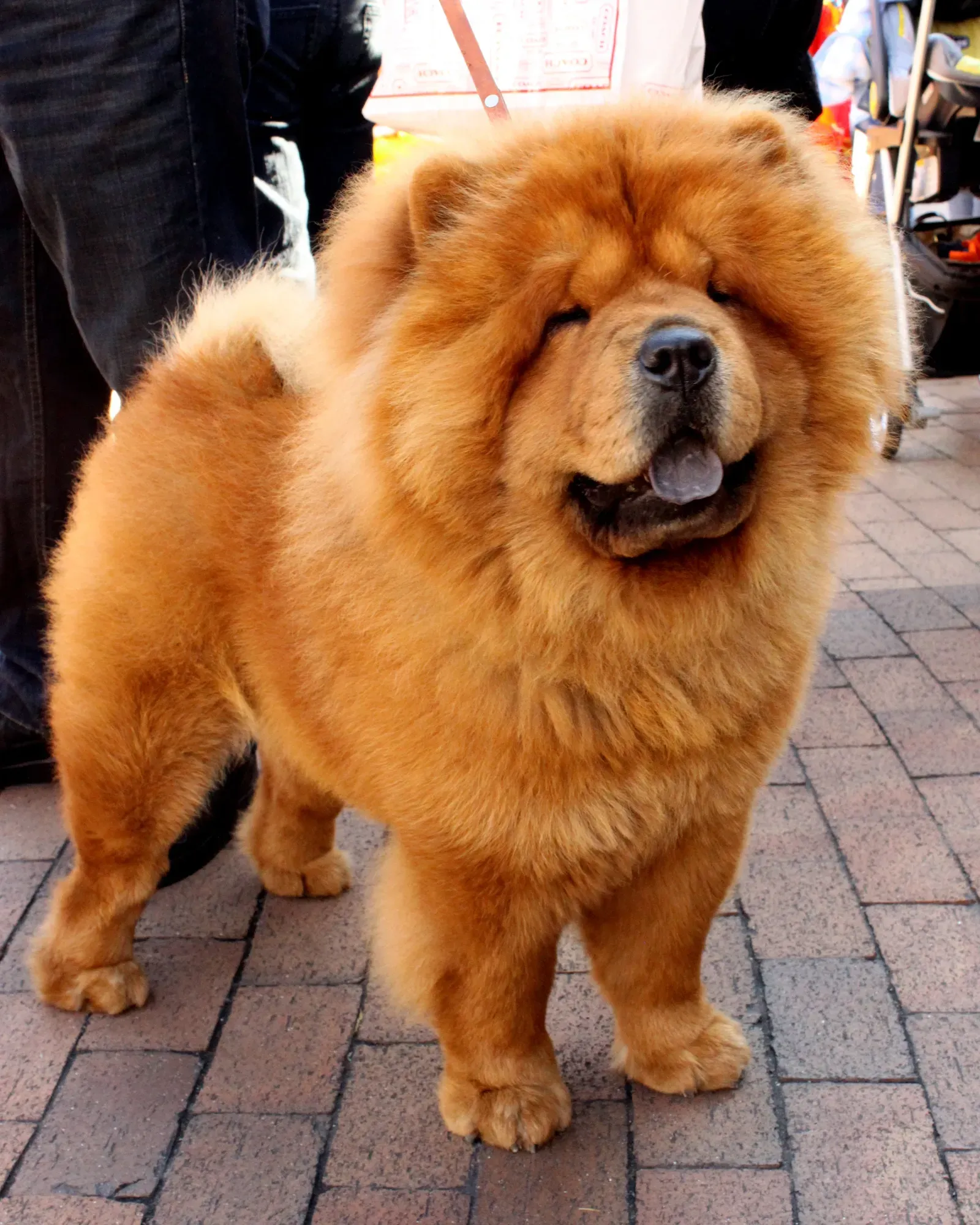
The Chow Chow is not as flat faced as a Pug, but it carries a dense double coat and has a slightly shortened muzzle. Research from the Royal Veterinary College, based on UK veterinary records, has identified the breed as having a notably raised risk of heatstroke. Its thick fur makes it hard to shed warmth.
The Chow’s coat can also hide early signs, since a dog may look calm while its body temperature climbs. Regular brushing helps remove loose undercoat and improves airflow. Cool, shaded resting areas are essential in warm months.
Siberian Husky
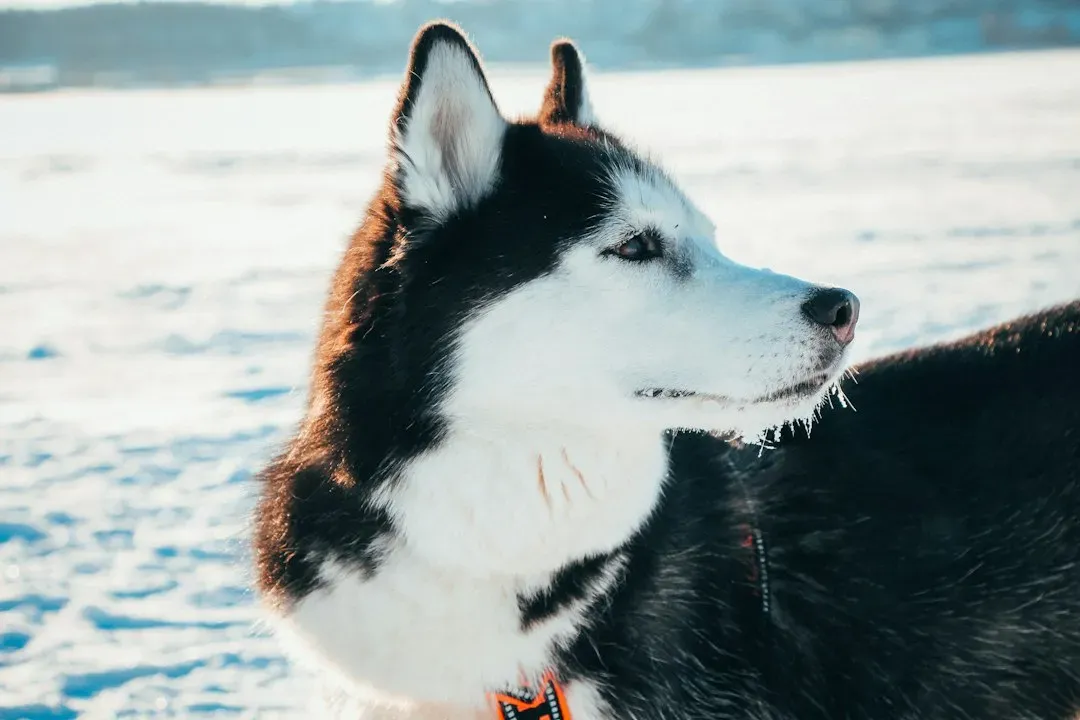
Huskies were bred for freezing conditions, and their thick double coats reflect that. In hot climates, they can struggle, particularly when exercised hard. Their stamina often masks how much heat they’re absorbing.
Veterinarians generally advise against shaving double coated breeds, since the undercoat helps regulate temperature and protects from sunburn. Regular grooming to remove shed fur is the better approach. Walks should move to early morning or night when temperatures climb.
Newfoundland
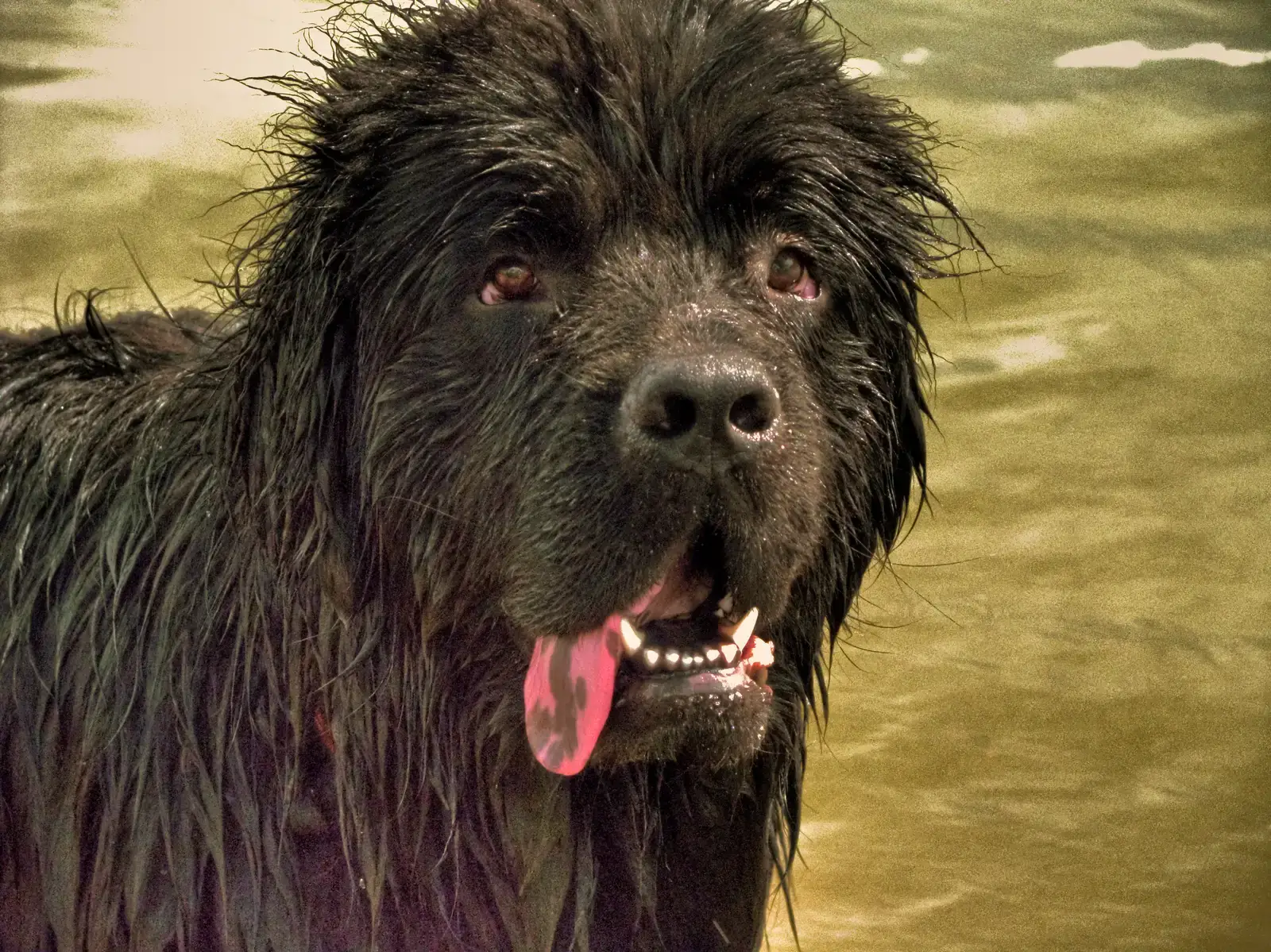
Newfoundlands are large, heavy, and covered in a thick water resistant coat. That design suits cold Atlantic waters, but it makes summer heat difficult to handle. Bigger bodies also take longer to cool once they have overheated.
The breed is gentle and rarely pushes itself, so owners may not realize it’s struggling. Constant access to shade, water, and air conditioning is important. Swimming can help, though it should be supervised and paired with plenty of rest in a cool place.
