

El Niño starts as a patch of unusually warm water in the Pacific Ocean. Its effects can reach a grocery receipt or a utility statement thousands of miles away. In 2026 the pattern is back, and forecasters are watching it closely.
The size of the effect on your own budget depends on where you live, what you buy and how much of your income goes on essentials. Some of the evidence is firm, and some is still projection. This article tries to keep the two apart.
A strong event is building in 2026
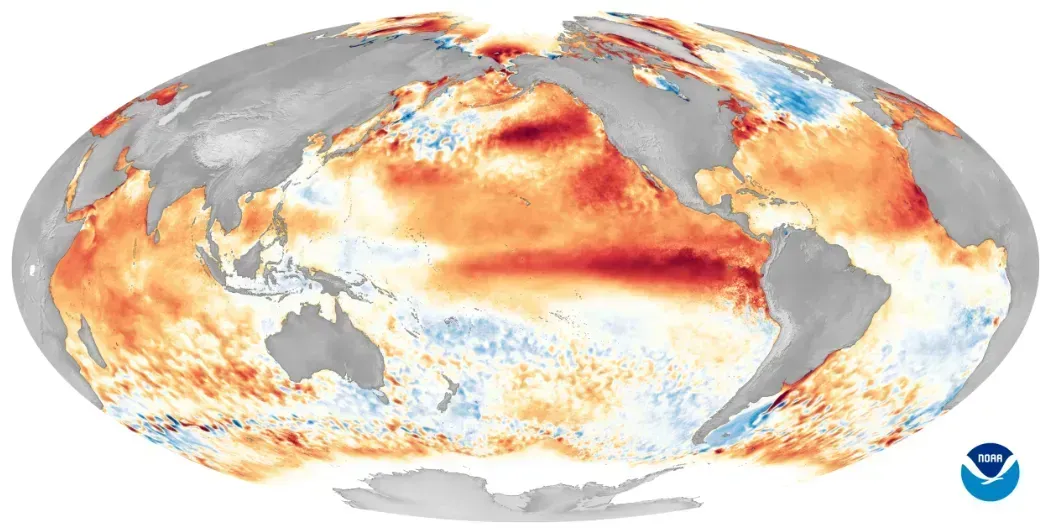
On 2 June 2026, the World Meteorological Organization put the chance of an El Niño developing between June and August at 80%. Some reports now say it has arrived. One recent report says El Niño was declared in June and has strengthened since, with forecasters expecting it to keep building through the end of the year.
Strength is the open question. Some forecasters have suggested it could reach “super” status, meaning sea surface temperatures more than 2 degrees Celsius above average. Early-season forecasts carry extra uncertainty, though. Forecasts issued in spring are affected by the boreal spring predictability barrier, so strength and timing could still shift.
Why the effect on bills is slow

The weather comes first and the price changes follow. Agricultural damage from El Niño tends to show up six to twelve months after the event peaks. That means a pattern peaking late in 2026 may not hit shop prices fully until well into 2027.
The World Food Programme expects something similar. It says El Niño is expected to peak between September and December 2026, but its effects could continue through 2027 because planting and harvest cycles may be disrupted. Today’s calm price data doesn’t rule out trouble later.
Grocery bills and global commodities
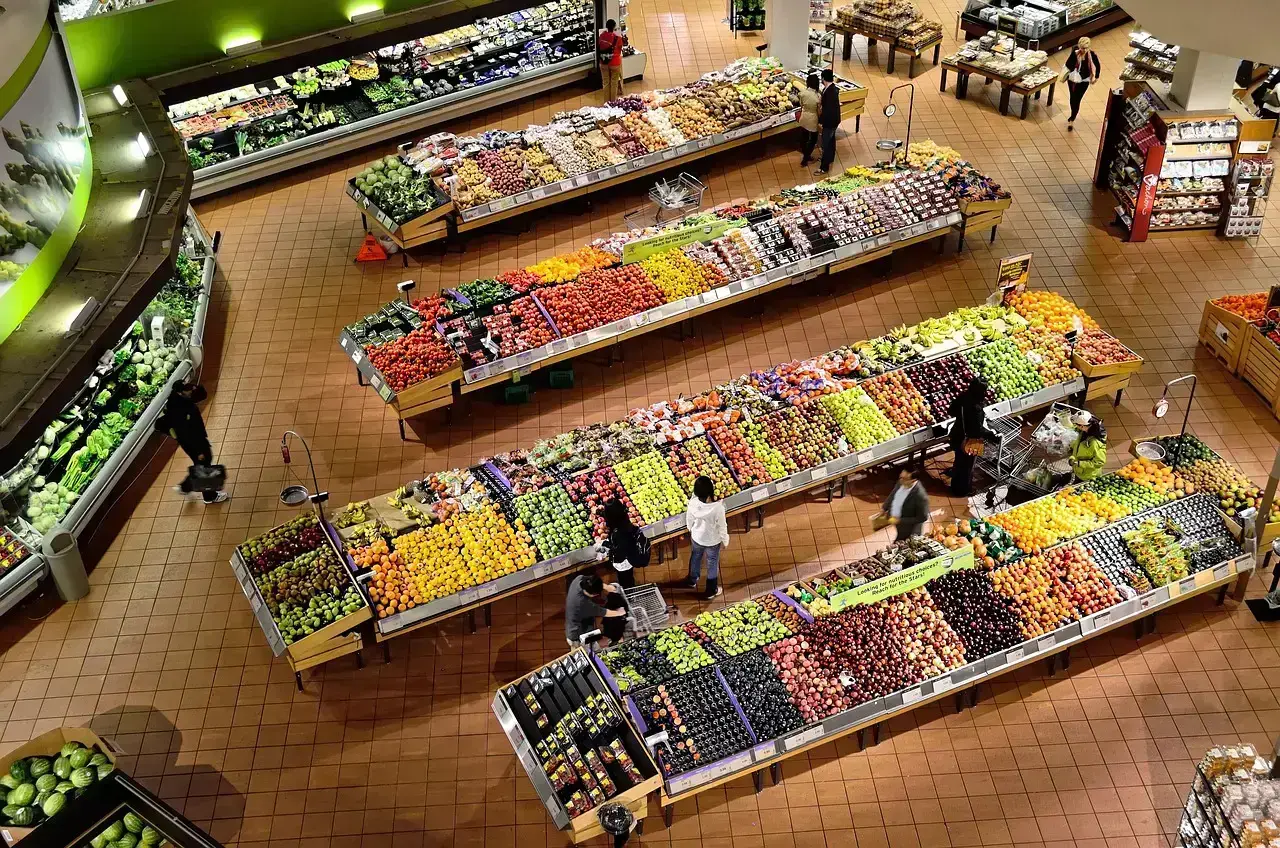
Staple crops are the main route into household budgets. Previous El Niño episodes have raised the price of global non-energy commodities by 3.9 percentage points. A 2023 analysis found the effect can last. The European Central Bank concluded that a strong El Niño could push global food commodity prices higher for up to two years.
The 2026 event also arrives on top of existing strains. In early June, the World Bank warned that El Niño could compound strains on global food markets already facing energy and fertilizer supply concerns. Schroders has argued that this combination could push next year’s food inflation into double digits. That is one asset manager’s scenario, not a certainty.
Sugar, coffee and cocoa
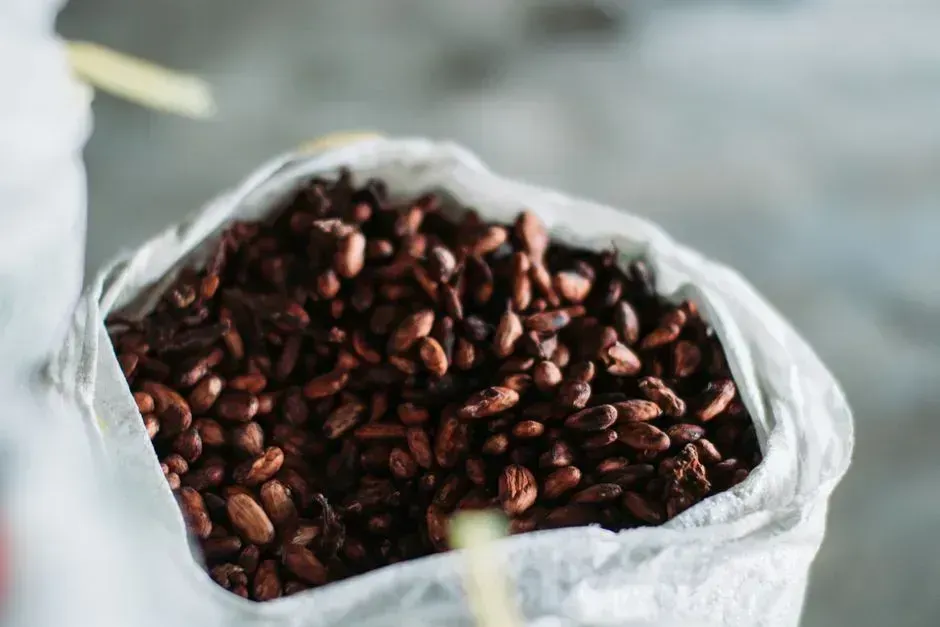
Sugar looks especially exposed. Past El Niño events have seen production in India and Thailand fall by 20 to 30 percent. The impact could be sharper this time because more sugar stockpiles are being diverted into ethanol production.
The last big event left a mark on other goods. During 2023–24, cocoa prices rallied roughly 250% as West African harvests failed, and sugar reached its highest price in over a decade. Not every product follows the same script, and analyst price forecasts for 2026 vary. Treat any single figure as an estimate.
Heating and cooling costs

Energy bills can move in both directions. The climate pattern is expected to affect both summer cooling and winter heating demand. Milder winters in northern regions can mean less heating, while hotter spells in other places push up air conditioning use.
Some guides give precise savings figures. One says northern US households can expect 10 to 20 percent lower heating costs in an El Niño winter. I’d treat that as a rough guide, because the local effect varies a lot from one El Niño to the next. The same source notes possible hydropower disruption in drought areas, which can affect electricity prices in grids that depend on hydro. I need to correct that last paragraph’s formatting before continuing.
Fertilizer, fuel and the wider cost squeeze

El Niño isn’t acting alone this year. The World Bank’s Commodity Markets Outlook projects fertilizer prices will rise by 31 percent on average in 2026. Higher input costs make farmers’ losses harder to absorb, and they tend to feed through to shelf prices.
Energy and food also link through biofuels. Biofuel demand is being reinforced by the Middle East oil shock, increasing the use of sugar, corn and soybean oils. More crop used for fuel leaves less for food, which can add to price pressure.
Who feels it most
Wealthier households are usually cushioned. Consumers in wealthier countries tend to be better insulated from volatile prices linked to El Niño’s extremes, according to University of Miami economist David Kelly. Food is a smaller share of their spending, so a price jump matters less.
Elsewhere the strain is sharper. Food makes up about 35% of the typical household basket in Indonesia, according to Allianz, and roughly 40% in the Philippines. Even so, rich countries aren’t immune. In the UK, the climate crisis alone added the equivalent of six weekly shops to the average household food bill across 2022 and 2023, according to one analysis.
Practical ways to prepare

You can’t control the weather, but you can soften the impact. Check your energy contract before winter and compare tariffs if you’re due to renew. Insulation and a programmable thermostat help whatever the season does.
For food, flexibility works better than stockpiling. Swapping to cheaper alternatives, buying seasonal produce and cutting waste all take pressure off a budget. Prices may take months to move, so there’s time to plan.
Conclusion
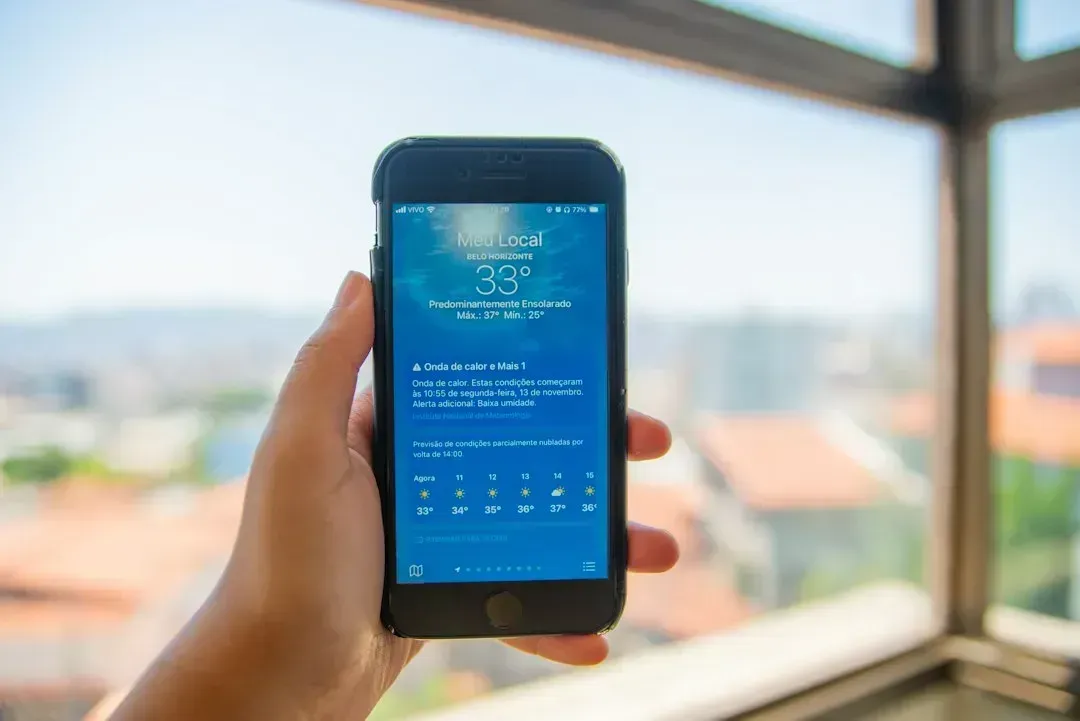
El Niño could change through food, energy and the cost of farming inputs. The effects tend to arrive late and unevenly. The 2026 event is strong and sits on top of fertilizer and fuel pressures, but forecasts of exact price rises remain uncertain.
The sensible approach is to watch the data and keep some slack in the budget. The weather may be a long way off, but its costs usually reach the shop eventually.

- Blue whales vanish from the Galápagos, and scientists suspect El Niño - November 11, 2026
- 8 Famous Battles That Were Decided by the Weather - November 11, 2026
- Black Sunday 1935: 9 Photos From the Worst Dust Storm of the Dust Bowl Era - November 11, 2026
