


- Phantom Energy Sucking Power 24/7 – 7 Home Electronics Quietly Inflating Utility Bills - November 14, 2026
- A Million-Mile Storm Raging for Centuries – 6 Violent Weather Wonders in Our System - November 14, 2026
- Animals Flee Hours Before the Tremor – 7 Natural Warnings Before Disasters Strike - November 14, 2026
The tropical Pacific has been warming for months, and forecasters now say the 2026–27 El Niño could be one of the strongest on record. The World Meteorological Organization reports that extreme weather events are already occurring and are expected to multiply and cascade as the phenomenon intensifies. That word, cascade, is the heart of the worry.
For the United States the question isn’t whether El Niño will matter. It’s whether communities, agencies and households will use the lead time they’ve been given. This article looks at what forecasters are saying, where the risks sit, and where the uncertainty remains.
What Forecasters Are Saying Right Now
The Climate Prediction Center’s September 2026 forecast showed overwhelming confidence that El Niño conditions are present and a near 100% chance they’ll continue. The open question is magnitude. Forecast guidance suggests a very strong El Niño is possible during the upcoming cold season, though uncertainty remains about its ultimate size.
Outlooks have grown more striking. NOAA’s October outlook gives an 83% chance that the event will reach historic strength between October and December, potentially surpassing El Niño events dating back to 1950. That’s a strong claim, but it’s worth remembering that it describes ocean temperatures, not guaranteed weather on any given day.
Why the WMO Calls This “Off the Charts”
Internationally, the language has been blunt. WMO Secretary-General Celeste Saulo said the event is “literally off the monitoring charts” used for four decades, adding that it will peak toward the end of 2026 and be felt long after.
She also pointed to a hopeful side. She added that preparedness tools are already available to limit the humanitarian toll. In other words, the warning is paired with a message that the damage isn’t predetermined.
A Wetter Winter for the South and California
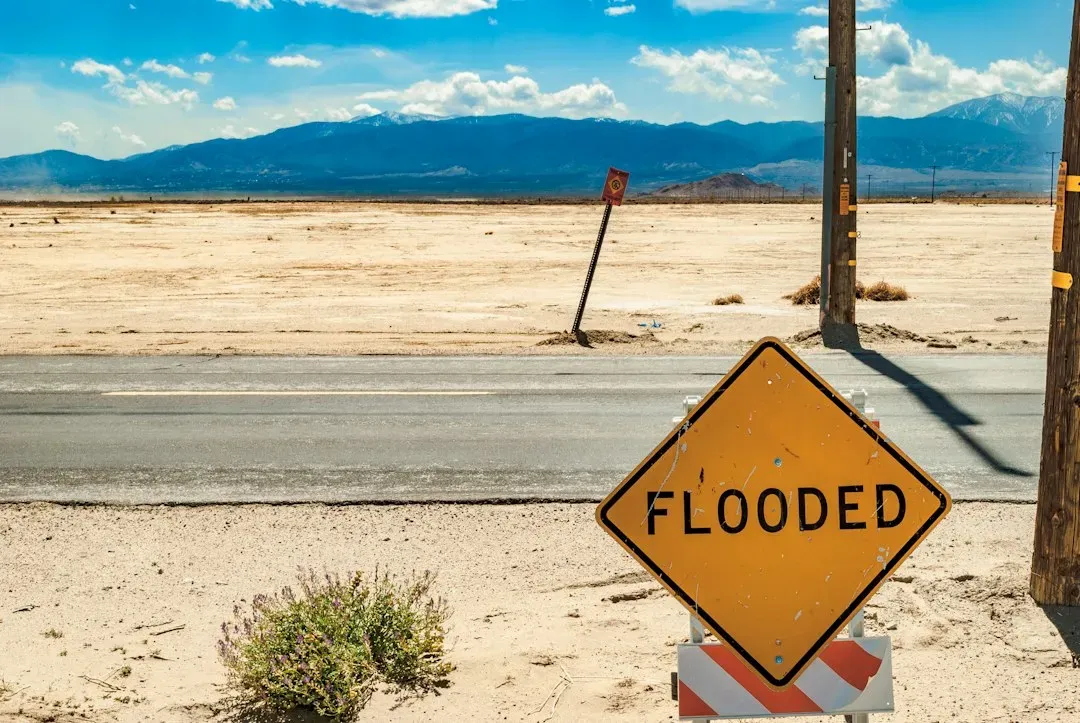
The clearest U.S. signal is winter rain in the south. Winter increasingly favors wetter conditions across much of the southern U.S., California, and parts of the East, while portions of the northern tier may trend drier. California may see flooding, atmospheric rivers and landslides.
State officials aren’t waiting. Governor Gavin Newsom announced a statewide state of emergency on September 21, 2026, to accelerate preparedness before winter storms arrive. Heavy rain also isn’t always helpful for farmers. One expert noted that rain arriving in large quantities over a short period may not percolate into soil enough to help agricultural communities.
Coastal Flooding and High Surf
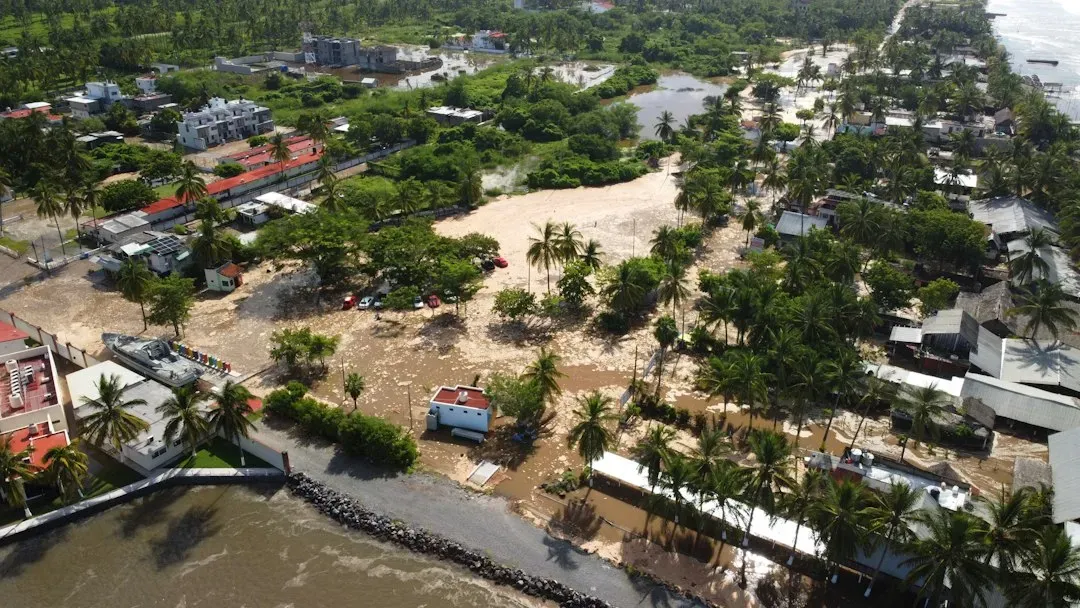
Rain is only one piece. UC Irvine coastal engineer Brett Sanders predicts another round of high wave energy in winter, most likely between December and February, along with the highest tides in years.
That combination matters because storm surge, big waves and heavy runoff can hit the same stretch of shoreline together. Researchers say the phenomenon could bring heavy surf, higher-than-usual tides and abundant rainfall, leading to flooding. Compounding hazards like these are what experts mean by a cascade.
Hurricanes: Fewer Atlantic Storms, Not Zero Risk
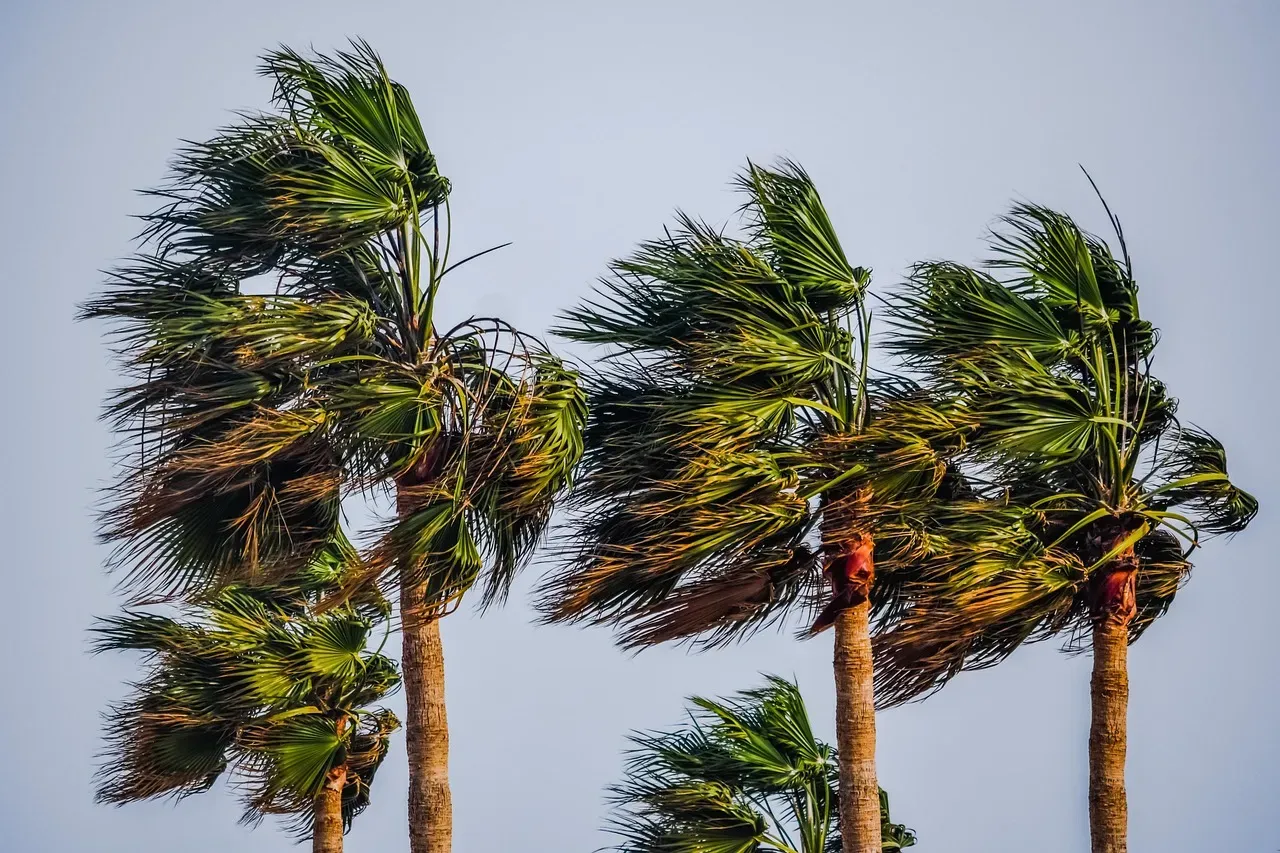
El Niño tends to calm the Atlantic. Stronger upper-level winds typically tear apart developing systems, often leading to fewer hurricanes overall. That’s the primary driver behind NOAA’s below-normal outlook issued earlier in 2026.
The Pacific tells a different story. NOAA’s Matthew Rosencrans said El Niño is associated with fewer Atlantic storms but increased activity in the eastern and central Pacific seasons. A quieter Atlantic season is no reason to skip preparation, since it only takes one landfall to cause serious harm.
Heat, Drought and Wildfire in the West and North
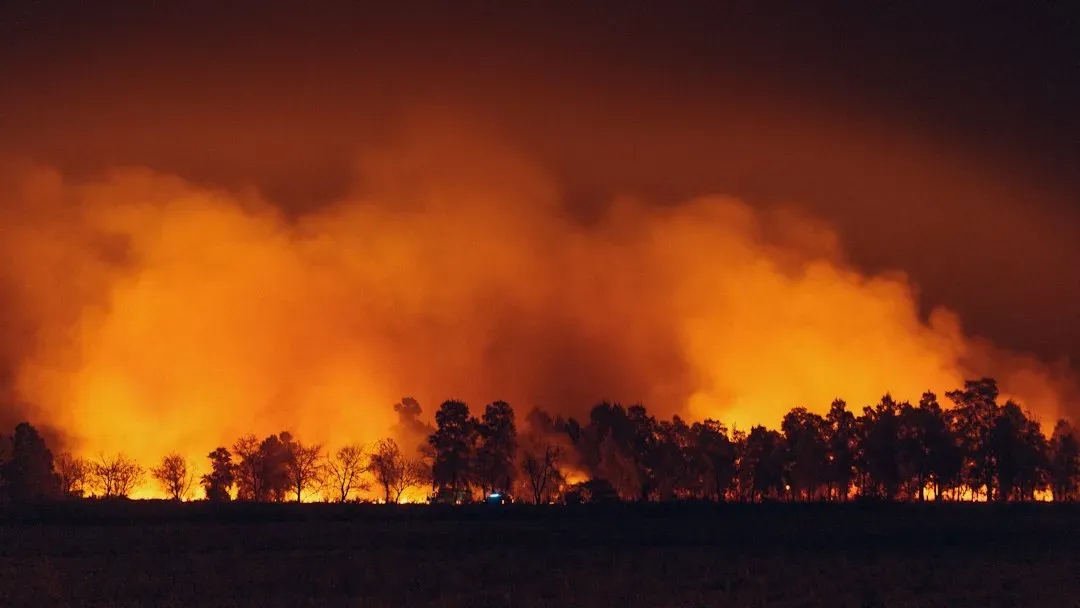
Not everywhere gets rain. One expert noted that El Niño can produce a hotter, drier pattern in the Northwest in summer, leading to large wildfires. Severe drought can also expand across more of the Northwest and northern Rockies in years when El Niño strengthens by fall.
Those fire and drought risks come before the winter rains many people are focused on. In burned areas, heavy rain can later raise the danger of flooding and debris flows, which is another way hazards can stack up, though local risk depends on terrain and recent fires.
The Limits of Certainty
Forecasts describe odds, not guarantees. El Niño does not dictate the weather on any particular day; it changes the odds of certain patterns over an entire season. Scientists are also cautious about local outcomes.
UC Irvine’s Jin-Yi Yu put it this way: even if 2026 becomes the strongest on record, we should be cautious about saying Southern California will necessarily see an exceptionally wet winter. She pointed to other natural factors, including an Atlantic ocean cycle and the solar cycle, that can influence outcomes.
How Ready Is the Country, and What Helps
The slow buildup is an advantage. For preparedness professionals, the event’s slow development provides valuable lead time to strengthen readiness before impacts begin. The strongest U.S. impacts typically come in winter and spring, so late 2026 through spring 2027 is the key planning window.
For households, the advice is practical. Have backup lighting and power at home, store water, and keep evacuation gear accessible. Whether the nation is truly ready won’t be known until the storms arrive, but the warning time is real, and it’s running out.
Conclusion
This El Niño looks historically strong, but its effects will vary sharply by region, and forecasts can’t promise any single outcome. What they can do is shift the odds toward flooding in the south and California, drought and fire risk in parts of the north and West, and a quieter Atlantic hurricane season.
The cascade experts describe isn’t inevitable. It depends on what gets done in the weeks before winter, and a warning heard early is the cheapest protection there is.
