

A pipe doesn’t burst because of one dramatic cold night. It usually happens because of small choices made in the weeks before, like a hose left attached or a thermostat turned down a little too far. Plumbers see the same patterns repeat every winter.
Water expands as it turns to ice, and that pressure builds between the blockage and the closed faucet. The pipe often fails at that point, not where the ice sits. Here are eight habits worth changing before the next hard freeze.
Leaving Garden Hoses Connected
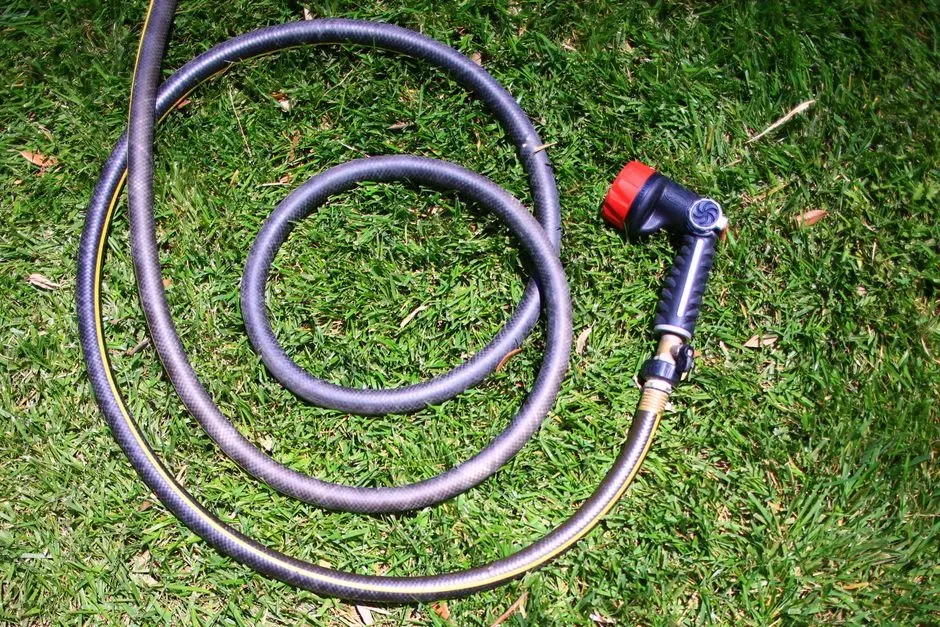
A hose left on an outdoor spigot traps water inside the faucet and the pipe behind it. When that water freezes, it can crack the pipe inside the wall, where you won’t see the damage until the spring thaw. Many homeowners only find out when they turn the water back on and it sprays inside.
The fix takes about five minutes. Disconnect and drain every hose, then store it indoors. If your home has a shutoff valve for the outdoor line, close it and open the spigot to let the remaining water drain.
Skipping Insulation in Unheated Spaces
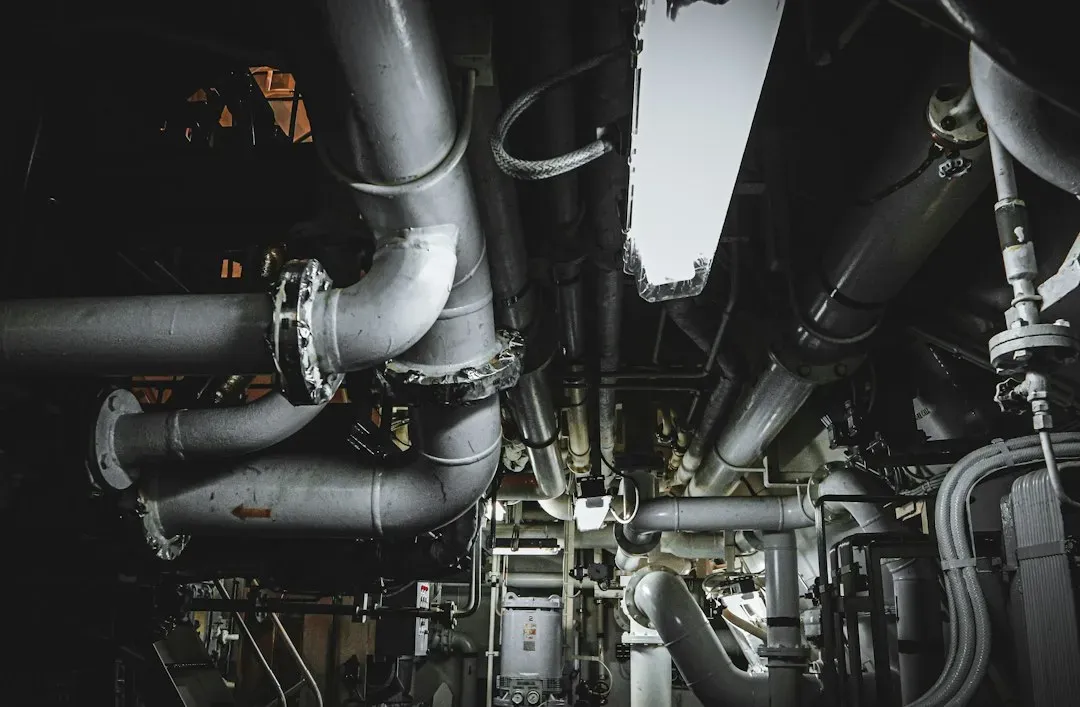
Basements, crawl spaces, attics, and garages stay colder than the living areas, and pipes running through them are the most exposed. Plumbers regularly point to these spots as where freezes begin. Pipes along exterior walls are at risk too.
Foam pipe sleeves are cheap and easy to find at hardware stores. Slide them over exposed lines and seal the seams. Insulation slows heat loss, though it doesn’t create heat, so it works best alongside the other habits on this list.
Turning the Thermostat Way Down
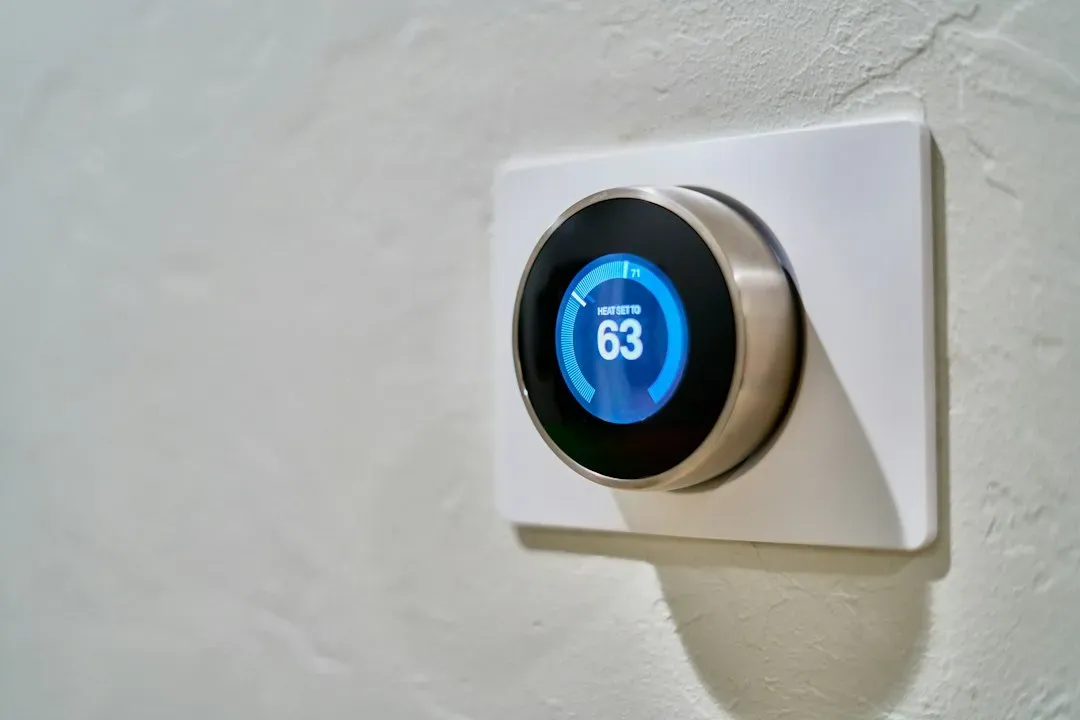
Dropping the heat to save money can backfire when temperatures plunge. Walls and cabinets cool off, and the pipes inside them go with them. The American Red Cross advises keeping the same temperature day and night during cold snaps.
If you’re heading out, many guidance sources suggest not setting the thermostat below about fifty-five degrees Fahrenheit. A slightly higher bill is usually far cheaper than a flooded floor. Think of the heat as protection for the plumbing, not just comfort.
Ignoring Drafts and Air Leaks
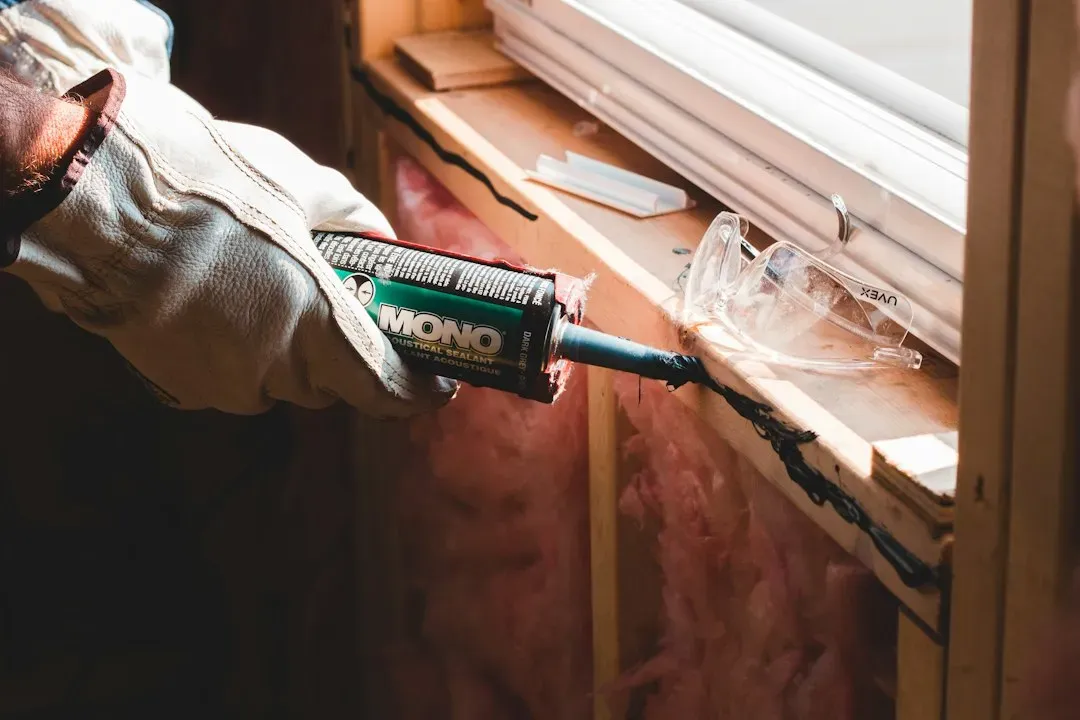
Cold air sneaking in around dryer vents, cable lines, and foundation gaps can chill a pipe even when the house feels warm. A small opening near a water line can matter more than a large one far away. Plumbers often trace freezes back to a spot like this.
Seal gaps with caulk or spray foam, and replace worn weatherstripping. Check places where pipes enter the house from outside. A quick walk around with a flashlight on a windy day can reveal most problem areas.
Keeping Cabinet Doors Closed on Cold Nights
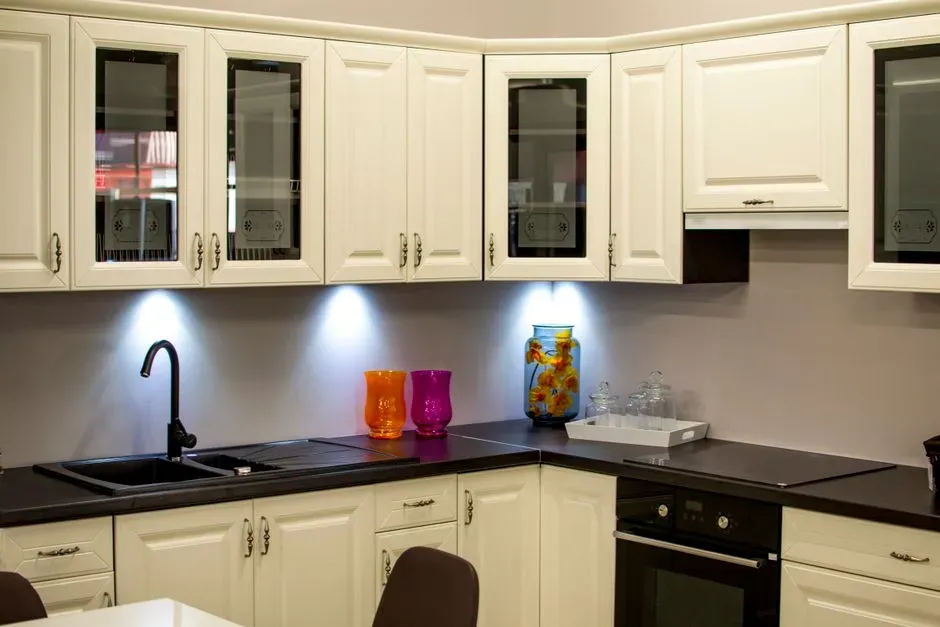
Sinks on exterior walls tend to be the first to freeze, partly because the cabinet traps cold air around the pipes. Closed doors keep the warm room air from reaching them. It’s an easy habit to overlook because the kitchen feels comfortable.
Opening the cabinet doors during a freeze lets heat circulate. If children or pets are around, move any cleaning products out of reach first. This simple step is recommended by organizations such as the Red Cross and many local utilities.
Shutting Off the Faucets Completely During a Freeze
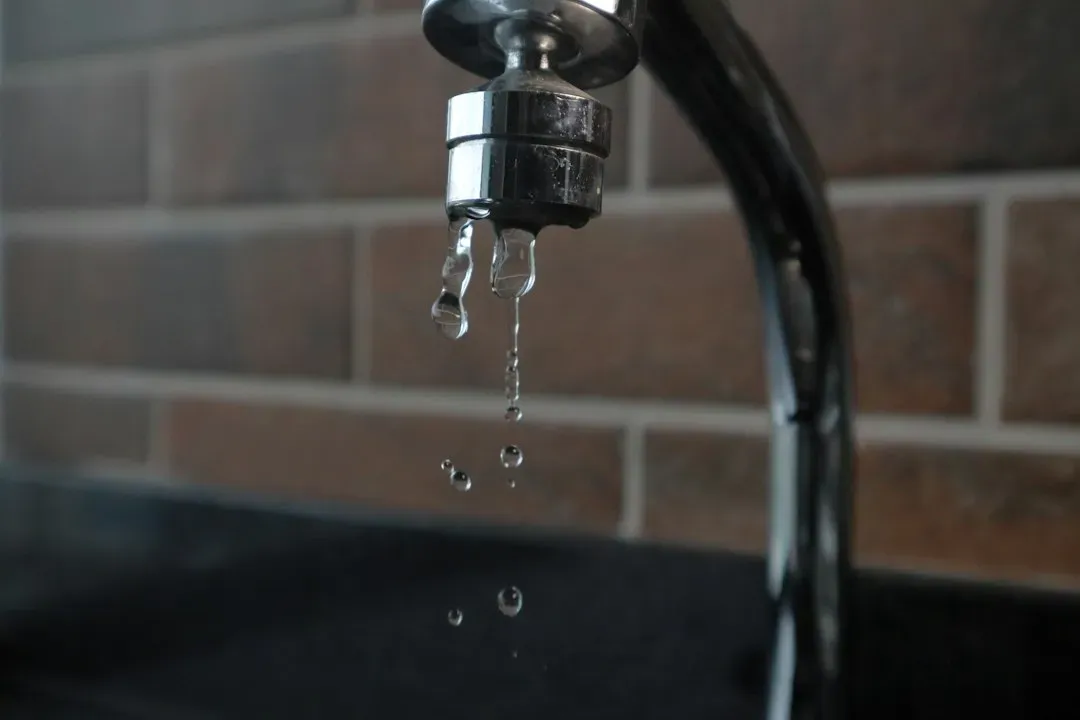
Moving water is harder to freeze than still water. That’s why plumbers and utilities often recommend letting a faucet drip during extreme cold, especially on lines that run through exterior walls. The drip also relieves pressure that builds if ice starts to form.
A thin, steady trickle is enough, and it should be from the faucet served by the most exposed pipe. The extra water cost is small compared with repairs. Pipes can still freeze in severe cold, so this works as one layer of defense, not a guarantee.
Leaving the House Without a Plan

Vacant homes are especially vulnerable because nobody is there to notice a problem early. If the furnace fails while you’re away, pipes can freeze and burst, and the leak may run for days. Travelers sometimes assume a low thermostat setting is enough.
Before a long trip, ask someone to check the house, or consider shutting off the main water valve and draining the lines. A smart thermostat or leak sensor can alert you to a falling temperature or moisture. Insurers also commonly expect homes to be kept heated, so check your policy terms.
Not Knowing Where the Main Shutoff Valve Is
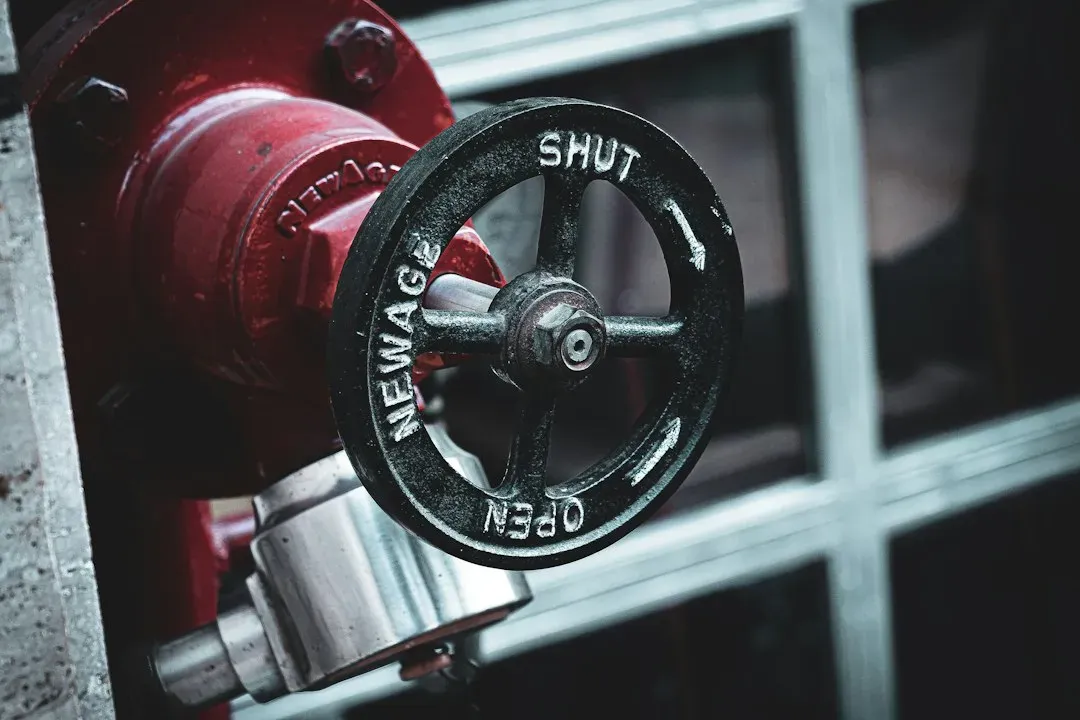
When a pipe does burst, every minute counts. A lot of homeowners can’t find the main shutoff in a hurry, and that delay lets water soak floors, drywall, and belongings. Plumbers often say this is the most avoidable part of a bad situation.
Locate the valve now and make sure everyone in the home knows where it is. Test it once a year so it doesn’t seize up. If a pipe freezes but hasn’t burst, open the faucet and gently warm the pipe with a hair dryer, never an open flame.

- I Asked AI and a Waste Auditor How to Cut My Household Trash – Where They Disagreed - November 12, 2026
- Einstein’s equations suggest gravity can reconnect like the sun’s magnetic field - November 12, 2026
- This Map Shows Which States Get the Most Severe Storms Each Year – And It’s Not What You’d Expect - November 12, 2026
