


- Atlantic Hurricane Activity Has Often Rebounded After Strong El Niño Years, Records Show - November 15, 2026
- The Planet Where It Rains Liquid Glass – 7 Alien Worlds Defying Known Physics - November 14, 2026
- Stars Consuming Entire Worlds – 6 Planetary Systems Swallowing Their Own Worlds - November 14, 2026
Most people picture a telescope when they think of stargazing, yet some of the best views in astronomy need nothing more than your eyes. Plenty of these sights have been admired for thousands of years, long before any lens was ground.
A little patience helps. Give your eyes about twenty minutes to adjust to the dark, put your phone away, and find a spot away from streetlights. Here are twelve things worth looking for.
The Moon and Its Dark Seas
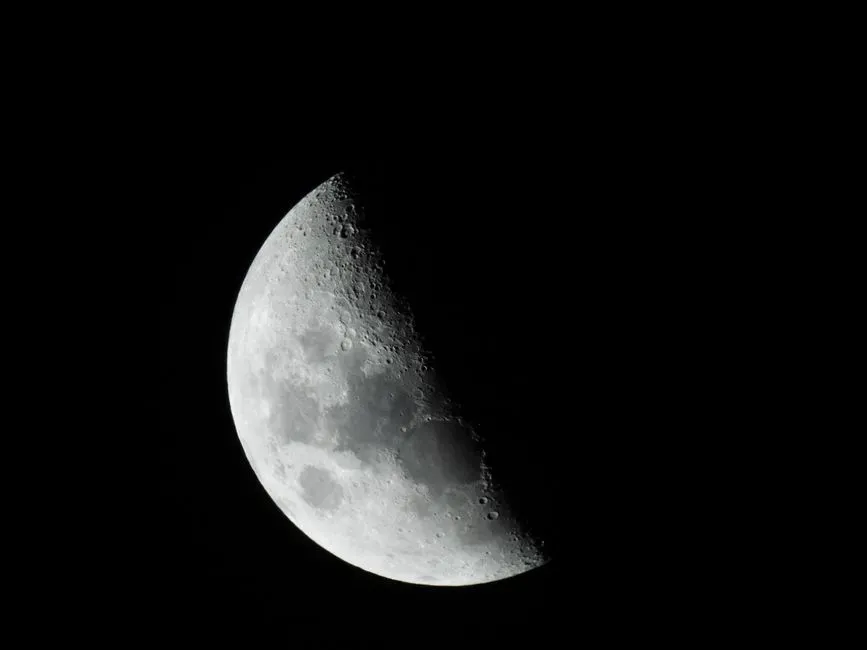
The Moon is the obvious choice, but it rewards a closer look. Even without optics, you can pick out the dark patches called maria, which are ancient plains of cooled volcanic rock. Different cultures have seen a face, a rabbit, or a figure in those shapes.
Its average distance from Earth is roughly 384,000 kilometers. The best viewing is often around the quarter phases, when sunlight rakes across the surface and the border between light and dark looks sharp. A full Moon is bright but flat by comparison.
The Milky Way
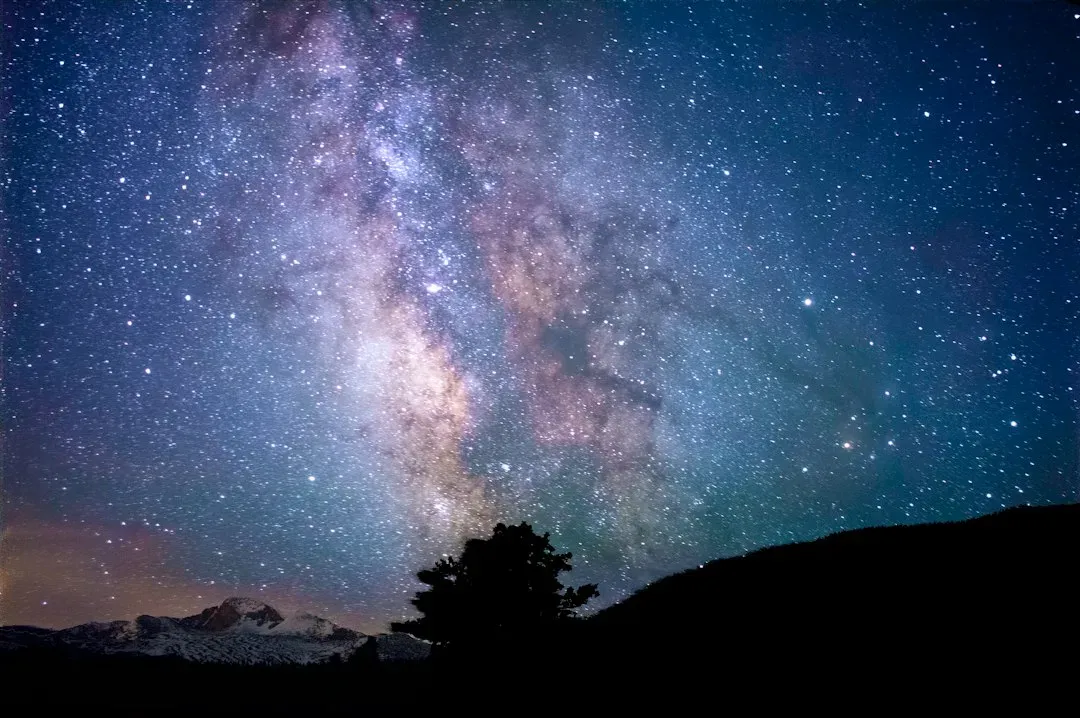
Under a truly dark sky, our home galaxy appears as a pale, uneven band stretching from horizon to horizon. What you’re seeing is the combined glow of billions of stars along the plane of the galaxy, plus dark dust lanes that block the light behind them. From the northern hemisphere, the brightest core region is best placed in summer evenings.
Light pollution is the main obstacle. Many people in cities have never seen it, because skyglow washes out the faint band. A rural area or a designated dark sky park, on a night with no Moon, gives the best chance.
Venus, the Brilliant Evening and Morning Star
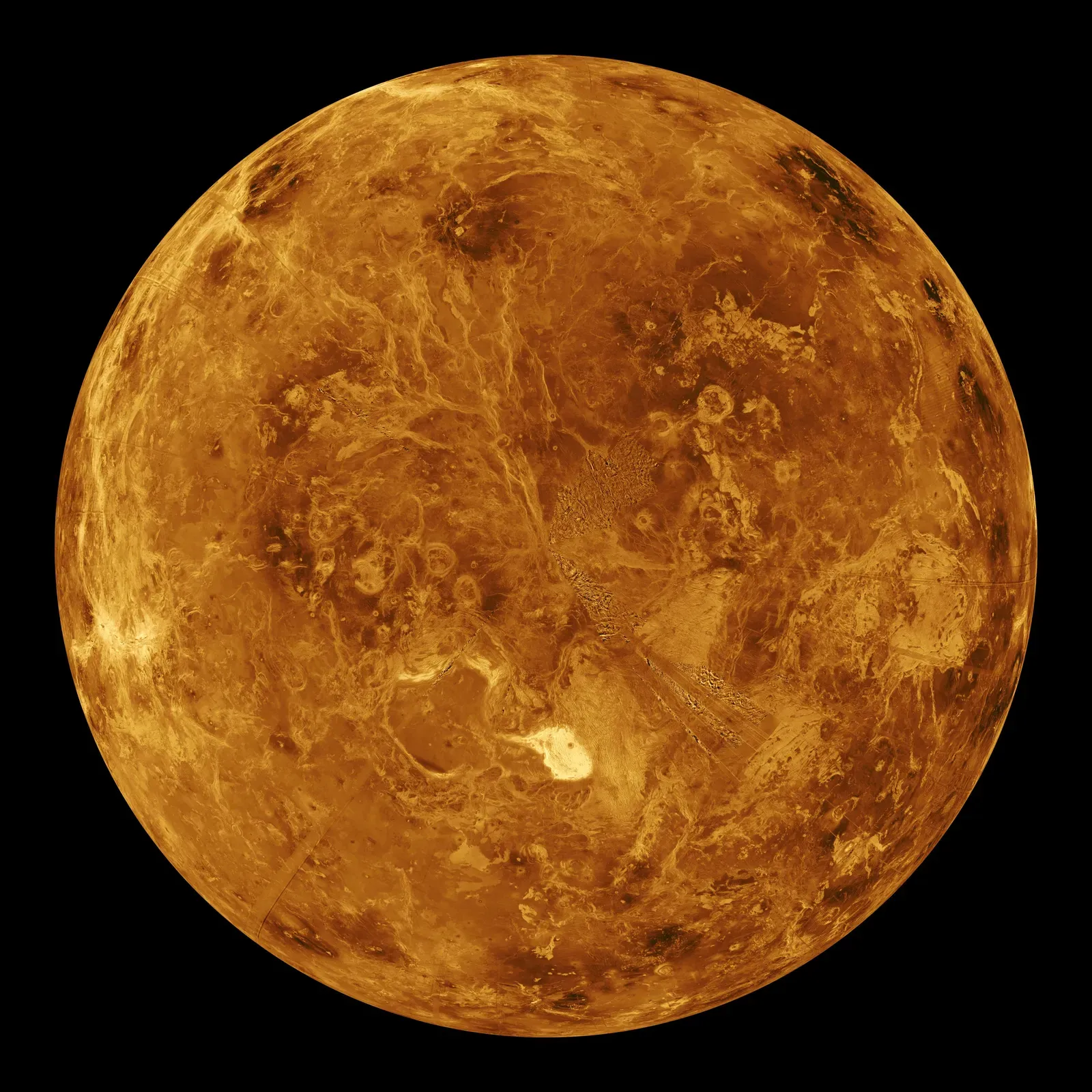
Venus is the brightest planet in our sky, often outshining every star. It sits closer to the Sun than we do, so it only appears low in the west after sunset or in the east before sunrise. That’s why it earned the nicknames evening star and morning star.
The brilliance comes from thick clouds that reflect sunlight very well. It’s steady and doesn’t twinkle much, which is a quick way to tell it from an airplane or a star. Check a sky calendar, since its visibility shifts over months.
Jupiter, the Steady Giant
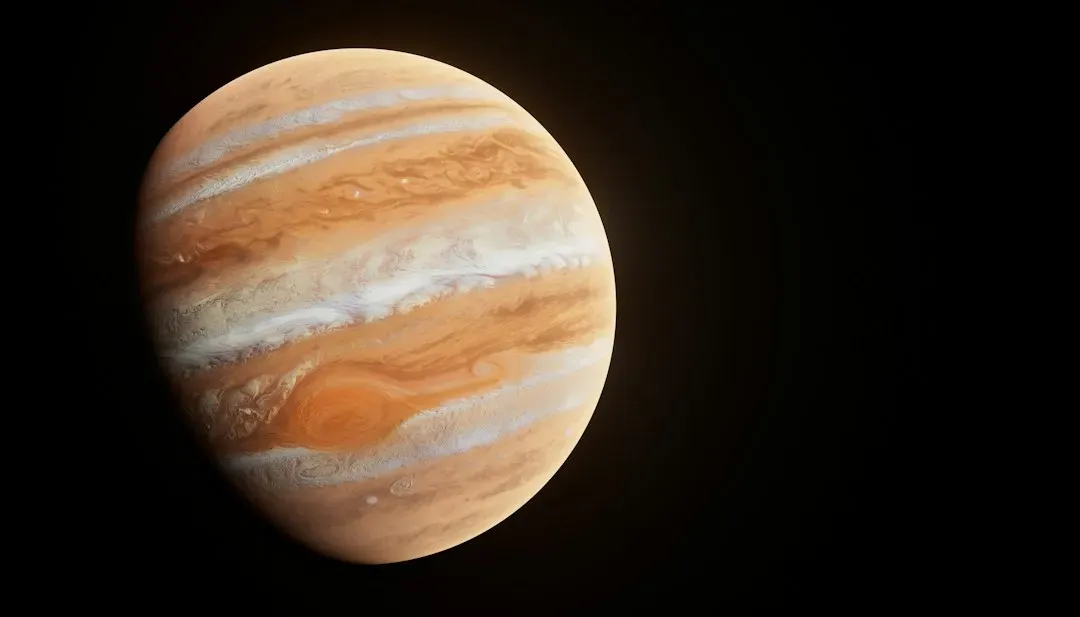
Jupiter is the largest planet in the solar system, and it shines as a bright, creamy white point that can rival Venus when conditions are right. It takes about twelve years to circle the Sun, so it spends roughly a year in each zodiac constellation. That slow drift makes it easy to follow from season to season.
Planets tend to shine with a steadier light than stars, which flicker as their light passes through our atmosphere. If a very bright object isn’t twinkling much, it’s likely a planet. Free apps and star charts can confirm which one you’re looking at.
Saturn and Mars as Wandering Points of Light
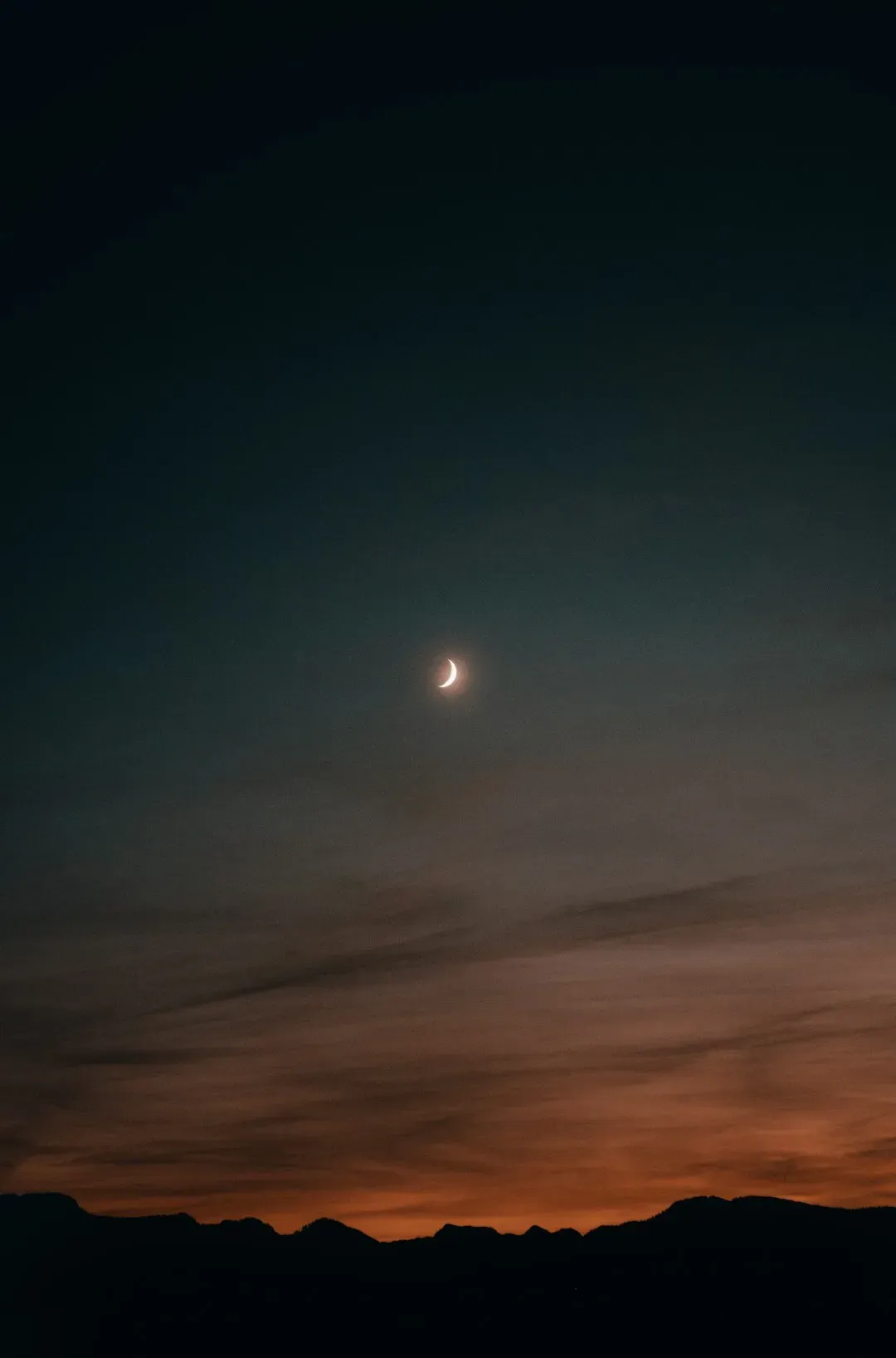
Saturn looks like a modest, yellowish star to the unaided eye. You won’t see the rings without optics, but its steady glow and slow movement against the background stars are still satisfying to spot. It takes around twenty nine years to complete one orbit.
Mars stands out for its orange tint. Its brightness swings widely, because Earth passes close to it only about once every two years or so. When it’s near its best, it’s one of the most striking colored dots in the sky.
The Orion Nebula
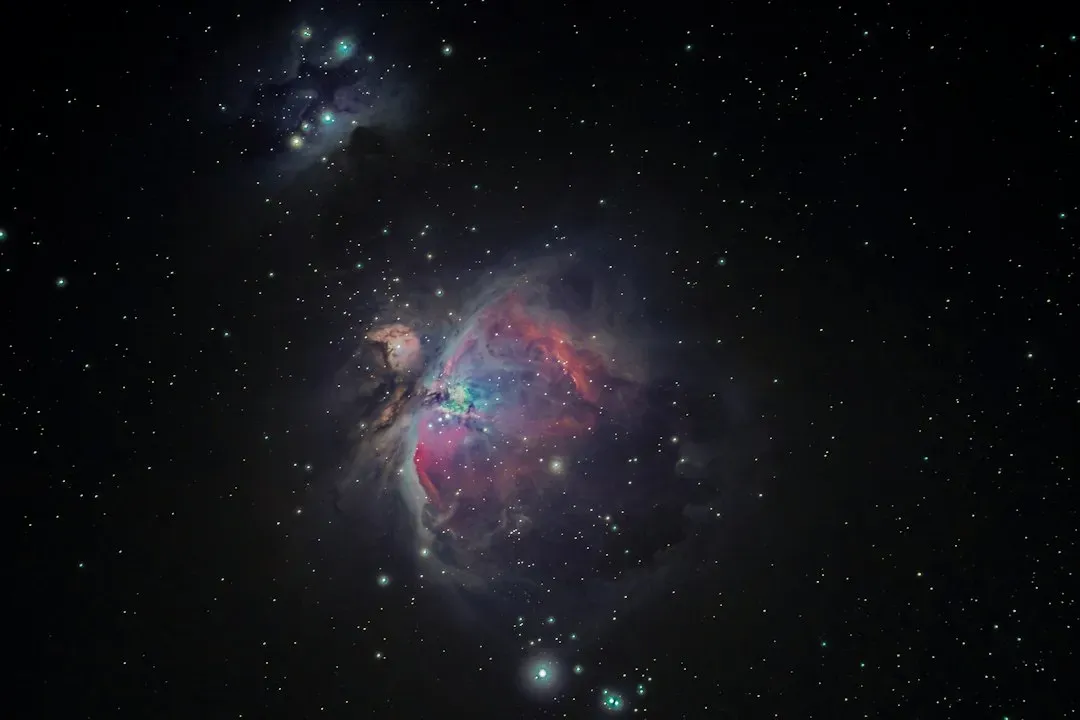
Look at the sword hanging below the three belt stars of Orion in winter, and the middle star appears slightly fuzzy. That blur is the Orion Nebula, a vast cloud of gas where new stars are forming. It lies about thirteen hundred light years away.
It’s among the few star forming regions visible without any equipment. Dark skies show it best, though it can still be glimpsed from modest suburbs. Binoculars improve the view, but they aren’t required.
The Andromeda Galaxy
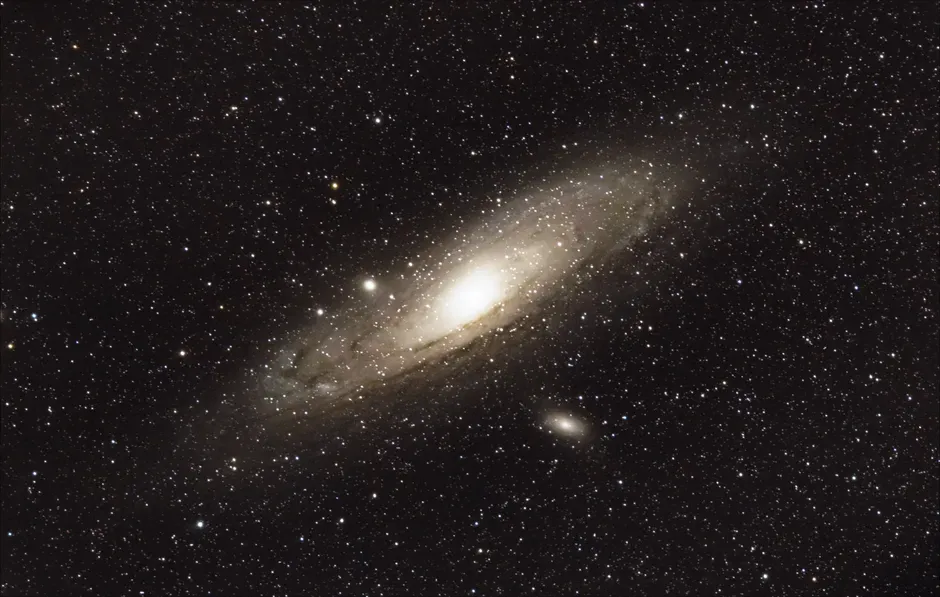
Andromeda is the most distant thing most people can see unaided, at around two and a half million light years. On a clear, dark autumn night, it looks like a faint, elongated smudge. The light reaching you left it before modern humans existed.
To find it, use the W shape of Cassiopeia or the Great Square of Pegasus as a guide. Looking slightly to the side of the spot, a trick called averted vision, makes faint objects easier to notice. It’s subtle, but that’s part of the appeal.
The Pleiades Star Cluster
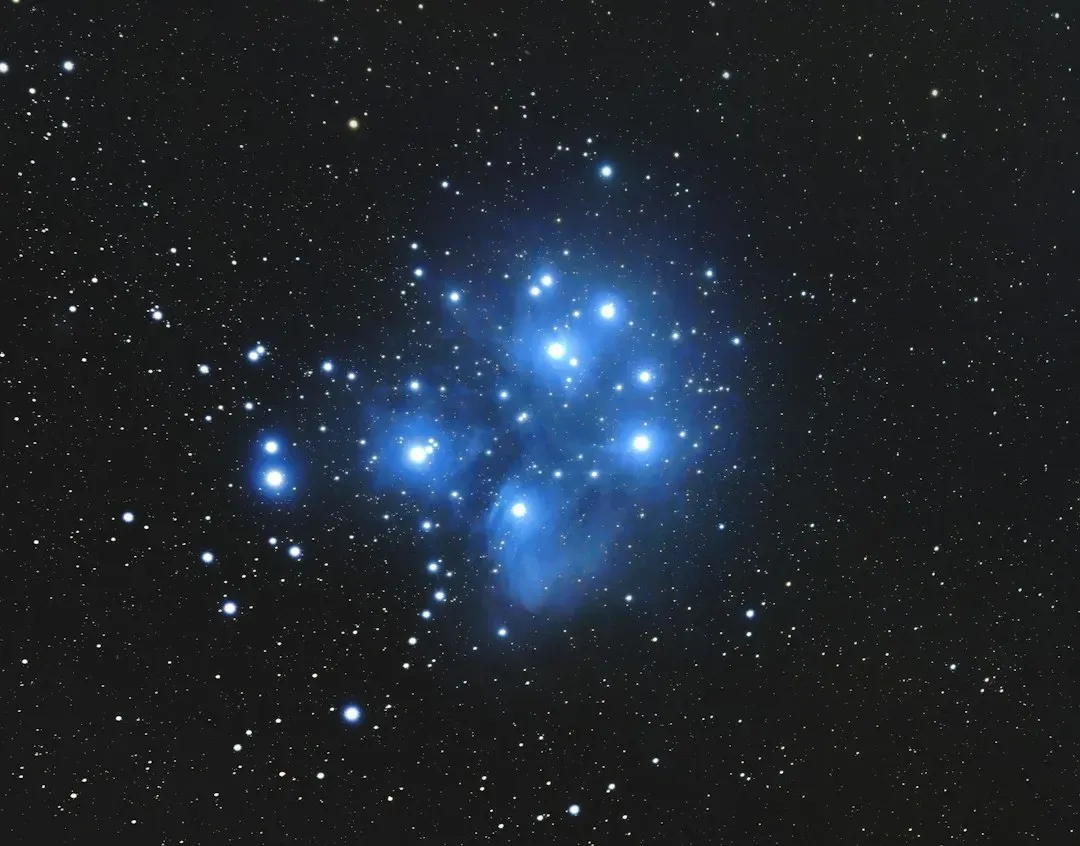
The Pleiades, also called the Seven Sisters, is a tight cluster that looks like a tiny dipper. Most people with good eyesight count six or so stars, while sharp eyes under dark skies can pick out more. In reality the cluster holds hundreds of stars, roughly four hundred forty light years away.
It’s easy to spot from autumn through winter in the northern hemisphere, and it appears in the traditions of many cultures. Its bluish tint comes from hot, young stars. A quick glance is enough to recognize it once you know the shape.
Meteor Showers Like the Perseids and Geminids
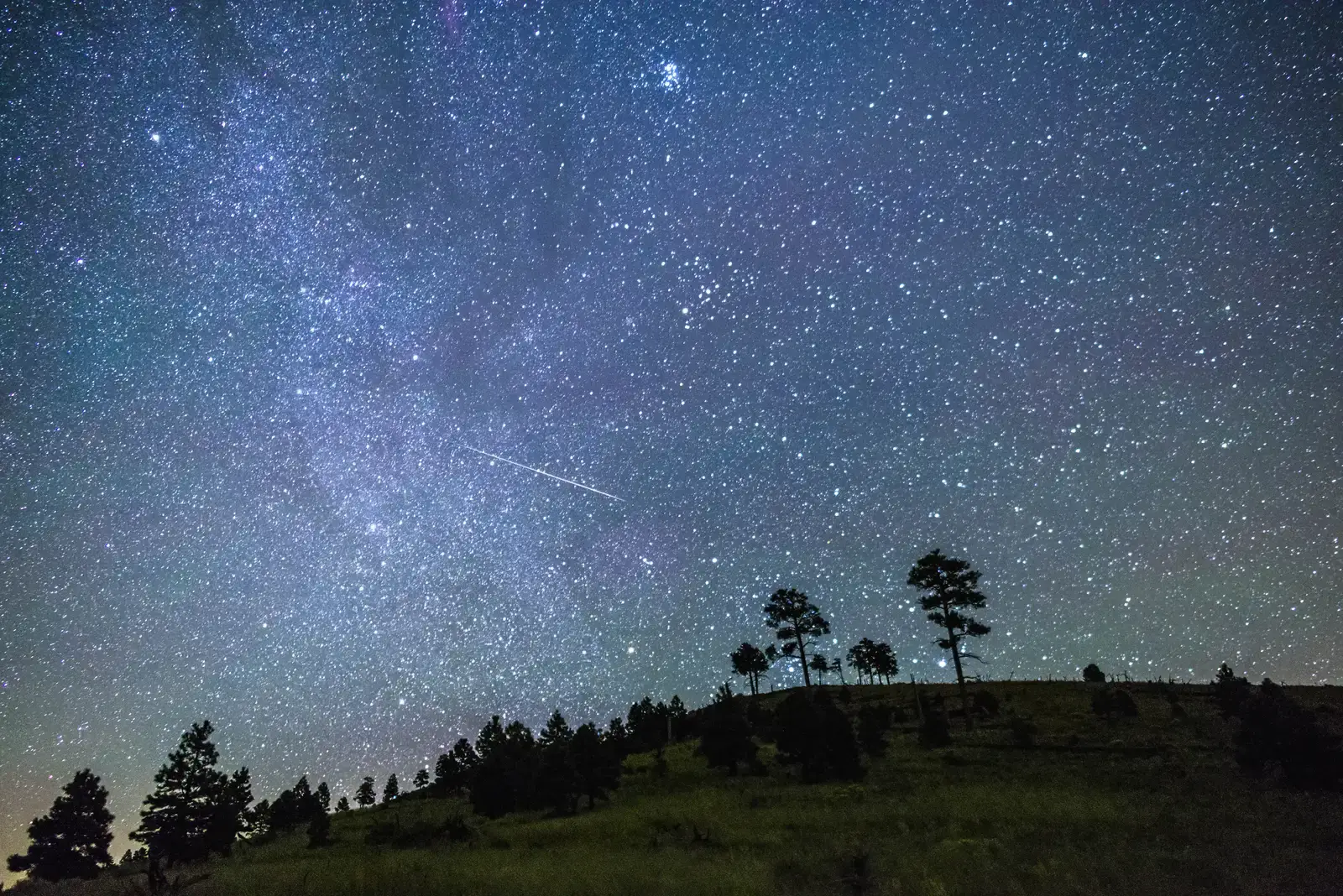
Meteors are tiny bits of comet or asteroid debris burning up in our atmosphere, and most are no bigger than a grain of sand. The Perseids peak around the middle of August, and the Geminids peak in mid December. Under ideal conditions, both can produce around a hundred meteors per hour or more, according to the International Meteor Organization’s long running figures.
You don’t need to aim at a particular spot. Lie back, take in as much sky as possible, and allow a good stretch of time. A bright Moon can wash out fainter streaks, so check the lunar phase for the peak night.
The International Space Station
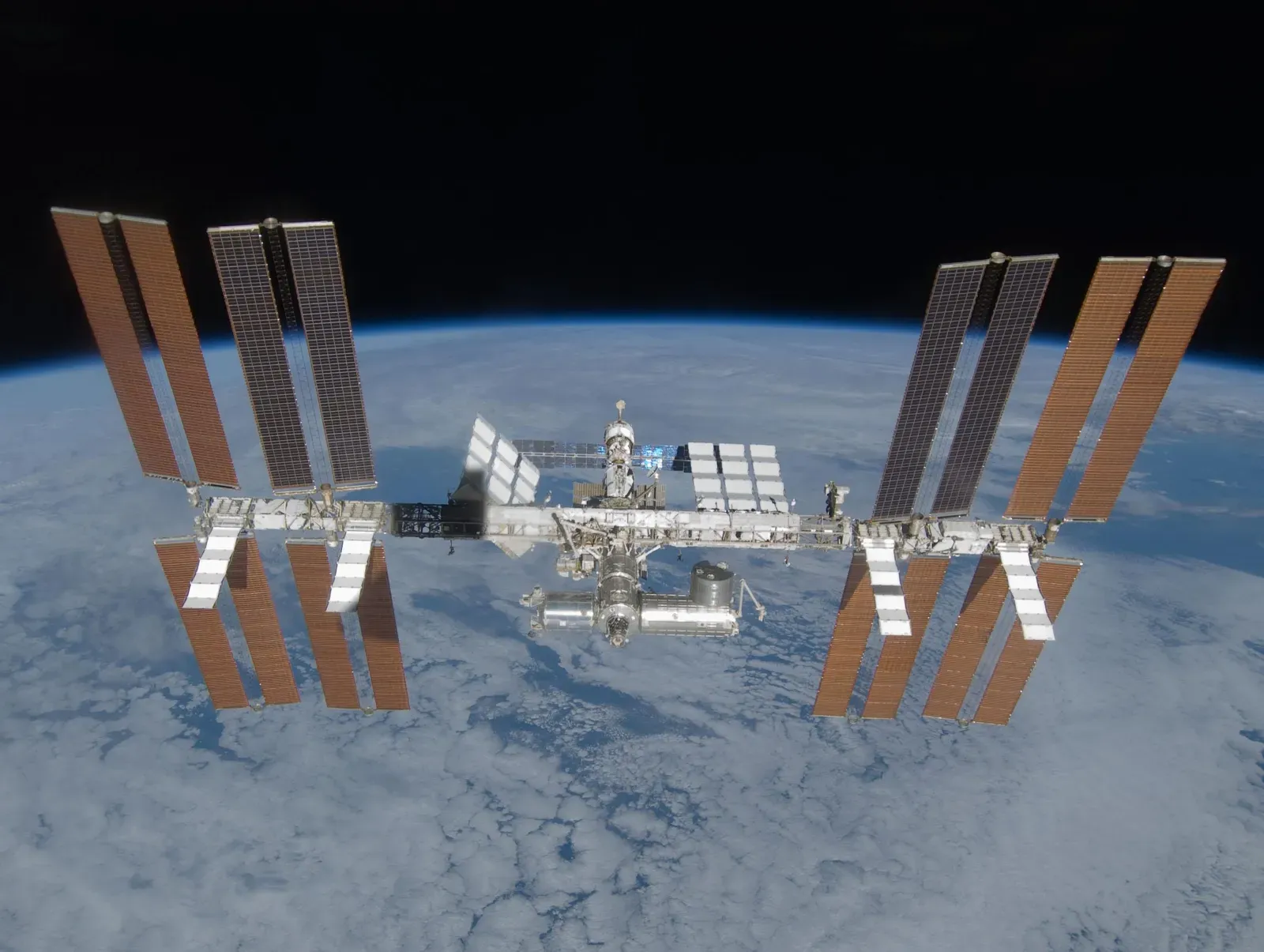
The ISS looks like a bright, fast star gliding silently across the sky with no blinking lights. It orbits about four hundred kilometers up and circles Earth roughly every ninety minutes, traveling at about twenty eight thousand kilometers per hour. A pass usually lasts a few minutes.
It shines because its large solar panels reflect sunlight while you’re standing in darkness. NASA’s Spot the Station service lists local sighting times and directions. It’s a good reminder that people live and work up there.
The Aurora Borealis and Australis
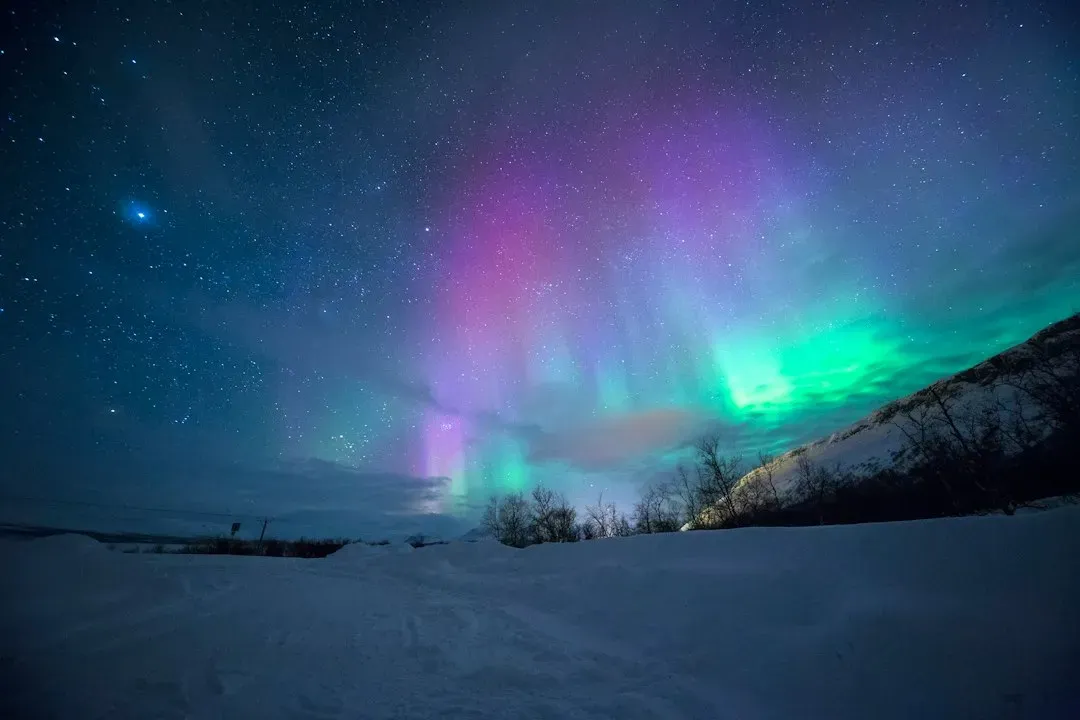
Auroras happen when charged particles from the Sun hit gases in Earth’s upper atmosphere, producing curtains of green, pink, and sometimes red light. The Sun has been in the active peak phase of its eleven year cycle, known as Solar Cycle 25, and NOAA and NASA announced in 2024 that it had reached the maximum period. During the powerful geomagnetic storm of May 2024, auroras were reported far from the usual polar regions, including in parts of the southern United States and Europe.
Northern Norway, Iceland, Alaska, and northern Canada remain the dependable spots, and Tasmania and southern New Zealand offer the southern version. Space weather forecasts from NOAA’s Space Weather Prediction Center help you judge when to head out. Cameras often capture more color than your eyes do, but the movement is something photos can’t fully convey.
A Total Solar Eclipse
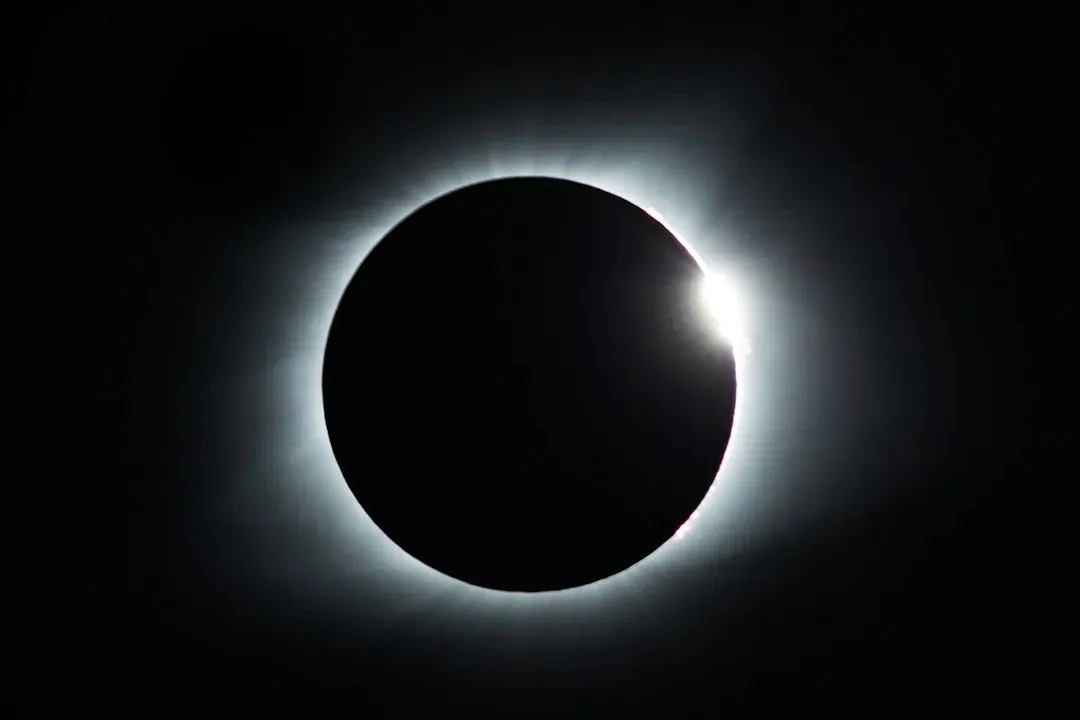
On August 12, 2026, the Moon’s shadow crosses Greenland, Iceland, and northern Spain, giving a total solar eclipse to those within the path. Elsewhere in Europe and parts of North America, a partial eclipse was visible. During totality, the daytime sky darkens, the temperature drops, and the Sun’s faint outer atmosphere, the corona, appears around the black disk.
Safety matters here. Looking at the Sun without certified eclipse glasses can damage your eyes, and only during the brief total phase is it safe to look without protection. Total lunar eclipses are far safer to watch, and a total one occurred on March 3, 2026, turning the Moon a coppery red.
