


- 10 Traditional Building Techniques From Hot Climates Architects Are Revisiting - November 10, 2026
- 2026 Atlantic hurricane season winding down? El Niño eases late-season storm threat - November 10, 2026
- Could the Great Pacific Garbage Patch be altering the ocean’s color? - November 10, 2026
Most of us glance at the extended forecast without thinking much about it. A little sun icon on day nine feels like a promise, even though we know better. The question is how much weight that icon deserves.
NOAA has put a number on it, and the figure is more modest than the confident graphics on our phones suggest. Understanding where that number comes from makes the extended forecast a lot easier to use.
What NOAA Actually Says
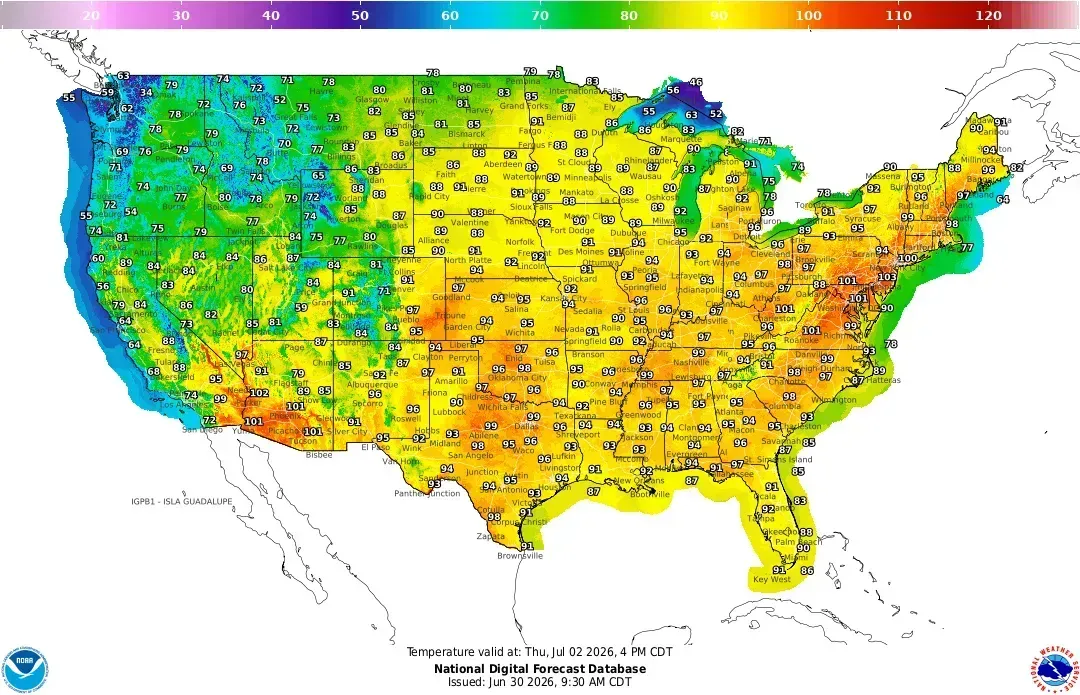
NOAA says a seven day forecast can accurately predict the weather about eighty percent of the time, and a five day forecast approximately ninety percent of the time. A ten day or longer forecast is only right about half the time.
That guidance appears in NOAA’s educational material on forecast reliability. One illustration there shows the first five days at ninety percent accuracy, days six and seven at eighty percent, and days eight through ten at only fifty percent. It’s a simple picture of a steady decline.
Why Accuracy Fades Over Time

Weather models start from a snapshot of the atmosphere, and that snapshot is never perfect. Tiny gaps in the starting data grow as the model steps forward in time. By the second week, those small errors can lead to quite different outcomes.
This is why forecasters talk about ranges rather than certainty. Near term forecasts lean on a well measured present. Long range ones lean on an estimate of an estimate.
Half the Time Does Not Mean a Coin Flip
It’s tempting to read “half the time” as pure chance. Some sources describe a ten or fourteen day forecast as barely better than flipping a coin. That’s a fair rough comparison, though it flattens the details.
In practice, the big picture often holds up better than the specifics. A forecast showing a major cold shift or a warm stretch may be pointing at something real, even if the exact day and temperature move around. Treat the trend as more trustworthy than the number.
How Forecasters Define Being Right
Accuracy depends on what counts as correct. One broadcast meteorologist writing about NOAA’s figures noted that a temperature spread of about three degrees either way is allowed. That tolerance affects how impressive the percentages look.
The same writer called half right at ten days impressive for that far out, and pointed out that forecasting looked very different decades ago. The same figure can read as disappointing or remarkable, depending on your starting point.
Rain Is the Hardest Part

Temperature tends to be easier than precipitation. Temperature follows large, slow moving air masses, while rain depends on moisture, localized lift and cloud processes that can shift by miles within hours.
So that rain icon on day eight deserves extra skepticism. Beyond about day five, rain or shine icons are closer to educated guesses than reliable predictions. If a wedding or hike depends on dry skies, check again as the date approaches.
What the Six to Ten Day Outlook Does Differently
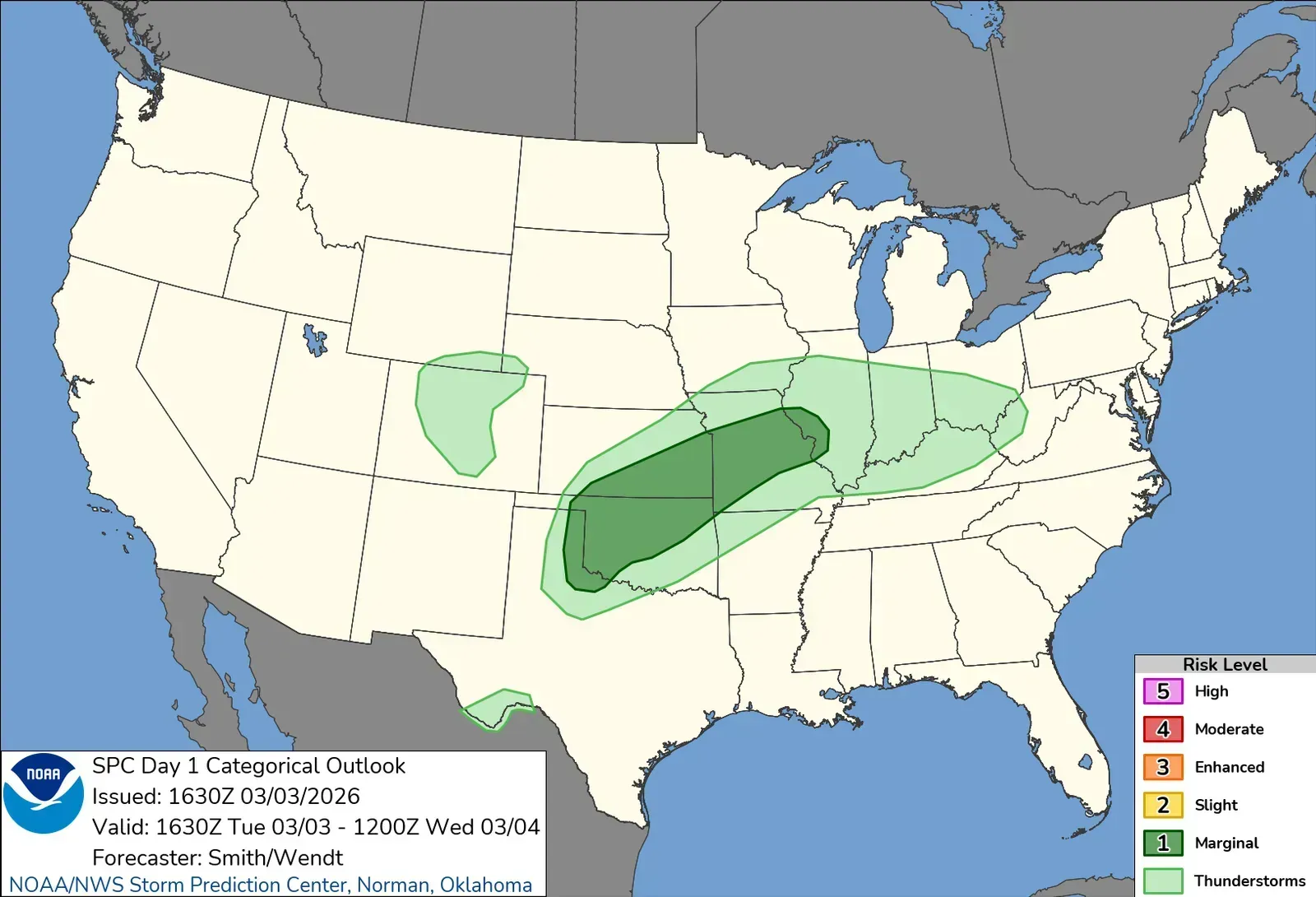
NOAA’s Climate Prediction Center takes a different approach for the longer range. Its outlooks show the probabilities of above, normal or below normal temperature and precipitation for the period, not a day by day prediction.
That framing is more honest about uncertainty. The center updated its six to ten day outlook for October 30 to November 3, 2026, on October 24. It tells you which way the odds lean, not what will happen on a given afternoon.
Models Disagree, and That Is Useful Information
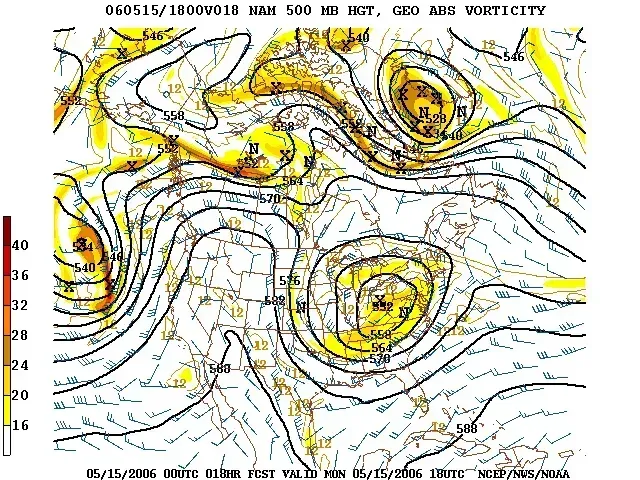
Forecasters rarely rely on a single model run. In an October 2026 discussion, the Climate Prediction Center described using the European, American and Canadian ensemble forecasts together. It noted that the ensembles were generally similar but differed in the phase and amplitude of key features.
When models agree, confidence rises. When they scatter, the honest answer is that the forecast is shaky. Some weather apps hide that spread, which is why a single icon can seem more certain than it is.
How to Use a Ten Day Forecast Sensibly
Use the far end of the forecast for direction, not detail. Ask whether it looks generally warmer, cooler, wetter or drier, then plan loosely. Hold off on firm decisions until the date is within about a week.
Check back often, since forecasts improve as events get closer. A seven day forecast is considered reliable enough for general planning. Anything past that is a first draft that will likely be revised.
The Practical Rule of Thumb

Within five days, trust the forecast for most everyday plans. Between six and seven days, expect small shifts. Past that, view it as a rough guide, right about half the time by NOAA’s own estimate.
For events that really matter, look at the trend now and the specifics later. Then recheck as the day nears.
