


- The Planet Where It Rains Liquid Glass – 7 Alien Worlds Defying Known Physics - November 14, 2026
- Stars Consuming Entire Worlds – 6 Planetary Systems Swallowing Their Own Worlds - November 14, 2026
- The Ground Liquefies Like Water – 6 Silent Fault Lines Geologists Watch Closely - November 14, 2026
Most meteor showers ask you to pick between comfort and a good view. The Geminids make that choice harder, because they arrive in the middle of a cold December. They are also one of the most dependable displays on the calendar.
The 2026 shower comes with some helpful timing. Here are the dates, the Moon’s role, and the practical details that decide how much you’ll see.
When the Geminids Peak in 2026
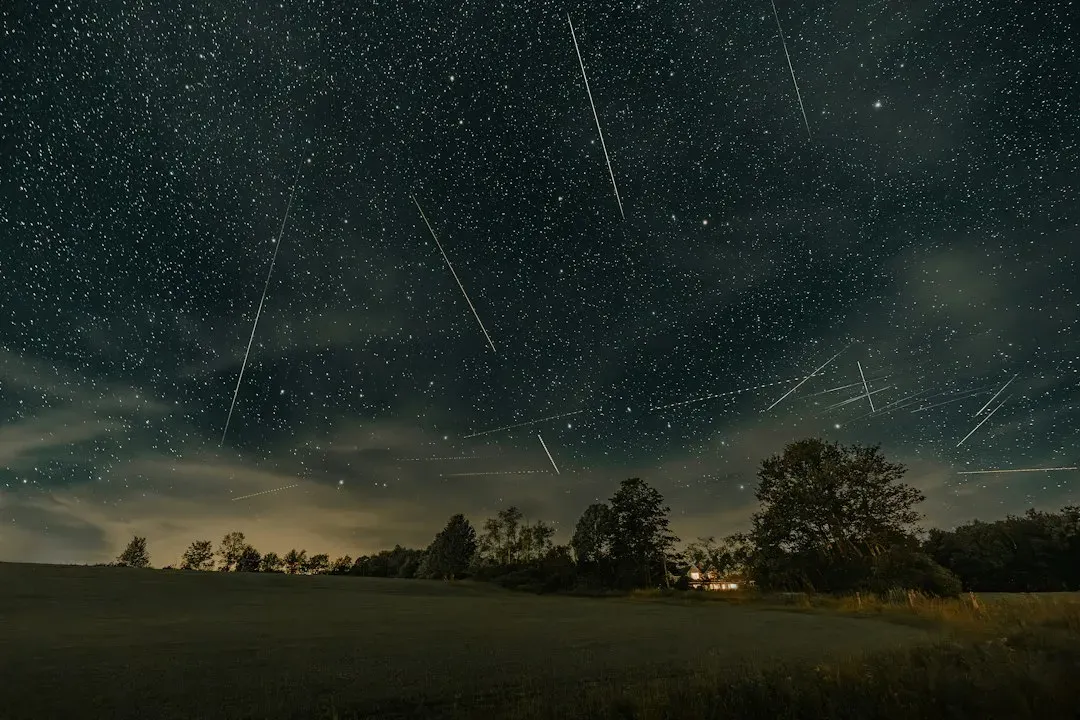
In 2026, the Geminid meteor shower will be active between 4 and 20 December and will peak on 14 December. For most observers that means the night of December 13 into December 14 is the one to circle.
The peak is fairly sharp. Unlike the Perseids, the Geminids have a relatively narrow and distinct peak, so choosing the correct night matters more. One computed estimate puts the maximum at December 14, 2026, 13:26 UTC, which is daytime in North America and Europe. Those regions will see the best of it on either side of that moment.
What “Up to 120” Really Means
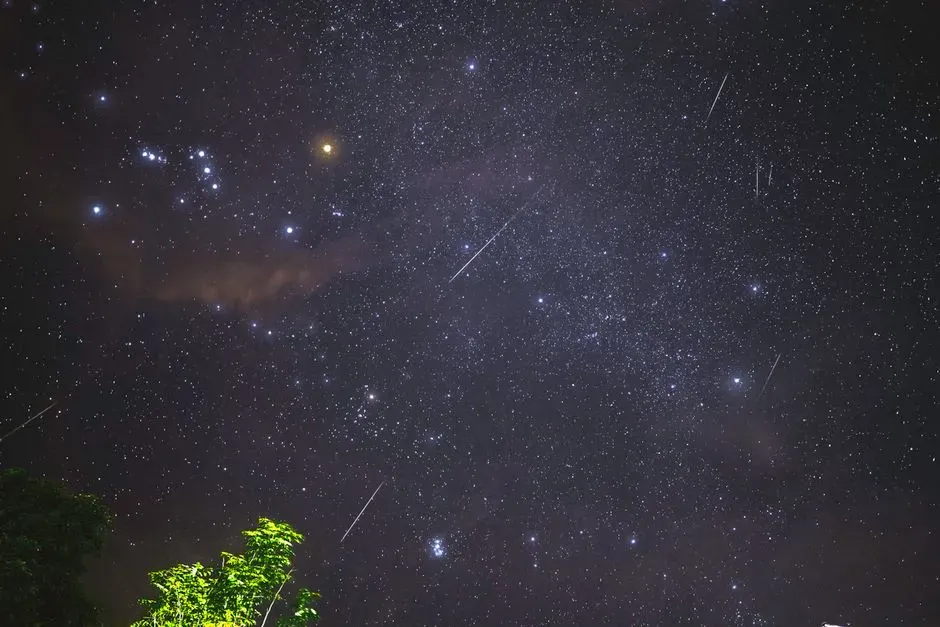
The Royal Museums Greenwich table lists a predicted rate of 120 meteors per hour at the maximum. Other sources quote a higher ceiling. Farmers’ Almanac gives 75 to 150 meteors per hour under dark skies.
These figures describe an ideal, called the zenithal hourly rate. It assumes a perfectly dark sky with the radiant overhead. From a suburban backyard you’ll count fewer, so treat the number as a ceiling and not a promise.
The Moon Is Mostly Out of the Way
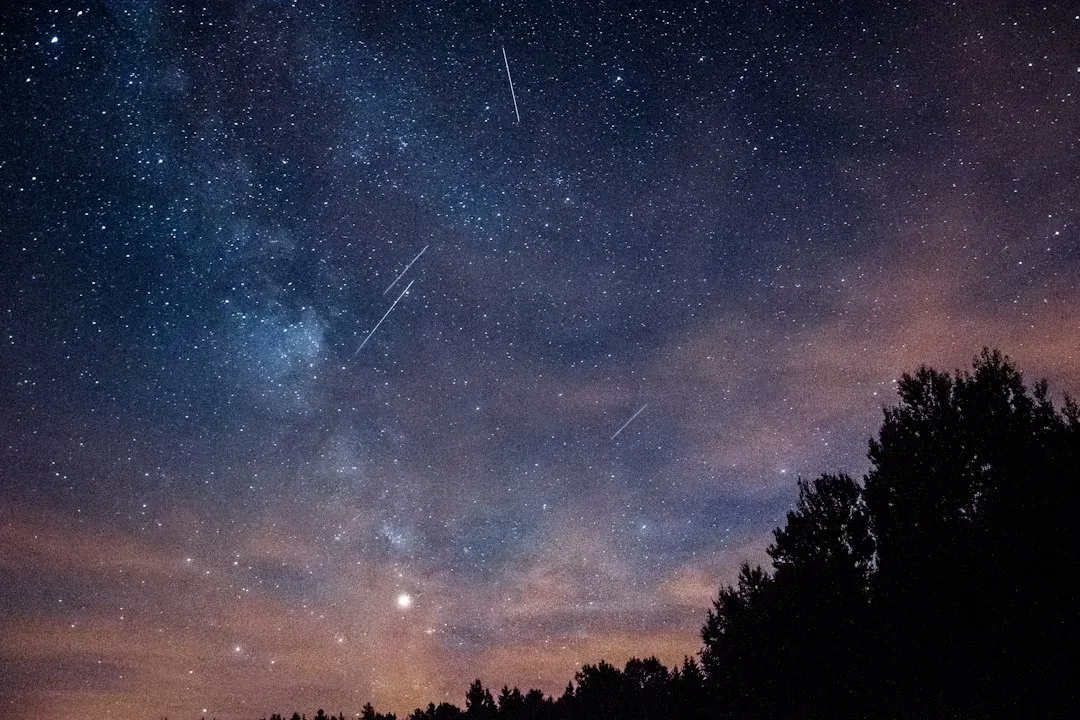
Moonlight can wash out faint meteors, and this year it should cause little trouble. New Moon lands on 9 December, and by the peak night the waxing crescent is only about 21% lit and sets during the evening. Estimates of the exact illumination vary a little between sources, but they all describe a thin crescent.
The Royal Museums Greenwich says that the Moon will set at around 9.20pm, so viewing conditions will be particularly good after this time. Your local setting time will differ, so check it for your town. That makes 2026 one of the best Geminid years in the near future, since 2027 falls on a full Moon.
Best Hours to Watch
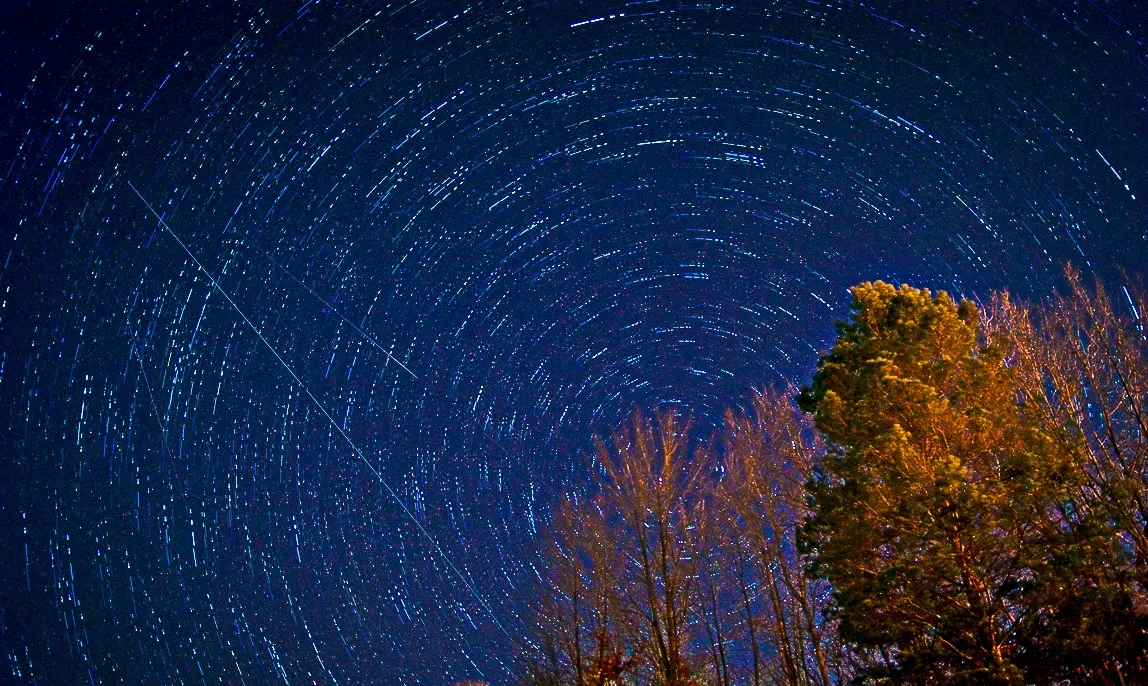
The radiant, the point the meteors seem to stream from, rises early enough to be useful. Northern observers do not have to wait until the final predawn hours for the radiant to become useful. That makes the Geminids friendlier than many showers that only deliver after 3 a.m.
Rates still climb as the night goes on. One guide recommends watching from midnight until dawn. A sensible plan is to start once the Moon has set, then stay as long as the cold allows.
Where the Meteors Come From
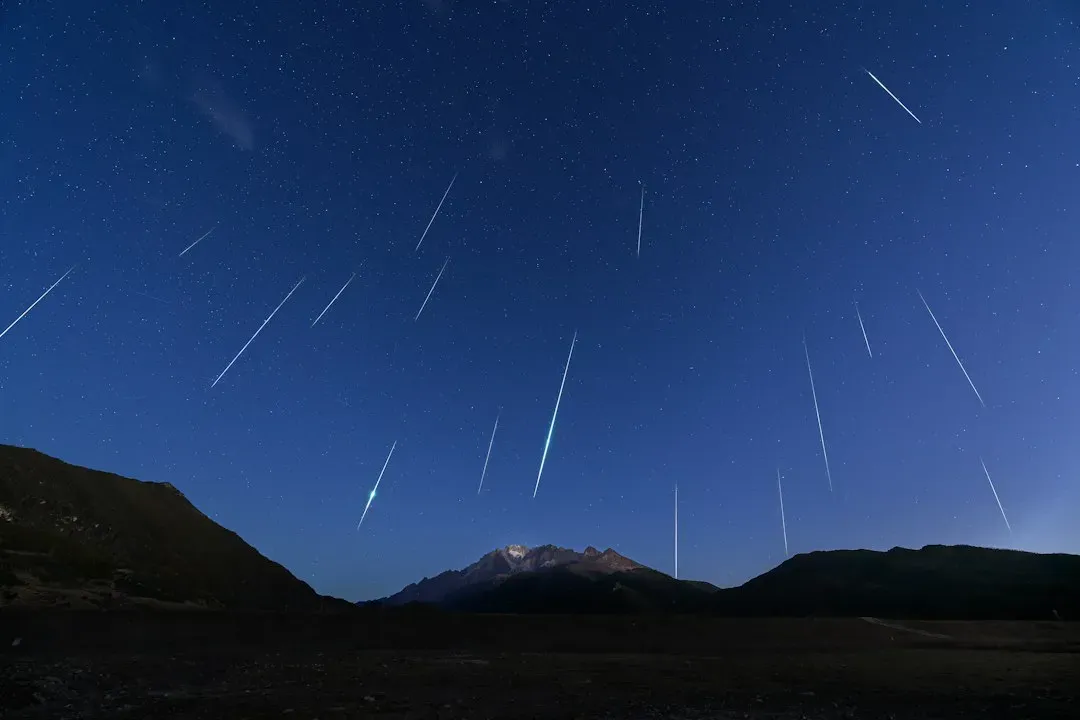
Most showers come from comets. The Geminids are an exception, since the shower comes from the trail of the asteroid 3200 Phaethon. Farmers’ Almanac also describes it as the only major shower from an asteroid, not a comet.
The debris hits the atmosphere at about 35 km/s, which is moderate by meteor standards. Many Geminids look slow and bright, and the Royal Museums Greenwich notes plenty of bright meteors, few trains.
Finding a Good Spot
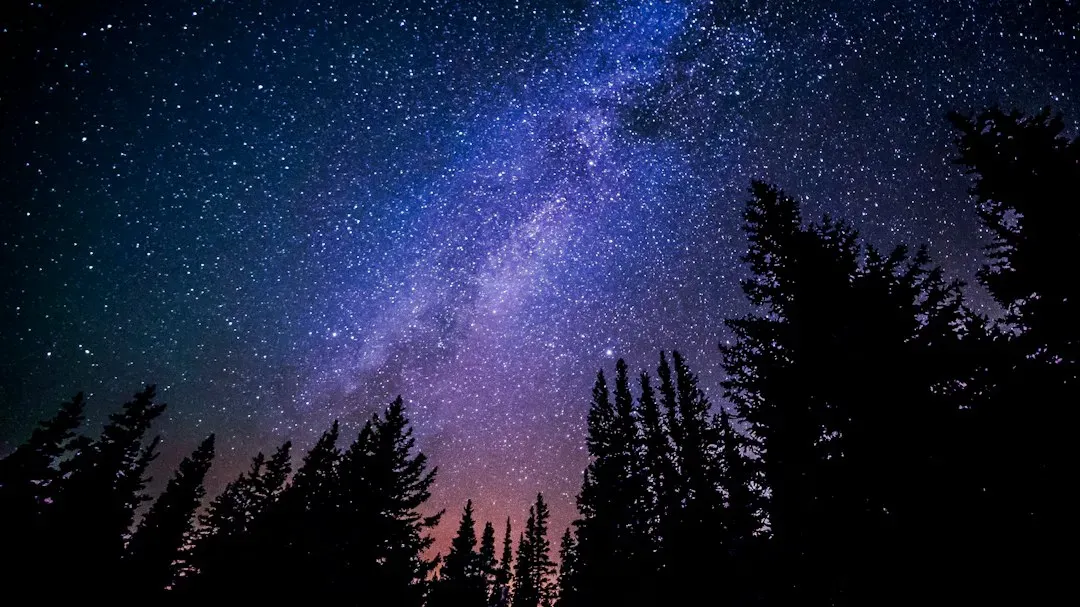
Darkness matters more than anything else you can control. Get away from streetlights, and pick a place with a wide, open view of the sky. A field, a beach or a quiet hilltop all work.
You don’t need to be precise about direction. Face generally toward Gemini, but watch the full sky, since meteors appear anywhere. Also, it is best not to look directly at the radiant, as this can limit the number of meteors you see.
What to Bring and Wear
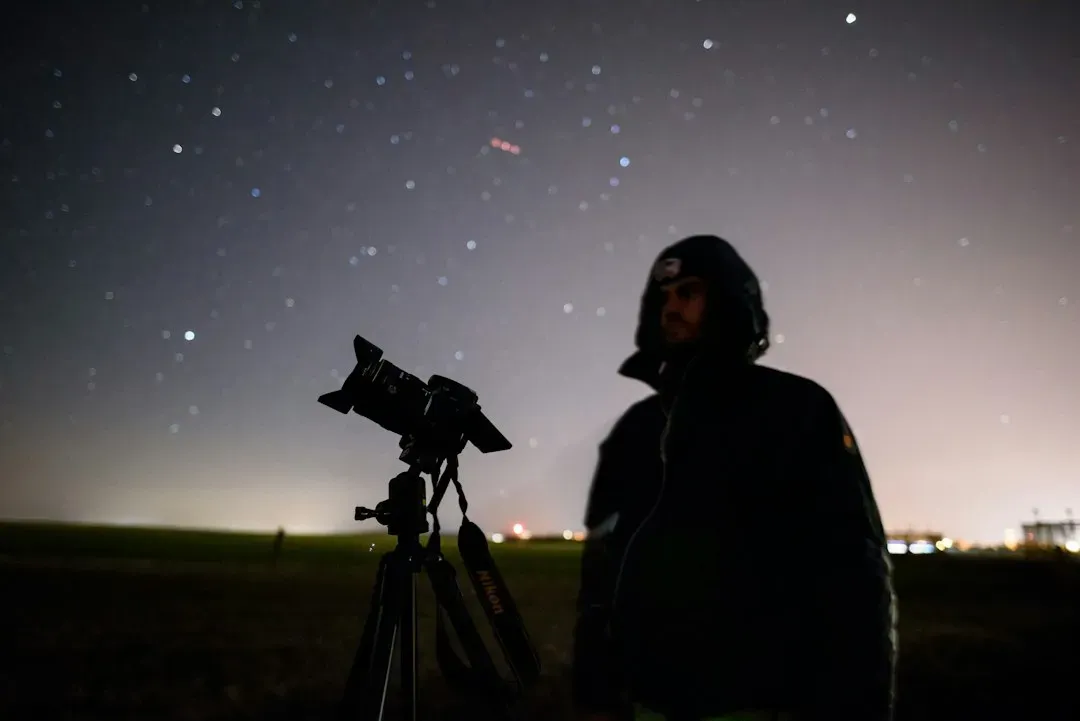
Dress warmer than you think you need to. Meteor hunting is a waiting game, so bring a comfy chair and wrap up warm, as you could be outside for a while. Hats, gloves, a blanket and a hot drink are more useful than any gadget.
You can leave the optics at home. Meteors can be seen with the naked eye, so there’s no need for binoculars or a telescope, though you will need to allow your eyes to adjust to the dark. Give yourself around twenty minutes without checking your phone.
Check the Night Either Side
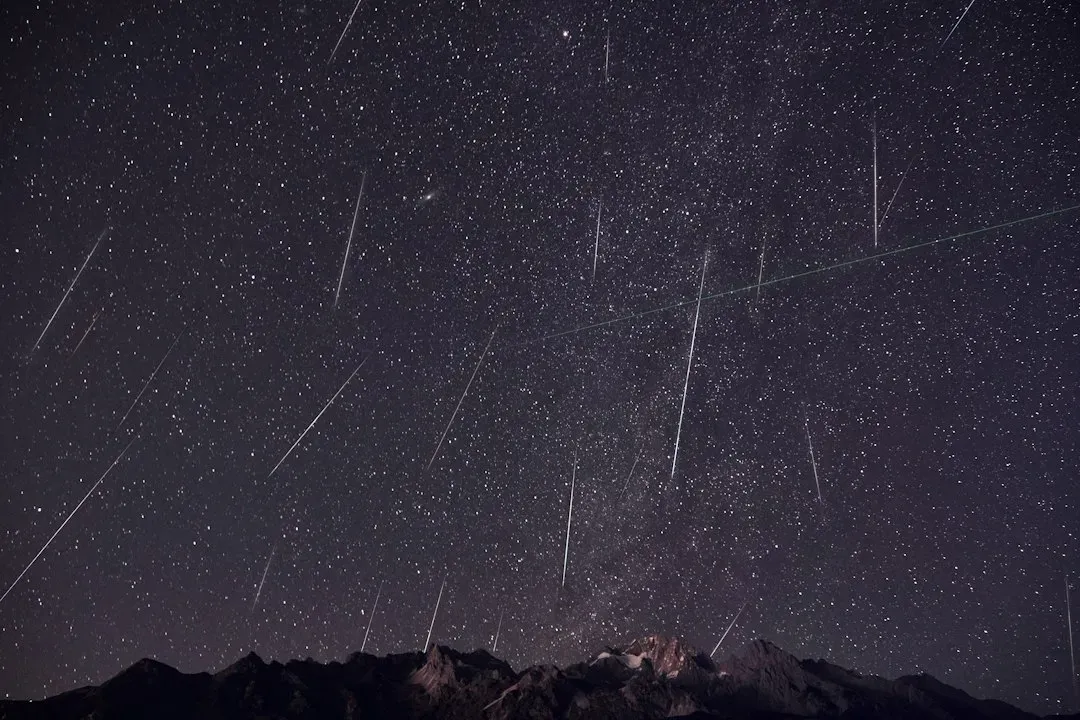
Weather can spoil a single night, so keep a backup. Meteor peaks are broad enough that the nights on either side are usually worth watching too. The shower is detectable across the whole active window, but the few nights either side of peak give the highest rates.
One viewing guide suggests comparing the nights of December 13 to 14 and December 14 to 15 in much of the United States. Local clouds and cold may decide the better session. A look at your forecast the day before is worth the minute it takes.
Photographing the Shower
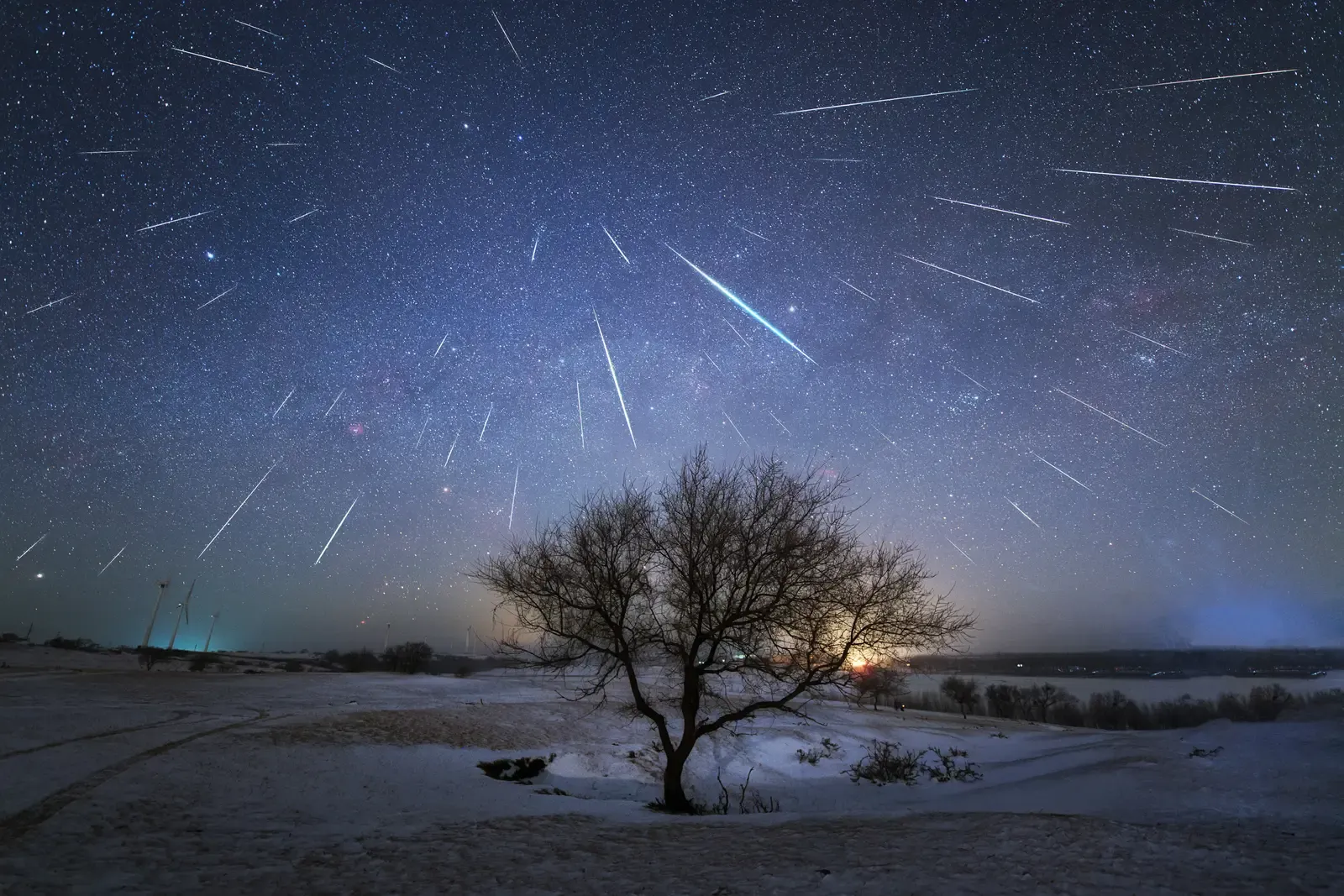
You can capture Geminids with a camera, though it takes patience. A tripod, a wide lens and long exposures are the basics, and a clear horizon helps. Point the camera at a wide patch of sky and let it run, because you can’t predict where a meteor will appear.
Many shots will show nothing, which is normal. Take a long series of frames over the best hours and sort through them later. The thin Moon this year means fewer washed out frames than in most seasons.
