
Asteroids don’t look like they should have much going on. They’re small, cold and far from anything we’d call a landscape. Yet some of them carry features that make Earth’s most famous peaks look modest.
The physics is odd out there. Gravity is weak, surfaces are loose, and slopes behave in ways that surprise people used to terrestrial geology. These six cases show how strange small worlds can be.
Vesta’s Giant Central Peak
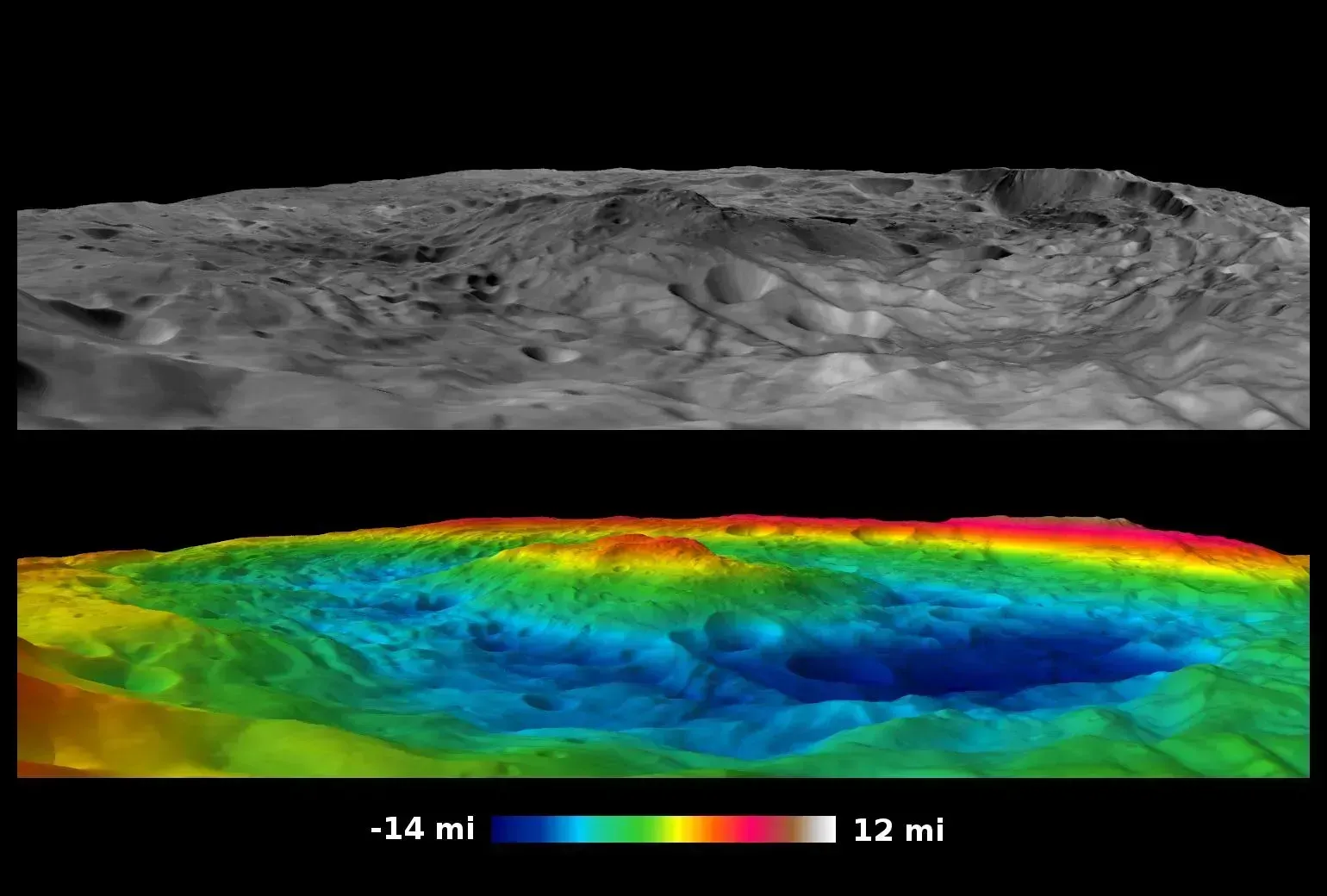
The asteroid Vesta holds the best known example of a mountain that outclasses Everest. NASA’s Dawn data showed it to be about 13 miles (22 kilometers) high, with a base about 112 miles (180 kilometers) wide. That makes it nearly three times as high as Everest, the tallest mountain on Earth above sea level.
Vesta itself isn’t huge. It has a diameter of 330 miles (530 kilometers). A peak of that scale on such a small body is why planetary scientists keep returning to it.
A Mountain That Rises From a Crater
The Vesta peak isn’t a normal mountain range. It rises from the center of a crater in the asteroid’s south polar region. Dawn’s higher resolution data showed that this crater, called the Rheasilvia Basin, is about 295 miles (475 kilometers) wide.
So the mountain is a leftover of an enormous impact, not the product of tectonic folding like Everest. Its height is also uncertain in the literature. Estimates for the Rheasilvia central peak run between 19 and 22 kilometers from peak to base.
Landslide Debris on Steep Slopes

The title’s idea of collapse has a real basis on Vesta. A widely shared report on Dawn imagery described the giant peak as surrounded by landslide debris. Steep slopes on a body this small can shed material, and the evidence is visible in the images.
I’d stay careful here. The sources I found don’t describe whole mountains dramatically collapsing in real time. What they show is a rugged region of rough topography, impact craters, grooves and steep scarps.
Where Vesta Sits Among the Solar System’s Giants
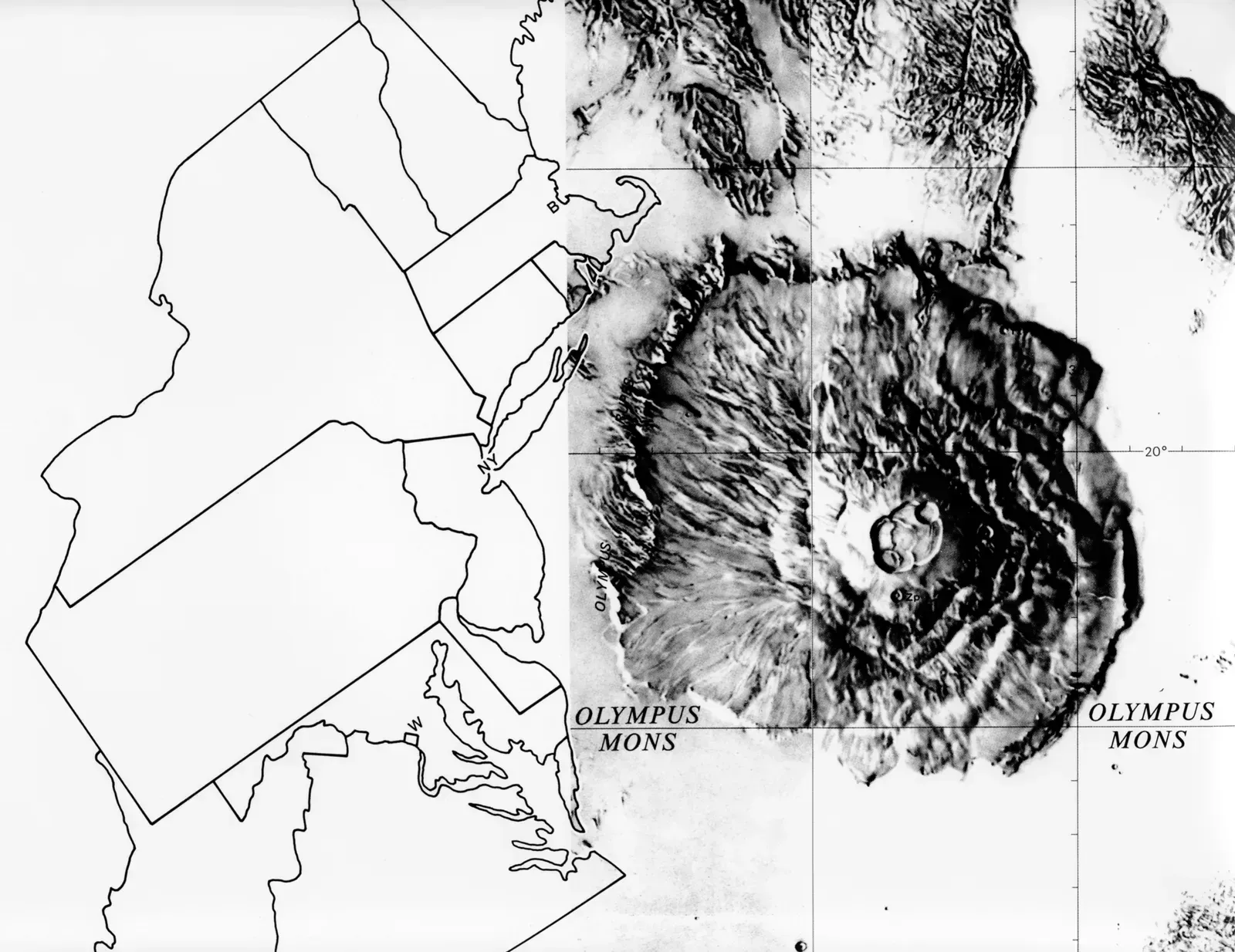
Vesta’s peak competes with the biggest mountains anywhere. Olympus Mons on Mars is possibly the tallest, with an altitude of 21.9 to 26 kilometers. The Vesta mountain is nearly as tall as Olympus Mons.
The comparison gets stranger with scale. Olympus Mons spreads 374 miles (624 kilometers) across, yet it sits on a planet, not on a rock a few hundred miles wide. For an asteroid to rival it is the odd part.
Ceres and Its Weak Gravity

Ceres, the largest object in the asteroid belt, shows how low gravity changes the rules. One analysis notes that its gravity is only about 2.7 percent of Earth’s. That means loose material falls slowly and settles gently.
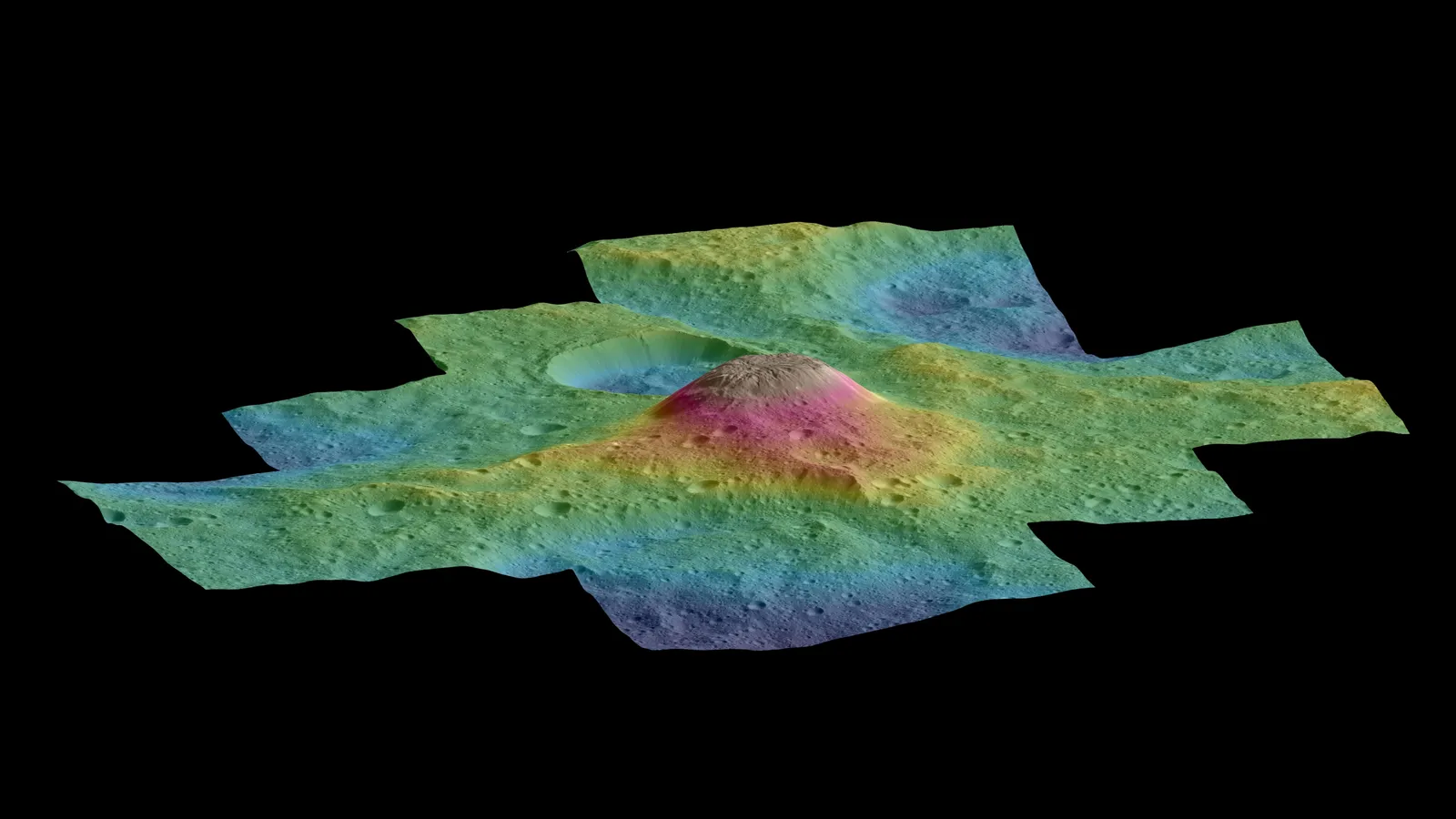
Ceres also has a standout mountain, Ahuna Mons, which Dawn showed to be a lone, steep dome of icy volcanic material roughly four kilometers tall. It’s far smaller than Vesta’s peak, but it stands alone on a smooth plain. That isolation makes it one of the belt’s more puzzling landmarks.
Rubble Pile Asteroids Like Ryugu and Bennu
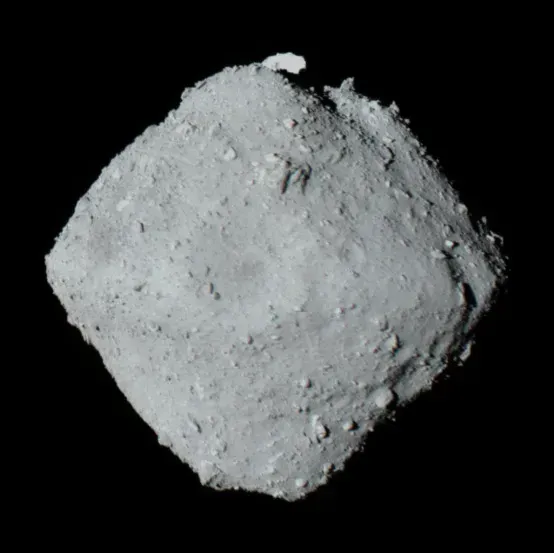
Not every asteroid is a solid rock with mountains. Ryugu and Bennu, both visited by sample return missions, are rubble piles, loose collections of boulders and dust held together mostly by weak gravity. Both have a spinning top shape, with a bulge around the equator.
Their surfaces are mobile. Bennu was seen throwing particles into space in 2019, and the sample from it reached Earth in 2023. In microgravity, a ridge or pile of rock can shift with very little push, which is why these small bodies are so hard to predict.

- I Asked AI and a Waste Auditor How to Cut My Household Trash – Where They Disagreed - November 12, 2026
- Einstein’s equations suggest gravity can reconnect like the sun’s magnetic field - November 12, 2026
- This Map Shows Which States Get the Most Severe Storms Each Year – And It’s Not What You’d Expect - November 12, 2026
