


- The Planet Where It Rains Liquid Glass – 7 Alien Worlds Defying Known Physics - November 14, 2026
- Stars Consuming Entire Worlds – 6 Planetary Systems Swallowing Their Own Worlds - November 14, 2026
- The Ground Liquefies Like Water – 6 Silent Fault Lines Geologists Watch Closely - November 14, 2026
Heat rarely makes dramatic footage the way floods or wildfires do. Yet it is one of the deadliest kinds of extreme weather, and Europe is now counting its victims in the tens of thousands each summer. The newest estimates, published this week, suggest summer 2026 was the worst in the records researchers have assembled.
This article walks through the best available research from 2024 to 2026. These numbers are modelled estimates, not exact body counts, and the studies use different methods, so they shouldn’t be compared too casually. Still, the direction they point in is consistent.
Summer 2026: The Deadliest Season on Record
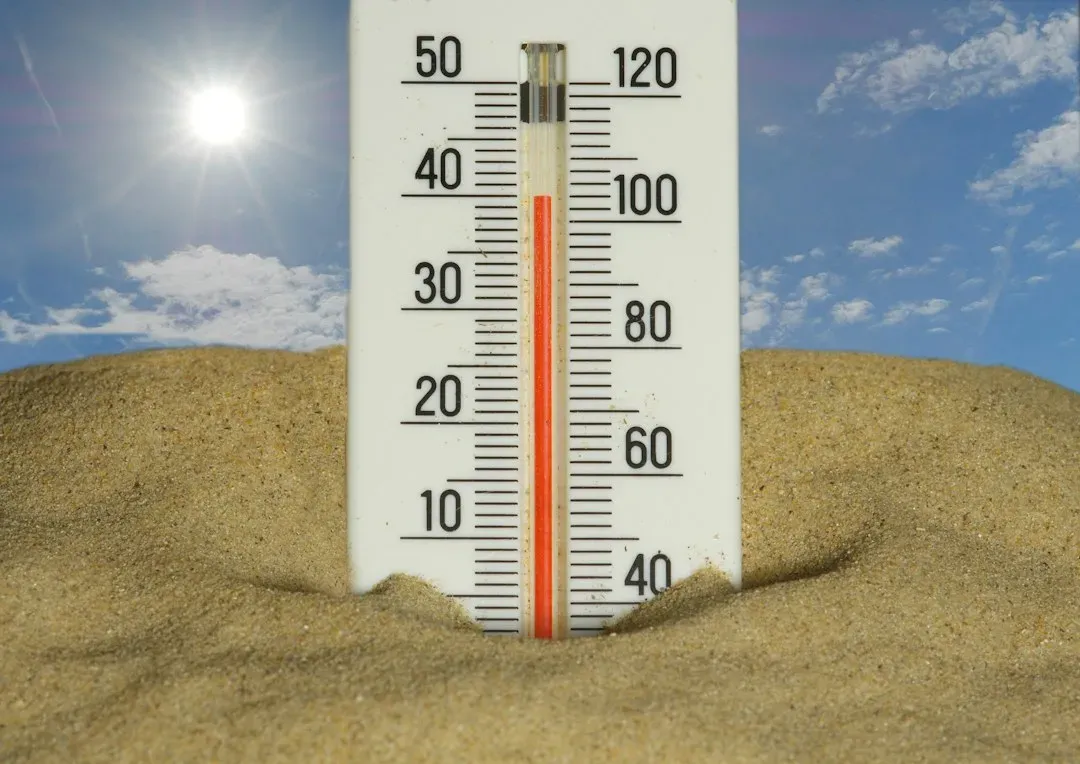
Scientists from Imperial College London and the London School of Hygiene and Tropical Medicine examined excess heat deaths in 854 cities from June 1 to August 31 this year, comparing them with data back to 2000. The modelled toll of 50,391 was the highest across those 26 years. That is almost double last year’s figure and more than 70% above the notorious 2003 and 2022 summers.
The researchers stress that this is probably an undercount. Their figures leave out a deadly heatwave in May and cover only the 854 cities, about 40% of Europe’s population. The real total across the continent, rural areas included, would therefore be higher.
The Late June Heatwave

A single spell did much of the damage. Nearly one third of the estimated deaths occurred between 17 June and 1 July, when average daily temperatures across the region were more than 5°C above the 1991–2020 average. On some days, temperatures were as much as 12°C above the seasonal average.
That concentration matters for public health planning. A short, extreme burst can overwhelm hospitals, care homes and emergency services in ways a steadier warm summer doesn’t. It also shows why early warnings and fast local responses carry so much weight.
Where the Toll Fell Hardest

Southern Europe usually dominates these tables, and 2026 followed the pattern in part. Italy recorded the highest estimated national toll at 13,303, followed by France with 7,268, Spain with 6,824 and Germany with 6,340. Naples topped the city list with 815 heat deaths per million inhabitants.
Yet the north wasn’t spared. Heat also had a substantial impact on parts of northern Europe with historically cooler summers, and in the UK researchers estimated roughly 4,500 deaths across 135 urban areas. Cooler countries often have fewer homes built or equipped to handle heat, which raises the risk when it arrives.
Who Is Most at Risk

Older people carry the heaviest burden. Those aged 85 and over accounted for an estimated 22,502 deaths, or 45% of the 2026 total. Doctors explain the biology simply: as people age, the body’s ability to regulate temperature through sweating and blood flow becomes less efficient.
Younger people die too, though in smaller numbers. Researchers estimated that around 6,000 of the 2026 deaths in the study occurred among people under 65. Heat can also worsen existing conditions, which is one reason the true toll is hard to pin down.
Summers 2022 to 2024 Set the Pattern

The 2026 shock follows several bad years. A Nature Medicine analysis estimated 62,775 heat-related deaths in 2024, far above 2023 (50,798) and somewhat below 2022 (67,873). The work covered 654 regions in 32 countries, representing 539 million people. Together, the three summers brought the total burden to more than 181,000.
That study used a different method from the 2026 city analysis, which explains why the totals differ. It looked at wider regions, urban and rural, and a longer season through September. Its lead author cautioned that such figures are not “ultimate and precise” numbers.
Climate Change Is Raising the Share
Attribution research tries to separate natural variability from human-driven warming. One Nature Health analysis found the share of estimated city heat deaths attributable to human-induced climate change rose from 39% in 2000 to 68% in 2025. For summer 2026 the figure was 65%, up from roughly 40% earlier this century.
The 2025 snapshot gives a sense of scale. Climate change was judged responsible for about 68% of 24,400 estimated heat deaths, raising daily temperatures by an average of 2.2°C. Europe is also the continent warming fastest, at twice the global average, according to the ISGlobal researchers.
Why Cities and Homes Are Struggling

Much of Europe’s building stock was designed for milder weather. Lead author Clair Barnes said infrastructure across much of Western and Northern Europe isn’t built for temperatures now made likelier by human-caused warming. Researchers call for cooling cities with more green space, reducing pollution and improving support for vulnerable people.
There is some encouraging evidence. The 2024 study showed that health emergencies can be forecast at least a week in advance, even for highly vulnerable regions and groups. Earlier research also credited past adaptation with likely saving thousands of lives, so prevention does work.
Conclusion

The evidence from 2024 to 2026 tells a consistent story. Heat deaths in Europe are numbered in the tens of thousands, they fall mostly on the elderly, and the share driven by climate change keeps climbing. The estimates carry real uncertainty, and the latest ones are fresh and still awaiting wider scrutiny.
Warming can’t be reversed quickly, but its deadliest effects can be blunted through cooler cities, better warnings and closer care for those at risk. Heat is quiet, but it doesn’t have to be ignored.
