


- Real Estate Analysts Just Changed Their Mind About the Safest Places to Buy – Here’s Why - November 12, 2026
- Black Holes Firing Beams at Near-Light Speed – 5 Cosmic Engines Warping Spacetime - November 12, 2026
- Silent Rogue Worlds Drifting in Total Dark – 6 Planets Ejected From Their Star Systems - November 12, 2026
Earth’s climate has swung between long glacial periods and warmer interludes for hundreds of thousands of years. Researchers now say human greenhouse gas emissions may be pushing the next glacial period far into the future. That sounds like good news at first. Scientists who study the question say it isn’t.
The claim rests on several lines of research published over the past decade. Some are older, such as a 2016 Nature study, and some are newer, such as a 2025 Science paper and a recent Science study on the Laurentide Ice Sheet. Together they show how long human influence on the climate could last. They also show why the delay shouldn’t be treated as a benefit.
What an ice age cycle actually is
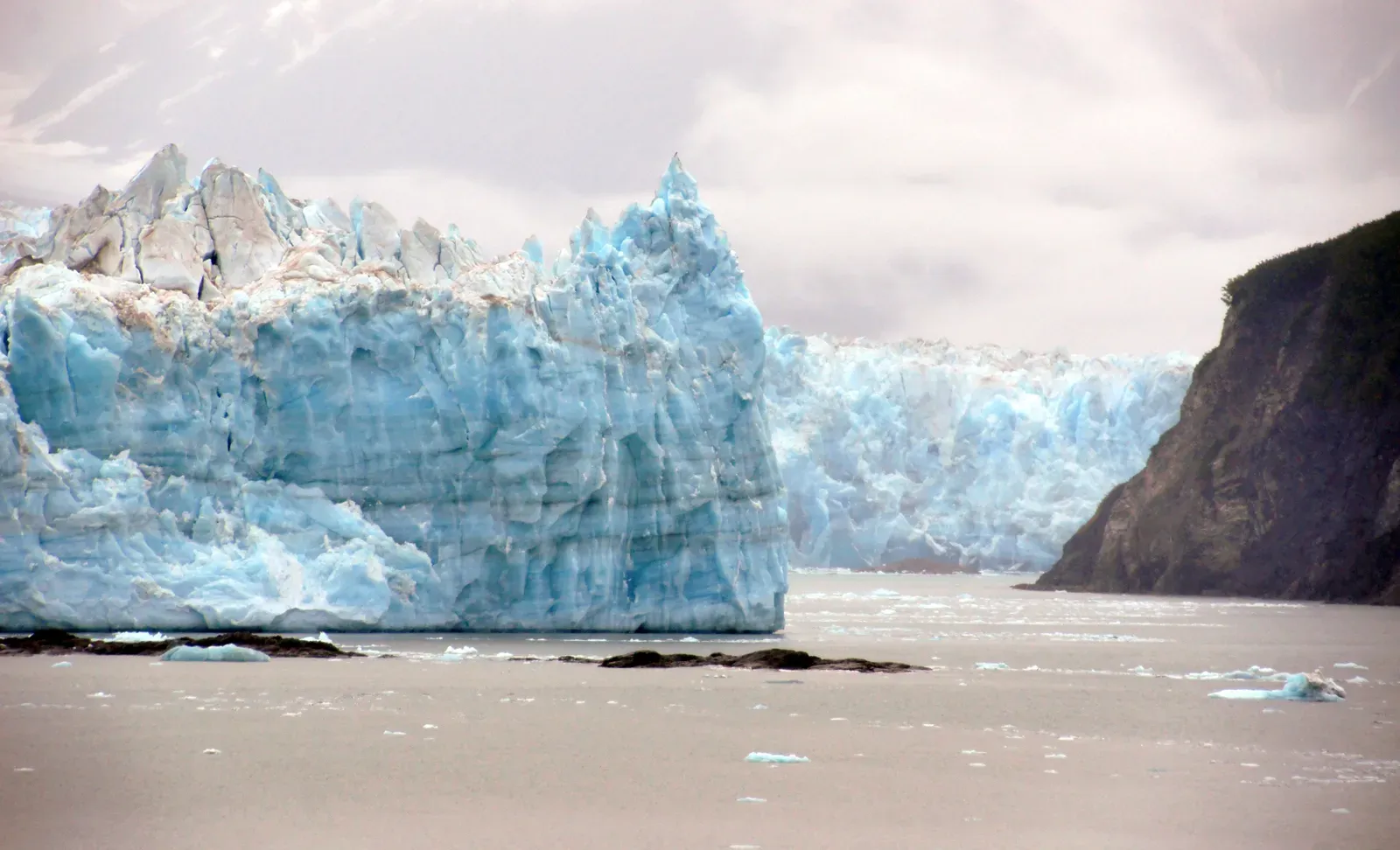
An ice age, or glacial period, is a stretch of long-term cooling in which ice sheets and glaciers grow. During ice ages there are cycles of glaciation, with ice sheets both advancing and retreating. Strictly speaking, we are still in a larger ice age that began tens of millions of years ago. Earth remains within a multi-million-year ice age cycle that started 34 million years ago.
When people say “the next ice age,” they usually mean the next glacial period inside that long cycle. The last glacial period ended about 11,700 years ago. We live in the warm interval that followed, called the Holocene.
The orbital clock behind glacial cycles
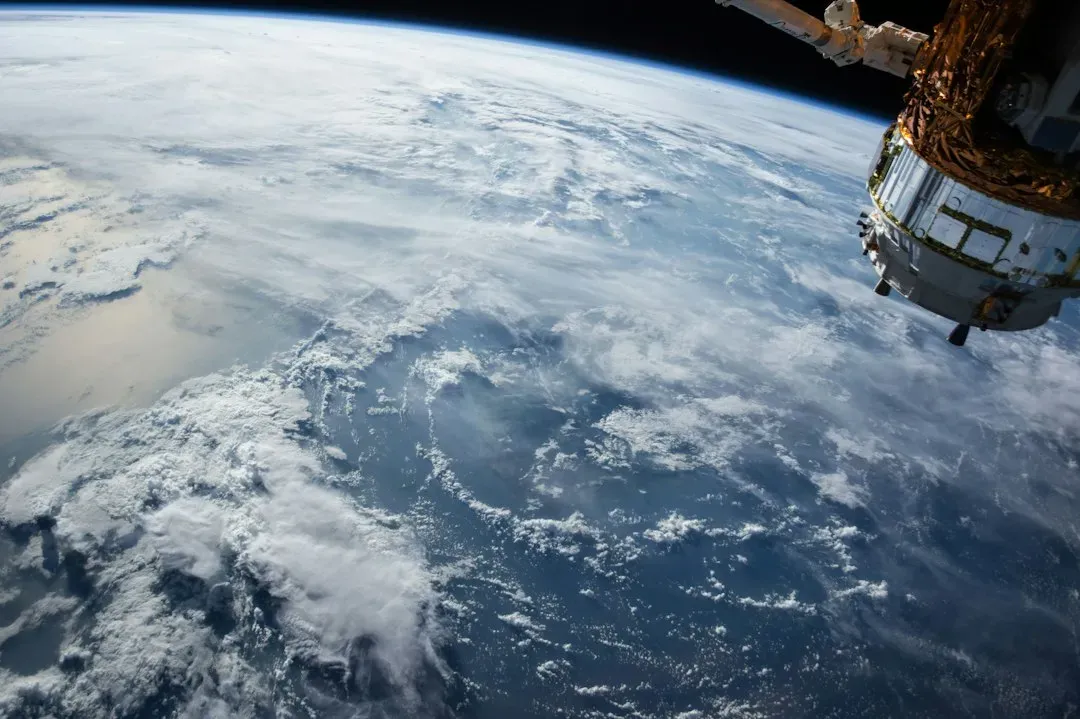
A 2025 study in Science, led by Stephen Barker, looked at how Earth’s orbit shapes these cycles. It found that every ice age over the past 900,000 years has occurred at a precise interaction between the tilt, wobble and shape of Earth’s orbit. The team analysed how temperatures rose and fell over time. They did not focus only on when ice ages began.
Co-author Lorraine Lisiecki said the result confirms that natural climate cycles over tens of thousands of years are largely predictable and not random or chaotic. That predictability is what lets scientists estimate when the next glaciation would have come without us.
When the next ice age would have arrived
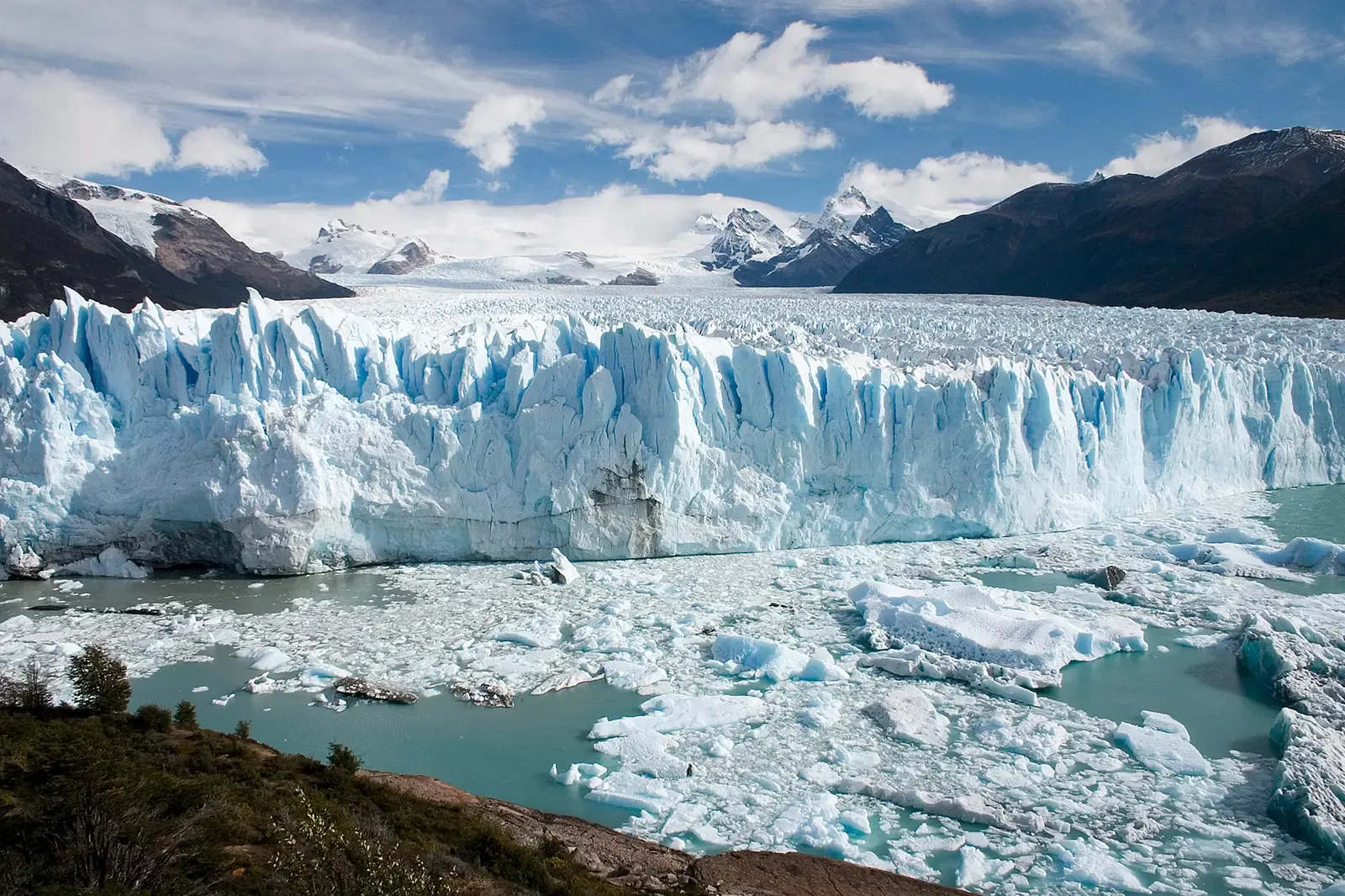
Estimates differ between studies, which is normal for a question this hard. In the 2025 work, Barker said that without human interference the next glaciation would “occur within the next 11,000 years, and it would end in 66,000 years’ time.” That is a natural baseline, not a forecast of what will happen.
An earlier study took a different approach. Lead author Andrey Ganopolski said that even without human-made climate change, a new ice age would be expected no earlier than 50,000 years from now. The two figures differ because the studies used different methods. Both agree the natural onset is thousands of years away.
How carbon dioxide could push the timing back
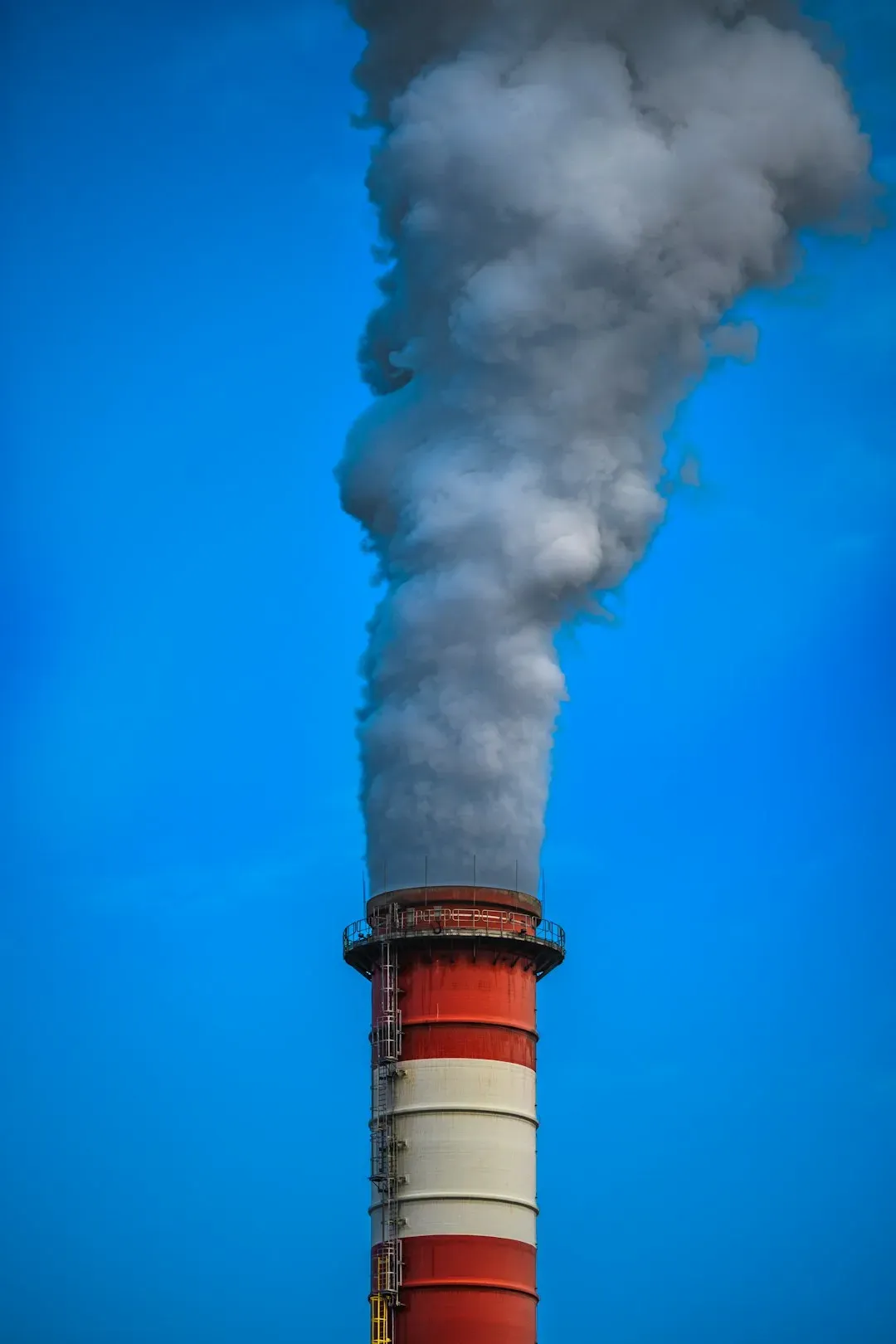
Carbon dioxide is the main reason emissions matter on these timescales. Ricarda Winkelmann, a co-author of the 2016 Nature study, pointed to the extremely long lifetime of anthropogenic CO2 in the atmosphere. Because the gas lingers, today’s emissions keep affecting climate long after they are released.
That study used an Earth system model that simulated the atmosphere, oceans, ice sheets and carbon cycle together. It concluded that moderate future emissions of 1000 to 1500 gigatons of carbon are bound to postpone the next ice age by at least 100,000 years. It is a model result, so it carries uncertainty. Still, it shows the scale of the effect.
New evidence about ice that started to grow again
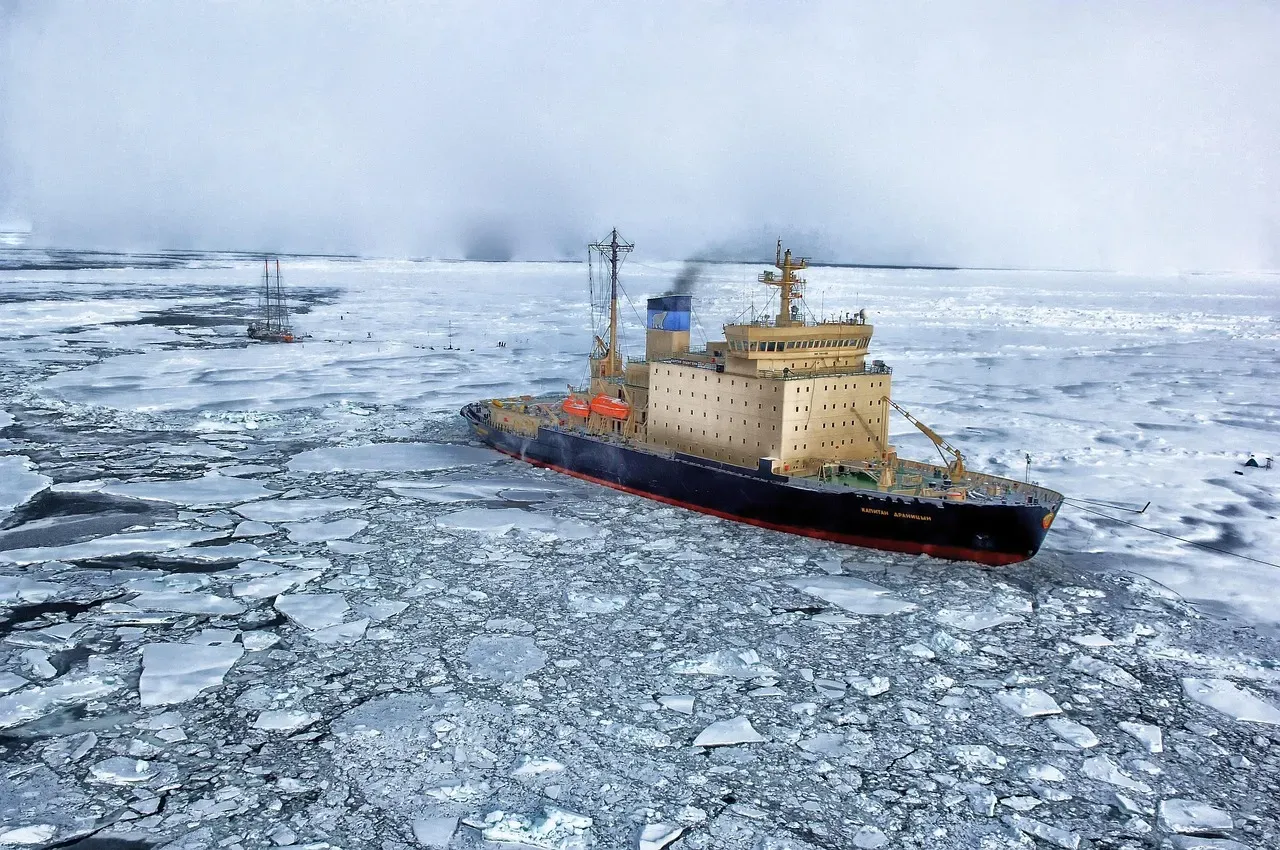
A recent study in Science, led by Nicolás Young of Columbia University’s Lamont-Doherty Earth Observatory, adds a different angle. It argues that human greenhouse gas emissions reversed the onset of a new ice age that began roughly 2,000 years ago. The team tracked ice margins in the Canadian Arctic that were expanding and covering mosses.
Not everyone accepts that reading. The interpretation that an ice age had actively begun has drawn debate within the paleoclimatology community. Traditional models usually require large ice sheets before they declare a glacial inception. So this finding is best seen as a provocative new argument and not a settled conclusion.
Why scientists don’t call it good news
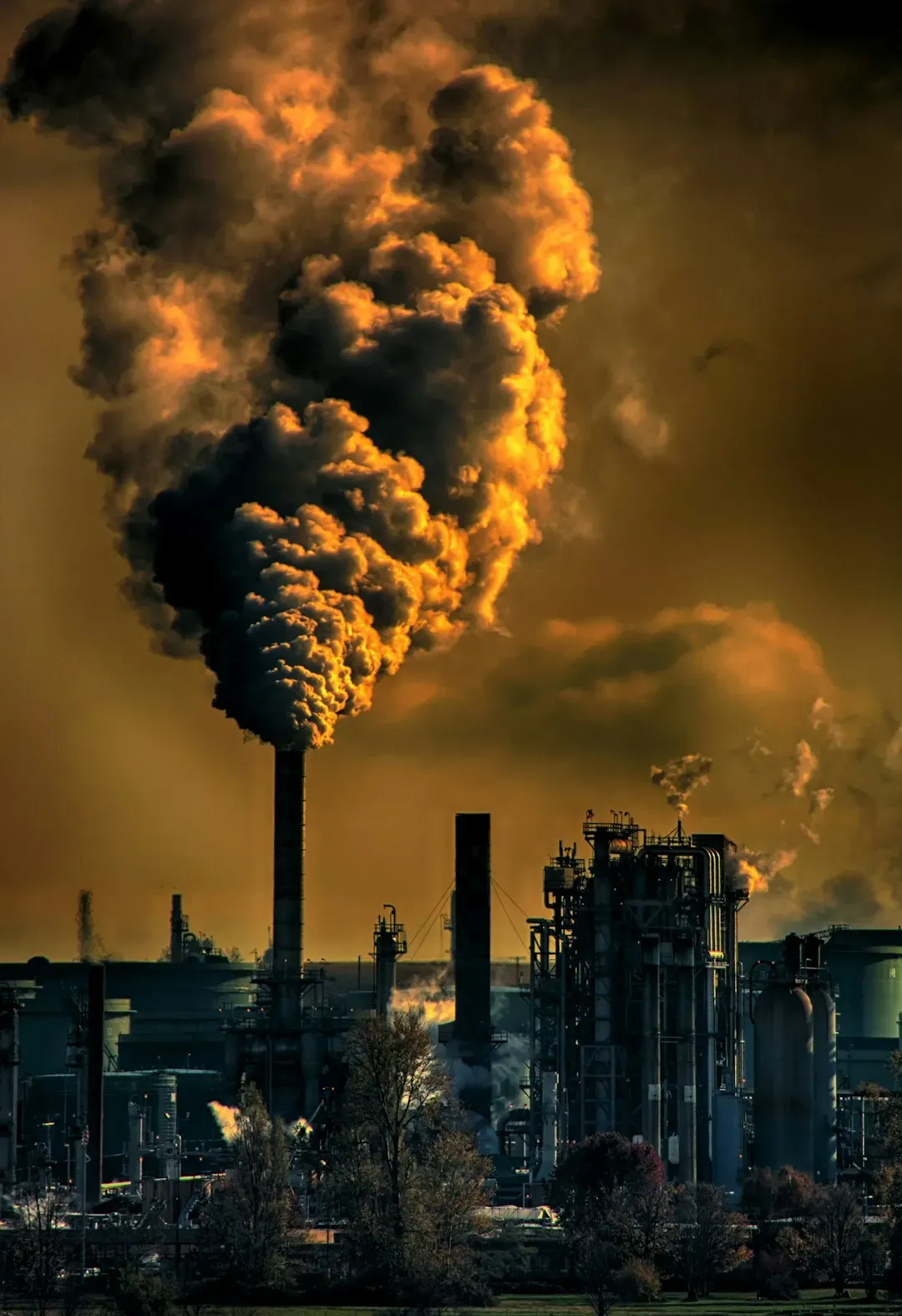
Barker was direct about this. He warned against interpreting the delay of an ice age as a positive outcome. An ice age would be hard on civilisation. Yet today’s unchecked emissions are already causing rising sea levels, extreme weather and biodiversity loss.
Timing matters too. An ice age is tens of thousands of years away, while the damage from warming is measured in decades. A University of Reading climate scientist who wasn’t involved in the 2016 work said the next ice age is “not worth worrying about compared to immediate concerns about damaging human-caused climate change.”
The long-term cost of a warmer planet
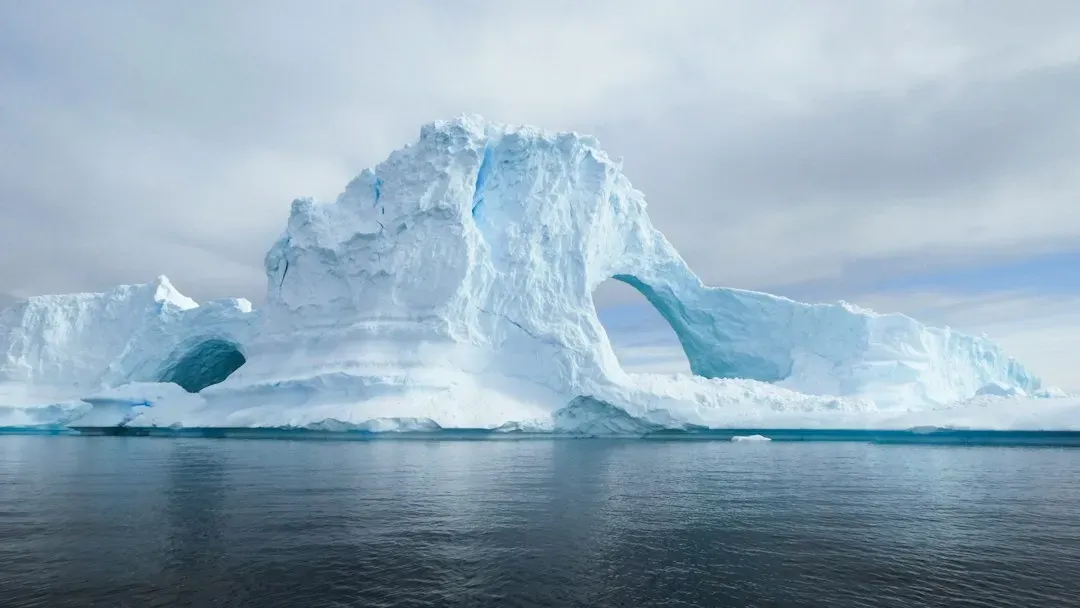
The Science team also looked at the other direction. They said that if carbon emissions continue at their current rate, Antarctica could be ice-free in 8,000 years, leading to a global sea-level rise of around 70 metres. That is a projection over millennia, not a near-term forecast.
The researchers plan to study how continued fossil fuel use could reshape natural climate cycles further. The scale of the possible change is the main point. Humans may be shifting a rhythm that has run for hundreds of thousands of years.
What this research really tells us
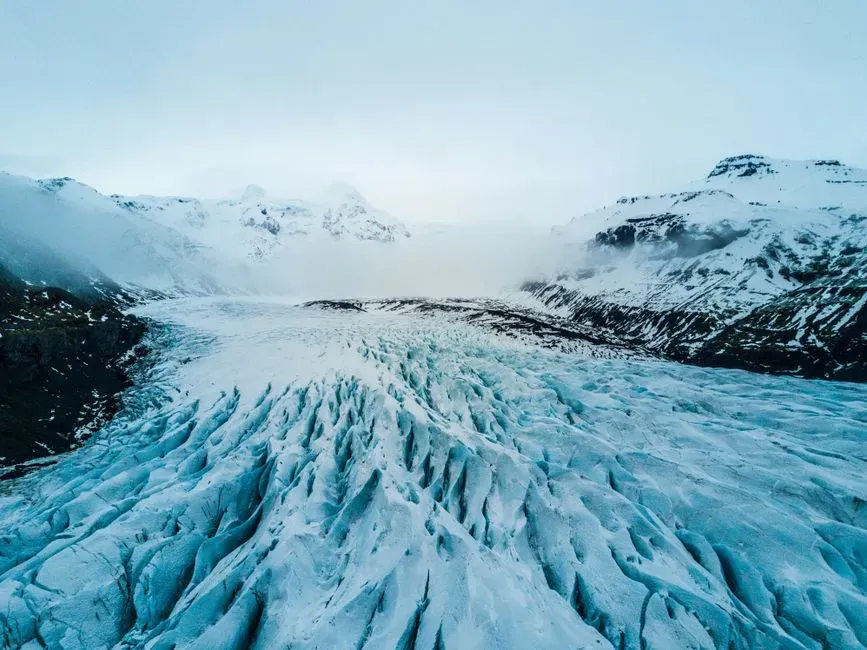
The studies agree on a few things. Natural glacial cycles are driven largely by orbital patterns. Long-lived CO2 can postpone the next glaciation. The exact delay depends on how much carbon we emit and on which model you trust. Some details, like whether an ice age had already started 2,000 years ago, are still debated.
The delay is a sign of how far human influence reaches, not a reason for comfort. Cooling that is tens of thousands of years off matters far less than the warming we are already living through. How much carbon we add from here is the choice that decides how long this influence lasts.
