

Anyone who has lived in the same place for a few years knows that no two autumns look alike. One October the hillsides glow red and orange. The next, the leaves seem tired, a muddy yellow that drops almost overnight.
Forest scientists have a fairly clear picture of why that happens. The answer is less about autumn itself than about the months before it, and about a handful of weather conditions that either help or hurt the chemistry inside each leaf.
The Pigments Behind the Show
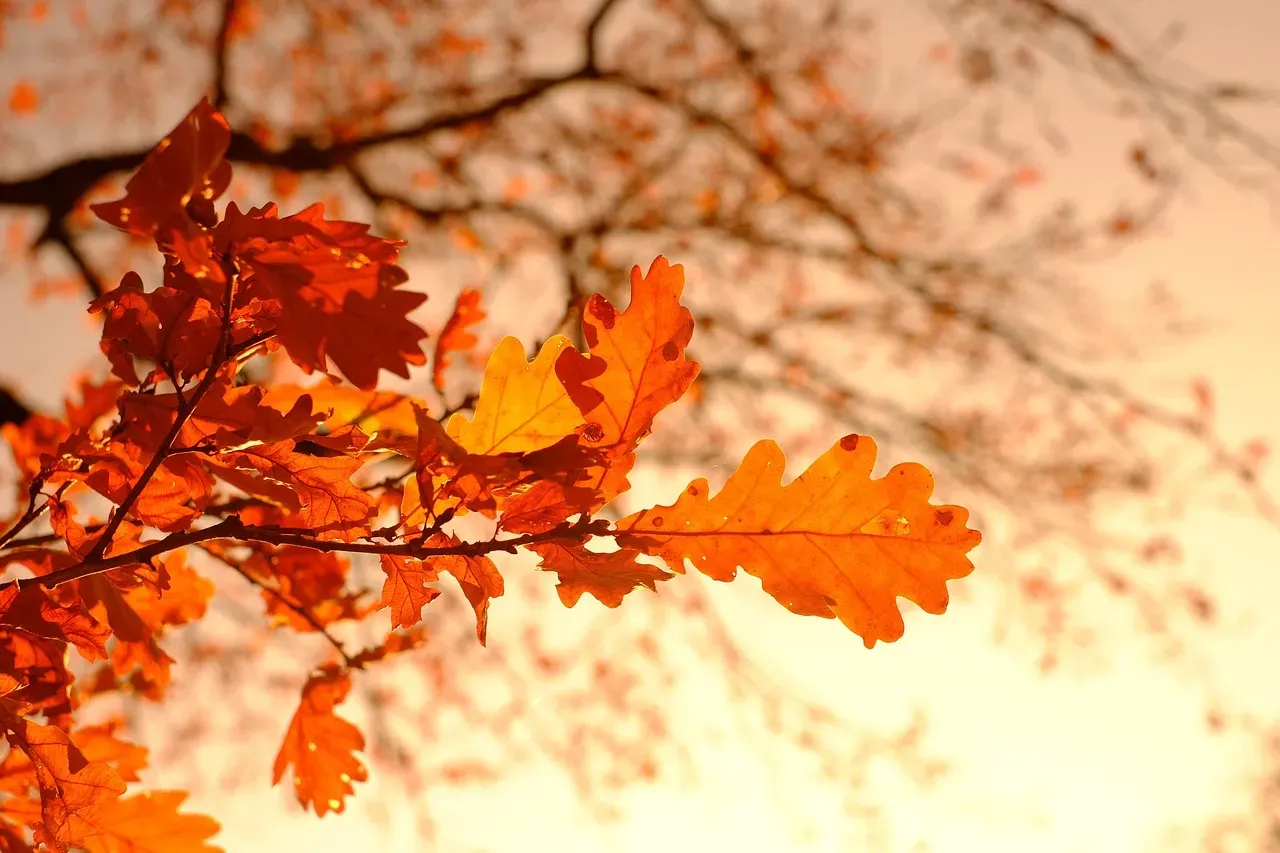
Leaves are green for most of the year because of chlorophyll, the pigment that captures sunlight for photosynthesis. Yellow and orange pigments called carotenoids are in the leaf all along, but they’re hidden underneath the green. When the green fades, they finally show.
Reds and purples work differently. Anthocyanins are made fresh in autumn, and they’re the pigments behind the most dramatic displays. Scientists believe trees produce them to act as a sunscreen, which helps explain why they respond so strongly to weather.
What Happens When Chlorophyll Fades
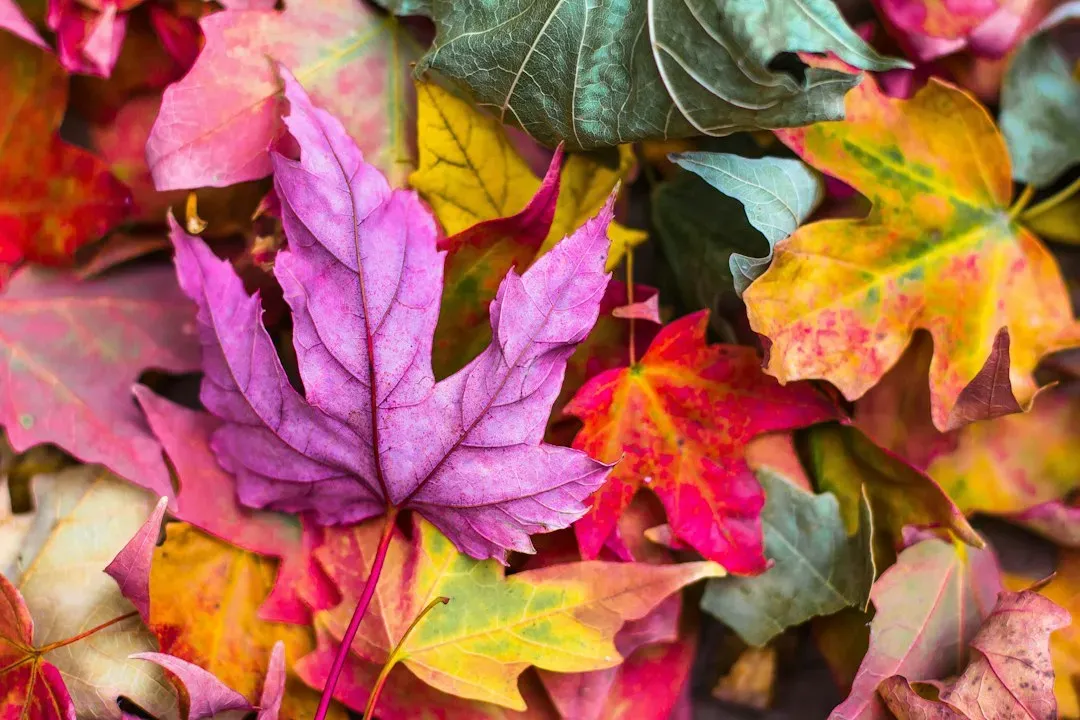
The trigger is the calendar first. As days shorten, chlorophyll production in deciduous trees slows and eventually stops, while existing chlorophyll breaks down. That’s the baseline process every year, regardless of weather.
Weather then adjusts the timing and the intensity. Daylight and temperature affect when photosynthesis starts to slow, which is why color arrives earlier the higher or farther north you go. A tree on a mountain ridge can turn weeks before one in a warm valley.
Sunny Days and Cool Nights
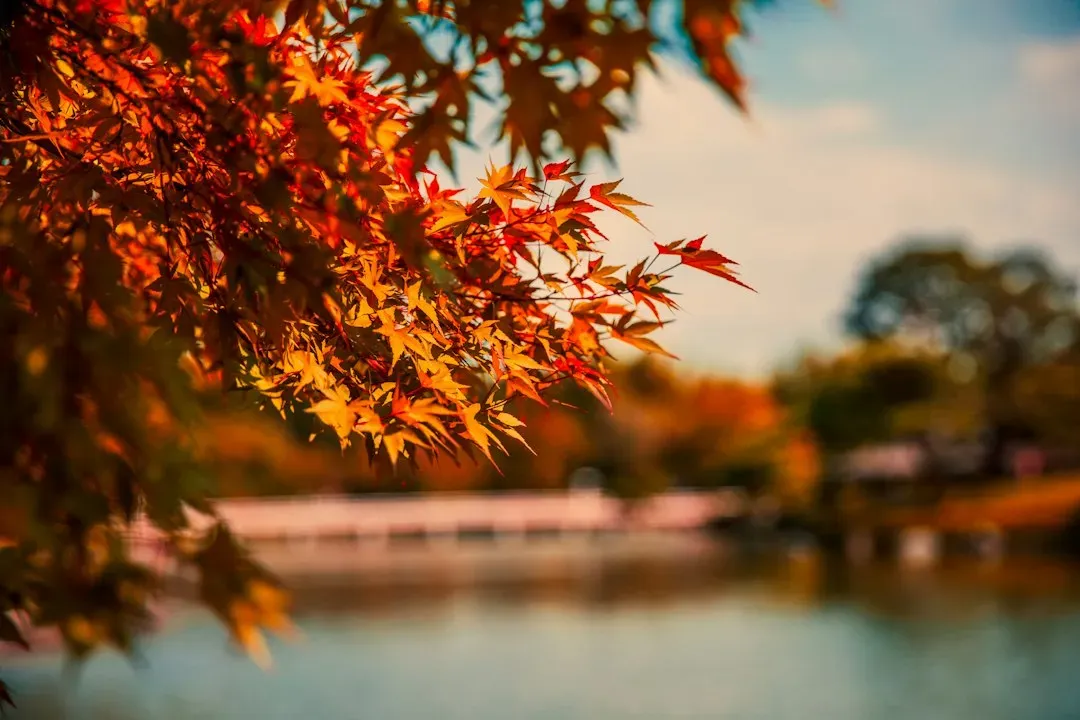
The classic recipe for a vivid autumn is bright days followed by crisp nights. Sunshine lets leaves keep making sugars, and those sugars feed the production of red pigment. Sunny days can boost the red anthocyanin pigment.
Cool nights then help trap that sugar in the leaf instead of letting it flow away. Forecasters echo this each year. The best odds for vibrant color are in areas with enough summer rain and a stretch of crisp nights without an early freeze.
How Drought Dulls the Display
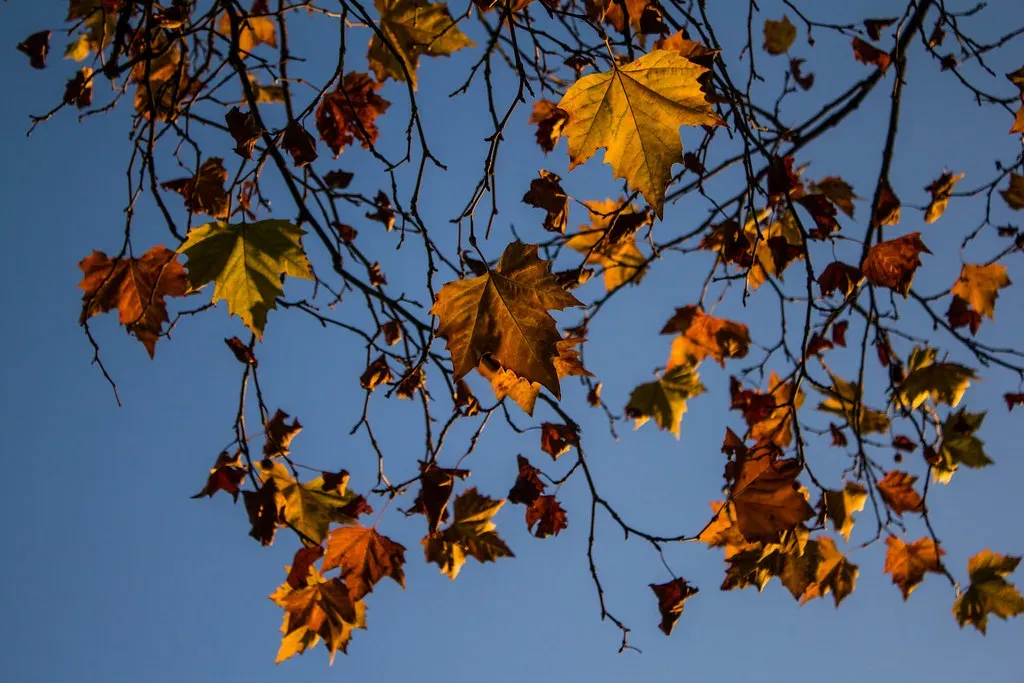
Drought is probably the single biggest spoiler. It can cause leaves to turn brown or drop before reaching their full color. A tree short on water protects itself by cutting its losses.
There’s a chemical side too. Heat and drought stressed trees conserve water by shutting down photosynthesis and chlorophyll production early, which can produce yellow and orange tones ahead of schedule. Severe stress halts production of red pigment entirely. That’s why a dry year often looks washed out rather than just early.
Freezes, Wind, and Heavy Rain
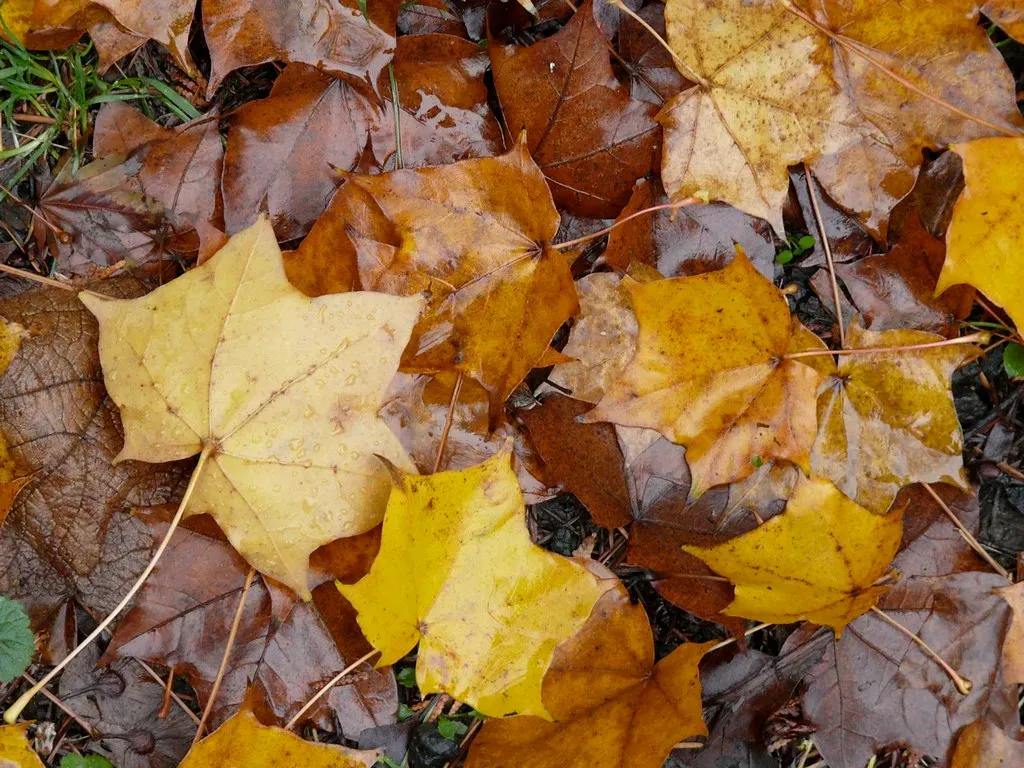
Even a promising season can end abruptly. An early hard freeze, heavy rain or strong winds can bring the show to a sudden stop. A freeze can kill leaf tissue before the pigments finish developing.
Wind is a quieter threat. A forecaster quoted this year noted that strong windstorms can knock leaves down early and ruin viewing conditions. One bad storm in peak week can undo weeks of good weather.
Why Spring and Summer Matter So Much
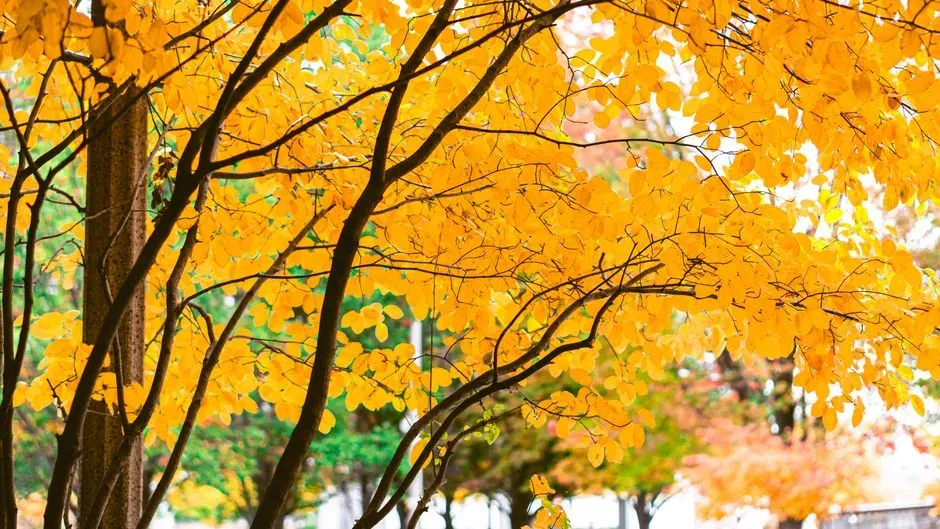
The color you see in October depends partly on how healthy the tree was in June and July. Trees with enough moisture during the growing season are better able to hold their leaves and produce strong color later. A well watered canopy goes into autumn with reserves to spare.
Forecasters leaned on this logic in 2026. AccuWeather pointed to New England and upstate New York because wet weather in late spring and early summer, followed by drier conditions and cooler nights, could set the stage for vibrant color. The weather leading into autumn is as important as the weather during it.
Tree Species and Elevation
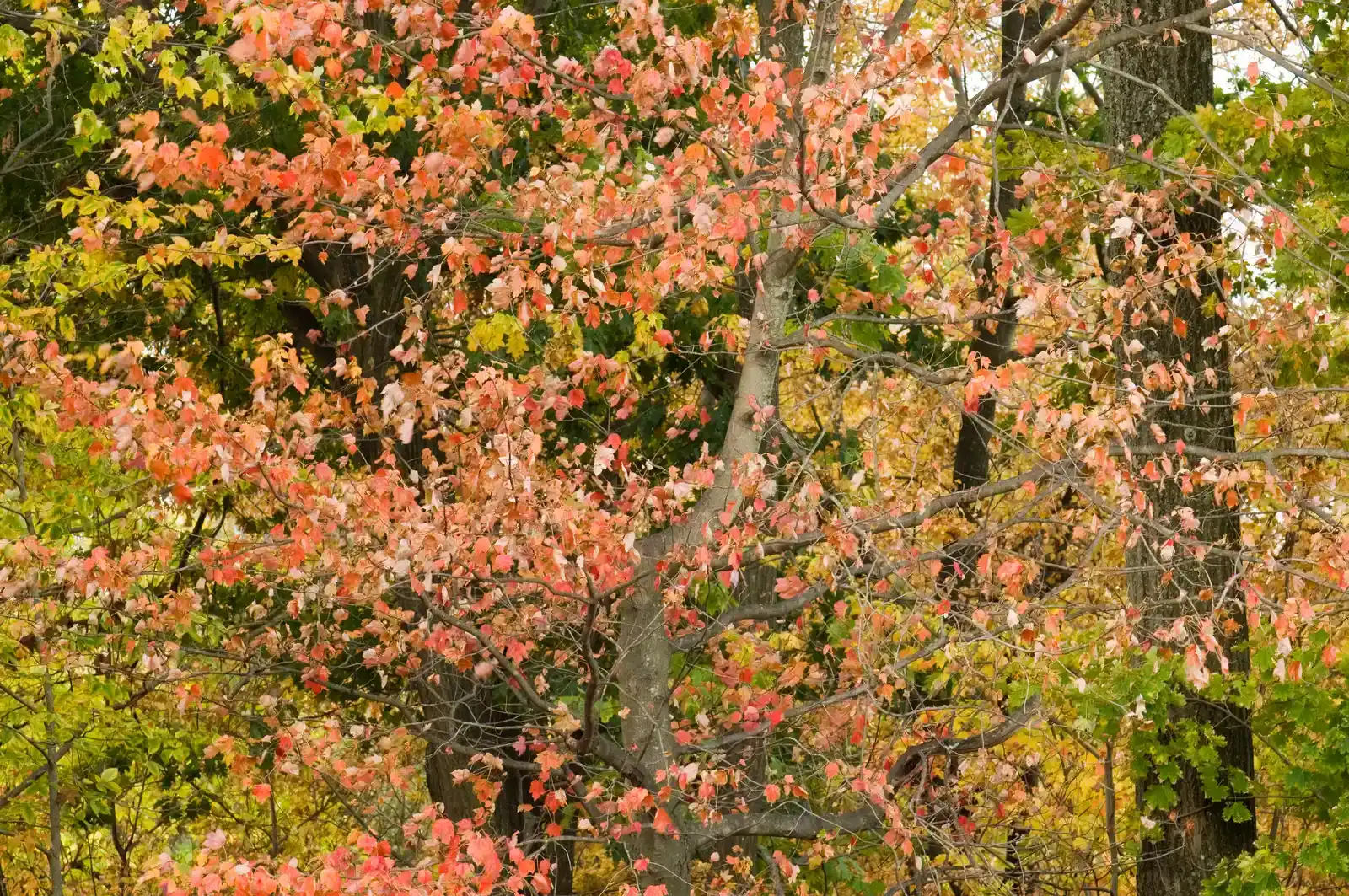
Not every forest has the same potential. Maples are famous for reds, aspens and birches for gold, and oaks for deeper browns and russets. A forest with a wide mix of species simply has more color to offer.
Terrain plays a role as well. Forecasters describing the central Appalachians cited elevation, dense hardwood forests, and the ability to cool down earlier than lower areas as reasons the region often performs well. Landscape can tilt the odds before the weather even arrives.
A Warmer Climate Adds Uncertainty
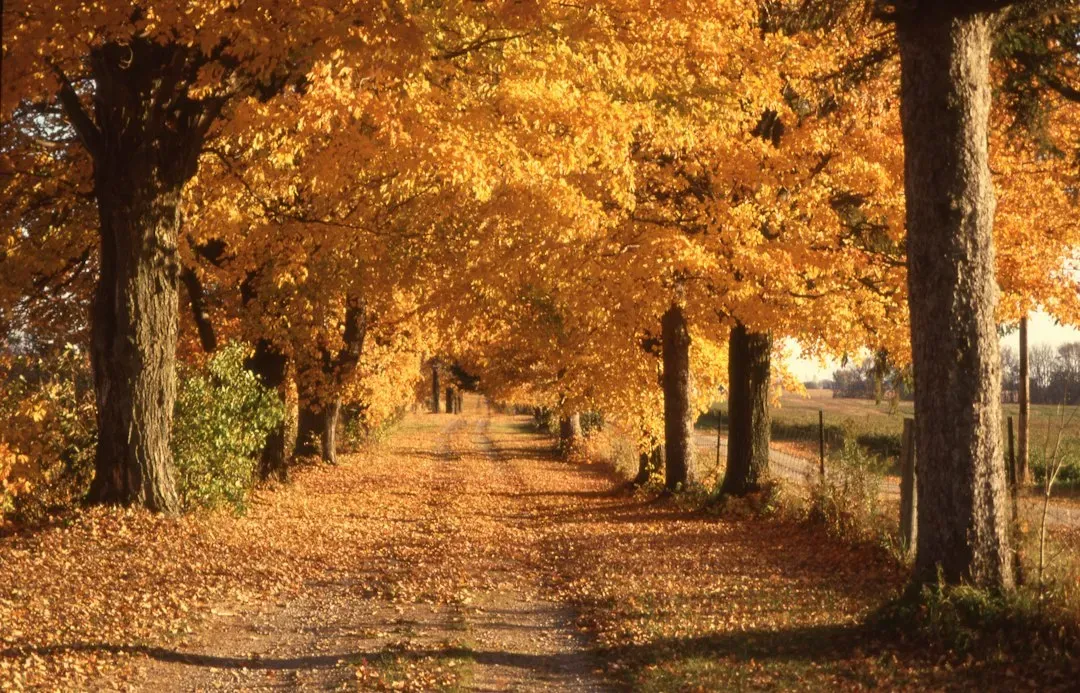
Longer-term warming complicates the picture. The years 2015 through 2025 were the warmest on record globally, and the heat affects trees. Warm autumns can delay color and leaf drop, even if they don’t ruin the display.
Regional effects vary. This year, warm days across the Ohio Valley and parts of the Mississippi Valley could push leaf drop back by a couple of weeks. Timing, in other words, is shifting alongside quality.
What the 2026 Season Shows
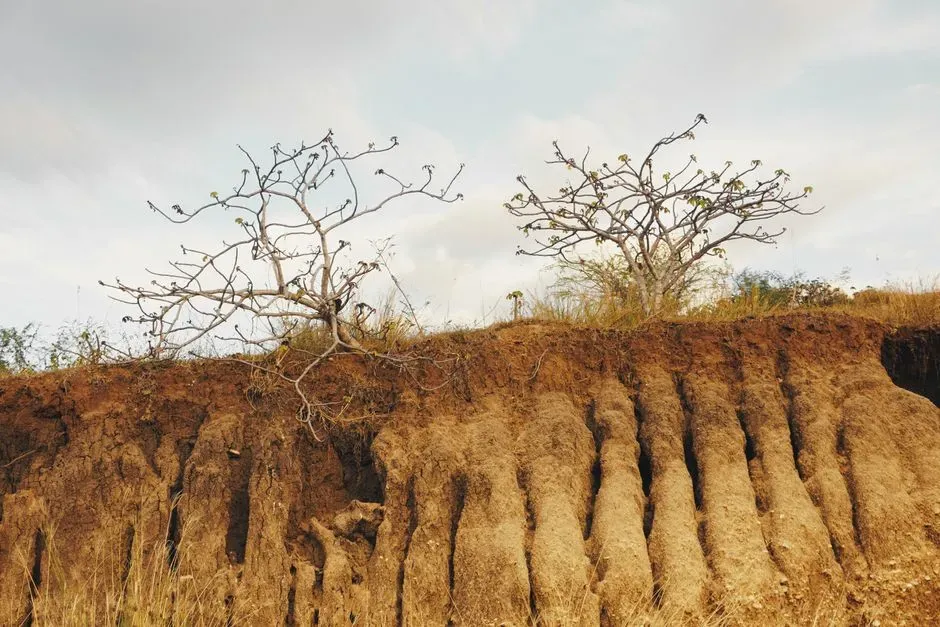
This autumn has been a useful test case, with sharp regional contrasts. New England and upstate New York stand out as some of the most promising areas. Northern California is also expected to do well, since significant drought has largely been avoided there and wildfire activity has been limited.
Elsewhere, the story is drier. In the Rockies, a winter with much less snow than normal contributed to worsening drought, stressing vegetation. A Denver meteorologist reported on October 4 that drought appeared to explain why trees in some areas showed barely any color. Meanwhile, plenty of clouds and rain are expected to keep leaves green until leaf drop in the Southeast.

- Blue whales vanish from the Galápagos, and scientists suspect El Niño - November 11, 2026
- 8 Famous Battles That Were Decided by the Weather - November 11, 2026
- Black Sunday 1935: 9 Photos From the Worst Dust Storm of the Dust Bowl Era - November 11, 2026
