


- The Planet Where It Rains Liquid Glass – 7 Alien Worlds Defying Known Physics - November 14, 2026
- Stars Consuming Entire Worlds – 6 Planetary Systems Swallowing Their Own Worlds - November 14, 2026
- The Ground Liquefies Like Water – 6 Silent Fault Lines Geologists Watch Closely - November 14, 2026
A cheap top can look like a small purchase. Behind it sits a supply chain that draws on farmland, rivers, fossil fuels and shipping lanes before the item reaches a hanger.
Figures about the industry’s footprint vary a lot from one source to the next. Some are widely repeated and others are contested, so this article flags where the numbers are firm and where they are rough estimates.
How Fast Fashion Works

Fast fashion is built on speed and volume. Brands release new styles constantly and keep prices low, which encourages shoppers to buy more often. Estimates put annual garment sales somewhere between 80 billion and 150 billion pieces.
That wide range shows how hard the industry is to measure. Still, the direction is clear. People buy far more clothing than they did fifteen years ago, but keep each item for roughly half as long.
Why Cotton Is So Thirsty

Water is the most tangible cost. One widely quoted estimate says a single cotton shirt takes about 2,700 liters of water to make. A pair of jeans is often put at about 7,500 liters.
These are averages, and real numbers depend on where and how the cotton is grown. Rainfed fields use less irrigation than crops in dry regions. Even so, the figures explain why cotton farming draws so much scrutiny, particularly as cotton makes up about 30 percent of textile fibers and often relies on heavy water, pesticide and fertilizer use.
Dyeing, Finishing and Polluted Rivers
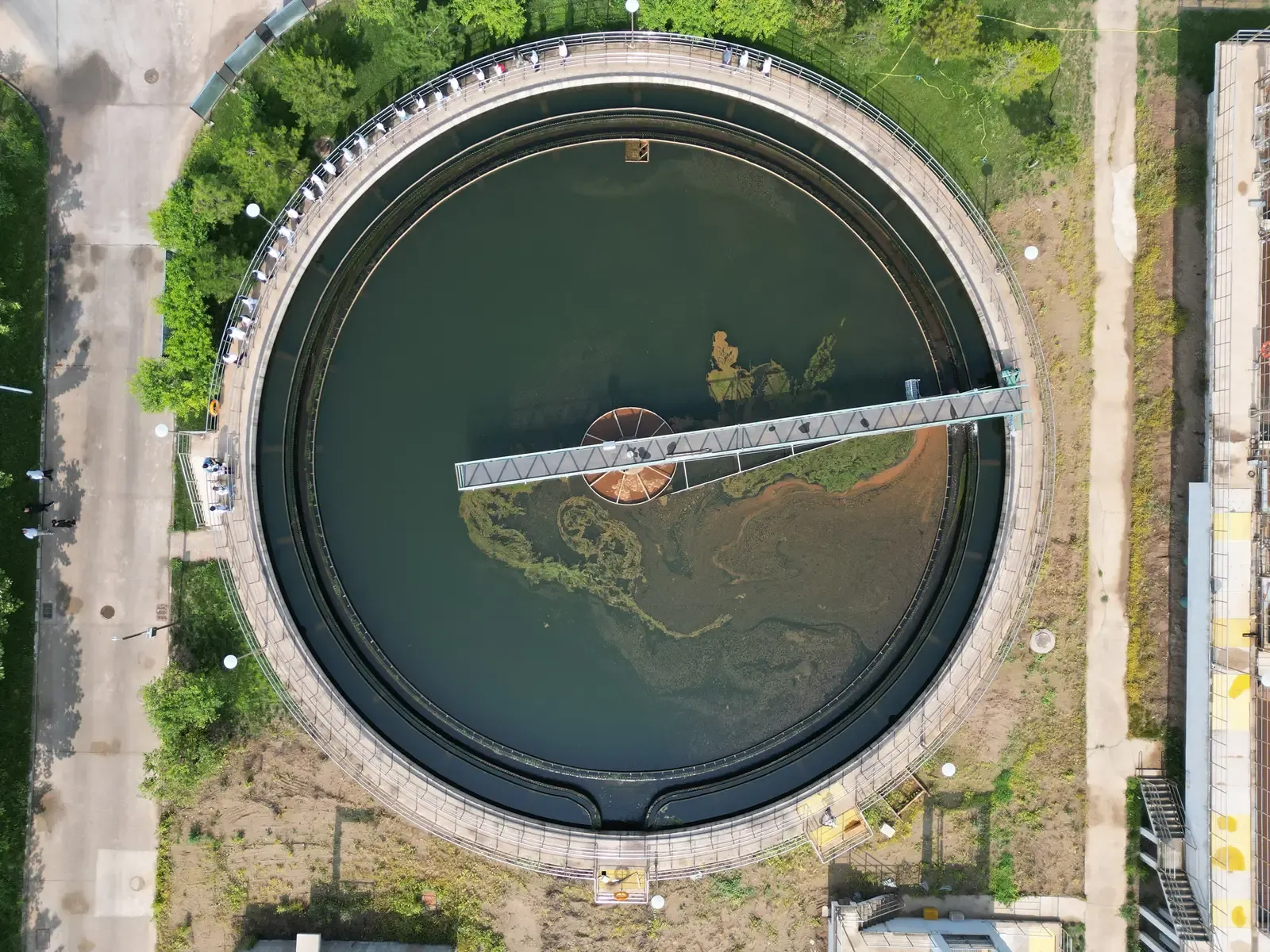
Water isn’t only consumed, it’s also contaminated. Dyeing and finishing are estimated to cause around one fifth of global clean water pollution. That number appears across many reports, though its original sourcing is debated.
The problem is sharpest where wastewater isn’t treated. Factories in major textile hubs such as China and India are reported to dump untreated wastewater into rivers. Communities downstream often depend on that same water for drinking and cooking.
Greenhouse Gas Emissions

Estimates of the sector’s climate impact differ. Some sources place fashion’s share of global carbon output between two and eight percent. Others claim ten percent, more than international flights and maritime shipping combined.
The higher figure is repeated often, but it’s worth treating with caution. A fair reading is that fashion is a major emitter with a footprint that’s hard to pin down. One estimate says it releases about 1.2 billion tons of greenhouse gases a year, and that this could rise by half by 2030.
The Polyester Problem

Much of fast fashion runs on synthetic fibers, and those come from oil. One estimate says making a kilogram of fabric generates around 23 kilograms of greenhouse gases because of fossil fuel reliance.
Synthetics are also durable in the wrong way. They can take up to 200 years to decompose. A cheap polyester dress worn a few times can outlast the people who bought it.
Why Longer Wear Makes a Difference

The simplest fix is also the least glamorous: keep clothes longer. Extending a garment’s use by nine months can cut its carbon, water and waste footprints by roughly 20 to 30 percent each.
That finding shifts the focus from where clothes are made to how they’re used. Repairing, reselling and wearing items more often all spread the original footprint over more wears. By one estimate, the average garment is worn as few as ten times before disposal.
What Regulators Are Doing
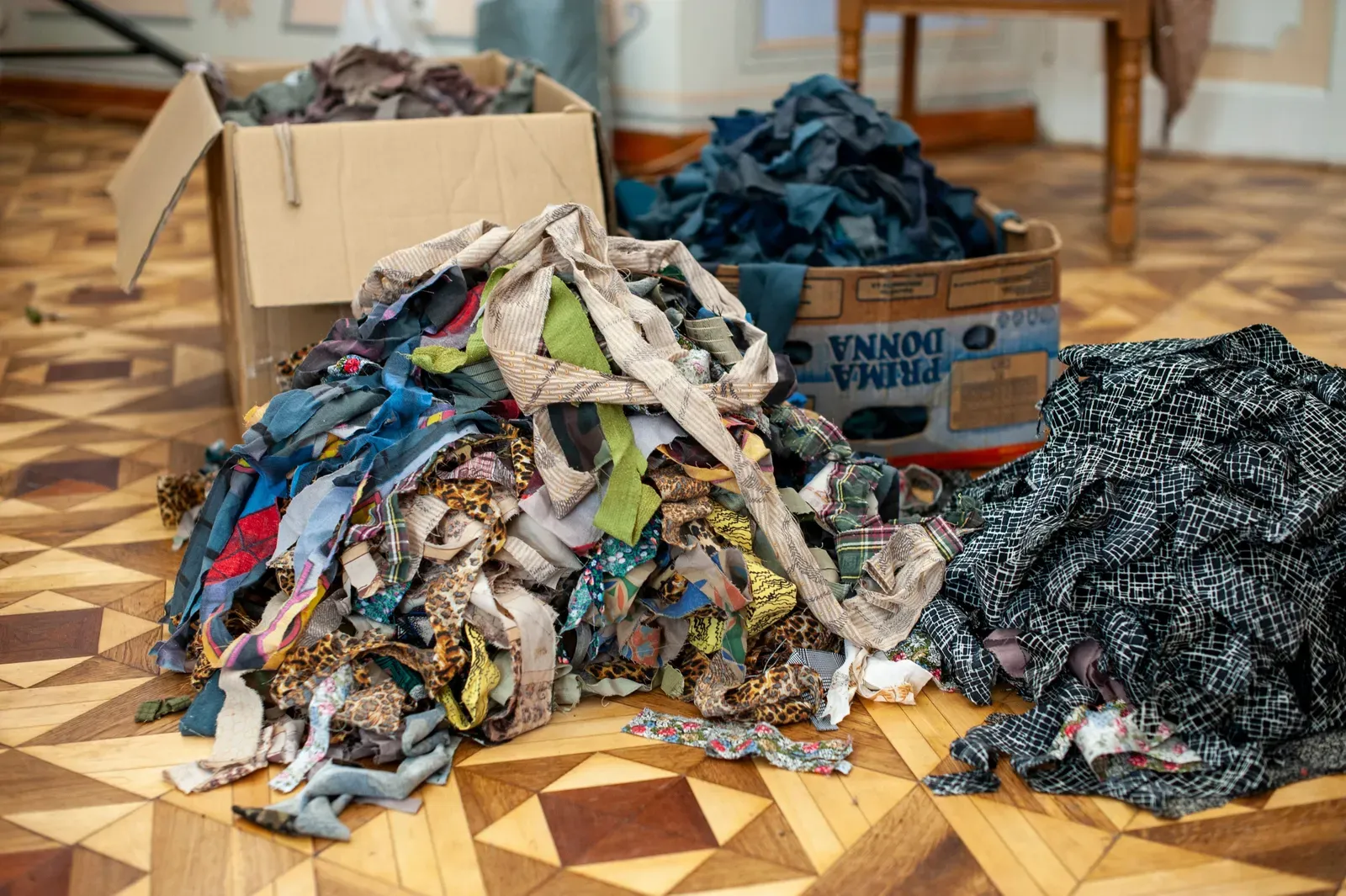
Europe is now writing rules around textile waste. In 2025 the EU amended its Waste Framework Directive to introduce textile extended producer responsibility, and member states must set up national schemes by June 2027. Brands will pay fees covering collection, sorting, reuse and recycling, including non-EU brands selling online to EU customers.
France has gone further. It enacted Law No. 2026-602 in July 2026 to address the impacts of ultra fast fashion. From January 1, 2027, it will prohibit advertising and promotion of qualifying products and brands, with administrative penalties of up to 100,000 euros.
