


- 9 Items Experienced Skywatchers Bring Along That Beginners Always Wish They’d Packed - November 12, 2026
- I Moved to Tornado Alley in Oklahoma – 7 Things I Did Not Anticipate About Storm Season - November 12, 2026
- VR tool shows how rising seas could flood Fort Lauderdale - November 12, 2026
No researcher has published a ranking that names one U.S. state as the likeliest place for space junk to hit. The evidence we do have points to a few regions, and the answer changes depending on what you mean by “collision.” It could mean debris striking the ground, or it could mean debris disrupting busy airspace.
This article goes through what the research supports. It also covers where the evidence runs out. Florida, Washington, Colorado and the Northeast each come up for different reasons.
Why There’s No Official State Ranking

Uncontrolled re-entries are hard to predict. What happens during re-entry still isn’t an exact science, because watching debris burn up usually means being close to it, often in a remote area. Without precise tracking, nobody can say with confidence where a given object will land.
The studies that exist mostly work at the level of latitude bands or airspace regions, not individual states. So any state-by-state claim is an inference. I’ll say so where it applies.
How Much Junk Is Actually Up There

The scale is large. Roughly 50,000 pieces of space junk the size of a softball or larger are probably floating near Earth, according to astronomer Aaron Boley. Counting objects down to a centimeter or smaller, the number likely reaches the millions.
Not all of that will come down over the U.S. Even so, experts estimate that at least 120 recent re-entries were uncontrolled, meaning they struck Earth at some random spot beneath their orbital path. The sheer volume is why the question keeps coming up.
Where Orbits Put the United States

Re-entering objects can fall within a wide band of latitudes. One summary describes debris falling anywhere between about 52 degrees north and 52 degrees south, a swath that includes much of the United States. Alaska sits outside that band, so it faces less of this particular risk.
A Nature Astronomy analysis adds a twist. It found a small but significant risk of parts re-entering in the coming decade, more likely over southern latitudes than northern ones. That tilts the odds toward southern states, though it doesn’t single one out.
Florida: Debris That Has Already Landed

Florida has the best-documented recent case. A cylindrical object tore through a home in Naples on March 8, 2024, and was taken to Kennedy Space Center for analysis. That makes it one of the most concrete examples of debris reaching a U.S. house.
Some commentary also names Florida, Texas and Louisiana as states more often under potential re-entry corridors. That reasoning rests on how satellites decay along paths crossing the continental U.S. It comes from a secondary source, so treat it as a plausible pattern, not a measured ranking. One house is not a statistical trend either.
Washington State And The Pacific Northwest
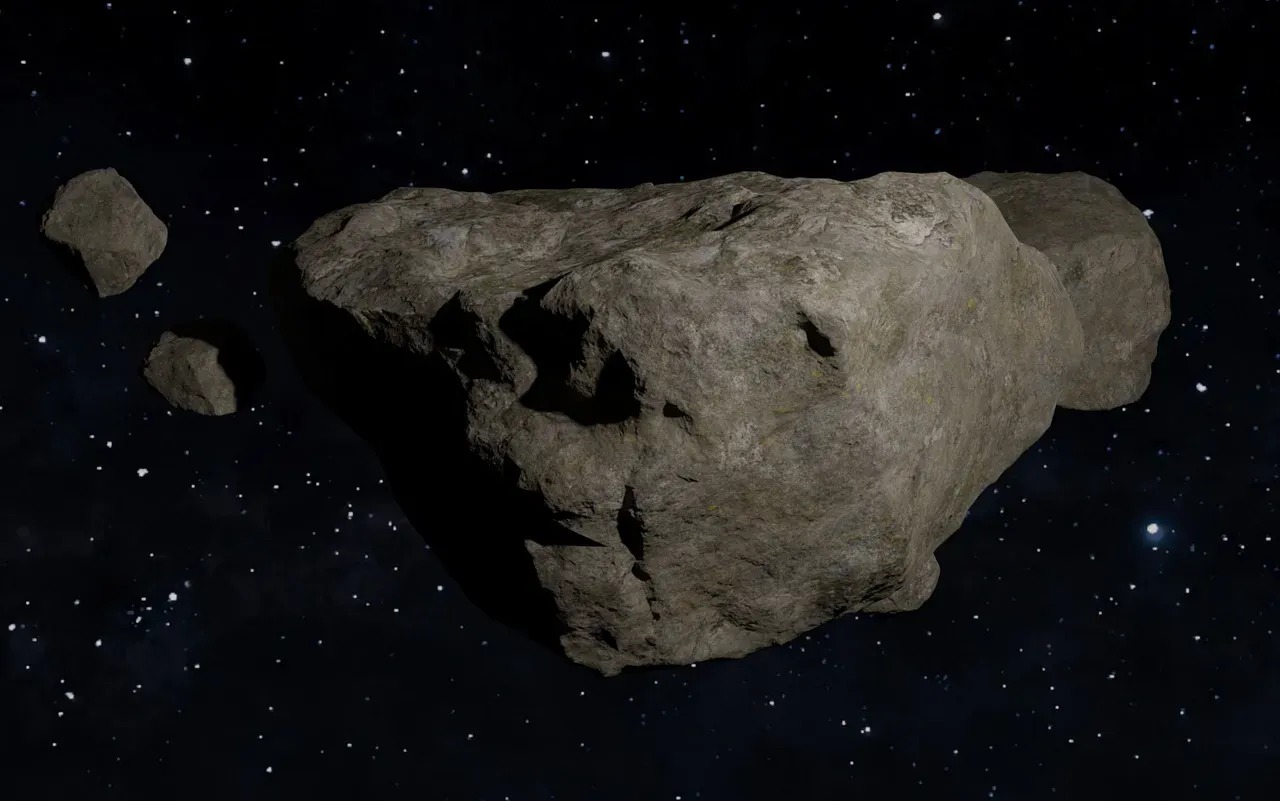
Washington has seen debris reach the ground too. A Space.com piece lists debris from a SpaceX rocket launch falling on a farm in central Washington. That event doesn’t establish a higher long-term risk. It does show that debris reaches the Northwest.
The airspace picture matters here as well. Places like Vancouver, Seattle and the Eastern seaboard had about a 25% chance each year of being disrupted by re-entering debris, according to the research. That figure measures disruption to flights, not harm on the ground.
The Northeast And Colorado: A Different Kind Of Risk
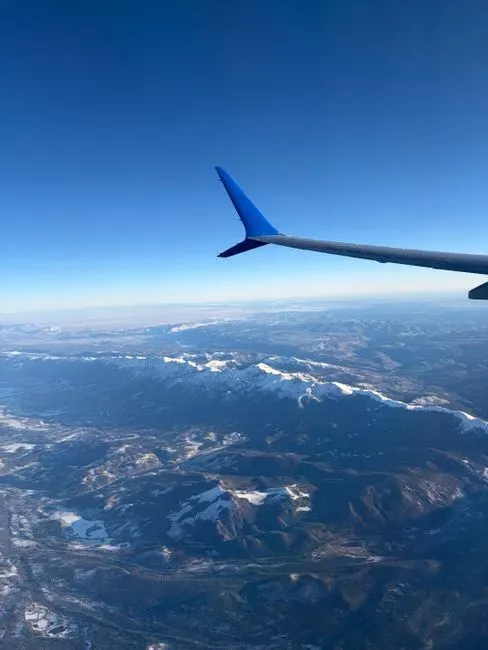
If “collision” means a threat to aircraft, the busiest skies matter most. The University of British Columbia team found that high-density areas right around major airports have a 0.8% yearly chance of being affected by an uncontrolled reentry. In larger but still busy areas, like the northeastern United States, the risk rose to 26%.
The researchers used a specific benchmark. The busiest day and place for air traffic in 2023 was over Denver, Colorado, at about one aircraft per 18 square kilometers. That makes Colorado a reference point in the study, not a declared hotspot. By this measure the Northeast looks like the most exposed part of the country.
How Likely Is An Actual Strike?

Disruption is common compared with a direct hit. The chance of debris hitting an aircraft is very low, about one in 430,000 according to the paper. The bigger practical effect is delays and rerouting, along with the costs they bring.
The researchers still don’t dismiss the danger. They said that while the probability of a strike is low, the consequences could be catastrophic. The risk is also growing. The paper attributes the increase to growth in both aviation and spaceflight.
Risk To People On The Ground

For individuals, the odds remain small. The Nature Astronomy study assumed each re-entry spreads lethal debris over ten square meters, and found a 10% chance of one or more casualties over the next decade, on average. That figure covers the whole world, not the U.S. alone.
Larger populations in a given debris path would raise the stakes, so densely populated southern states carry more exposure than empty ones. Even so, much of any surviving debris is likely to fall into the oceans, which cover more than 70 percent of the planet. That keeps the odds for any single state low.
Conclusion: A Cautious Answer

The evidence doesn’t crown one state. For ground debris, southern states such as Florida fit the latitude pattern and have a recent documented impact. For airspace disruption, the Northeast, the Pacific Northwest and busy hubs like Denver stand out in the research. Anyone who names a single winner is going beyond the data.
What the studies do agree on is the direction of travel. More launches and more flights mean more chances for the two to overlap. The risk to any one person stays small, but it isn’t zero, and it’s rising.
