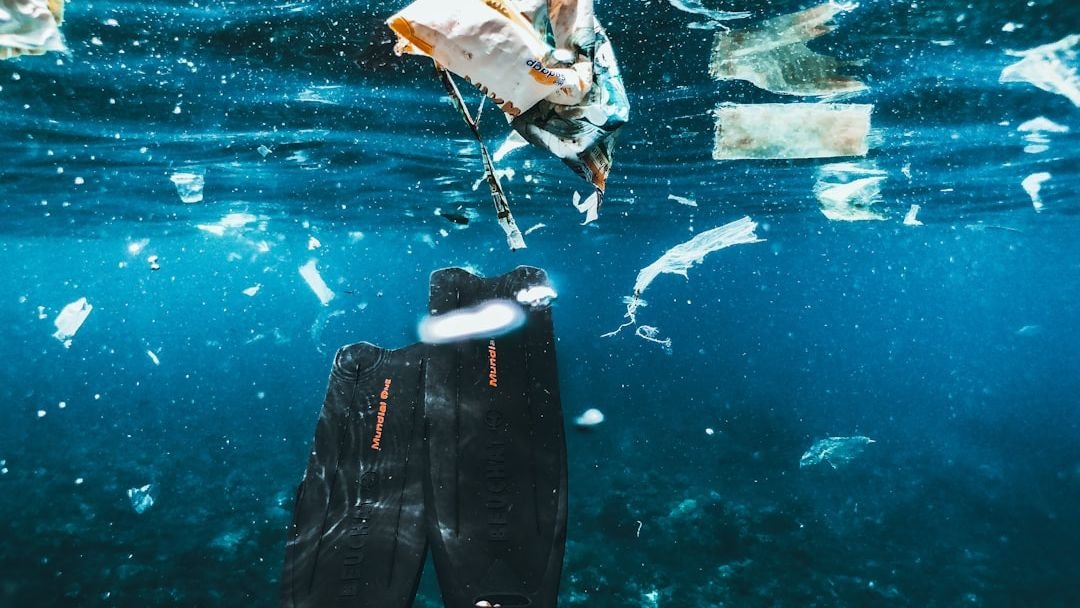

Somewhere between Hawaii and California, in a stretch of ocean that most people will never visit, there is a slow-motion catastrophe taking place. It has no visible shoreline, no warning signs, and no single moment of creation. It built itself quietly, piece by piece, over decades. The Great Pacific Garbage Patch is one of the most consequential environmental disasters on the planet, and most of the world has only a vague idea of what it actually is.
The reality is stranger and more troubling than the popular image of a floating island of trash. It is vast, diffuse, ancient by human-waste standards, and growing faster than most cleanup efforts can match. Understanding it properly requires setting aside the mental picture of a garbage heap you could walk across, and replacing it with something far harder to grasp.
What the Patch Actually Is
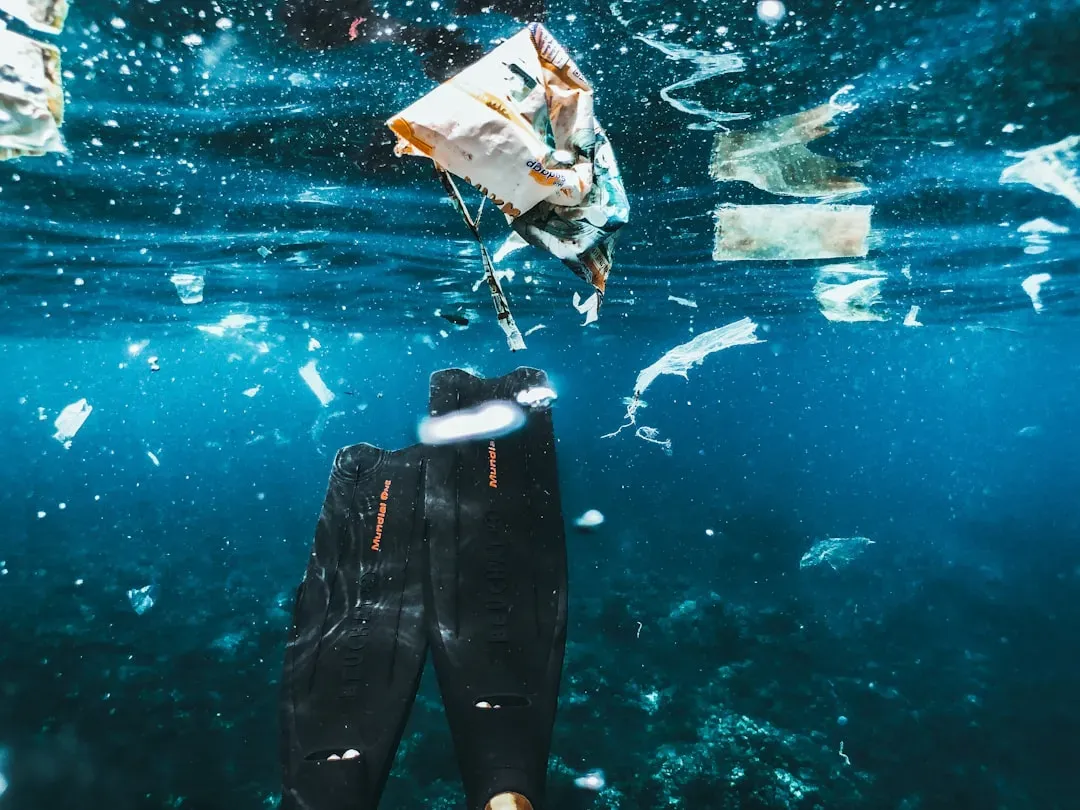
The Great Pacific Garbage Patch is actually two different collections of debris centered by the massive North Pacific Subtropical Gyre. The Western patch sits near Japan, while the Eastern patch lies near Hawaii, and both occupy the North Pacific Subtropical Convergence Zone, where warm and cool waters meet and create a kind of oceanic highway that transports debris between them. The name “patch” is misleading in almost every way that matters. It causes many people to picture islands of trash, when in reality the debris is spread across the surface of the water and from the surface all the way down to the ocean floor.
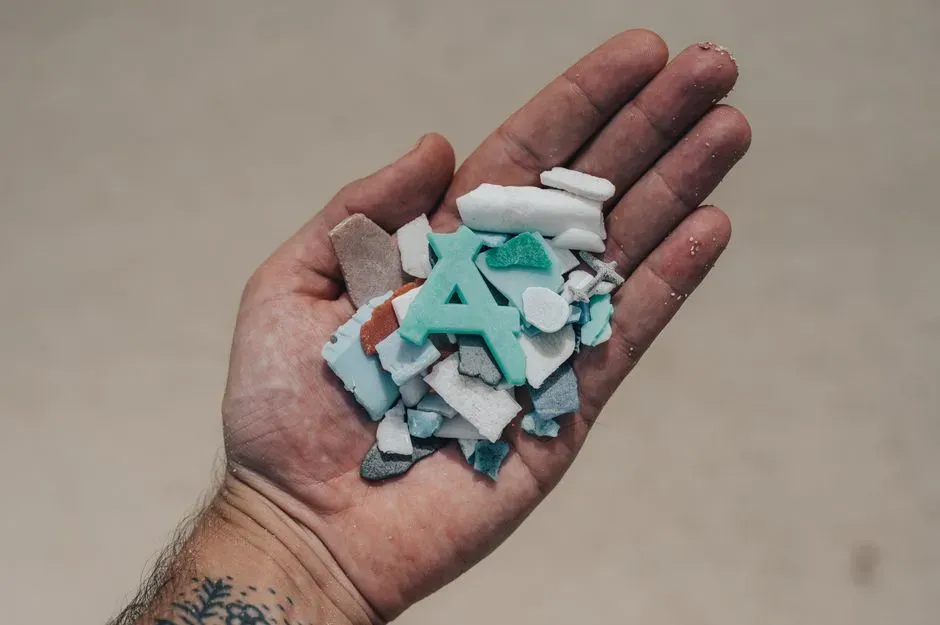
Because microplastics are smaller than a pencil eraser, they are not immediately visible to the naked eye – it’s more like pepper flakes swirling in a soup than something you can skim off the surface. You may come across larger items like plastic bottles and nets, but it’s possible to sail through some areas of a garbage patch and not see any debris at all. This is what makes it so easy for people to underestimate. The ocean looks normal. The damage is largely invisible.
The Staggering Scale of the Problem
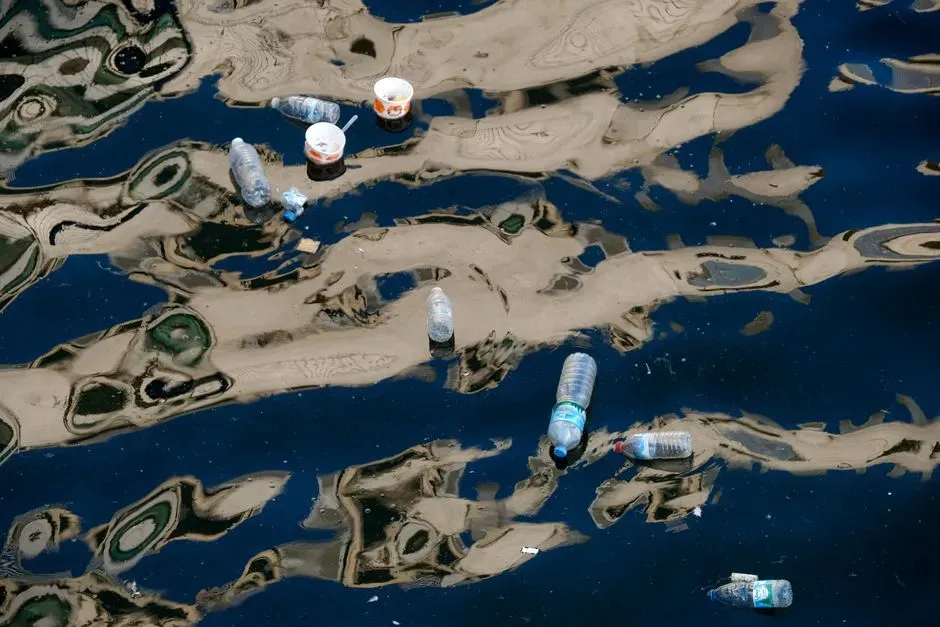
In the Pacific Ocean, between Hawaii and California, at least 79,000 metric tons of plastic has coalesced to create the Great Pacific Garbage Patch. The patch, kept together by ocean currents and spanning an area of roughly 1.6 million square kilometers, is about twice the size of Texas. Other estimates put the plastic content even higher. The Ocean Cleanup estimates it contains about 100 million kilograms of plastic debris, spanning an area double the size of Texas, or triple the area of France.
The patch holds up to 3.6 trillion pieces of trash. That number is almost impossible to hold in your head. Research indicates the patch is rapidly accumulating, and is believed to have increased ten-fold each decade since 1945. The problem is not stable – it is actively and measurably getting worse with every passing year.
How It Got There
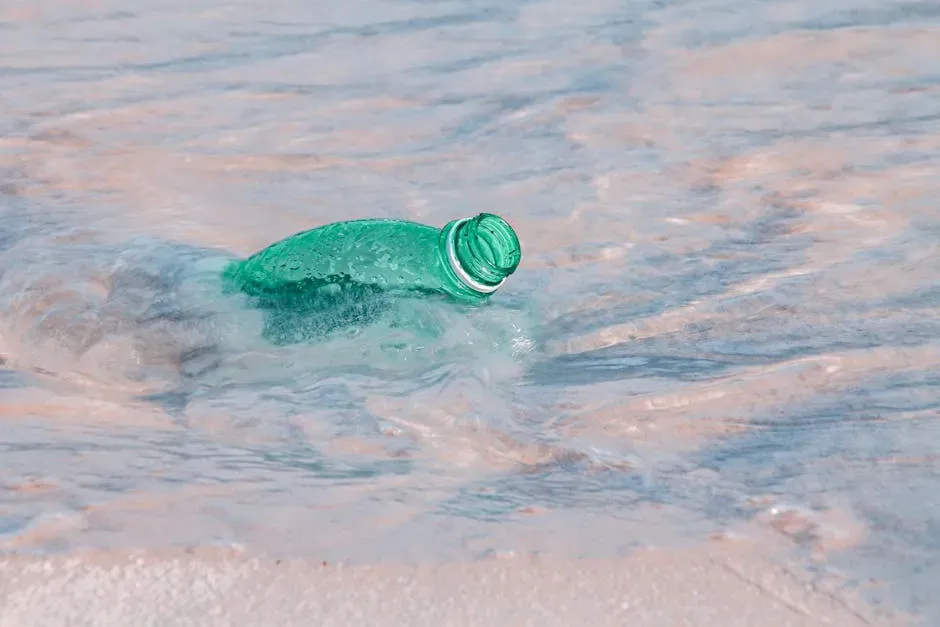
Roughly eighty percent of plastic in the ocean comes from land-based sources, with the remaining twenty percent from boats and other marine activities. Most of it arrives in the form of everyday items like plastic bags, bottles, and cups. However, the picture inside the patch itself tells a somewhat different story. A study conducted in 2022 reveals that between 75 and 86 percent of plastic debris in the Great Pacific Garbage Patch originates specifically from fishing activities at sea.
Many plastics are not biodegradable, but instead break into smaller pieces through a process known as photodegradation. It is these microplastics that make up the majority of the debris patches, creating cloudy water in the area that mixes with the larger items. Plastic in the patch has been measured since the 1970s, and calculations from subsequent years show that microplastic mass concentration is increasing exponentially, proving that the input of plastic into the patch is greater than the output.
What’s Actually in There
While microplastics dominate the area by count, 92 percent of the mass of the patch consists of larger objects. Some of the plastic is over 50 years old and includes items such as plastic lighters, toothbrushes, water bottles, pens, baby bottles, cell phones, plastic bags, and nurdles. These everyday objects, recognizable remnants of ordinary life, have been drifting in the North Pacific for decades, outlasting the people who discarded them.
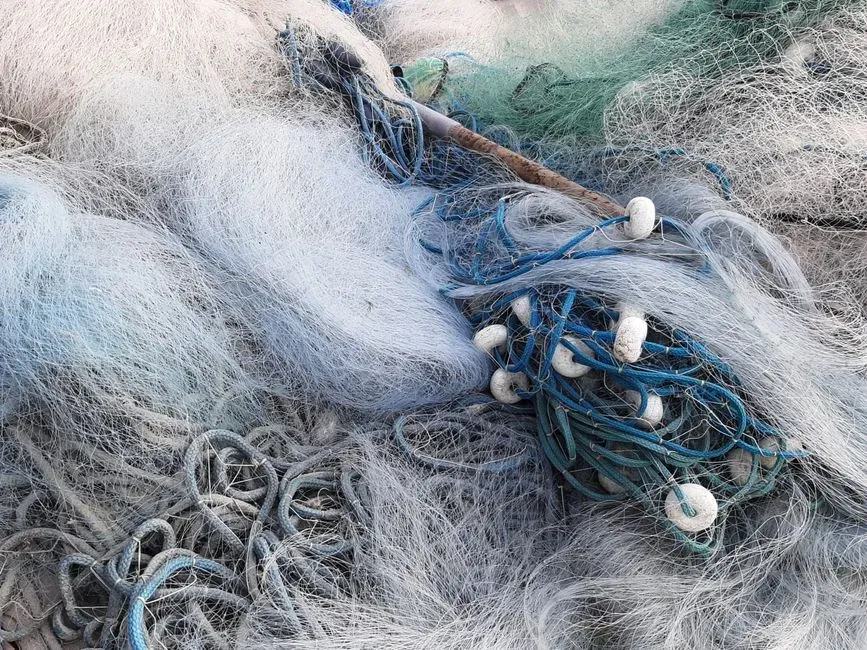
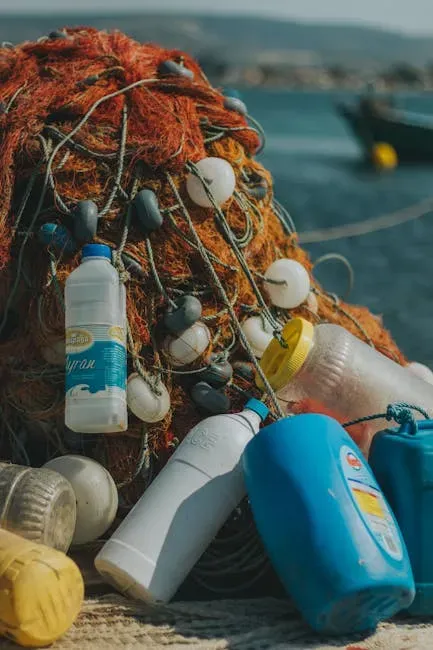
Ghost gear makes up roughly 75 percent of the patch’s mass, and it causes deadly entanglements for marine creatures. Ghost gear refers to abandoned or lost fishing nets that continue to trap and kill wildlife long after any fisherman has touched them. Lost fishing nets are especially dangerous. They are often called “ghost” nets because they continue to fish even though they are no longer under the control of a fisher, and can trap or wrap around animals, entangling them.
The Toll on Marine Life
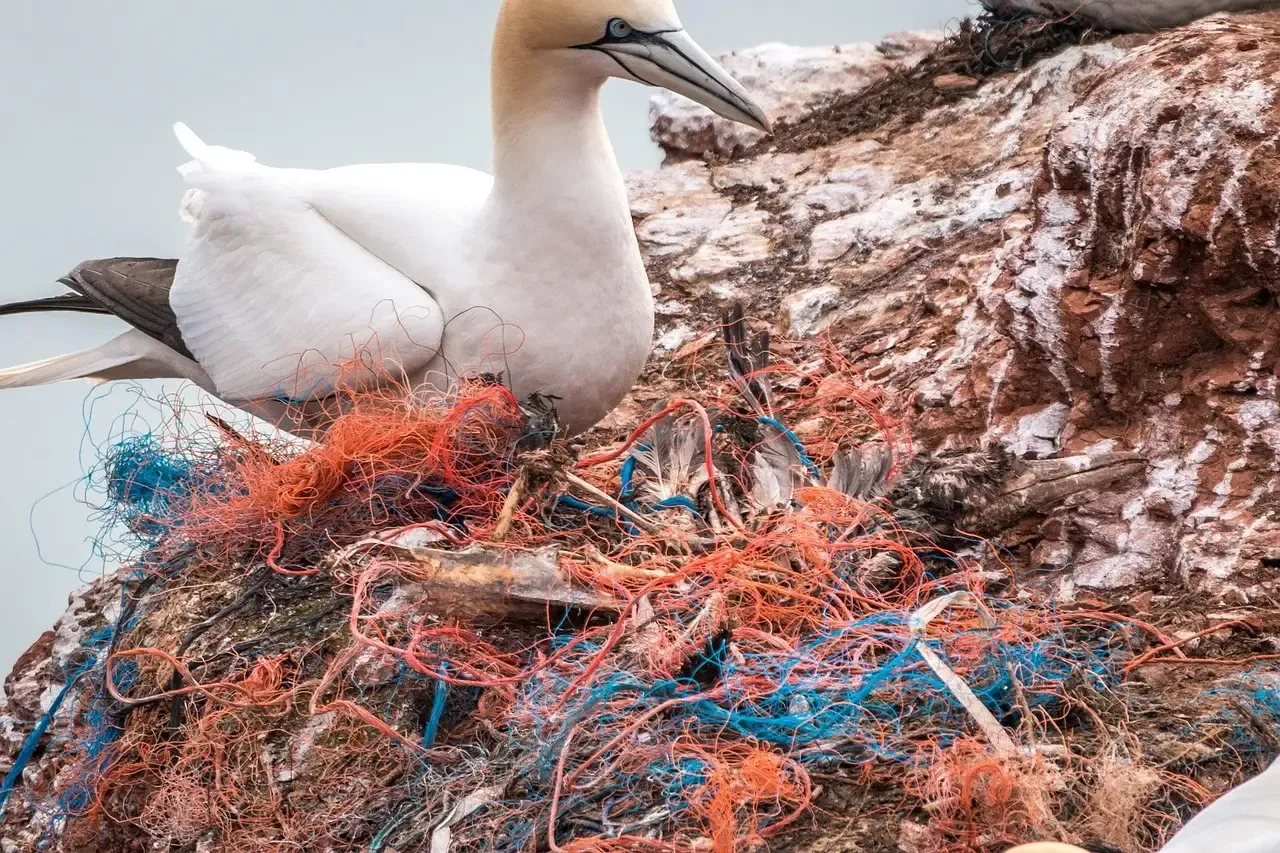
The patch is a huge hazard for marine life, killing up to 1 million seabirds and 100,000 marine mammals each year via ingestion of plastic or entanglement in plastic pieces. The numbers are sobering. Studies have shown that about 900 species have encountered marine debris, and 92 percent of these interactions are with plastic. Around 17 percent of the species affected are on the IUCN Red List of Threatened Species.
There is also a stranger development that researchers have been tracking closely. A study in Nature Ecology and Evolution examined 105 pieces of plastic collected from the eastern side of the gyre and found living invertebrates on 98 percent of them, with taxonomists identifying 46 different invertebrate taxa clinging to the debris, including barnacles, crabs, amphipods, bryozoans, hydroids, and sea anemones. Plastic pollution is shifting where marine life can live and allowing coastal organisms to survive, reproduce, and spread across huge distances – a discovery that may reshape marine ecosystems and species ranges around the world.
Why Cleaning It Up Is So Difficult
The fundamental challenge of cleaning up the ocean garbage patches is that ocean plastic pollution is highly diluted, spanning millions of square kilometers. Many microplastics are the same size as small sea animals, so nets designed to scoop up trash would catch these creatures as well. Even if nets could be designed to catch only garbage, the size of the oceans makes the job far too time-consuming to consider practically.
Scientists face the additional challenge that the garbage patch keeps moving, and pollutant concentrations change constantly depending on ocean currents. The debris is continuously mixed by wind and wave action and is spread from the surface all the way down to the ocean floor. Since microplastics are so small, constantly being mixed, and spread out, removing them would be extraordinarily difficult, and finding a cost-effective technological solution is an extremely daunting task.
The Progress That Has Been Made
In September 2024, The Ocean Cleanup declared the eradication of the Great Pacific Garbage Patch achievable within a decade. That announcement was the first time both a specific cost and a timeline had been placed on ridding the Pacific Ocean of the environmental hazard. The projected price tag: $7.5 billion. System 03 played a central role in advancing cleanup operations in 2024, completing 112 extractions while refining efficiency, reliability, and safety for marine life.
In April 2024, the organization celebrated a milestone of 10 million kilograms of trash extracted, and just seven months later in November 2024, they had reached 20 million kilograms removed. By early 2026, the total across all operations had grown significantly further. As of January 2026, the organization had removed over 50 million kilograms of trash from rivers and the Great Pacific Garbage Patch combined. The trajectory is genuinely encouraging, even if the scale of what remains is humbling.
The Deeper Problem: The Tap Is Still Running
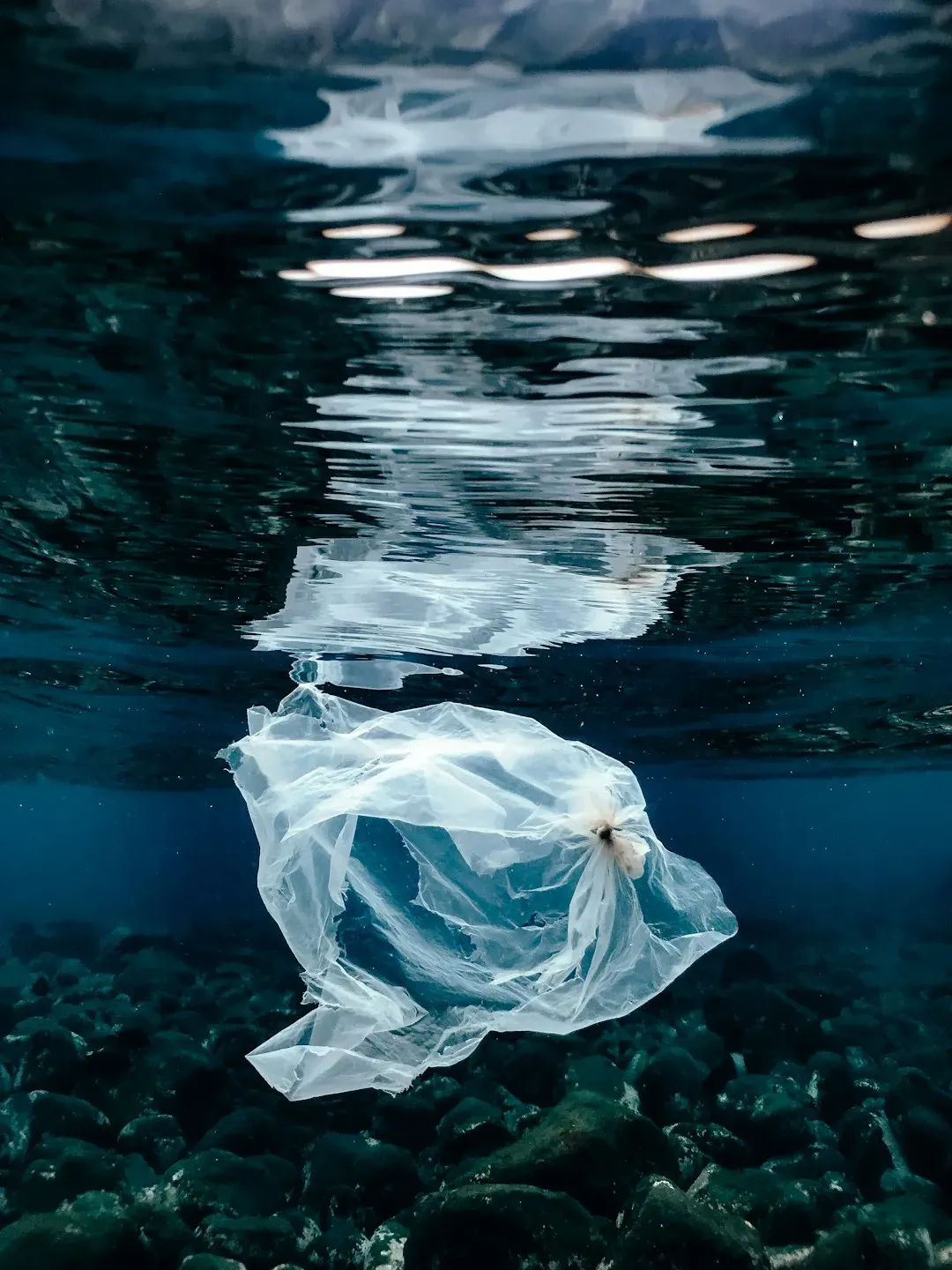
Floating plastics trapped in the patches will keep circulating until they break down into smaller and smaller pieces, becoming harder to clean up and increasingly easier for sea life to mistake for food. If left to circulate, the plastic will impact ecosystems, health, and economies for decades or even centuries. Cleaning up what already exists, while the world continues producing and discarding plastic at enormous rates, is a little like bailing out a sinking boat without fixing the hole. As one researcher put it, more than a garbage truck’s worth of plastic enters the ocean every minute.
Many experts point to prevention as the most effective long-term solution. The most effective way to reduce ocean plastic pollution is to stop plastic before it reaches open water, which means reducing single-use plastic, improving waste systems, intercepting debris in rivers and stormwater channels, and changing how products are designed, used, and disposed of. In 2025, The Ocean Cleanup paused extraction operations for one year in order to deploy a new hotspot-hunting initiative designed to map areas of intense plastic accumulation in the patch, making future extractions more impactful.
A Problem That Belongs to Everyone
The Great Pacific Garbage Patch did not appear overnight, and it will not disappear quickly. It is the accumulated result of decades of decisions made on land, far from any ocean, by billions of ordinary people and the industries that supply them. A 2015 study reported that plastic debris floats eastward primarily from six Asian countries: China, Indonesia, the Philippines, Vietnam, Sri Lanka, and Thailand. The study indicated that China alone was responsible for approximately 30 percent of plastic ocean pollution, and a 2017 Ocean Conservancy report found that those five leading Asian nations dump more plastic in the sea than all other countries combined.
No single nation owns the patch, and no single nation is obligated to clean it up. It sits in international waters, beyond any jurisdiction, which is part of why it has been allowed to grow for so long without a coordinated global response. As The Ocean Cleanup’s founder noted, this environmental catastrophe has been allowed to exist, unresolved, for too long, and for the first time, the world can be told what it costs, what is needed, and how long cleanup could take. The technology, it seems, is finally catching up to the problem. What lags behind is the collective will to use it at the scale the ocean demands.
