


- Phantom Energy Sucking Power 24/7 – 7 Home Electronics Quietly Inflating Utility Bills - November 14, 2026
- A Million-Mile Storm Raging for Centuries – 6 Violent Weather Wonders in Our System - November 14, 2026
- Animals Flee Hours Before the Tremor – 7 Natural Warnings Before Disasters Strike - November 14, 2026
Most people start thinking about weather preparedness the moment a storm warning pops up on their phone. That’s already too late. The gap between a manageable emergency and a dangerous one usually comes down to decisions made days, or even weeks, before the first cloud rolls in.
Hurricanes, floods, heat waves, and wildfires have become more frequent and severe as the planet warms, and the first six months of 2025 alone marked the costliest first half of a year for major U.S. disasters, racking up over $100 billion in damages. Against that backdrop, what separates people who stay safe from those who don’t often isn’t luck. It’s a checklist built and maintained long before the emergency arrives.
1. Know Your Specific Local Risk Profile

It’s important to understand your location’s specific risks, because no two communities face the same extreme weather conditions. FEMA’s National Risk Index can help you identify what threats are most relevant to where you live. A coastal resident preparing for storm surge faces an entirely different set of problems than someone in a wildfire corridor or tornado alley.
Survival experts don’t just prepare for the most common weather events in their region. They also consider secondary effects, like how heavy rainfall might not flood a home but could make roads impassable for days, or how a heat wave could trigger regional power outages when air conditioning demand spikes beyond grid capacity. Thinking in cascading scenarios is what separates surface-level preparation from truly resilient planning.
2. Build a Go-Bag That’s Actually Ready to Go
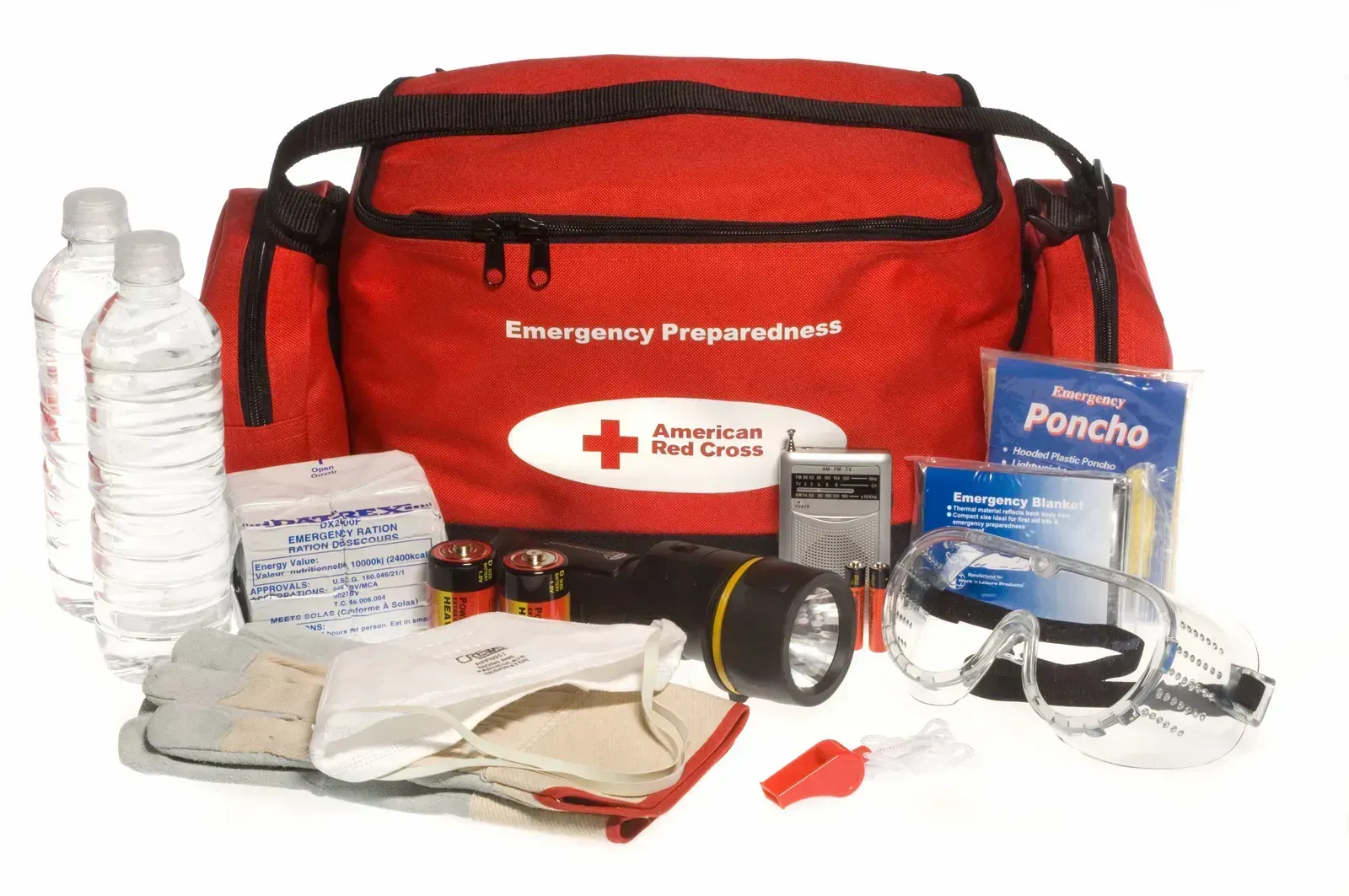
FEMA recommends a minimum of 72 hours worth of supplies per person for a portable go-bag, while a home base kit should aim for a seven-day to two-week supply, especially prepared for situations where roads may be impassable or utilities remain offline for extended periods. A go-bag that sits half-assembled in a closet offers false confidence.
Building a go-bag with all the essentials means you won’t need to scramble in an evacuation situation. Every member of the household should know where the bag is stored and who is responsible for it in the event of an emergency. Survival experts also rotate expirable items on a fixed schedule, not just whenever they happen to remember.
3. Secure a Reliable Water Supply and Purification Method

While humans can survive for weeks without food, we can only last a few days without water. When a disaster strikes, such as a hurricane or major freeze, municipal water systems can fail, leaving entire communities without a clean, reliable source, making a personal water supply a non-negotiable part of any emergency preparedness plan.
A solid water plan needs two key components: storage and purification. The baseline recommendation is one gallon of water per person per day, but recent events like the 2021 Texas freeze proved that a seven to fourteen day supply is a far smarter goal. A portable water filter or purification tablets should back up any stored supply, since containers can break, spill, or run dry faster than expected.
4. Maintain a Layered and Rotated Food Reserve
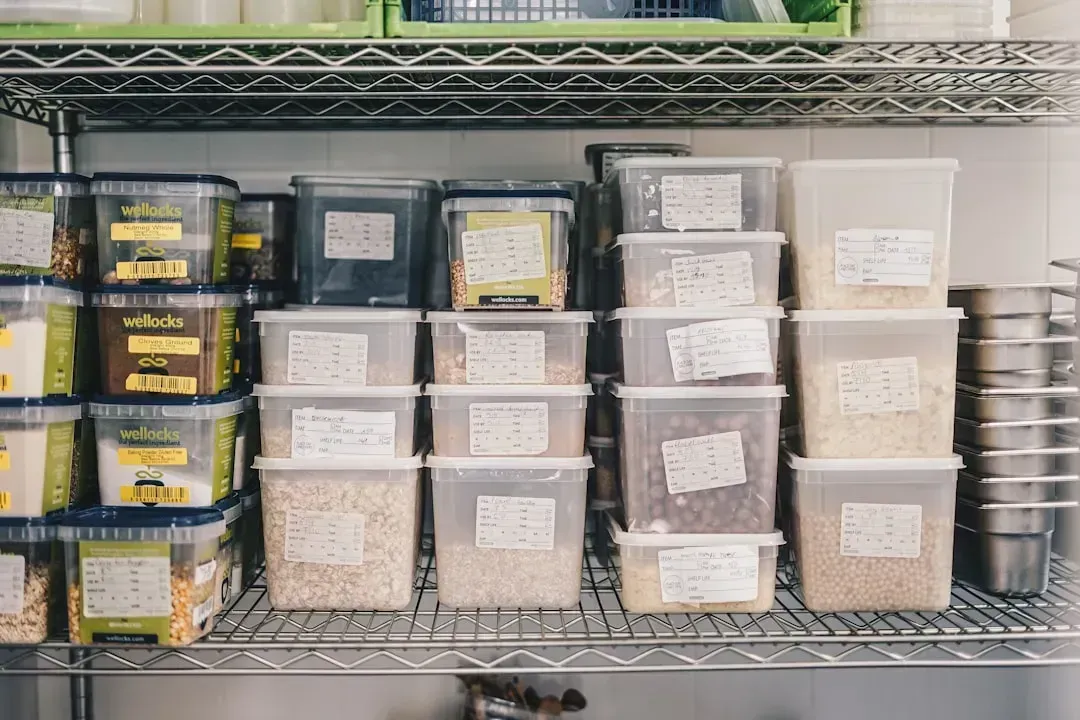
Survival experts combine long-term staples like grains, legumes, and canned proteins with familiar comfort foods to prevent food fatigue when stress levels are already high. A well-planned supply ensures the ability to weather short-term events with at least two weeks of meals, and scales up to three to six months for more serious scenarios.
The 2020 lockdowns demonstrated the fragility of supply chains, where families with well-stocked pantries avoided chaotic shopping and empty shelves. Supply disruptions in the years that followed caused prices for canned goods and flour to soar by over a third, leaving those without reserves far more financially and physically exposed. Rotation matters as much as volume: food that expires unused is money and security wasted.
5. Set Up Redundant Weather Monitoring Systems
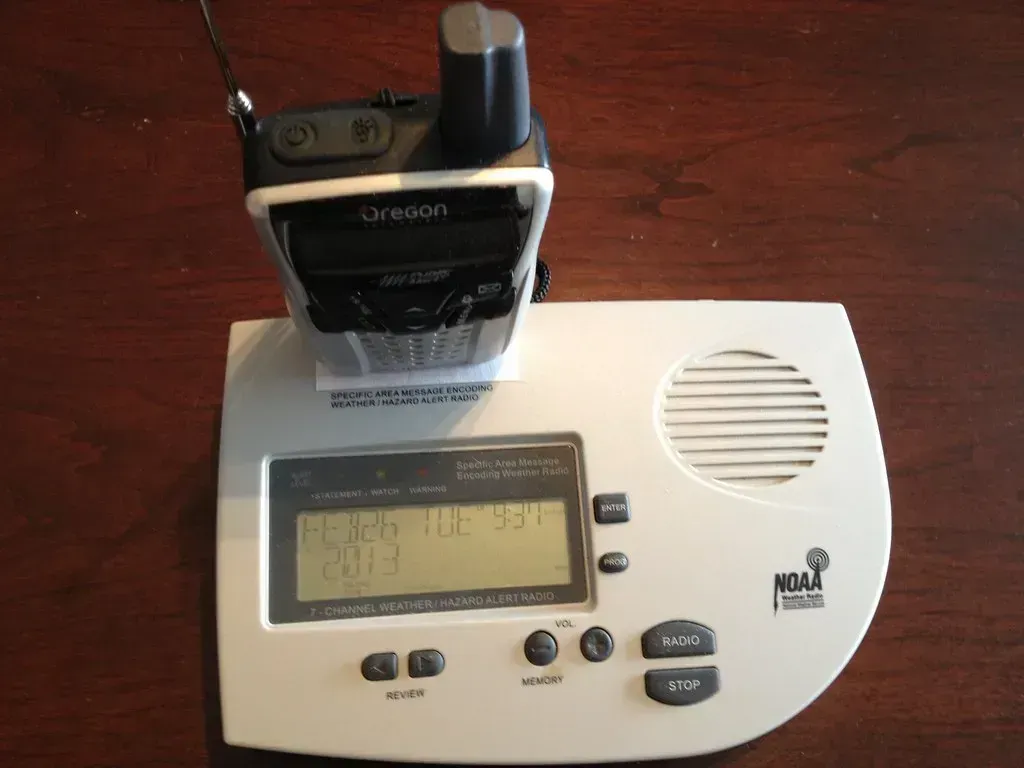
A NOAA weather radio or satellite alert device provides dependable communication especially when conventional internet service fails. Being proactive with early warnings can save lives by ensuring a preparedness plan is activated before a disaster fully hits. Relying only on a smartphone app is a single point of failure that every serious survival expert avoids.
Beyond official alerts, maintaining awareness of environmental changes such as water levels, soil stability, and fire risks can provide valuable early hints of upcoming hazards. Affordable sensors and DIY monitoring kits are now available for home use, extending situational awareness well beyond what a weather app can offer. A battery-powered NOAA radio is often the last device still functioning when cell towers are overwhelmed or knocked out.
6. Plan and Practice Multiple Evacuation Routes
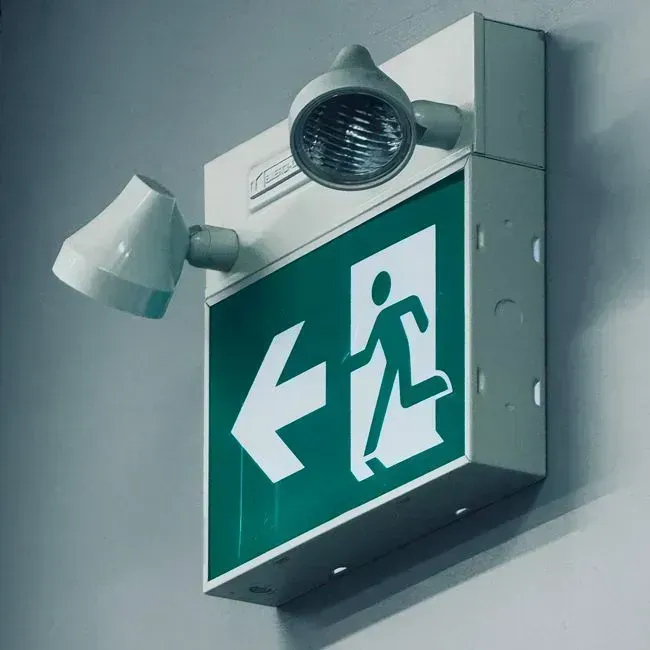
Many states have designated evacuation zones and predetermined evacuation routes. Learning your state and local plans through emergency management websites gives you a head start before the rush begins. The critical word there is “multiple.” A single planned route can be blocked by floodwater, downed trees, or gridlocked traffic in minutes.
Identifying several places to go in an emergency, including a friend’s home in another town or a motel, and choosing destinations in different directions gives you genuine options during a real event. Much like fire and tornado drills, evacuation plans should be practiced regularly to be as effective as possible. The more detailed and frequent the training, the more efficient and safe an actual evacuation will be.
7. Protect and Back Up Critical Documents
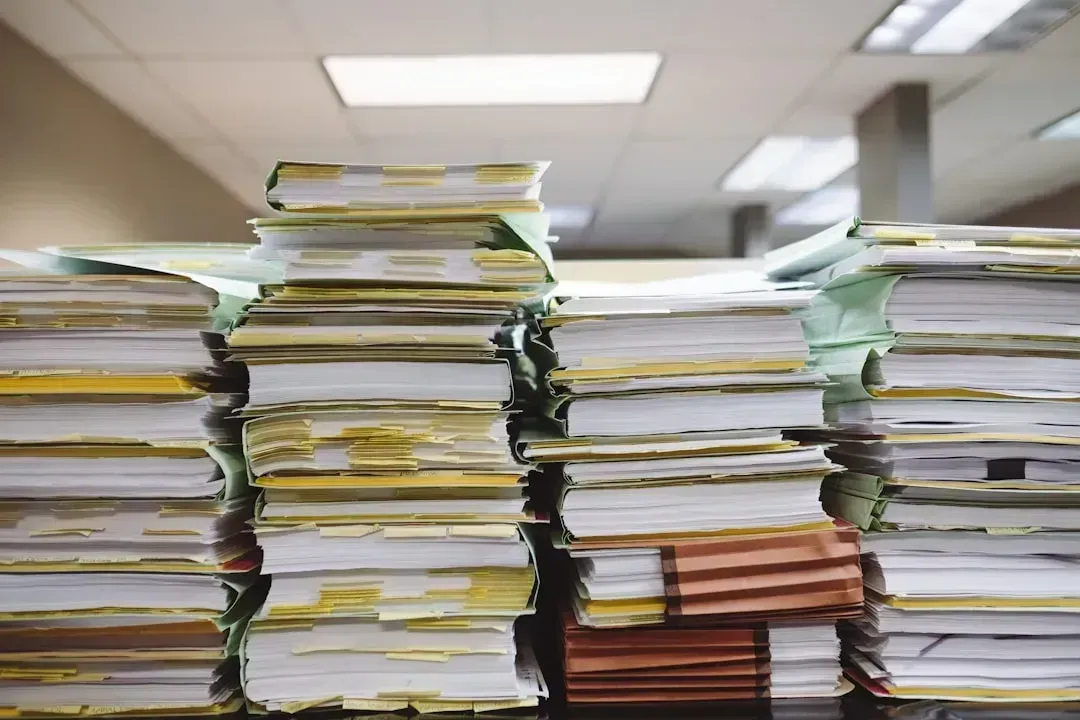
Financial and administrative recovery starts almost immediately after a disaster. When power grids are down, ATMs are offline, and the internet is gone, credit cards and digital payments are useless, making protecting your identity, proving ownership, and having actual cash a crucial, often forgotten part of a comprehensive emergency plan.
Keeping important documents such as insurance policies, identification, and medical records in waterproof containers or digitally stored where they can be accessed remotely is a preparation that survival experts never skip. Cash in small denominations, between $200 and $500, is also recommended since ATMs and card readers will not work during power outages. Losing documents in a flood or fire can extend a recovery from weeks into months.
8. Establish a Family Communication Plan with Backup Channels
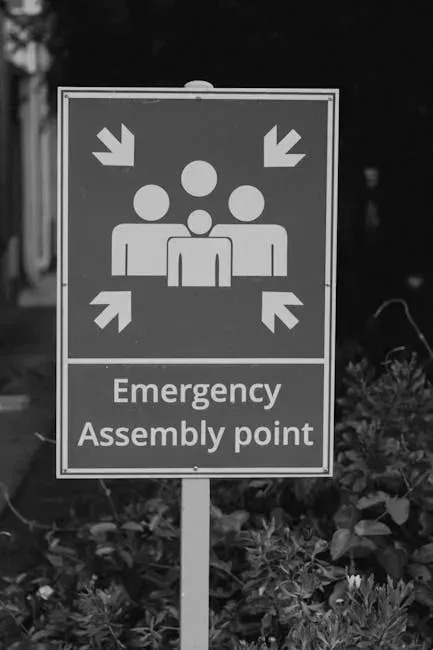
Sitting down with your family to discuss and document an emergency plan, including evacuation routes, meeting points, and communication protocols, is essential. Everyone should know their roles and what to do in different scenarios, and the plan should be practiced regularly through drills to improve response times and confidence.
Identifying a contact person outside the affected area and sharing cell phone numbers specifically for texting can be critical, since text messages will often go through even when voice calls cannot if cell service deteriorates. Satellite phones and mesh networks are now accessible options for when traditional networks fail, enabling people to stay connected with loved ones and emergency services.
9. Prepare for Power Outages Specifically
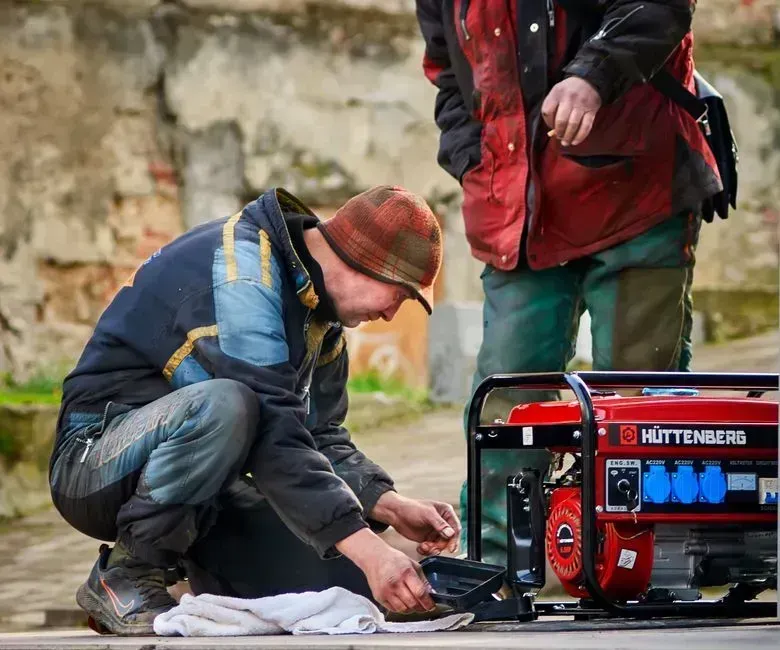
To prepare for a potential power outage, having backup power sources and an emergency plan in the event of a prolonged blackout is essential. Experts also warn of dangers like carbon monoxide poisoning when using a generator indoors. This is not a minor detail: carbon monoxide poisoning after storms is consistently among the leading causes of weather-related deaths in the United States.
A power outage can be an inconvenience, an adventure, or a chaotic disaster depending on how you’ve prepared. The fundamentals are having light sources, a way to charge electronics, a way to cook, and an option or two for staying cool in summer and warm in winter. A well-prepared home can manage extreme weather by minimizing heat loss or gain and utilizing non-electric solutions to regulate the indoor climate, and during the 2021 Texas winter storm, households with fireplaces, wood stoves, or safely used indoor propane heaters were able to fend off life-threatening indoor cold.
10. Address Medical Needs Before a Crisis Hits
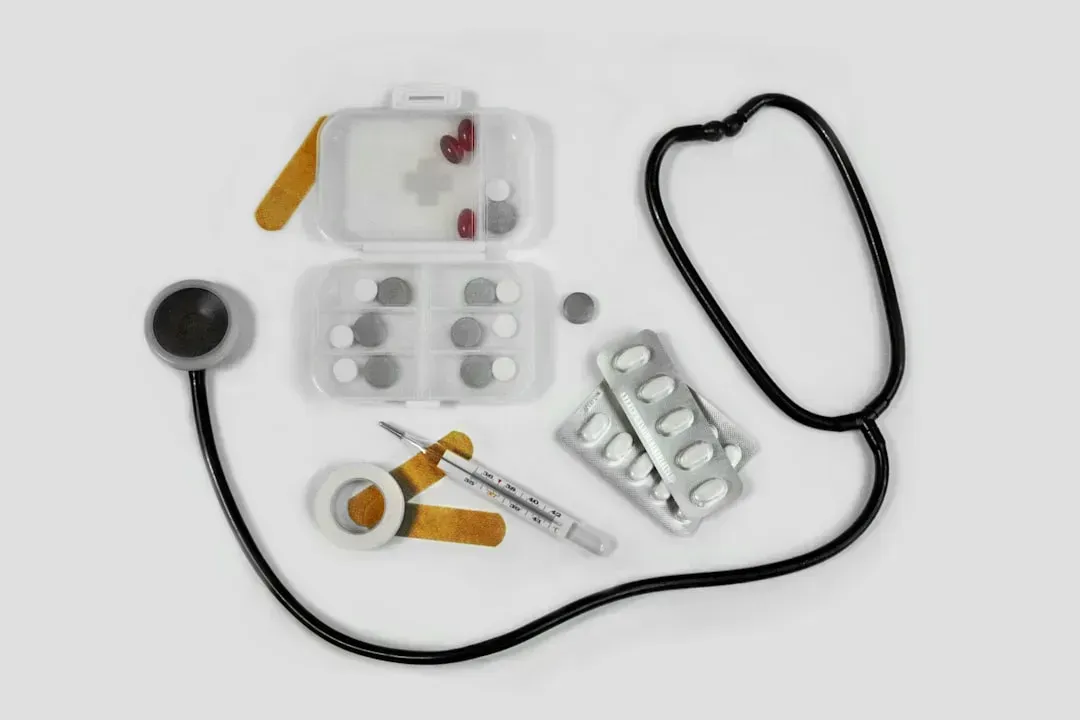
Creating a plan for medical essentials is a step that often gets overlooked. For those who rely on medical devices that run on electricity, like a life-saving ventilator or a CPAP machine, or who take medication that requires refrigeration, a specific plan to keep those devices running and medications cold during an outage is non-negotiable. Survival experts know that even a single missed medication or device failure can turn a manageable situation into a life-threatening one.
A basic home emergency kit should have enough supplies for ten to fourteen days. For anyone with ongoing medical needs, that window needs to be extended and coordinated with a healthcare provider well in advance. Since you don’t know where you’ll be when an emergency occurs, preparing supplies for home, work, and vehicles covers all scenarios, and all family members should know exactly where the kit is kept. Medical preparation isn’t a last-minute addition to a survival plan. It’s the foundation of one.
