
- 12 U.S. Cities Where Winters Have Changed Dramatically Since the 1970s - August 28, 2026
- The 11 American Cities With the Biggest Day-to-Night Temperature Swings - August 28, 2026
- Why Some Northern States Are Losing Snow Faster Than Others - August 28, 2026
Summer afternoons in a parking lot and summer afternoons under a maple canopy can feel like two different seasons, even though the thermometer says otherwise. That gap, measured in degrees but felt in exhaustion and utility bills, is why a growing number of American cities are treating trees less like decoration and more like infrastructure. From desert metros battling triple-digit heat to older industrial cities recovering from decades of disinvestment, urban forestry has quietly become one of the most practical tools in the climate playbook.
What follows is a look at twelve cities currently putting real money, staff, and community partnerships behind expanding their tree canopy, each with its own approach shaped by climate, history, and local politics.
1. New York City, New York
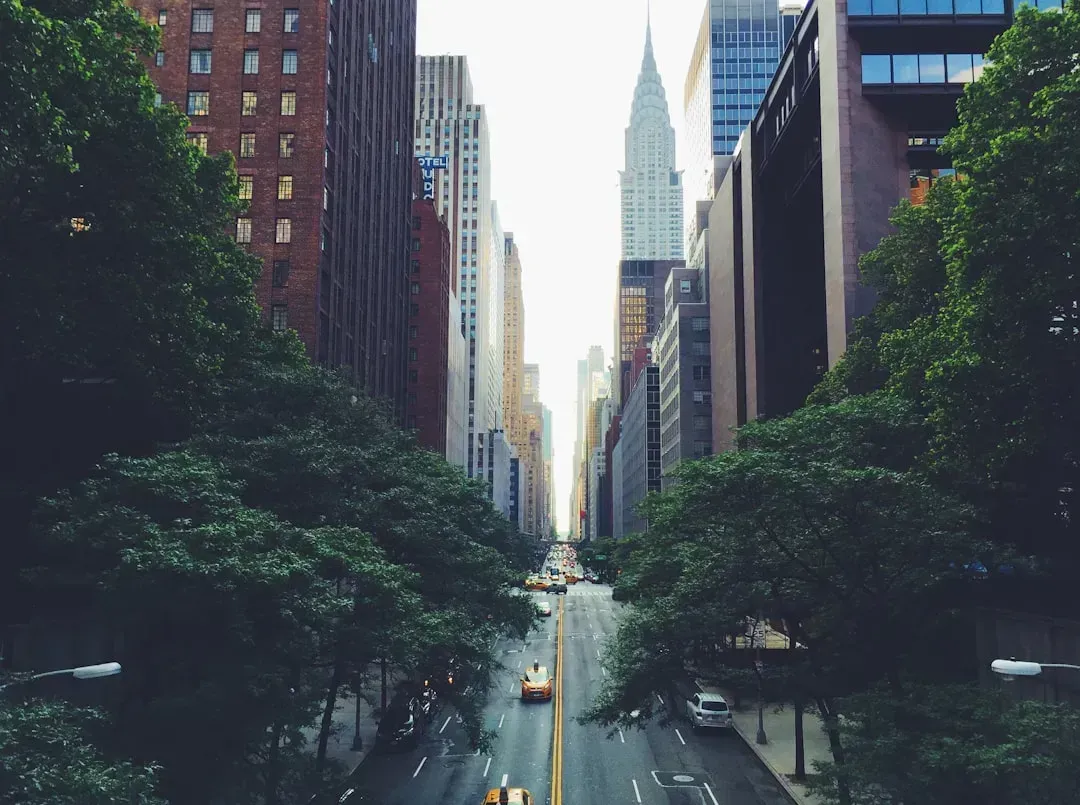
New York City enacted Local Law 1065 in November 2023, laying the groundwork for the city’s urban forest objectives and aiming to expand canopy coverage from 22 percent to 30 percent as recommended by the NYC Urban Forest Agenda. The city later codified that target further, with the Urban Forest Plan built to guide equitable expansion. The Urban Forest Plan outlines actionable strategies to expand tree canopy equitably to cover 30% of New York City.
Progress has been incremental but real. From 2017 to 2021, New York City saw a 1.2 percent total increase in tree canopy cover, with growth of 2.3 percent in parkland managed by NYC Parks and 2.1 percent along city streets. The payoff is measurable at street level, since urban trees can cool city streets up to 2°F, while forested natural areas are on average 6°F cooler than surrounding neighborhoods.
2. Los Angeles, California
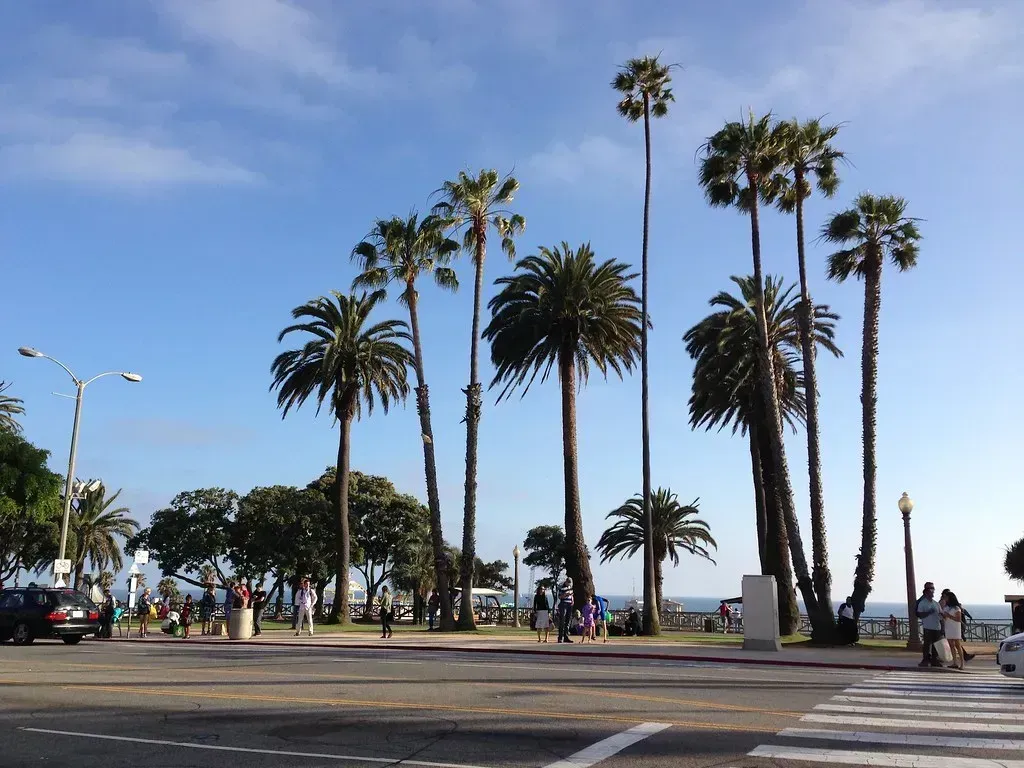
Los Angeles has folded tree planting into its broader Green New Deal, with a headline target that reaches well beyond individual parks. Cool Streets LA helps achieve goals in the city’s Green New Deal to plant 90,000 trees by 2021 and increase tree canopy 50% by 2028 in the greatest need areas. The disparity driving that push is stark: wealthier areas have up to 30 percent tree coverage, while many low-income and majority Black, Latino, and Asian neighborhoods have as little as 5 percent.
Recent research suggests the city’s own rules may be part of the problem. Los Angeles’ strict tree planting rules, originally meant to protect infrastructure and public safety, are now widening shade disparities, particularly in lower-income neighborhoods, and a 2025 study suggests easing these decades-old restrictions could significantly grow the city’s urban tree canopy without compromising safety. Groups like the USC Urban Trees Initiative and the Los Angeles Urban Forest Equity Collective are now working street by street to steer new plantings toward the neighborhoods that need shade most.
3. Phoenix, Arizona
Few cities feel the stakes of shade more literally than Phoenix, where officials have built an entire vision around walkable, tree-lined routes. Phoenix has a vision to implement a city-wide network of 100 Cool Corridors by 2030, each planted along pedestrian and transit-oriented pathways with approximately 200 trees. The city has also targeted residential areas directly, aiming to plant 20,000 trees across two dozen neighborhoods by the same deadline. A newer $60 million effort widens the approach beyond trees alone. The Shade Phoenix Plan takes on deadly temperature disparities with trees, structures and art installations. Federal support has helped fund the push as well, since a $10 million grant is helping the city’s Canopy for Kids program plant trees at public schools.
4. Denver, Colorado
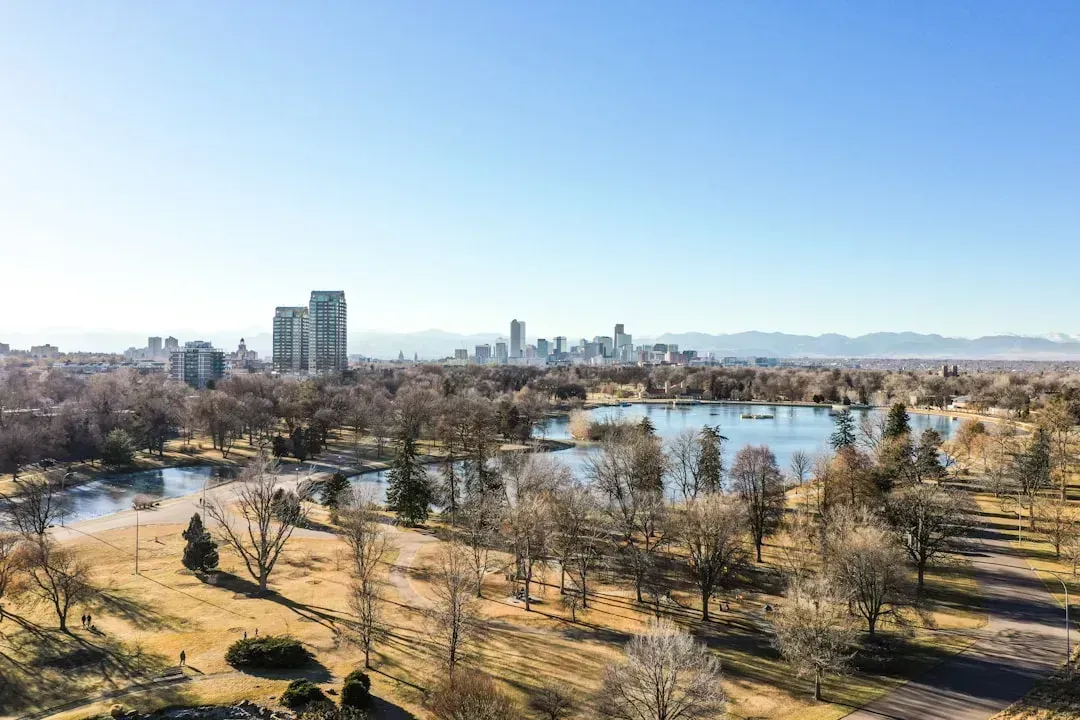
Denver’s tree ambitions date back nearly two decades, though the timeline has proven more difficult than planners first imagined. In 2006, the city launched the Mile High Million Tree Initiative with a goal of planting one million trees by 2025, and thus far 250,000 trees have been planted. That shortfall pushed city crews into a more urgent mode recently.
City leaders ordered a planting sprint that hit a roughly 4,500-tree goal for 2025, nearly doubling the roughly 2,500 trees Denver’s forestry team usually plants in a year. Much of that urgency comes from an uneven canopy across neighborhoods, where areas without proper shade can heat up, becoming 9 to 10 degrees hotter than other parts of the city that do have more tree shade.
5. Detroit, Michigan
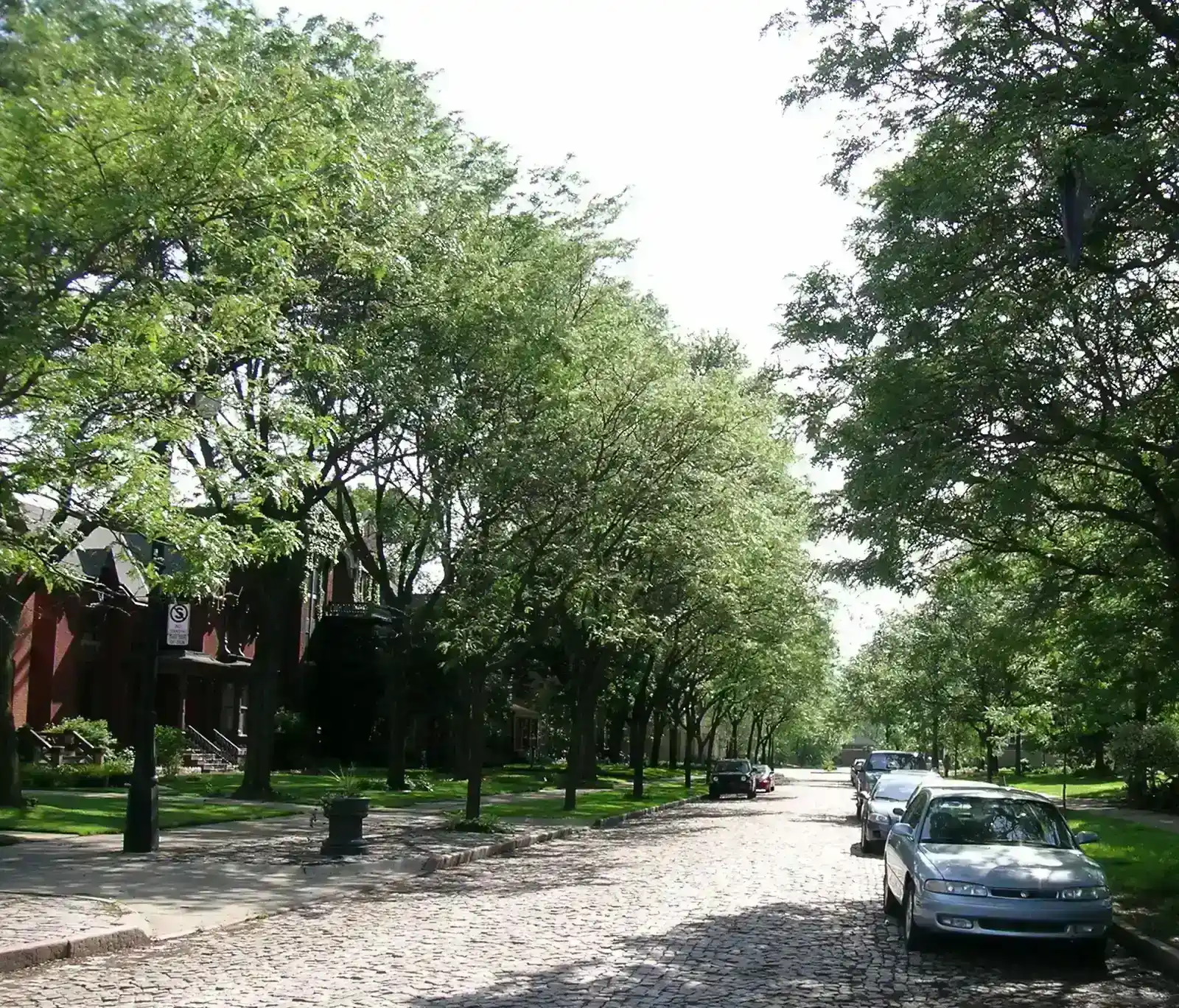
Detroit’s tree recovery has largely been driven by a nonprofit filling gaps left by decades of decline. The Greening of Detroit was founded in 1989 to restore the city’s tree canopy, revitalize green spaces, and promote environmental education, and since then has planted more than 147,000 trees across Detroit, Hamtramck, and Highland Park. The stakes for that work are unusually high in a city with substantial roadway heat exposure.
Research on the city’s transit corridors underscores why targeted planting matters so much. One study finds that increasing tree canopy over roadways to 50 percent could reduce heat-related deaths by 19 percent in Detroit. City officials and the nonprofit are now focusing new plantings along busy bus routes, where riders often wait in full sun with little relief.
6. Boston Area Gateway Cities, Massachusetts
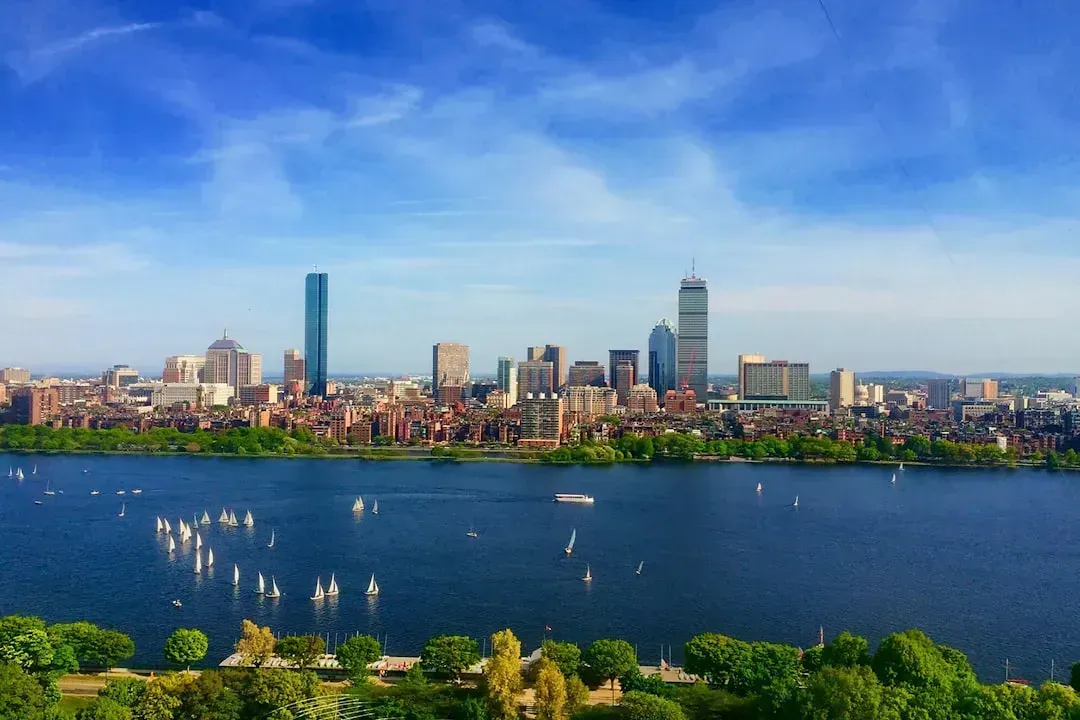
Rather than a single city program, Massachusetts has built a regional model aimed at its older industrial communities. The Healey-Driscoll Administration announced over $1 million in grants in 2024 to support tree planting through the Greening the Gateway Cities Implementation Grant Program, awarded to six municipalities, two non-profit organizations, and one state university. The framing from state officials has been consistently practical rather than purely aesthetic.
State leaders have tied the effort directly to household costs and public health outcomes. The Greening the Gateway Cities Program leverages state resources and engages residents to help plant trees and enhance public health, with reducing the urban heat island effect described as a top priority meant to cool neighborhoods, towns, and cities. Communities like Holyoke have used the funding to add canopy in downtown areas and parks that had long gone without it.
7. Buffalo, New York
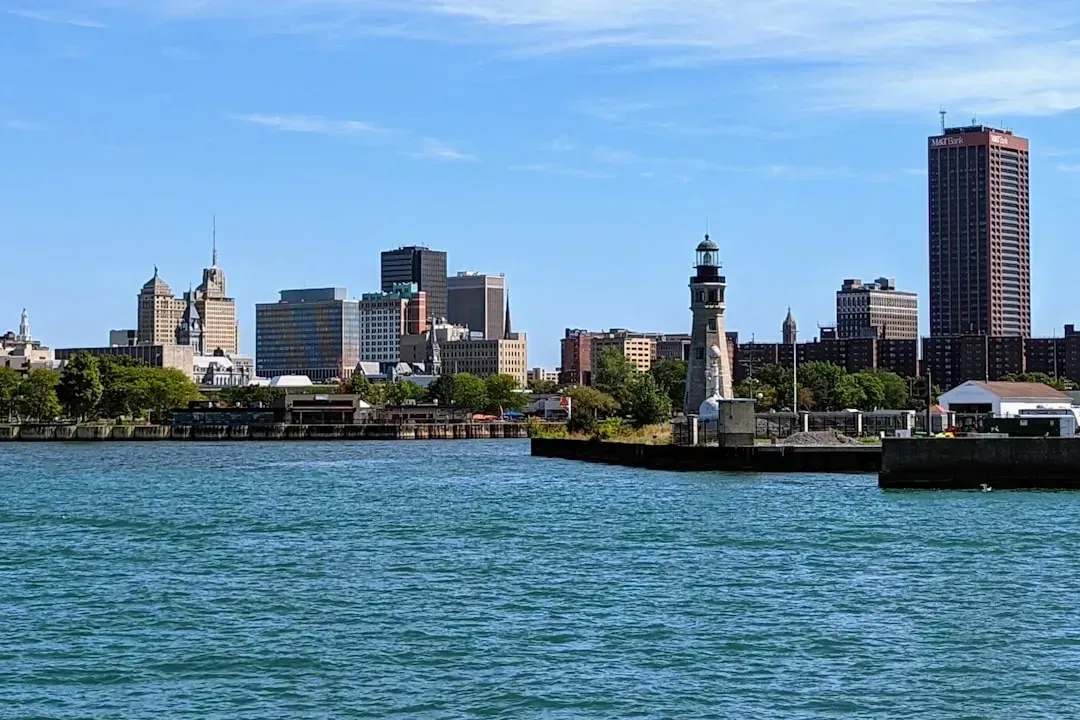
Buffalo’s push reflects a smaller city responding to weather that increasingly resembles what warmer regions have dealt with for years. As an extreme heat wave gripped Western New York, city officials and local nonprofits worked to expand Buffalo’s tree canopy, saying more trees can help cool neighborhoods and reduce the urban heat island effect. Residents on the ground have noticed the difference shade makes on the hottest days. The nonprofit partnership behind much of this work plans steady, incremental growth rather than a single dramatic push. The effort is part of a multiyear grant program, and the city plans to plant another 800 to 1,000 trees this fall. Re-Tree WNY continues to support that planting alongside city forestry staff.
8. Sacramento, California
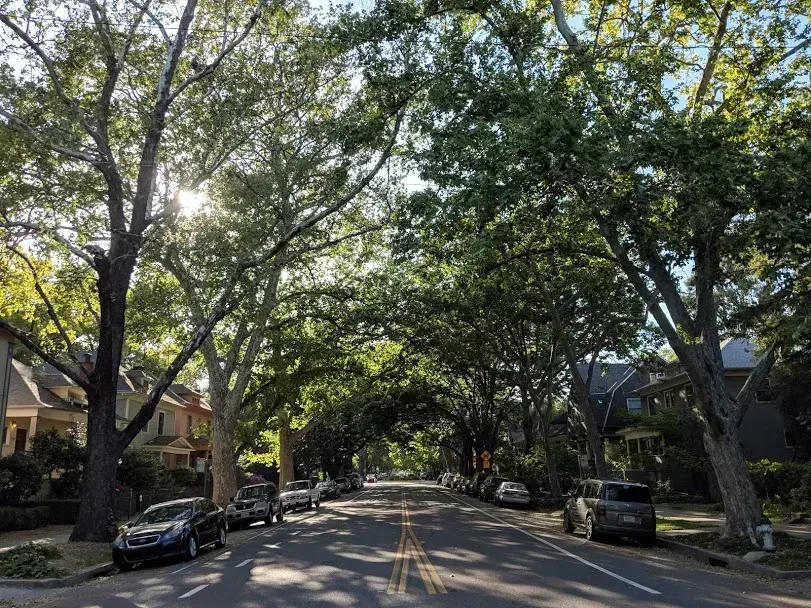
Sacramento’s branding as a tree city predates the current heat crisis, but the mission has taken on new urgency. The City of Trees program is focused on equity and environmental justice, prioritizing neighborhoods lacking sufficient tree cover to ensure the cooling and health benefits of urban forests reach every corner of the city. That equity focus mirrors what many other California cities have discovered when they map canopy against income.
The program’s approach leans on data-driven targeting rather than blanket planting, directing resources toward census tracts identified as having the thinnest canopy relative to heat exposure. Sacramento’s semi-arid summers, which regularly climb past 100 degrees, make the case for shade along sidewalks and school grounds fairly straightforward to residents.
9. Miami-Dade County, Florida
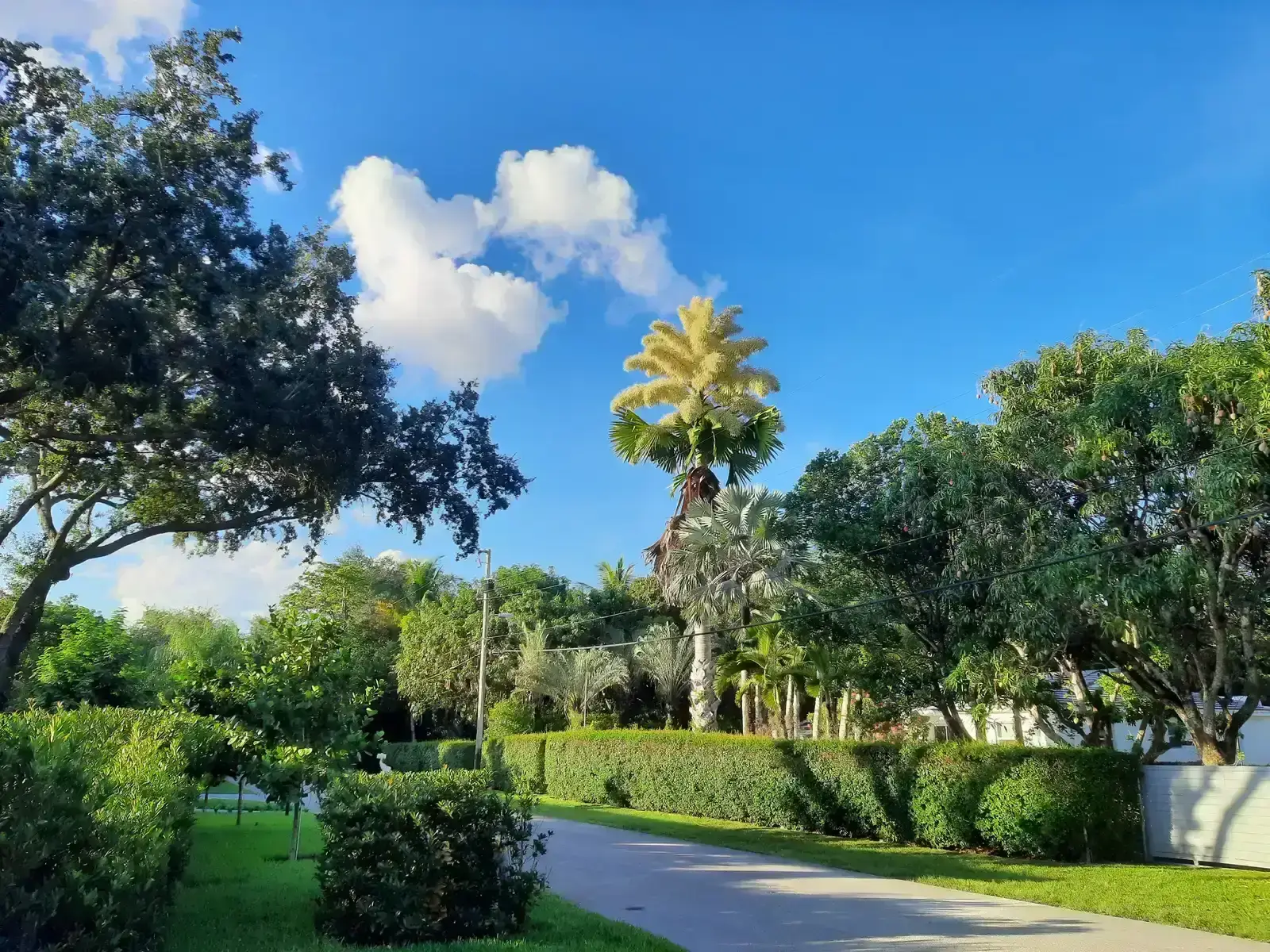
Florida’s approach has been shaped by a county-level heat office rather than a single city department, and by the sheer scale of the shortfall it is trying to close. The county’s goal is to achieve 30 percent tree canopy cover by 2030, up from about 20 percent in 2016. Chief Heat Officer Jane Gilbert has framed the effort around measurable public health outcomes rather than aesthetics alone. The disparity in health outcomes tied to canopy gaps is significant. Areas with low tree canopy and higher land surface temperatures are also the areas with very high rates of heat related emergency department visits and hospitalizations, to the tune of four times the rates of zip codes with high tree canopy. Even so, reporting on the county’s progress has found the pace of planting still lags well behind what the 2030 target requires.
10. Louisville, Kentucky
Louisville’s canopy data lays bare just how unevenly shade is distributed across a mid-sized American city. Tree canopy cover in Louisville neighborhoods ranges from 13 percent to 66 percent, and of the 25 neighborhoods in the city, 22 fall below the citywide average of 39 percent. City planners have connected that pattern directly to the neighborhood’s history. Local researchers have specifically examined how past housing policy shaped today’s tree gaps. Examining historic redlining areas and comparing canopy coverage between areas that were redlined and areas that were not can provide insight into how this practice has affected tree canopy coverage over time. The city’s Tree Plan uses that history to justify prioritizing new plantings in the neighborhoods that lost out decades ago.
11. Baltimore, Maryland
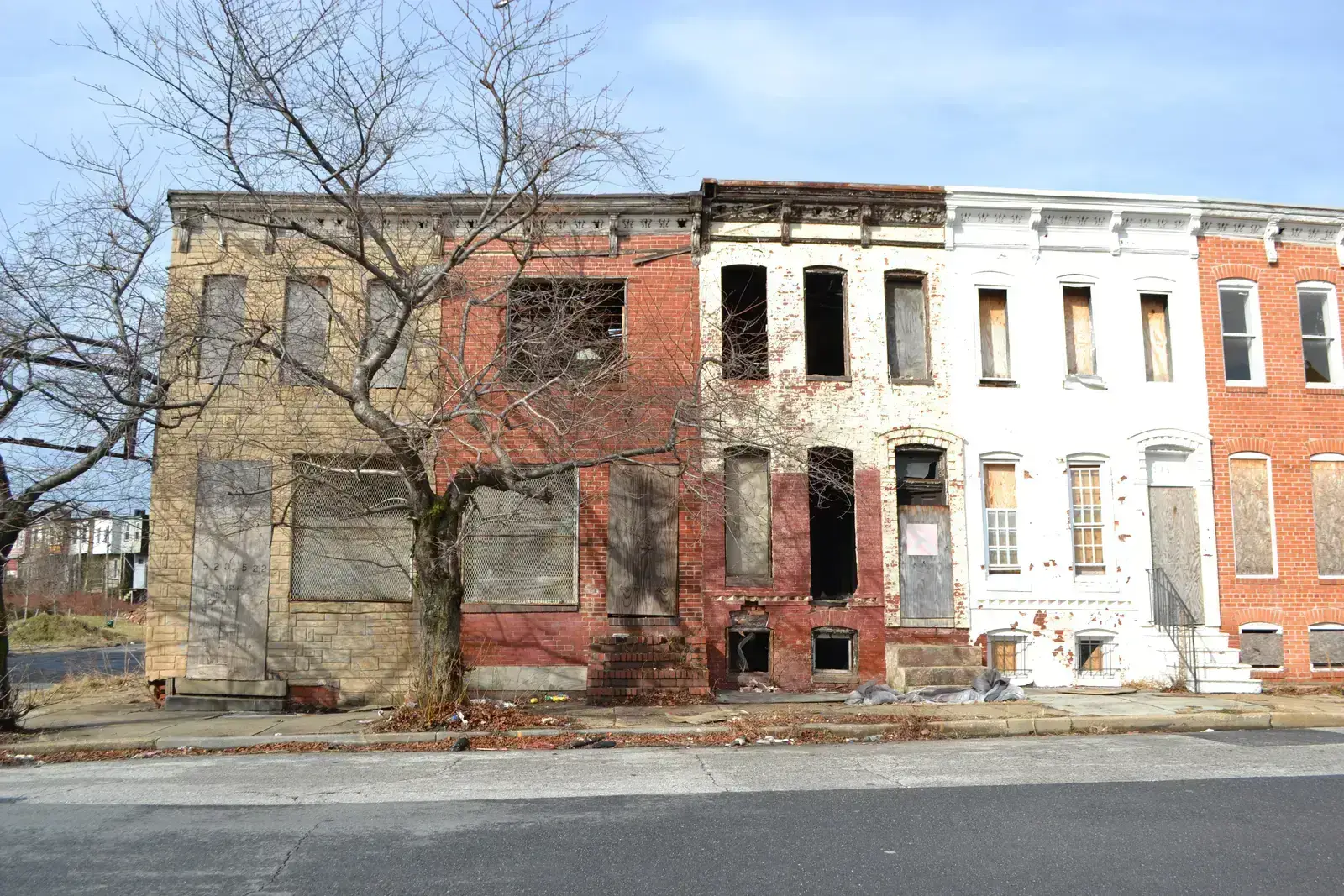
Baltimore has become something of a research hub for understanding exactly how much cooling trees deliver, and at what cost to household energy bills. A 2026 study modeling cooling-season energy demand across the city found that demand increases with developed fraction and imperviousness, and decreases with tree canopy and other vegetated or water cover. That kind of block-by-block modeling is now informing where the city steers new plantings. Baltimore was also part of a multi-city USGS field study that measured tree cooling directly with sensors rather than estimates. In more humid cities like Baltimore, Portland, and Miami, tree cooling is stronger than warming coming from impervious surfaces, which highlights the potential for increasing tree cover in these regions. That finding gives Baltimore’s forestry planners a clearer evidence base than many cities have had in the past.
12. Newark, New Jersey
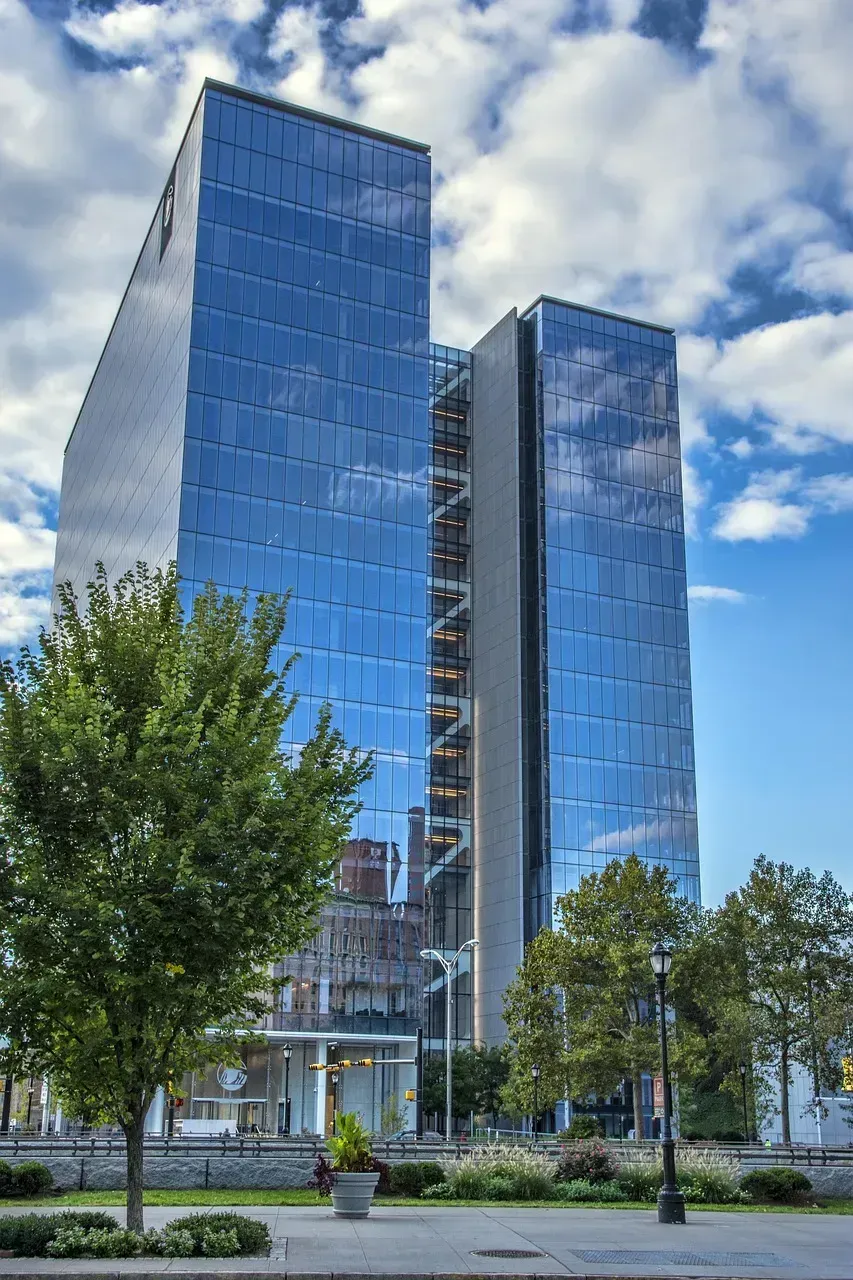
New Jersey has paired a citywide plan in Newark with a statewide funding mechanism, creating one of the more coordinated efforts on this list. The New Jersey Board of Public Utilities launched the Urban Heat Island Mitigation Program in July 2025, a $5 million initiative to help the state’s most vulnerable communities combat extreme heat and rising energy costs. Newark’s own plan slots directly into that funding stream. The state has been explicit about the mechanics behind tree cover as a cooling tool rather than treating it as a vague benefit. The initiative aims to increase tree canopy in urban areas to reduce summer sunlight by 10 to 30 percent while preserving winter sunlight through the use of deciduous trees. Newark’s Rooted In Newark plan works alongside the New Jersey Tree Foundation’s Green Streets initiative to keep that momentum going neighborhood by neighborhood.
Taken together, these twelve efforts show a pattern rather than a coincidence. Cities with very different climates, budgets, and histories are all landing on the same basic conclusion: shade is not a luxury feature of a neighborhood, it is a public health tool that happens to also look nice. Some programs are ahead of schedule, others are years behind their own targets, and a few are still figuring out which tree species can even survive the conditions they are planting into. What connects them is a shift in how city halls talk about trees, less as landscaping and more as the kind of infrastructure that belongs in the same conversation as roads, water lines, and power grids.
