


- 11 U.S. Cities Where Summer Heat Is Intensifying the Fastest - August 28, 2026
- 10 Cities Where Americans Are Moving Despite Growing Climate Risks - August 28, 2026
- 11 American Cities Where Winter Sunshine Is Surprisingly Reliable - August 28, 2026
Eureka, California: the town nobody picks for a vacation
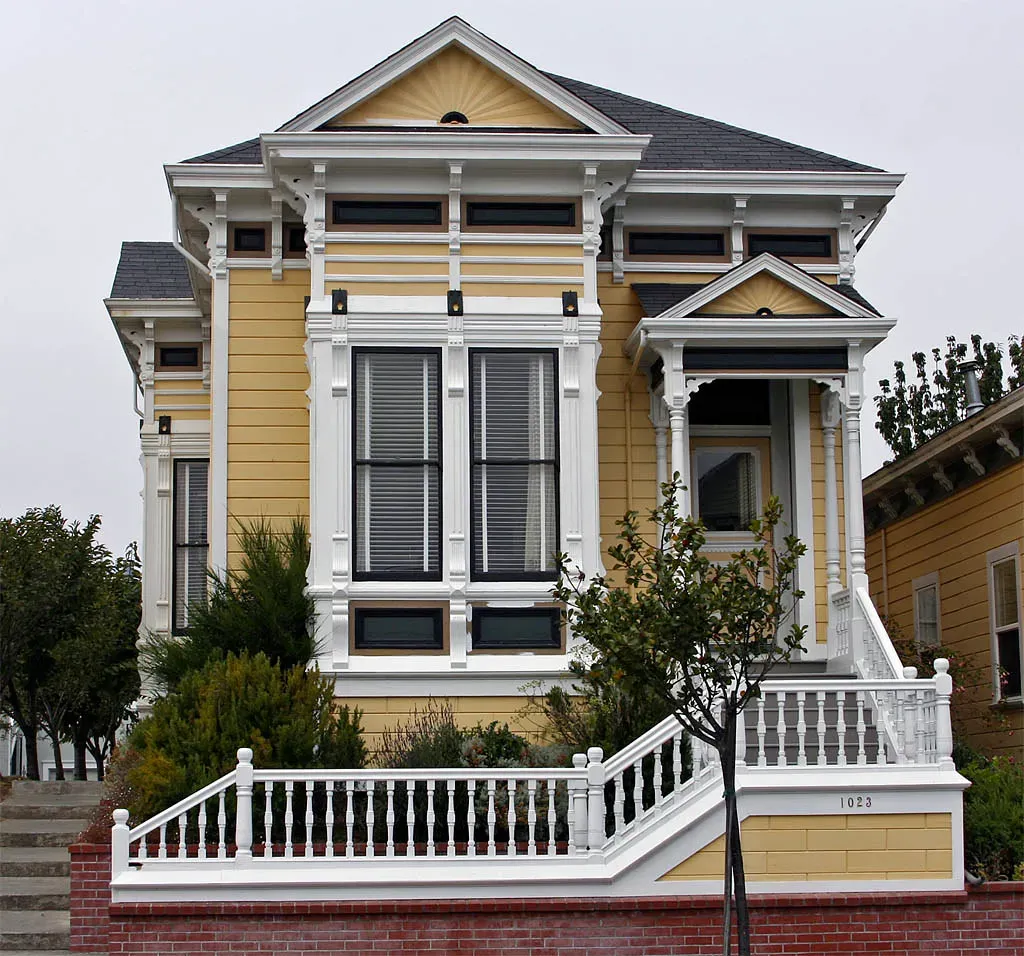
Eureka sits on Humboldt Bay in the far northwest corner of California, closer to the Oregon border than to San Francisco. It’s a working town built around fishing, timber, and, more recently, tourism tied to the nearby redwoods, not a resort community designed for weather bragging rights.
The city is located in the extreme northwest of California, on Humboldt Bay, and a short distance from the border with Oregon. Most Americans picture California as a place of endless sun and heat, which makes Eureka’s actual climate almost jarring by comparison.
What temperature stability actually measures

When climatologists talk about temperature stability, they usually mean one of two things: the annual range between the coldest and warmest months, or the diurnal range between a typical day’s high and low. Both matter, but they tell slightly different stories about a place.
A city can have a huge daily swing but a mild year overall, or the reverse. By temperature variance, the most honest metric, San Francisco and Honolulu tie at a 9°F spread between coldest and warmest month, which sets a useful benchmark for comparison. Eureka’s numbers, once you dig into them, land in that same rarefied territory.
The numbers behind Eureka’s remarkably narrow range
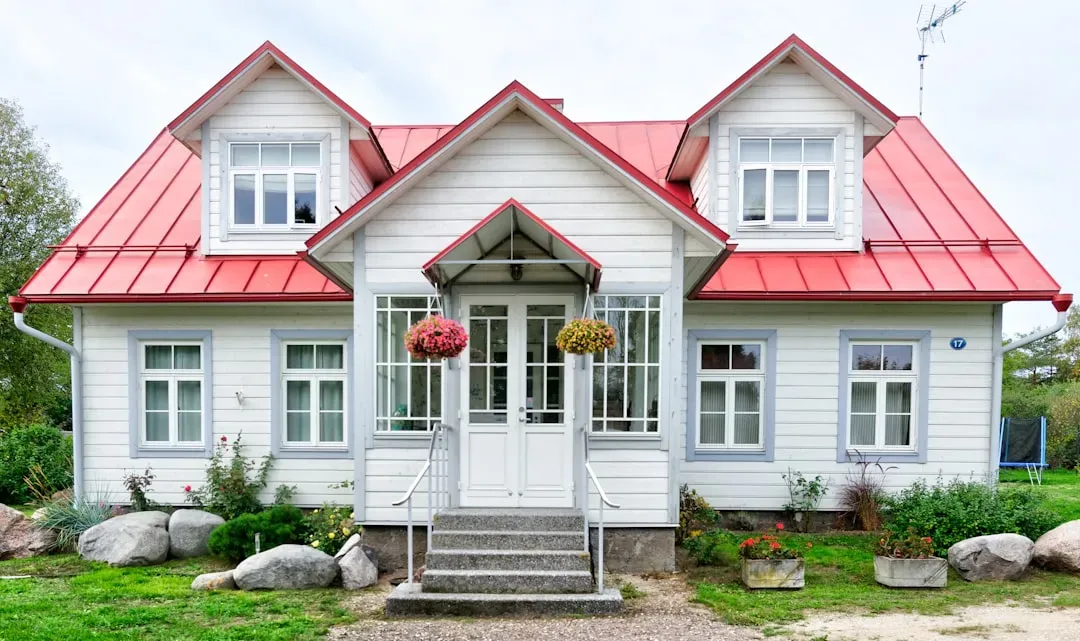
Eureka’s climate profile reads almost like a flat line compared to most of the country. Average monthly temperatures vary by only 5.5°C, or roughly 9.9°F, across the entire year, a figure that puts it in the same conversation as coastal Hawaii and the fog belt of San Francisco.
This indicates that the continentality type is hyperoceanic, subtype truly hyperoceanic, which is a technical way of saying the ocean dominates the local climate almost completely. Highs barely move throughout the year either. Over the course of the year, the temperature typically varies from 42°F to 64°F and is rarely below 33°F or above 71°F, a range most inland American cities blow past in a single week.
Why the Pacific Ocean acts like a thermostat
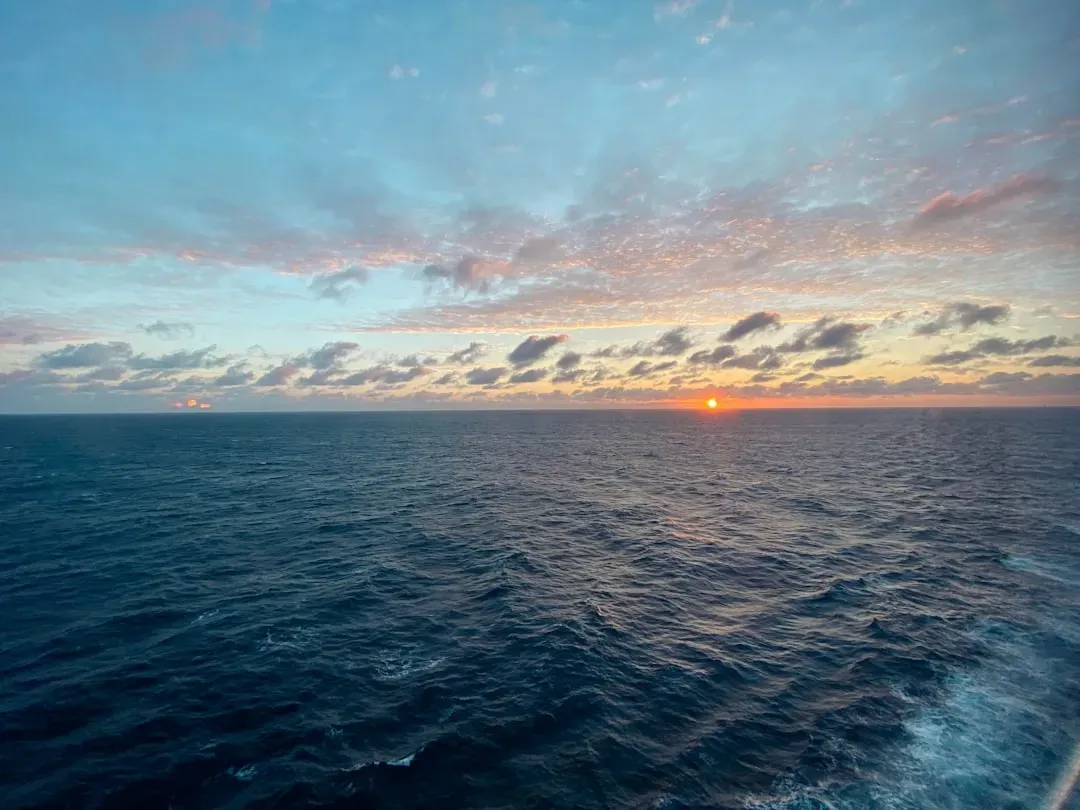
Water heats up and cools down far more slowly than land, and that simple physical fact is the entire reason places like Eureka barely register a season change. The Pacific Ocean off the Humboldt County coast stays cold and remarkably steady year round, and the air moving inland off that water carries the ocean’s temperature with it rather than the sun’s.
The sea temperature ranges from 11°C in February, March, April to 14°C in September, a spread of barely three degrees Celsius across the entire calendar. When the ocean itself barely fluctuates, the air above it, and the town sitting right on its edge, has almost nowhere to go.
The marine layer and the fog that makes it possible
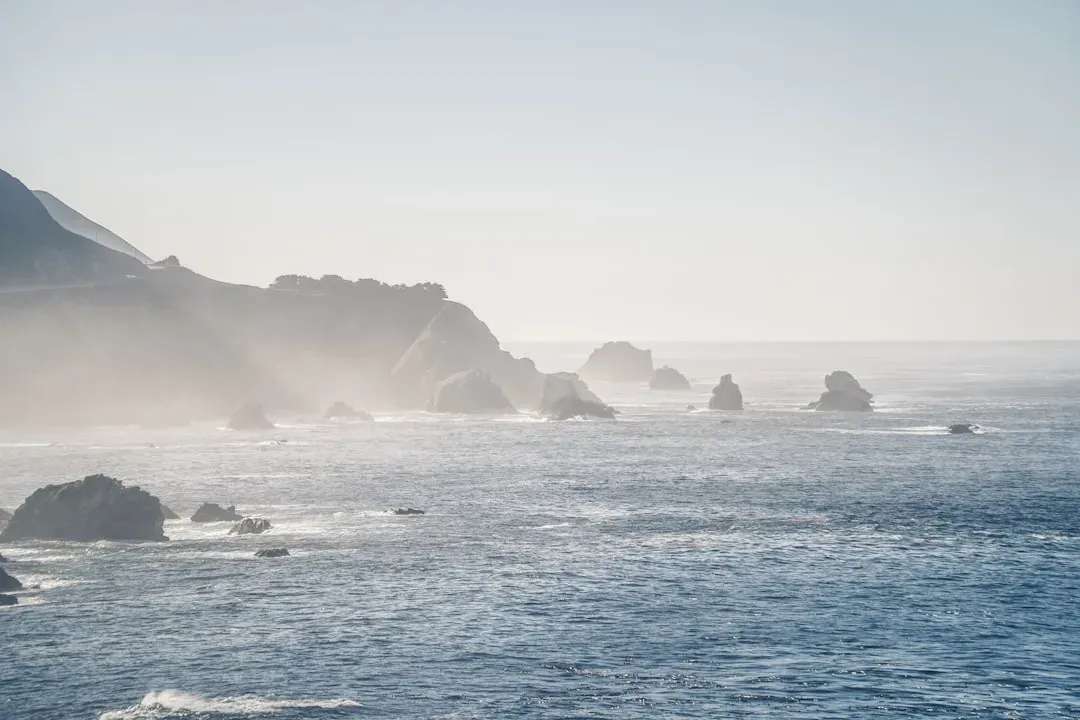
Eureka’s stability isn’t just about ocean temperature, it’s also about the persistent marine layer and coastal fog that blanket the area for much of the year. That fog acts like a lid, keeping summer heat from building up during the day and keeping heat from escaping too quickly at night.
This is why Eureka’s summers feel almost anticlimactic. The hottest month of the year in Eureka is actually September, with an average high of 65°F and average low of 50°F, not the peak of summer like nearly every other American city. The fog simply refuses to let July or August get out of hand.
How Eureka stacks up against the usual mild-weather favorites

San Diego and Honolulu get most of the credit for having the country’s most livable climates, and they’ve earned it in terms of comfort. But comfort and stability diverge here in a telling way. San Diego and Oklahoma City actually share the same annual maximum temperature of 71 degrees, yet depending on the month, Oklahoma City swings far colder or hotter than San Diego, which shows how misleading a single average number can be.
Eureka’s monthly swing of under ten degrees Fahrenheit sits right alongside, and in some calculations edges past, the numbers posted by California’s more famous coastal cities. The difference is that nobody built a tourism campaign around Eureka’s weather, so the story never got told the same way.
Daily life in a place with barely any seasons

Residents of Eureka describe a climate that doesn’t really have a summer or a winter in the way most Americans understand those words. Sweaters work in July almost as often as they do in January, and the wardrobe planning that dominates conversation in most of the country simply isn’t a daily concern here.
With minimal seasonal shifts, Eureka experiences a constant climate year round, which locals tend to describe less as paradise and more as background noise, something they stopped noticing decades ago. It’s a strange kind of stability, less about warmth and more about the absence of surprise.
The tradeoff nobody mentions: gray skies and rain
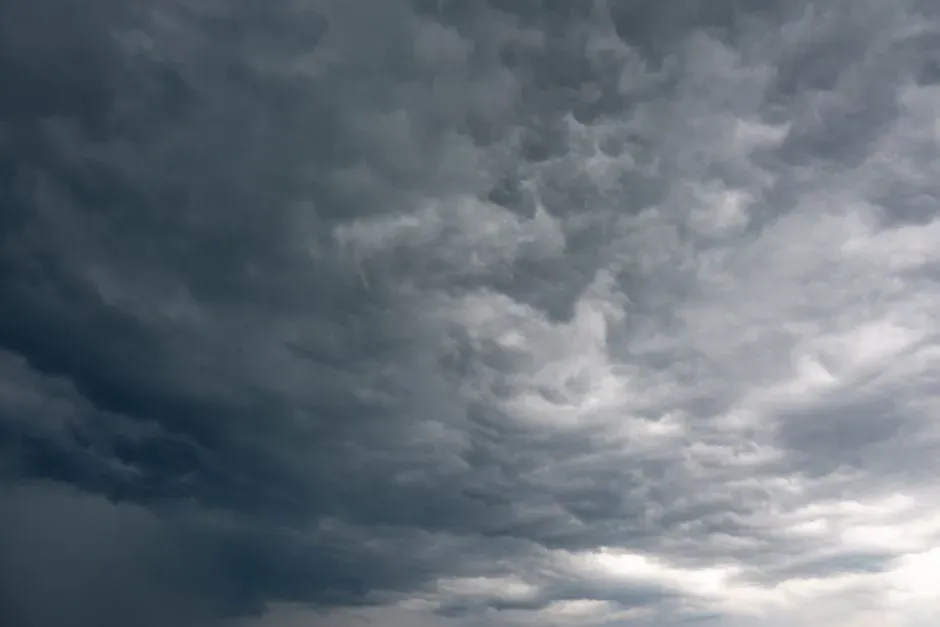
Temperature stability in Eureka comes bundled with a climate that many people would find genuinely difficult to love. The same marine layer that flattens the temperature curve also brings persistent overcast conditions and a lot of rain.
Precipitation amounts to 1170 millimeters per year, which is quite abundant, concentrated heavily in the winter months. Eureka has only about 12 days, or roughly 0.4 months, with what’s classified as comfortable weather each year, among the fewest of any American city. Stability, it turns out, isn’t automatically pleasant.
Other quiet contenders along the American coastline
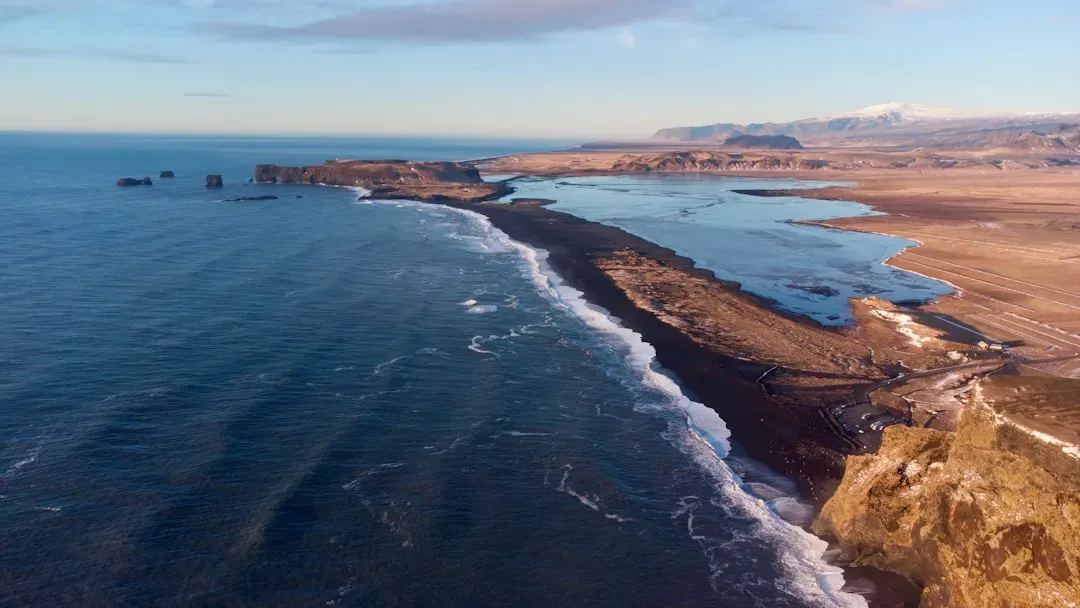
Eureka isn’t entirely alone in this category, even if it’s the most extreme example on the mainland. Other stretches of the far northern California and southern Oregon coast, places like Crescent City or parts of Humboldt County further inland from the immediate bay, show similar patterns because they sit under the same oceanic influence.
San Francisco remains the closest true rival in terms of raw numbers among larger, better-known cities. What separates Eureka is scale and obscurity, a town small enough and remote enough that its climate data rarely gets cited outside of specialist weather sites and NOAA records, even though the underlying science is just as solid.
Why this quiet stability matters more now

As extreme heat events and wilder temperature swings become more common headline material across much of the country, places with genuinely flat climate curves are drawing fresh attention from researchers and, increasingly, from people thinking about long-term relocation. A city that doesn’t lurch between heat waves and cold snaps carries a kind of resilience that’s hard to quantify but easy to appreciate once you’ve lived somewhere that does. Eureka won’t be for everyone, the fog and rain see to that. But its climate offers a useful reminder that the most remarkable weather stories in America aren’t always happening in the places getting the postcards.
