

- NASA invites students to design a moon base in $1 million challenge - November 11, 2026
- Why Some People Can Feel a Storm in Their Joints, According to Experts - November 11, 2026
- 7 Foods That Taste Better on a Rainy Day, According to Chefs - November 11, 2026
Ask anyone who went to school in the 1960s or ’70s about emergency drills, and you’ll often get a quick, vivid memory. A bell that sounded different from the usual one, a teacher’s raised hand, a line of kids shuffling into a hallway.
The threats back then were a mix of Cold War dread and ordinary hazards like fire, wind, and floods. Here are twelve drills that shaped those school days, along with what was behind each one.
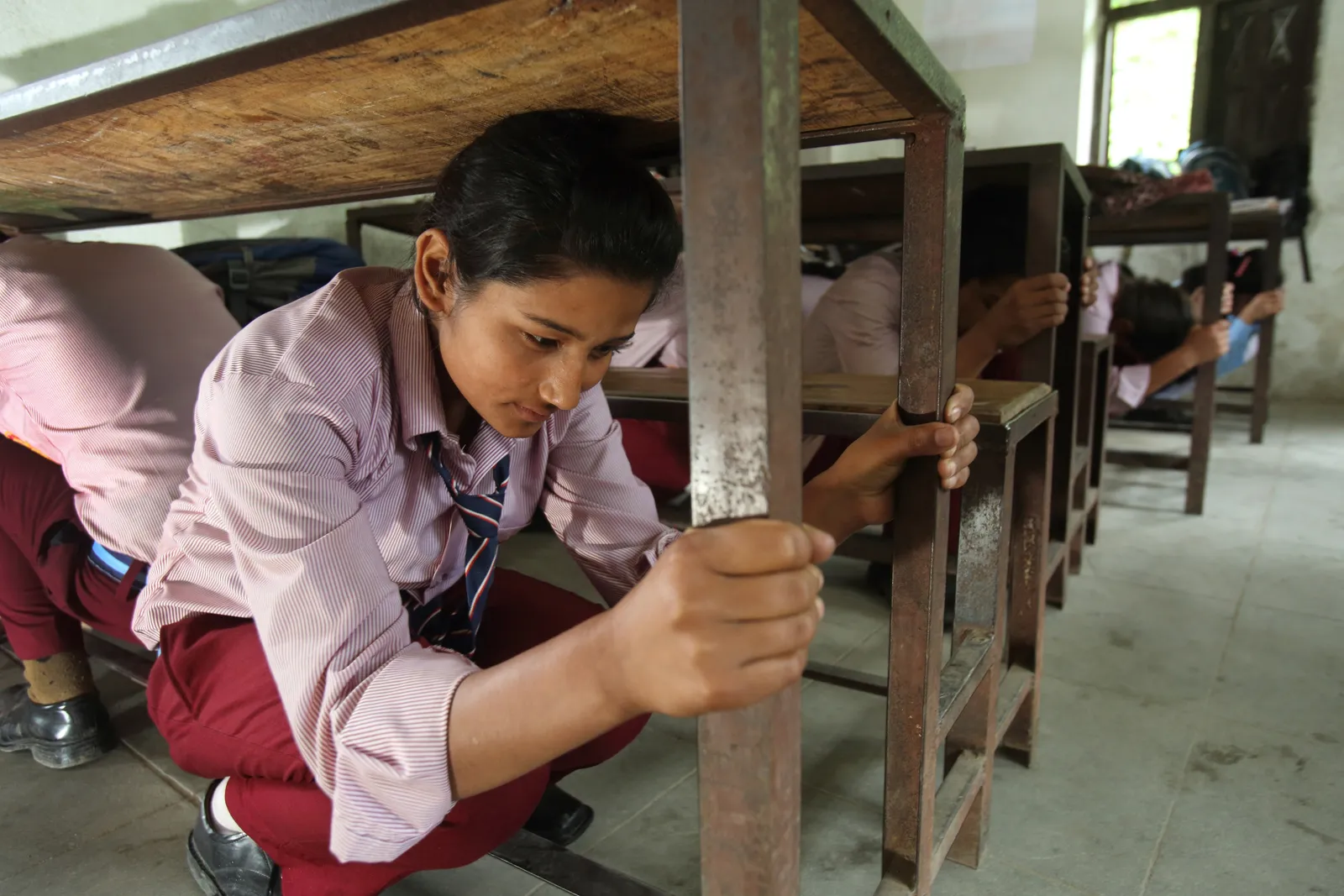
Duck and Cover Under the Desk
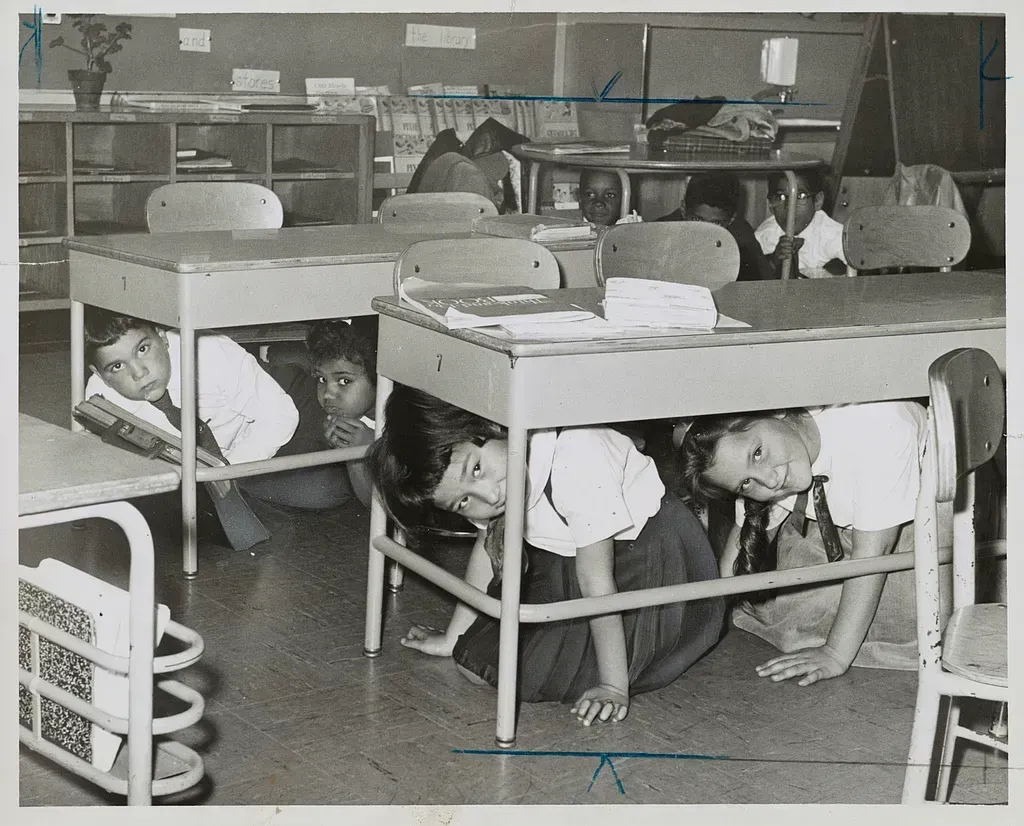
This is the drill most people picture first. Students were taught to drop beneath their desks, tuck their heads, and cover the backs of their necks. The routine was popularized by a civil defense film from 1951 featuring Bert the Turtle, and it stayed in classrooms well into the 1960s.
The idea was to protect children from flying glass and debris during a nuclear flash. Critics have long questioned how much protection a desk would really offer in a direct attack. Even so, the drill taught kids to react instantly to a warning, which was the main goal.
Hallway Tuck Against the Wall
Some schools sent students into interior corridors instead of under desks. Kids knelt facing the wall, heads down, hands laced over the backs of their necks. It was a common sight during tornado drills, especially across the Midwest and South.
Hallways without windows made sense because flying glass is a major hazard in storms. The 1974 Super Outbreak, which struck on April 3 and 4 and spawned well over a hundred tornadoes across thirteen states, made the lesson feel urgent for many communities. Plenty of schools kept the routine for decades afterward.
Fallout Shelter Basement Marches
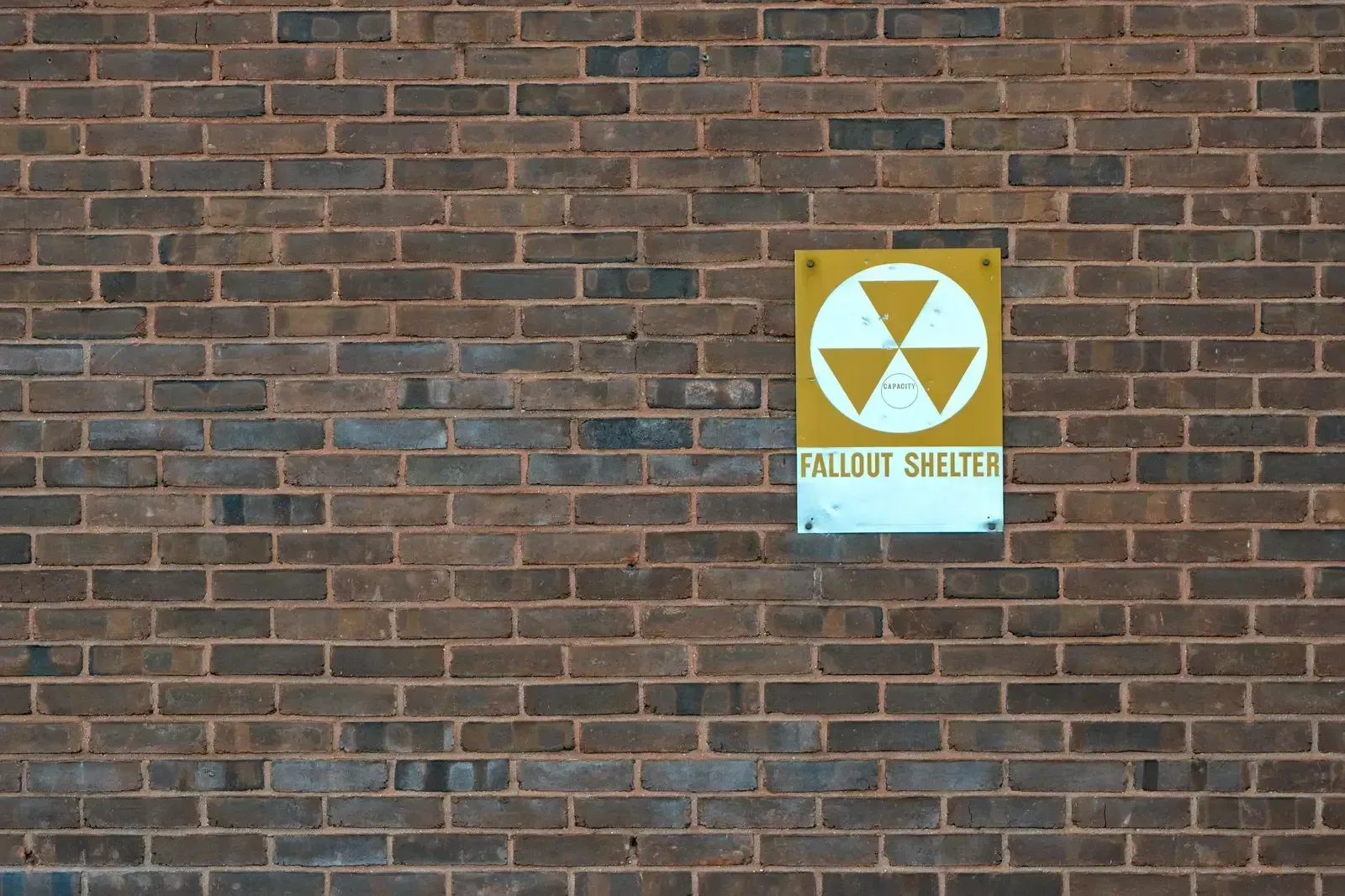
In the early 1960s, the federal government surveyed buildings to find spaces that could shelter people from radioactive fallout. Many schools ended up with the yellow and black fallout shelter sign by a basement door. Students sometimes walked down in an orderly line to practice getting there.
The signs were part of a national shelter program that gained momentum under President Kennedy in 1961. Some of those faded signs are still visible on older buildings today. They’re a small reminder of how seriously planners took the threat.
Fire Drills After Our Lady of the Angels
Fire drills weren’t new, yet they took on greater seriousness after the Our Lady of the Angels school fire in Chicago on December 1, 1958. Ninety two students and three nuns died in that blaze. It led communities across the country to look hard at exits, alarms, and building codes.
By the 1960s and ’70s, monthly fire drills were routine in many districts. Students filed out by assigned routes, teachers took attendance outside, and principals timed the whole thing. The practice remains one of the few drills from that era that looks nearly the same today.
Cuban Missile Crisis Readiness
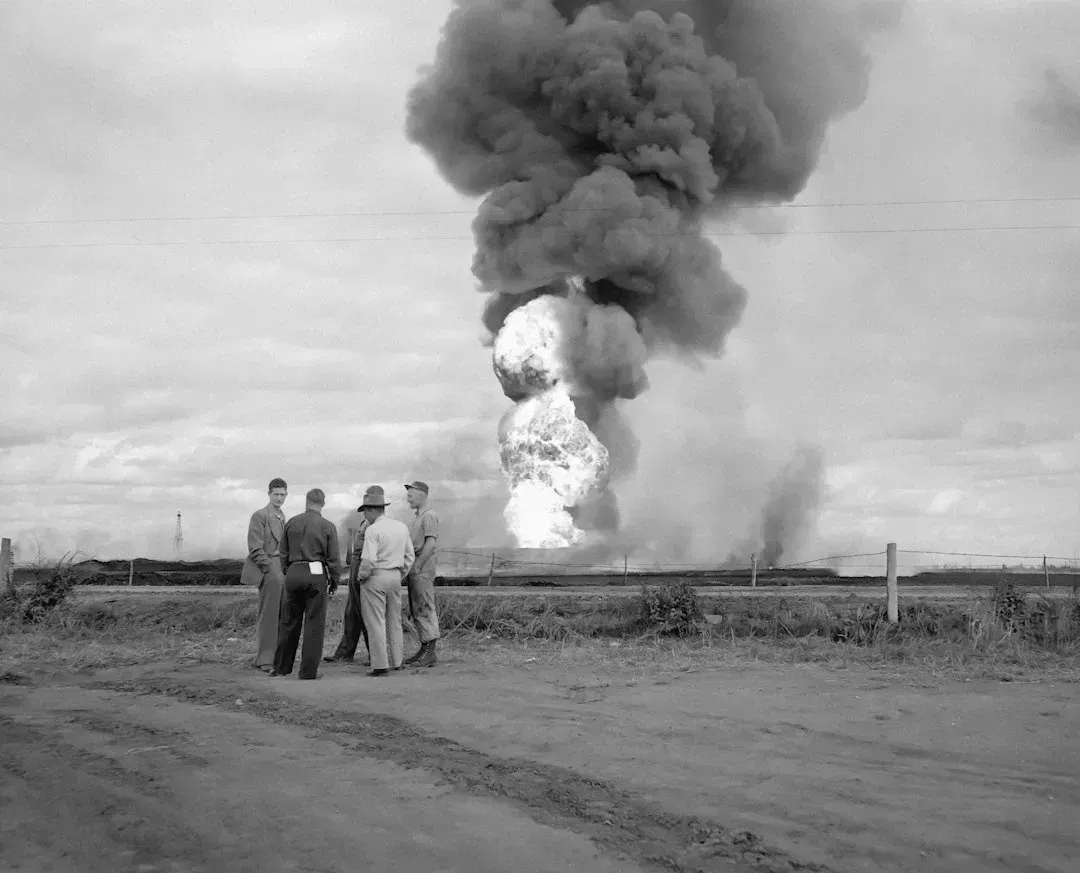
In October 1962, the standoff over Soviet missiles in Cuba pushed nuclear fears into ordinary classrooms. Teachers in some places reviewed shelter procedures and emergency plans more earnestly than before. Many students sensed the tension even if adults didn’t explain much.
The crisis lasted about two weeks, but its effect on civil defense attitudes lingered. Drills that had felt like routine exercises suddenly seemed far more real to many families. Accounts from former students often describe that period as a turning point in how they viewed the drills.
Radio Alert Listening Drills
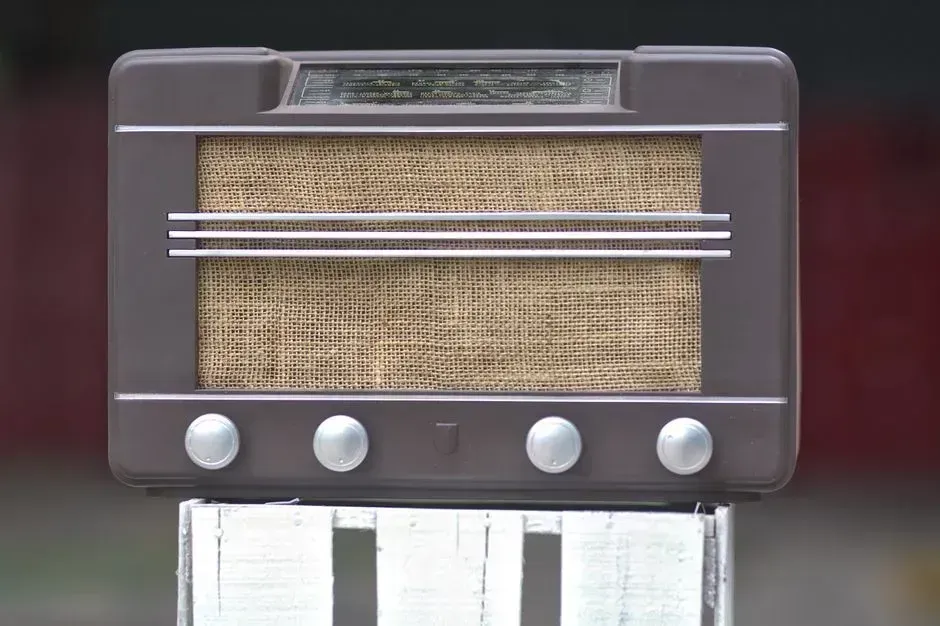
Another part of Cold War preparation involved emergency broadcasts. The CONELRAD system, which guided Americans to specific radio frequencies during an attack, was replaced by the Emergency Broadcast System in 1963. Schools sometimes used the signal tests to remind students what to do if a real alert came.
Those long, flat tones interrupting programs became a familiar sound in homes too. In classrooms, teachers might explain what the tests meant and where students were expected to go. It was a quiet kind of drill, built around listening rather than moving.
Earthquake Drop, Cover, and Hold
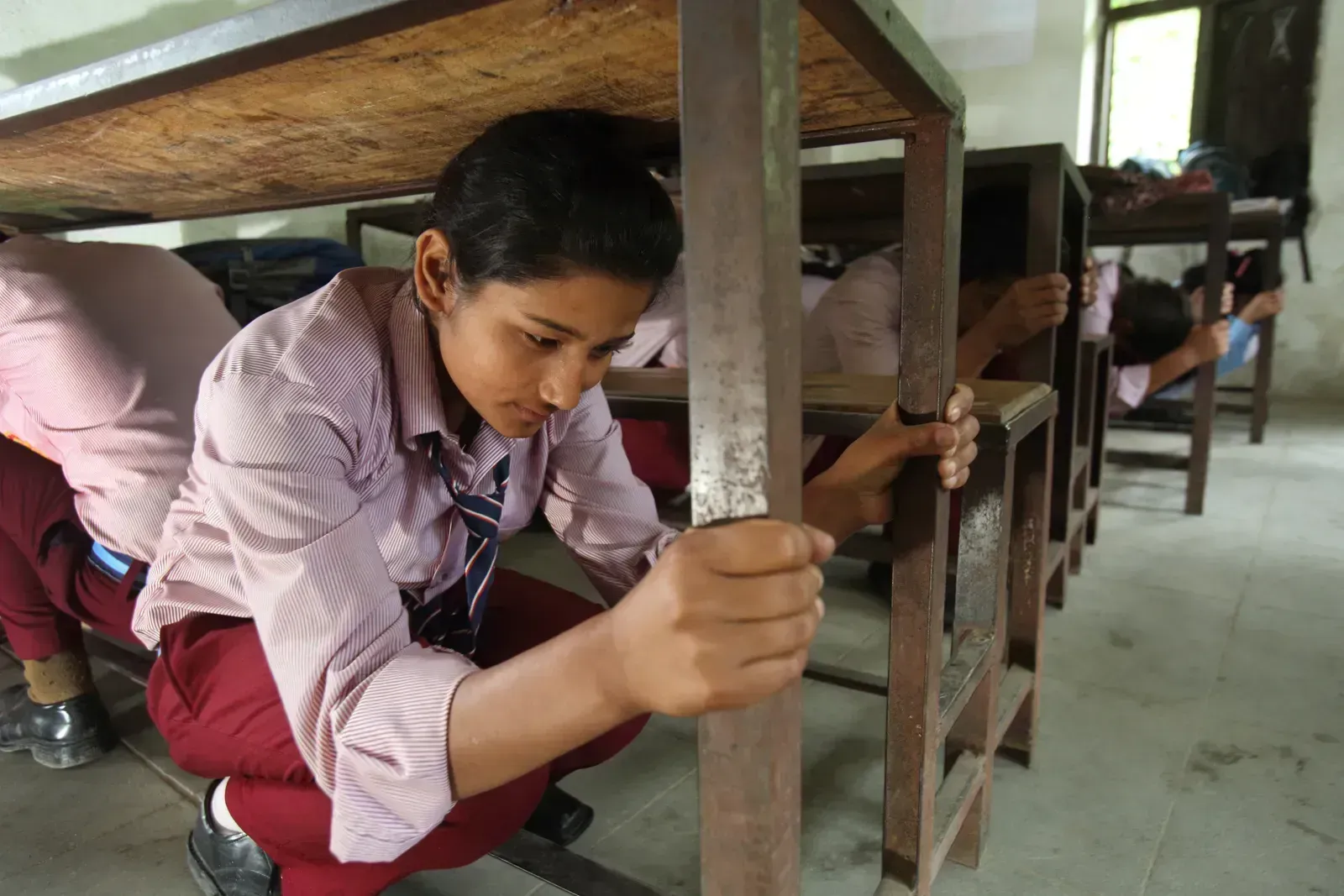
In California, earthquakes were a more immediate concern than missiles. After the 1933 Long Beach earthquake damaged schools, the state passed the Field Act to set stricter construction standards. Students practiced getting under desks and away from windows.
The magnitude 6.6 San Fernando earthquake on February 9, 1971, renewed attention on school safety across Southern California. Earthquake drills grew more common in the years that followed. The core instructions, drop, cover, and hold on, remain the standard advice today.
School Bus Evacuation Practice
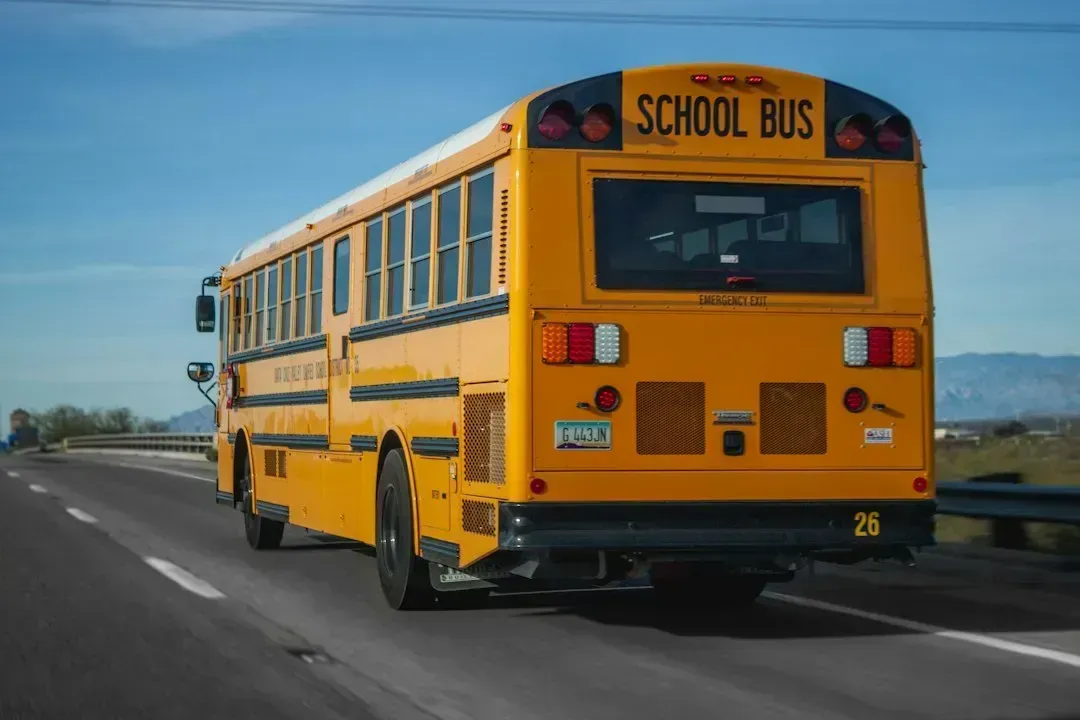
Students also rehearsed what to do if a bus crashed, caught fire, or stalled on a railroad crossing. Drivers showed kids how to use the emergency door and how to leave in an orderly way. Many states encouraged or required these exercises.
School bus safety got a federal boost when new motor vehicle safety standards for buses took effect on April 1, 1977. They covered features like stronger body joints and tighter seat spacing. The drills worked alongside the new rules, teaching children how to react while engineers worked on making buses safer.
Hurricane and Flood Preparedness
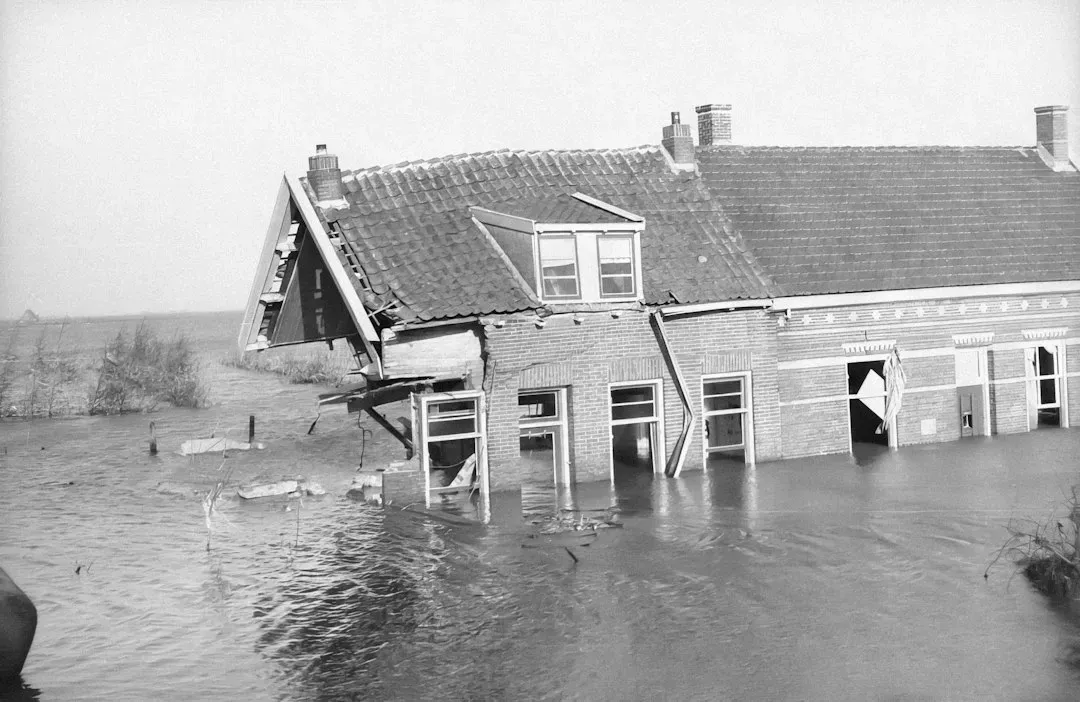
Schools along the Gulf and Atlantic coasts treated storm season as a regular part of the calendar. Hurricane Betsy in 1965 and Hurricane Camille in 1969 hit the Gulf Coast hard and left lasting memories. Teachers reviewed what to do if storms forced early dismissal or if buildings were needed as shelters.
Drills in those areas were often less formal than fire drills. They tended to focus on evacuation plans, how students would get home, and who would be responsible for them. Local officials and school boards decided most of the details.
Bomb Threat Evacuations
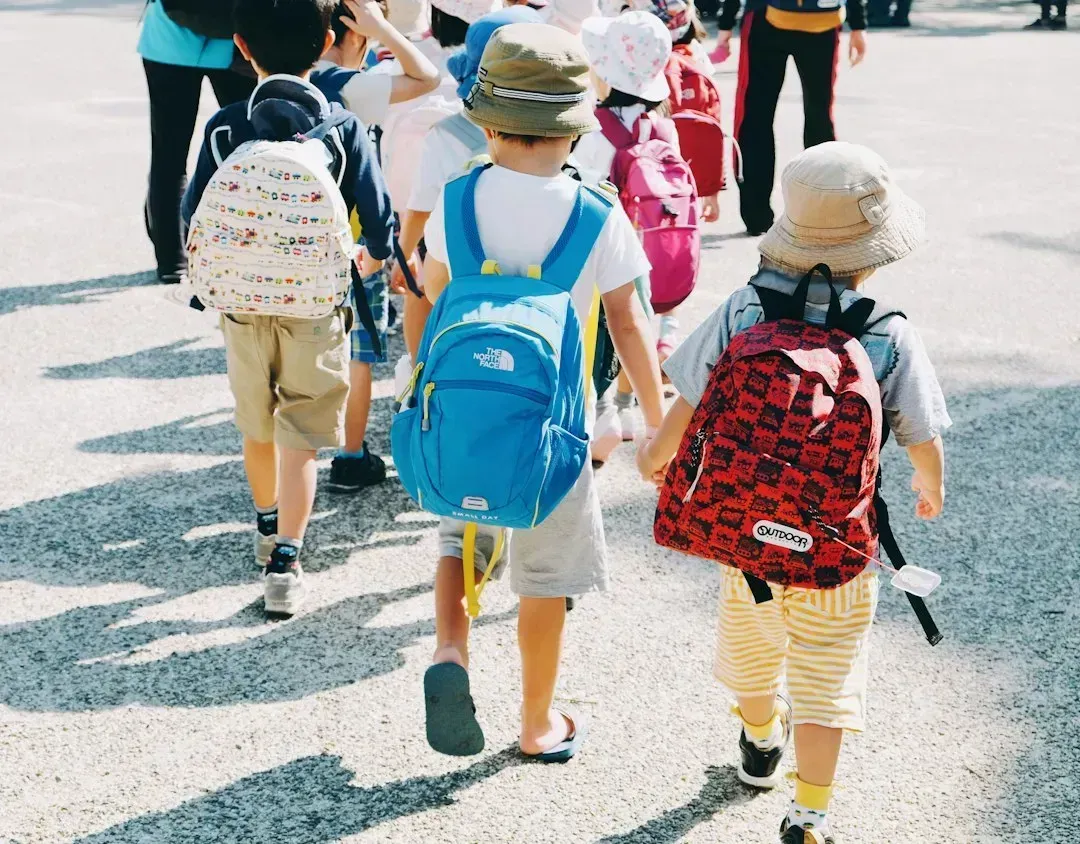
Bomb threats became a concern for schools and public buildings in the late 1960s and early 1970s. Administrators developed procedures for clearing buildings quickly and searching for suspicious objects. Students might find themselves standing out on the field while officials checked the halls.
These weren’t always called drills in the way fire practice was. They were often handled as real responses to calls, which meant students learned the routine by living it. The details varied by district, and written records of them are patchy.
Blizzard and Winter Storm Plans
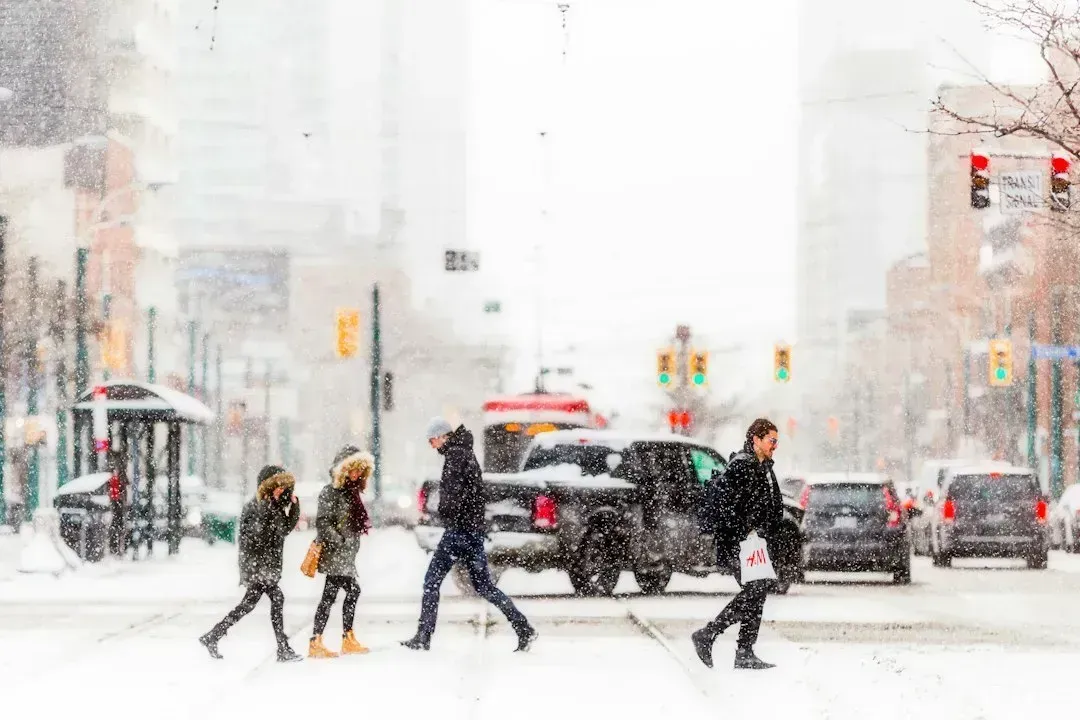
In northern states, severe winter weather could strand students at school or on buses. The Great Blizzard of 1978, which hit the Ohio Valley and Great Lakes region in late January, closed schools and roads for days. Events like it pushed districts to think harder about early dismissal and sheltering in place.
Practice for these situations was usually informal. Teachers talked through what to do if buses couldn’t run, and some schools kept basic supplies on hand. Winter plans were more about judgment calls than rehearsed movements.
Civil Defense Dismissal and Dispersal Plans
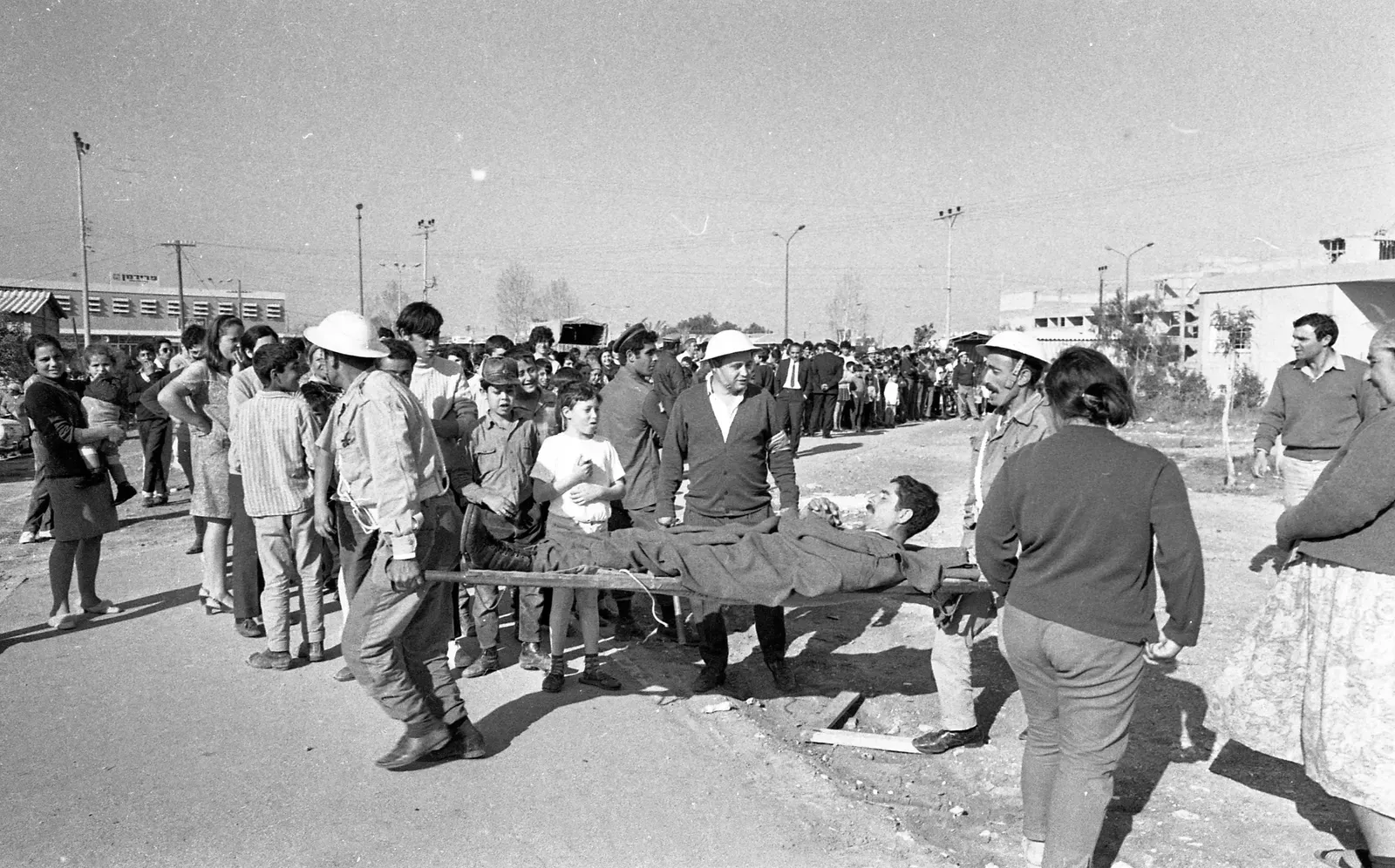
Civil defense planners in the 1950s and early 1960s considered ways to move children out of target areas quickly. In New York City, the annual Operation Alert exercises included school components, with students either sheltered in place or sent home. Protests against the exercises grew and the program faded in the early 1960s.
Some districts continued to rehearse dismissal plans for emergencies in a less public way. These plans asked parents to know where to reach their children and teachers to know who could leave with whom. Many of those ideas live on in modern family reunification procedures.
