


- Oceans Trapped Under 20 Miles of Ice – 5 Moons More Likely to Host Life Than Mars - November 12, 2026
- Record planetary extremes loom as the world’s largest climate summit begins - November 12, 2026
- Will travel insurance cover weather-related flight delays and cancellations? - November 11, 2026
Most people picture a record like this as a single dramatic moment. The reality is a thermometer reading in a remote California basin more than a century ago, and it’s still argued over today.
The number is 134°F. How it got into the books, why it has lasted, and why some meteorologists doubt it make a more interesting story than the figure alone.
The Reading at Greenland Ranch
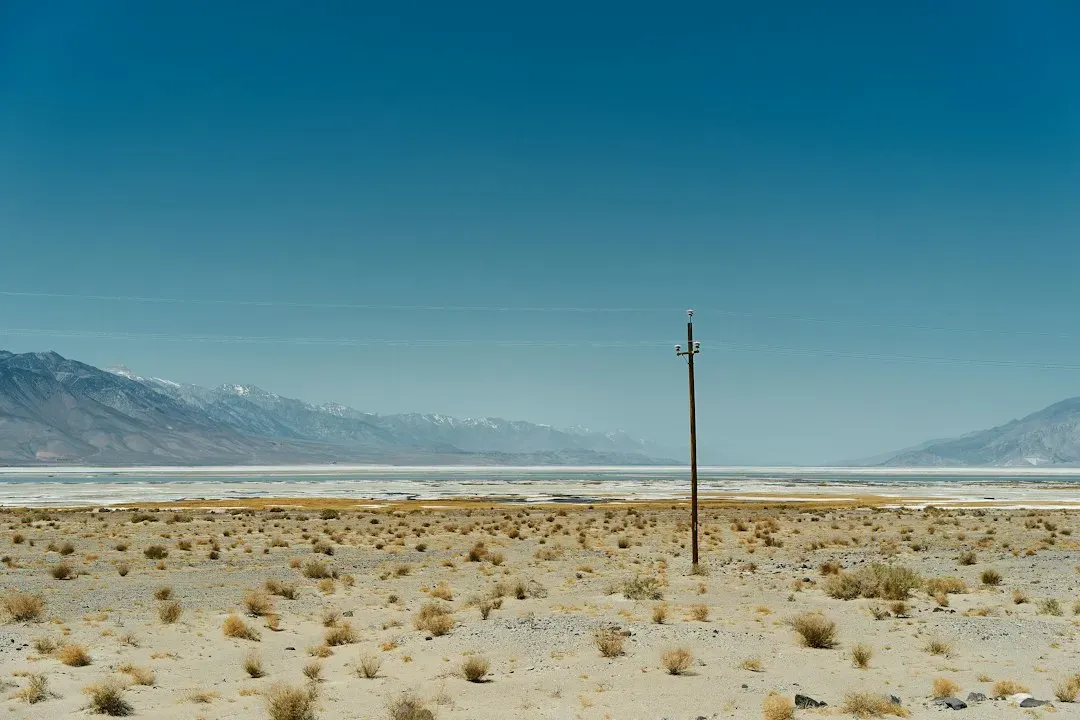
The record is 134°F, observed at Greenland Ranch in Death Valley on July 10, 1913. The ranch sits in the area now known as Furnace Creek, and the National Park Service lists the reading under that name. It describes the world record air temperature of 134°F (57°C) as recorded at Furnace Creek.
The place had a reputation long before the thermometer climbed that high. The Lost ’49ers gave the valley its name in 1849, and it has been known ever since as one of the hottest and driest places in North America.
A Ten Day Stretch of Extreme Heat
The record day wasn’t a lone spike. From July 5 to 14, 1913, the high reached 125°F or more every day, and that ten day period still ranks as the longest such stretch in the valley.
The park service adds another detail. During the heat wave that peaked with the record, five consecutive days reached 129°F or above. That context matters, because it shows the 134°F reading sat inside an already brutal week.
How the Valley Took the World Title
For decades, a different place held the top spot. The old world record for the hottest shade temperature was 136.4°F, measured at El Azizia, Libya, on September 13, 1922.
A World Meteorological Organization panel later reviewed it and threw it out. The panel pointed to an inexperienced observer and a replacement thermometer that was hard to read and prone to error. With Libya gone, the WMO officially certified the 134°F reading at Death Valley as the highest surface air temperature on the planet on September 12, 2012.
Why the Valley Runs So Hot
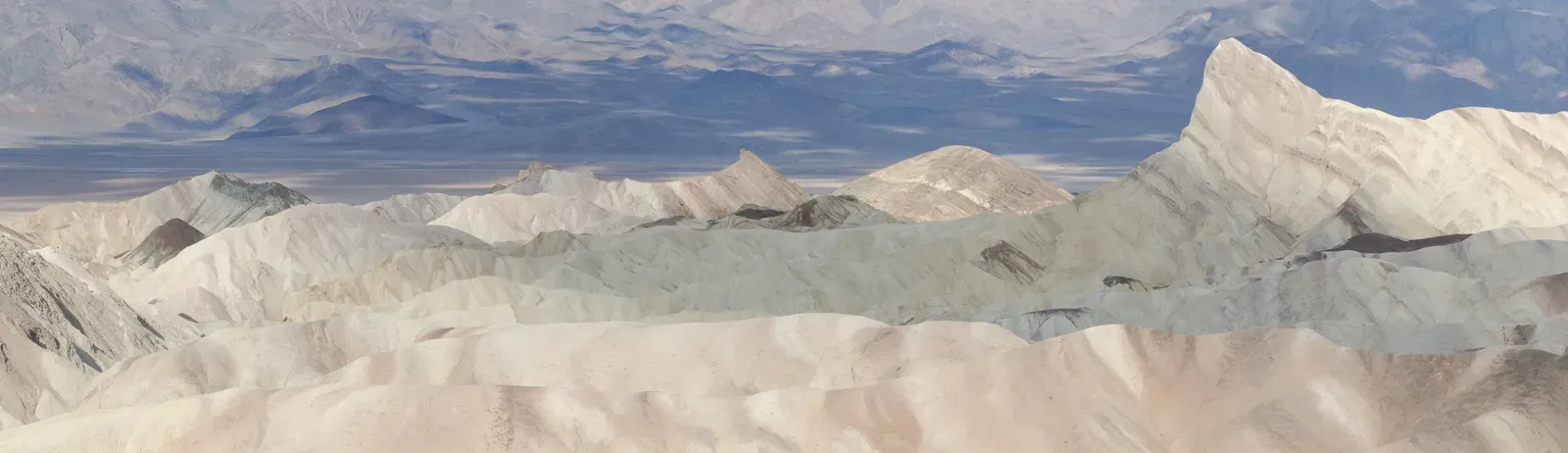
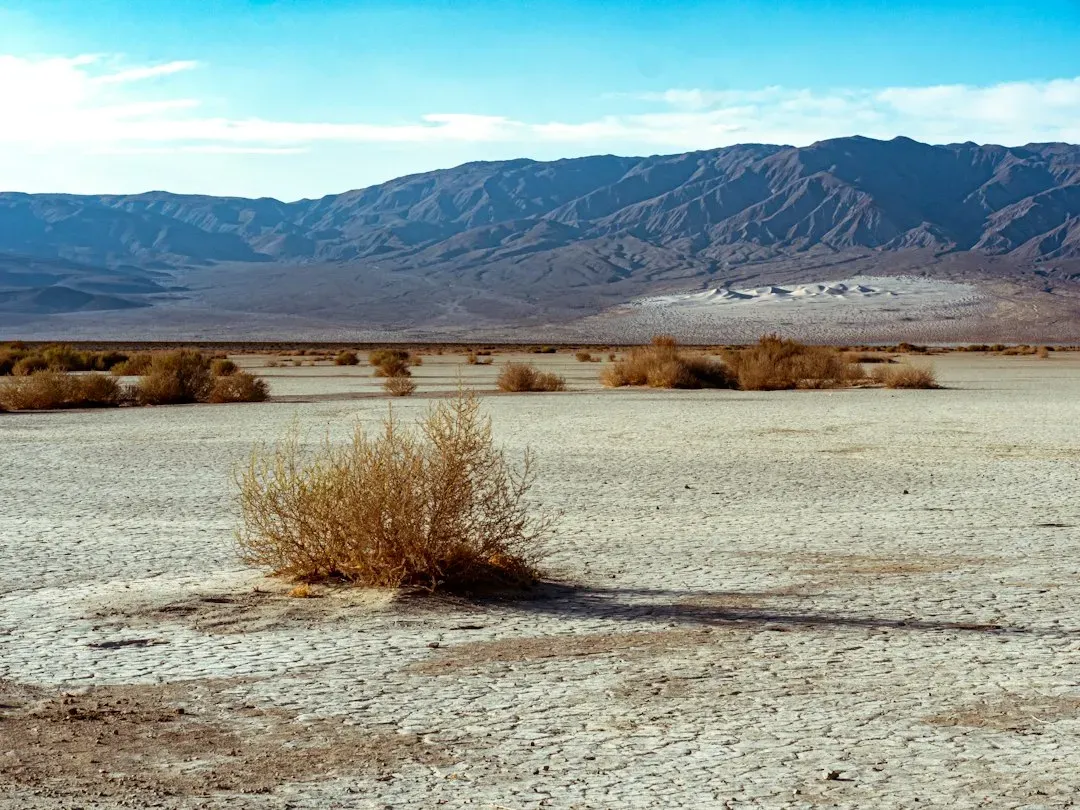
Geography does most of the work. Death Valley is the lowest point in North America, and Badwater Basin sits 282 feet below sea level. Hot air can’t rise over the steep mountains around it, so it gets trapped in the low valley.
The surrounding ranges also block moisture. Four big mountain ranges keep moist air from the Pacific Ocean out. Warm downslope winds add to the effect, and foehn winds can raise temperatures by as much as 25°F in a matter of hours.
The Doubts About 1913
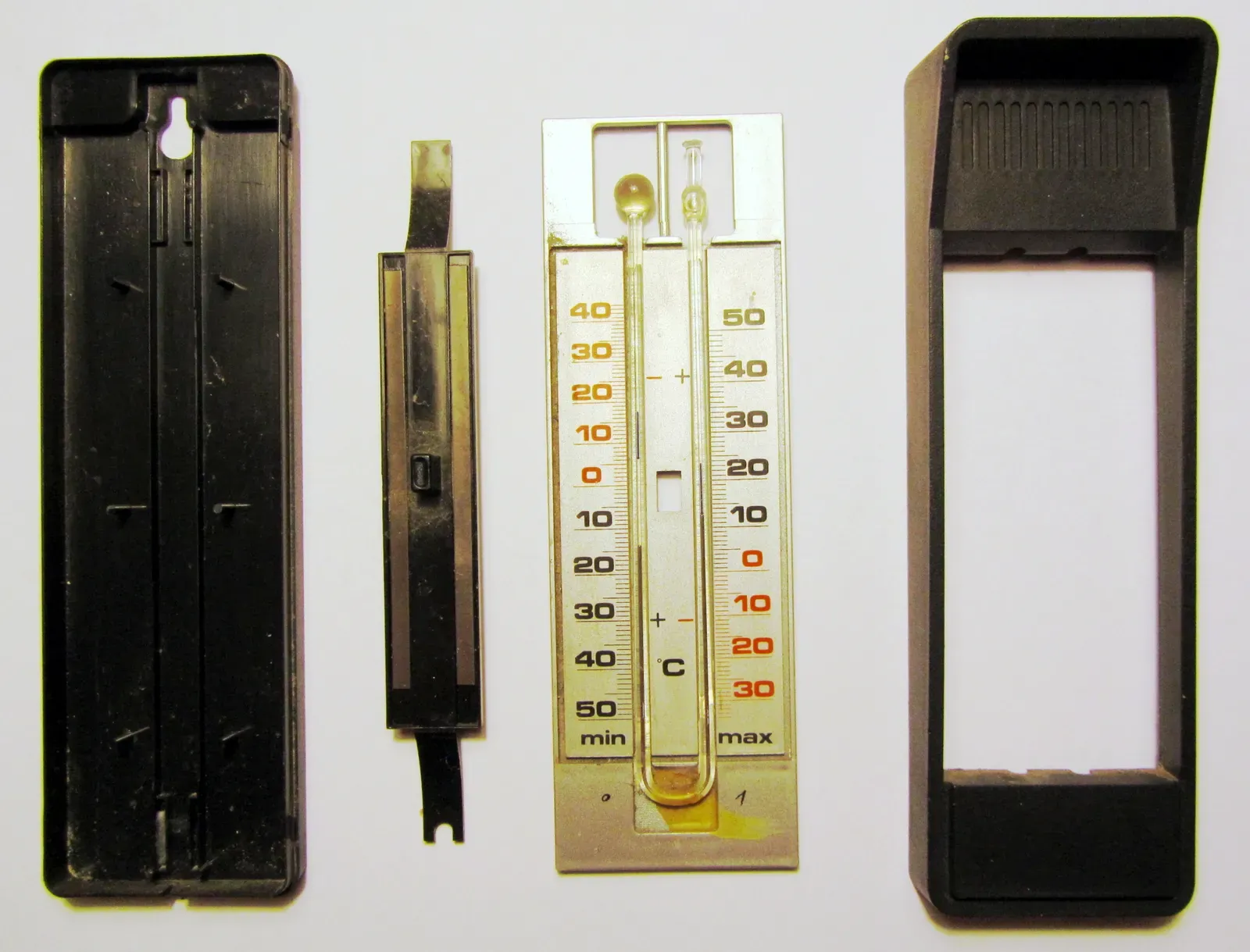
Not everyone trusts the number. Weather historian Christopher Burt published an investigation in 2016 concluding that 134°F on that date was essentially not possible from a meteorological perspective. He argued that the readings of 134, 130 and 131°F taken on July 10, 12 and 13, 1913 were likely the result of an inexperienced observer.
The record still stands for now. Decertifying it would require the WMO to assemble an official investigation committee, a years long process. The WMO continues to recognize the 1913 reading as the official highest air temperature reliably recorded on Earth.
Modern Readings That Came Close
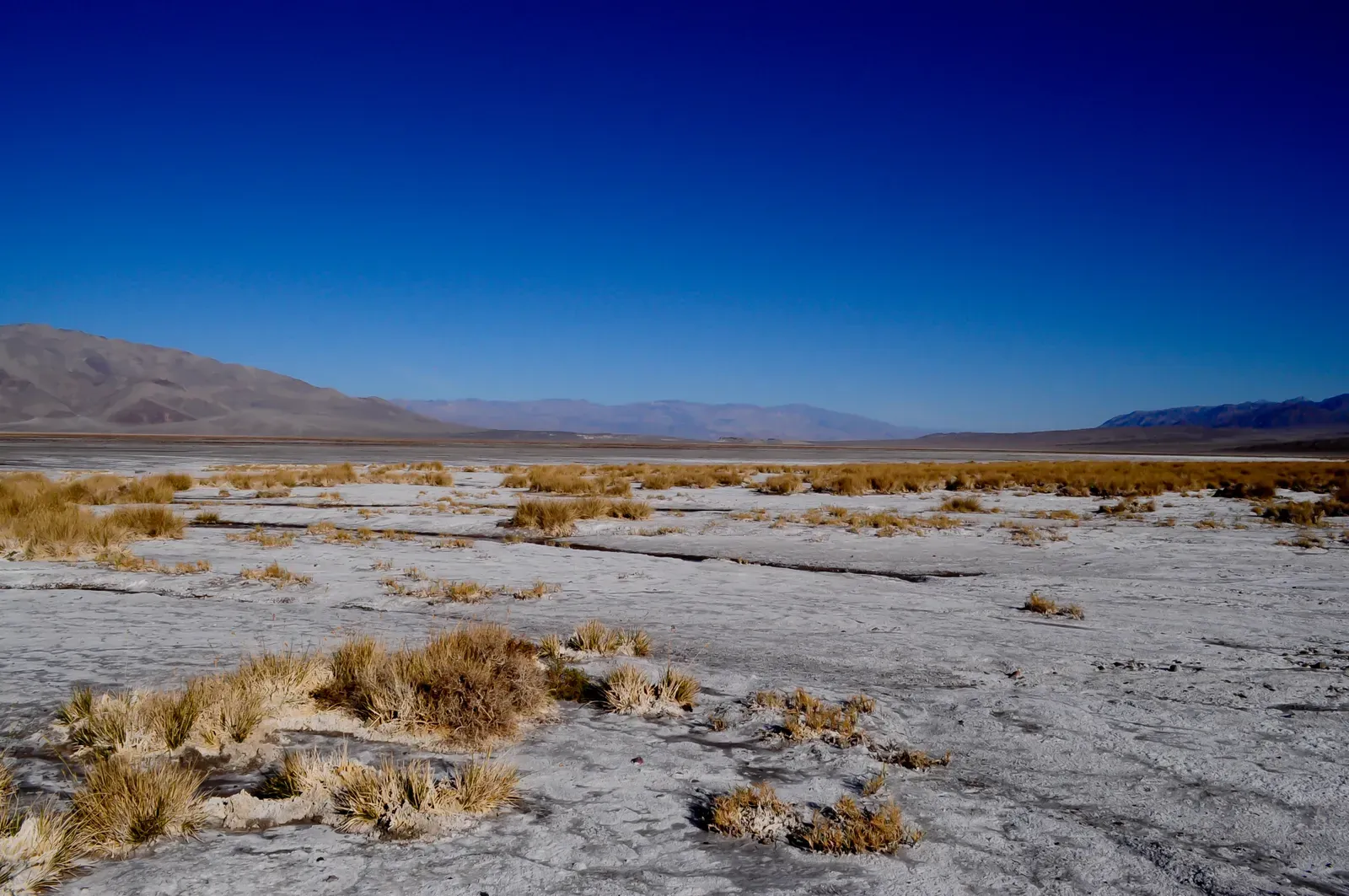
Recent decades have given the valley several chances to challenge its own record. Death Valley hit 130°F on August 16, 2020 and again on July 9, 2021. Those readings were measured with modern equipment, though they fell short of the 134°F mark.
That’s why some researchers treat them as more dependable evidence of the valley’s extremes. One summary notes that researchers point to modern, WMO standardized readings of 130°F as the most reliable demonstration of the region’s heat.
July 2024 and the Hottest Month on Record

The most recent big headline came in July 2024. The park registered its hottest month on record, with an average 24 hour temperature of 108.5°F, beating the previous record of 108.1°F set in 2018.
The peak was close to, but well short of, the all time mark. Furnace Creek recorded 129.2°F on July 7. The month also brought nine days at 125°F or higher and only seven days that didn’t reach 120°F.
The Hottest Summer, and Nights With No Relief

The whole season set a mark too. The June to August average of 104.5°F surpassed the previous record of 104.2°F, set in 2021 and 2018.
Nights did a lot of the damage. The average summer low of 91.9°F meant there was little relief overnight. From June to August, temperatures dropped below 80°F only five times.
What the Heat Means for Visitors
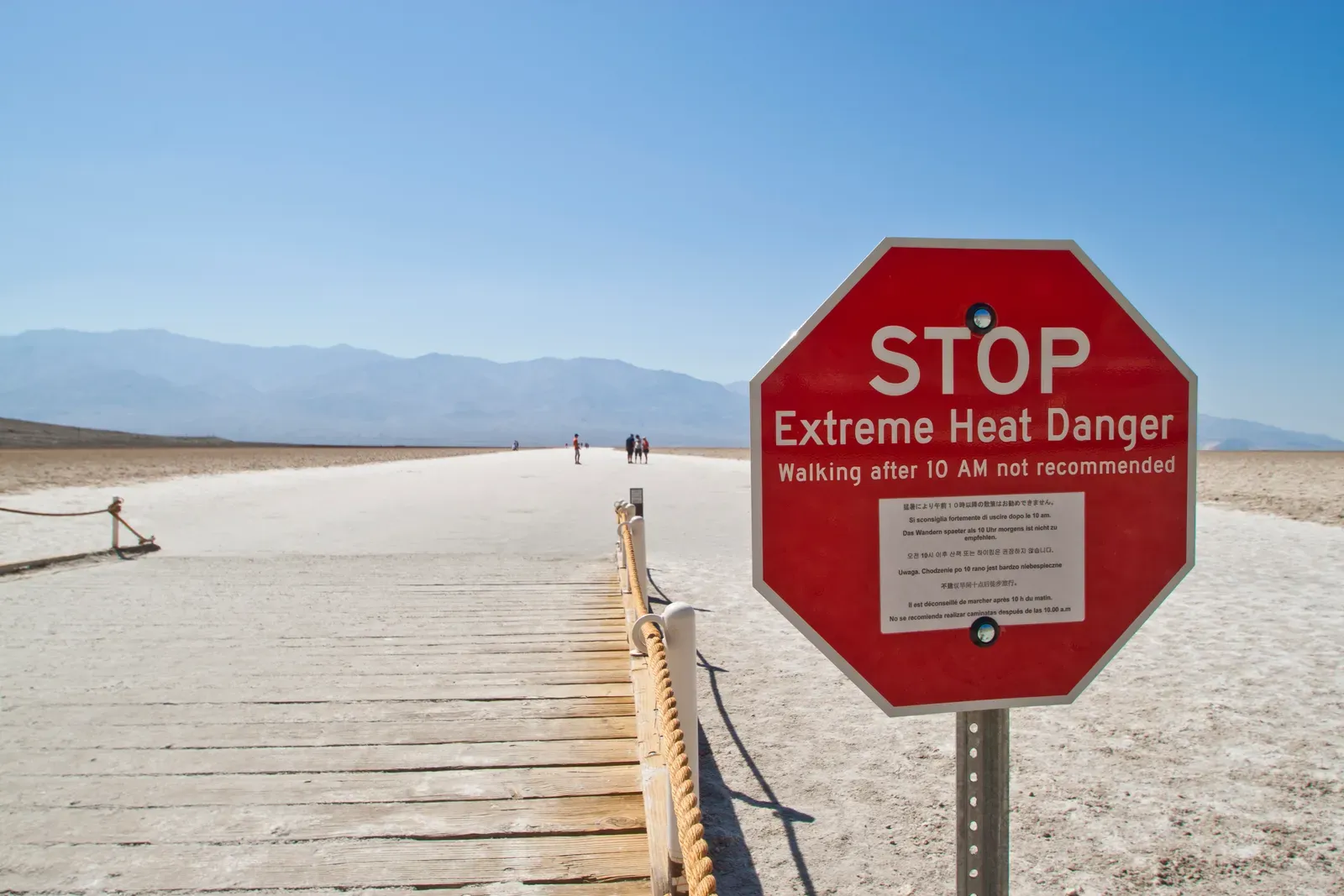
The danger is real for people who go there. Summer temperatures often top 120°F in the shade, with overnight lows dipping into the 90s. Park rangers responded to multiple life threatening heat incidents in the summer of 2024, including two fatalities where heat was a contributing factor.
One incident shows how hot the ground gets. A man had to be rescued from sand dunes after losing his flip flops and suffering second degree burns.
Where the Record Stands
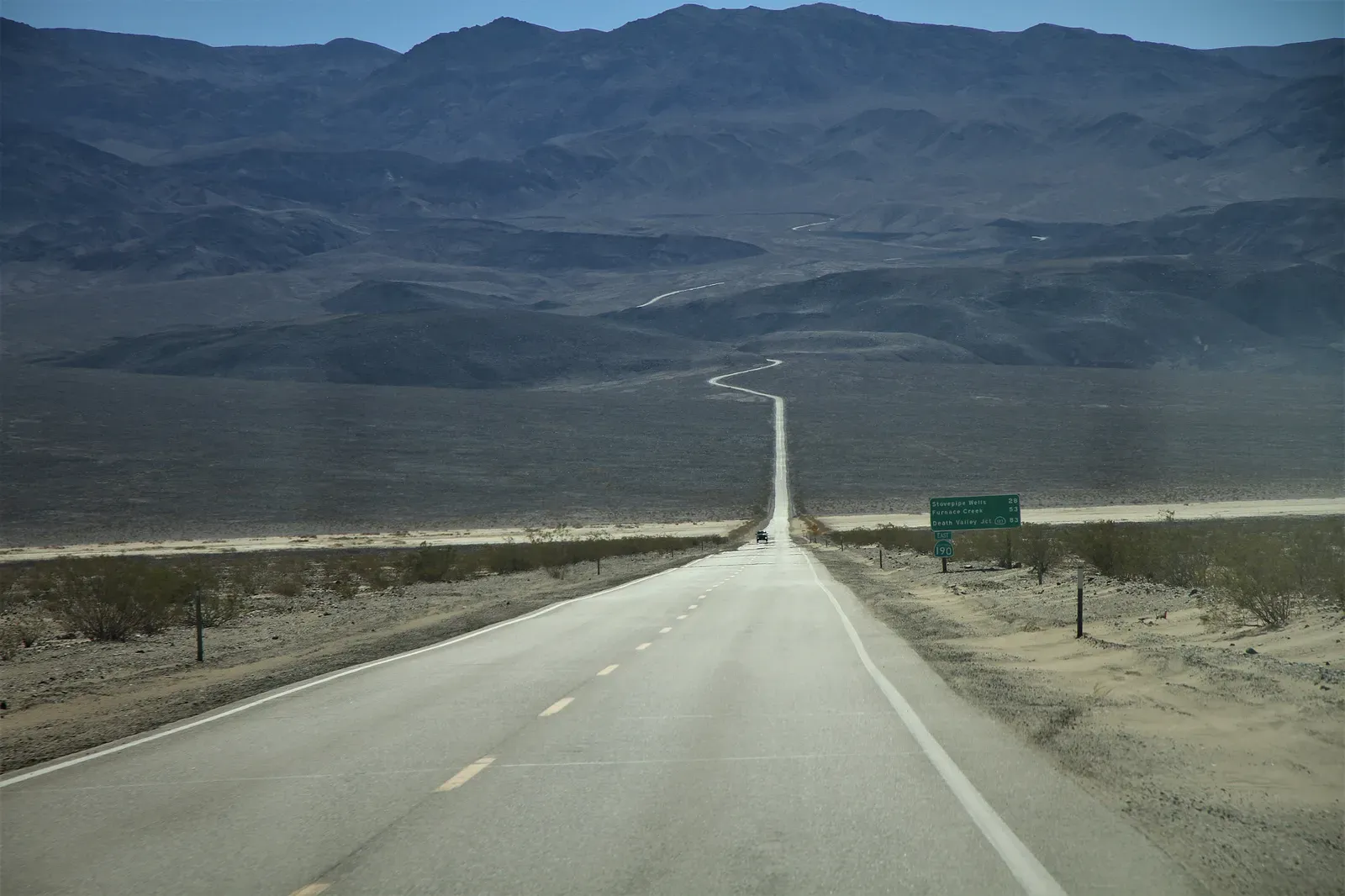
The 134°F reading from July 10, 1913 remains the official world record for the highest air temperature. Questions about the original observation have not changed its status, and no committee has been formed to review it.
Death Valley has come within a few degrees of it in recent summers without passing it. The valley’s extremes are well documented, and the 1913 number is the only part still being argued over.
