

Walk through certain neighborhoods at high tide and you’ll see the problem without a single chart. Water comes up through storm drains on a sunny day, and nothing fell from the sky. For coastal cities across the country, that has stopped being a rare event and become a planning issue.
Some places have responded with pumps and higher roads, others with huge floodwalls and surge barriers. The eight cities below show how different the approaches can be, and how much money and engineering they take.
Miami, Florida
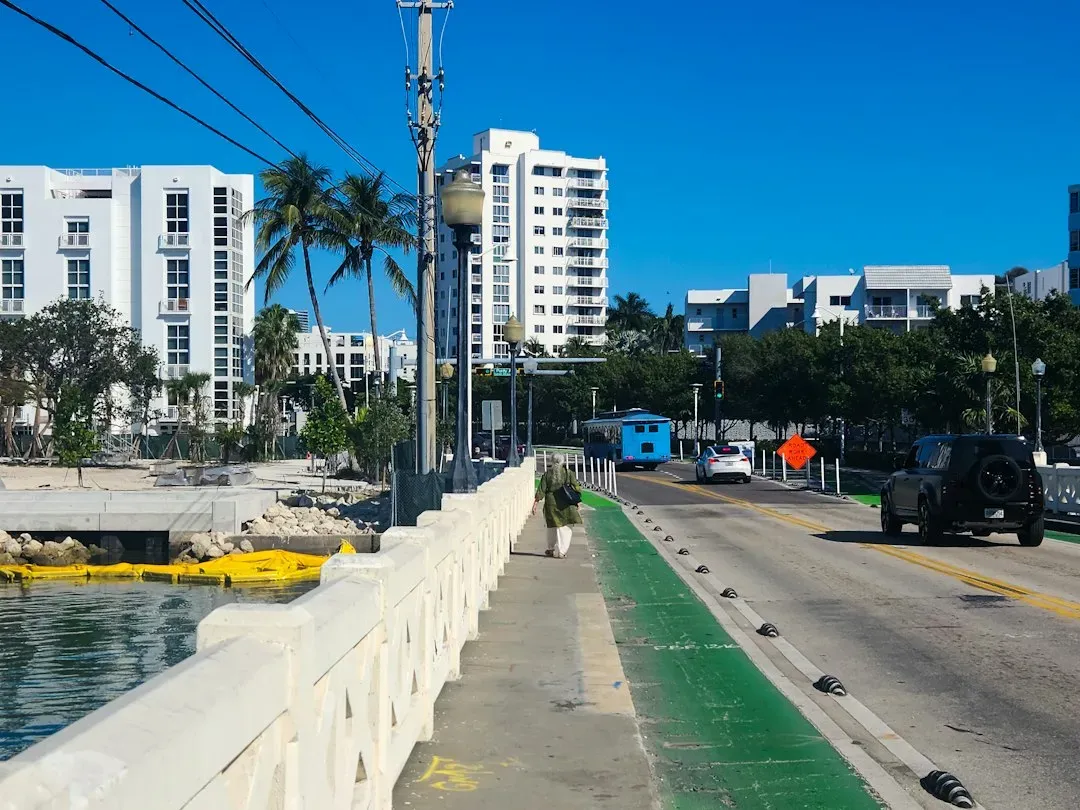
Miami sits on porous limestone, so water can rise from below as well as flow in from the sea. Walls alone don’t solve that. Voters in Miami approved the Miami Forever Bond in 2017, a $400 million package, and a share of it was set aside for flood and sea level rise projects.
The city of Miami Beach has gone further with its own program. It has raised roads, installed stormwater pumps, and added higher seawalls, and the Sunset Harbour neighborhood became an early example of that mix. Results vary by neighborhood, and the work is still going on.
Norfolk, Virginia
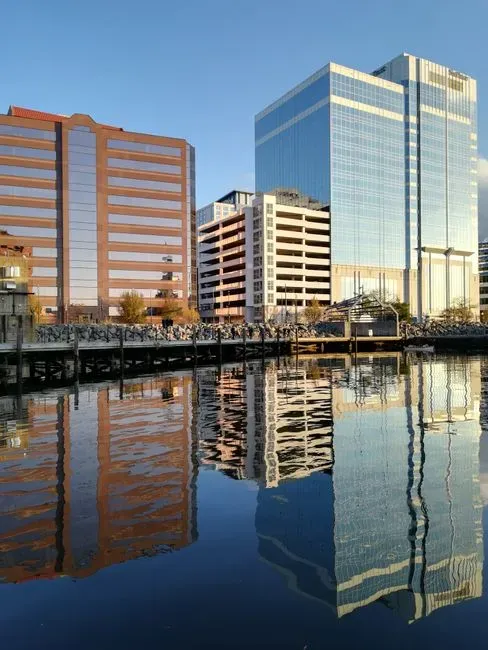
Norfolk faces some of the fastest relative sea level rise on the Atlantic coast, partly because the land there is slowly sinking. The city has teamed up with the U.S. Army Corps of Engineers on a coastal storm risk management project. It combines floodwalls, tide gates, and pump stations, with a price tag of roughly $2.6 billion.
The city’s Vision 2100 plan also pushes development away from the most flood prone areas. Naval Station Norfolk, the largest naval base in the world, adds a national security reason to get this right. The project has moved from planning into phased construction.
New York City, New York
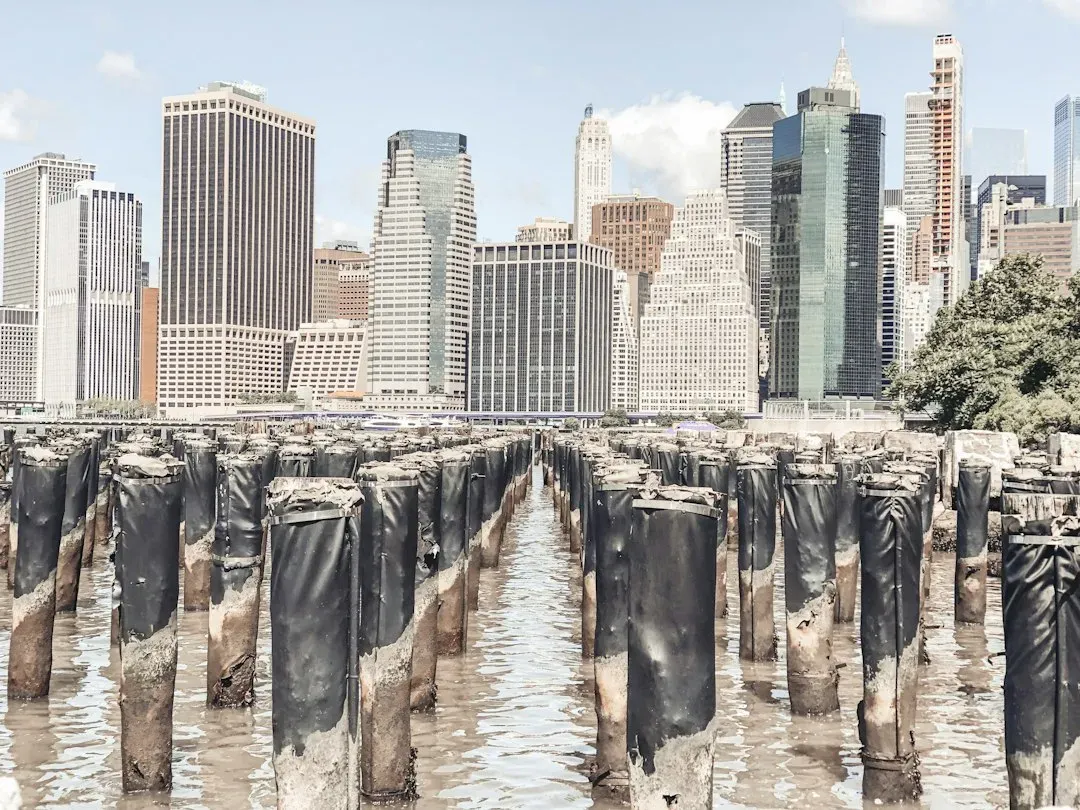
Hurricane Sandy in 2012 changed the city’s thinking. Lower Manhattan now has coastal resilience work underway, and the East Side Coastal Resiliency project is one of the largest. It stretches along the East River and is designed to protect neighborhoods from storm surge and rising tides.
Part of the design is a floodwall that doubles as park space, which makes the protection less visible in daily life. The project cost is well over a billion dollars, and construction has been phased to keep the waterfront open. It sits within a wider citywide climate plan.
Charleston, South Carolina
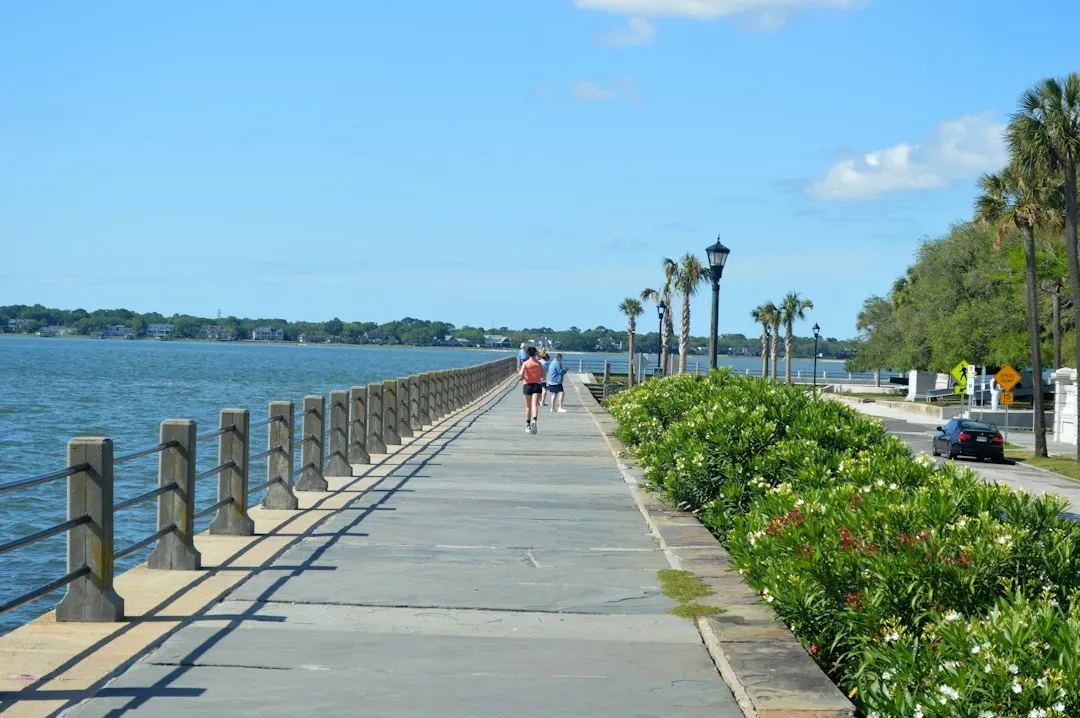
Charleston’s historic peninsula floods during heavy rain, high tides, and storms, sometimes all at once. The Army Corps of Engineers has studied a plan that includes a long perimeter wall around the peninsula. The proposal would cost billions of dollars.
Residents and officials have debated it, partly over how a high wall would affect views, historic character, and the harbor. Meanwhile, the city has kept investing in drainage upgrades. The final shape of its defenses remains an open question.
Boston, Massachusetts
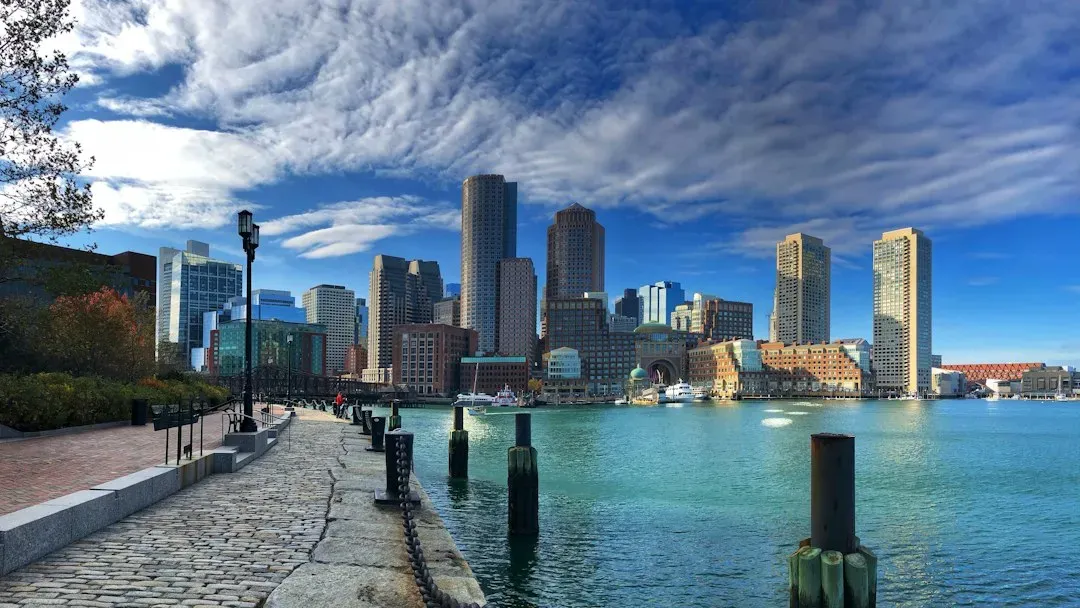
Boston’s low lying waterfront neighborhoods, including East Boston and Charlestown, are the focus of its Climate Ready Boston effort. The city has mapped how future flood levels could reach streets, transit, and homes. Those maps now guide where projects get built first.
East Boston has seen major resilience work, including raised and reinforced shoreline features that blend into parks and pathways. Boston has also updated building rules so new construction accounts for future flooding. It’s a layered approach rather than one giant barrier.
New Orleans, Louisiana
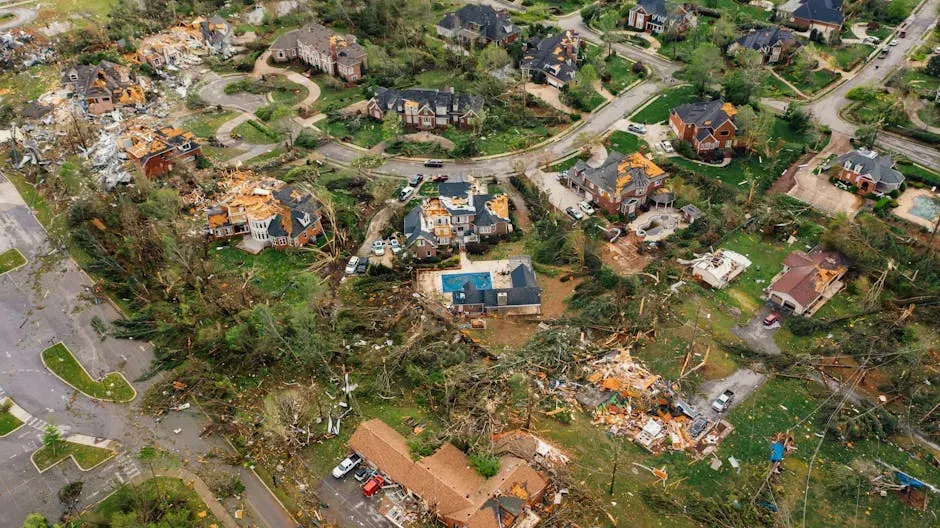
After Hurricane Katrina in 2005, the federal government rebuilt the region’s protection system. The Hurricane and Storm Damage Risk Reduction System, finished in 2018, cost around $14 billion. It includes hundreds of miles of levees and floodwalls, along with a large surge barrier east of the city.
The system was built to a standard meant to handle a very rare, severe storm. Even so, sinking land and rising seas mean the protection will need upkeep and eventually upgrades. Louisiana’s wetland restoration programs aim to complement it.
Galveston, Texas
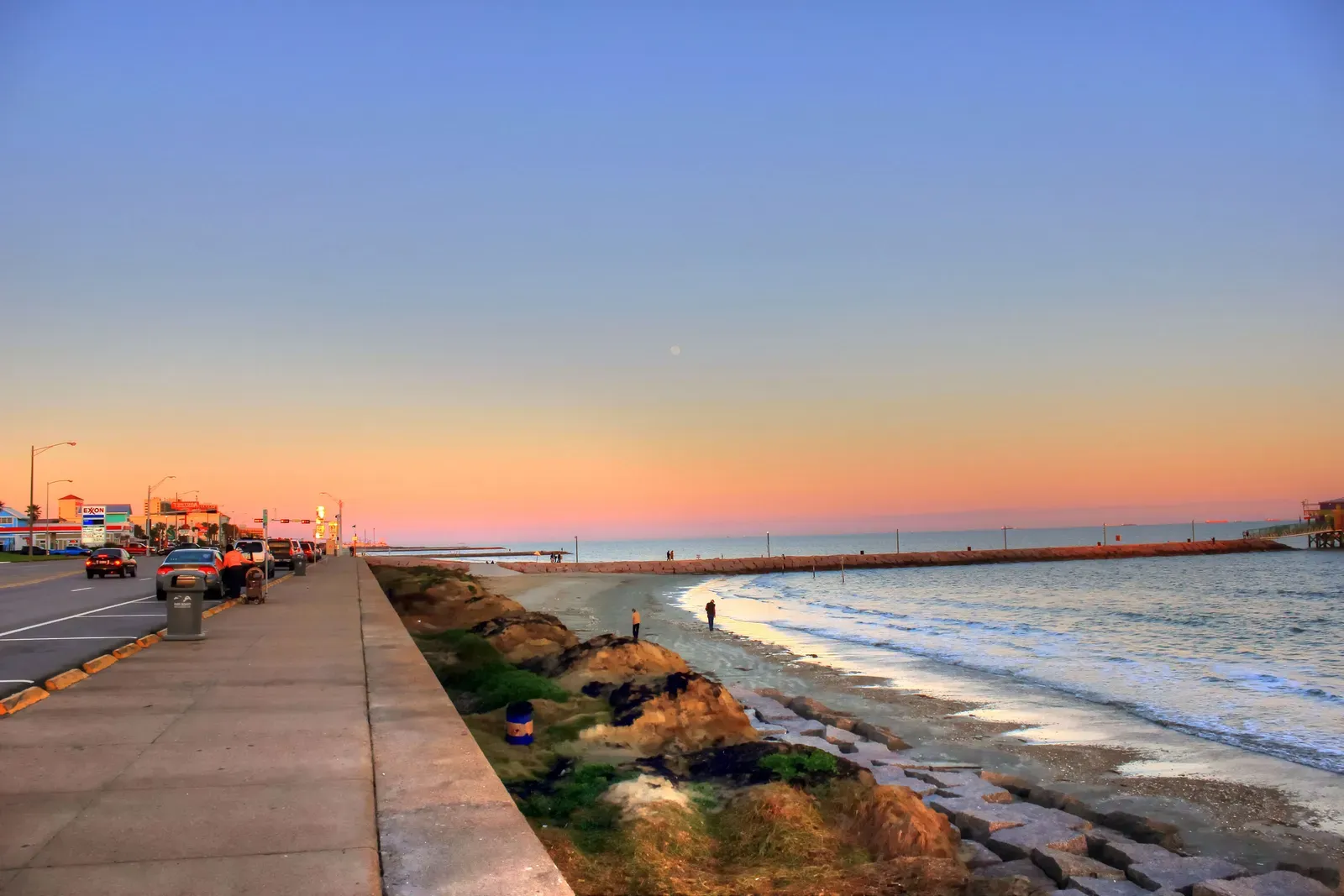
Galveston already has a historic seawall built after the deadly 1900 hurricane. Now the Texas coast is looking at something much bigger, often called the Ike Dike, formally the Coastal Texas Protection and Restoration project. The Army Corps estimated its cost at roughly $57 billion.
The plan includes gates at Galveston Bay’s entrance, beach and dune work, and ecosystem restoration. It’s aimed at protecting the Houston area’s dense population and petrochemical industry from storm surge. Funding and construction will unfold over many years.
San Francisco, California
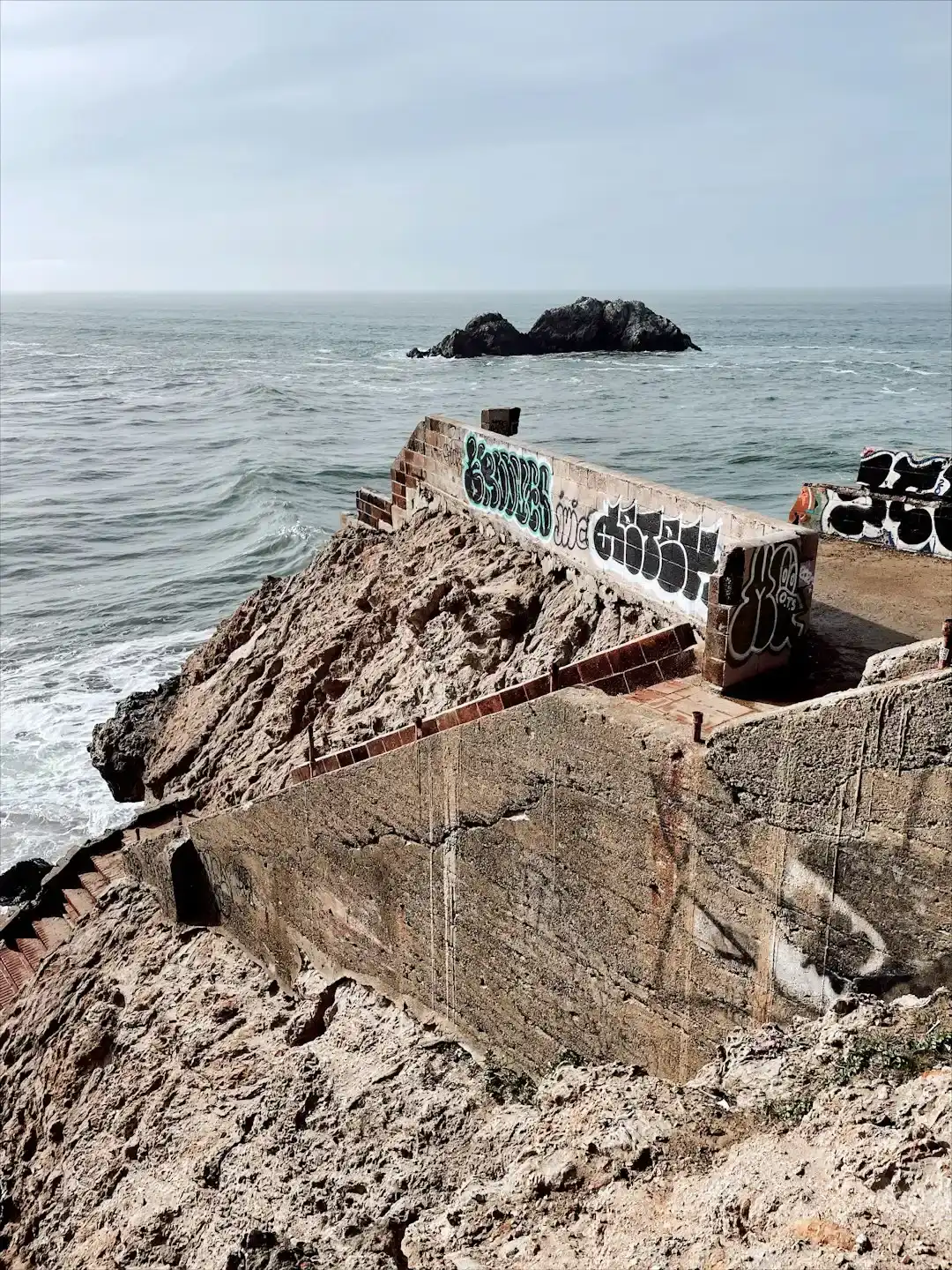
San Francisco’s Embarcadero seawall was built over a century ago and is vulnerable to earthquakes as well as rising water. Voters approved a $425 million bond in 2018 to begin strengthening it. That money started the city’s Waterfront Resilience Program.
The Army Corps has been studying longer range options for the city’s shoreline. Planners are weighing hard barriers, raised land, and natural shoreline features. The waterfront holds historic piers, transit, and downtown access, so the stakes are high.

- The Shoreline Sucked Dry in Seconds – 5 Tsunami Signals Beachgoers Mistake for Low Tide - November 14, 2026
- 9 Dark-Sky Destinations Around the World Where the Stars Look Unreal - November 14, 2026
- The Fault Line That Never Slips – 7 Locked Seismic Zones Overdue for a Massive Release - November 14, 2026
