


- Will travel insurance cover weather-related flight delays and cancellations? - November 11, 2026
- 8 Cities Where the Weather Changes So Fast Locals Carry Everything - November 11, 2026
- 10 Traditional Building Techniques From Hot Climates Architects Are Revisiting - November 10, 2026
New England gardeners have long treated the first frost as a hard deadline. It told them when to pick the last tomatoes, when to cover the beds, and when to put the hose away. That date is moving, and it moves differently depending on where you live. Frost typically comes in the first half of October across Northern New England, by late October in inland Central New England, and in the first week or so of November along the southern edge.
The trend over several decades points one way. A later frost means some familiar chores slide down the calendar, while a few new ones appear. Here are ten fall tasks worth adjusting, with the evidence behind each.
Resetting the Date You Plan Around
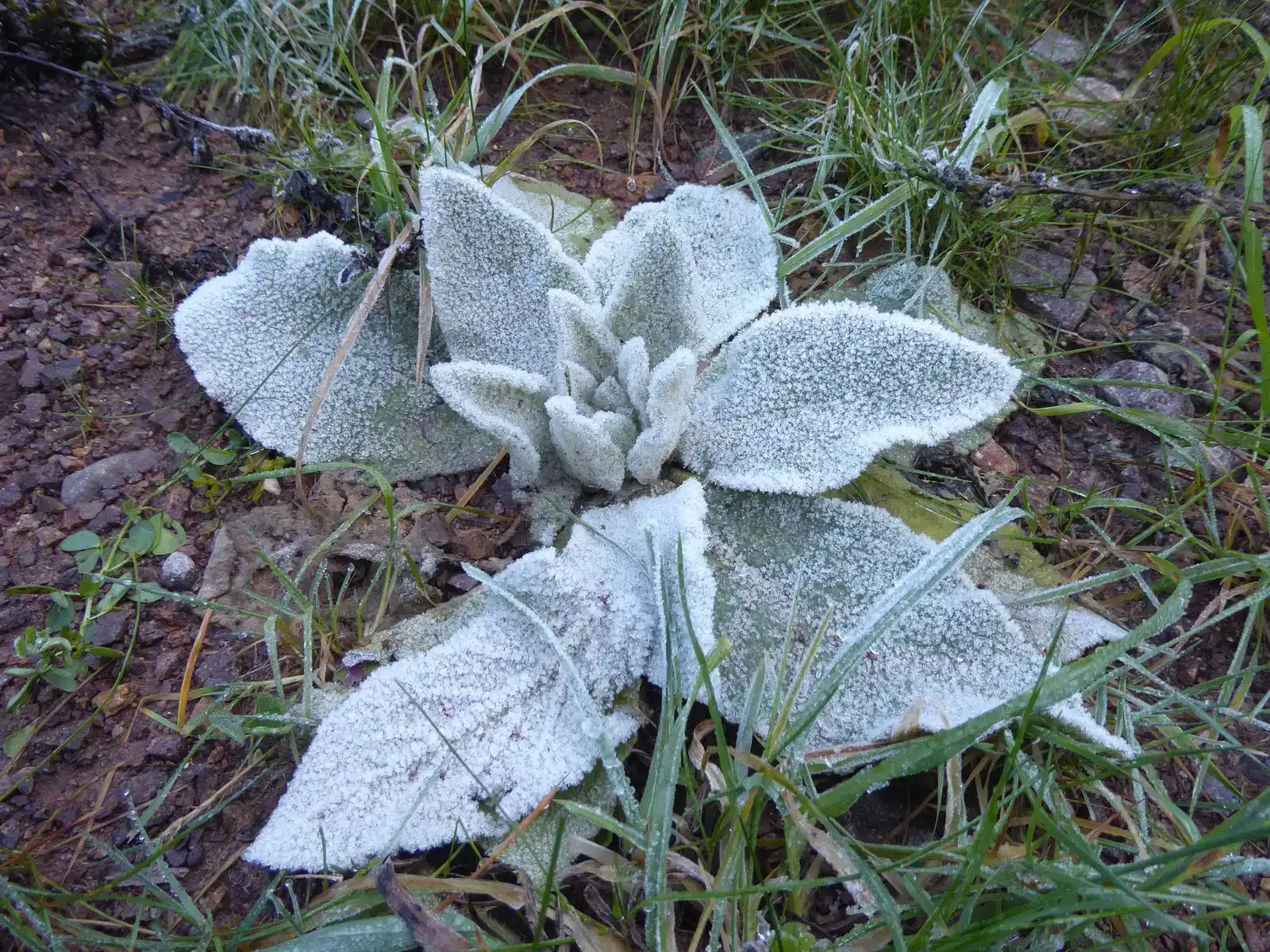
The average first frost date in Boston is November 5. Since 1970, the city has seen that date stretch about a week later, according to Climate Central. That’s a modest shift, but it’s enough to change how you plan a fall bed.
Averages hide a lot of variety, though. One New Hampshire frost guide puts the typical date near September 25, with a range from September 8 to October 12. Treat the average as a starting point and jot down your own first frost each year.
Waiting Longer on Tender Crops
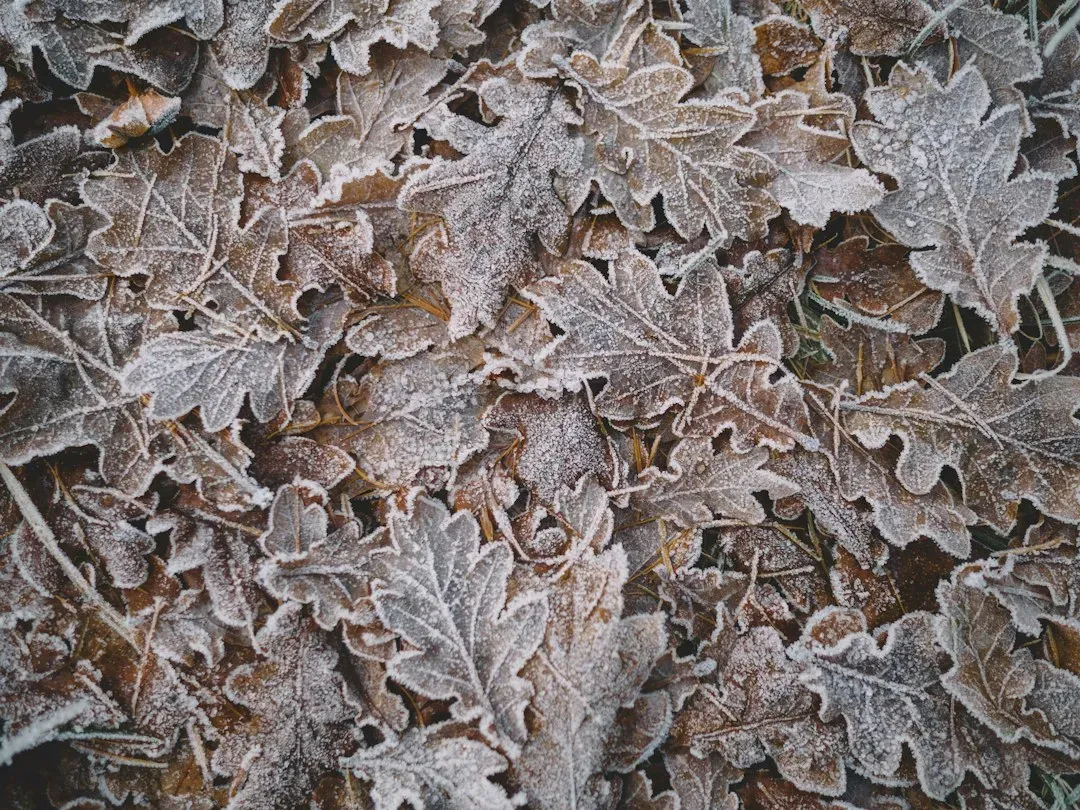
Tomatoes, peppers, basil and beans die at the first hard touch of frost. Light frosts may kill tender plants but cause little destruction to hardier vegetation. With frost arriving later, those plants may keep producing well into October in many areas.
The old habit of stripping the garden in late September can be relaxed a little. Still, check the overnight forecast often. The standard advice remains to harvest and store summer crops before the first frost.
Counting Backward for Fall Plantings
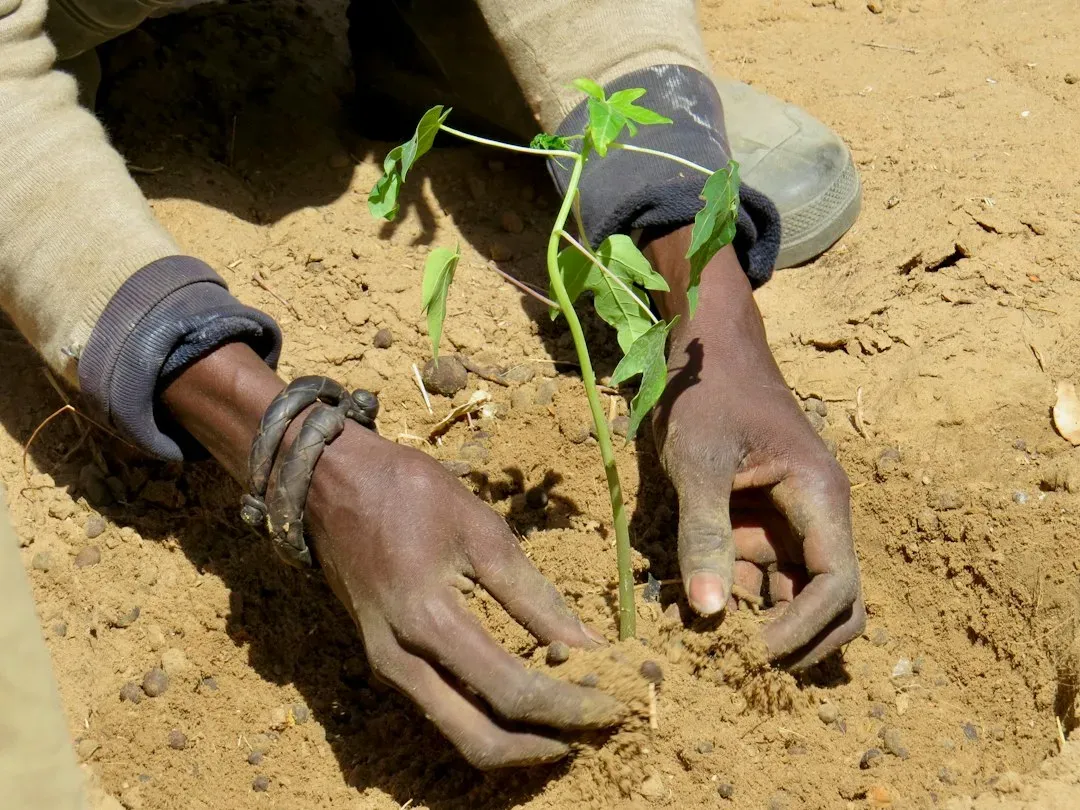
Fall vegetables work on a countdown. For a fall harvest, count back from your first expected fall frost and give the crop its full days to maturity plus a week or two of buffer. A later frost date gives you some extra room on that calendar.
Don’t stretch it too far, though. Shorter days slow growth even when nights stay mild. Crops like spinach, arugula and lettuce still do best when sown on time, since they’re direct sown in late summer for a fall harvest.
Planting Garlic After the First Light Frost
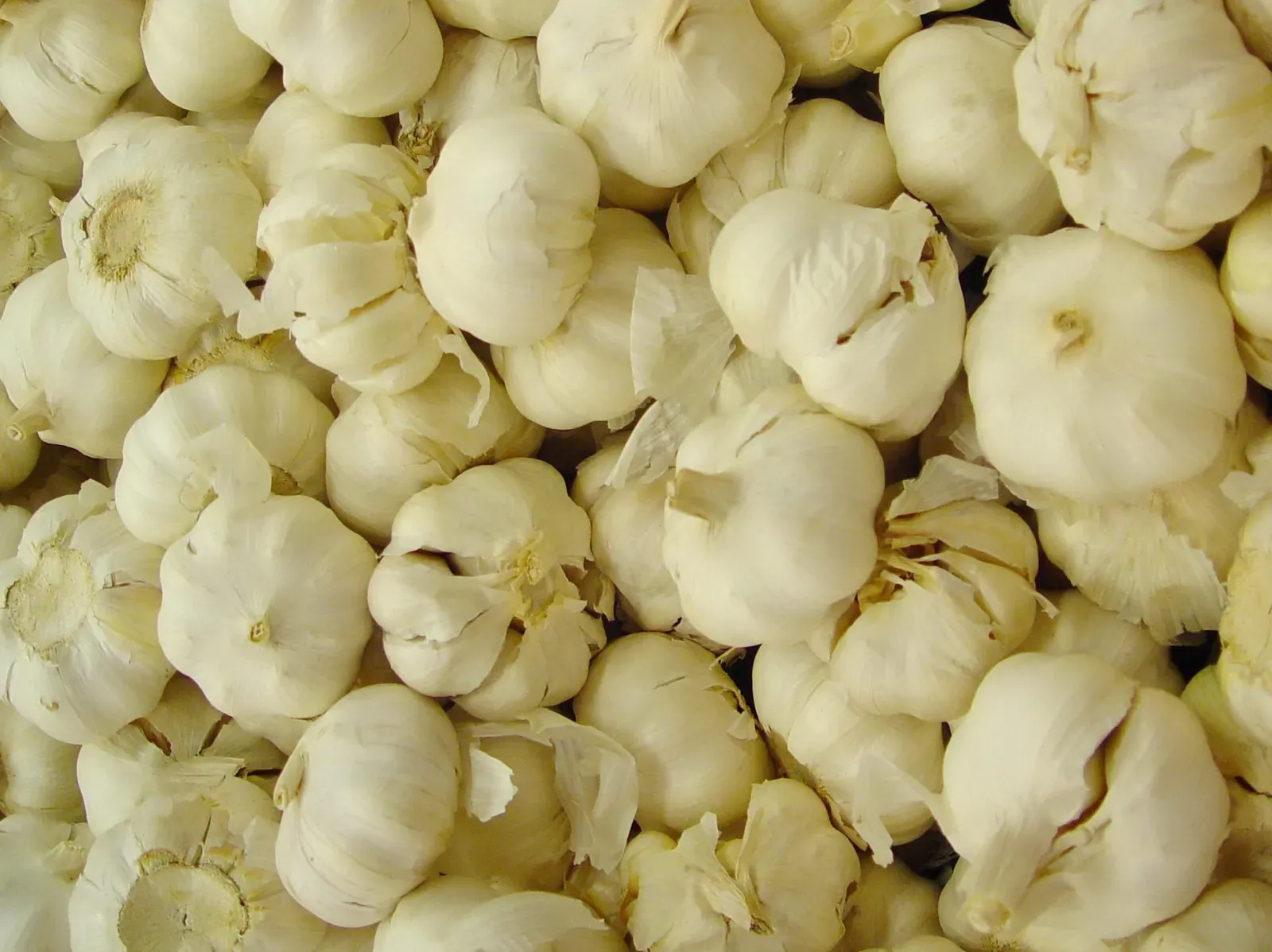
Garlic goes in the ground in fall for a summer harvest. Massachusetts guidance suggests planting it in October after the first light frost. If frost shows up later, so does the planting window.
That can feel odd when the garden still looks lush in mid-October. Wait anyway, since cloves planted too early may send up top growth that winter doesn’t treat kindly. Plan on a late October or early November planting in southern parts of the region.
Timing Your Lawn Feeding
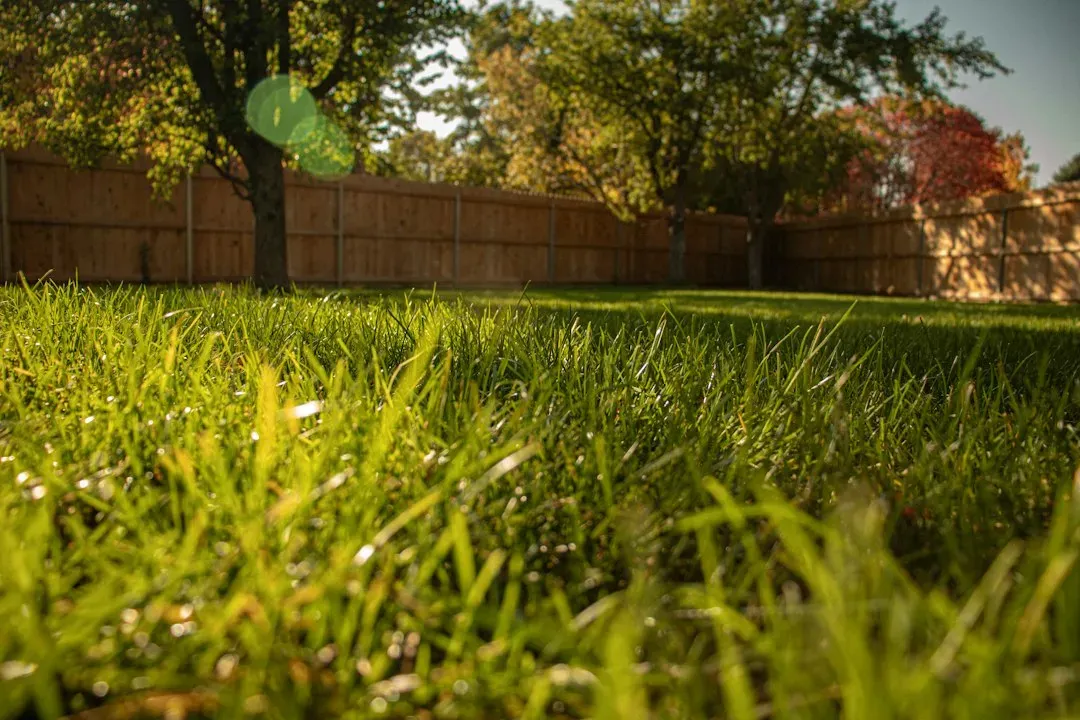
Fall is the best time to feed a cool season lawn, because the nitrogen goes toward roots and next spring’s green up. One Massachusetts calendar recommends feeding four to one weeks before the first frost. For that calendar, the window runs from September 14 to October 5.
That calendar is built from 1991 to 2020 climate normals, so treat it as a guide rather than gospel. It also notes that any year can move by about two weeks. In a mild autumn, a later feeding can still be fine.
Postponing Irrigation Shutdown
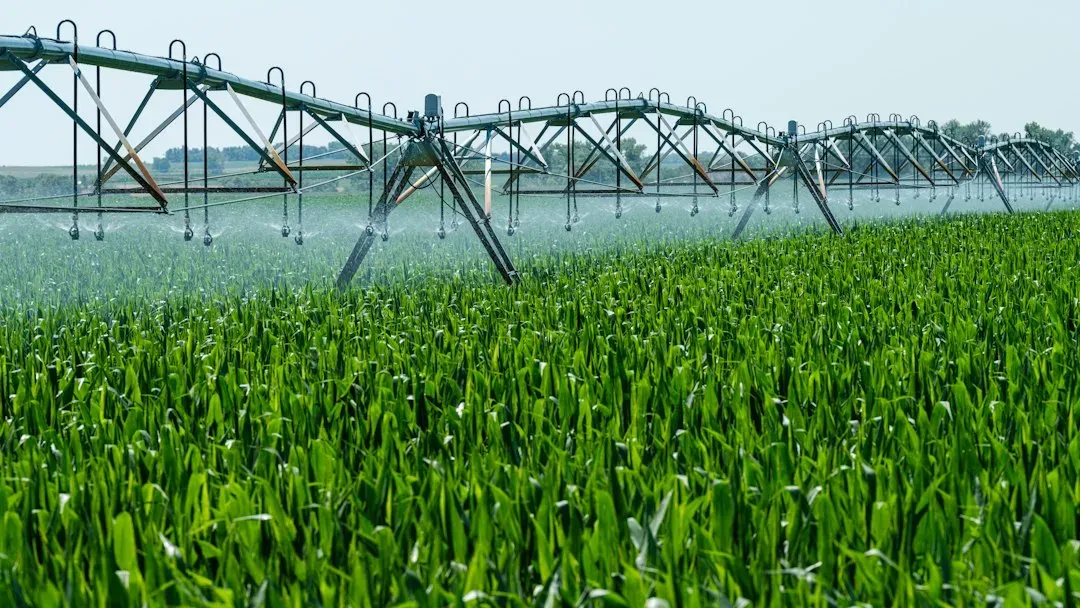
Draining sprinkler lines is a job that can’t wait too long. The Massachusetts calendar suggests winterizing irrigation from October 7 to 26, before the first hard freeze of 28 degrees. A hard freeze usually follows the first frost by one to three weeks.
The gap between a light frost and a hard freeze is worth remembering. A later first frost can push the hard freeze later too, but it won’t always. Keep an eye on overnight lows and not just the calendar.
Holding Off on Winter Mulch
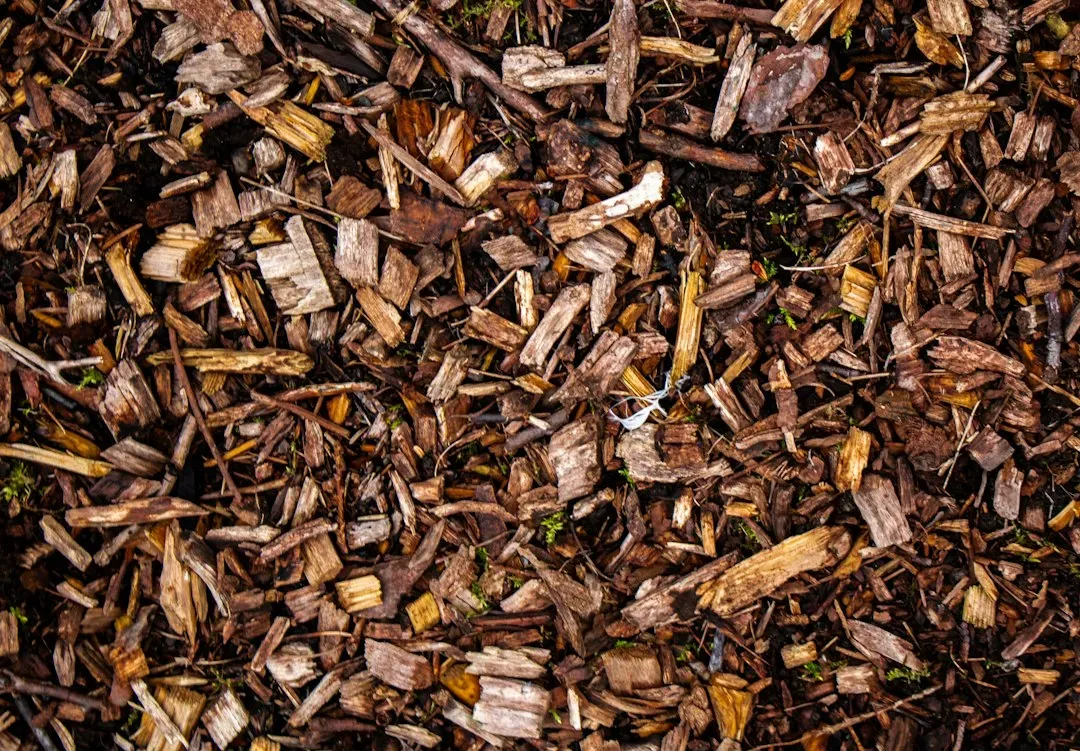
Mulch is meant to keep soil temperatures steady once the ground has chilled, not to tuck plants in while it’s still warm. One regional care calendar advises applying the final mulch layer after the first hard frost. Putting it down too early can invite rodents and trap moisture around stems.
With frost arriving later, that task naturally shifts toward November in many yards. Perennials, strawberries and tender shrubs are the usual candidates. Wait for a few properly cold nights first.
Sowing Cover Crops in Emptied Beds
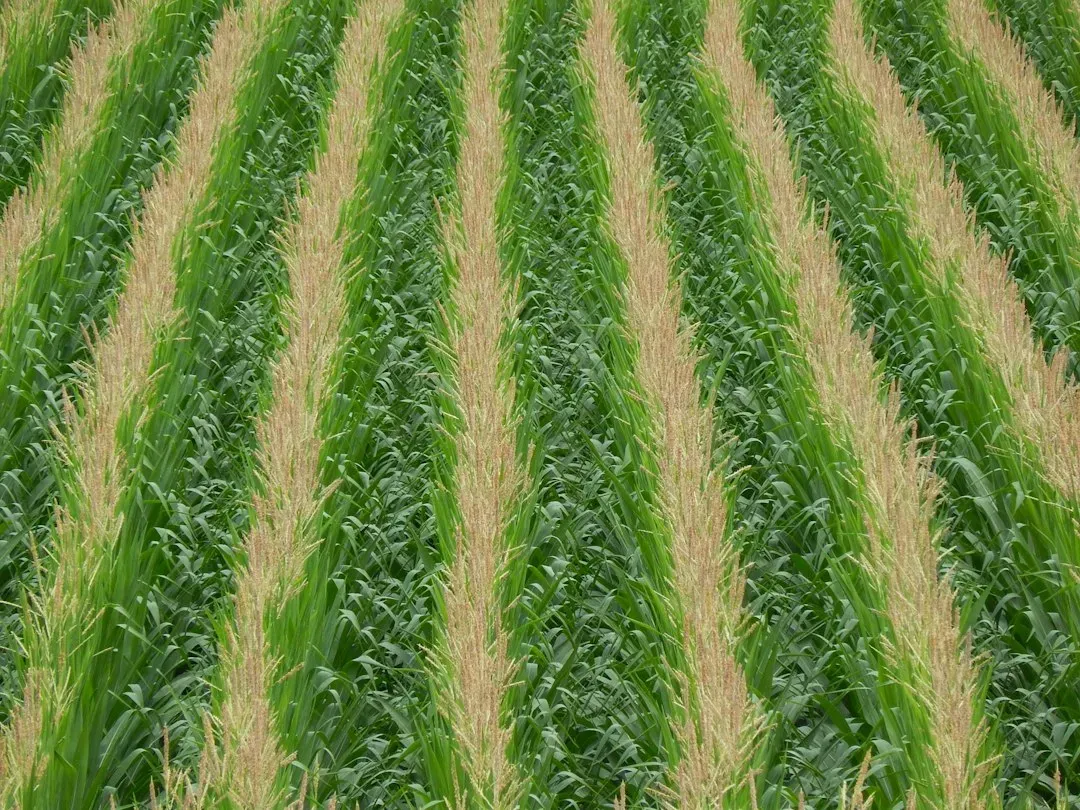
Cover crops protect bare soil from erosion and add organic matter. Massachusetts planting guides list August as the month to plant cover crops in finished beds. A longer fall can give them more time to establish before the ground freezes.
Garden beds free up at different times, so sow as each one empties. Early plantings generally root better than late ones. If your tomatoes are still going strong, you can leave that bed for last.
Watching for Lingering Pests and Weeds
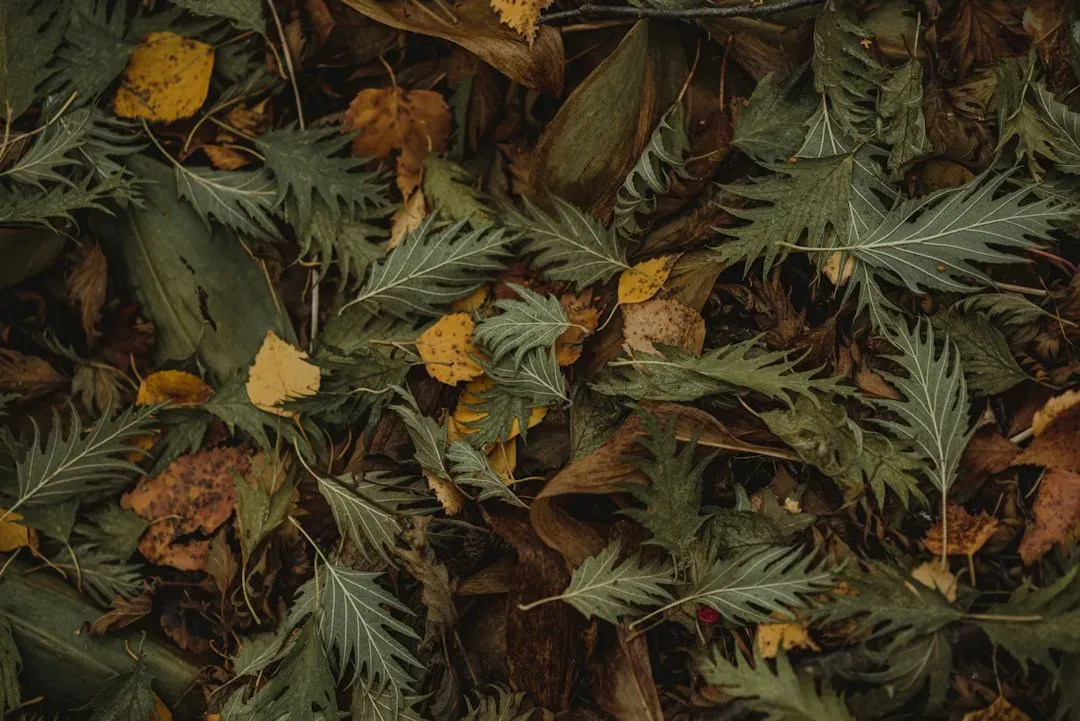
A longer frost free season helps unwanted guests, too. In New Hampshire, a longer growing season allows invasive weeds to grow and presents more opportunities for harmful pests. Climate Central also notes that a later freeze can mean lingering pests.
In practice, that means scouting a bit longer into the fall. Pull weeds before they set seed and remove spent plants that harbor insects. Don’t assume the first cold night will do the cleanup for you.
Cleaning Up Around Ragweed Season
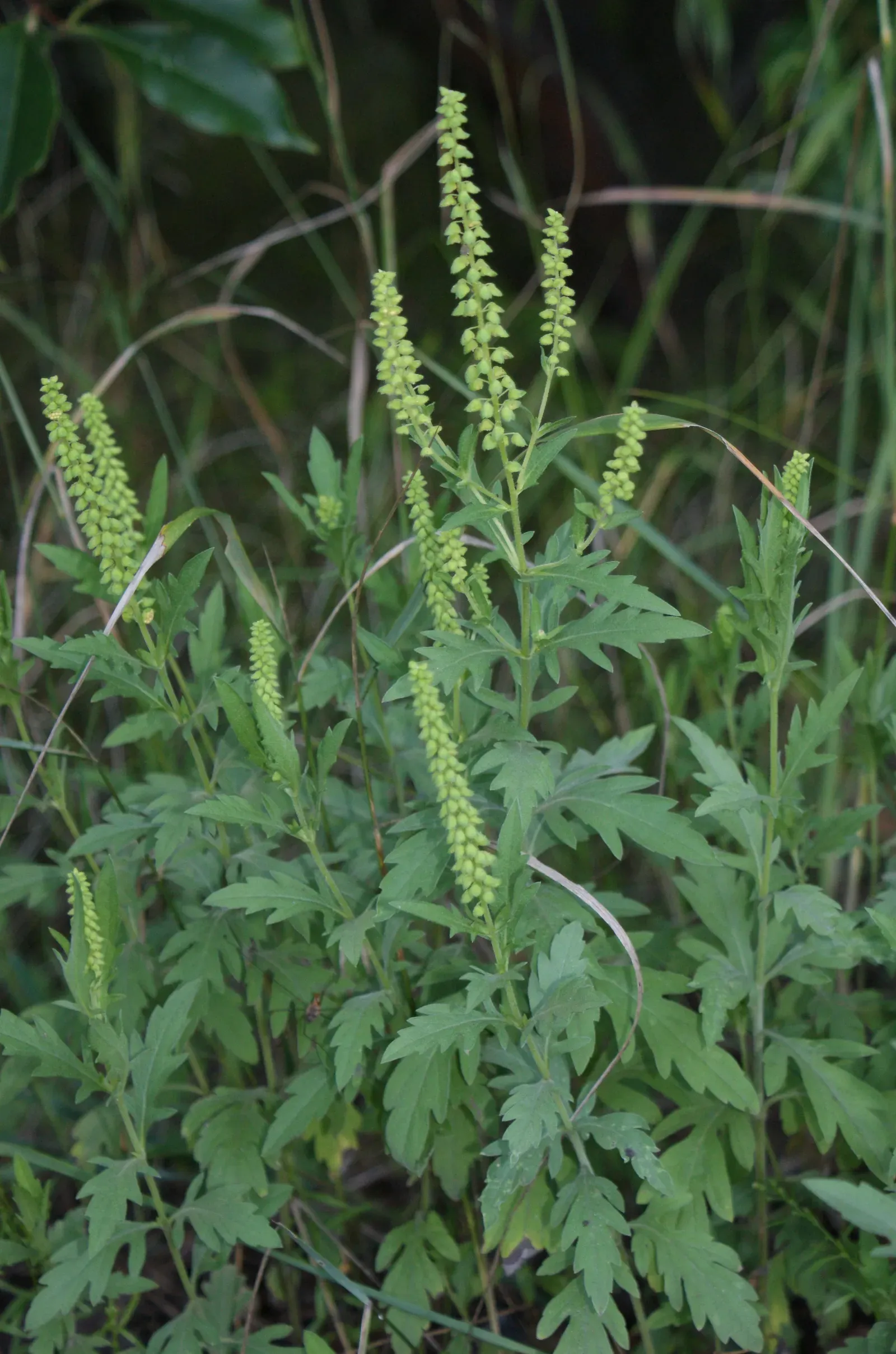
Fall yard work and fall allergies often overlap. Warmer fall temperatures and a later fall freeze extend the ragweed growing season and the allergies that come with it. Warmer conditions also give plants more time to grow and release allergy inducing pollen later into fall.
If you’re sensitive, consider wearing a mask while raking or pulling weeds, and wash up afterward. Scheduling heavy cleanup for after your first frost is another option. That’s a quiet way the shifting calendar can affect how you spend a weekend.
