


- 10 Home Upgrades That Can Lower Summer Cooling Costs - November 10, 2026
- 10 Questions to Ask Before Buying a Home in a Flood Zone - November 10, 2026
- 9 Coffee-Growing Regions Reporting Lower Yields as Temperatures Rise - November 10, 2026
Most people picture lightning as something that starts wildfires. Far fewer think about the reverse, where a fire becomes so intense that it builds the thunderstorm itself.
It sounds like a stretch, yet atmospheric scientists have documented it many times. Recent studies from 2025 and 2026 are filling in how these storms form and why some of them throw lightning while others stay quiet.
What a Pyrocumulonimbus Cloud Actually Is
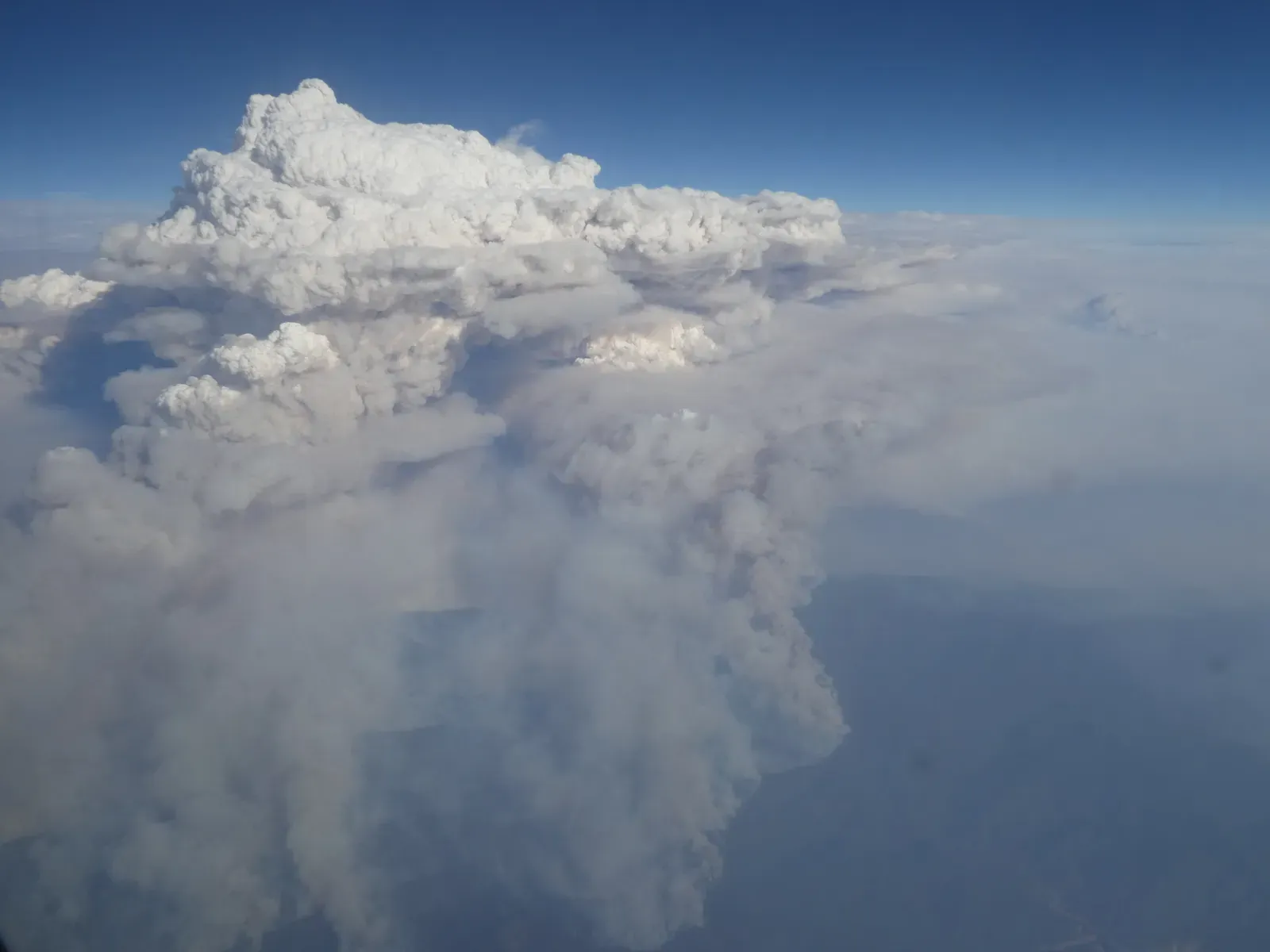
The technical name is pyrocumulonimbus, or pyroCb for short. These are powerful storm clouds created by extreme wildfires. They look a lot like ordinary thunderheads, only the engine underneath is a fire rather than a sunny afternoon.
The U.S. Naval Research Laboratory describes them as storms that can produce lightning, tornado-like fire whirls, erratic winds and massive smoke plumes that can rise into the stratosphere. That list explains why firefighters, pilots and forecasters all care about them.
How a Fire Builds Its Own Weather
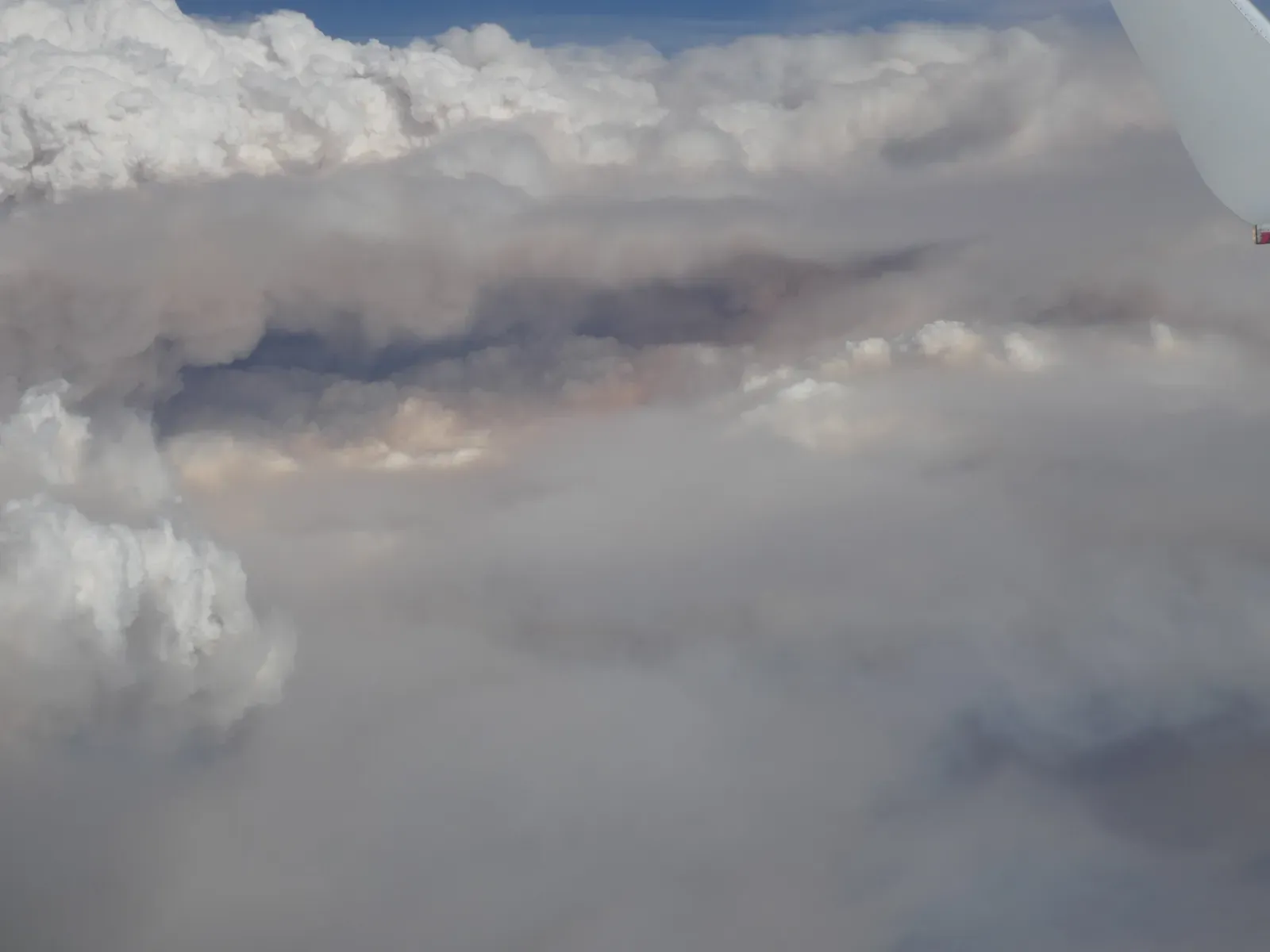
A big, hot fire pushes air upward with enormous force. That rising column carries smoke, heat and moisture into the sky, and when conditions line up, the column grows into a towering cloud.
Researchers at the Desert Research Institute point to the 2020 Creek Fire in California as a clear example. The fire became so intense that it generated its own thunderstorm. NASA has called that cloud one of the largest known pyroCb clouds seen in the United States.
Moisture Is the Hidden Ingredient
Heat alone doesn’t explain these storms. A 2025 study in Geophysical Research Letters found that wildfire driven vertical moisture transport is a key ingredient in building them.
The team combined satellite fire data with a plume rise model and a scheme that lifts near surface moisture into the atmosphere. Removing or simplifying any one of these processes greatly weakened or prevented pyroCb formation in their sensitivity tests.
Where the Lightning Comes From
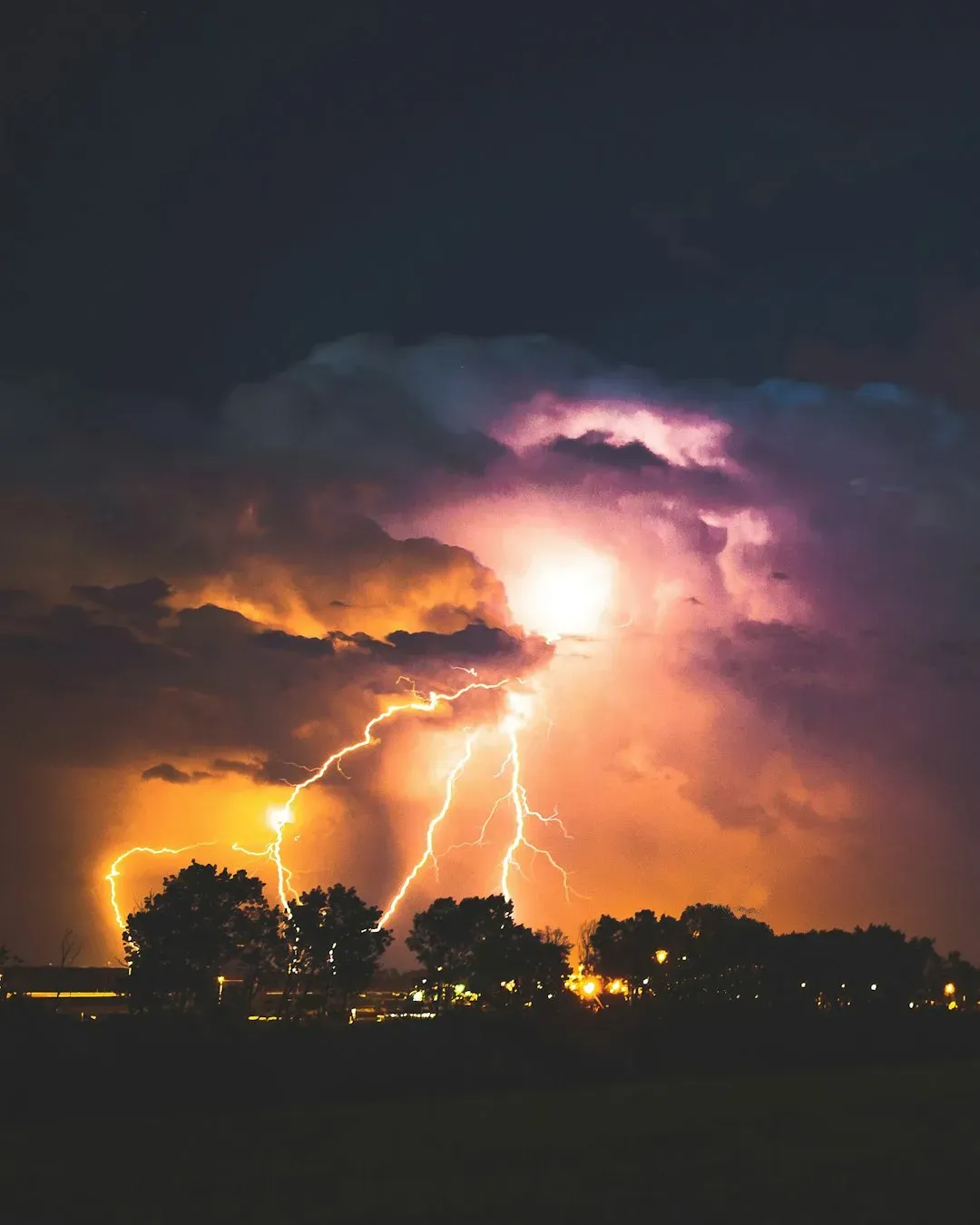
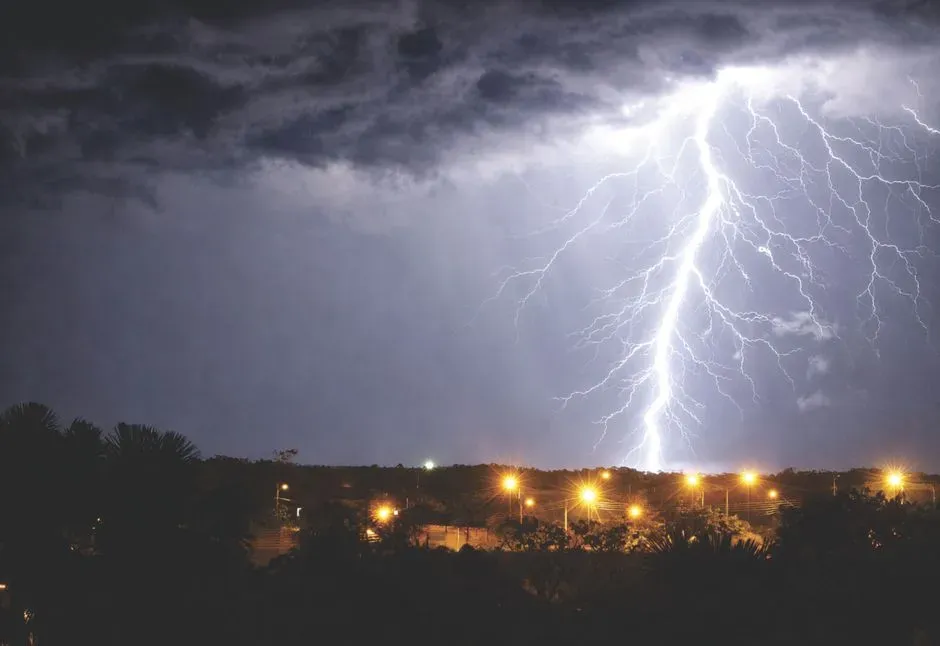
Once a pyroCb is tall enough, it can electrify much like a normal thunderstorm. A June 2025 paper in the Journal of Geophysical Research: Atmospheres looked at how smoke loading affects lightning in these clouds compared with other high based thunderstorms.
One large event over the Sparks Lake fire stood out. It produced 5,600 total lightning strikes and generated persistent overshooting tops. Its ratio of cloud to cloud lightning versus cloud to ground lightning was significantly higher than all other storms studied, including the smoke filled case.
Why Some Fire Storms Stay Quiet
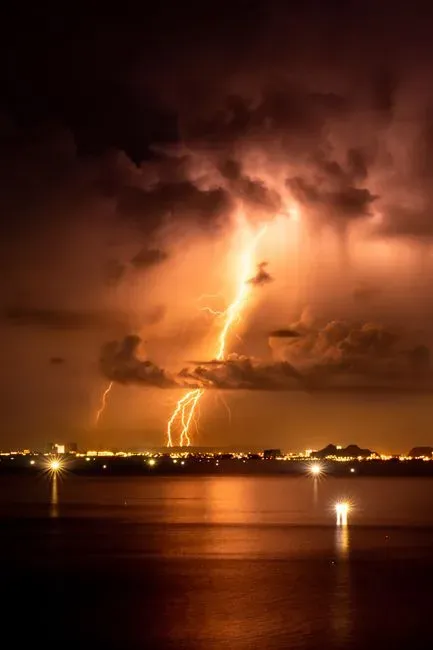
Not every pyroCb flashes. In that same 2025 study, the weaker events produced few strikes, with fewer than ten strikes per hour in cases without significant overshooting tops.
The weakest pyroCbs showed no lightning at all in the absence of any overshooting top. Height and storm strength appear to matter a great deal, though the full explanation is still being worked out.
Lightning That Starts New Fires
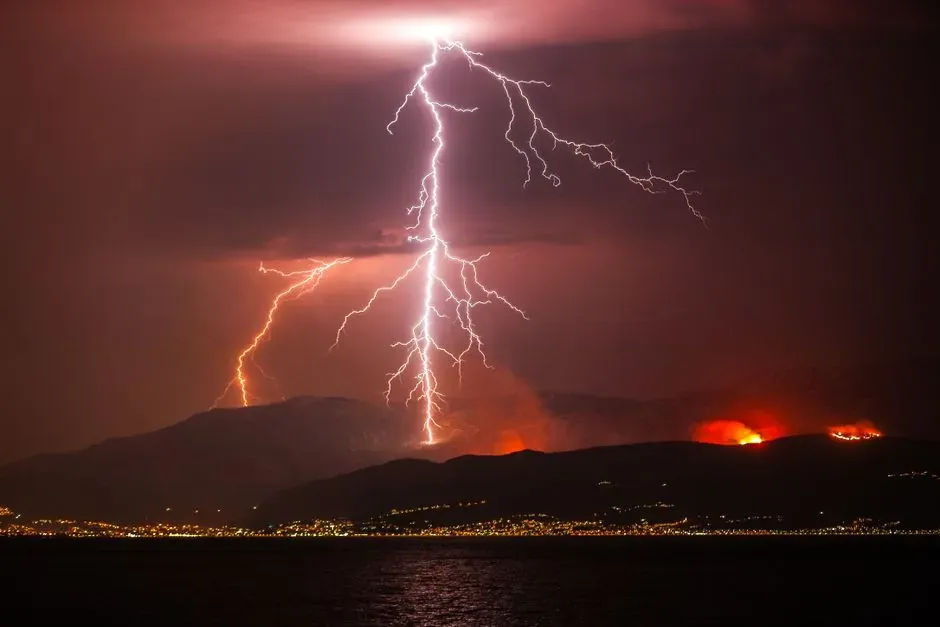
This is where the concern turns practical. The Naval Research Laboratory notes that these storms can ignite new fires through lightning strikes, creating a dangerous self sustaining cycle that remains poorly understood.
A fire can generate a storm, the storm can strike the ground, and a new fire can start somewhere else. For crews trying to contain a blaze, that loop makes the situation much harder to predict.
Smoke Pushed Toward the Stratosphere
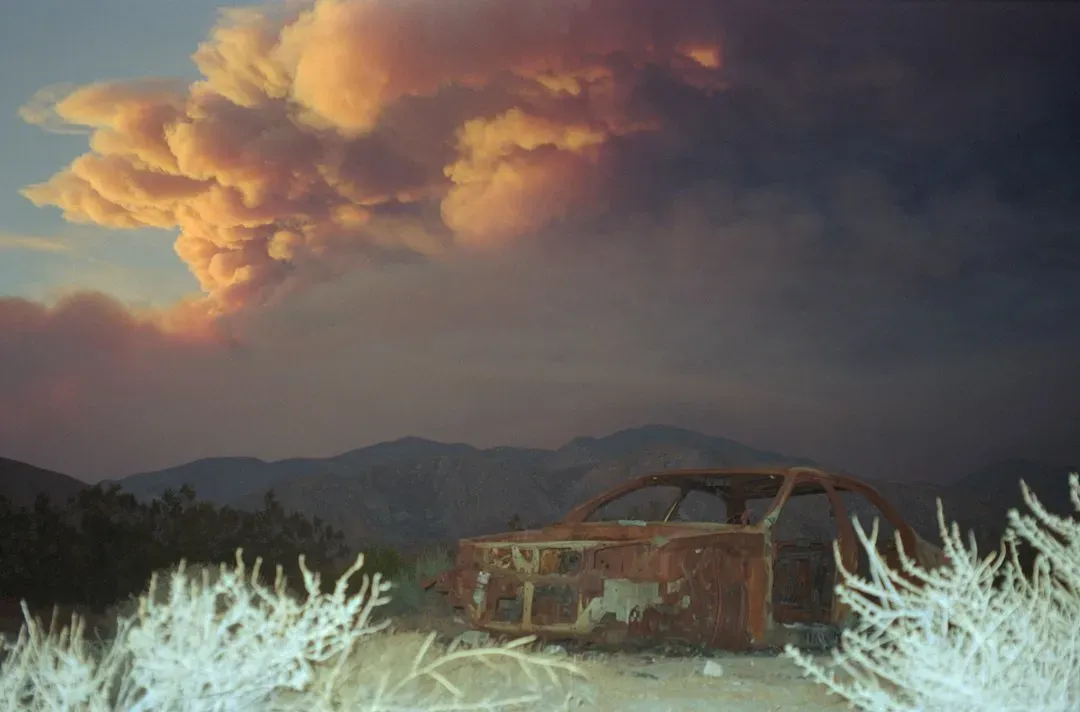
PyroCb clouds don’t only affect the ground below. According to the Desert Research Institute, one of these clouds injects smoke and moisture into the upper atmosphere at magnitudes comparable to small volcanic eruptions.
A 2025 preprint studied smoke from intense North American fires in August 2024. It reported that pyroCbs show strong vertical convection that injects large amounts of smoke aerosols into the upper troposphere and lower stratosphere. Since it’s a preprint, the findings were still under peer review when posted.
Teaching Climate Models to Make Fire Storms
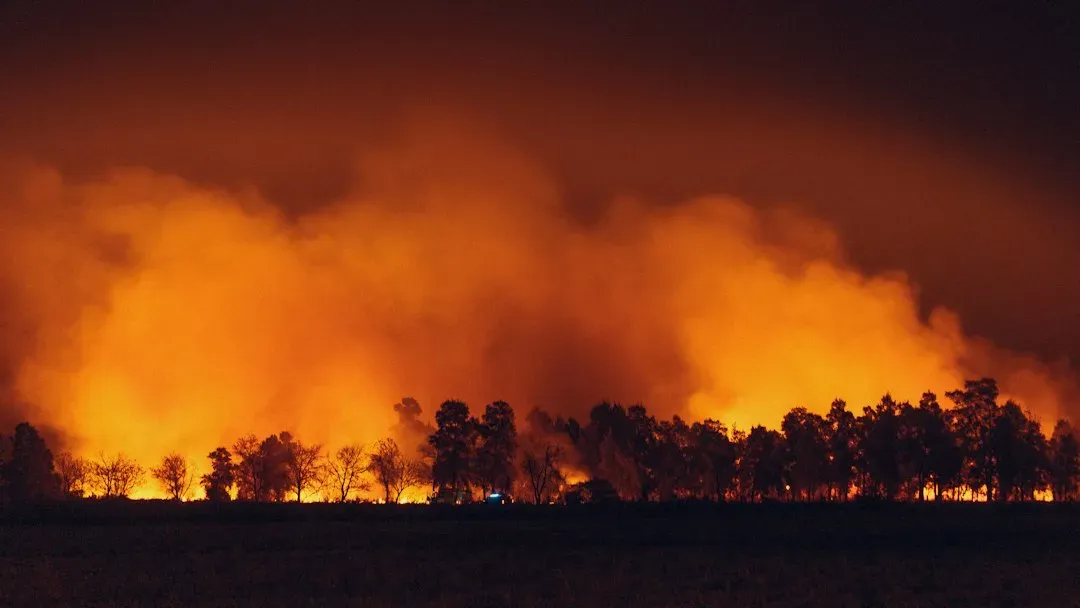
For years, most climate models struggled to represent these events because they lacked detailed wildfire and atmosphere interactions. That gap limited forecasting and long term climate assessments.
In September 2025, researchers led by Ziming Ke reported the first successful simulation of these storms within an Earth system model. The model also replicated multiple thunderstorms produced by the 2021 Dixie Fire, which occurred under very different conditions.
What Researchers Are Studying Next
The Naval Research Laboratory is leading a NASA airborne science mission called INSPYRE, short for Injected Smoke and PYRocumulonimbus Experiment. Its aim is to better understand pyroCb storms and the hazards they pose to firefighting, aviation and weather forecasting.
The principal investigator, David Peterson, has said that some of these storms produce significant lightning and others produce very little. Pinning down what drives that difference is one of the mission’s central questions.
