

- Will travel insurance cover weather-related flight delays and cancellations? - November 11, 2026
- 8 Cities Where the Weather Changes So Fast Locals Carry Everything - November 11, 2026
- 10 Traditional Building Techniques From Hot Climates Architects Are Revisiting - November 10, 2026
Every summer, millions of visitors walk boardwalks over one of the most closely studied volcanic systems on Earth. Most of them are watching Old Faithful, not the ground beneath it.
Still, the question comes up often, and it tends to spike whenever a swarm of earthquakes makes the news. The numbers behind the answer are worth a careful look, including what they do and don’t mean.
Where the 1 in 730,000 figure comes from
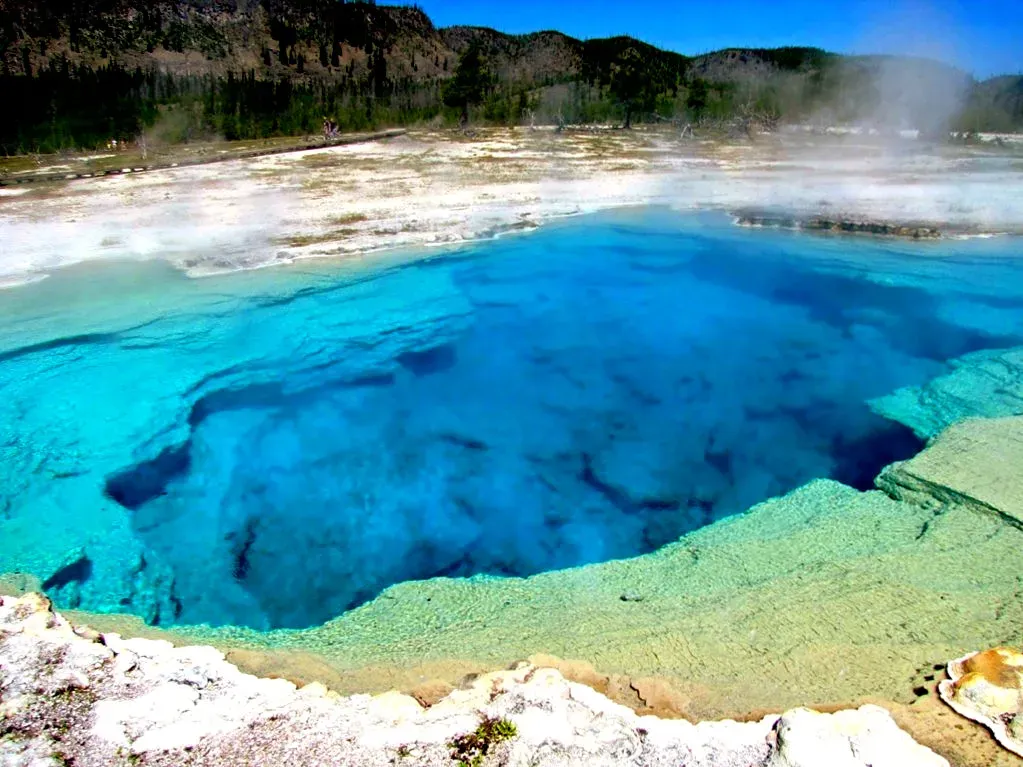
The USGS says that, given Yellowstone’s past history, the yearly probability of another caldera-forming eruption can be approximated as 1 in 730,000 or 0.00014%. That’s the official number behind most headlines on the subject.
It isn’t a prediction made from live monitoring data. It’s a statistical estimate drawn from the volcano’s long record.
How the number was calculated
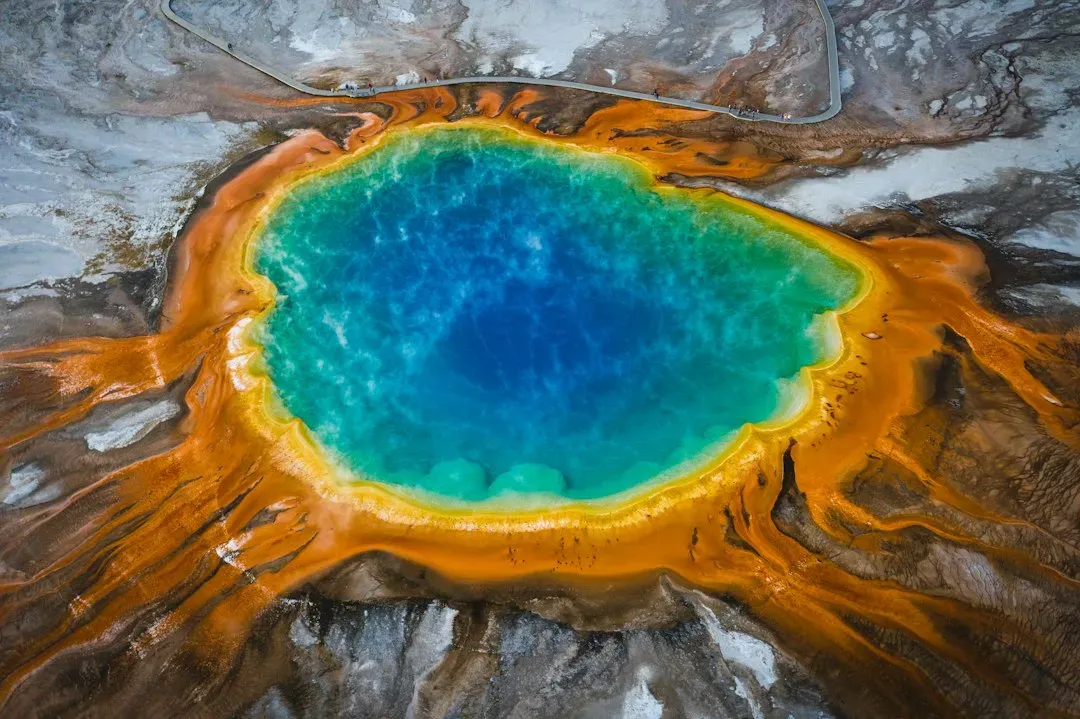
The math is simple. The figure is based on averaging the two intervals between the three major past eruptions at Yellowstone, which the USGS itself describes as hardly enough to make a critical judgment.
With only three data points, the estimate can’t carry much weight. Think of it as a rough sense of scale rather than a schedule.
The three giant eruptions in the record
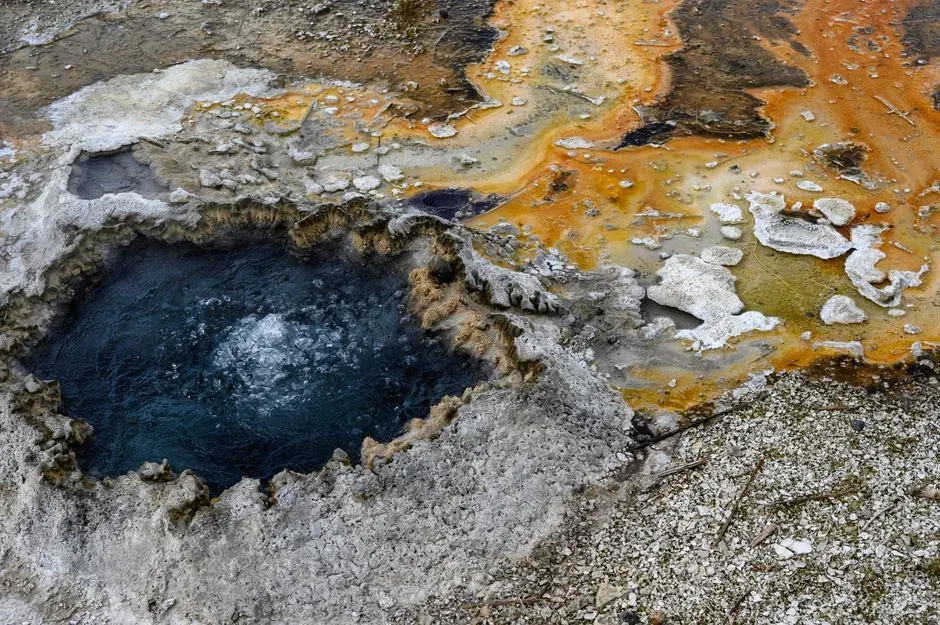
The super-eruptions occurred 2.1 million years ago, 1.3 million years ago, and 664,000 years ago. Other sources round the most recent one to about 640,000 years ago, and the USGS uses that figure too.
The Huckleberry Ridge eruption came about 2.08 million years ago and was the largest of the three. Each one left behind a large collapsed basin, called a caldera, that reshaped the landscape.
Why the odds aren’t a countdown
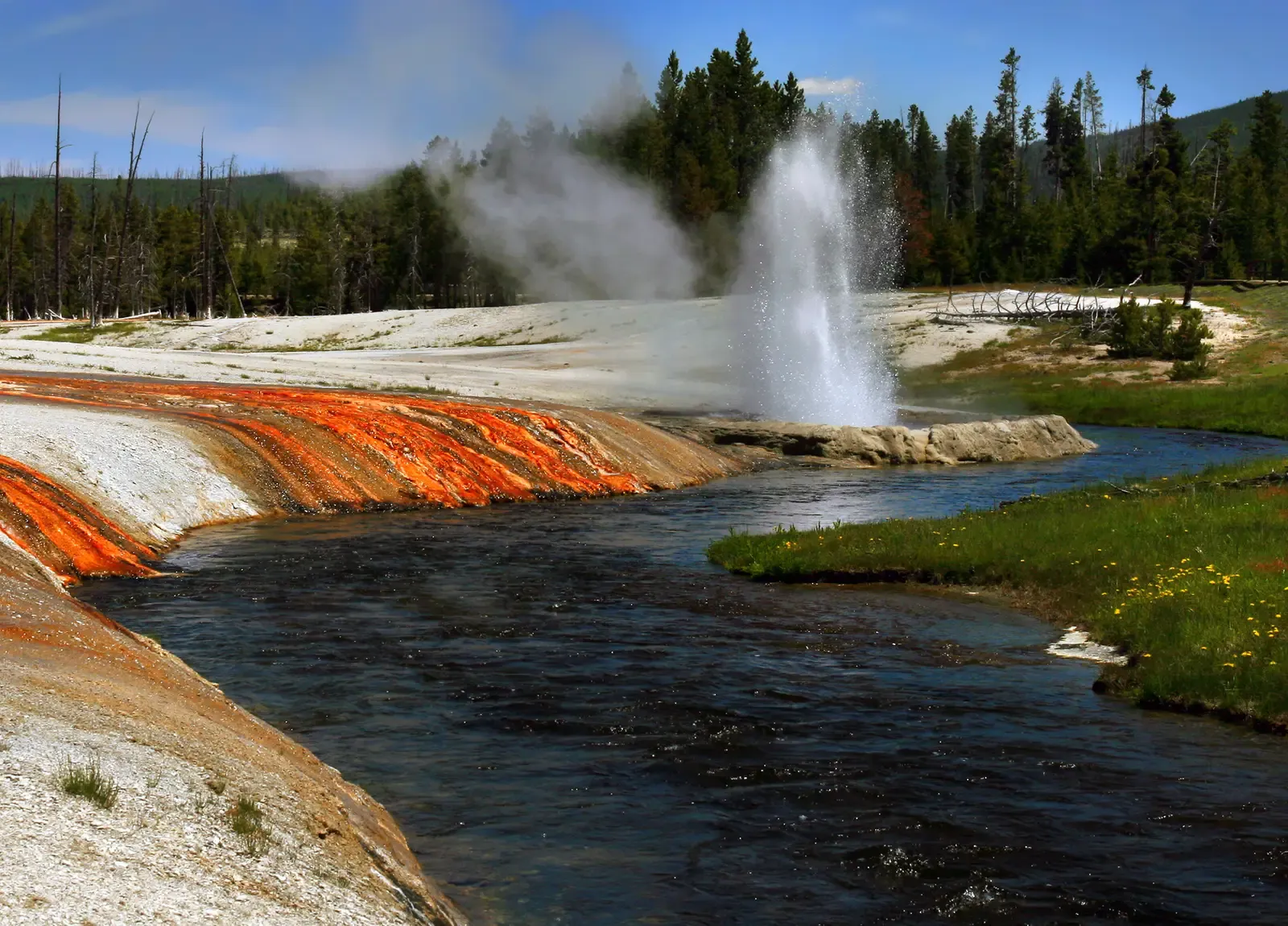
Some people read the roughly 730,000 year gap and assume Yellowstone is overdue. The USGS doesn’t see it that way, noting that catastrophic geologic events are neither regular nor predictable.
The agency also says that scientists are not convinced that there will ever be another catastrophic eruption at Yellowstone. A pattern of three events simply doesn’t make a clock.
What the magma beneath the park looks like
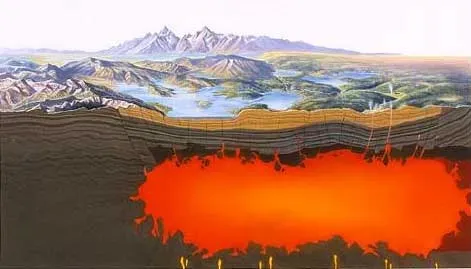
Popular images show a vast pool of liquid rock ready to burst. USGS research points elsewhere, indicating the magma body under the park is mostly solid, with only about 5 to 15 percent melt.
A supereruption would need far more molten material than that. That’s one of the clearer reasons scientists see no imminent danger of a giant blast.
Who is watching, and what they see
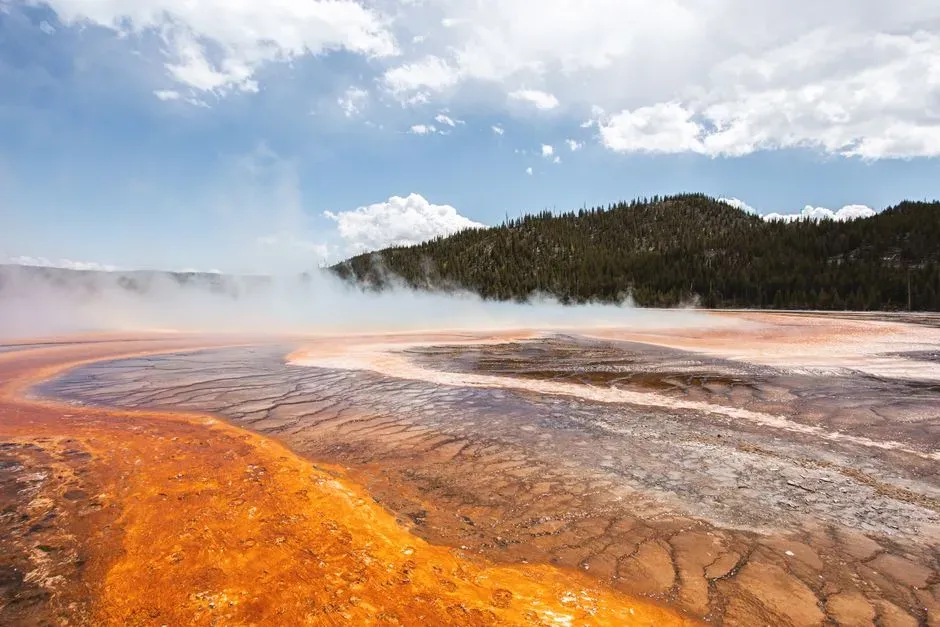
The Yellowstone Volcano Observatory, a partnership between the USGS, Yellowstone National Park, and the University of Utah, closely monitors volcanic activity at Yellowstone. Its website features real-time data for earthquakes, ground deformation, stream flow, and selected stream temperatures.
The USGS has kept the volcano’s alert level at green in past assessments. One 2026 summary also lists it at normal, meaning background activity only.
Earthquake swarms and what they mean
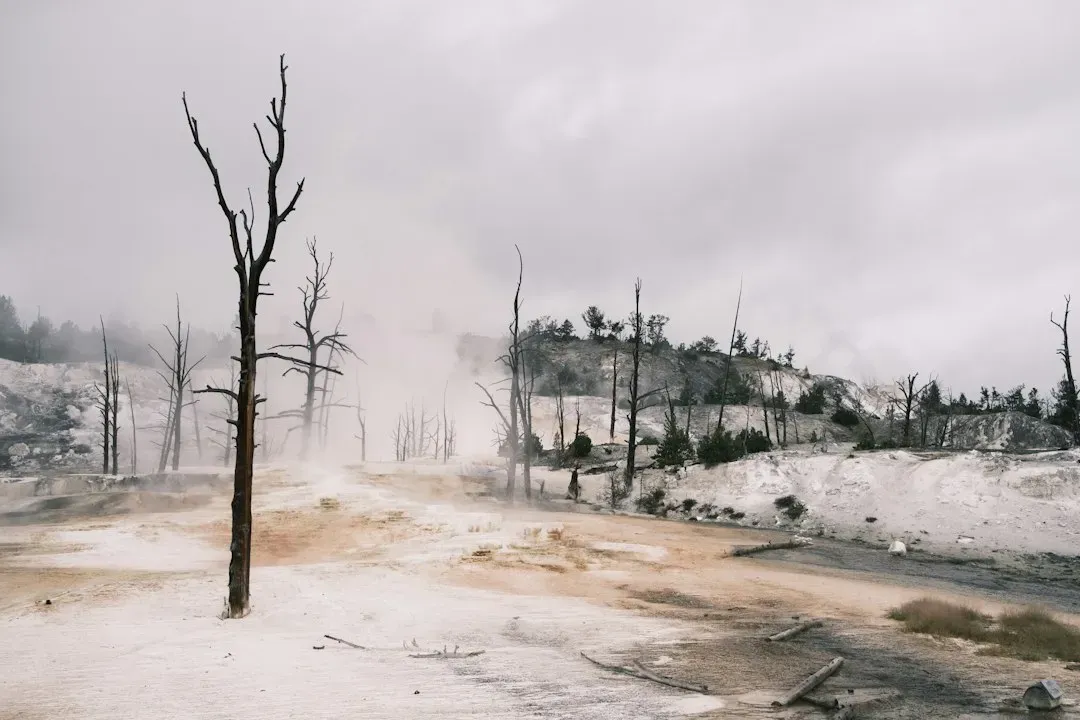
Yellowstone shakes constantly. One University of Utah researcher has noted that on average, Yellowstone sees around 1,500 to 2,000 earthquakes per year, and a large share occur in swarms.
Most are too small to feel. Swarms are routine there, and a single swarm doesn’t signal an eruption on its own.
The more likely events: lava and steam
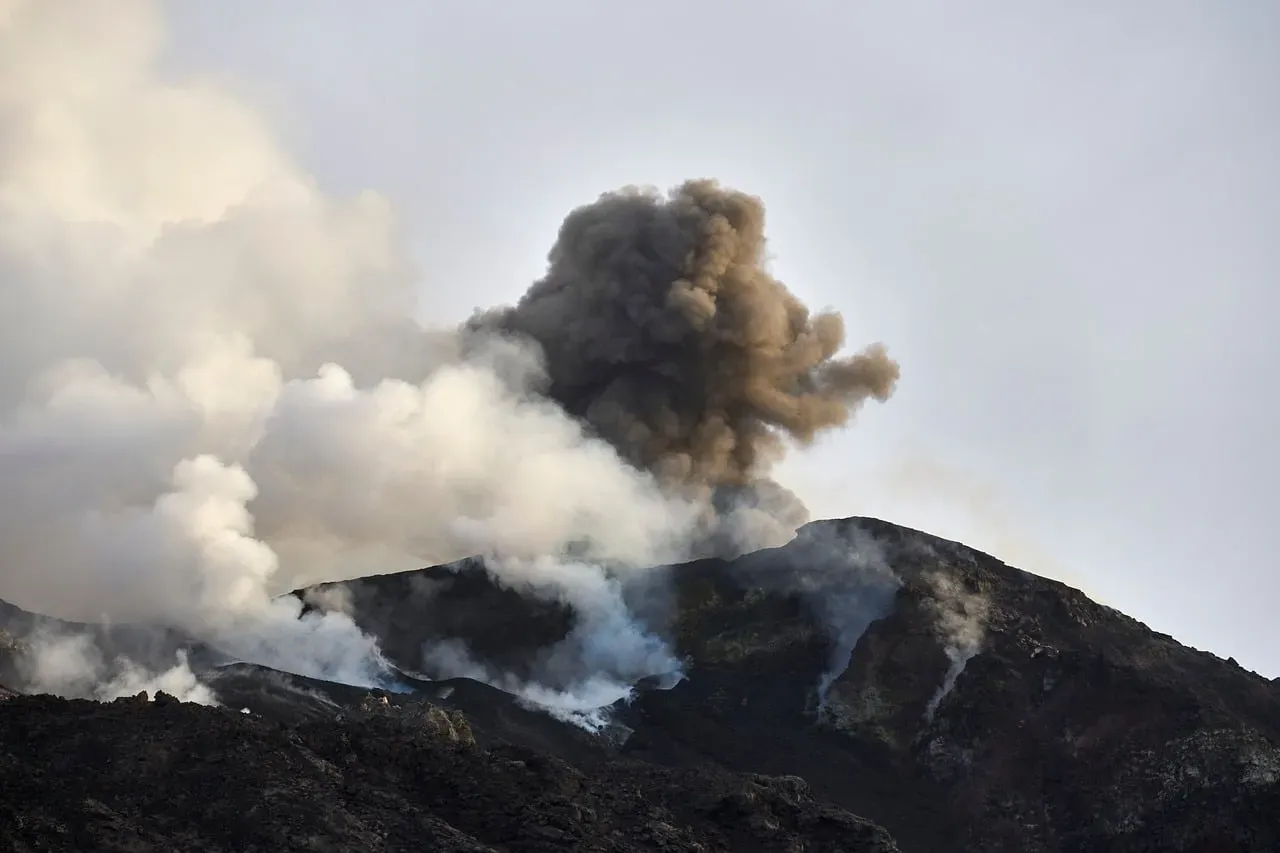
If something did happen, a giant blast wouldn’t be the usual outcome. Over the past 640,000 years since the last giant eruption, approximately 80 relatively nonexplosive eruptions have occurred and produced primarily lava flows.
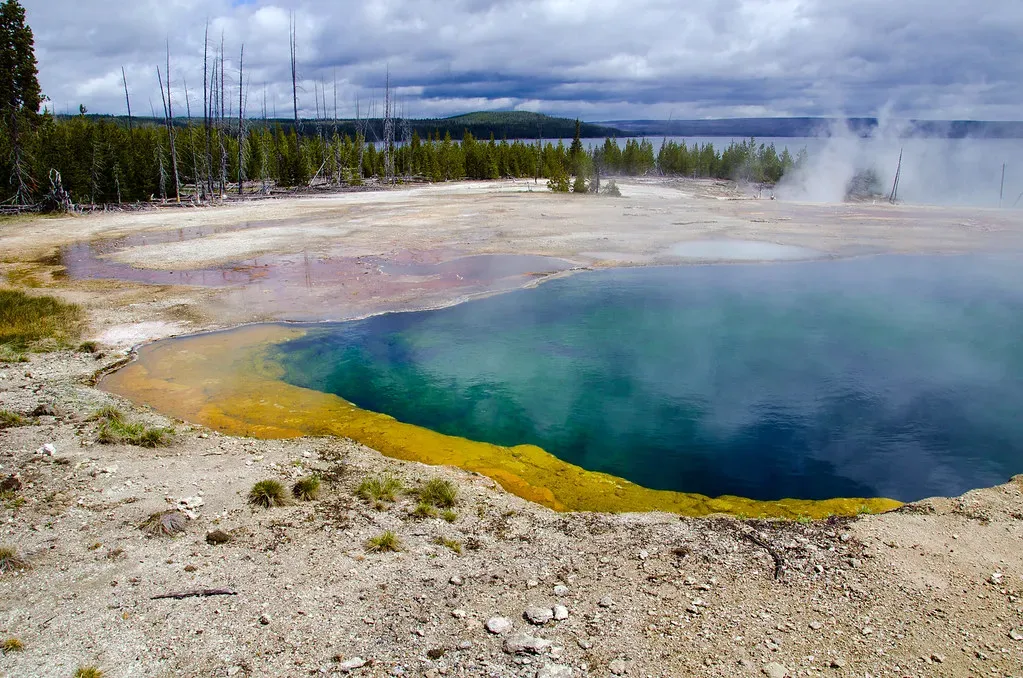
Hydrothermal explosions are another real hazard. They happen when hot water underground flashes to steam and blasts out rock, and they don’t require new magma.
How the odds compare with other risks
The USGS says the Yellowstone probability is roughly similar to that of a large (1 kilometer) asteroid hitting the Earth. That puts it in the category of risks people rarely plan around.
So for this year, the answer is reassuring. The USGS states that there is no evidence that a catastrophic eruption at Yellowstone is imminent, and such events are unlikely to occur in the next few centuries.
