


- Real Estate Analysts Just Changed Their Mind About the Safest Places to Buy – Here’s Why - November 12, 2026
- Black Holes Firing Beams at Near-Light Speed – 5 Cosmic Engines Warping Spacetime - November 12, 2026
- Silent Rogue Worlds Drifting in Total Dark – 6 Planets Ejected From Their Star Systems - November 12, 2026
For a lot of Americans, the sneezing now starts before the daffodils do. Allergists, pollen counters and climate scientists have been tracking this shift for years, and the data lines up with what many people feel in their own noses.
The pattern isn’t uniform across the country, and weather still decides a lot from one year to the next. Even so, the long trend points in one direction, and the research behind it goes back several decades.
A Measured Stretch of About Twenty Extra Days
A widely cited 2021 study in the Proceedings of the National Academy of Sciences used data from 60 pollen count stations across the United States and Canada, covering 1990 to 2018. It found pollen seasons were 20 days longer and carried 21 percent more pollen than in 1990. The stations are run by the National Allergy Bureau, and certified counters tally the airborne samples by hand.
The study was also the first to look at this at a continental scale. It explicitly linked pollen trends to human caused climate change. That made it a reference point for nearly everything written on the subject since.
How Much Climate Change Is Actually to Blame
Warming doesn’t explain everything, and the researchers said so. Climate change alone could account for around half of the lengthening of the pollen season, and about 8 percent of the increase in pollen amount. Other factors, such as land use and changes in vegetation, also play a role.
The researchers split the years into two periods to see whether the influence was changing. They found that climate change’s contribution to rising pollen amounts is accelerating. In other words, the effect appears to be growing rather than holding steady.
Longer Frost Free Seasons in American Cities
Climate Central offers a simple way to see the trend: count the days between the last spring freeze and the first fall freeze. In its 2025 analysis of 198 cities, the frost free season had lengthened in 172 of them since 1970, by 20 days on average. In 70 cities, the stretch grew by at least three weeks.
The gains vary by region. The Northwest, at 24 extra days, and the Southwest, at 20, saw the largest average changes. More frost free days give plants more time to grow and release pollen.
Why Warmer Springs Start the Pollen Clock Sooner
Plants respond to temperature cues, so a warmer late winter can wake them up early. Pollen seasons now start around 20 days earlier than in 1990, which suggests warming is shifting the plants’ internal timing. Trees tend to react the most.
Local records show the same thing. In the Washington, D.C. area, a 2026 look at three decades of pollen tracking noted that early bloomers like cedar, juniper, elm and maple are starting earlier, with a tree pollen spike arriving as soon as the second week of March this year.
Carbon Dioxide Adds More Than Heat
Temperature is only part of the story. Higher levels of carbon dioxide in the air can boost pollen production in plants, particularly grasses and ragweed. That means seasons can get both longer and heavier at the same time.
Climate Central describes the combined effect as seasons that are not only longer but also more intense. The longer exposure and the higher dose together are what many allergy sufferers notice most.
The North Feels It More Than the South
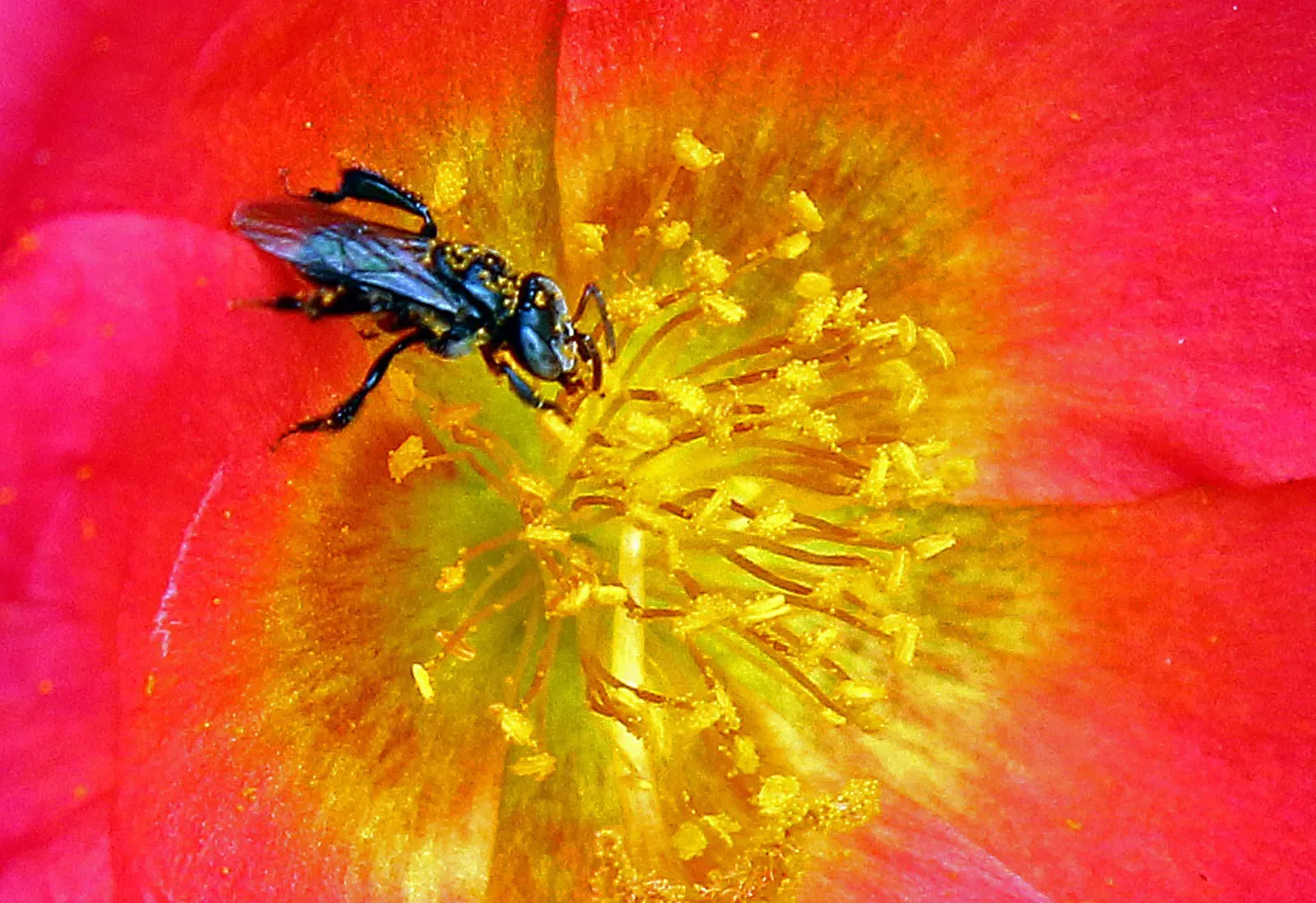
Earlier research suggested that the biggest changes occur at higher latitudes. A study by Lewis Ziska’s team of ten pollen stations from Texas to Saskatchewan found that seasons lengthened by 13 to 27 days north of roughly 44 degrees latitude, while the southernmost station in Texas saw a one day decrease.
Projections point the same way. Pollen season changes are expected to be greater in the northern United States than in the South, because northern areas are projected to warm more. The South still gets earlier starts, but its baseline season was already long.
Ragweed Season in the Upper Midwest
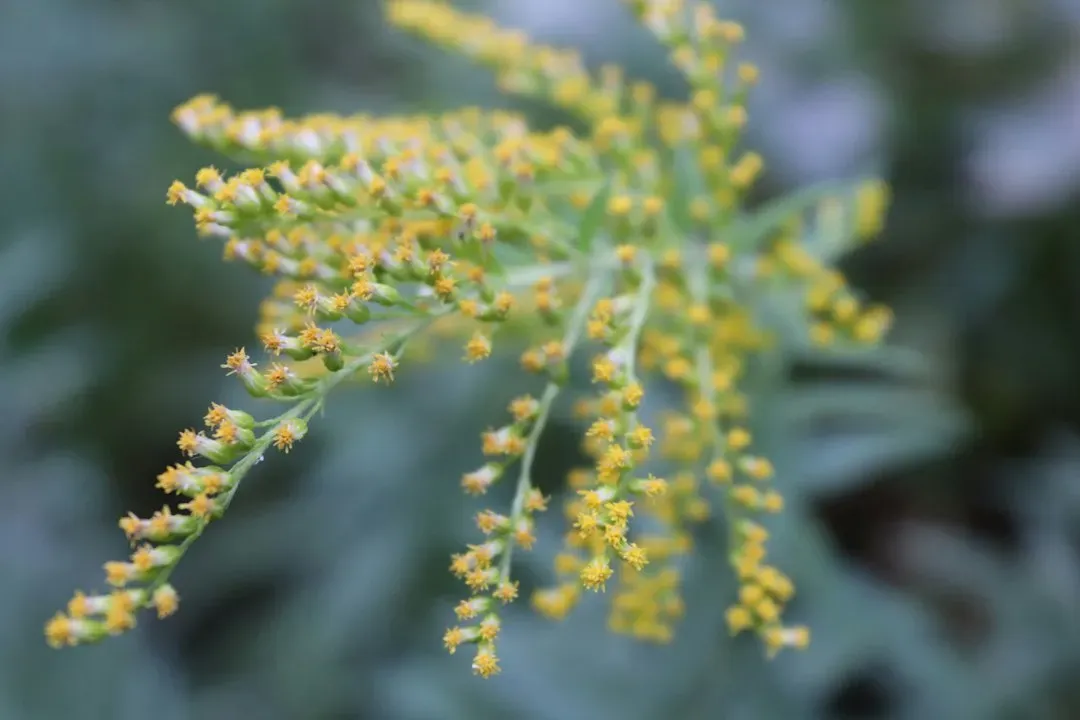
Ragweed is a useful example because its season is easy to track. In parts of northern Minnesota and North Dakota, ragweed season lengthened by 21 days from 1995 to 2015, according to Environmental Protection Agency data. That’s three extra weeks of exposure for people sensitive to it.
The change wasn’t the same everywhere. Ragweed season was only six days longer in Oklahoma over the same period. The gap fits the broader pattern of larger shifts in cooler, more northern places.
What the 2026 Season Looked Like
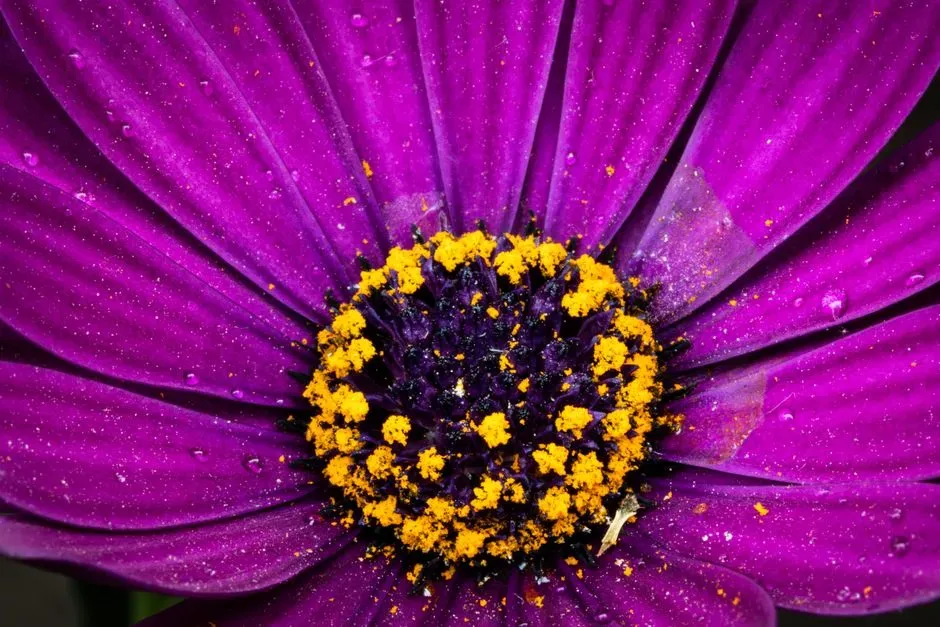
This year’s season followed the familiar script in many places. In parts of the Southeast such as Georgia, allergy season began in late February instead of the usual early March. AccuWeather’s forecast noted that high pollen levels were expected across 29 states as spring warmth moved north.
Not every region got an early start. AccuWeather expected tree pollen in the Northeast to stay lower than average early on because of a colder start and less rainfall. Local weather still matters a great deal.
Weather Swings Complicate the Trend
Climate trends set the backdrop, but short term weather shapes each season. AccuWeather’s meteorologists pointed to spring warmth, storm tracks, wind and late frosts as key factors. A late frost can lower tree pollen for a short time, yet it can make pollen more intense later in the season.
Different trees react differently, too. Early bloomers like juniper and alder tend to be hit harder by a late frost, while birch, maple and pine are less affected. That’s one reason a longer season doesn’t always mean a steady, predictable one.
Why Longer Seasons Matter for Health

Pollen allergies are more than a seasonal annoyance. They are tied to respiratory health, with implications for viral infections, emergency room visits and even children’s school performance. More exposure over more weeks makes those effects harder to avoid.
The affected group is large. Climate Central notes that seasonal pollen allergies affect millions in the U.S., including about one in every five children. A study of the 1995 to 2011 period also warned that longer seasons could trigger more severe asthma attacks among the 10 million Americans with allergic asthma.
What Projections Say About the Decades Ahead
A 2022 study in Nature Communications modeled pollen under high emissions. If carbon emissions go unchecked, pollen season could start up to 40 days earlier and last 19 days longer by the end of the century. The same work found total pollen could rise by up to 200 percent under that scenario.
These are projections, not forecasts for any single year, and they depend heavily on future emissions. One additional finding is worth noting: different tree pollen types that once peaked at different times may eventually overlap, leading to higher overall concentrations.
Practical Steps as Seasons Stretch

Allergists increasingly advise acting before symptoms arrive. One widely shared recommendation is to start allergy medication before pollen levels surge, rather than waiting for symptoms to appear. Checking local pollen forecasts can help with timing.
Since seasons now begin earlier in many places, that preparation window has moved up too. In the Southeast and Southwest, it can mean starting in February rather than March.
