

You check your phone in the morning and see rain at 3 p.m. Weeks earlier, a national weather service may have said the coming winter is likely to be warmer than usual. Both are called forecasts, yet they answer different questions and work in different ways.
Knowing the difference helps you decide how much to trust each one. A daily forecast tries to describe specific events. A seasonal outlook describes odds and tendencies across a whole season.
What Each Forecast Is Actually Predicting

A daily forecast describes the weather, meaning the state of the atmosphere at a particular place and time. It tells you about temperature, rain, wind and storms over the next hours or days. The goal is to be right about specific events.
A seasonal forecast describes climate tendencies. The U.S. Climate Prediction Center, for example, issues outlooks that give the probability of temperatures or precipitation being above, near or below normal over three-month periods. It doesn’t say it will rain on a given Tuesday.
Why the Atmosphere Limits Daily Forecasts
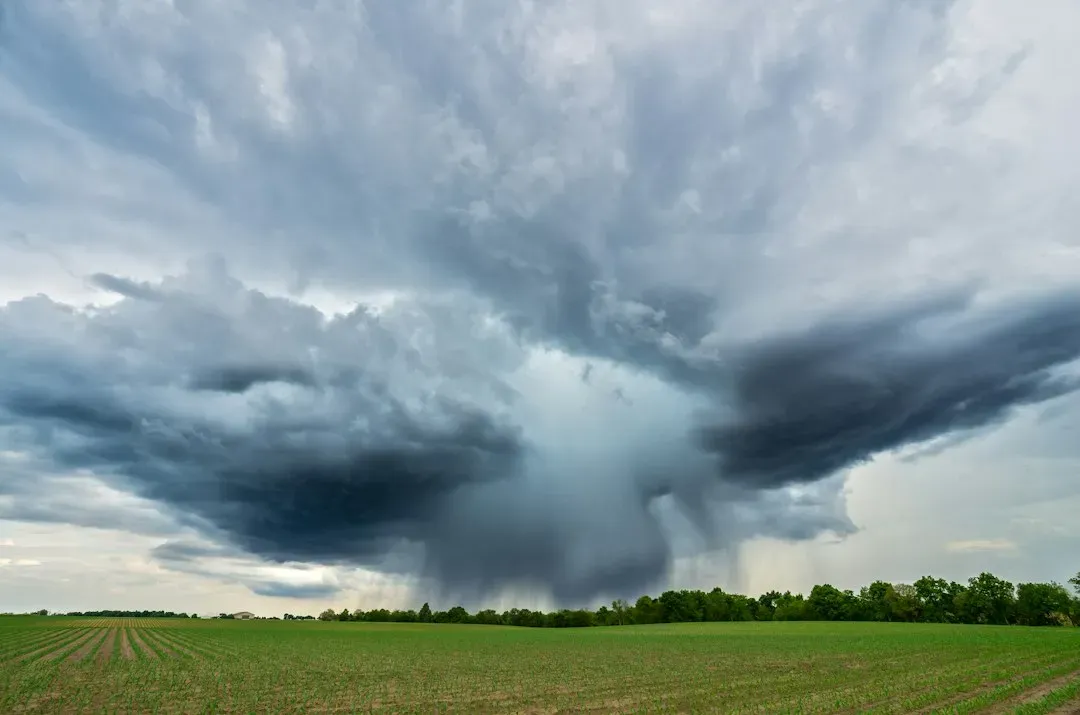
Weather is chaotic. Tiny differences in starting conditions grow over time, which is why forecasts lose accuracy as they look further ahead. This idea traces back to Edward Lorenz’s work in the 1960s.
The World Meteorological Organization and national services generally treat about two weeks as the practical limit for predicting day-to-day weather details. Beyond that, forecasts of individual systems are not reliable. That limit is built into the physics, not just the quality of the computers.
Where Seasonal Predictability Comes From
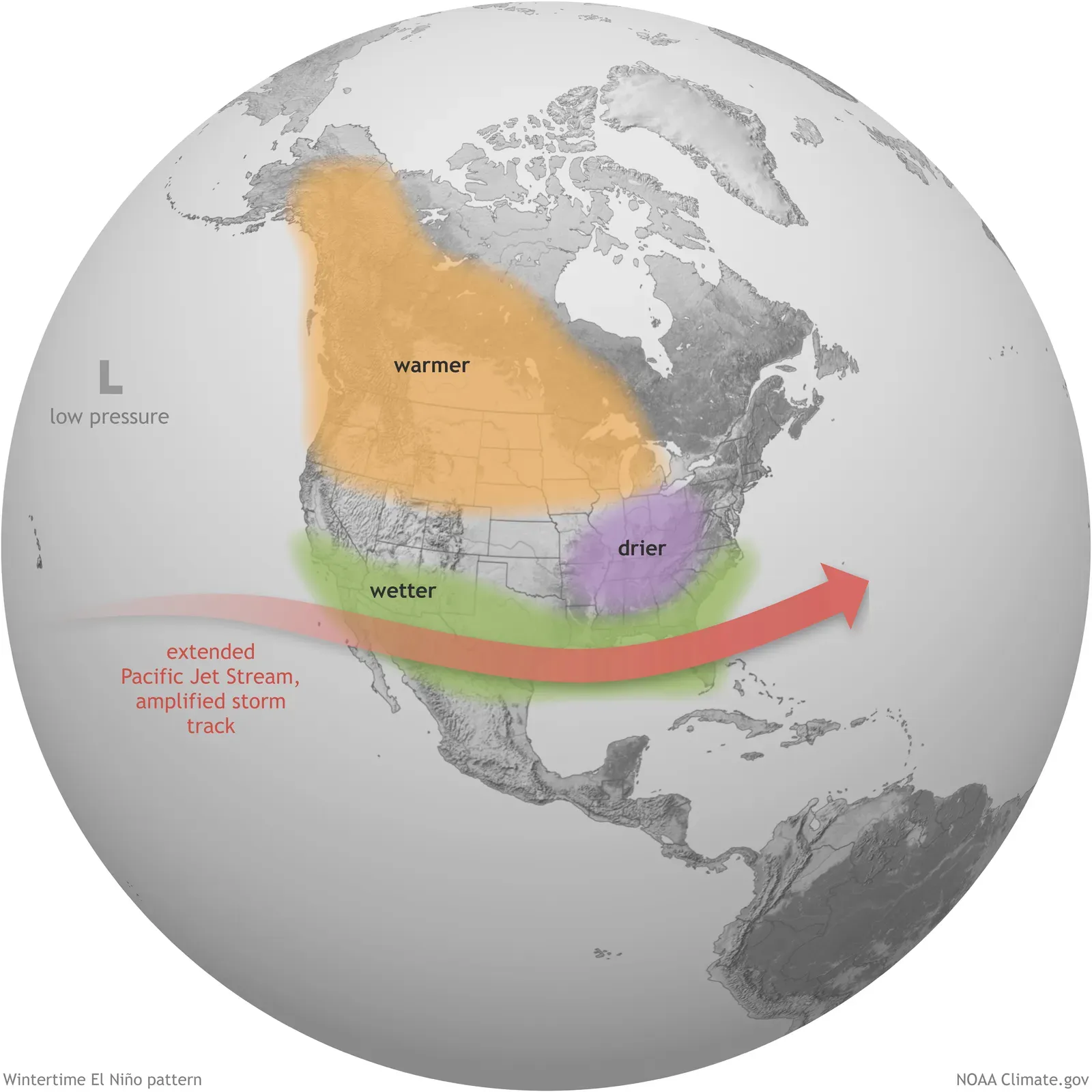
Seasonal forecasts rely on slower parts of the Earth system. The ocean changes more slowly than the air, so its temperature patterns can influence weather for months. The best known example is El Niño and La Niña in the tropical Pacific, which shift rainfall and temperature patterns around the world.
Other factors help too, such as soil moisture, snow cover, sea ice and long-term warming trends. These don’t fix the weather on any given day. They nudge the odds, which is why seasonal predictions can have skill even when daily details are unknowable.
Different Tools and Models
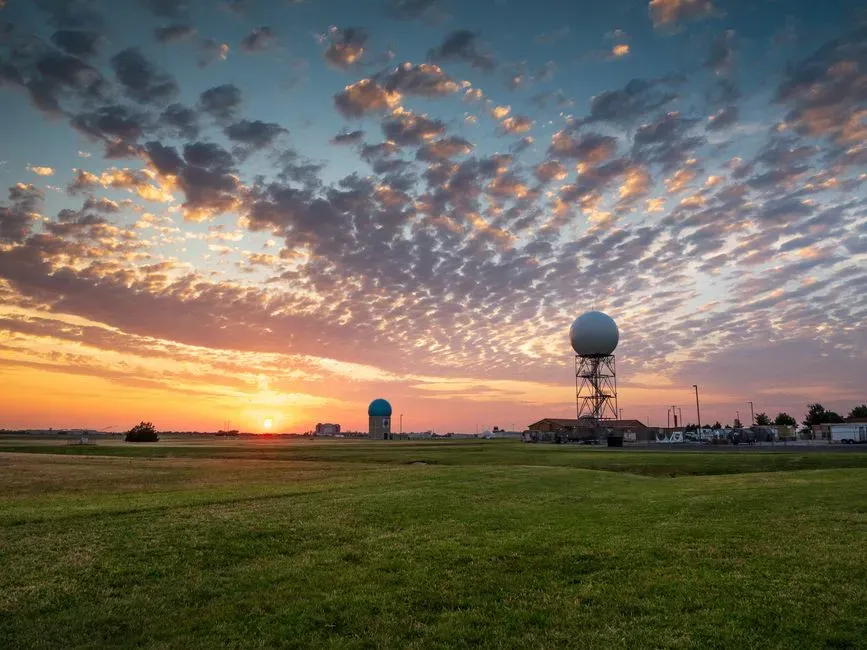
Daily forecasts come from numerical weather prediction models that start with fresh observations from satellites, weather balloons, radar and ground stations. The models are rerun many times a day. Forecasters then interpret the output for local conditions.
Seasonal forecasts typically use coupled climate models that link the atmosphere, ocean and land. Centers such as ECMWF and the Copernicus Climate Change Service run many model versions, called ensembles, and combine them. The spread among those runs shows how uncertain the outlook is.
How the Results Are Presented
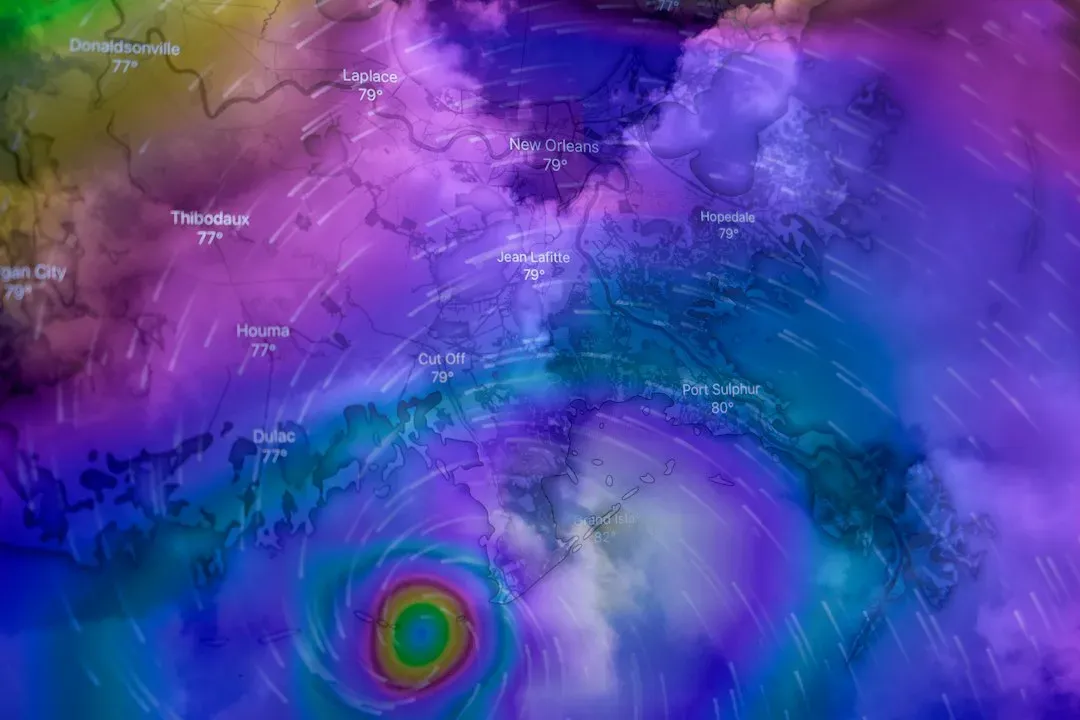
Daily forecasts give concrete numbers, such as a high of 72 degrees or a 60 percent chance of rain. That percentage refers to the chance of measurable rain at a point in the forecast area. It is a specific, checkable statement.
Seasonal outlooks usually show maps with shaded areas for the more likely category. A map leaning toward warmer than normal may reflect only a modest shift in probability. Reading it as a guarantee is a common mistake.
How Accuracy Is Judged
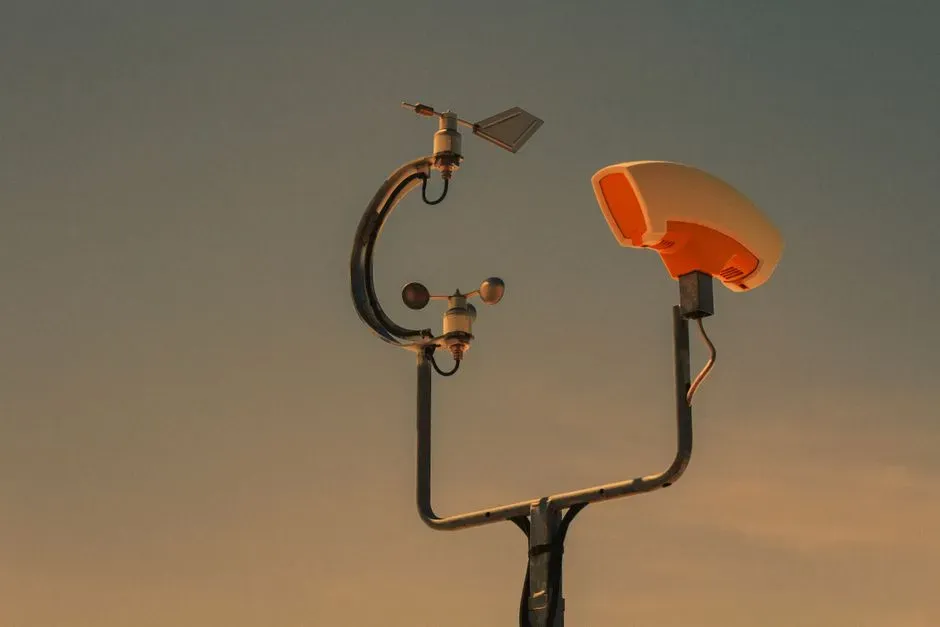
Daily forecasts are checked against what happened. Short-range temperature forecasts have improved over decades, and the National Weather Service reports that forecast accuracy has risen steadily. A forecast is simply right or wrong on a given day.
Seasonal forecasts are judged statistically over many seasons. A forecast giving a 60 percent chance of a warm winter isn’t proven wrong by a cold one, because the other 40 percent was always possible. Skill also varies by region and season, and it tends to be stronger in the tropics and during strong El Niño or La Niña events.
What Each Is Good For
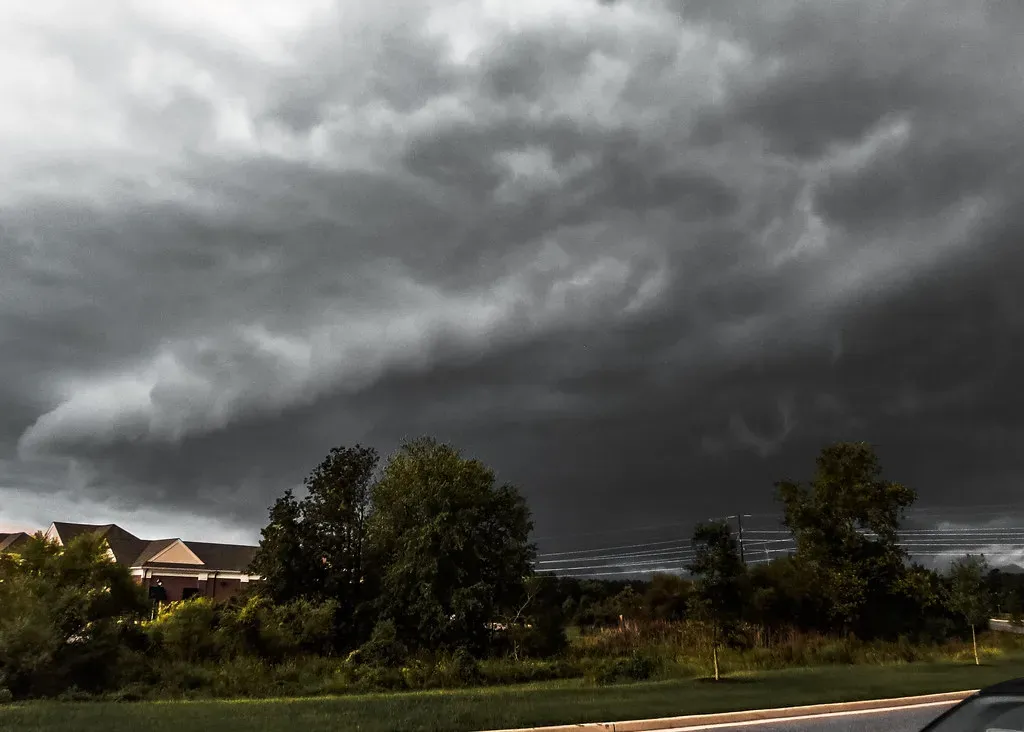
Daily forecasts help with immediate choices, such as what to wear, whether to travel or when to take shelter from storms. Warnings from forecasters can save lives in the short term. Their detail is the main strength.
Seasonal outlooks suit planning. Farmers, water managers, energy utilities and humanitarian agencies use them to prepare for likely drought, heat or flood risk. They are tools for managing risk, not for scheduling a picnic.
Conclusion
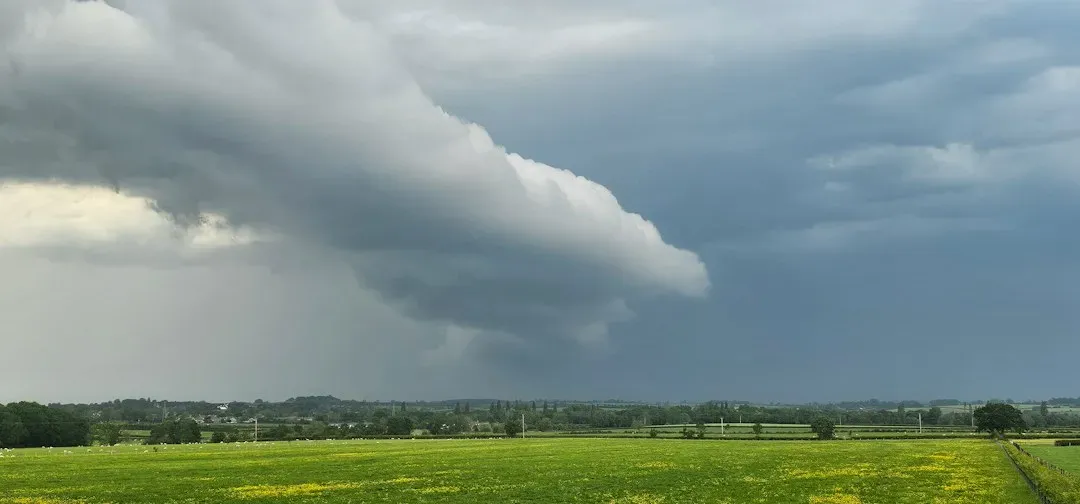
Daily forecasts try to say what will happen, while seasonal forecasts say what is more likely over a long stretch. Each is limited by different things, and each is useful for different decisions. Trust the daily forecast for tomorrow and the seasonal outlook for the odds. Neither one can do the other’s job.

- Alaska’s Permafrost Is Thawing, And The Ground Under Roads, Homes And Runways Is Sinking - November 9, 2026
- Rainwater Harvesting Basics for Homes and Gardens - November 9, 2026
- Reusable Shopping Bags Must Be Used Many Times to Offset Their Production - November 9, 2026
