

Thanksgiving falls late this year. Thanksgiving Day 2026 lands on Thursday, November 26. That gives the cold air plenty of November to settle in.
Long range outlooks are never promises, and they don’t always agree with each other. Still, the early November forecasts from the Farmers’ Almanac, the Old Farmer’s Almanac and the Climate Prediction Center point in similar directions. Here’s where the chill and the first flakes look most likely.
What the Big Picture Looks Like
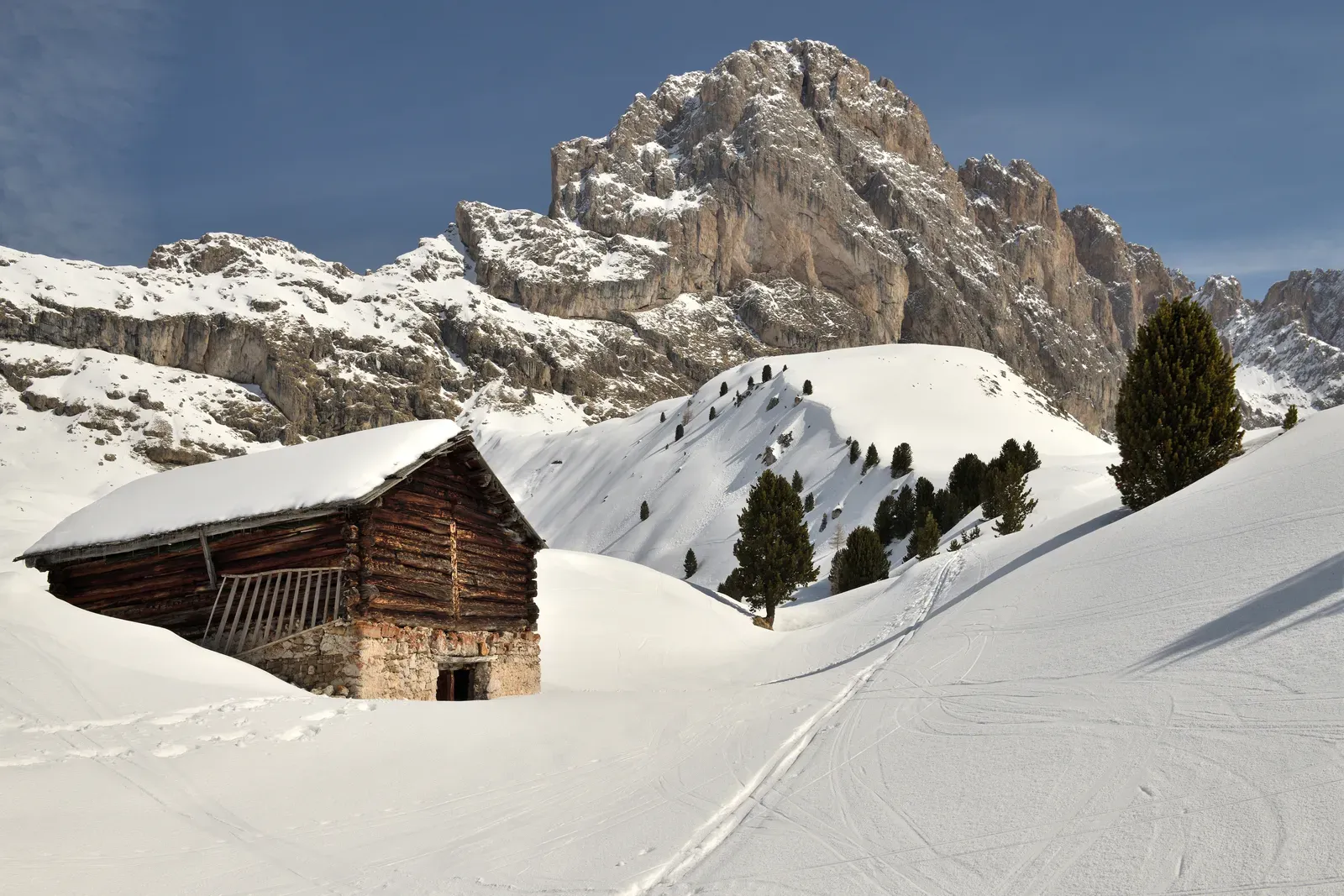
Thanksgiving 2026 looks like a typical late November setup rather than a major nationwide storm pattern. That means cool and dry across much of the East and mild in much of the Southeast. Snow shower risks sit in the Upper Midwest and Rockies.
The Farmers’ Almanac frames the month as a northern story. November brings a more winterlike pattern to the northern states, with cold across the North Central states and snow possible in the Dakotas and mountains. The South, by contrast, is mostly a mix of mild and cooler stretches.
Five States Turning Cooler
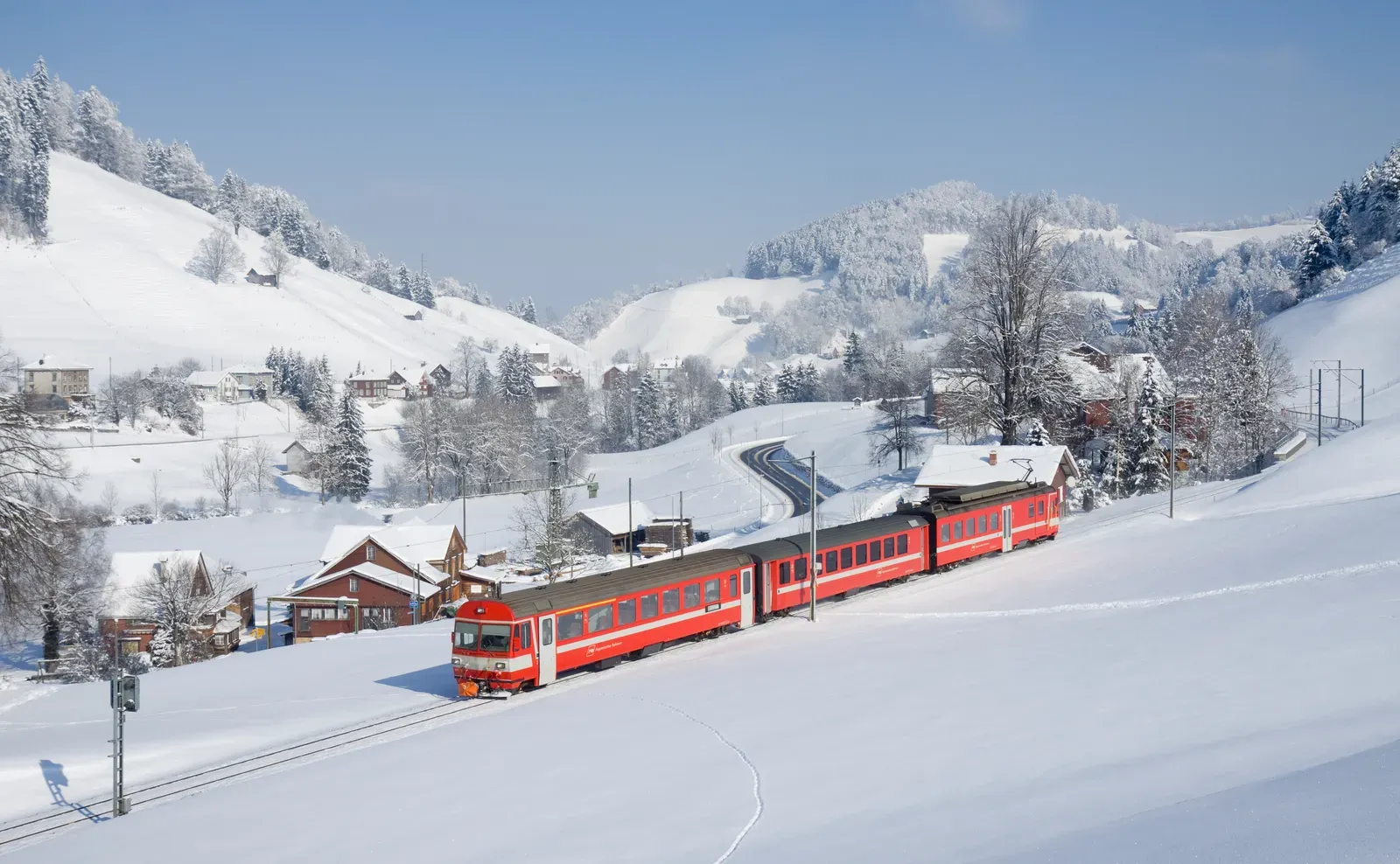
Four of the five states on this list come from the same Almanac zone. The Southwest is expected to see cooler weather overall, and the zone includes California, Nevada, Utah and Arizona. The cooling there is modest rather than dramatic.
The fifth is Texas. The Old Farmer’s Almanac outlook, as relayed by one news aggregator, suggests a cold front around November 22 could bring the first freeze to North Texas and Oklahoma. That’s a single source, so treat the date as a rough guide.
California and Nevada
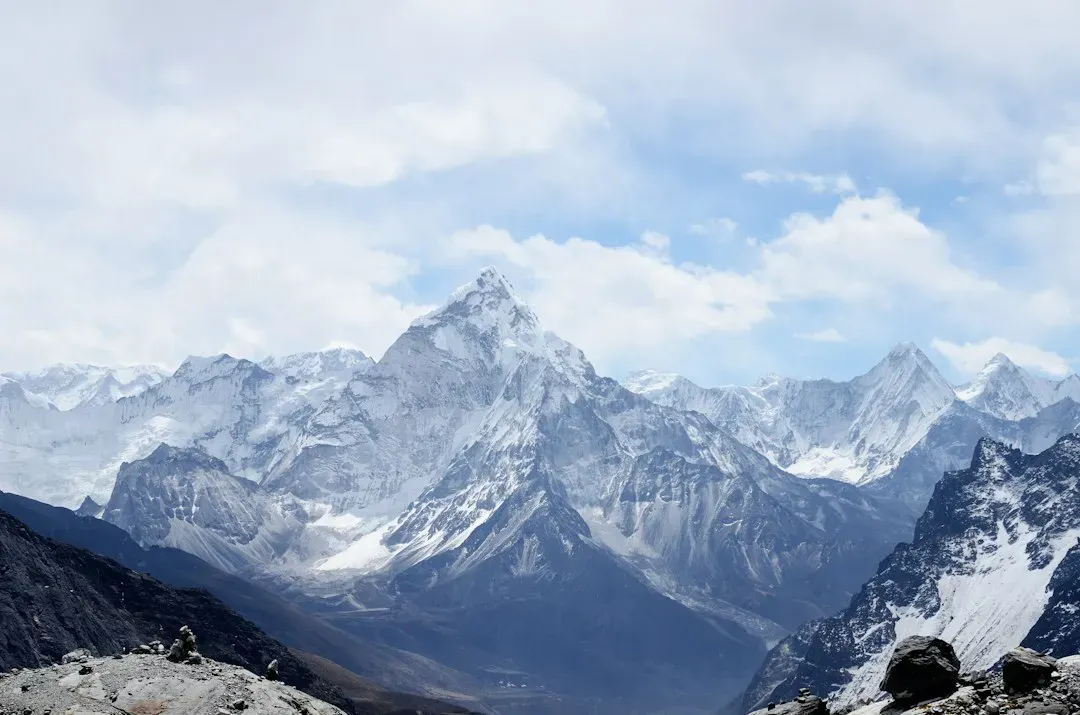
California gets a mixed forecast. The Almanac expects cooler weather overall, some rain in Northern California, and light mountain snow in parts of the interior West. Southern parts of the state are likely to feel the shift as a more comfortable chill than a cold snap.
Nevada sits in the same cooler zone. Higher terrain is where any snow would show up first. Lower desert areas are far more likely to see only cooler mornings.
Utah and Arizona
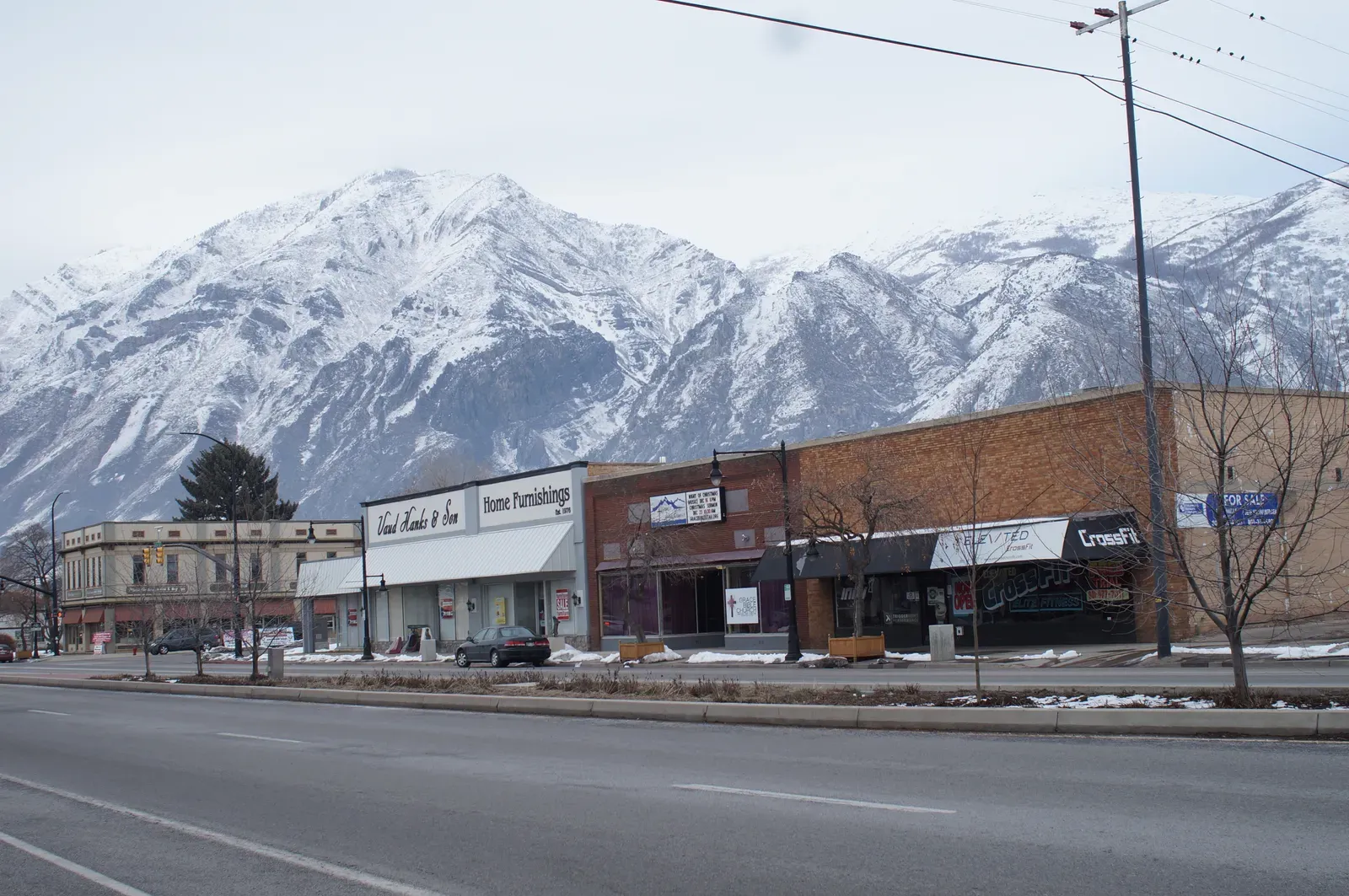
Utah’s mountains are the likeliest spot in this group for early snow. The interior West is specifically flagged for light mountain snow, which fits Utah’s usual pattern of snow at elevation while valleys stay mostly clear. Travelers on mountain passes should still check road conditions.
Arizona is cooler but not wintry in most places. Its high country can catch flakes in late fall, though the Almanac’s wording is about general cooling. Phoenix and the low desert will mostly just lose the heat.
Texas and the Southern Plains
Elsewhere in the South Central states, the Farmers’ Almanac outlook is calmer. The region should be mostly seasonable for late November. That zone includes Arkansas, Louisiana, Oklahoma, Texas and New Mexico.
That makes the possible freeze the main wildcard. A first freeze is routine for North Texas in the fall, so it wouldn’t be unusual if it arrives. Gardeners and anyone with sensitive outdoor plumbing should keep an eye on local forecasts around the third week of the month.
Snow Region One: Northern New England and the Adirondacks

Best Life’s regional roundup lists Northern New England and the Adirondacks as one of three areas most likely to see snow before Thanksgiving. The Farmers’ Almanac also says snow or a rain and snow mix is possible in parts of the Great Lakes and northern New England. Higher elevations are the best bet.
The Old Farmer’s Almanac goes further. It indicates a nor’easter type system on November 24 and 25, with heavy wet snow inland and rain along the coast. A forecast like that is far out, and the coastal and inland split will matter a lot.
Snow Region Two: Upper Midwest and the Great Lakes
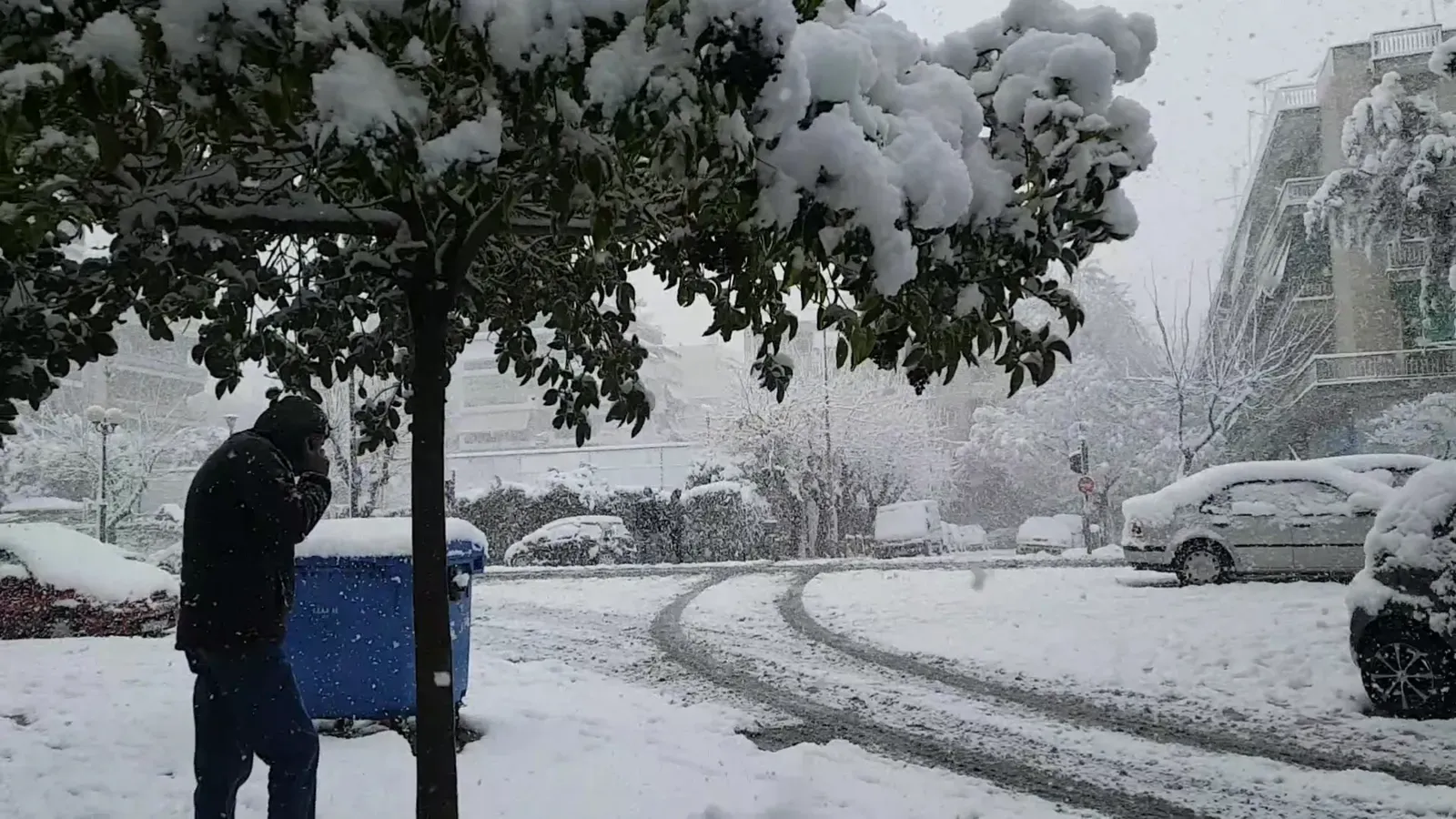
This is the region where snow is the most reliable bet. The Farmers’ Almanac points to Ohio, Michigan, Indiana, Kentucky, Illinois and Wisconsin as the most likely to see snow. It expects scattered snow showers or flurries and some brief travel slowdowns.
Lake effect snow adds to the odds. Snow is more likely before the lakes freeze over, because the surface water helps fuel the cycle. The Old Farmer’s Almanac outlook mentions a clipper system bringing 3 to 6 inches across Minnesota, Wisconsin and Michigan during Thanksgiving week.
Snow Region Three: Northern Rockies and the High Plains
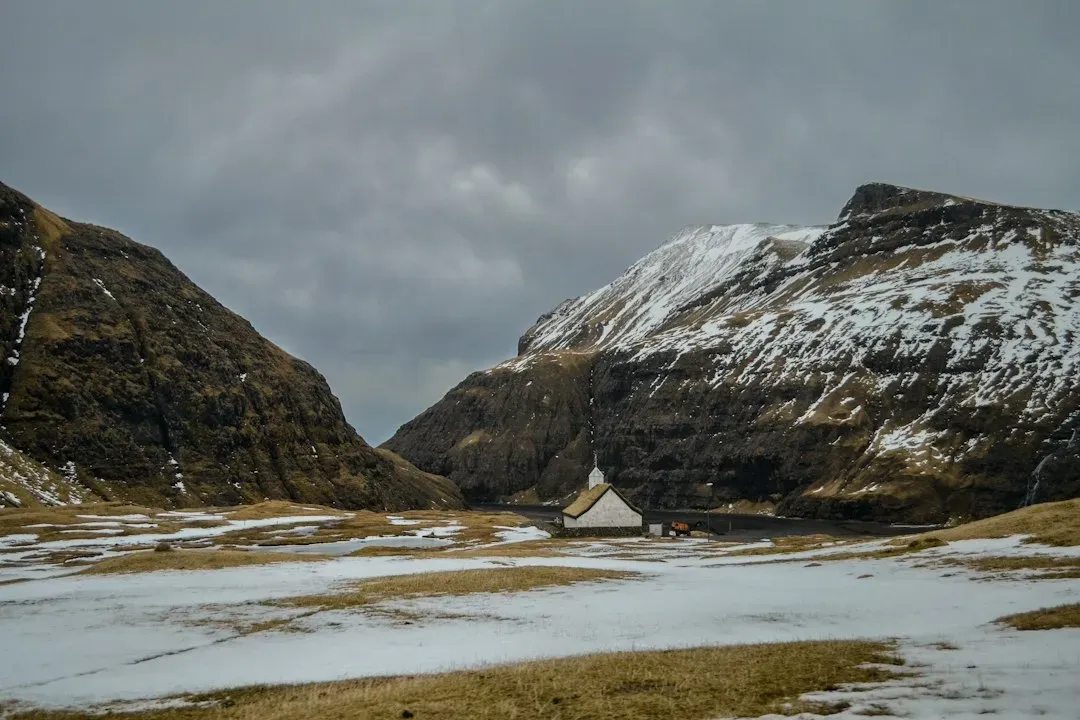
Early snow here is normal, so it’s less of a surprise. Light snow is possible in the northern Plains and the Rockies, mostly at higher elevations. The states involved include Montana, Wyoming, Colorado and the Dakotas.
Moisture may be above normal too. The National Weather Service November outlook expects above average precipitation in North Dakota, South Dakota, Minnesota, Iowa and Nebraska. The Old Farmer’s Almanac outlook says a Thanksgiving storm favors the central and northern Rockies with 1 to 2 feet at elevation.
Planning Around the Forecast
Holiday travel is the real stake. The Old Farmer’s Almanac advice relayed by one outlet is that travelers should monitor National Weather Service updates starting November 20. That’s sensible, since almanac style outlooks can’t pin down individual storms this far ahead.
Different sources also disagree on the details. One shows a major storm moving from the Plains to the Northeast, while the Farmers’ Almanac sees no big nationwide system. Flexible travel plans and a check of the forecast two or three days out will do more good than any long range map.

- Blue whales vanish from the Galápagos, and scientists suspect El Niño - November 11, 2026
- 8 Famous Battles That Were Decided by the Weather - November 11, 2026
- Black Sunday 1935: 9 Photos From the Worst Dust Storm of the Dust Bowl Era - November 11, 2026
