


- Phantom Energy Sucking Power 24/7 – 7 Home Electronics Quietly Inflating Utility Bills - November 14, 2026
- A Million-Mile Storm Raging for Centuries – 6 Violent Weather Wonders in Our System - November 14, 2026
- Animals Flee Hours Before the Tremor – 7 Natural Warnings Before Disasters Strike - November 14, 2026
Anyone who has stepped off a plane in San Francisco in July, only to reach for a jacket, has felt the invisible hand of ocean currents at work. These massive rivers of water moving through the sea do more than shift fish populations or steer sailing routes. They quietly set the thermostat, the rainfall patterns, and even the storm risk for millions of people living along the world’s coastlines.
Understanding how these currents interact with the atmosphere helps explain some genuinely strange local climate puzzles, like why two cities at the same latitude can have completely different weather personalities. Here’s a closer look at eight distinct ways ocean currents leave their fingerprints on coastal weather.
1. Cold Currents Create Persistent Coastal Fog
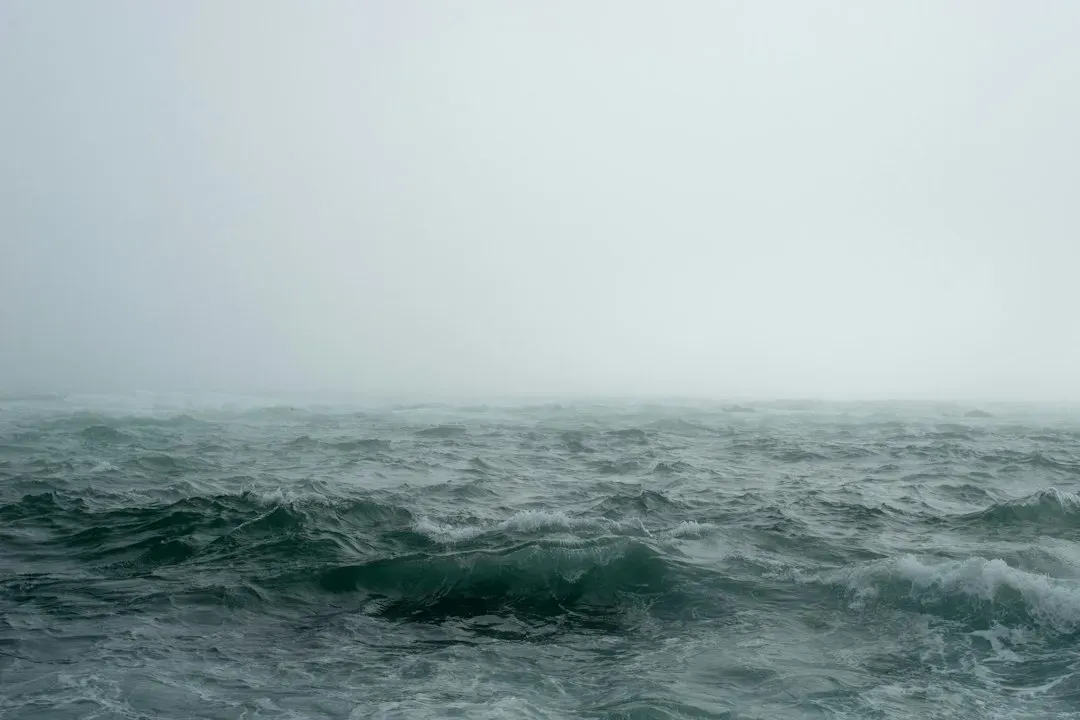
Cities sitting near cold ocean currents often live inside a fog machine. When warm, moist air moving off the Pacific meets the chilly water pushed north by the California Current, the air cools rapidly and condenses into a thick marine layer. This is exactly why San Francisco earned its reputation for gray summer mornings even while inland areas bake in triple-digit heat.
The same pattern shows up along the coasts of Peru and Chile, where the cold Humboldt Current fuels near constant fog banks known locally as garúa. Residents in Lima can go weeks without seeing direct sunlight during certain months, a direct consequence of cold water suppressing the warm air above it. The fog isn’t just atmospheric decoration either, it supports unique ecosystems that depend on that moisture for survival.
2. Warm Currents Push Tropical Humidity Far From the Equator
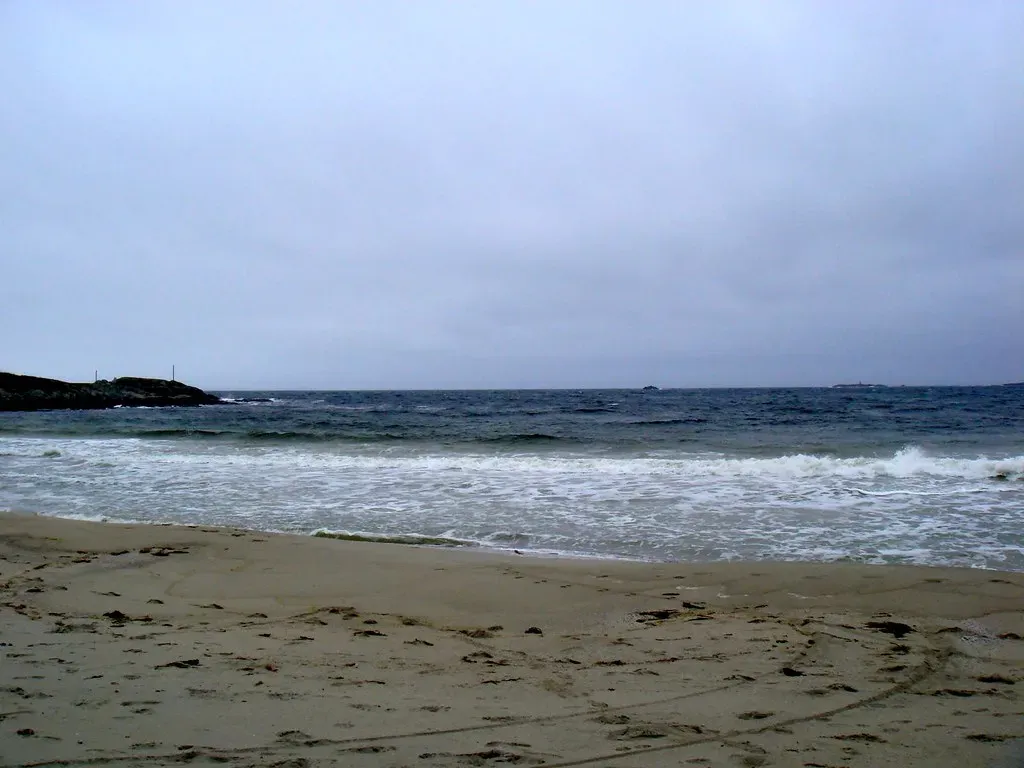
The Gulf Stream carries warm water from the Caribbean up along the eastern United States and across the Atlantic toward Western Europe. This transport of heat is a major reason why cities like London and Dublin stay milder and wetter than their northern latitude would otherwise suggest. Without that warm current, much of northwestern Europe would likely resemble the colder, harsher climate found in parts of Canada at similar latitudes.
Coastal cities downstream of warm currents also tend to experience higher humidity levels year round. That extra moisture in the air feeds cloud formation and increases the odds of persistent drizzle rather than dramatic downpours. It’s a subtler kind of weather influence, less about dramatic storms and more about a constant, damp backdrop to daily life.
3. Ocean Currents Influence Where Hurricanes Gain Strength
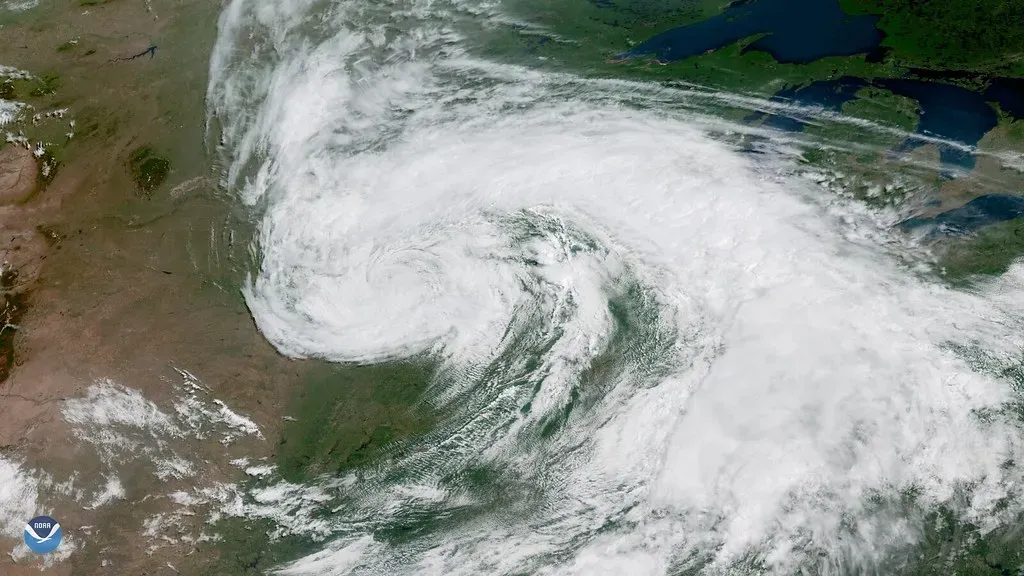
Warm surface waters act like fuel tanks for tropical cyclones, and currents determine where that fuel pools. The Gulf Stream and the Loop Current in the Gulf of Mexico are notorious for supercharging storms as they pass overhead, since these currents keep surface temperatures elevated even later in the season. Storms that cross these warm ribbons of water can intensify rapidly, sometimes within a single day, catching coastal cities off guard.
This is part of why hurricane forecasters pay close attention to ocean heat content, not just surface temperature. A storm moving over a current with deep, warm water has access to far more energy than one crossing a shallow warm patch that mixes out quickly. Coastal cities near these current pathways, including much of the Gulf Coast and the southeastern United States, face elevated intensification risk as a direct result.
4. Coastal Upwelling Cools Nearby Cities in Summer
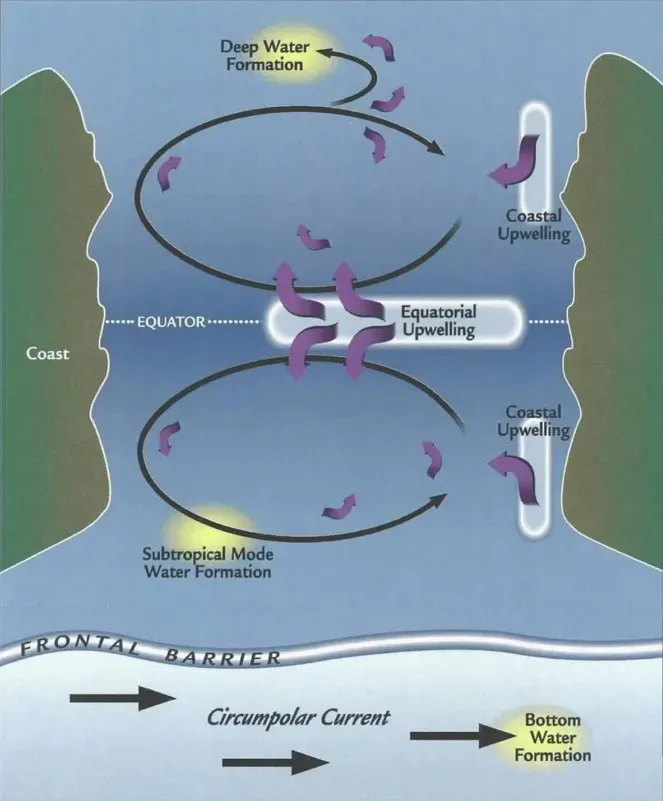
Upwelling happens when winds push surface water away from the coast, allowing colder water from the depths to rise and take its place. Cities along the coasts of California, Oregon, and parts of West Africa experience this effect strongly, especially during the warmer months. The result is a noticeable summer cooling along the immediate coastline, even while areas just a few miles inland swelter.
This temperature contrast can create sharp microclimates within a single metropolitan area. San Diego, for example, often sees beach neighborhoods sitting ten or more degrees cooler than valley communities just a short drive away. Upwelling driven cooling also affects local wind patterns, since the temperature difference between land and sea helps generate the sea breezes that many coastal residents rely on for afternoon relief.
5. Currents Help Determine Regional Rainfall Patterns
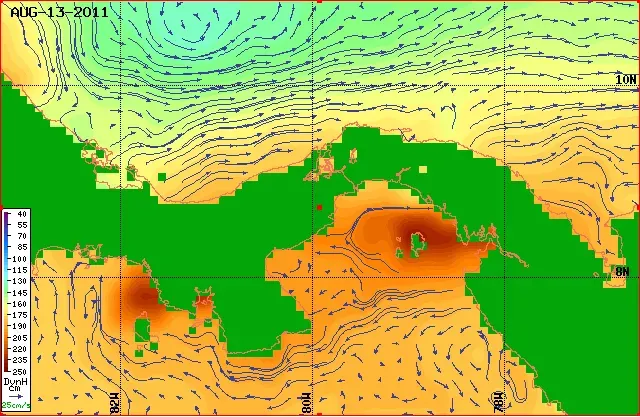
The path of ocean currents plays a direct role in where storm systems pick up moisture and where they eventually release it. Warm currents evaporate more readily, loading the atmosphere with water vapor that later falls as rain when it meets cooler air or rising terrain. This dynamic partly explains why the Pacific Northwest, influenced by warmer offshore waters compared to areas further south, receives such consistent and heavy rainfall.
Changes in current strength or position can shift these rainfall patterns significantly. El Niño and La Niña cycles, which involve shifts in Pacific Ocean currents and temperatures, are well documented examples of this connection. During El Niño years, coastal cities in California and Peru often see dramatically wetter conditions, while parts of Australia and Indonesia experience drought, illustrating how current based shifts ripple outward across entire regions.
6. Ocean Currents Affect Seasonal Temperature Swings
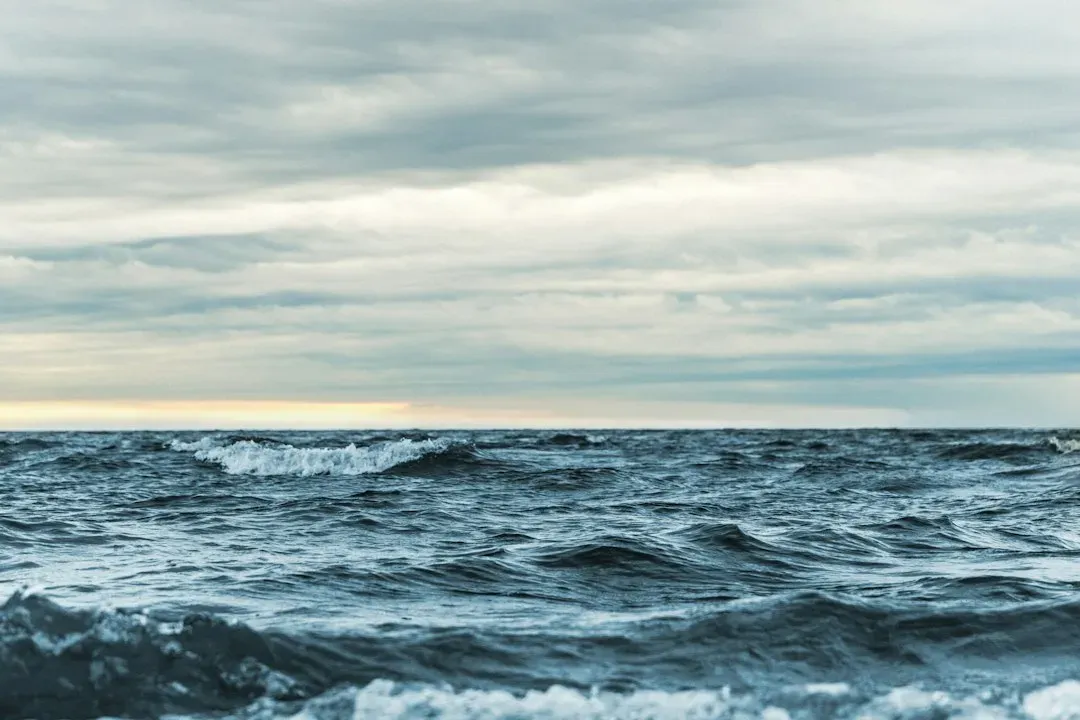
Coastal cities near strong ocean currents typically experience smaller seasonal temperature swings than inland cities at the same latitude. Water heats up and cools down far more slowly than land, and currents distribute that thermal stability along the coastline. This is why cities like Vancouver or Seattle rarely see the extreme summer heat or brutal winter cold that cities like Winnipeg or Minneapolis endure, despite being at comparable latitudes.
The moderating effect works in both directions, keeping winters milder and summers cooler. San Francisco again offers a clear example, with average temperature differences between January and July that are notably narrower than most American cities. This stability isn’t accidental, it’s a direct outcome of the cold California Current sitting just offshore, acting almost like a natural climate buffer.
7. Current Shifts Contribute to Coastal Storm Surge Risk
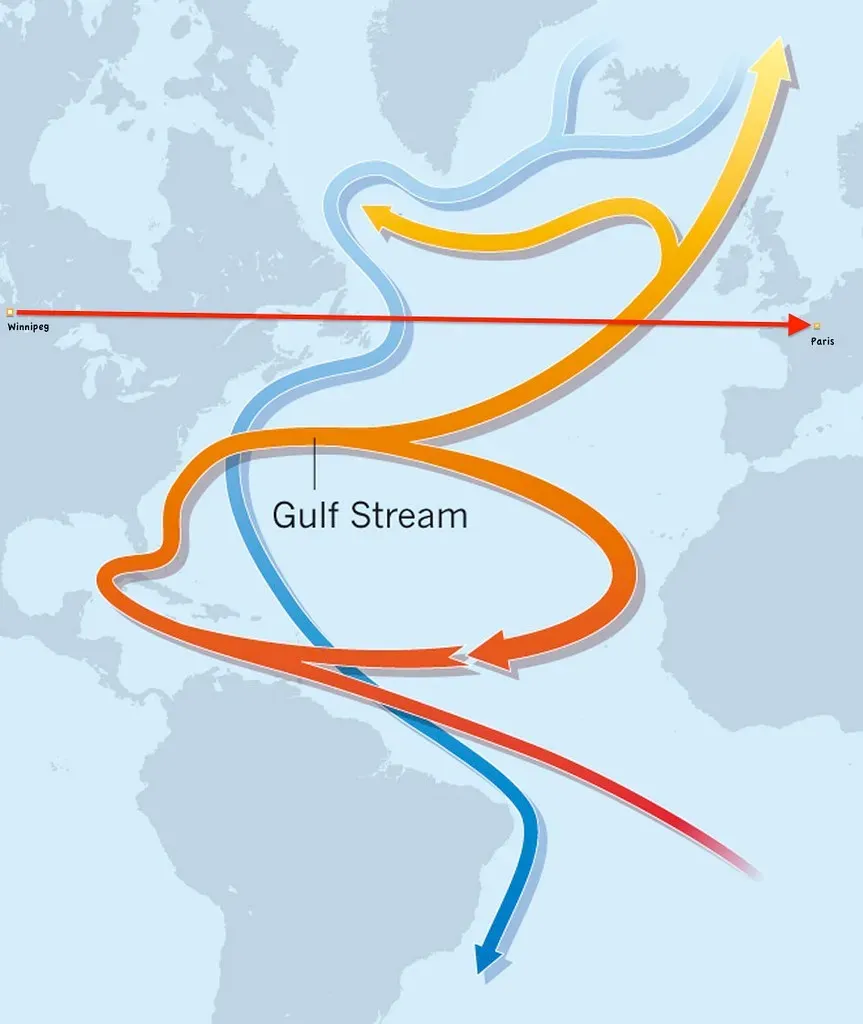
Beyond temperature and rainfall, ocean currents also influence sea level patterns that affect storm surge severity. The Gulf Stream, for instance, has been observed to slow at certain points, and research published in recent years suggests this slowdown can lead to temporary sea level rises along the U.S. East Coast. When storms coincide with these current related sea level bumps, coastal cities face compounded flooding risk.
Scientists monitoring the Atlantic Meridional Overturning Circulation, the broader current system that includes the Gulf Stream, have flagged potential weakening trends as a topic of ongoing study through 2025 and into 2026. While the long term implications remain under active research, cities like Miami, Charleston, and Norfolk are already factoring current behavior into their coastal flood planning. It’s a reminder that ocean currents aren’t just a weather influence, they’re increasingly part of urban infrastructure decisions.
8. Currents Shape Local Wind Patterns and Sea Breezes
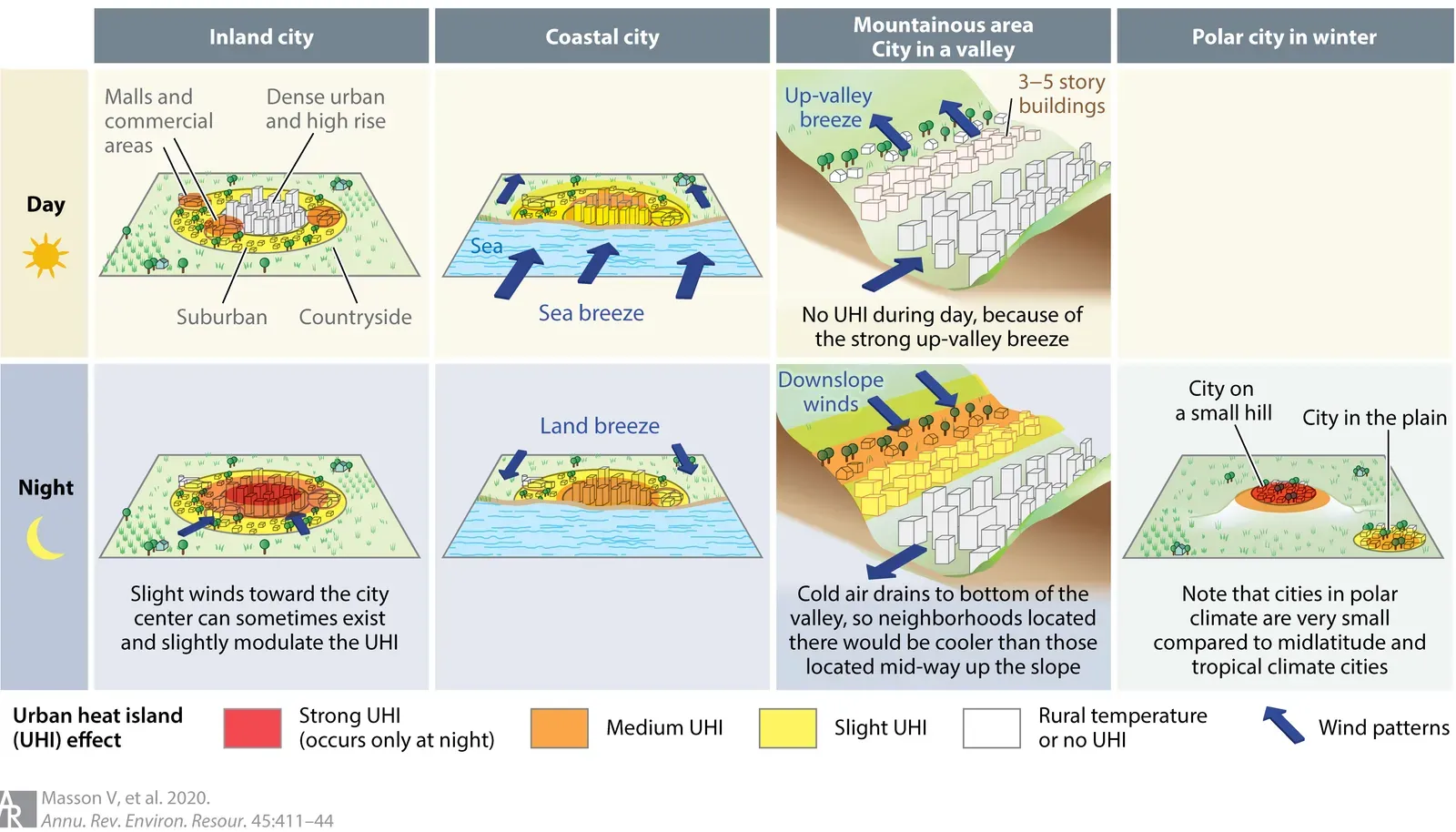
The temperature contrast created by ocean currents doesn’t just affect fog and rainfall, it also drives the daily wind cycles that define coastal living. Cold currents create a stronger contrast between sea and land temperatures, which intensifies the daytime sea breeze that many coastal cities depend on for cooling relief. Cities near warm currents experience a gentler version of this effect, since the temperature gap between ocean and land is smaller to begin with.
These current driven wind patterns also affect air quality in some coastal cities. Consistent onshore breezes generated by strong temperature gradients can help clear pollution, while weaker breeze patterns near warmer currents sometimes allow smog to linger longer. Local meteorologists in cities like Los Angeles regularly factor in current strength and offshore water temperature when forecasting both daily wind patterns and pollution buildup.
From fog banks rolling into San Francisco Bay to the warm water fueling hurricanes in the Gulf, ocean currents remain one of the most underappreciated forces shaping daily life in coastal cities. Their influence stretches from short term weather quirks to long term climate planning, proving that what happens far offshore rarely stays offshore.
