

- Phantom Energy Sucking Power 24/7 – 7 Home Electronics Quietly Inflating Utility Bills - November 14, 2026
- A Million-Mile Storm Raging for Centuries – 6 Violent Weather Wonders in Our System - November 14, 2026
- Animals Flee Hours Before the Tremor – 7 Natural Warnings Before Disasters Strike - November 14, 2026
Life aboard the International Space Station looks glamorous in photos, with floating crew members and Earth turning below. Behind those images is a daily routine that has to be rebuilt around one basic fact: nothing stays where you put it.
The station circles Earth roughly sixteen times a day, and its crew lives in continuous free fall. That changes ordinary habits you’ve never had to think about. Here are nine things that are simple on the ground and surprisingly hard, or impossible, in orbit.
Take A Regular Shower
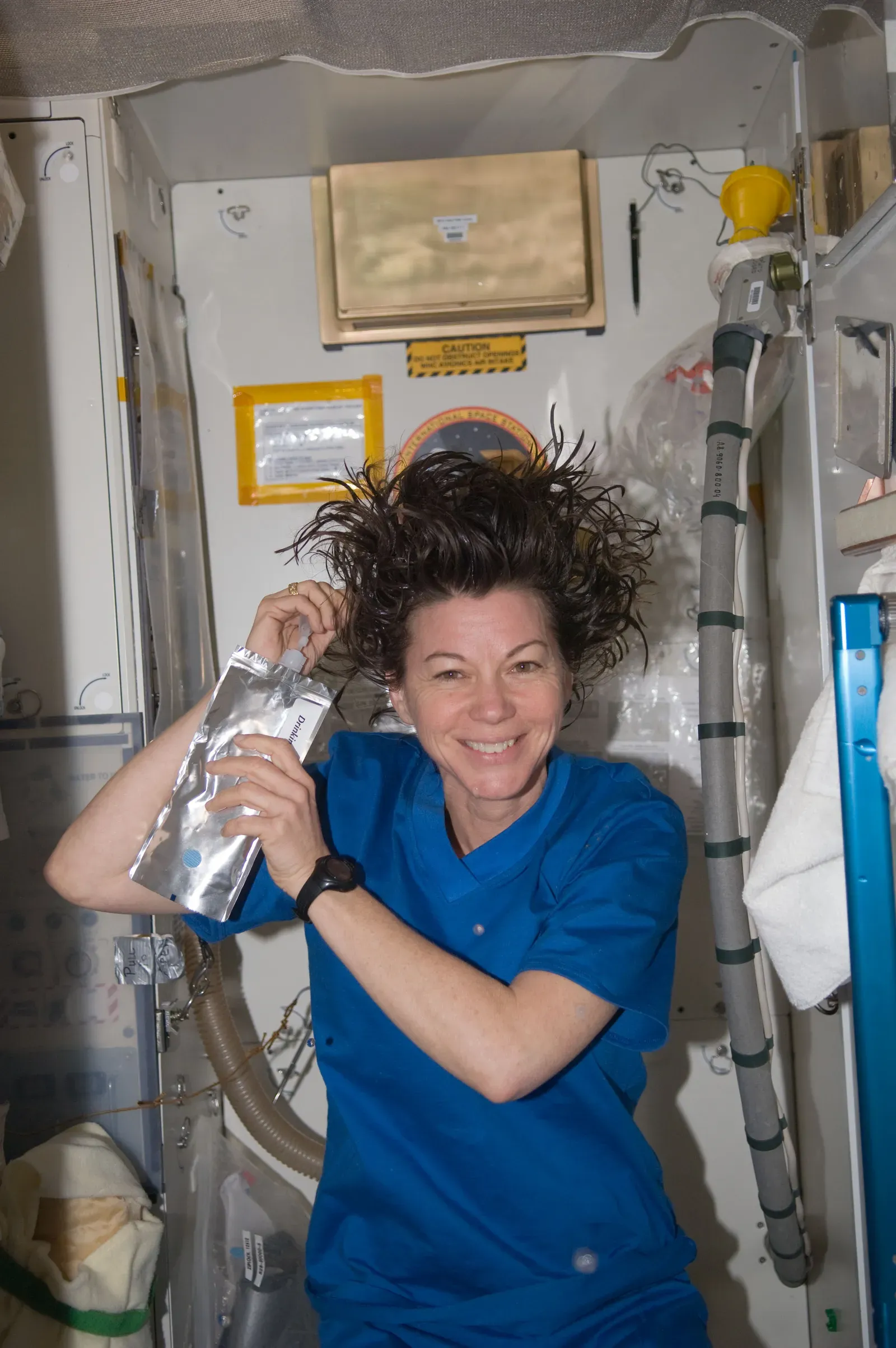
There’s no shower stall on the ISS. Water doesn’t run down a body in microgravity, because it clings to skin in a thin film or gathers into wobbling blobs. A spray would send droplets into the air and into equipment.
Astronauts wash with a small amount of water squeezed from a pouch, along with rinseless soap and shampoo. They wipe down with towels afterward. Even the towel water doesn’t go to waste, since the station’s recovery systems capture humidity and reuse it.
Sleep Lying Down In A Normal Bed
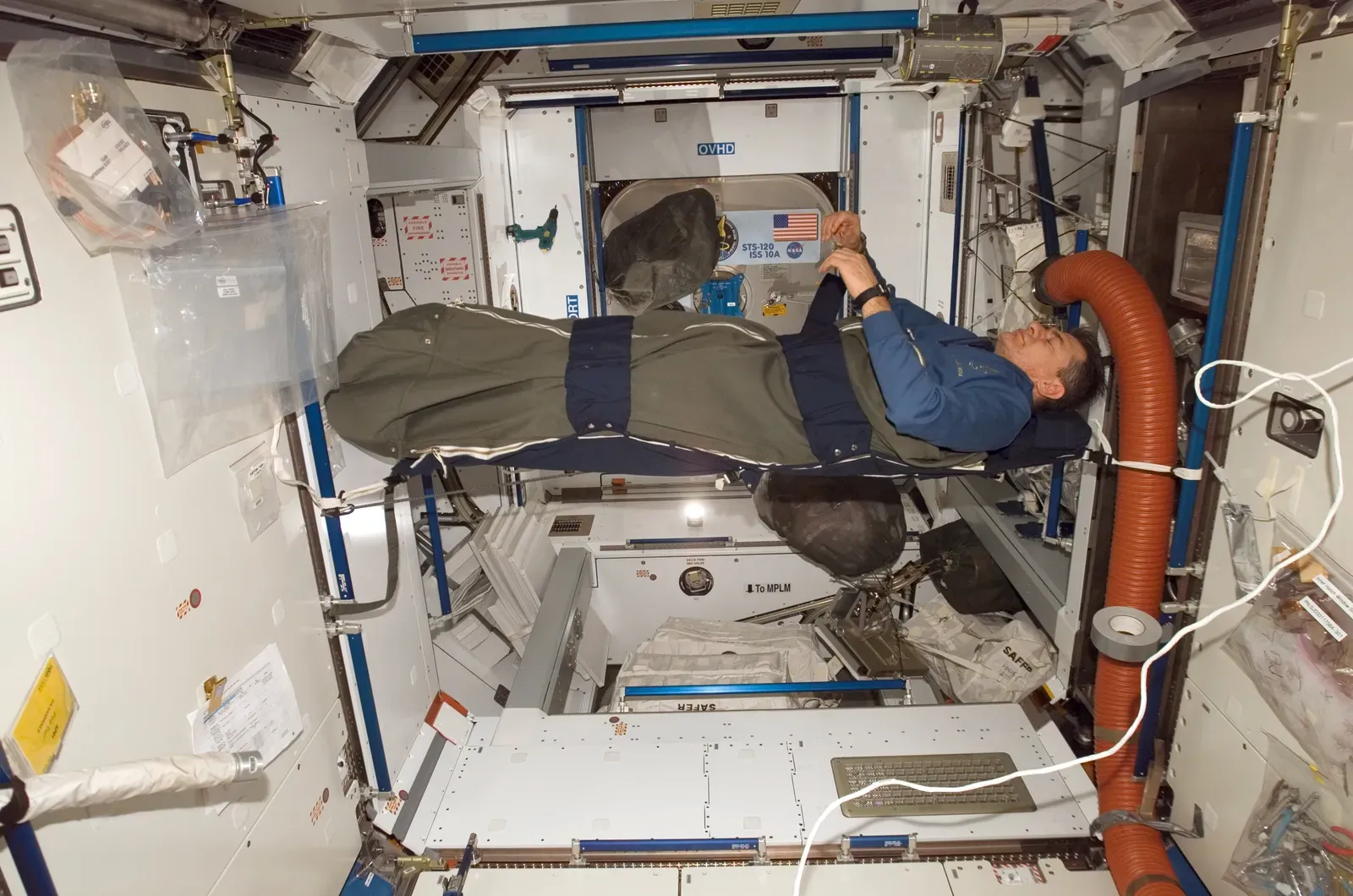
Without gravity, there’s no up or down, so a mattress means nothing. Crew members sleep in small private compartments and zip themselves into sleeping bags fixed to a wall. Some prefer to sleep in other spots, as long as they’re tethered.
The arms are a surprise for new arrivals. Without something holding them, they drift upward, so many astronauts tuck them inside the bag. Sleep is also tricky because the station passes through about sixteen sunrises and sunsets a day, so crews rely on covered windows and the station’s clock schedule.
Sprinkle Salt And Pepper Or Eat Crumbly Food
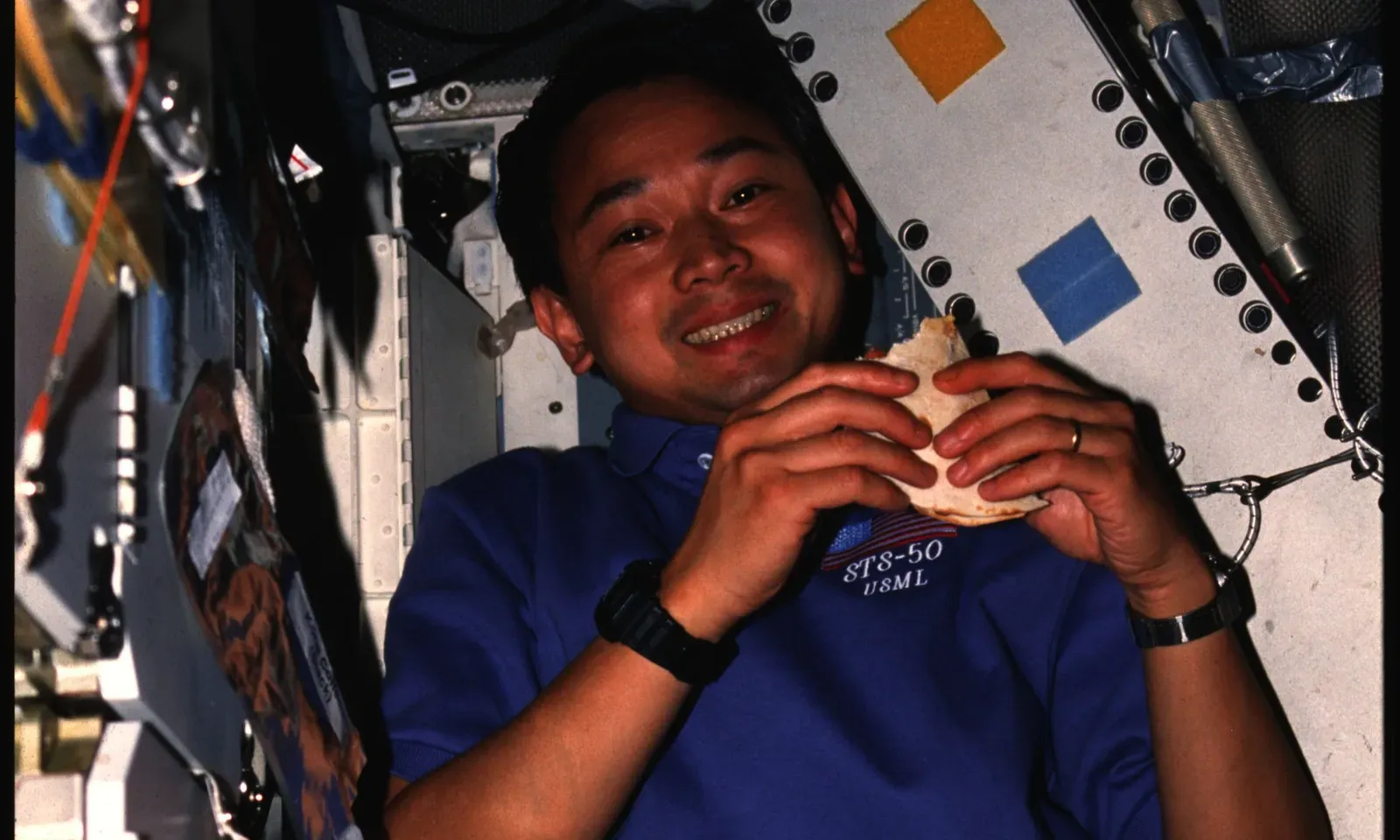
A shaker of salt would be a small disaster in orbit. Loose grains float away, drift into vents and can irritate eyes or clog equipment. That’s why astronauts use salt and pepper dissolved in liquid form, dispensed in small amounts.
Crumbs are a similar worry. Ordinary bread sheds bits that spread through the cabin, so tortillas have long been a favorite replacement. Much of the food arrives in packages that are rehydrated or warmed, so it can be eaten without a mess.
Use A Toilet That Relies On Gravity
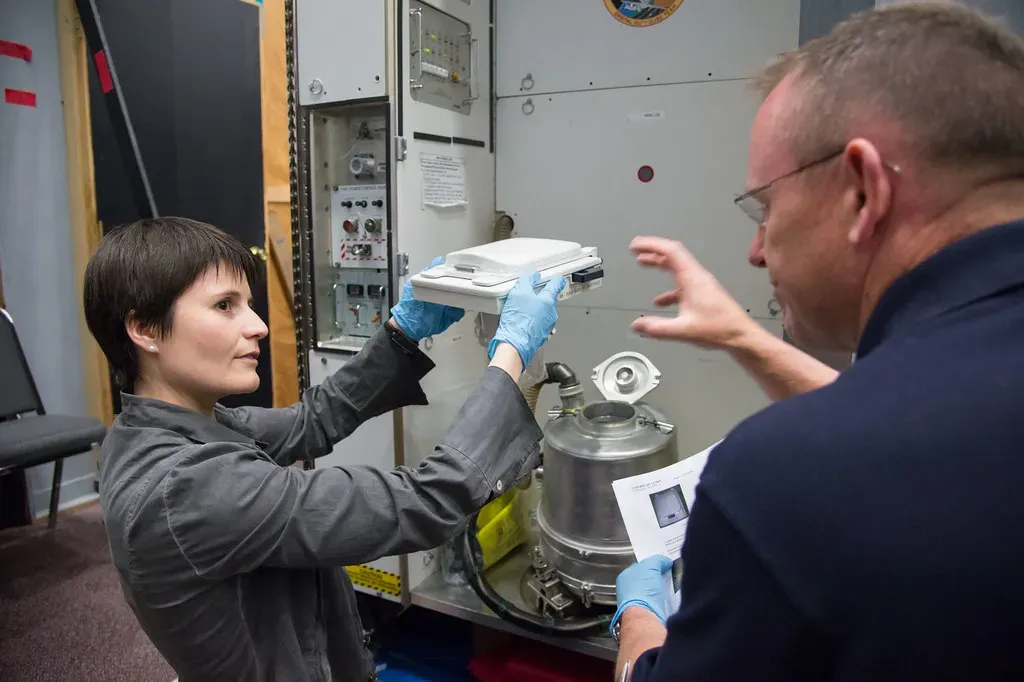
A normal toilet depends on gravity and running water, and the ISS has neither. Instead, the toilets use airflow and suction to pull waste away. Astronauts have to position themselves carefully, often using foot restraints and a thigh bar to stay in place.
NASA installed a newer system, the Universal Waste Management System, in 2020. Urine is processed so it can be turned back into drinking water, one of the most important parts of the station’s life support. The water recovery system has become so efficient that very little needs to be resupplied from Earth.
Walk Around Or Stand Up
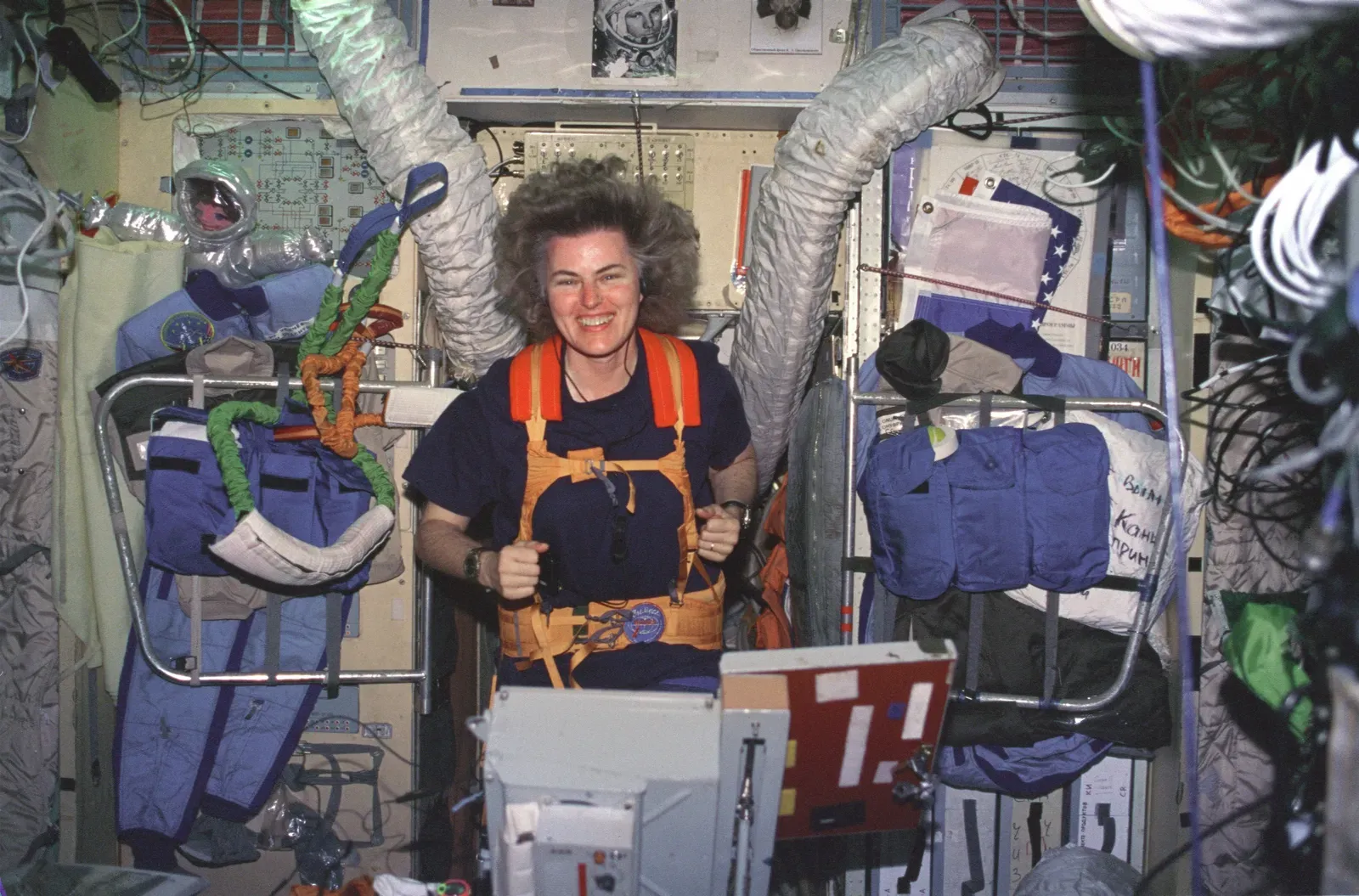
Walking doesn’t exist on the station. Astronauts push off walls, glide through modules and use handrails to steer. Their feet are mostly used for anchoring, not stepping.
That freedom comes with a cost. Bones and muscles weaken without the constant load of gravity, so crews exercise about two hours a day. They use a treadmill with a harness, a resistance device and a stationary cycle to slow that loss.
Cry The Way You Do On Earth
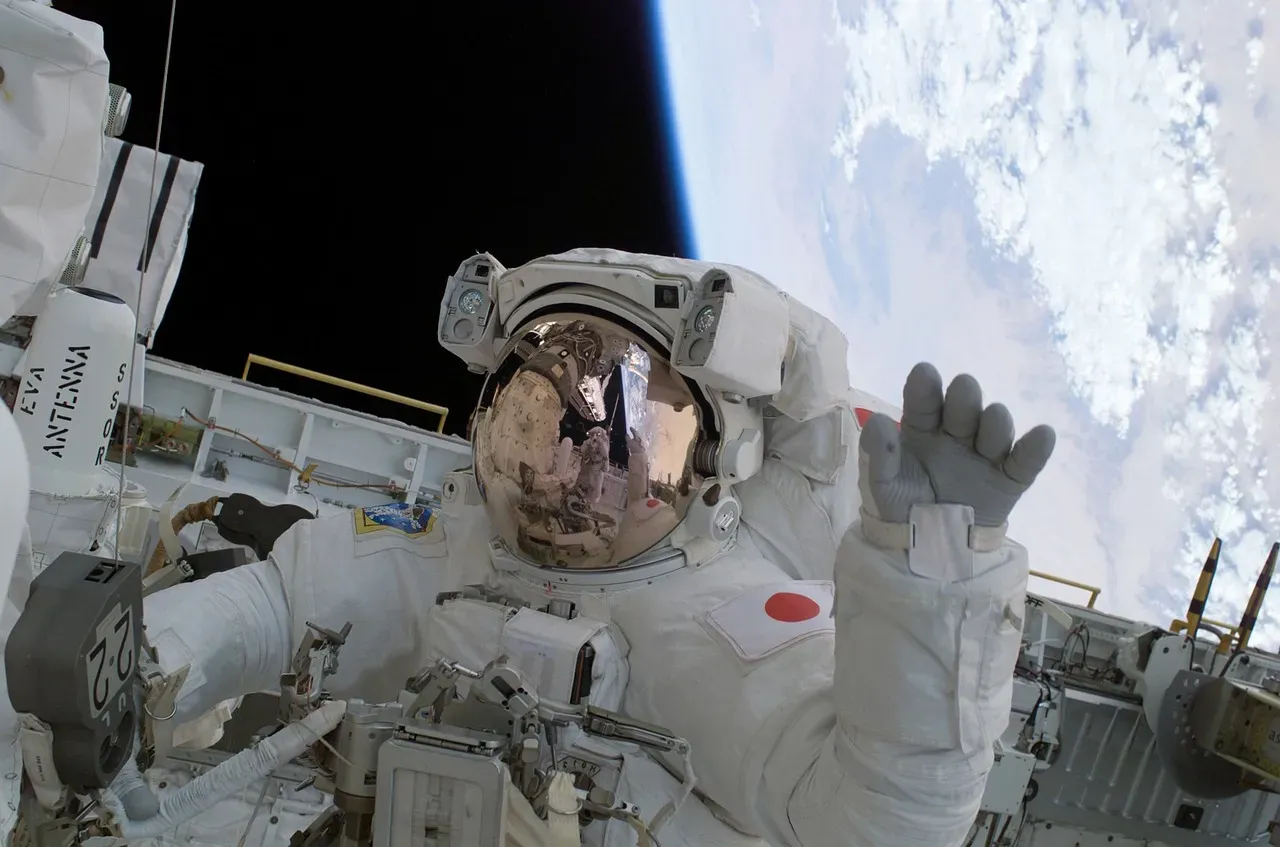
Tears don’t fall in microgravity. They gather into a liquid ball that sticks to the eye, which can sting and blur vision. Wiping them away is the only real option.
The same physics applies to sweat, which collects on the skin instead of dripping off. Astronauts working hard during exercise often find it clinging to their faces. A towel is usually close by.
Light A Candle Or Use An Open Flame
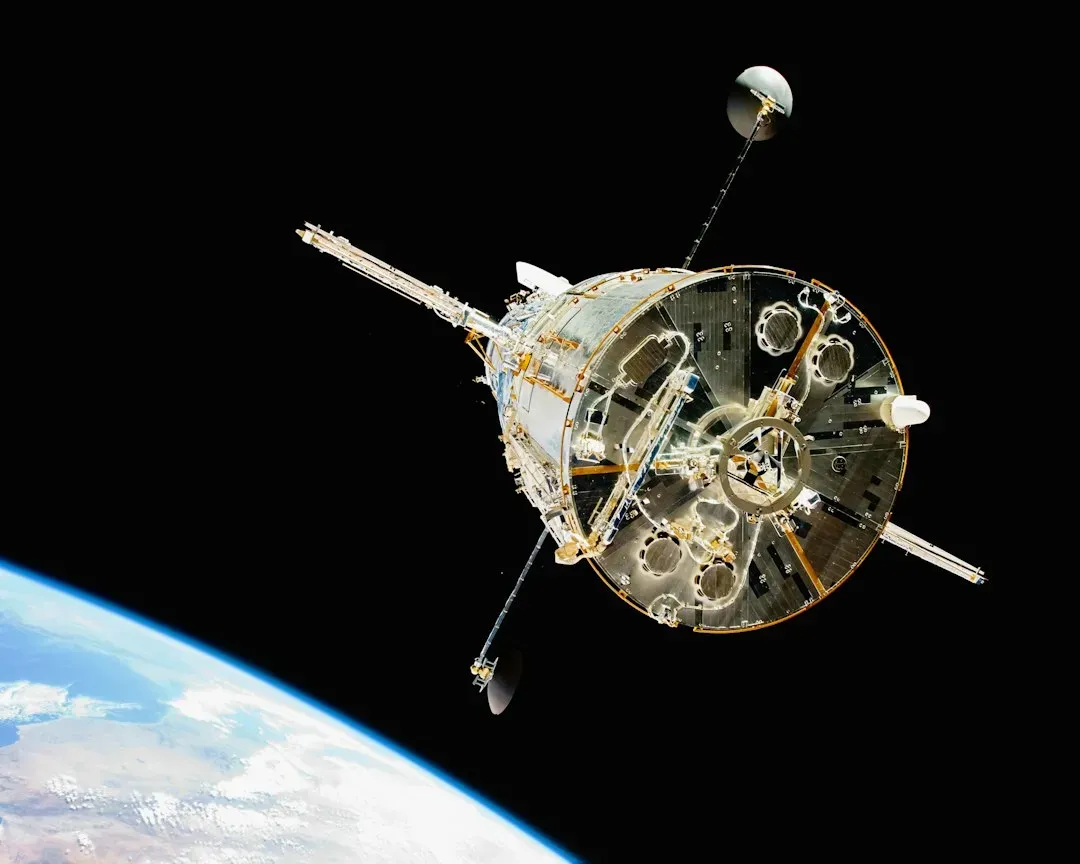
Open flames are a serious hazard on a sealed spacecraft, so they’re not part of daily life. Fire safety on the ISS depends on detection, ventilation controls and trained response procedures. A candle would create smoke and risk in a closed environment where air has to be carefully managed.
Scientists have studied how fire behaves in orbit, and the results are odd. Flames form rounded shapes and can burn at lower temperatures than on Earth. That research helps engineers design safer spacecraft for future missions.
Step Outside Whenever You Feel Like It
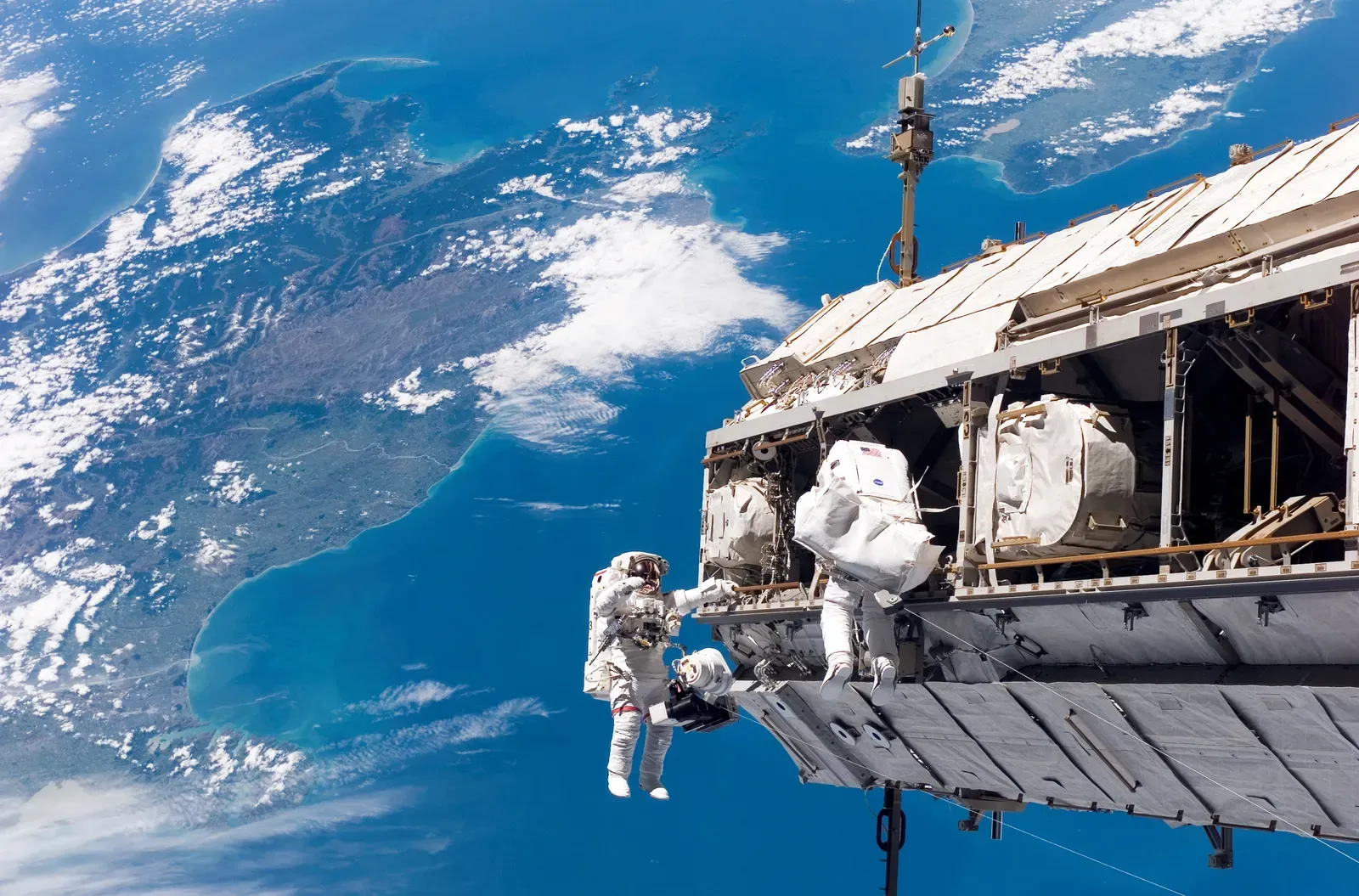
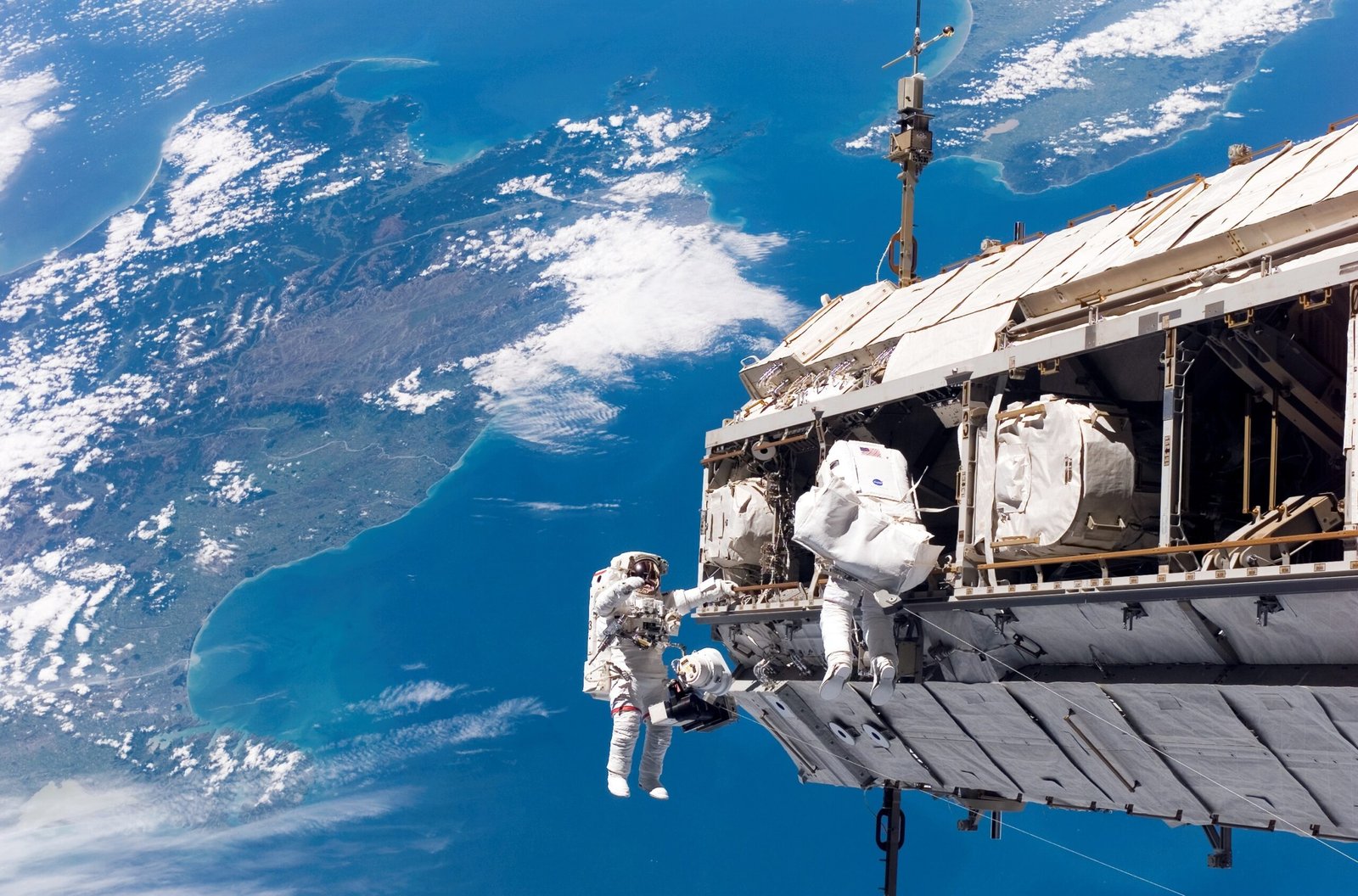
You can’t just open a door and get some fresh air. Going outside means a spacewalk, which takes careful planning and a pressurized suit built to protect against vacuum and extreme temperature swings. Astronauts also spend time breathing oxygen before leaving, to reduce the risk of decompression sickness.
The station orbits about 250 miles above Earth, moving at roughly seventeen thousand five hundred miles an hour. Any exit goes through an airlock and requires tethers at all times. A spacewalk usually lasts several hours and is tightly scripted.
Wash And Dry Laundry
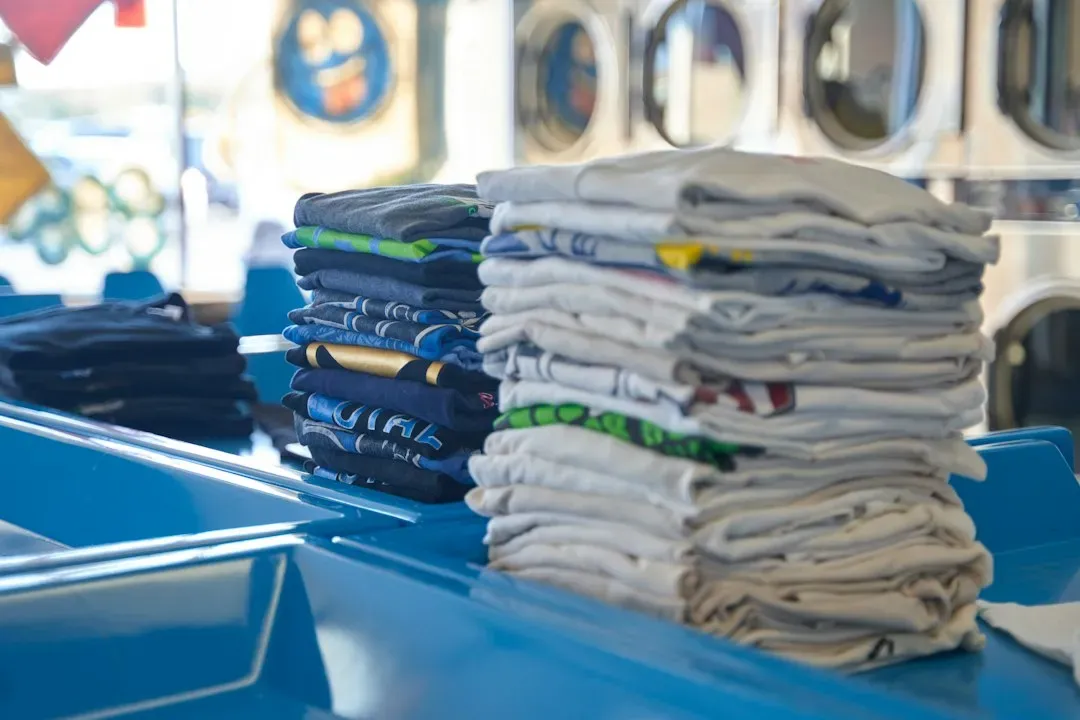
The ISS has no washing machine. Water is too precious, and the soapy mess would be hard to manage in microgravity. Astronauts wear clothing for days, sometimes longer for items like exercise gear, before replacing it.
Used clothes are packed into cargo spacecraft that later burn up in Earth’s atmosphere on departure. That’s why supply missions include fresh clothing as a regular item. It’s a practical solution, if not a glamorous one.
