


- The Planet Where It Rains Liquid Glass – 7 Alien Worlds Defying Known Physics - November 14, 2026
- Stars Consuming Entire Worlds – 6 Planetary Systems Swallowing Their Own Worlds - November 14, 2026
- The Ground Liquefies Like Water – 6 Silent Fault Lines Geologists Watch Closely - November 14, 2026
Anyone who has watched a tomato plant drop its blossoms in July knows how Texas summers can humble a garden. Daytime highs that stay above 95 degrees, warm nights and stubborn drought stop many familiar crops from setting fruit. Lettuce bolts, snap beans stall, and cucumbers turn bitter.
So more gardeners across the state are swapping those crops for ones that actually like the heat. Many of these plants come from tropical or semiarid regions, and Texas A&M AgriLife Extension has long recommended several of them for warm season planting. Here are nine that are earning their space in Texas beds and containers.
Okra
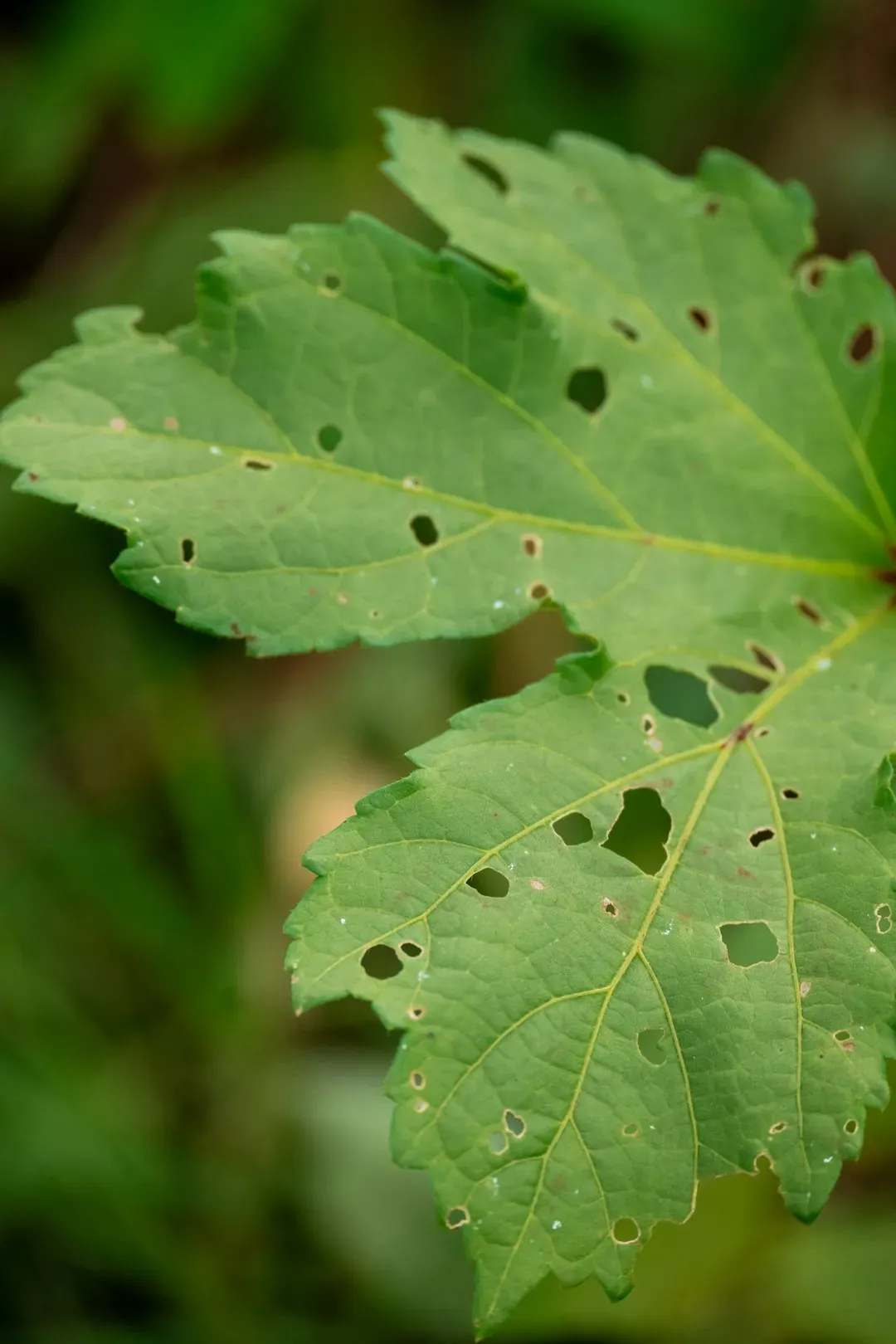
Okra is probably the best known summer survivor in the South. It grows best when soil is warm, and it keeps producing through the hottest weeks of July and August when other vegetables quit. Its hibiscus style flowers are pretty, too.
Pods are best picked small, usually three to four inches long, since they turn tough fast. Checking plants every day or two keeps them producing. Gardeners often use it where they once grew green beans or summer squash that wilted under the sun.
Southern Peas
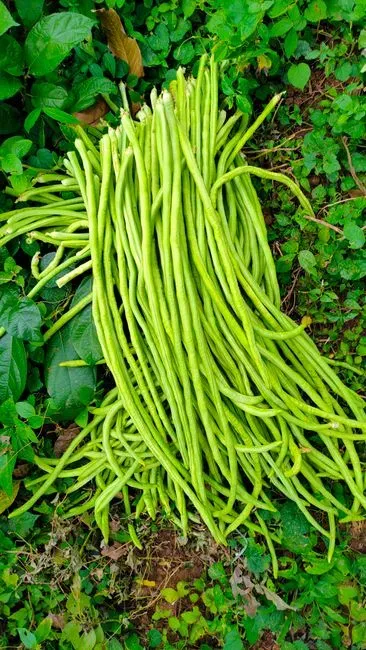
Black eyed peas, purple hulls, cream peas and crowder peas are all cowpeas, a crop that evolved for hot, dry climates. They tolerate heat and limited rainfall far better than English peas or bush snap beans. Texas gardeners can plant them after the soil warms in spring and again in midsummer for a fall harvest.
As legumes, they also work with soil bacteria to capture nitrogen from the air, which means less fertilizer is needed. Excess nitrogen can actually lead to leafy plants with fewer pods. They can be harvested fresh as shelled peas or left to dry on the vine.
Sweet Potatoes
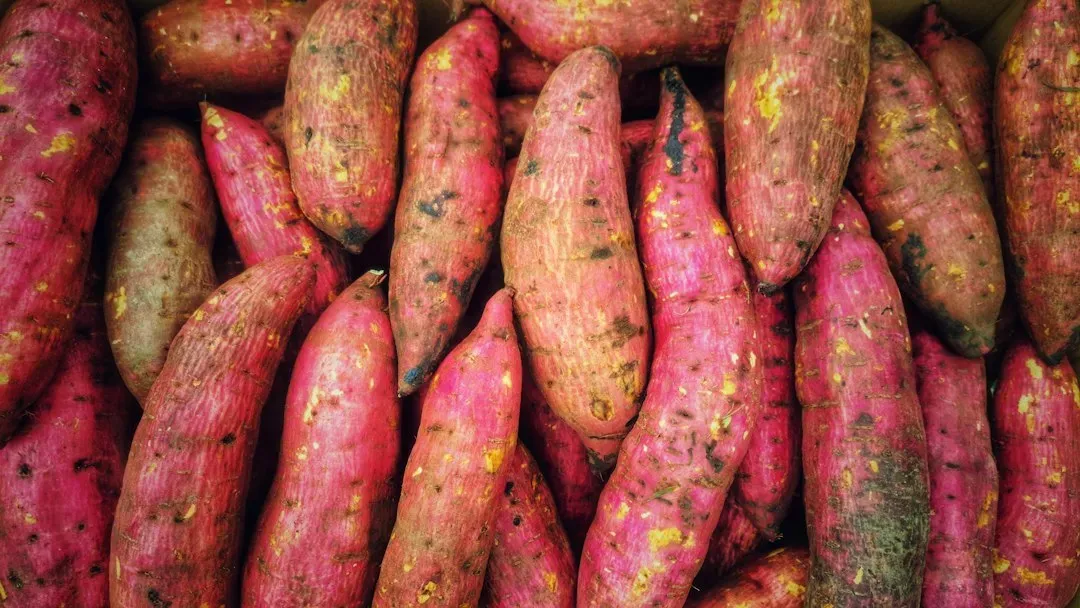
Sweet potatoes want long, hot growing seasons, which is just what much of Texas offers. They are planted from rooted cuttings called slips, typically after the danger of frost has passed and the soil is warm. Their vines cover the ground and shade out many weeds.
Most varieties are ready in roughly three to four months. They replace white potatoes well, because Irish potatoes prefer cool soil and often struggle once summer arrives. The leaves are edible too, which gives gardeners an extra harvest.
Malabar Spinach
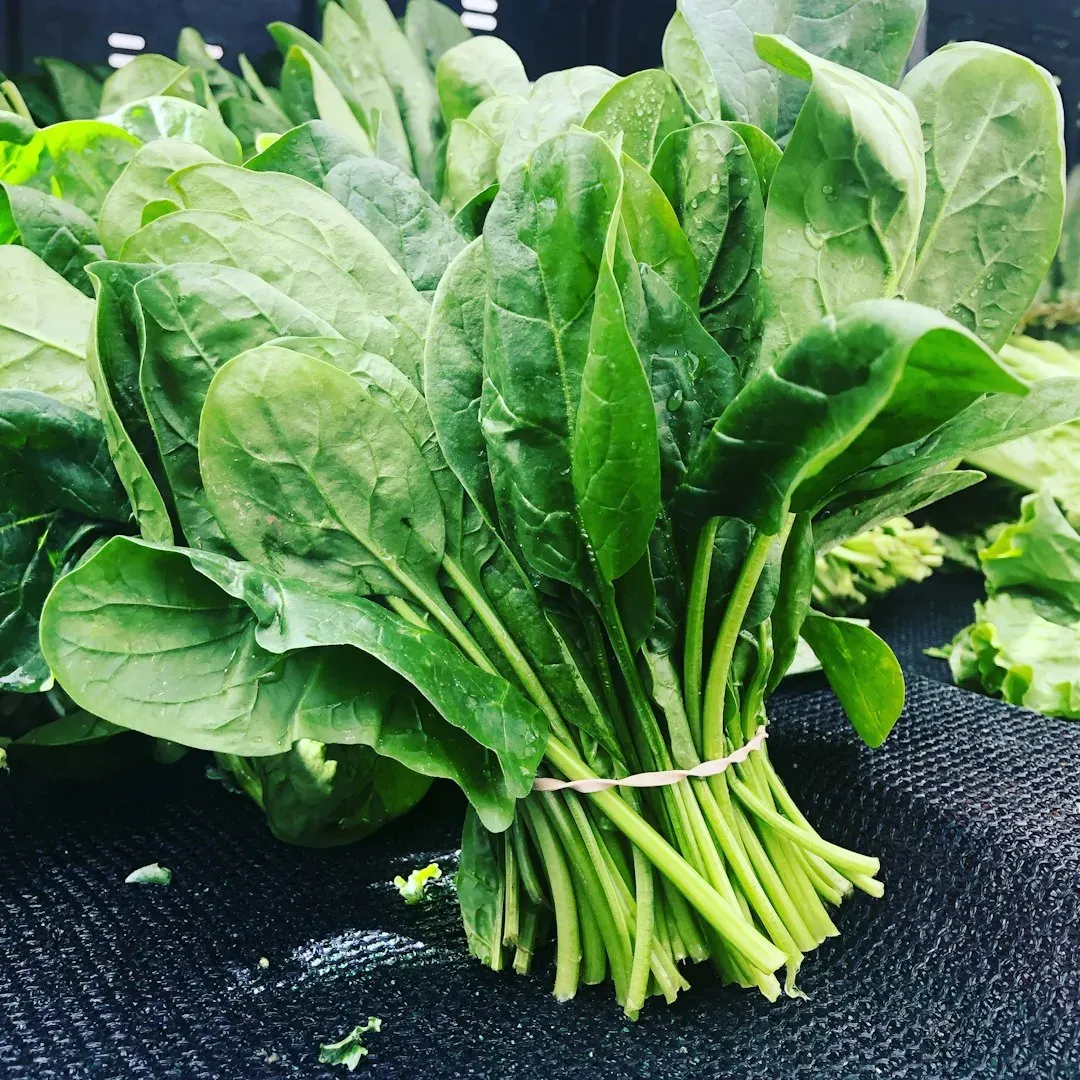
Despite the name, Malabar spinach isn’t related to true spinach. It is a vigorous climbing vine with thick, glossy leaves that grows faster as temperatures rise. True spinach, by contrast, bolts at the first real warmth.
The leaves can be cooked like spinach or tossed into stir fries and soups, though the texture is a little more succulent. A simple trellis or fence is all it needs. Keeping the soil moist helps the leaves stay tender during dry spells.
Yardlong Beans
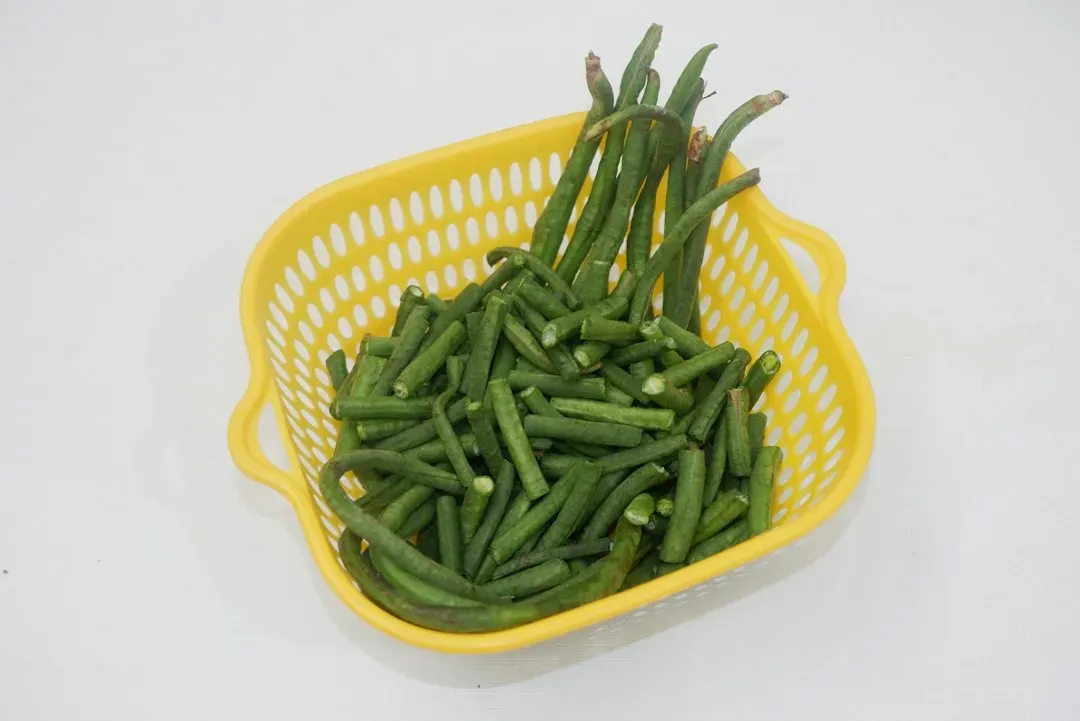
Yardlong beans, sometimes called asparagus beans, are close relatives of the cowpea. Their slender pods often reach well over a foot in length, and the vines keep climbing and flowering in heat that shuts down regular pole beans. They are popular in Asian cooking and increasingly common in Texas community gardens.
Plant them in full sun with a sturdy trellis, since vines can grow quite tall. Pods are best picked while thin and flexible, before the seeds bulge. Regular picking encourages the plant to keep producing.
Eggplant
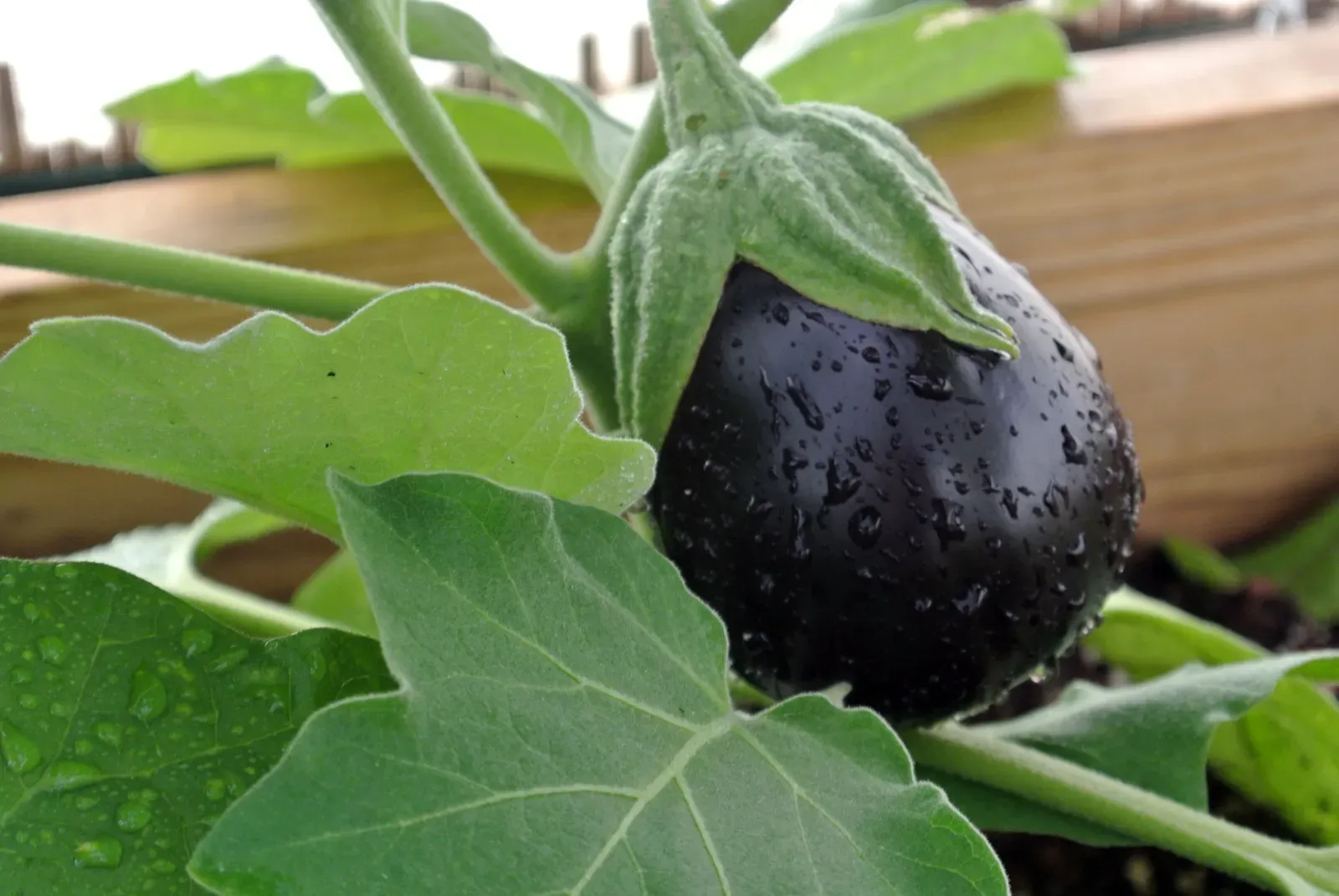
Eggplant is a true heat lover, and it often looks its best in the middle of a Texas summer. While tomatoes and bell peppers can drop flowers when nights stay warm, eggplant usually keeps setting fruit. Slender Asian types and small Italian varieties tend to ripen faster than large globe types.
Flea beetles are the most common nuisance, and they chew tiny holes in young leaves. Row covers early in the season and a layer of mulch to hold moisture can help. Consistent watering matters, since stressed plants produce bitter, tough fruit.
Hot Peppers
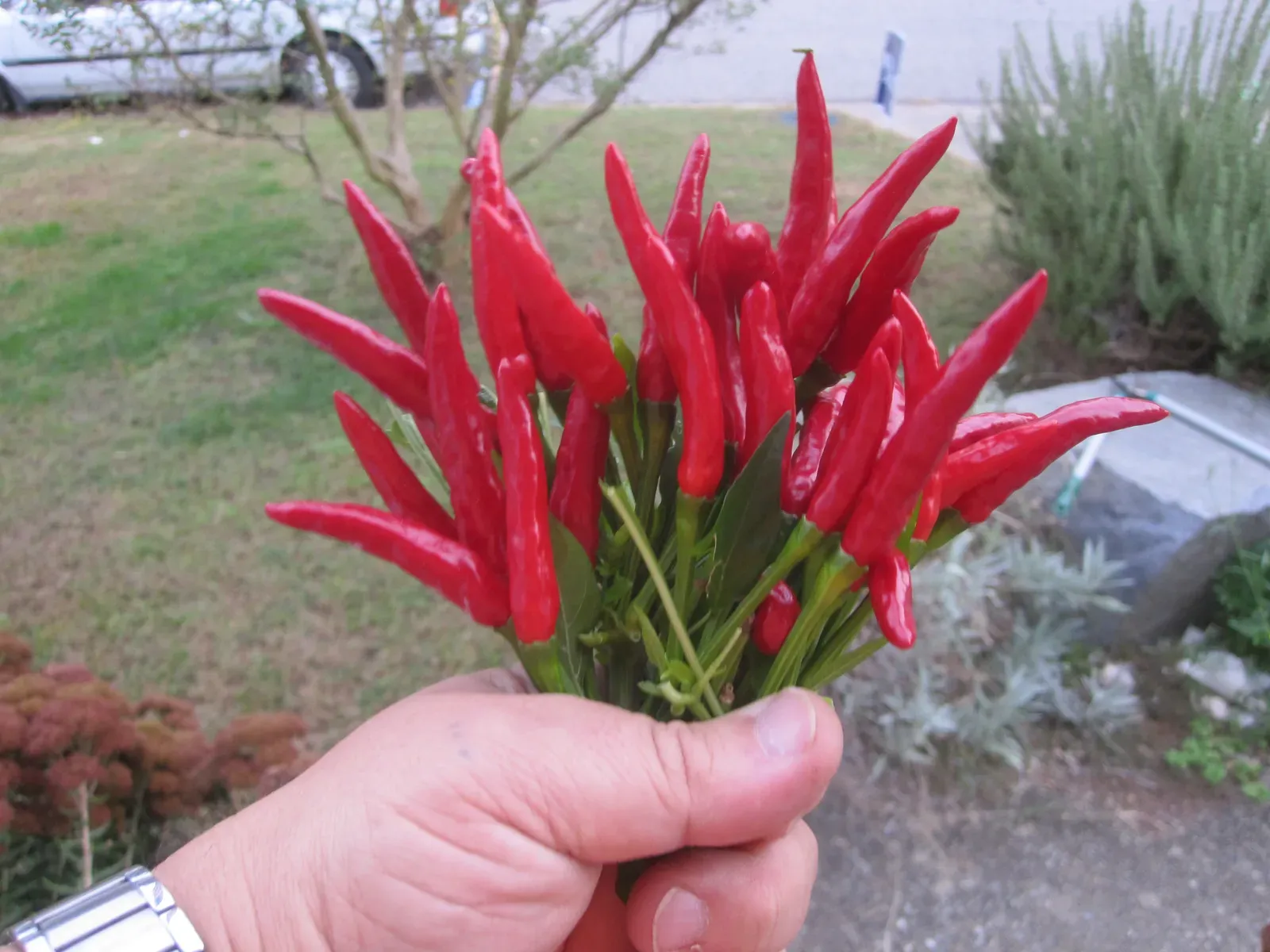
Many hot peppers handle Texas heat better than sweet bell peppers do. Jalapeños, serranos, cayennes and habaneros can continue flowering during hot stretches, and plants often grow larger and more productive as the season goes on. Texas has deep culinary roots in chile peppers, so the crop fits right in.
Afternoon shade during the harshest weeks can prevent sunscald on fruit. Peppers also tend to give a second flush in fall if plants survive the summer in good health. Mulch and deep, regular watering do much of the work.
Armenian Cucumbers
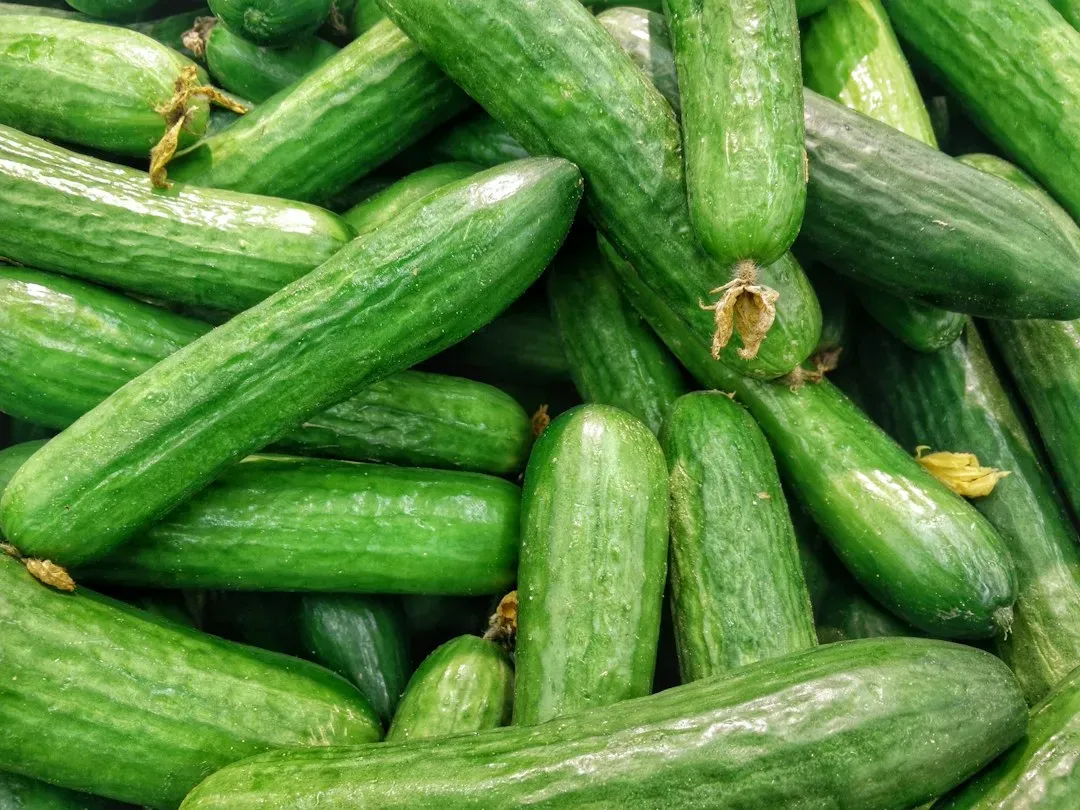
Armenian cucumber is technically a type of melon, though it looks and tastes like a mild, crisp cucumber. The long, ribbed fruit holds up to heat and is far less likely to turn bitter than standard slicing cucumbers. Vines grow vigorously and can be trained up a trellis to save space.
Fruit is usually best harvested while young and slender, often around a foot long. The skin is thin enough that peeling is rarely needed. It works well in salads, and gardeners who lost cucumber crops to heat stress often find it a dependable replacement.
Small Fruited Tomatoes
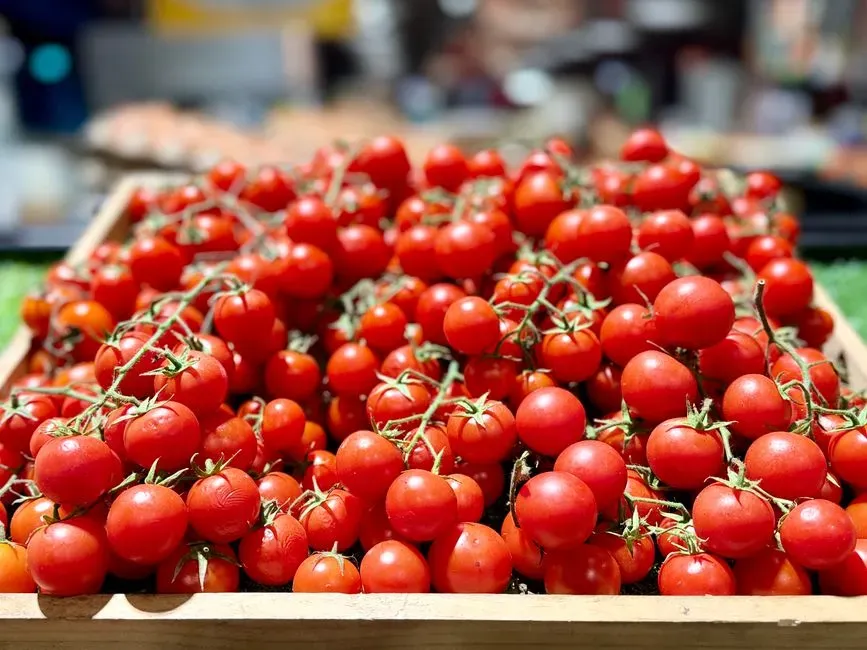
Large slicing tomatoes frequently fail to set fruit when nighttime temperatures stay warm, which is why many Texas gardeners now grow cherry and currant types. Everglades tomato, a tiny, vigorous currant type, is often recommended for hot, humid conditions. These plants usually keep producing when large beefsteak varieties stall.
Gardeners also plant them earlier in spring or wait until late summer for a fall crop, aiming to avoid the hottest stretch. Staking or caging keeps the sprawling vines manageable. The fruit is small, but plants can produce a steady supply over a long season.
