


- Rain Shadows: Why One Side of a Mountain Range Can Be Lush and the Other Dry - October 13, 2026
- What Atmospheric Rivers Are and How They Bring Flooding to the US West Coast - October 13, 2026
- White Roofs, Shade Trees and Cool Pavement: 6 Ways Cities Are Cooling Their Streets - October 12, 2026
Most of us toss things out of habit rather than necessity. A jar goes empty, a towel gets a hole, and straight into the trash or recycling bin it goes without a second thought. Home organizers and sustainability experts say a surprising number of everyday items still have plenty of life left in them, often solving small household problems that would otherwise mean a trip to the store.
Reusing isn’t just about saving money, though that’s a nice side effect. It’s about cutting down on waste in a world where the average household throws away far more than it realizes. Here are nine common items worth holding onto a little longer.
1. Glass jars
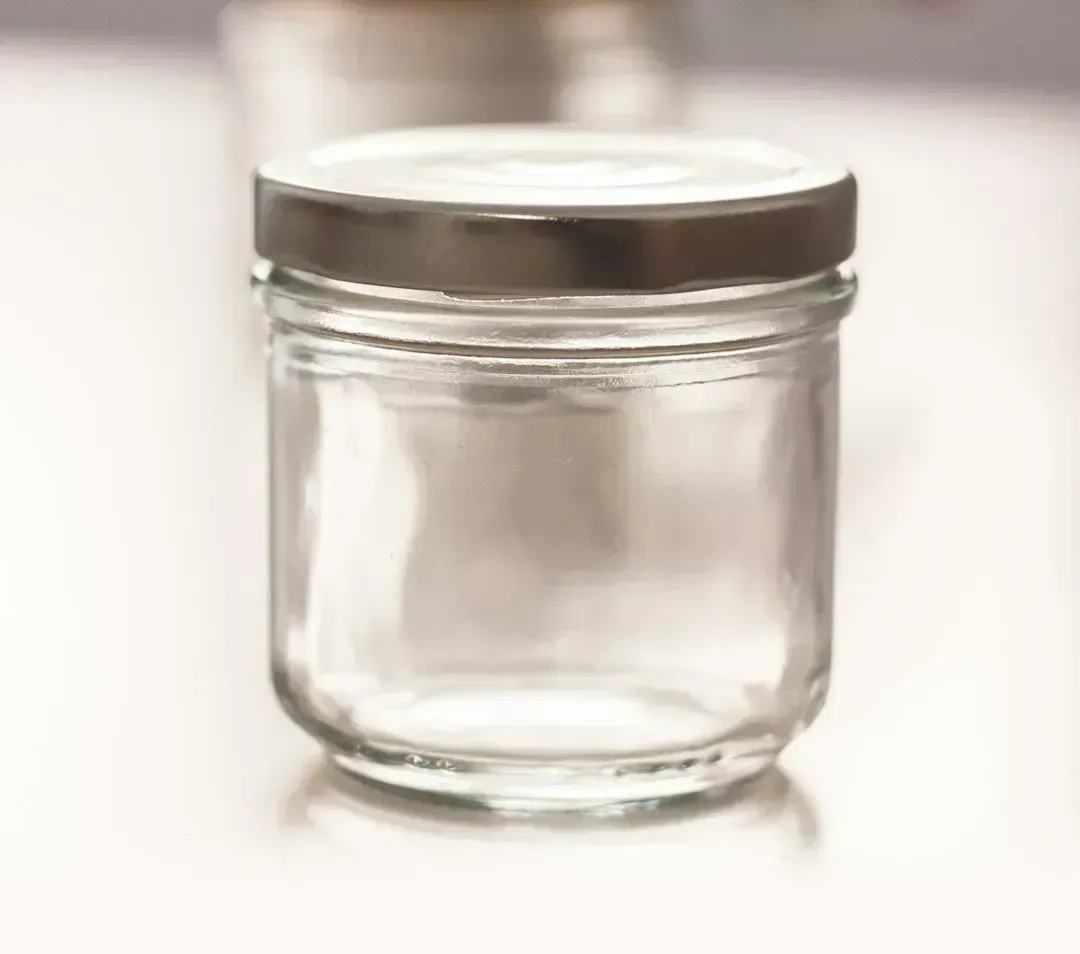
Glass jars from pasta sauce, jam, or pickles are some of the most versatile containers in any kitchen. Once washed, they work well for storing dry goods like rice, oats, and spices, or for organizing small items in a garage or craft room. Because glass doesn’t absorb odors or stain the way plastic can, these jars often outperform anything you’d buy new for the same purpose.
Professional organizers frequently recommend jars specifically because their uniform shape makes them easy to stack and label. They’re also freezer safe when left with room for expansion, which makes them handy for storing soups, sauces, or leftover broth. A jar that once held marinara can quietly become a permanent fixture in a pantry system for years.
2. Old towels and t-shirts
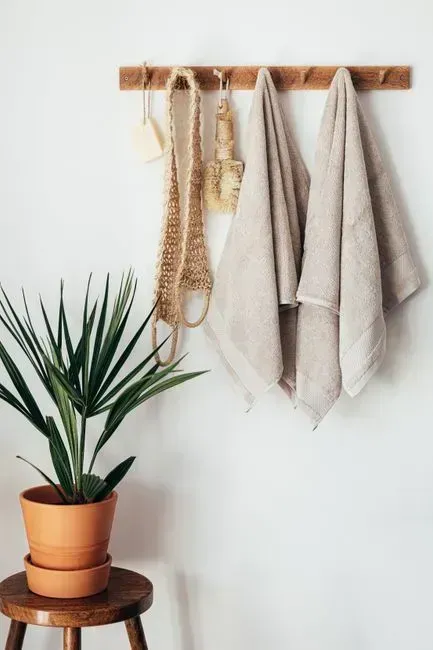
Worn out towels and t-shirts are frequently cut into rags rather than discarded, and for good reason. Cotton fabric is absorbent and lint free compared to paper towels, making it ideal for cleaning glass, dusting furniture, or wiping up spills in the garage. A single old bath towel can be cut into a dozen or more cleaning cloths.
Home experts also point out that reusing textiles this way keeps them out of landfills, where synthetic blends can take a long time to break down. Textile waste has become a growing concern in the United States, with the Environmental Protection Agency estimating that millions of tons of textiles are discarded annually. Turning old clothing into rags is a small but meaningful way to slow that trend at home.
3. Plastic takeout containers
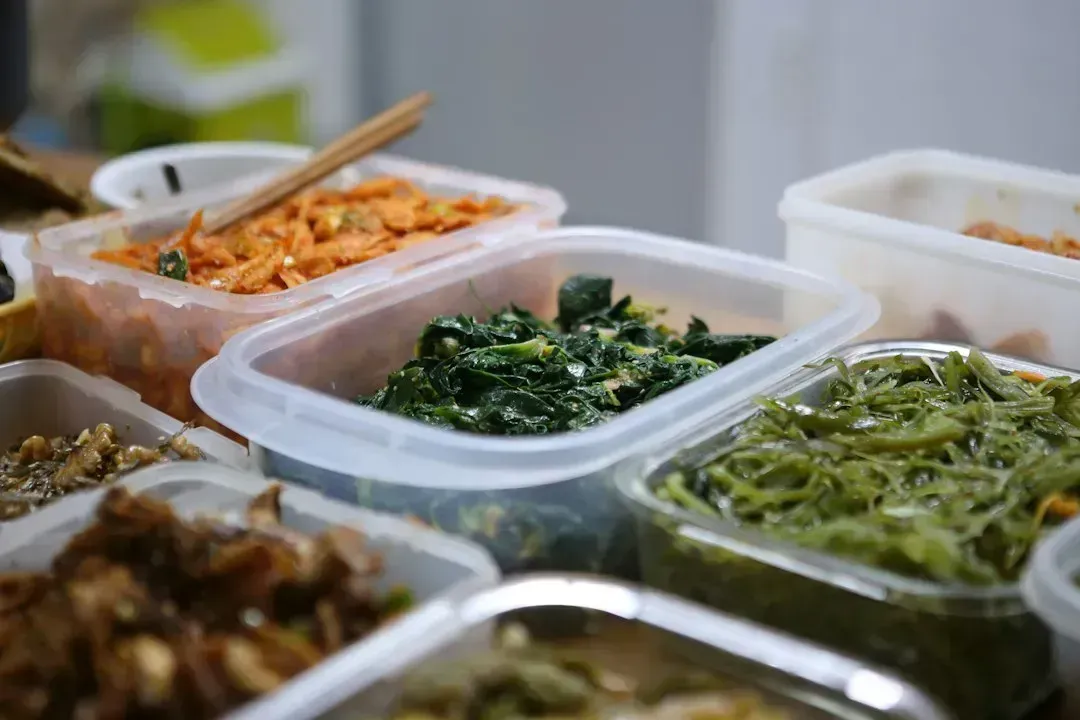
Those plastic tubs that arrive with takeout orders often get rinsed and reused without anyone really planning it that way. They’re sturdy, stackable, and already sized well for storing leftovers, meal prep portions, or small hardware like screws and nails. Many are microwave and freezer safe, which makes them functionally similar to containers sold specifically for storage.
Organization experts note that these containers can be especially useful for parents packing lunches, since losing or damaging one doesn’t feel like a financial loss the way a name brand container might. They’re also handy for organizing a junk drawer or a craft supply bin. The only real caution is to check for cracks or cloudiness over time, since heavily used plastic can degrade.
4. Wine corks
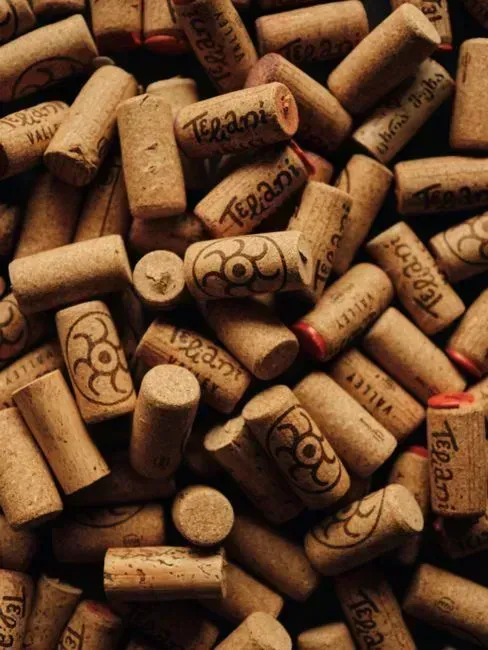
Wine corks are lightweight, naturally water resistant, and surprisingly useful once you look past their original purpose. Home experts suggest gluing several together to make a coaster or trivet, or using individual corks as plant markers in a garden bed. Their soft, slightly spongy texture also makes them handy as makeshift pin cushions or drawer bumpers.
Because natural cork is biodegradable and harvested from tree bark rather than cut timber, reusing it aligns with a broader push toward sustainable materials. Cork oak trees can live for centuries and are typically harvested without being cut down, which is part of why designers and eco conscious homeowners favor cork based crafts. A bowl of saved corks in a kitchen drawer is a common sight in homes that entertain often.
5. Egg cartons
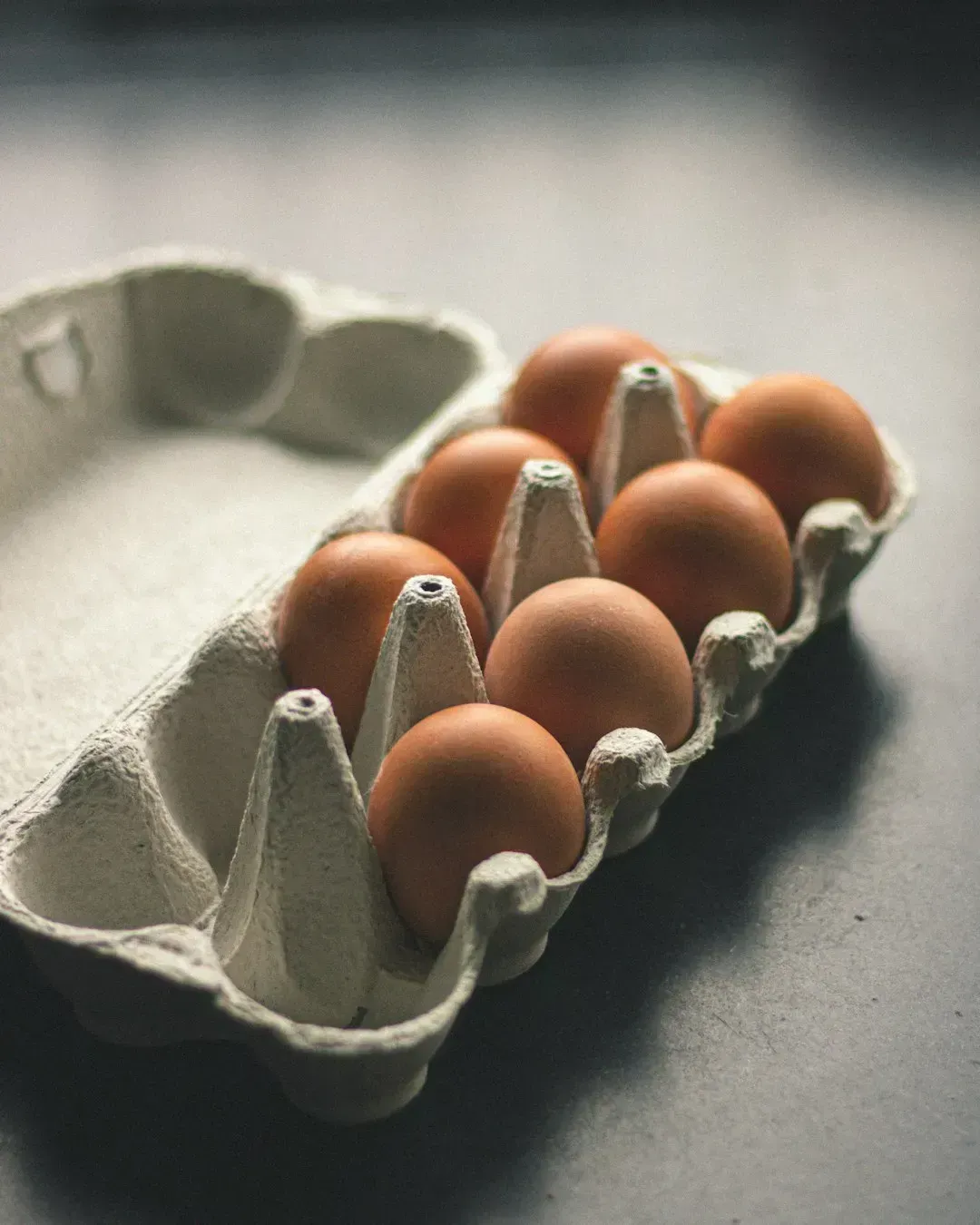
Cardboard egg cartons are sturdier than they look, and their built in compartments make them naturally useful for organizing small items. Gardeners often use them to start seedlings, since each cup holds just enough soil for a sprout before transplanting. Others use them to sort screws, beads, or jewelry, taking advantage of the divided sections.
Some home experts also recommend cutting cartons into smaller pieces as kindling for fireplaces or fire pits, since the cardboard catches easily and burns steadily. Foam cartons, by contrast, are less reusable in this way and are better suited to structured storage projects. Either version keeps material out of the trash for a little while longer before eventual recycling.
6. Dryer lint and fabric scraps
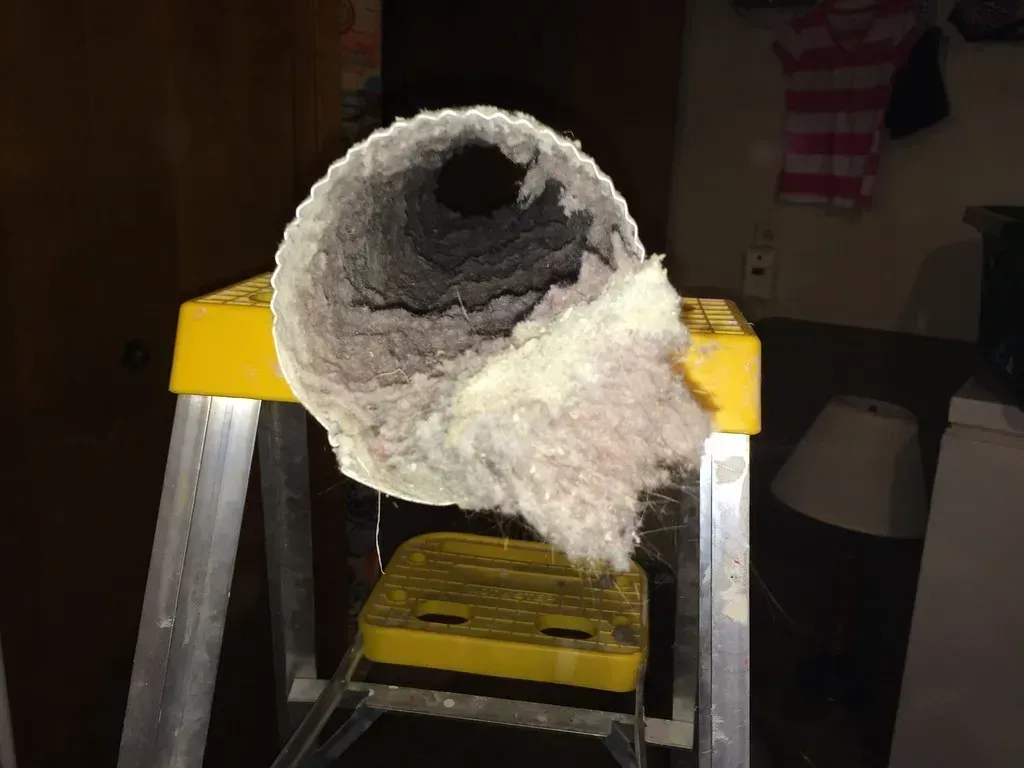
It sounds unlikely, but dryer lint has a legitimate second life as a fire starter. Mixed with a bit of wax or stuffed into a cardboard toilet paper roll, it catches flame easily and burns long enough to get kindling going in a fireplace or campfire. This is a trick often shared by outdoor and emergency preparedness experts, not just casual bloggers.
Fabric scraps left over from clothing repairs or old sewing projects can be saved for patching future items, stuffing small pillows, or creating cleaning cloths. Quilters in particular are known for keeping scrap bins that get used for years. Nothing about lint or scraps is glamorous, but both represent material that would otherwise be thrown out for no real reason.
7. Plastic bread bags and produce bags
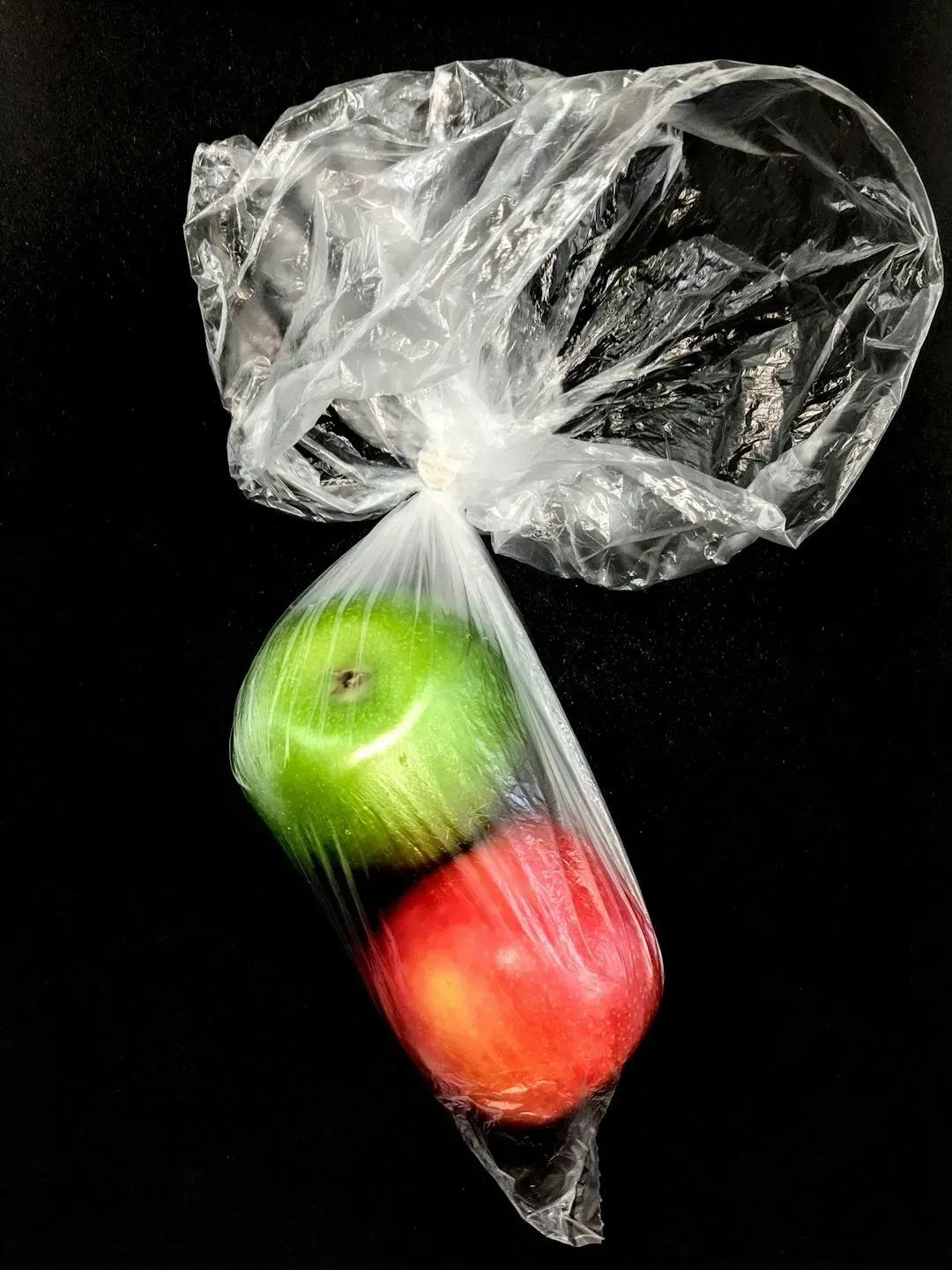
Bread bags and the thin plastic bags used for produce are often reused for pet waste cleanup, lining small trash bins, or wrapping items before freezing. Their thin, flexible plastic isn’t strong enough for heavy loads, but it works fine for light, single use tasks. Many households keep a designated drawer or bag specifically for storing these for reuse.
Environmental groups have pushed back against single use plastics for years, and reusing a bag even once or twice before disposal reduces its overall footprint. Grocery chains in several states now charge for plastic bags or have phased them out entirely, which has made households more conscious of stretching the ones they already have. A bread bag reused as a freezer liner is a small habit, but it adds up over a year of grocery trips.
8. Coffee grounds
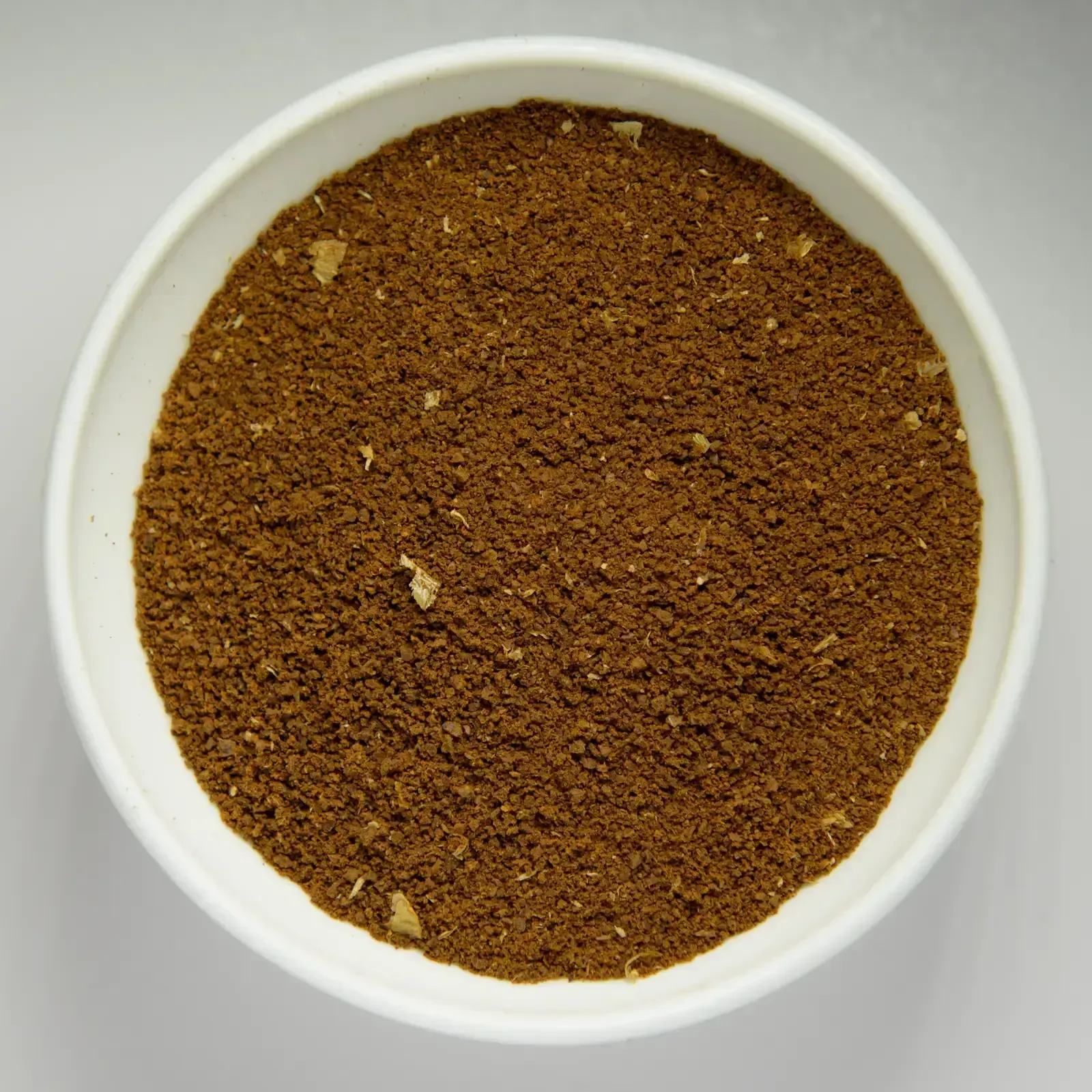
Used coffee grounds are one of the most talked about reuse items among gardening experts, and for good reason. They can be worked into soil to improve texture and add small amounts of nitrogen, though experts caution they should be composted or mixed in rather than piled directly onto plants. Coffee grounds are also a natural deodorizer, often placed in small bowls inside refrigerators or shoe closets to absorb odors.
Some households repurpose grounds as a light abrasive for scrubbing pots and pans, since the texture helps lift stuck on food without scratching most surfaces. Coffee shops in many cities now offer free used grounds to customers specifically for gardening purposes, reflecting how mainstream this practice has become. It’s one of the rare reuse habits that costs nothing and takes almost no effort.
9. Cardboard boxes
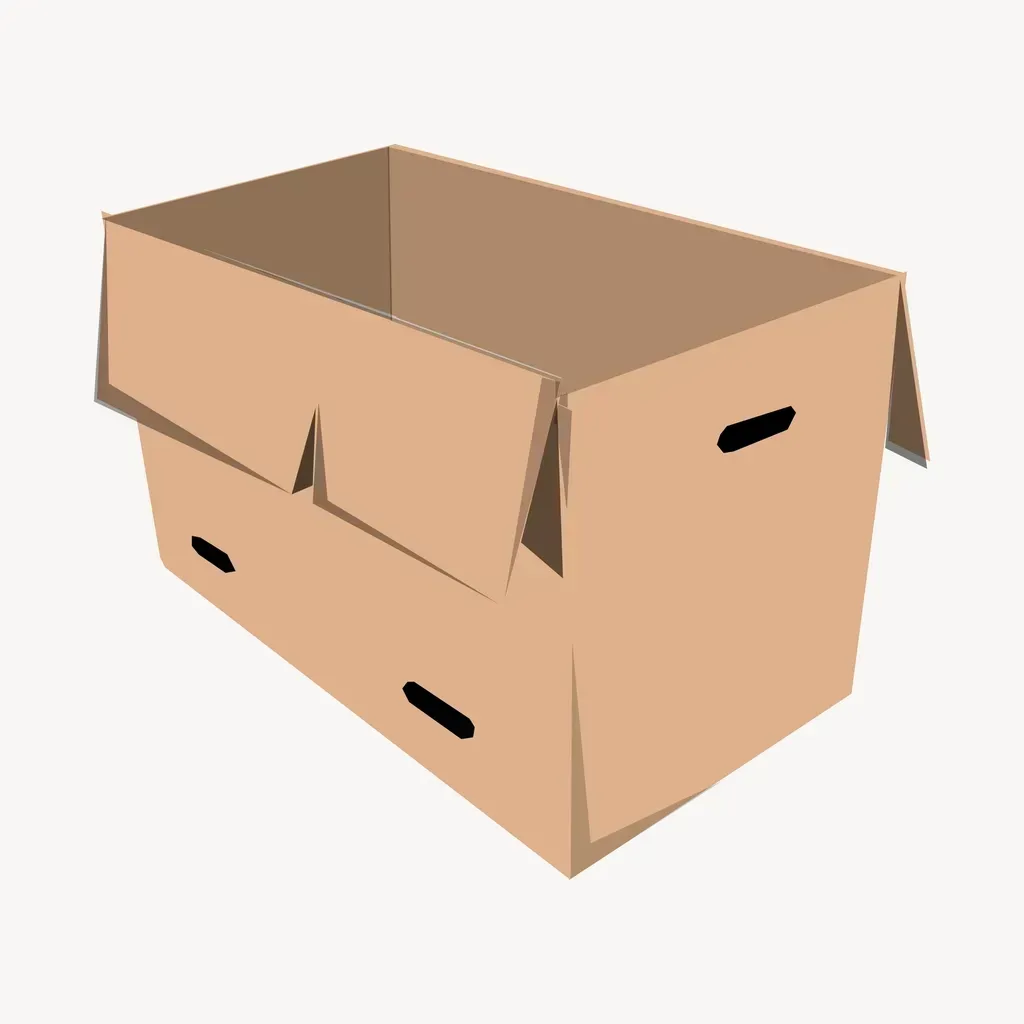
Cardboard boxes from online orders or moving day rarely need to go straight to recycling. They’re useful for storing seasonal items, organizing a closet, or creating simple drawer dividers when cut down to size. Flattened boxes also work as weed barriers in gardens, laid beneath mulch to block sunlight from reaching unwanted growth.
Moving and organizing professionals often recommend keeping a small stock of boxes on hand specifically because buying new ones for every move or storage project adds up quickly. Reusing a box a few extra times before it finally breaks down or gets recycled stretches its usefulness well beyond its original delivery. Given how much cardboard flows through a typical household each year, even modest reuse habits make a visible difference over time.
Small habits like these do not require major lifestyle changes or specialized products. They simply ask for a slightly longer pause before something lands in the trash, and a bit of creativity about what it might still be good for.
