


- Tree Rings as Climate Archives: Tracing Centuries of Drought and Rainfall - October 14, 2026
- How Climate Change Affects Snowfall and Snowpack in Mountain Regions - October 13, 2026
- From Cumulus Cloud to Severe Storm: The Life Cycle of a Thunderstorm - October 13, 2026
Sandy beaches feel permanent, but they are some of the most fragile landscapes on the planet. Rising seas, stronger storms, and decades of coastal development are chewing away at shorelines faster than most people realize. Scientists have already found that between roughly 13 and 15 percent of the world’s sandy beaches could face severe erosion by 2050, a number that climbs dramatically higher by the end of the century.
The following six towns are not hypothetical case studies. Each one already shows visible, measurable erosion, and each has become a real-world example of what mid-century sea level rise could mean for coastal life. Some may adapt with massive engineering projects, while others may simply watch their beaches shrink to nothing.
1. Rodanthe and Buxton, North Carolina
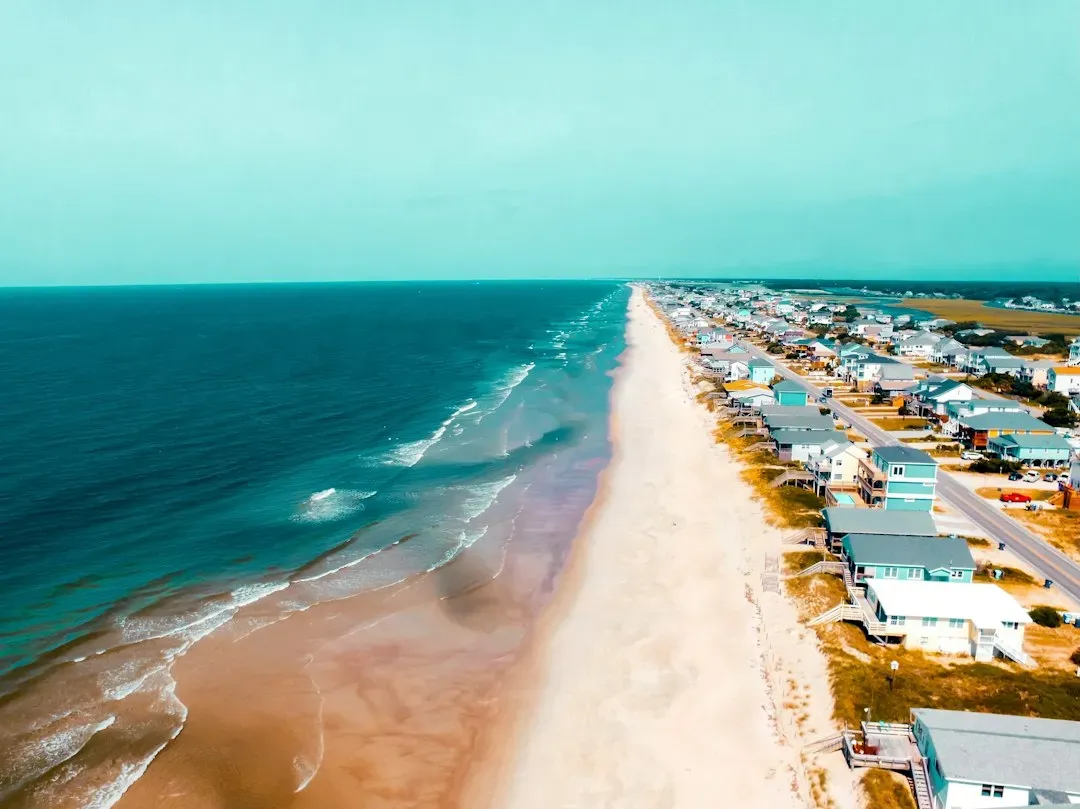
The villages along the Outer Banks have become the most visible face of American coastal erosion. In the past five and a half years, dozens of privately owned homes have collapsed into the Atlantic along the Cape Hatteras National Seashore, with the vast majority of those failures happening in just 2024 and 2025 alone. In the last five and a half years, a total of 31 privately-owned homes along the Outer Banks have collapsed, with the majority of the losses occurring in 2024 and 2025. Storms like Hurricane Erin and Hurricane Humberto have repeatedly battered these thin barrier islands, and in one especially dramatic event, six unoccupied houses along North Carolina’s Outer Banks collapsed into the ocean on Tuesday as Hurricanes Humberto and Imelda rumbled in the Atlantic.
The problem goes beyond individual homes. Many private properties adjacent to the beach in Rodanthe, which previously contained backyard land, dunes, and dry sand, are either partially or fully covered with ocean water on a regular basis. A 2024 report from federal, state, and local officials found that 750 of nearly 8,800 oceanfront structures in North Carolina are at risk of oceanfront erosion. Dare County has already spent roughly 275 million dollars on beach nourishment, but with barrier islands naturally shifting and seas rising, the sand keeps disappearing faster than crews can replace it.
2. Pacifica, California
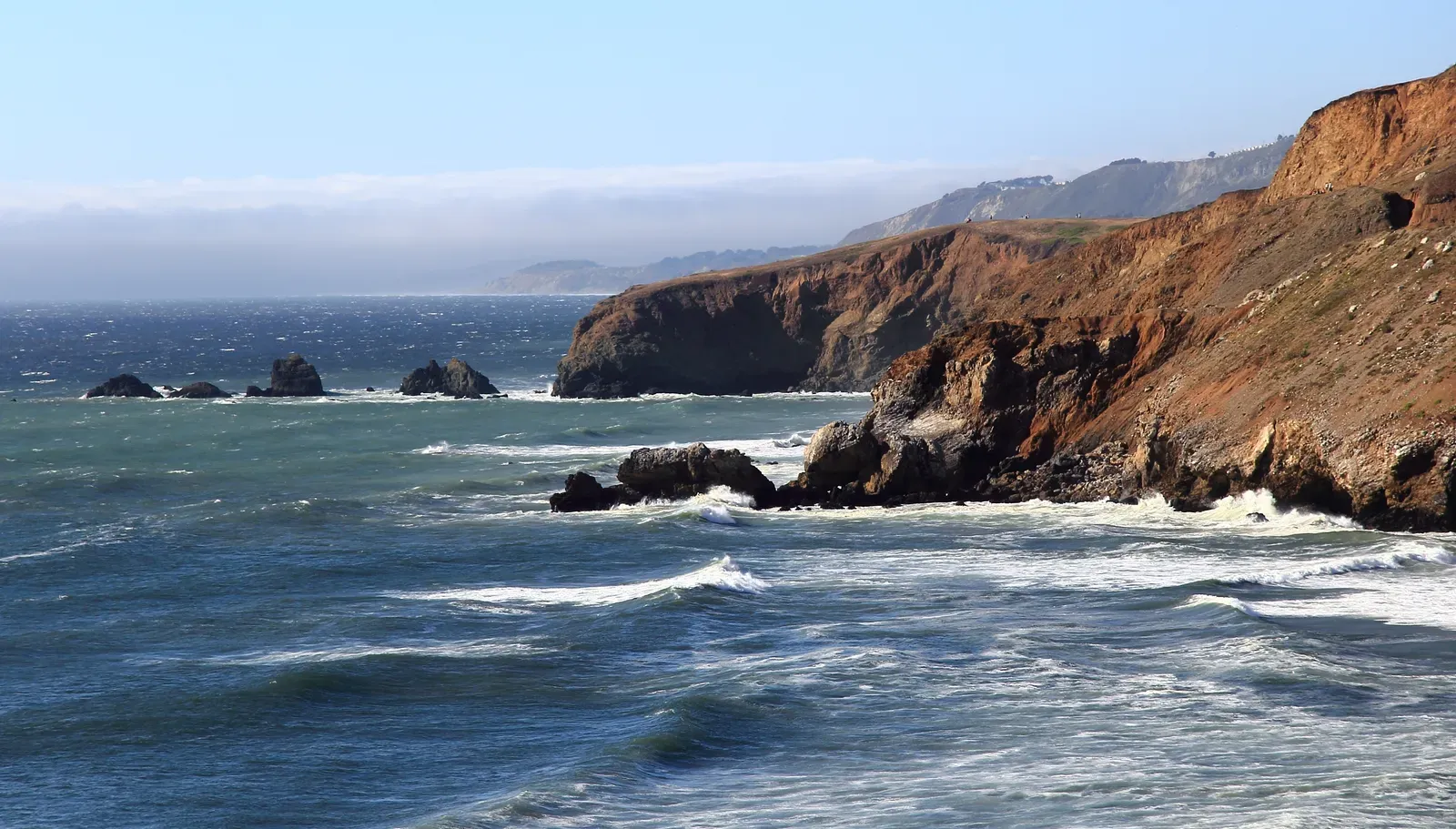
South of San Francisco, the coastal city of Pacifica has spent decades watching its bluffs crumble into the Pacific. The sandstone cliffs beneath oceanfront apartment buildings have been unstable for years, and officials have repeatedly condemned homes as the ground beneath them vanishes. Since 2003, the sandstone cliffs of Pacifica have begun shearing off in storms. During the powerful El Niño winter of 2015 and 2016, entire apartment complexes on Esplanade Avenue were evacuated as chunks of cliffside fell into the water below.
This is not a new phenomenon for Pacifica. Twelve homes were constructed in 1949 at the top of a sea cliff along Esplanade Drive, and during the heavy storms of the 1997 and 1998 El Niño winter, a severe episode of cliff retreat undermined seven homes and threatened three others, leading the city to condemn and demolish all ten. More recently, regulators granted the city permission to reinforce its seawalls for another two decades, but only as a stopgap so the city can develop a long-term strategy to deal with sea level rise, which was mandated by a state law passed in 2023. Scientists studying the broader Southern California coast warn the outlook is grim, with scientists predicting that between one-third to two-thirds of the beaches in Southern California will suffer such extreme erosion that they will be completely gone in the coming decades.
3. North Shore, Oahu, Hawaii
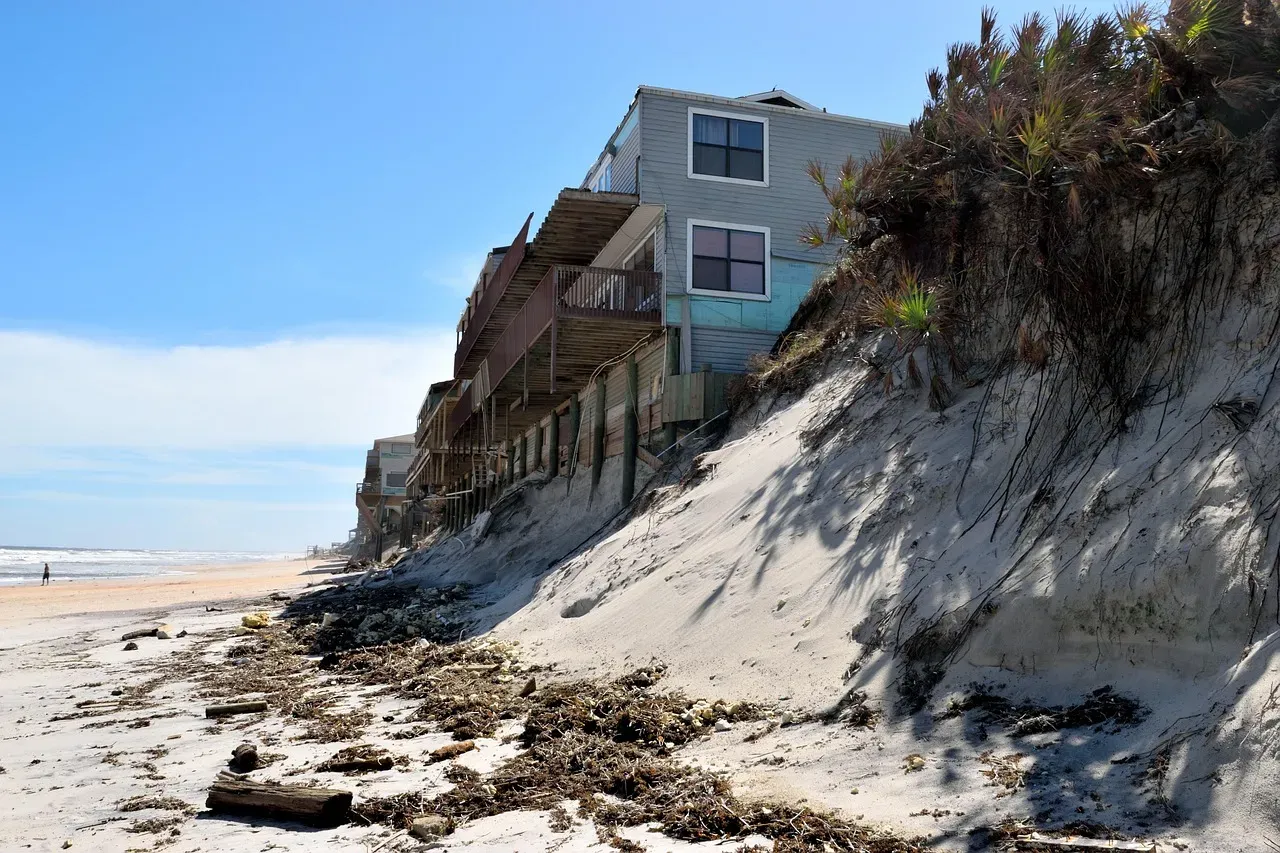
Hawaii’s famous North Shore beaches, beloved by surfers worldwide, are eroding at a pace that alarms even seasoned coastal scientists. According to the Surfrider Foundation’s State of the Beach report, today, 73% of North Shore beaches are chronically eroding, with more than 90% of beaches projected to be in a chronic state of erosion by 2050. That is an extraordinary shift for a stretch of coastline that has defined Hawaiian beach culture for generations.
The state’s own climate office paints a similarly troubling picture. 70% of beaches around the state are currently threatened, and officials note that beyond 2050, we can expect areas that were formerly dry beaches to be chronically underwater. Homeowners along the North Shore have already resorted to makeshift fixes like sandbag structures nicknamed “geotextile burritos,” to protect their property, a sign of just how urgent the situation has become for a coastline that many assumed was untouchable.
4. Rockport, Massachusetts
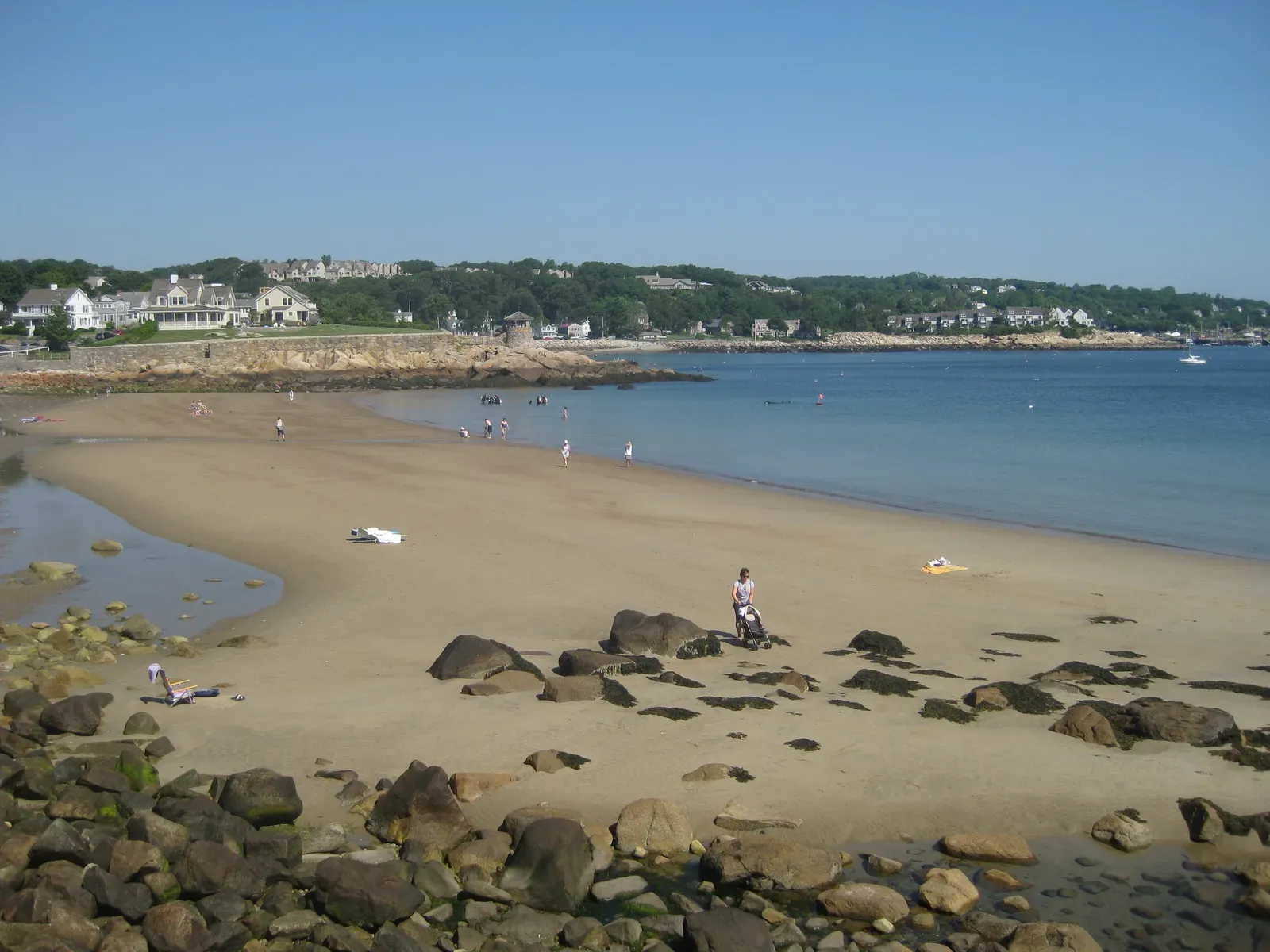
Long Beach in Rockport, a small New England town on Cape Ann, illustrates a different but equally instructive problem: how human attempts to hold back the ocean can backfire. The town’s aging seawall was meant to protect cottages and infrastructure, but researchers have identified it as a case of what they call maladaptation. Schipper has identified the seawall as an example of “maladaptation,” infrastructure that increases exposure to climate change impacts, contributing to a false sense of security that encourages sustained development.
Ironically, the wall meant to protect the beach is helping destroy it. The structure also causes beach erosion through a phenomenon known as “downwash,” resulting in the loss of approximately one foot of beach sand per year, requiring occasional replenishment. The town has continued investing in repairs, including a $2.8 million grant from FEMA to repair sections of the wall damaged in the 2018 storm, yet the underlying sand loss continues. Rockport’s situation shows how even well-funded, well-intentioned coastal defenses can accelerate the very erosion they are built to stop.
5. Surfers Paradise, Gold Coast, Australia
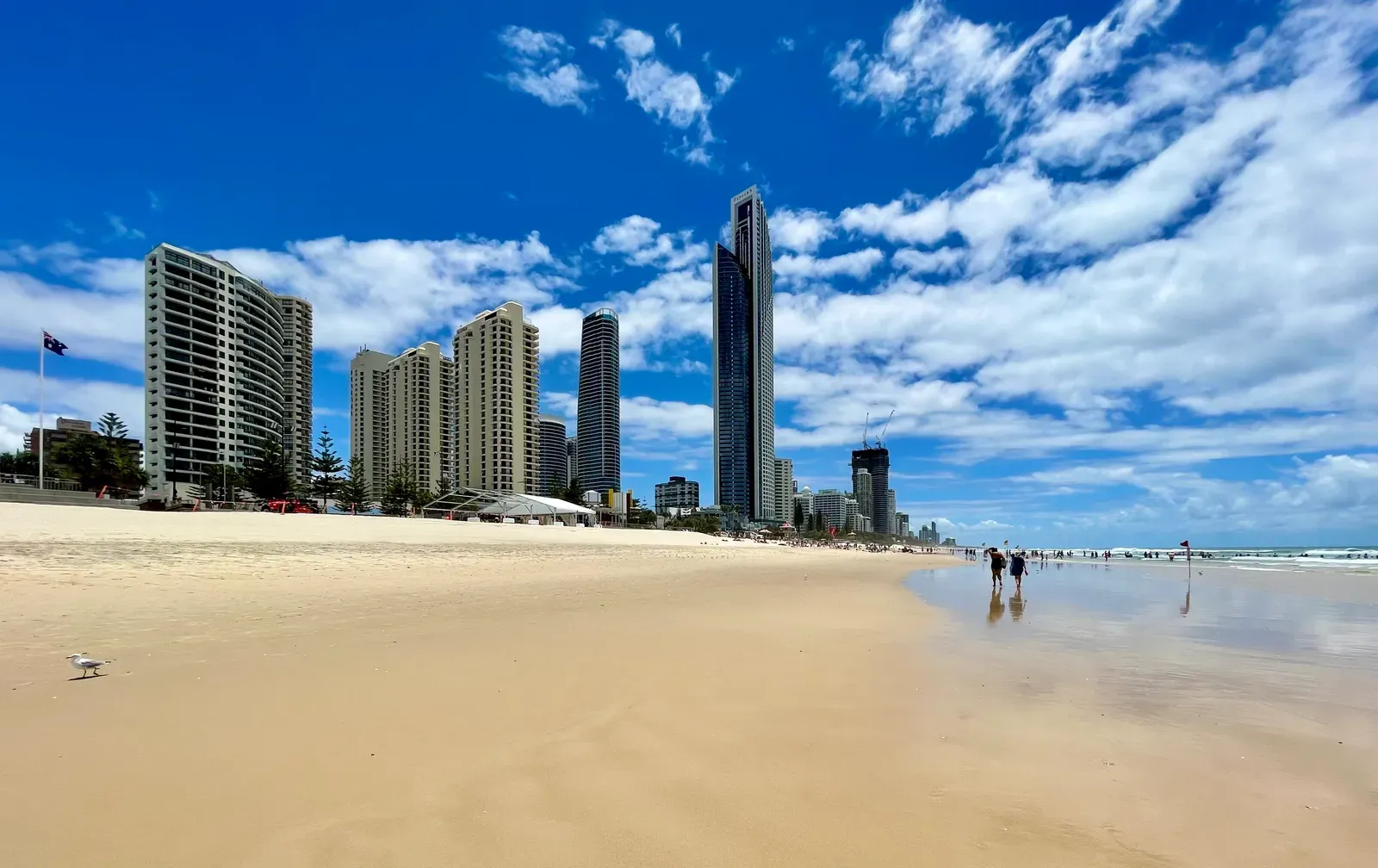
Few beach towns are as iconic as Surfers Paradise, the glittering high-rise strip along Australia’s Gold Coast. Yet this postcard destination has struggled with chronic erosion for years, and the financial cost of keeping its beach intact is expected to balloon as seas continue rising. Surfers Paradise has dealt with erosion problems for years, but the cost of beach nourishment is expected to climb steeply as sea levels rise.
Australia’s exposure is not limited to this one town. Nationally, the country faces the largest total loss of sandy coastline of any nation studied, with researchers projecting that at least 11,426 kilometers of sandy beach coastline threatened by erosion, the equivalent of around 50 percent of the country’s total sandy coastline. For a tourism-dependent strip like Surfers Paradise, where the beach itself is the primary economic asset, that scale of projected loss threatens not just scenery but the town’s entire identity.
6. Withernsea and the Holderness Coast, England
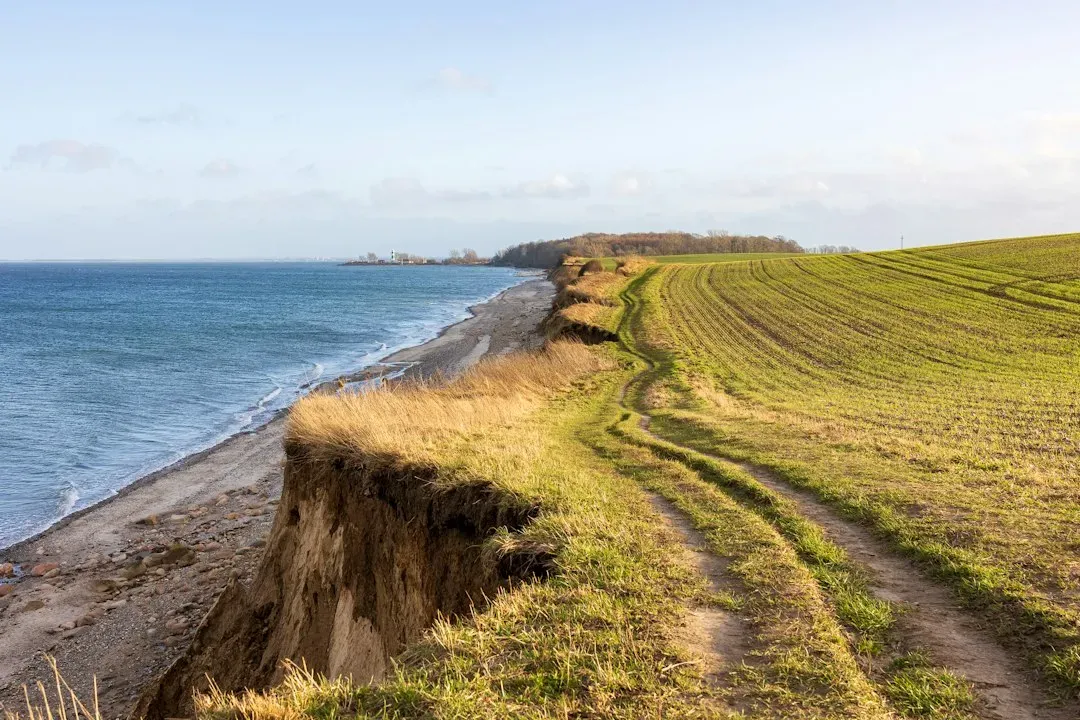
Along England’s eastern coastline, the Holderness coast between Bridlington and Withernsea has earned a grim distinction. The shore and cliffs along the Holderness coast, specifically between Bridlington and Withernsea, are known to be on the fastest eroding coastline in Europe. Homes, farmland, and entire chunks of beach have already vanished into the North Sea, and projections suggest the losses will only accelerate.
Researchers estimate that hundreds of homes are directly threatened by this erosion in the coming decades. Around 195 homes along the East Yorkshire coast are expected to be at risk of being lost to the sea by 2105, with 18 of those being at threat by 2025. Nearby, the wider Humber Estuary faces its own ecological toll, with conservative estimates showing up to 7% of the intertidal mudflat areas of the Humber Estuary could be lost by 2050. For seaside towns built generations ago along this stretch, the sea is not creeping closer, it is arriving on a clear and documented timeline.
Taken together, these six towns tell a consistent story. Whether it is barrier islands in North Carolina, crumbling cliffs in California, surf breaks in Hawaii, engineered seawalls in Massachusetts, tourist high-rises in Australia, or historic villages in England, coastal erosion is not a distant, abstract threat. It is already reshaping shorelines in measurable, well-documented ways, and the pace shows little sign of slowing before 2050.
None of this means every beach on this list will vanish entirely. Nourishment projects, managed retreat, and stronger climate policy could all soften the blow. Still, the evidence gathered from these six places suggests that the beaches many of us take for granted today may look very different, or simply not exist, within the next few decades.
