

- Rain Shadows: Why One Side of a Mountain Range Can Be Lush and the Other Dry - October 13, 2026
- What Atmospheric Rivers Are and How They Bring Flooding to the US West Coast - October 13, 2026
- White Roofs, Shade Trees and Cool Pavement: 6 Ways Cities Are Cooling Their Streets - October 12, 2026
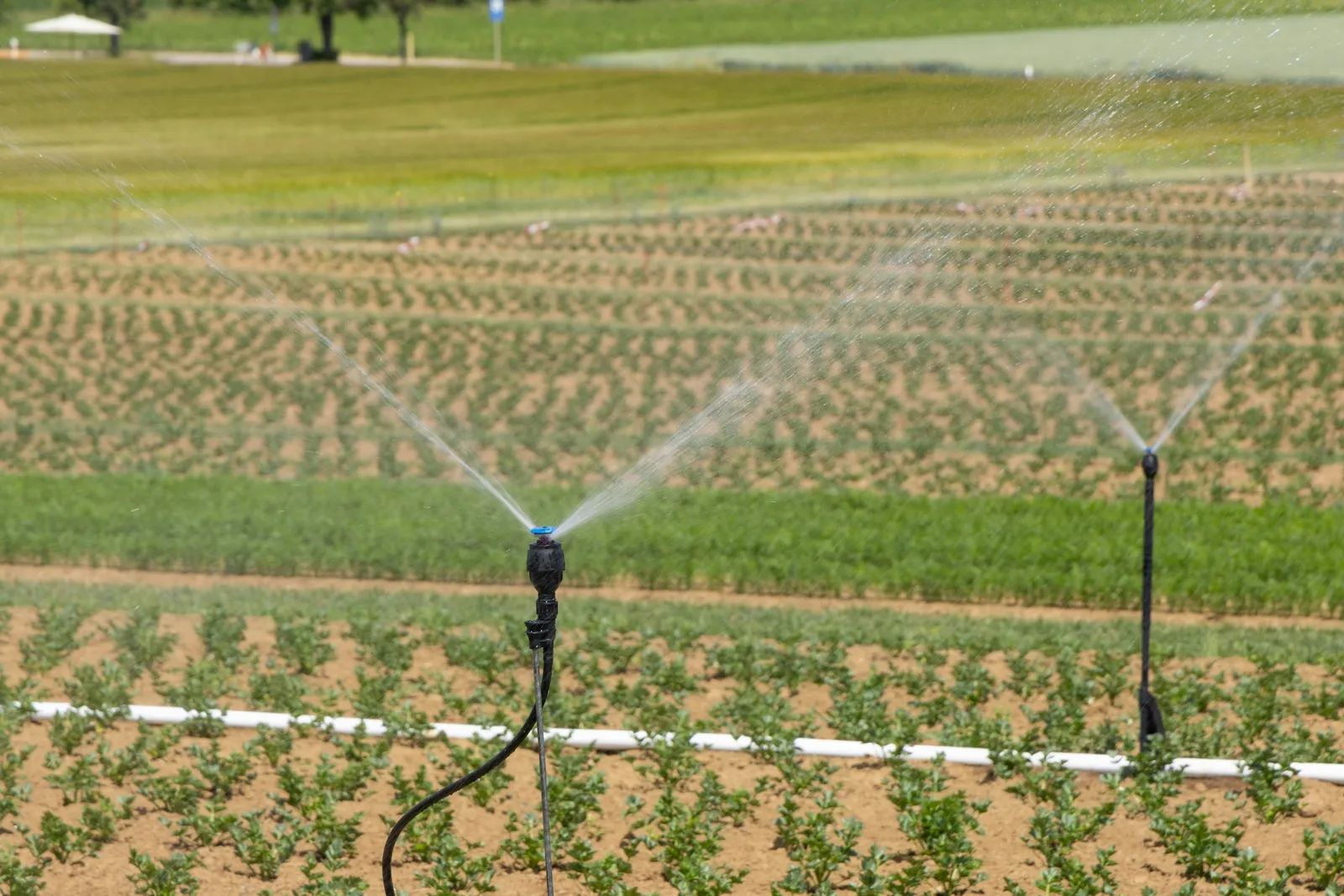
1. Watering the lawn on a fixed schedule

For generations, watering the lawn every other day was just part of the routine, rain or no rain. It turns out this habit is remarkably wasteful. Watering lawns on a fixed schedule is the number one waster of water, according to research from the Water Research Foundation, largely because it ignores what the soil and weather actually need.
The scale of the issue is bigger than most people realize. Nationwide, landscape irrigation is estimated to account for nearly one-third of all residential water use, totaling nearly 9 billion gallons per day. Younger households are increasingly switching to smart sensors, drought-tolerant landscaping, or simply watering only when the lawn shows visible stress, rather than sticking to the calendar their parents used.
2. Relying on the clothes dryer for every load
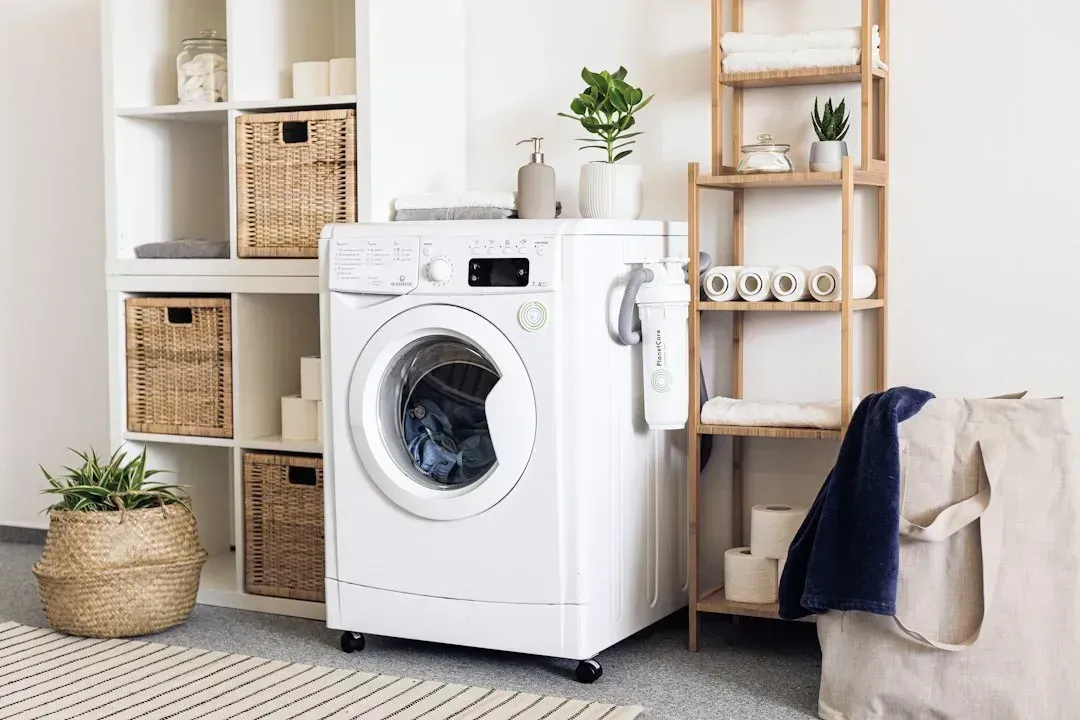
Tossing wet laundry straight into the dryer, regardless of the season or fabric, used to be automatic. That convenience has a real cost attached to it. Clothes dryers account for roughly 6% of household electricity consumption, consuming about six times more energy than washing machines.
Some households are heavier users than others, and the gap matters. Government data shows the average electric dryer consumes about 782 kWh annually, and heavy users can consume nearly 40% more than average. A growing number of younger renters, especially those without in-unit laundry, are air-drying at least part of their loads on racks or lines, treating the dryer as a backup rather than the default.
3. Grabbing paper towels for every spill
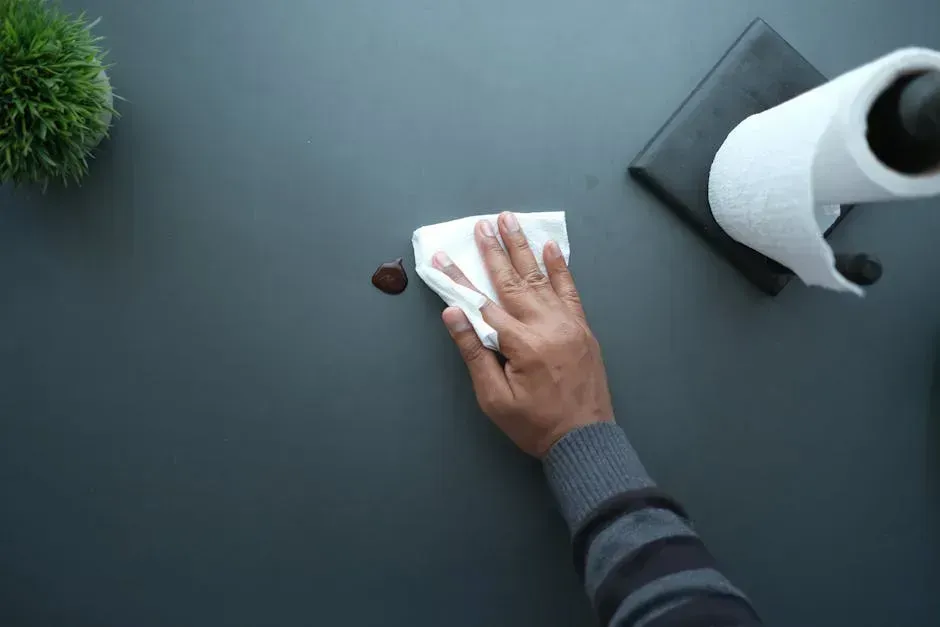
Paper towels became a fixture of American kitchens because they were disposable and required no thought. That’s precisely the problem for a generation trying to cut down on single-use paper products. Reusable cloths, old T-shirts cut into rags, and microfiber towels are quietly replacing the roll on the counter in a lot of younger households.
This shift isn’t about eliminating paper towels entirely so much as reserving them for genuinely messy jobs, like grease or raw meat cleanup, while handling everyday spills with something washable. It’s a small change, but it compounds over a year of daily kitchen use, cutting down on both trees pulped for paper and the trash that ends up in landfills.
4. Buying bottled water as the everyday default
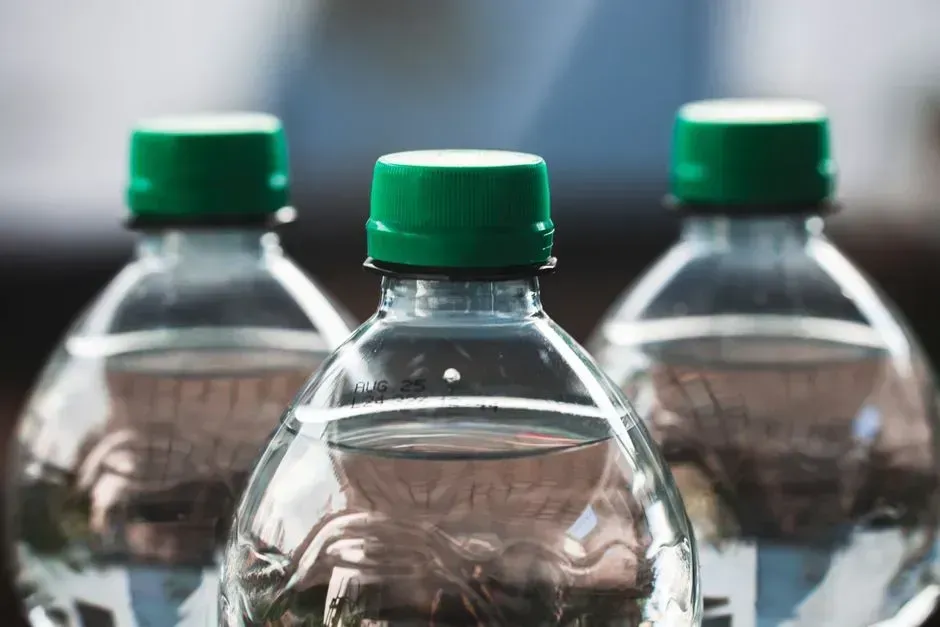
Cases of bottled water used to be a staple grocery item, stacked in garages and pantries as a matter of course. Younger consumers, more aware of plastic waste and microplastic research, are increasingly treating that habit as unnecessary for households with safe tap water. Reusable bottles with built-in filters have become common enough that they’re now sold in the same aisles bottled water used to dominate.
Part of this shift is practical rather than purely ideological. Filtered tap water costs a fraction of bottled water over the course of a year, and it skips the plastic production and transportation footprint that comes with shipping water, sometimes across state lines, in single-use containers. The habit hasn’t disappeared everywhere, but it’s noticeably less automatic than it was a decade or two ago.
5. Wrapping leftovers in plastic cling film
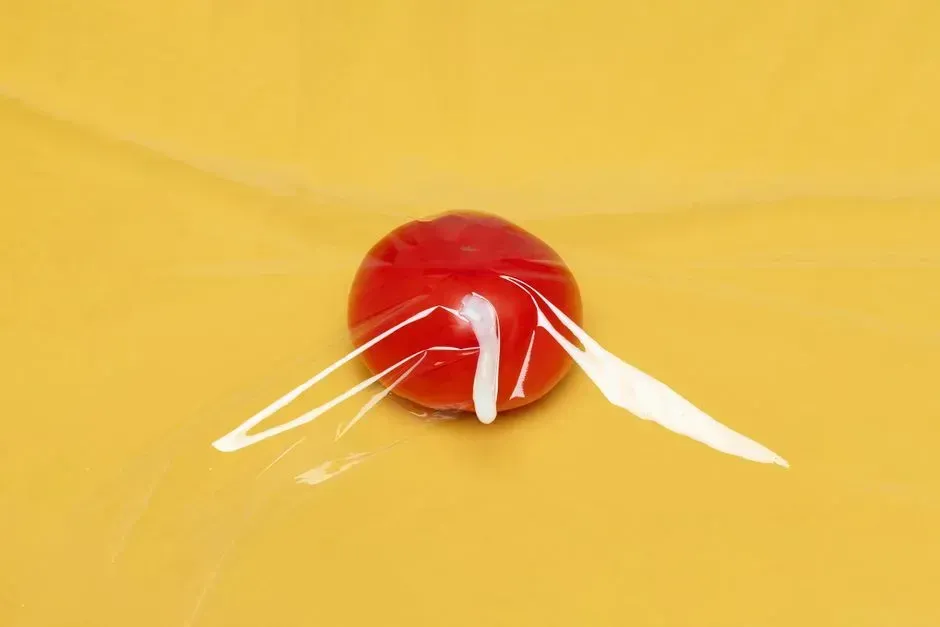
Plastic wrap used to be the go-to for covering bowls and wrapping sandwiches, largely because it was cheap and always within reach. Younger households are shifting toward reusable silicone lids, beeswax wraps, and simply using containers with actual lids instead. The change is driven partly by cost over time and partly by discomfort with how much thin plastic film ends up in landfills after a single use.
This isn’t a total rejection of plastic in the kitchen. Many people still keep a roll around for occasional use, but it’s no longer the first reach for everyday food storage the way it was for their parents or grandparents. The reusable alternatives take a bit more upfront investment, but they tend to outlast the convenience of the throwaway version many times over.
6. Letting the tap run while washing dishes by hand
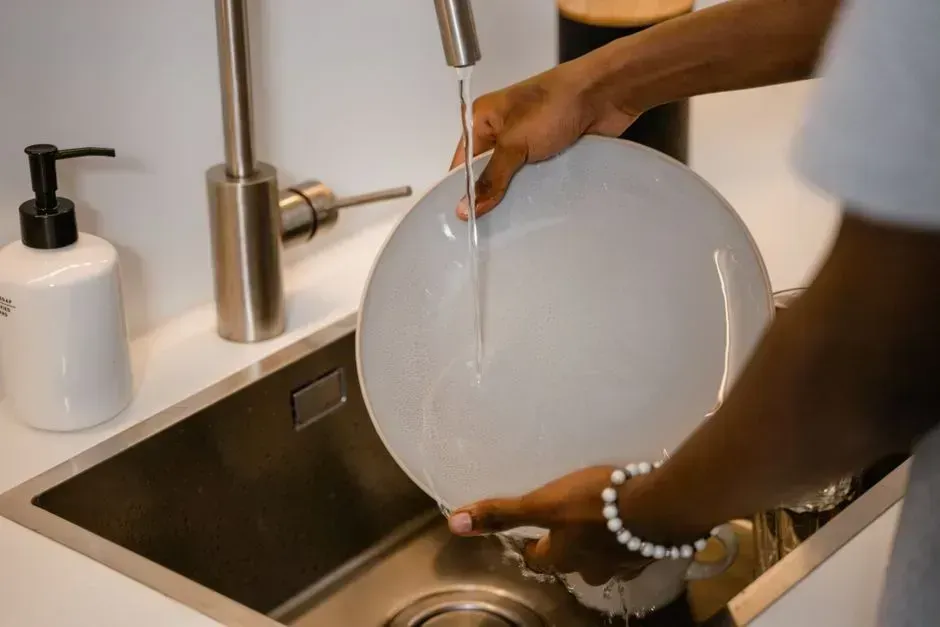
Running water continuously while scrubbing dishes was standard practice in a lot of households, especially before dishwashers became common in every home. Younger people, many of whom grew up hearing about water scarcity as an ongoing issue rather than a distant hypothetical, are more likely to fill a basin or turn the tap off between rinses. It’s a habit that costs nothing to change and can meaningfully cut water use over a year of daily dishwashing.
Where a dishwasher is available, there’s also a shift toward trusting the machine rather than pre-rinsing everything by hand first, which defeats some of the water savings a dishwasher is designed to offer. Manufacturers have leaned into this by improving sensor technology, so newer machines can often clean dishes that still have food residue without an extra hand-washing step beforehand.
7. Keeping the thermostat at extreme, constant settings
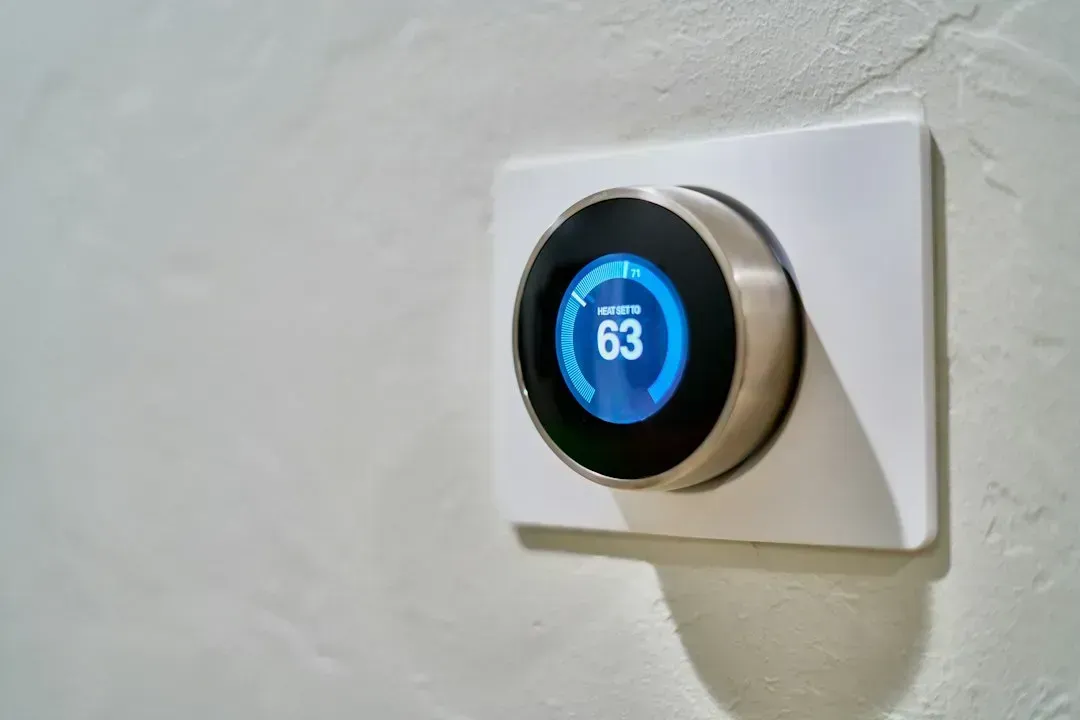
Cranking the heat to a toasty temperature all winter or keeping the air conditioner running cold all summer, regardless of who’s actually home, was common in a lot of households growing up. Younger residents, often more budget-conscious and more attuned to their carbon footprint, are more willing to let indoor temperatures drift a few degrees in either direction and rely on layers, fans, or smart thermostats instead. Heating and cooling represent a substantial share of total household electricity use, so even modest adjustments can add up over a full season.
Programmable and app-controlled thermostats have made this easier than it used to be, since they allow temperatures to ease back automatically during work hours or overnight without anyone having to remember to adjust a dial. It’s less about discomfort and more about not heating or cooling an empty house the way it might have been done automatically in the past.
8. Defaulting to single-use diapers and wipes
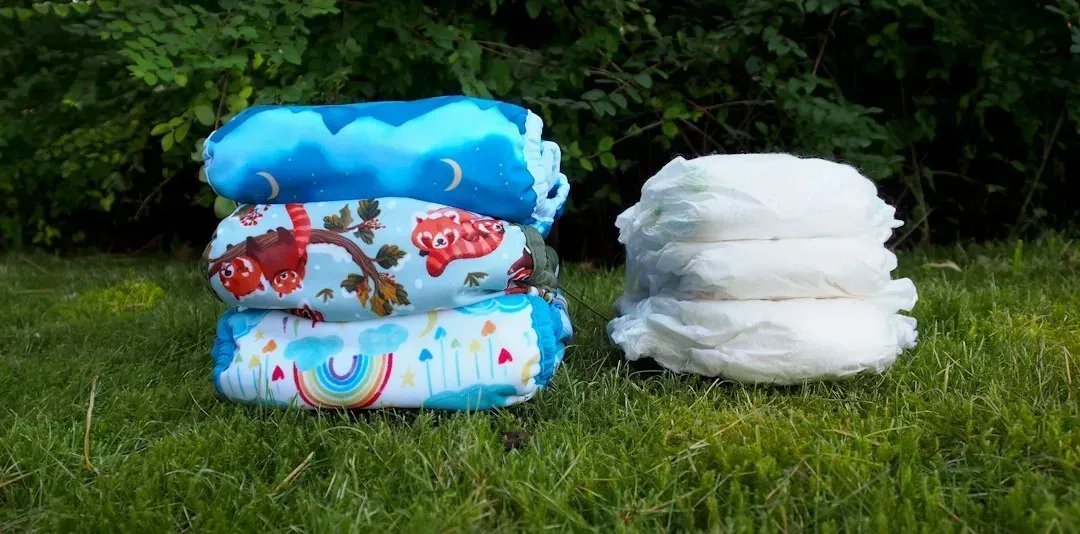
Disposable diapers reshaped parenting from the 1970s onward, prized for convenience during an already exhausting stretch of life. A segment of younger parents, without abandoning disposables entirely, are mixing in cloth diapers, reusable wipes, or hybrid systems that cut down on the sheer volume of material thrown away. The appeal isn’t only environmental; modern cloth diaper systems have gotten easier to use than the pin-and-fold versions their grandparents remember.
This isn’t a wholesale generational rejection of disposables, since cost, time, and access to laundry facilities all play a role in what’s realistic for a given household. Still, the willingness to even consider a cloth or hybrid approach marks a shift from a few decades ago, when disposables were treated as the only sensible option for a busy family.
9. Tossing food scraps straight into the trash
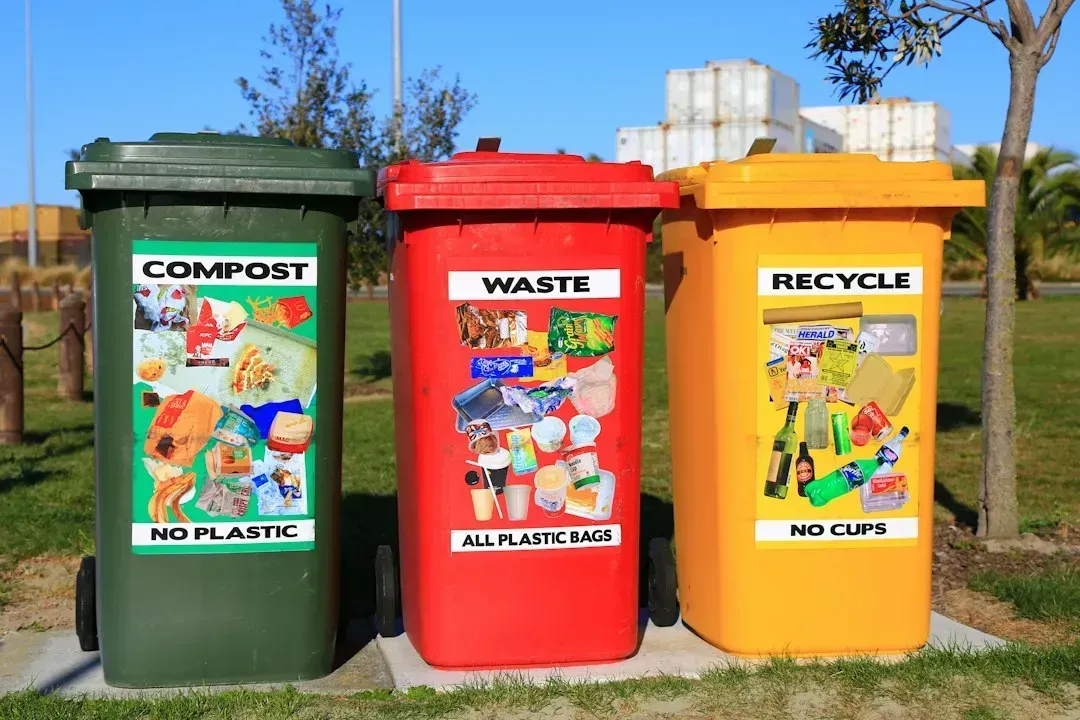
Scraping plates directly into the garbage can, without a second thought about what happens next, was the norm for most of the twentieth century. Younger households are increasingly setting up compost bins, whether in a backyard, on a balcony, or through a municipal curbside pickup program where one exists. The appeal is straightforward: food scraps that would otherwise sit in a landfill producing methane can instead break down into usable soil.
City composting programs have expanded in a number of metro areas over the past few years, making the habit easier to adopt even for people without yard space. Apartment dwellers who once had no realistic option beyond the trash chute now often have access to community compost drop-off points, which has helped normalize the practice well beyond people who garden.
None of these shifts happen overnight, and most younger households aren’t overhauling every habit at once. It’s usually one change at a time, whether that’s a compost bin on the counter or a smarter thermostat setting, adopted because it’s cheaper, easier, or simply makes more sense once the underlying resource use becomes visible. Old habits carried real convenience for the households that built them. The newer versions are less about guilt and more about updating routines for a world where water, energy, and landfill space no longer feel as limitless as they once did.