

- Atlantic Hurricane Activity Has Often Rebounded After Strong El Niño Years, Records Show - November 15, 2026
- The Planet Where It Rains Liquid Glass – 7 Alien Worlds Defying Known Physics - November 14, 2026
- Stars Consuming Entire Worlds – 6 Planetary Systems Swallowing Their Own Worlds - November 14, 2026
Drive through almost any Western suburb in July and you’ll see two kinds of yards. One is a bright green rectangle that gets a daily soak. The other is a mix of shrubs, gravel and wildflowers that looks a little shaggy to some neighbors and quietly efficient to others.
The argument between them has moved out of garden clubs and into city councils, statehouses and homeowners association meetings. Rebates, bans, deadlines and neighborhood rules now shape what a front yard can look like. Here’s how the debate stands in 2026.
Why the Lawn Is Where the Water Goes
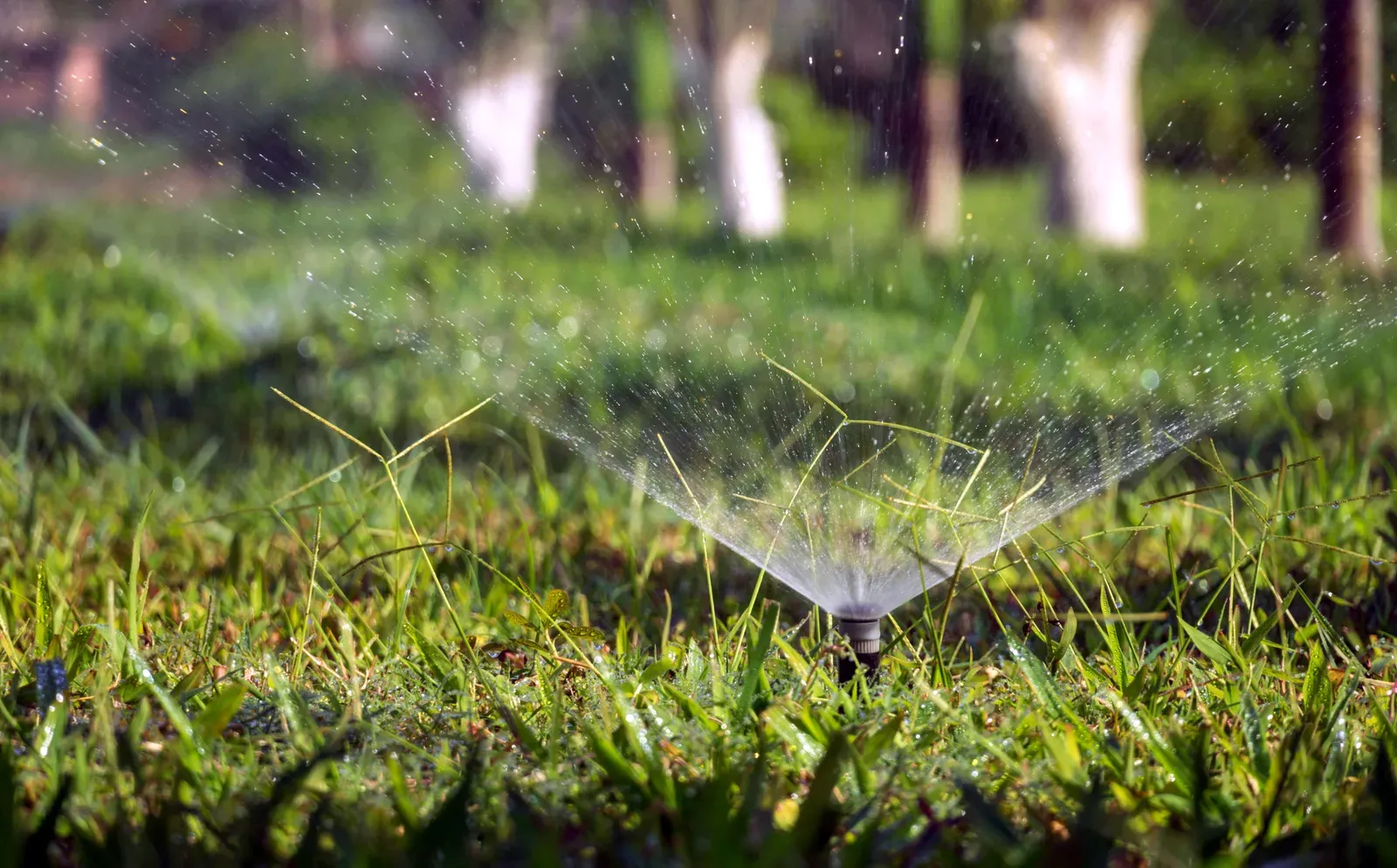
In the arid West, outdoor watering takes a much larger share of a household’s water than it does elsewhere. Outdoor use rises to about 60% of total household use in the West, according to the EPA. That makes the yard the most obvious place to look for savings.
Part of the problem is the grass itself. Kentucky bluegrass, the typical lawn and ballfield grass, isn’t native to the West, which is why it needs so much water. A plant that evolved elsewhere simply asks more of a dry climate.
What “Nonfunctional Turf” Actually Means
Much of the policy fight hinges on one phrase. In Colorado, nonfunctional turf is grass that is predominantly ornamental and sits in an area not regularly used for civic, community or recreational purposes. Parks, sports fields and playgrounds don’t count.
Colorado’s legislation gives examples, such as grass lining parking lots or sidewalks. Notice what’s missing from the definition: the private family lawn. Most of these rules aim at medians, office parks and common areas first, and leave backyards alone.
Las Vegas and the Longest Running Experiment
Southern Nevada has been paying people to remove grass longer than anyone. Since 1999, its program has converted 232 million square feet of lawns and issued about $345 million in rebates. That’s a lot of former sod.
The agency estimates the payoff too. The program saves nearly 13 billion gallons annually, or 55 gallons for every square foot of grass removed. Those figures come from the water authority itself, so they’re best read as the agency’s own estimates.
Nevada’s 2027 Deadline and Who It Covers
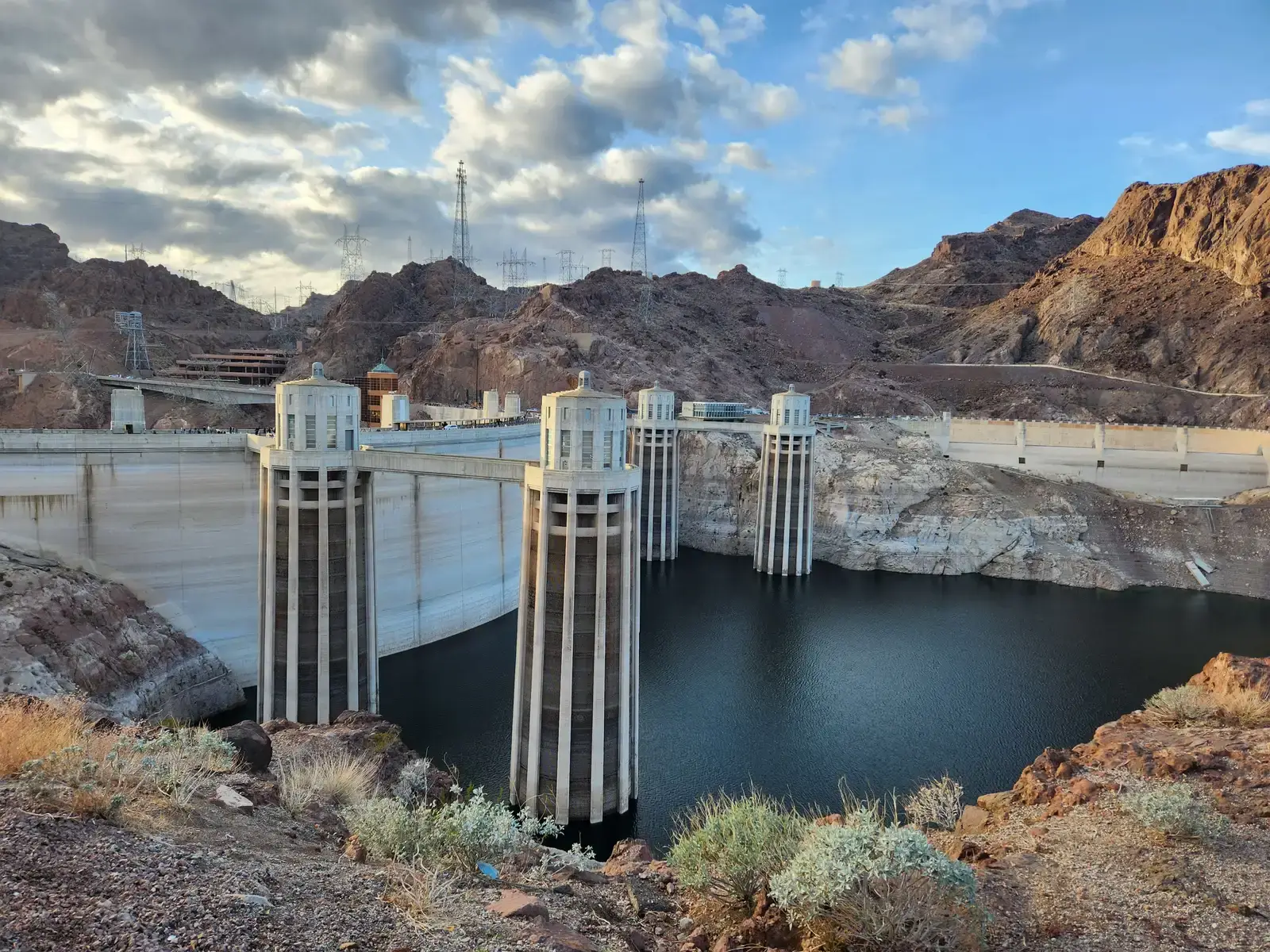
Nevada decided incentives alone wouldn’t be enough. A 2021 state law bars the use of Colorado River water delivered by Water Authority member agencies to irrigate nonfunctional grass, starting in 2027. It targets commercial, multifamily and government properties.
Single family yards are exempt. The law does not apply to grass at single family residences, such as front and back yards. Progress has been uneven, though. A water authority official said in 2024 that the community was behind the benchmarks required by state law.
Rebates Come and Go
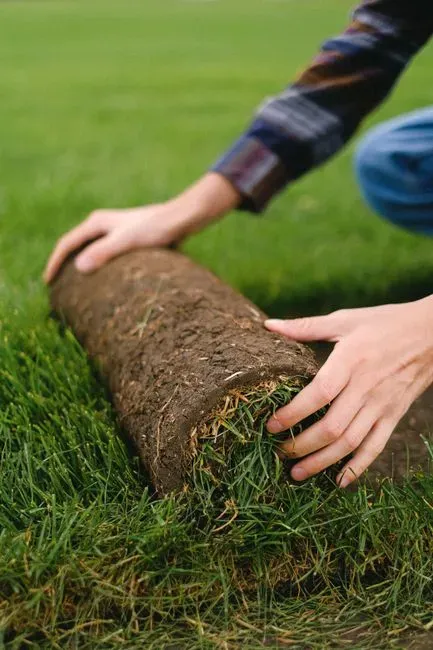
The money on offer has changed over time. In early 2025, a temporary boost ended, and residents would get $3 per square foot for the first 10,000 square feet and $1.50 beyond that. That was a step down from the higher rate funded by a one time grant.
Current figures are harder to pin down. Contractor and aggregator websites list rates anywhere from $5 to $6 per square foot in 2026, and they don’t agree with each other. Check the water authority’s own rebate page before planning a project, and note that approval has to come before any turf is removed.
Colorado Moves From Persuasion to Rules
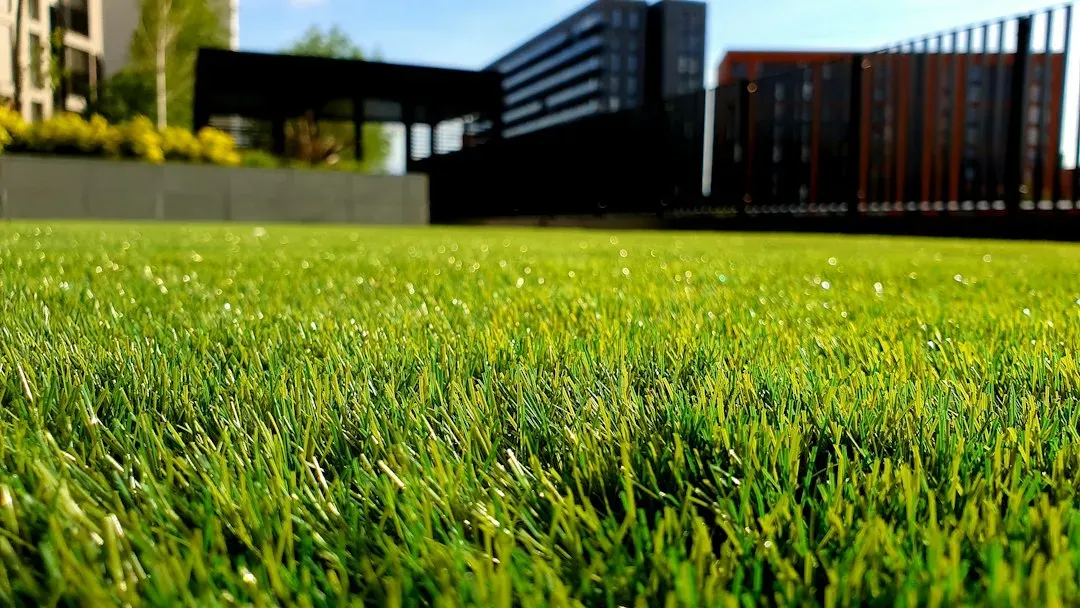
Colorado cities spent years trying gentle approaches first. Aurora’s experience is the best known. An official there said voluntary programs didn’t succeed until the city mandated a ban on nonfunctional turf. Aurora adopted its ordinance in 2022.
The state followed. Under SB24-005, as amended by HB25-1113, since January 1, 2026, cities, towns and special and metro districts may not install or allow nonfunctional artificial turf in new development or redevelopment on covered property types. Castle Rock has gone further locally, and its share of water used outdoors has fallen from 50% to 42%.
The Case for Native Plants
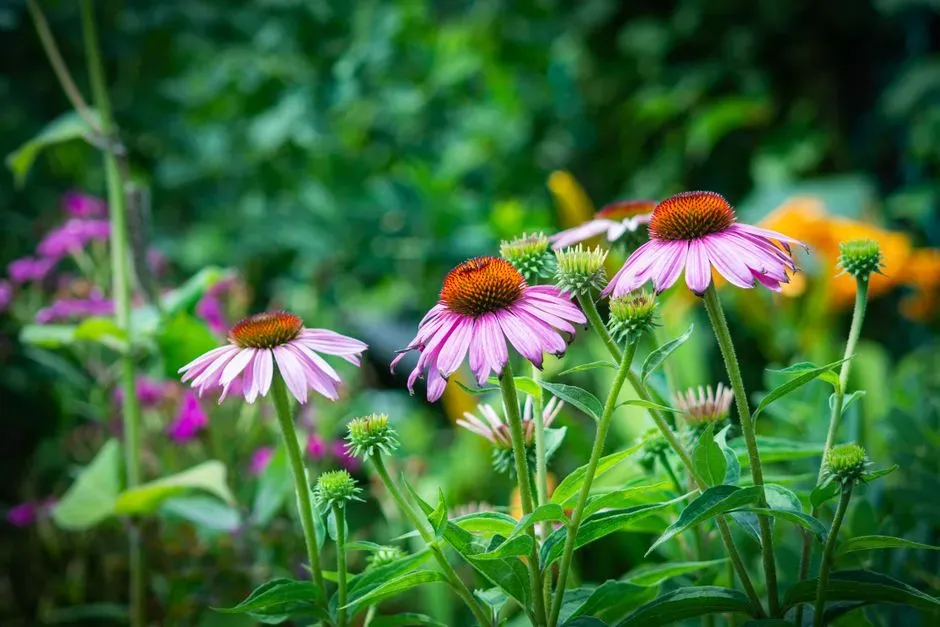
Advocates argue that plants adapted to a region simply need less help. The EPA notes that once established, native plants need little water beyond normal rainfall. They can also help with runoff, since the plants collect stormwater and offer water quality benefits.
Some groups put hard numbers on it. One national habitat organization claims native landscaping cuts water use by 60 to 80 percent compared with traditional lawns. That’s an advocacy estimate, and real savings depend on plant choice, soil and how long the plants have been in the ground.
When the HOA Says No
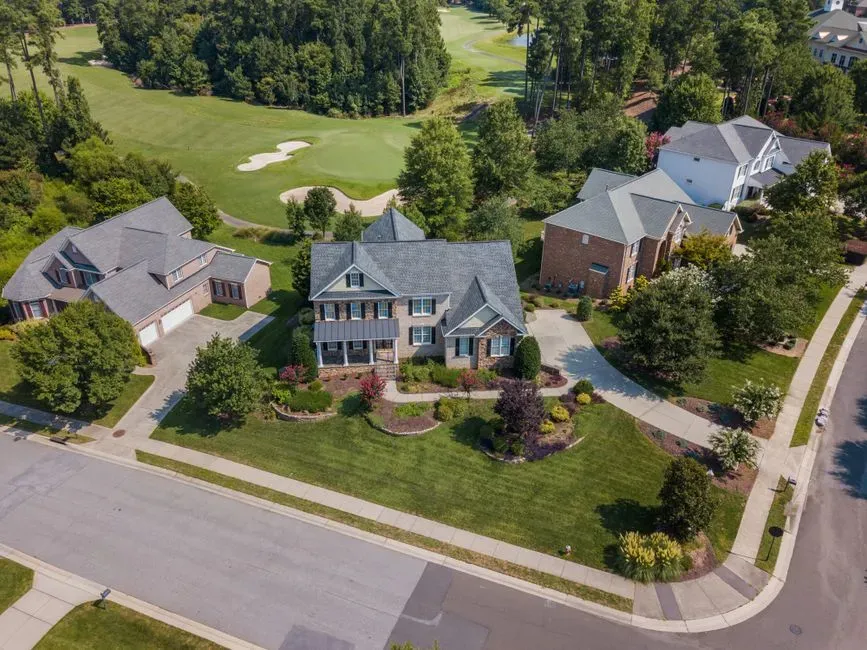
Private neighborhood rules can undercut public goals. A 2026 analysis of association rules found that only 3% of the HOAs it examined required native plants. Rules that did exist could matter, because yards under native plant requirements averaged 29.5% native cover, versus 6.9% without them. That study surveyed yards around Madison, Wisconsin, so it isn’t a Western measurement.
Western states have tried to protect residents. Texas passed a law in 2013, and it assures that Texans living under HOAs can install drought resistant landscaping or water conserving turf. Even so, associations can still require homeowners to submit plans for approval. Friction hasn’t disappeared.
The Artificial Turf Wrinkle
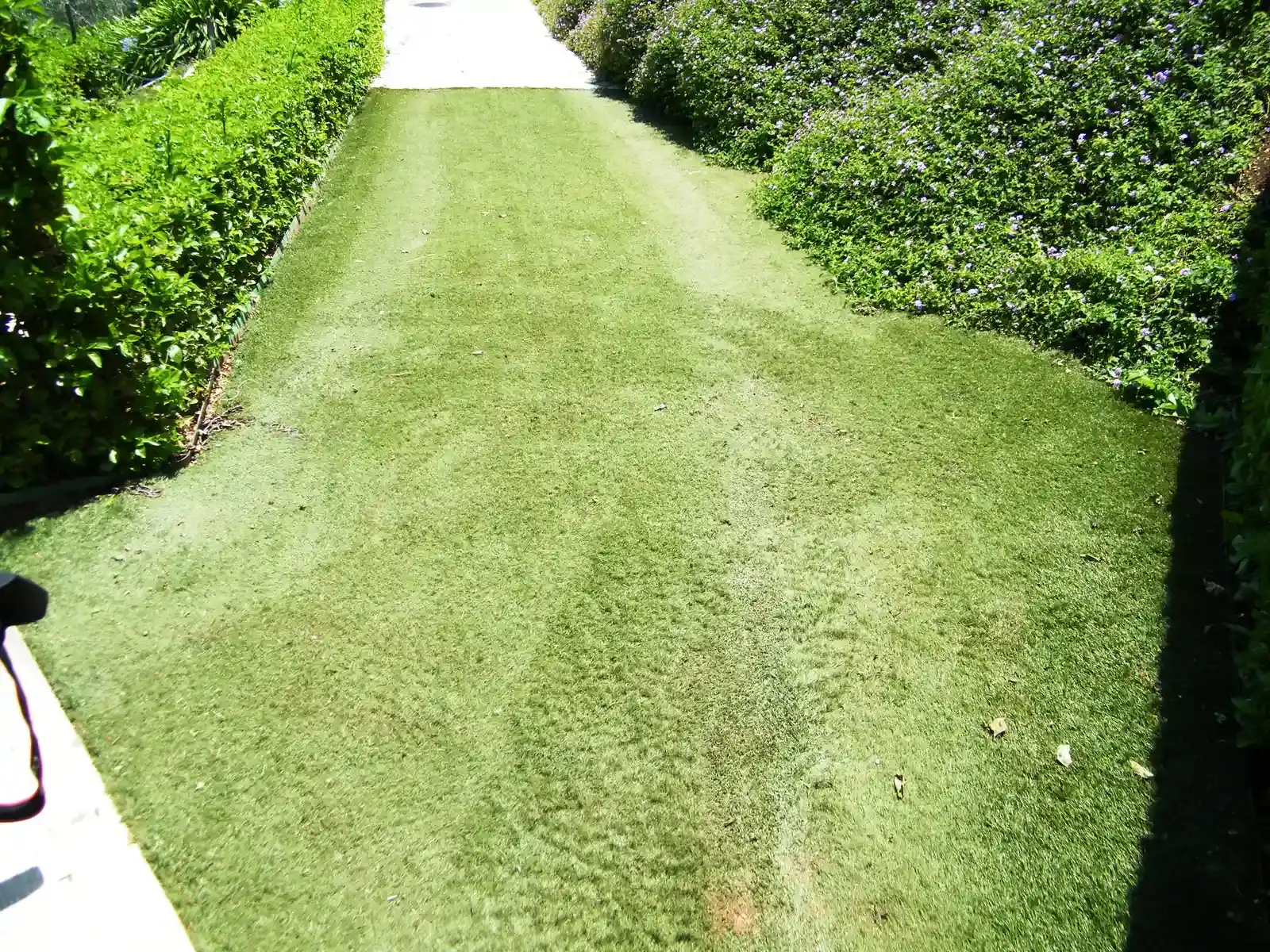
Fake grass looks like an easy compromise, but regulators are skeptical. Colorado’s bill language says synthetic turf can worsen heat island effects and release harmful chemicals into watersheds. Existing installations are safe, since nonfunctional turf in place before January 1, 2026 may be maintained and no existing installation must be removed.
Nevada’s rebate takes a similar line. Program rules state that replacement landscaping must include drought tolerant living plants, and pure artificial turf does not qualify. Where a state or utility pays for the change, it wants living plants in return.
Progress Is Real but Slow
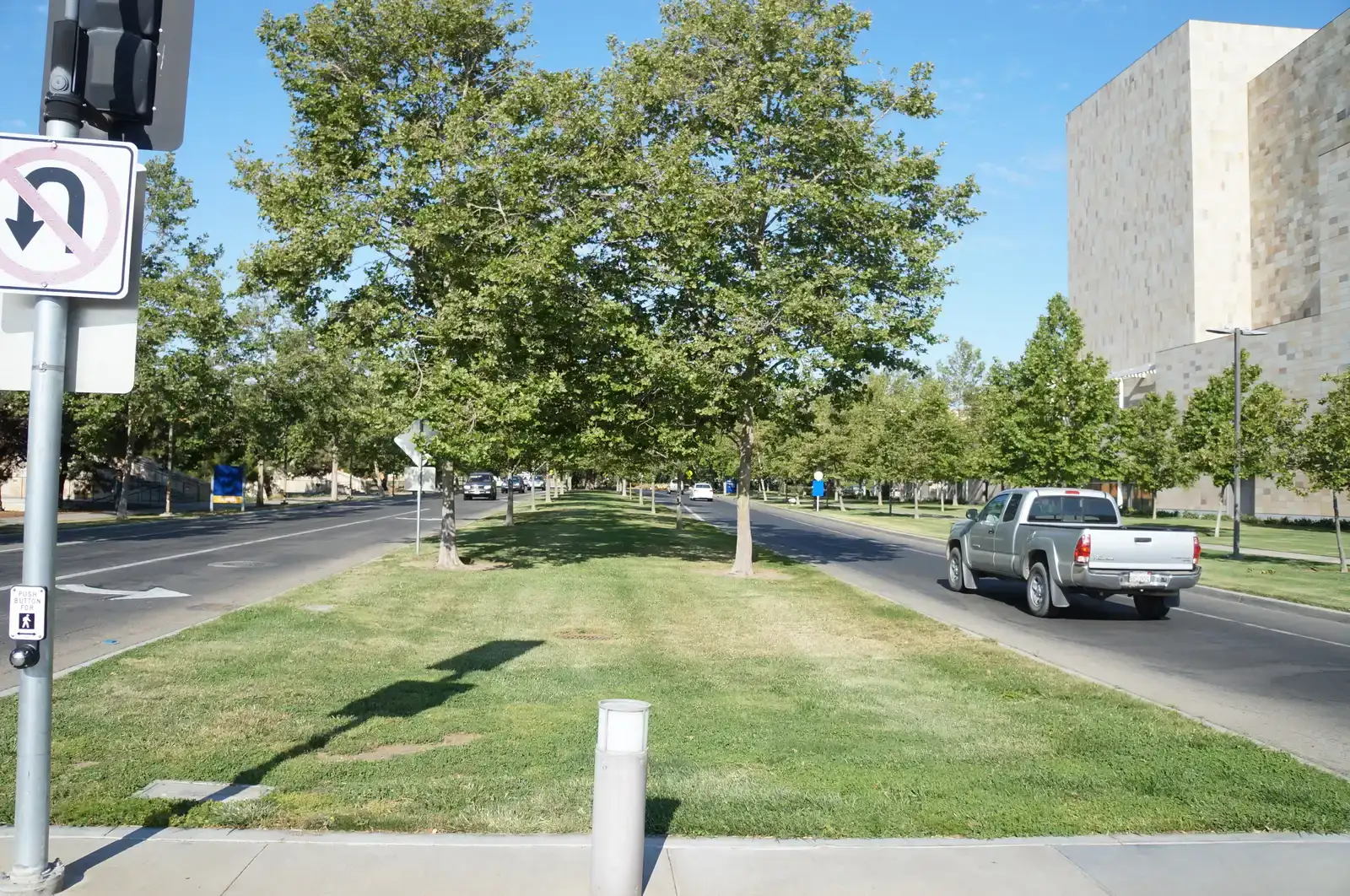
Money and pace remain the sticking points. Colorado’s first $2 million round of turf removal funding was exhausted in grants to local jurisdictions, and a state task force advised raising it to $5 million a year. Meanwhile, Denver committed to cutting its nonfunctional turf by 30 percent, but reporting in 2023 found that at its pace, the city would need 100 years to finish.
Growth adds pressure. The Colorado Water Plan projects the state’s population will reach at least 7.7 million by 2050, mostly along the Front Range. More households means more yards, and every new yard raises the same choice.
Where the Debate Stands
Western homeowners aren’t choosing between lush and barren. They’re choosing between irrigated turf and living landscapes that match the climate, under rules that differ by city, utility and neighborhood. Ornamental grass in public and commercial spaces is the first target, while private lawns are mostly governed by incentives and association rules.
Nevada’s 2027 deadline and Colorado’s 2026 turf restrictions show the direction of policy. Rebate amounts and local rules change often, so residents should confirm current terms with their water provider.
