


- Phantom Energy Sucking Power 24/7 – 7 Home Electronics Quietly Inflating Utility Bills - November 14, 2026
- A Million-Mile Storm Raging for Centuries – 6 Violent Weather Wonders in Our System - November 14, 2026
- Animals Flee Hours Before the Tremor – 7 Natural Warnings Before Disasters Strike - November 14, 2026
A wine map is never really fixed. Grapes ripen where summers are warm enough and winters are mild enough, and both conditions are now moving in the three places covered here.
France has made wine for centuries, England is a newer and fast growing producer, and Canada’s cool climate regions sit near the edge of what vines can survive. Recent harvests in all three show how differently warming can play out.
French Harvests Are Starting Earlier Every Decade

Wine grapes in France have traditionally been picked between September and mid October. Climate change has brought those dates forward slightly each year for the last four decades. The trend hasn’t paused recently.
In 2025, French winemakers brought the harvest forward because high temperatures made grapes ripen ahead of the usual September to October season. Agreste, the agriculture ministry’s statistics service, also noted a marked precocity in harvests in many regions, including the Loire Valley and Champagne.
2024 Was France’s Smallest Harvest in Over Sixty Years
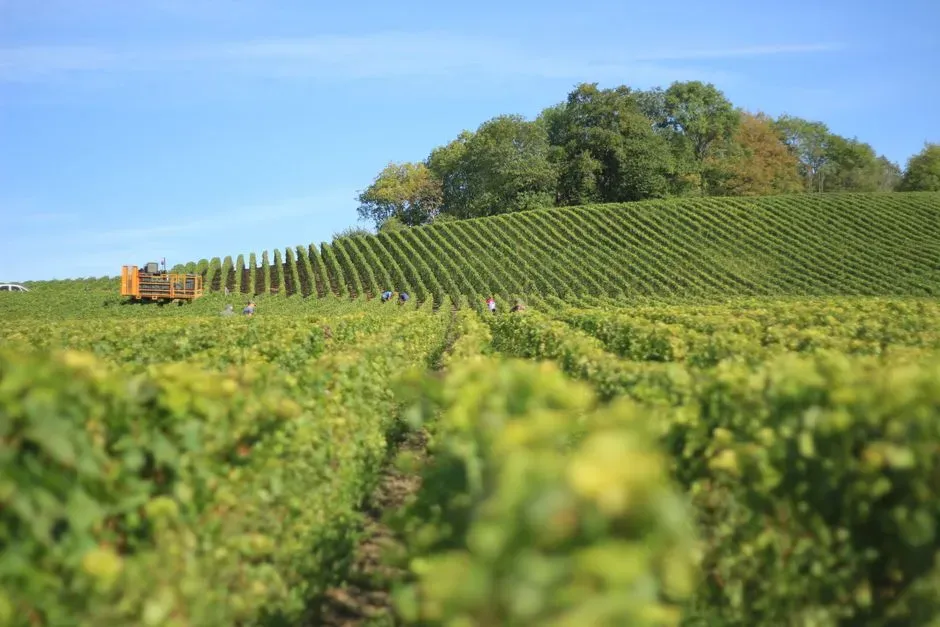
The 2024 vintage showed that a changing climate doesn’t only mean heat. Disastrous weather produced France’s smallest harvest in more than 60 years, at 36.3 million hectolitres.
Agreste pointed to unfavourable conditions in Beaujolais, Burgundy, the Jura, Charentes and the Loire Valley. Over the past decade the country has seen unusually severe production drops from weather events linked to climate change, including spring frosts, hail, drought and extreme rainfall.
2025 Brought Only a Partial Recovery
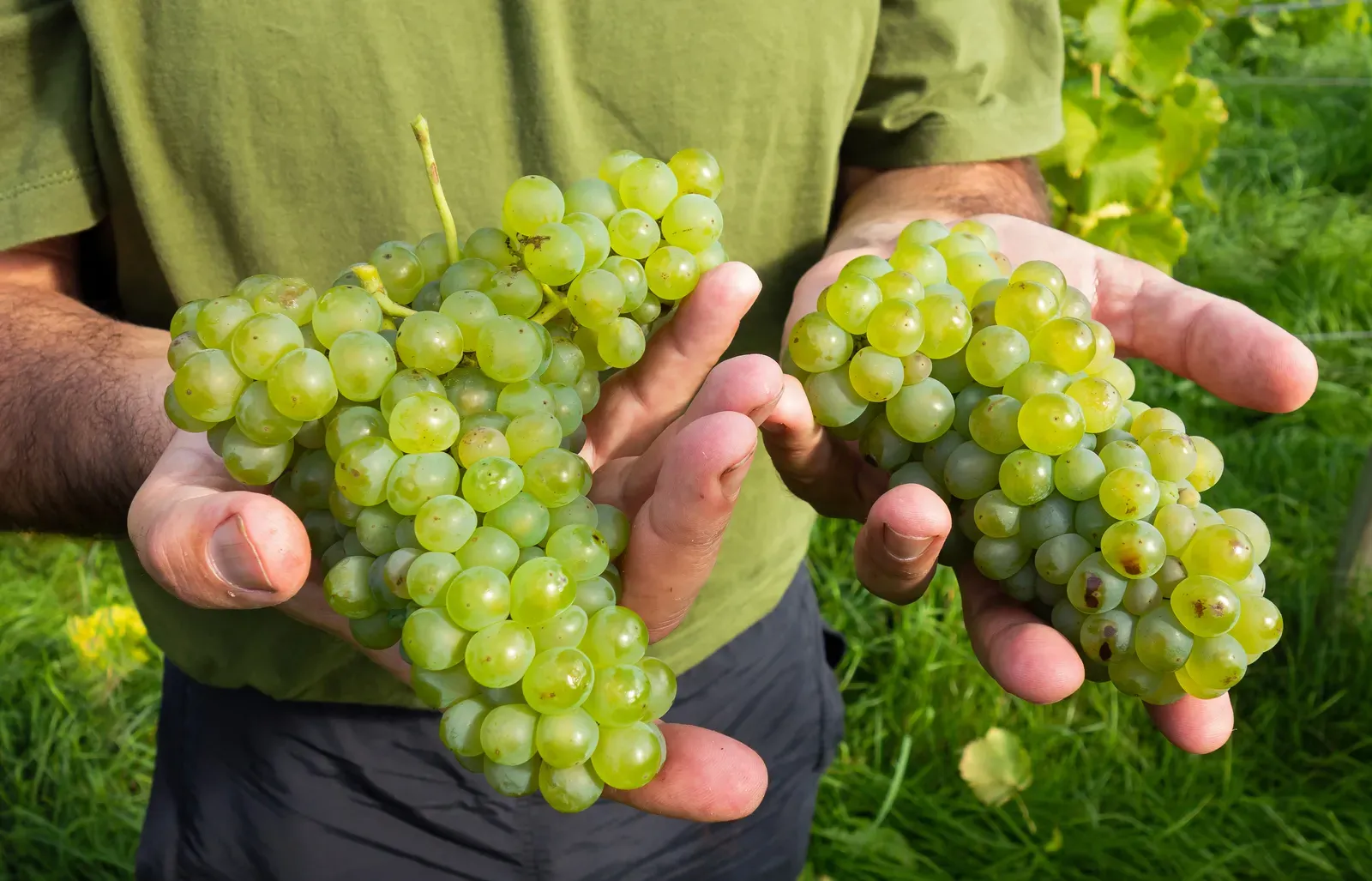
The first official forecast for 2025 looked encouraging. Agreste expected volumes to rise by roughly a tenth to a sixth, to between 40 and 42.5 million hectolitres, close to the five year average.
Later estimates were more modest. One industry review put the final figure at 37.4 million hectolitres, a rise of about three percent on 2024 yet well below the best years of the decade. The same review noted Beaujolais had its lowest harvest since 2012 because of heatwaves and drought.
The 2026 Forecast Points to a Three Decade Low
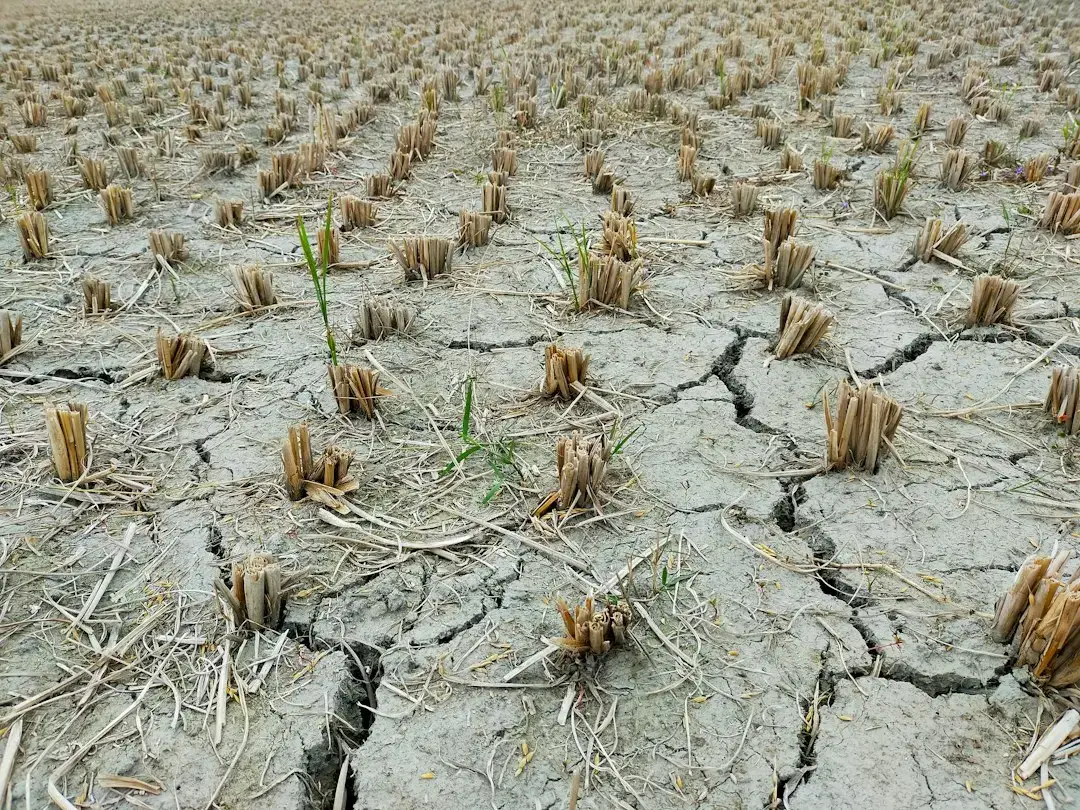
This year’s numbers are the most worrying so far. Agreste forecasts 33.9 million hectolitres, about six percent below 2025 and roughly one sixth below the 2021 to 2025 average. If confirmed, it would be the third weak harvest in a row.
The cause was a hot, dry summer after a promising spring. Temperatures averaged 24C across June, July and August, the highest summer figures recorded in France since 1900. Agreste also cautioned that these are estimates and that definitive results will depend on official harvest declarations later in the year.
Regional Winners and Losers Inside France
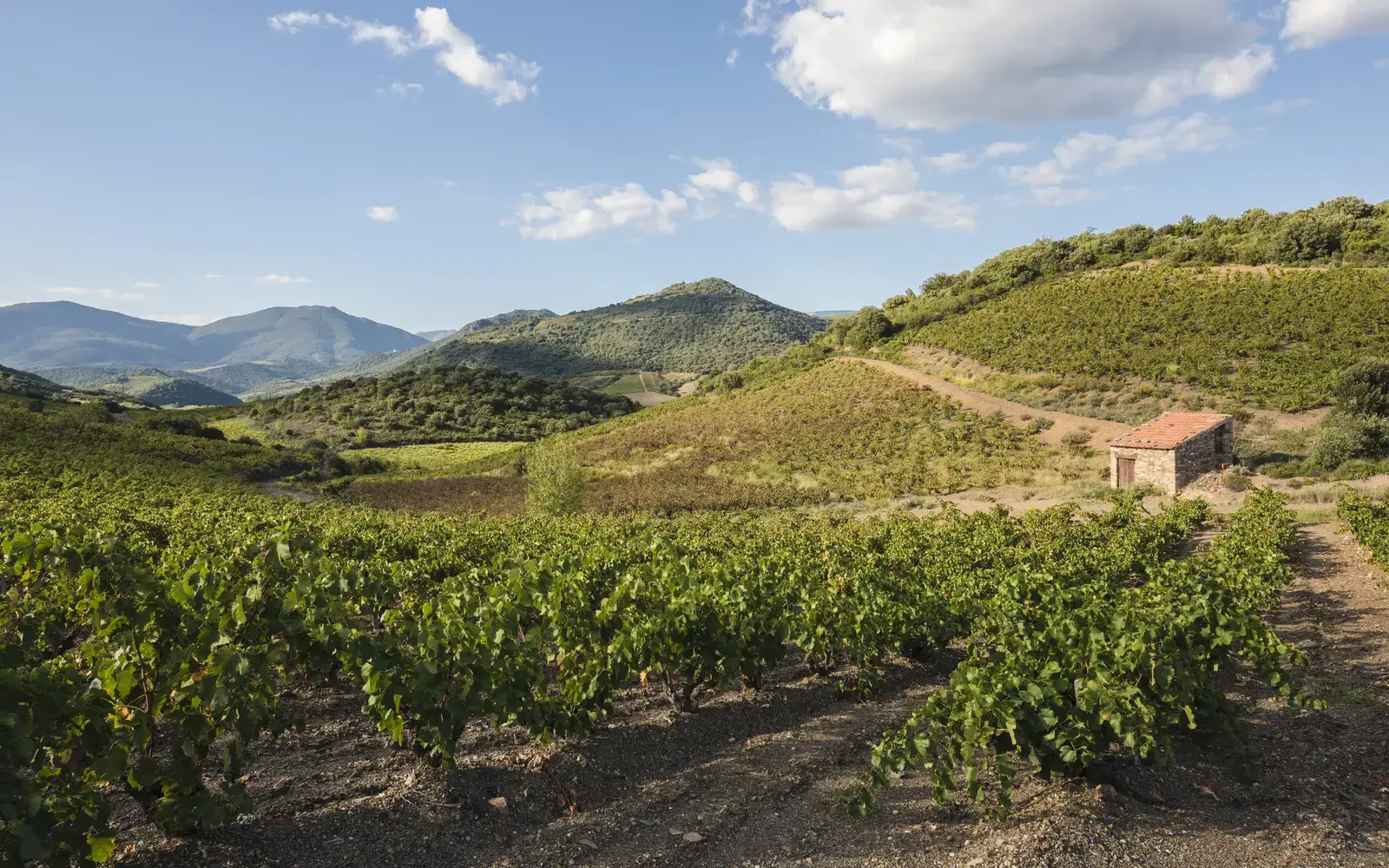
The pain isn’t spread evenly. The Jura could see volumes fall by more than a third, and Burgundy and Beaujolais by around a third. By contrast, Bordeaux, Languedoc Roussillon and vineyards in the south east and south west expect larger harvests than last year.
Even so, production stays below the 2021 to 2025 average in every major region except Savoie. Agreste described the season as marked by significant regional disparities.
Champagne Faces Heat at the Northern Edge

Champagne has long relied on a cool climate to keep its base wines sharp and fresh. This year the region is among the hardest hit, with production expected to fall about half from 2025 and to sit nearly half below the five year average.
Heat pushed sugar levels up quickly, and grapes exceeded a potential alcohol level of twelve percent as they entered the press. On the positive side, cooler nights helped preserve acidity and the fruit was reportedly in very good condition.
England’s Vineyards Are Benefiting From Warmer Summers
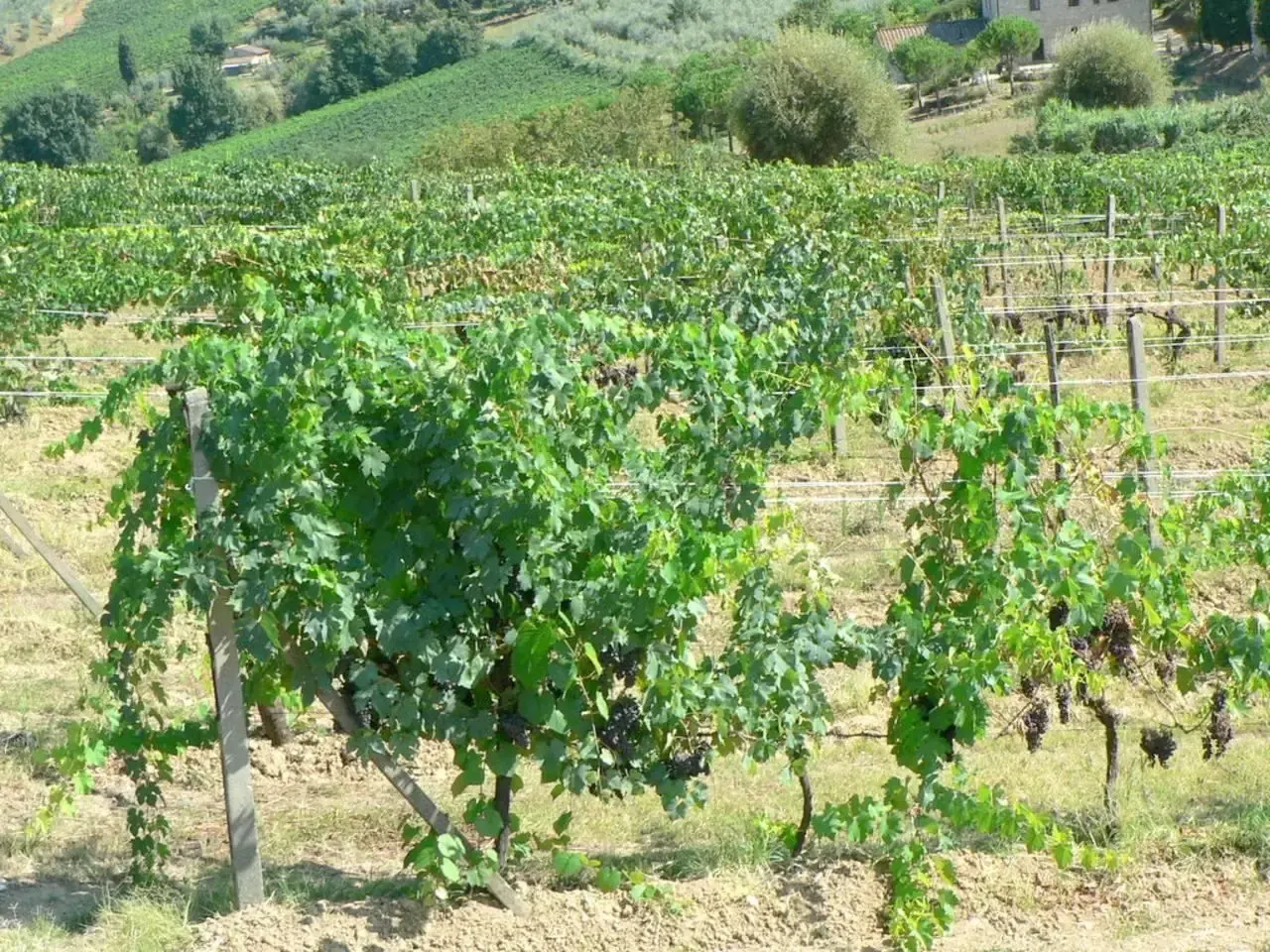
Across the Channel, the same warmth looks like an opportunity. In 2025, the south of England had four separate official heatwaves in June and July, setting up the earliest and ripest grape harvest ever seen in the British Isles.
The results were large. The Food Standards Agency reported 124,377 hectolitres of wine, over 16.5 million bottles, produced across the UK in 2025. That was an increase of 55 percent from 2024.
English Wine Still Swings With the Weather

Warming hasn’t made English growing easy. After record harvests in 2018 and 2023, the wet, mildew prone spring and summer of 2024 produced the lowest average yield since 2016.
Dry weather can cause trouble too. Gusbourne in Kent reported a lower than average harvest because of limited rainfall. Growers are seeing more variation between years rather than a simple upward line.
Planting Is Expanding Fast in England and Wales
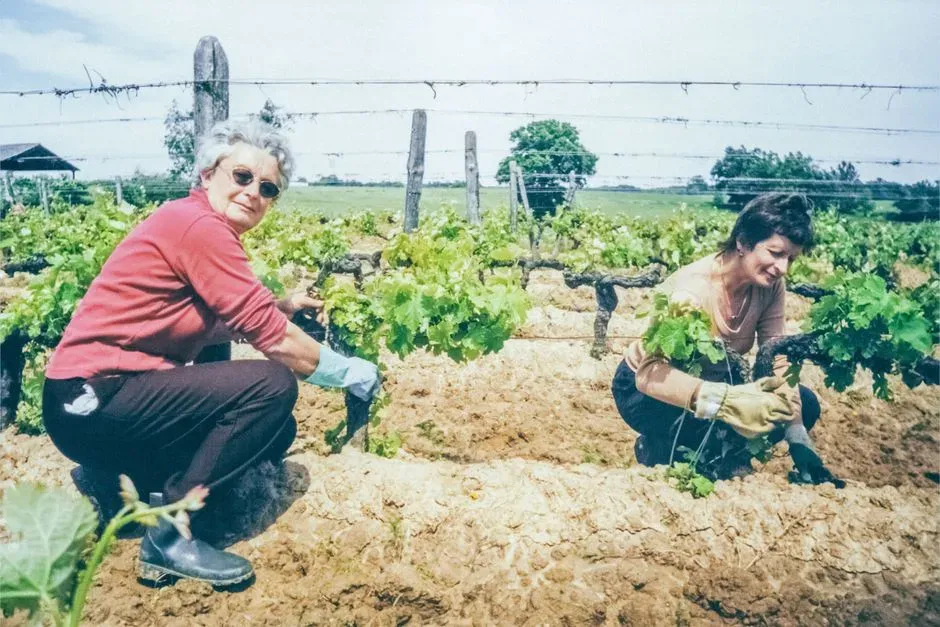
Investment suggests growers expect the trend to hold. Official records show 1,158 vineyards registered with the FSA, up 4.3 percent, with more than 10,000 people employed across the sector.
Plantings keep growing as well. The FSA counted 4,357 hectares of active vines, up almost sixteen percent. WineGB, which uses a broader measure, puts the area under vine at 4,841 hectares, up from 3,758 in 2020.
Canada’s Problem Is Cold Snaps, Not Heat
Canada’s story runs differently. A warmer average winter doesn’t protect vines when sudden Arctic outbreaks follow unseasonably mild spells. In January 2024, temperatures across the Okanagan and Similkameen dropped below minus 25C from unseasonable daytime highs of 10 to 13C.
The damage followed a December 2022 freeze that had already caused a loss of nearly sixty percent of grape and wine production across British Columbia. For 2024, the industry predicted a loss of 97 to 99 percent from bud and vine damage. Research from Agriculture and Agri-Food Canada noted that at minus 18C a primary bud can survive only six hours.
Replanting in the Okanagan and Ontario’s Outlook
Recovery has been visible since. One winery described replanting about 70 acres in 2025 after the deep freeze. By December 2025, some B.C. wineries were facing a surplus after a bumper grape harvest.
Longer term projections are mixed. A study of the Niagara Peninsula expects a warmer, wetter climate that lengthens growing seasons and lowers winter freeze risk, while raising summer heat stress. Researchers also warn that winter warm spells followed by cold snaps can cause freeze damage even at higher minimum temperatures.
What the Latest Numbers Show Side by Side
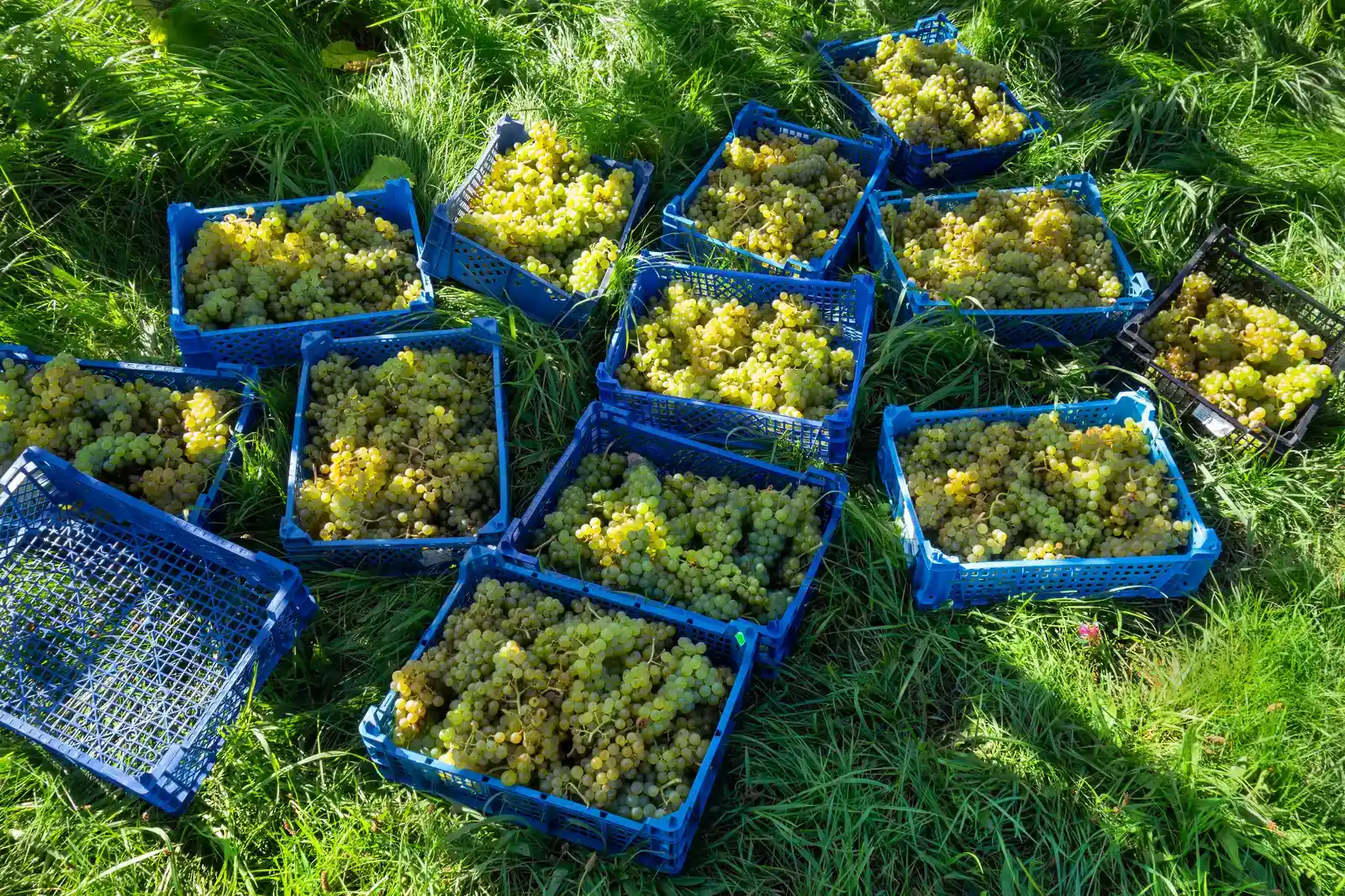
France is dealing with heat, drought and early harvests that have cut volumes across several regions, with 2026 forecast at 33.9 million hectolitres. England and Wales are expanding on the back of a warm 2025, with plantings and vineyard numbers still rising.
Canada’s vineyards are recovering from the freezes of 2022 and 2024, and the main threat there remains sudden winter cold rather than summer heat. Each country sits at a different point on the same warming curve, and the 2026 French figures are still forecasts until harvest declarations are final.
