


- 8 Cities Where the Weather Changes So Fast Locals Carry Everything - November 11, 2026
- 10 Traditional Building Techniques From Hot Climates Architects Are Revisiting - November 10, 2026
- 2026 Atlantic hurricane season winding down? El Niño eases late-season storm threat - November 10, 2026
Saturn is a monster. It holds about ninety five times the mass of Earth and could swallow roughly seven hundred planets our size. Yet its average density comes out lower than that of a glass of tap water.
That sounds like a trick, but it’s a measured result, and it follows from what the planet is made of and how that material is packed. Here’s how the numbers work out.
The Number Behind the Claim
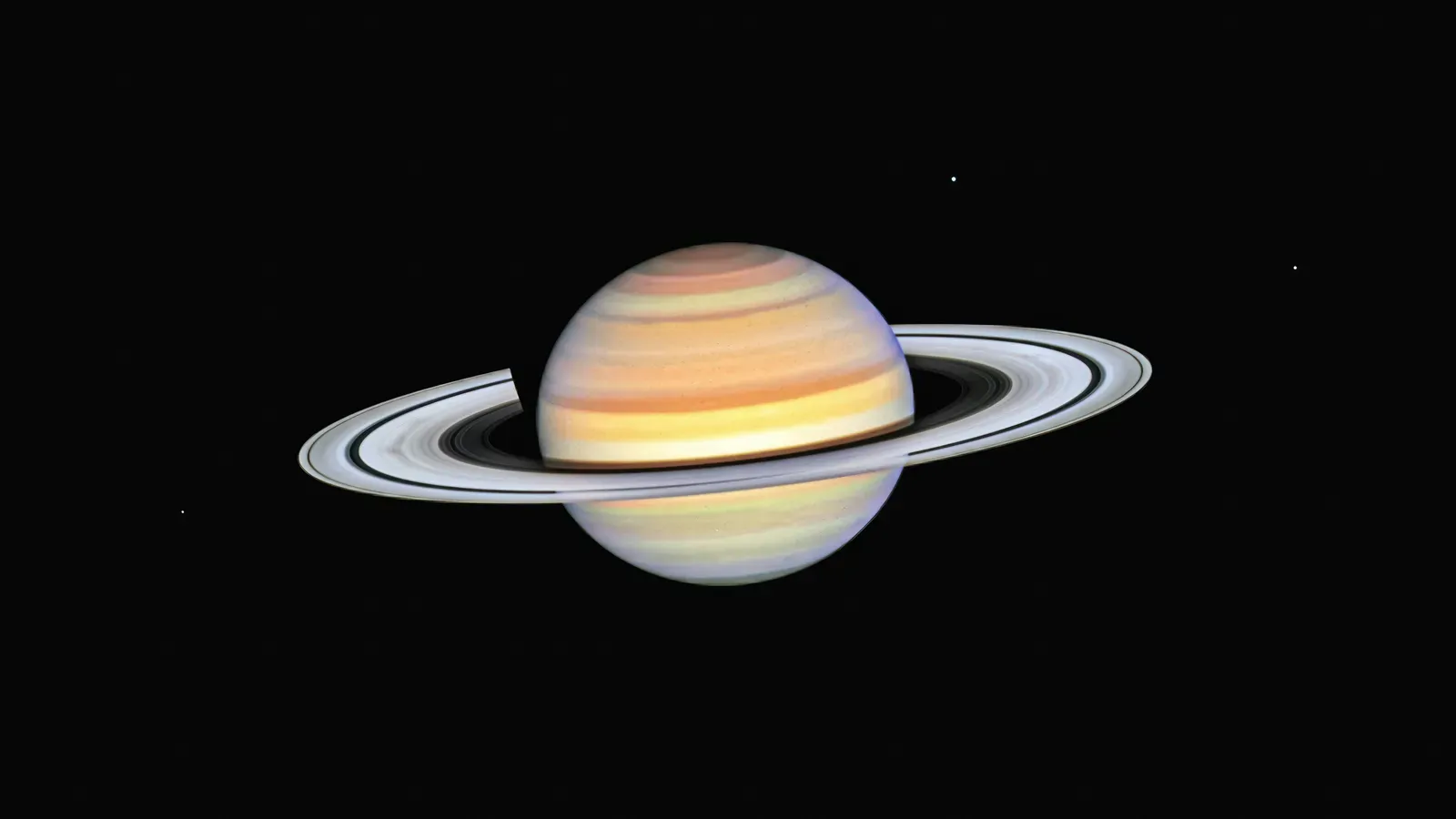
Saturn’s mean density is about 0.69 grams per cubic centimeter. Liquid water sits at one gram per cubic centimeter, so Saturn’s average is roughly thirty percent lower. That is why the planet is often described as one that would float in water.
The figure comes from basic arithmetic. Divide Saturn’s mass, which NASA lists at about ninety five Earth masses, by its volume. Because the volume is so large, the answer lands below water’s density.
Size Matters as Much as Mass
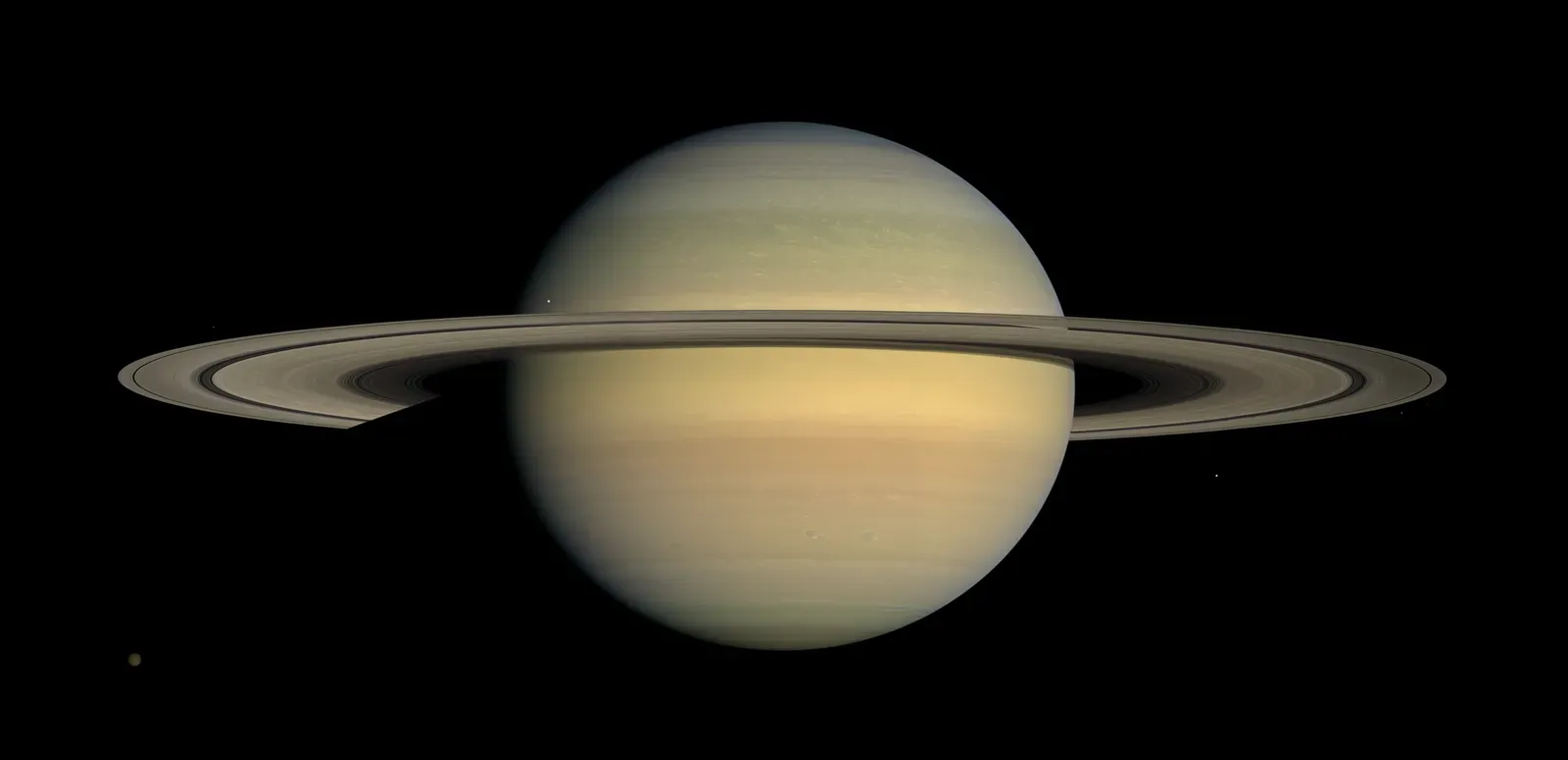
Saturn’s equatorial radius is around sixty thousand kilometers, nearly nine and a half times Earth’s. Volume grows with the cube of radius, so the planet’s volume is several hundred times Earth’s. That is about seven hundred Earth volumes.
Mass grows far more slowly than volume here. Saturn has about ninety five times Earth’s mass but many more times its volume. Spread that mass through such a huge space and the average density drops sharply. Earth, by comparison, averages about 5.5 grams per cubic centimeter.
A Planet Built Mostly From the Lightest Elements
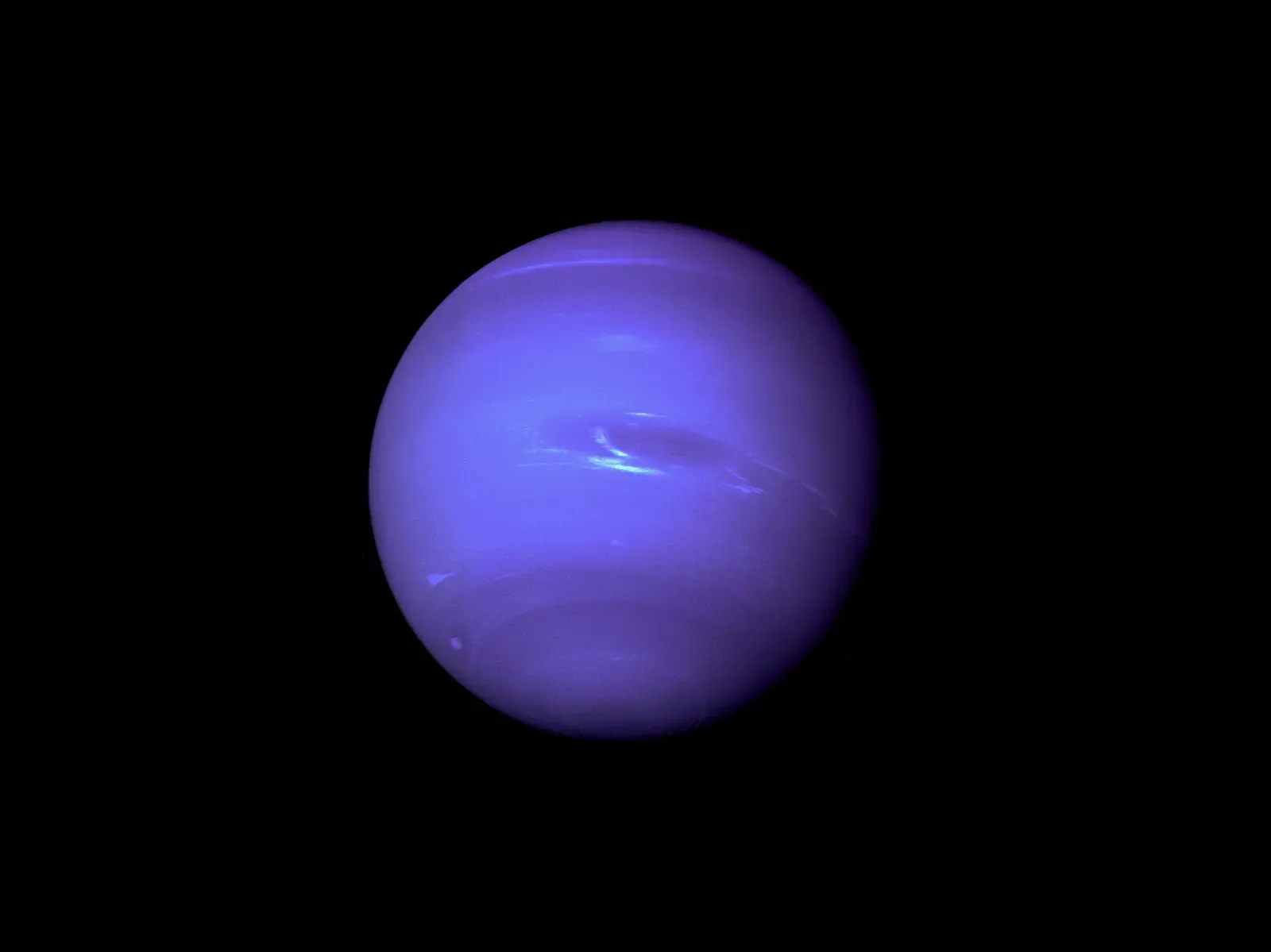
Saturn is made overwhelmingly of hydrogen and helium, the two lightest and most abundant elements in the universe. In its upper atmosphere, hydrogen makes up about ninety six percent by volume, with helium most of the rest. Small amounts of methane, ammonia, and water ice account for traces.
This mix resembles the Sun’s composition more than Earth’s. Saturn formed in the cold outer region of the young solar system, where it could gather huge amounts of gas from the surrounding disk. Rock and metal make up only a small portion of the whole.
No Solid Surface, Just a Gradual Descent
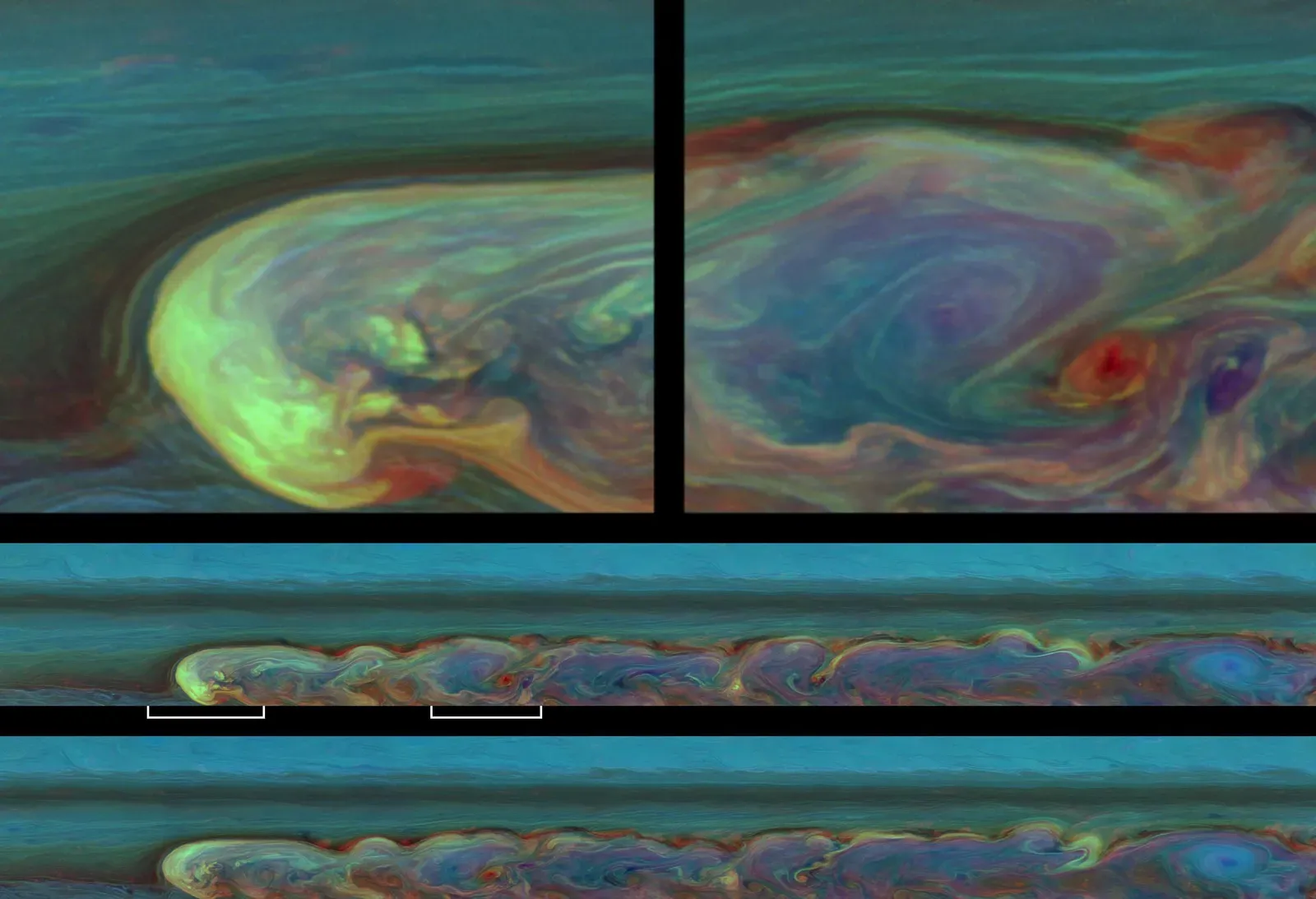
You can’t land on Saturn. There’s no ground, only gas that gets denser and hotter the deeper you go. Scientists define the “surface” by convention, as the level where atmospheric pressure equals one bar, similar to sea level pressure on Earth.
Below that level, hydrogen is squeezed until it behaves more like a fluid than a gas. The change is gradual, with no sharp boundary. This is why the planet is so different from the rocky worlds closer to the Sun.
Metallic Hydrogen Deep Inside
At great depth the pressure becomes enormous, and hydrogen is forced into a state called liquid metallic hydrogen. In this form it conducts electricity. Saturn’s strong magnetic field is thought to be generated by motion in this layer.
Even this compressed hydrogen is not especially dense by everyday standards. Hydrogen is such a light element that even under extreme pressure it holds far less mass per unit volume than rock or iron. That keeps the overall average low even though the interior is compressed.
The Fuzzy Core Discovery
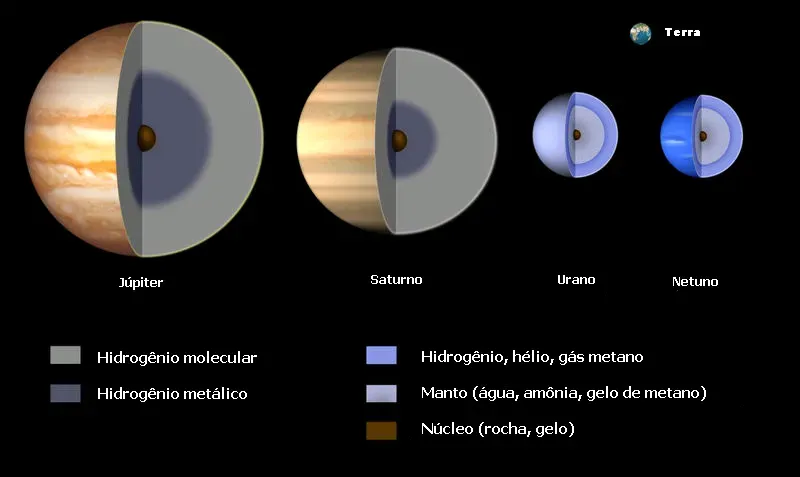
For years, textbooks pictured Saturn with a small, dense, solid core of rock and ice. Research published in 2021, using seismic signals recorded in Saturn’s rings, suggested otherwise. The ring patterns pointed to a diffuse, or “fuzzy,” core in which heavy elements blend gradually with hydrogen and helium.
That study estimated the heavy element material at roughly fifty five Earth masses, spread over a large part of the planet’s interior. The finding came from detecting waves in the rings driven by oscillations deep inside Saturn. It fits with the idea that even the center is far less dense than a compact ball of rock would be.
Spinning Fast and Bulging at the Middle
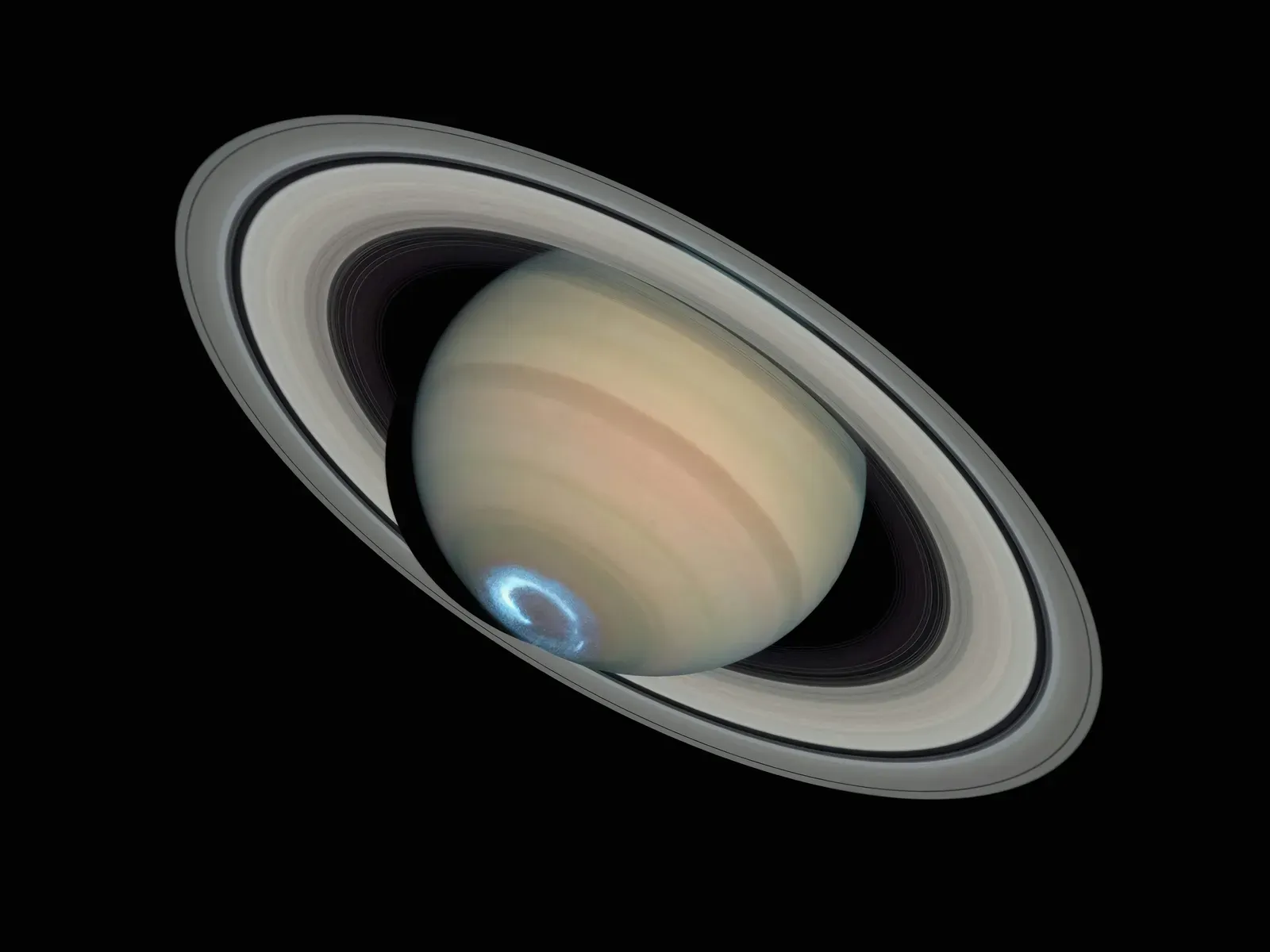
Saturn rotates once in a little over ten and a half hours. That fast spin flings material outward at the equator, making the planet noticeably flattened. Its polar diameter is about ten percent smaller than its equatorial diameter, the most oblate of any planet in our solar system.
This squashed shape is possible because the planet is largely fluid and low in density. A rocky world with the same spin would resist deformation far more. The flattening is another visible sign of Saturn’s soft, light interior.
What Cassini Added to the Picture
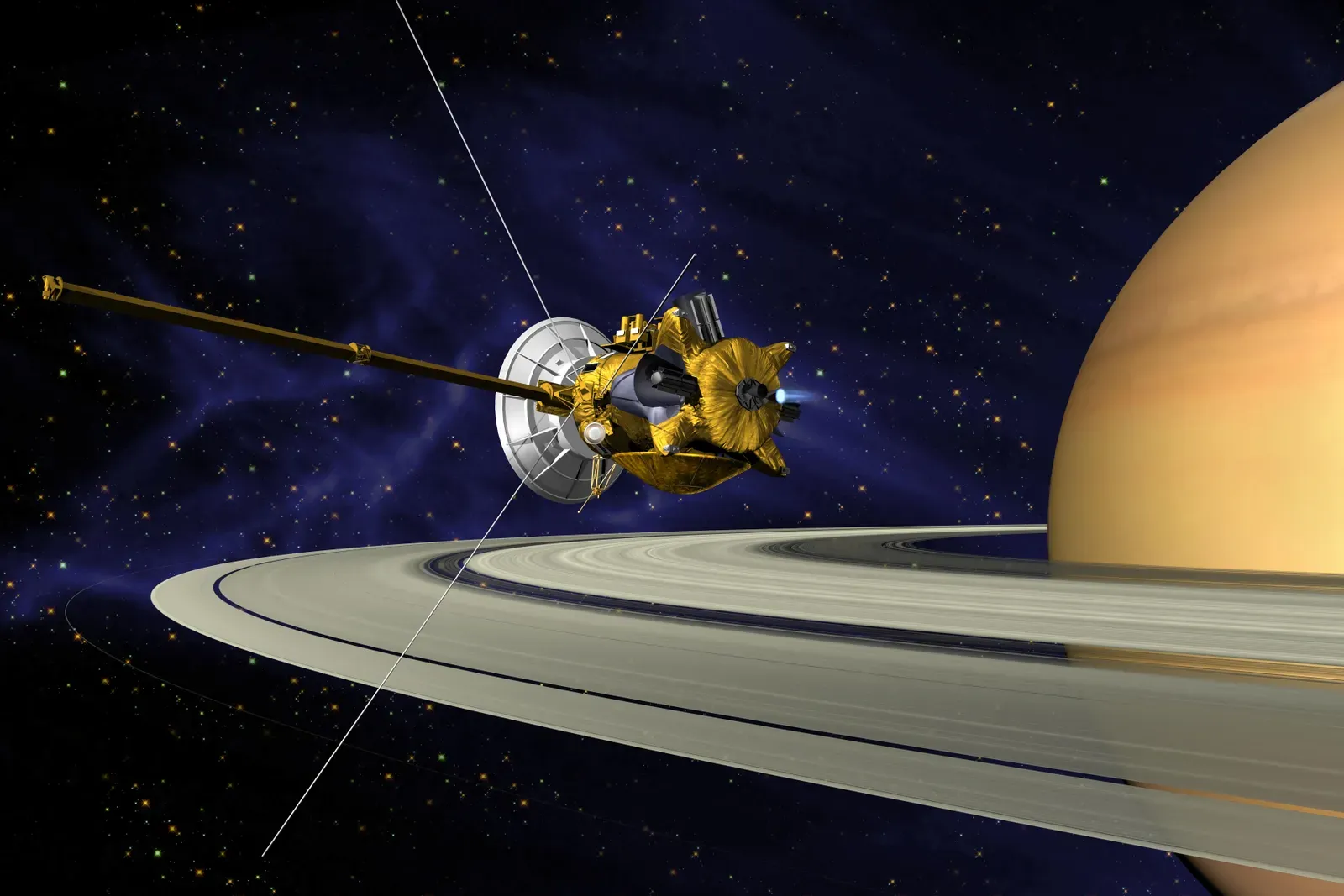
NASA’s Cassini spacecraft orbited Saturn from 2004 until 2017. In its final months, it dove between the planet and its rings, measuring gravity and magnetic fields at close range. Those measurements helped scientists test models of how mass is distributed inside.
The gravity data showed that the interior is layered in complicated ways and that Saturn’s rotation depth is still debated. Cassini’s results remain a main source for current interior models. Researchers continue to refine them using this archive, including the ring seismology work.
Would Saturn Really Float?
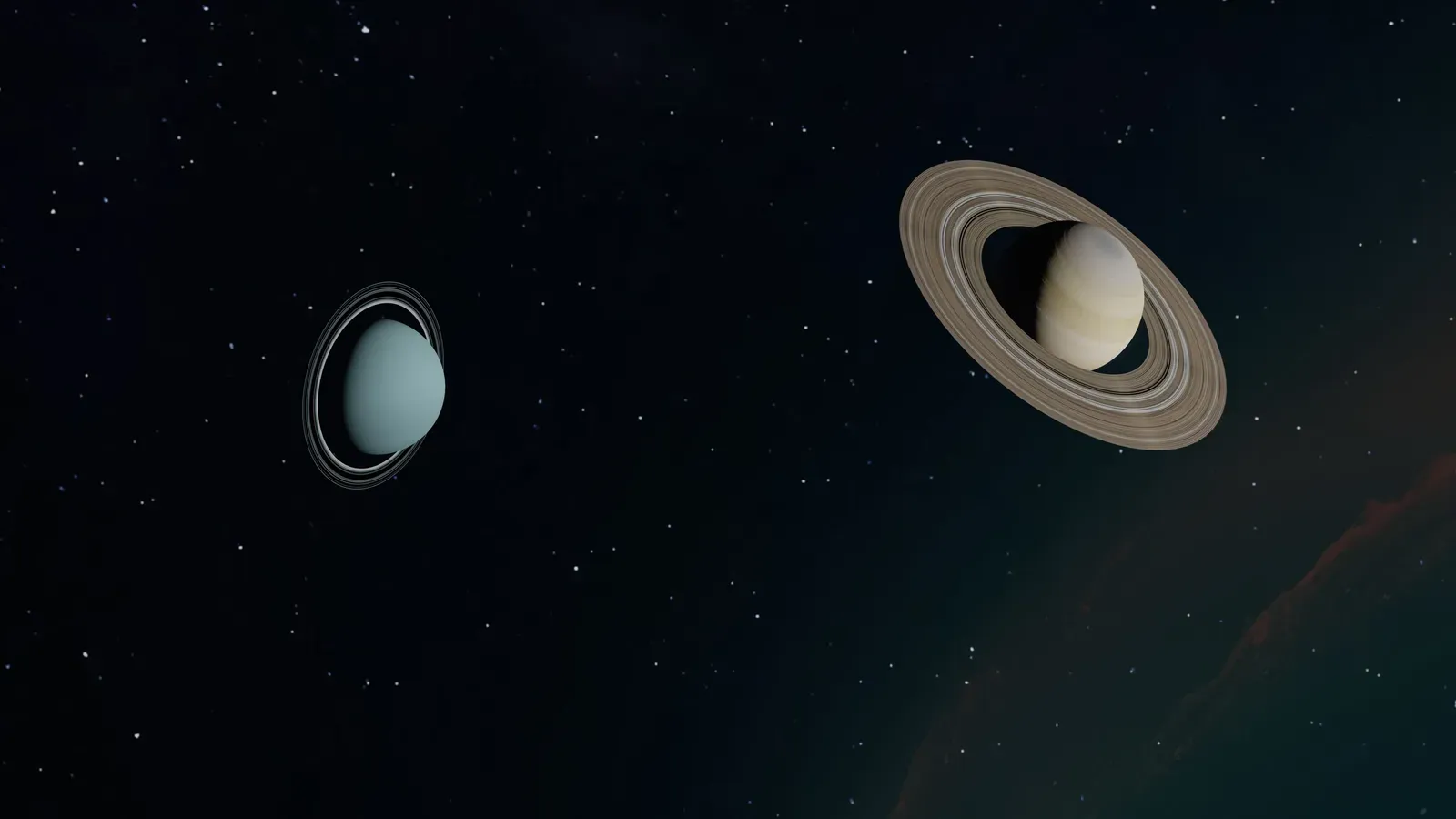
As a thought experiment, yes, if you could find a bathtub large enough. A body of water bigger than Saturn would be needed, and nothing like that exists. Saturn also would not stay intact, since its gas would simply disperse and mix.
The comparison is useful as a way to grasp the planet’s average density. It doesn’t mean Saturn is light everywhere. Its deep interior is far denser than its upper atmosphere, and only the overall average falls below one gram per cubic centimeter. Saturn is also not the only planet with such a low value, though it is the lowest in our solar system.
