


- Real Estate Analysts Just Changed Their Mind About the Safest Places to Buy – Here’s Why - November 12, 2026
- Black Holes Firing Beams at Near-Light Speed – 5 Cosmic Engines Warping Spacetime - November 12, 2026
- Silent Rogue Worlds Drifting in Total Dark – 6 Planets Ejected From Their Star Systems - November 12, 2026
On August 2, 2026, NASA astronaut Anil Menon photographed a swirling typhoon over the Pacific Ocean. He took it with an iPhone from the space station’s cupola, a domed structure built by the European Space Agency. The picture is one of many that crews have taken from the same spot over the years.
The cupola is a small part of a very large station. Yet it has become the place where much of the station’s best Earth photography happens. The sections below cover how it got there, how it’s built, and what astronauts do inside it.
A Window Delivered by a Space Shuttle
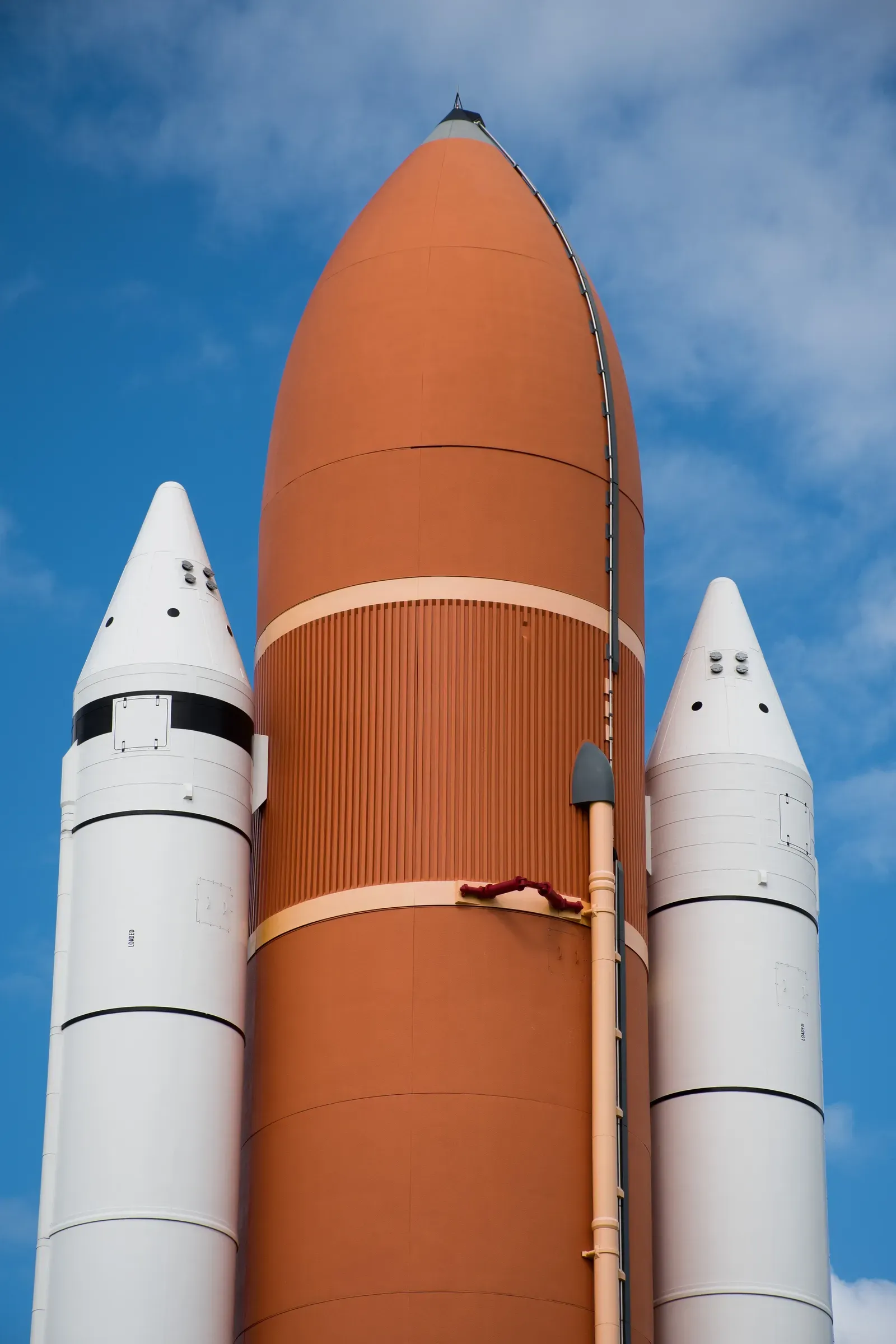
The cupola arrived after the space shuttle Endeavour delivered the Tranquility module to the station. The European Space Agency built it, and it was installed in 2010, a decade after the ISS went into operation.
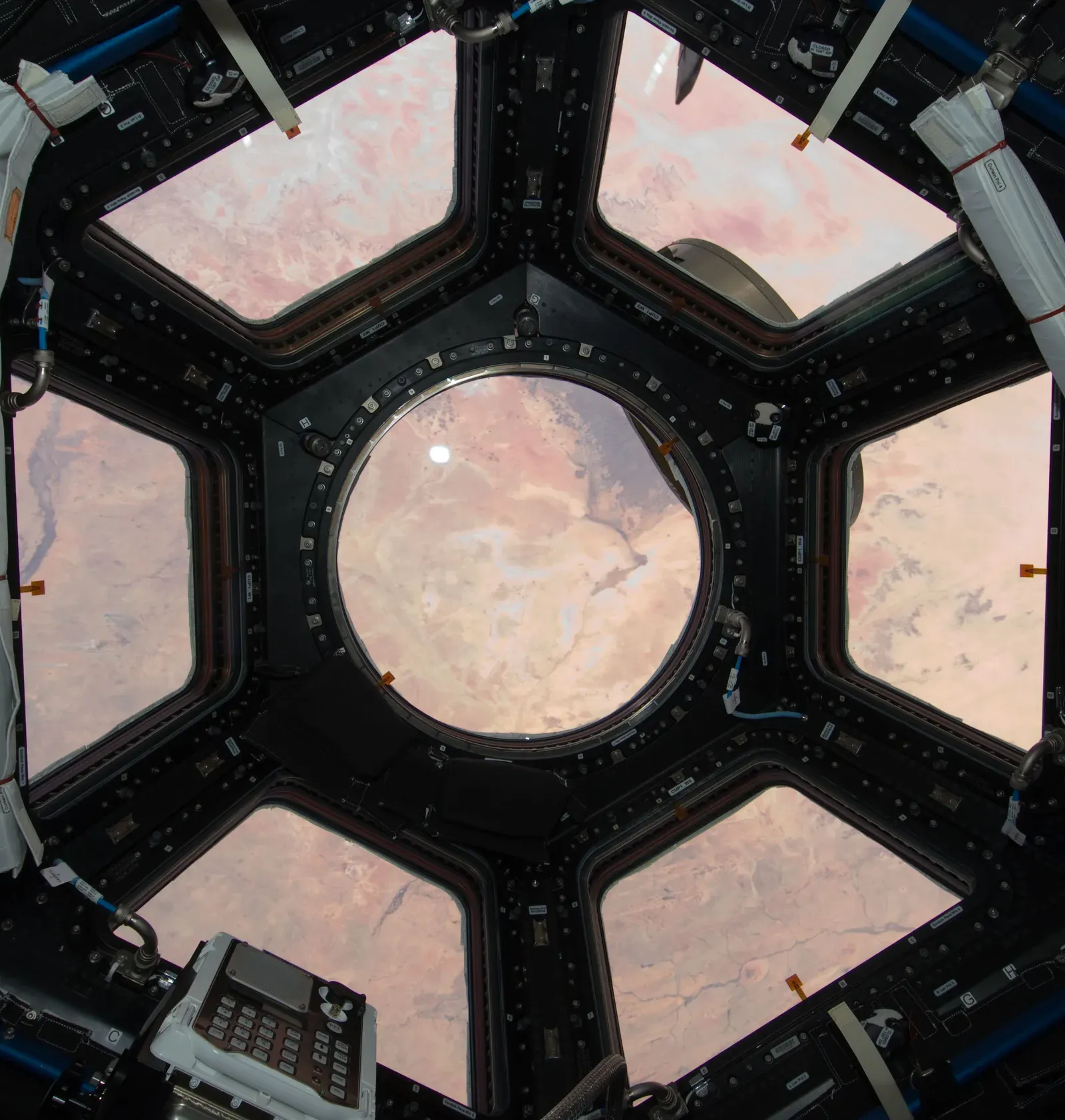
The shutters came off the windows on February 17, 2010. Soon afterward, Japanese astronaut Soichi Noguchi took a photo of the Sahara Desert from inside. It was the first look at what the new viewpoint could do.
Seven Windows, One Dome
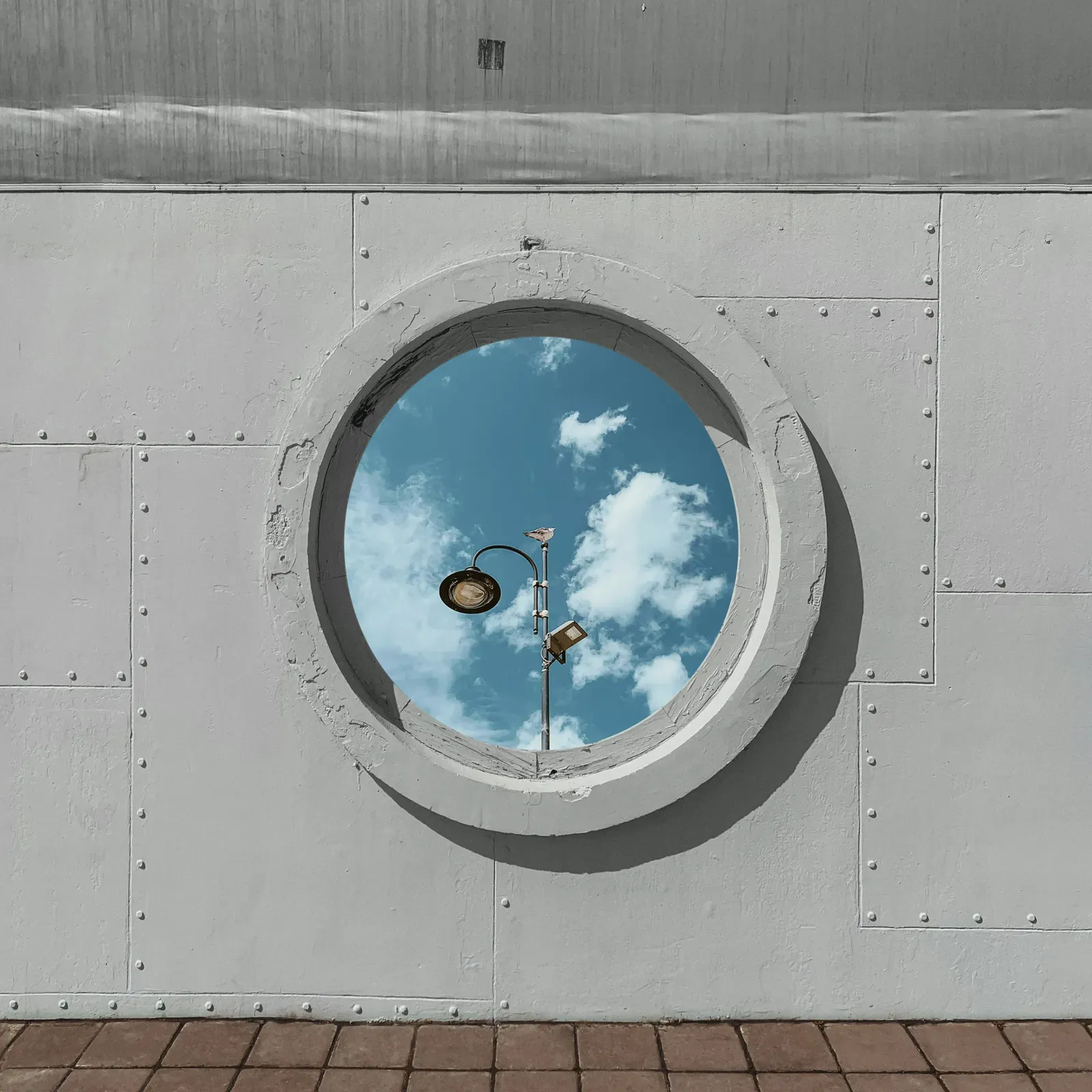
The cupola has six trapezoidal side windows and a circular top window. It sits on the nadir side of the station, the side that faces Earth.
That layout matters for photography. The arrangement gives astronauts a near 360 degree field of view. The side windows frame the horizon and the atmosphere. The round window looks straight down at the planet.
How Big It Really Is
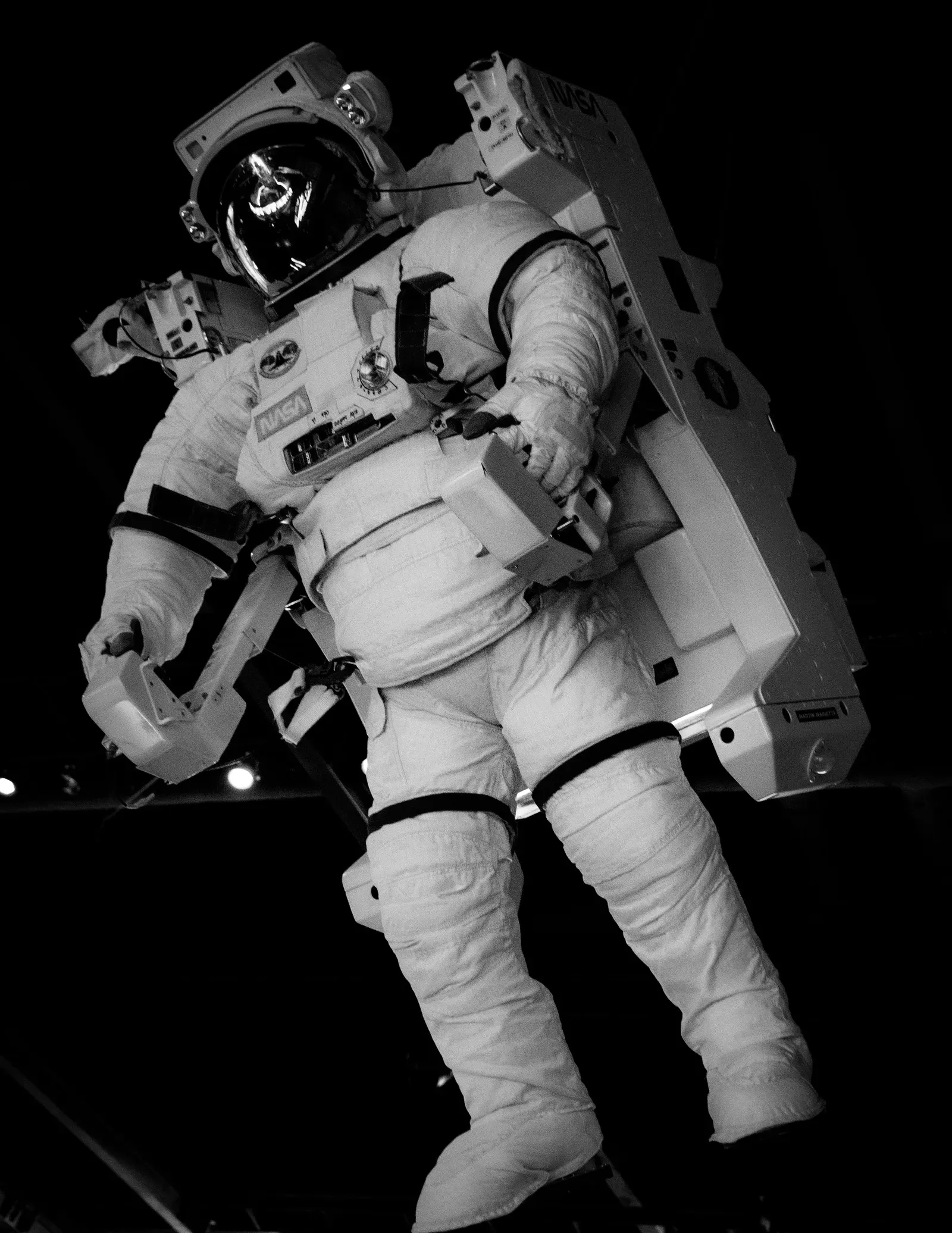
The cupola is smaller than the photos suggest. It measures 3 meters across and 1.5 meters high, and it weighs about 1.8 tons. That’s room for a couple of people at a time, floating shoulder to shoulder.
Wide angle lenses can distort the view, so the windows look larger in some photos than they are. The image Digital Trends described, taken by astronaut Matthias Maurer, is one example of that effect.
Four Panes Between the Crew and Space
Each window is more than a single sheet of glass. Each one has four panes that guard against scratches from astronauts and dings from space debris. That protection is why the view stays clear after years in orbit.
Replacement is possible, though not simple. The entire window, or individual scratched or debris pocked panes, can be replaced. That fact comes from a September 2026 Space.com report on the future of spacecraft windows.
Shutters That Protect the Glass
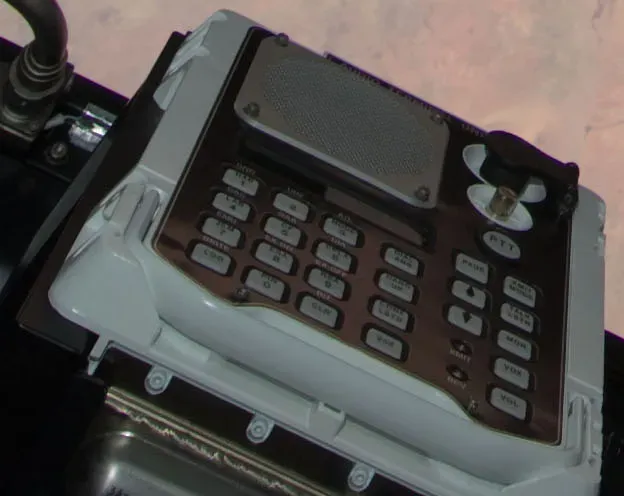
An external shutter system helps protect the windows from tiny meteoroids and orbital debris. The shutters stay closed whenever the module isn’t in use.
According to ESA, closed shutters also keep solar radiation from heating the cupola and stop internal heat from escaping. Crews open them for photography and for work that needs a view outside.
A Robotics Workstation With a View
Photography is only part of the job. The cupola is meant to improve situational awareness for operations such as spacecraft docking, spacewalks, and robotic work. It also holds the control equipment for the Canadarm2 robotic arm, which is sometimes used to capture visiting spacecraft.
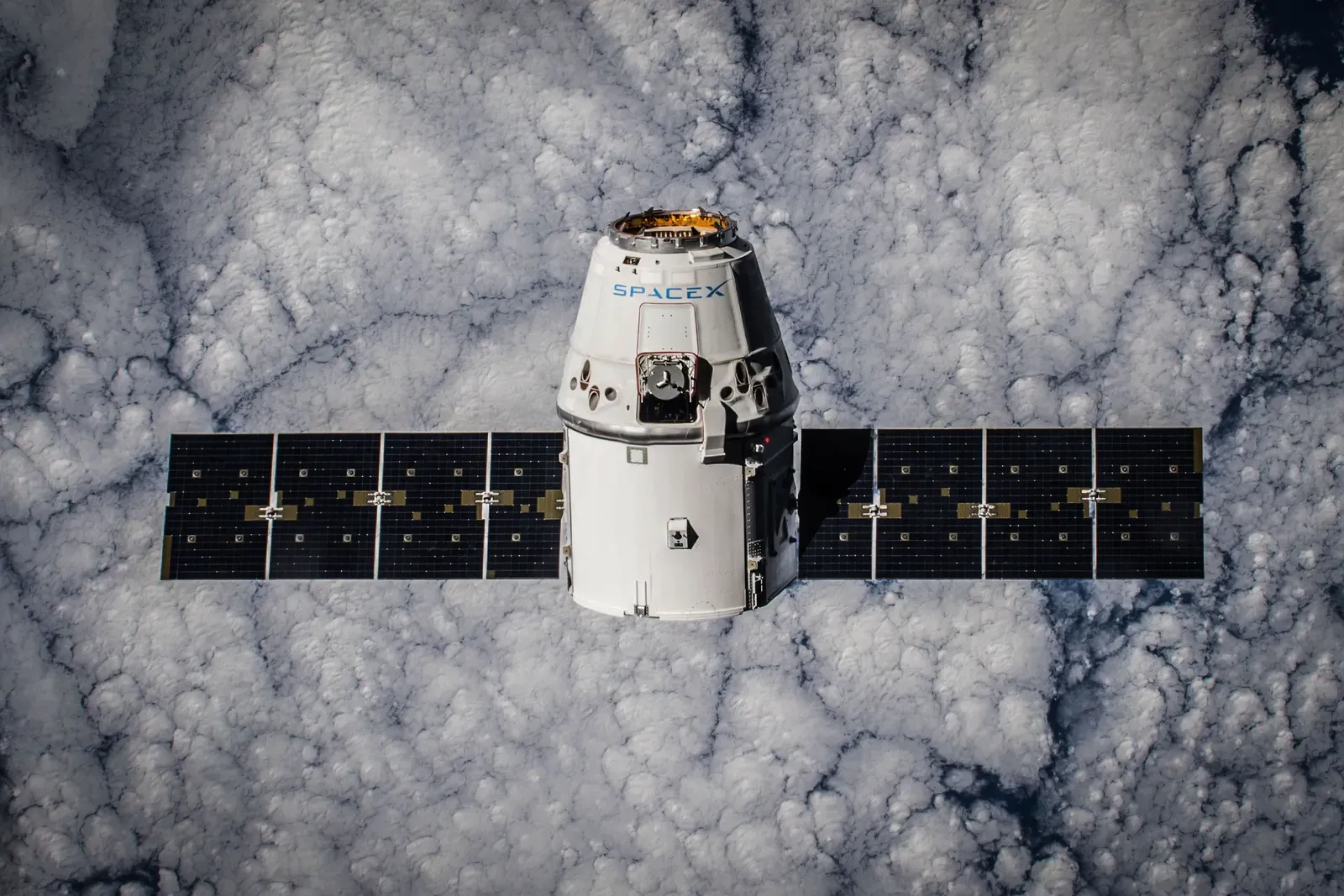
The windows give operators something a screen can’t fully match. They provide depth perception and a broad view that can help astronauts spot problems faster than a camera feed alone. On May 17, 2026, astronauts Sophie Adenot and Jack Hathaway watched a SpaceX Dragon cargo spacecraft approach and dock from the cupola.
What Earth Photography Looks Like Up There
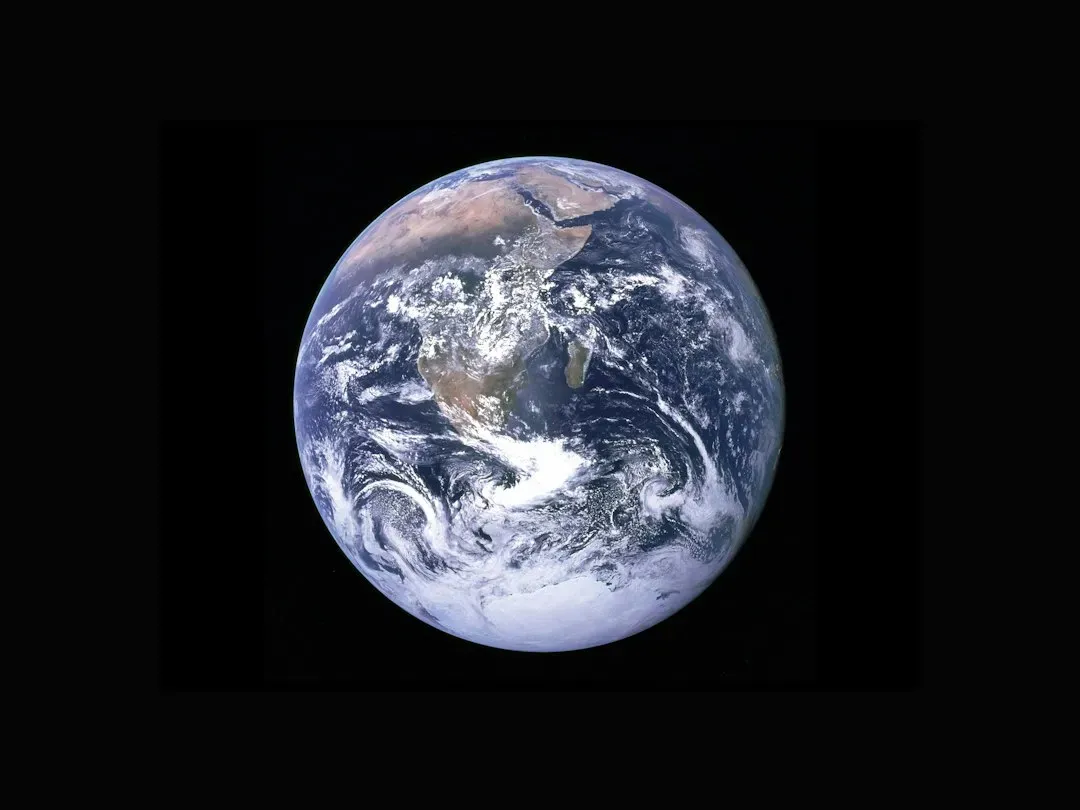
Astronauts use the windows to photograph landscapes, weather patterns, and city lights. The Menon typhoon image is a recent example, and NASA’s Flickr album of cupola photos includes crew portraits, sunsets, and views of the horizon.
NASA also supports this work from the ground. The Image Science and Analysis Laboratory at Johnson Space Center helps astronauts take pictures of Earth that will be most valuable to scientists and the public. The lab’s role is to guide crews toward images that carry scientific value.
A Favorite Spot Off Duty
Many ISS astronauts spend free time in the cupola, looking out and photographing the planet. Crew members such as Samantha Cristoforetti and Scott Kelly became known for sharing their images from orbit.
The space is also used for other things. NASA’s photo album shows astronauts working with science hardware there, including a biomanufacturing study handled by Suni Williams. The same dome serves as a lab bench, a control room, and a viewing seat.
The Cupola in 2026
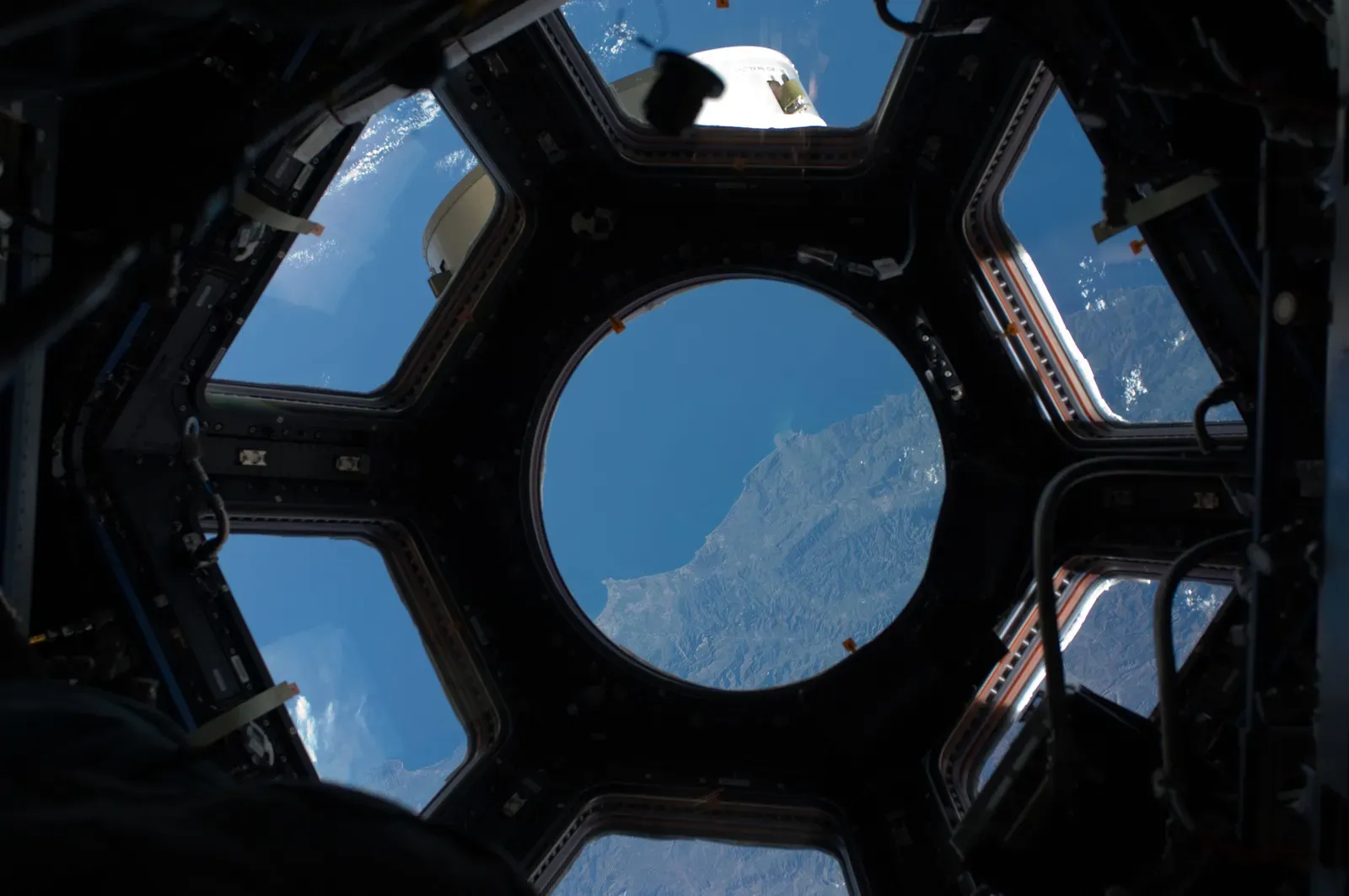
Space.com noted in August 2026 that astronauts continue to capture photos from the cupola. The module is still in daily use sixteen years after its first windows opened.
When Adenot and Hathaway looked out in May 2026, the station was 259 miles above the Indian Ocean, just west of the Maldives. Windows like these also shape how future spacecraft are designed, according to the September 2026 Space.com report.
