

- Will travel insurance cover weather-related flight delays and cancellations? - November 11, 2026
- 8 Cities Where the Weather Changes So Fast Locals Carry Everything - November 11, 2026
- 10 Traditional Building Techniques From Hot Climates Architects Are Revisiting - November 10, 2026
You check your phone, see a forty percent chance of rain, and then wonder whether to bring the umbrella. Most people read that number as the odds that their own backyard gets wet. Others take it to mean rain will fall for forty percent of the day.
Neither reading is quite right. The number has a precise meaning in meteorology, and once you know it, forecasts become much easier to use. Here’s how it works.
The Official Definition
The National Weather Service calls this number the probability of precipitation, often shortened to PoP. It describes the chance that a specific point in the forecast area will receive measurable precipitation during a stated time period. Measurable here means at least one hundredth of an inch.
So a trace of drizzle that barely wets the pavement doesn’t count. The forecast is about whether enough falls to register in a rain gauge. That’s a fairly low bar, but it’s still a defined one.
The Two Ingredients Behind the Number
Forecasters build the figure from two pieces. One is confidence, meaning how sure they are that rain will develop somewhere in the forecast area. The other is coverage, meaning the share of that area expected to get rain if it does develop.
Multiply the two and you get the PoP. If a forecaster is certain rain will fall across about half the area, the result is fifty percent. The same fifty percent could also come from being half sure that rain will blanket the whole area.
Why Two Different Forecasts Can Share One Number
Those two scenarios feel very different in practice. In the first, rain is a sure thing but patchy, so some neighborhoods stay dry. In the second, the whole region either gets soaked or stays dry together.
The percentage alone can’t tell you which situation you’re in. That’s one reason the written forecast discussion, or the wording around the number, can be worth a quick read. It often explains whether showers will be scattered or widespread.
What the Number Does Not Tell You

A PoP says nothing about how hard it will rain. A ninety percent chance might bring a light, steady drizzle, while a thirty percent chance might come with a brief and heavy downpour. The figure covers likelihood only.
It also doesn’t measure duration. A seventy percent chance doesn’t mean seventy percent of the day will be rainy. Rain could last ten minutes or most of an afternoon and still fit the same forecast.
The Time Window Matters
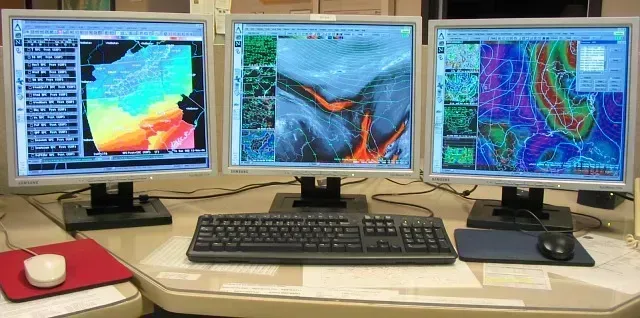
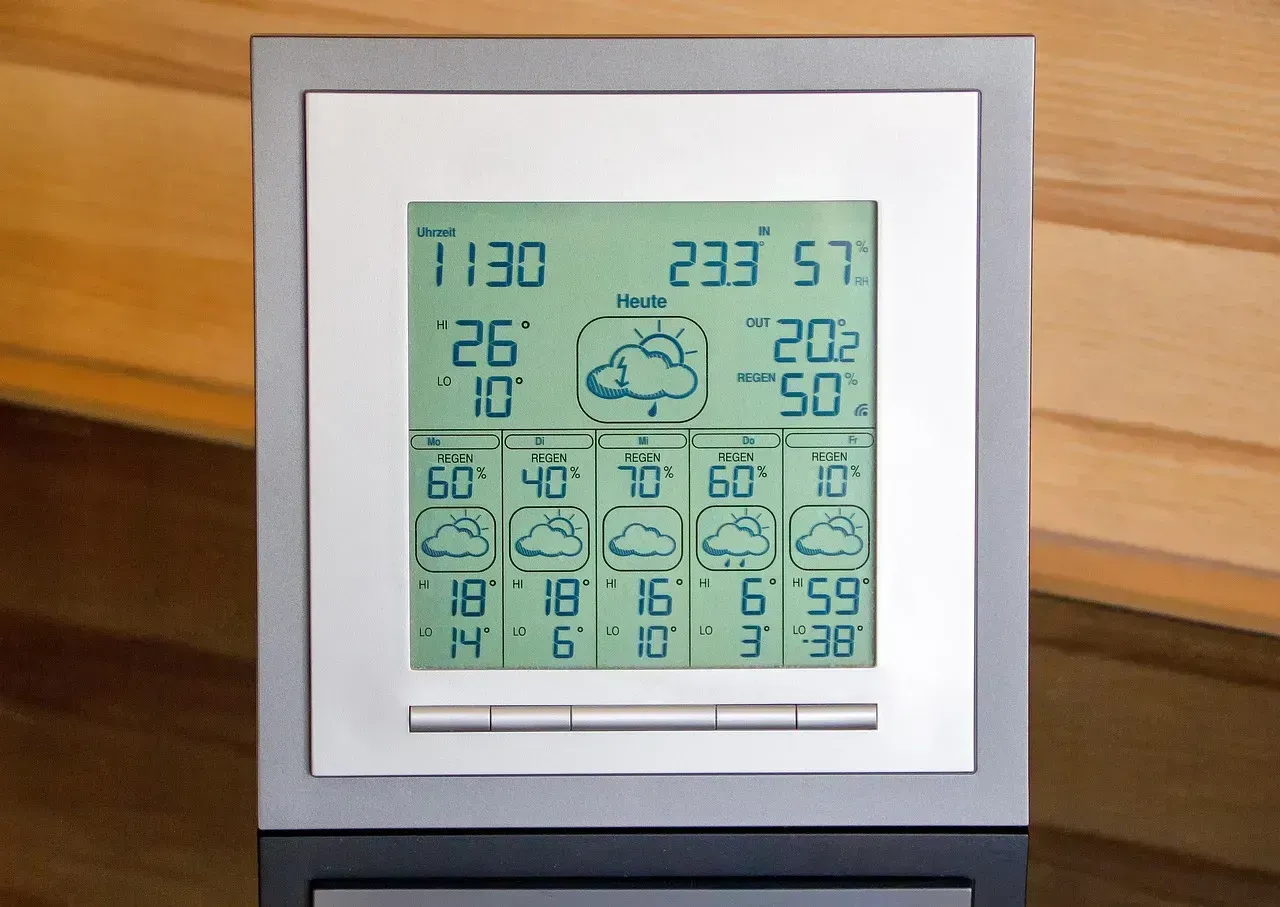
Many standard National Weather Service forecasts cover twelve hour periods, such as daytime and overnight. A chance of rain for the day refers to that window, not the full twenty four hours. Hourly forecasts narrow the window, so the percentage can look very different from the daily one.
That explains why an app might show a high chance for the afternoon and a low one for the morning. If you have outdoor plans at a particular time, the hourly view is usually more useful. The daily number is better as a general heads up.
How Forecasters Describe the Ranges
The National Weather Service pairs numbers with plain words. A slight chance generally matches ten to twenty percent, a chance covers thirty to fifty percent, and likely covers sixty to seventy percent. Higher values are usually described with more definite language.
Coverage terms like isolated, scattered, and numerous follow similar logic. They describe how widespread the rain is expected to be rather than how sure the forecaster feels. Reading both kinds of wording together gives a fuller picture than the number alone.
Where the Forecast Comes From
Forecasters rely on computer weather models, satellite and radar data, and surface and upper air observations. Many models are run multiple times with slightly different starting conditions, which produces a spread of possible outcomes. When most runs agree on rain, confidence goes up.
Human forecasters then interpret that guidance, drawing on local knowledge of terrain and typical storm behavior. Weather apps, by contrast, often generate their numbers automatically from model output. That’s one reason two apps can disagree for the same location.
Can You Trust a Seventy Percent Forecast?
Forecasters aim for what’s called reliability, or calibration. Over many days, rain should occur on about seventy percent of the days when the forecast said seventy percent. A single day proves little, since even a ninety percent forecast leaves room for a dry outcome.
Short range forecasts tend to be more dependable than those several days out, because small errors in the starting data grow over time. Summer thunderstorms are especially tricky because they can pop up in some places and miss others nearby. Checking updates close to your plans helps most.
Using the Number in Everyday Decisions

A practical approach is to match the stakes to the odds. For a casual walk, a thirty percent chance might not change anything. For an outdoor wedding or a roof repair, even a modest chance may justify a backup plan.
Also look at radar when the timing matters, since it shows what’s actually approaching. Pair the percentage with the hourly timing and the wording about coverage. Together they tell you far more than a single figure on a screen.
Reading the Percentage Correctly
A percent chance of rain combines forecaster confidence with the share of an area expected to see measurable rain. It applies to a set time window and says nothing about intensity or how long the rain lasts.
Treat it as the likelihood that a given spot gets at least a hundredth of an inch. That’s the whole definition.
