


- 9 Items Experienced Skywatchers Bring Along That Beginners Always Wish They’d Packed - November 12, 2026
- I Moved to Tornado Alley in Oklahoma – 7 Things I Did Not Anticipate About Storm Season - November 12, 2026
- VR tool shows how rising seas could flood Fort Lauderdale - November 12, 2026
Ask someone to picture a polar research base and they’ll probably imagine a lone scientist in a parka, staring at a blizzard. The reality is more organized and a lot more crowded with ordinary jobs. Accounts from people who have worked on the ice describe a place built around routine.
This article draws on published descriptions of station life, including a 2025 first person account from an engineer on his sixth Antarctic expedition. Details differ between stations and national programs, so treat what follows as a general picture, not a rulebook.
Mornings Start Early and Stay Practical

One engineer’s account of a typical day has him up at 6 a.m., checking messages, then sitting down to breakfast with the team at 7:30. He then makes a round of the engine systems, and by 8:30 everyone gathers in the lounge to plan the day.
It isn’t glamorous. Still, that short meeting matters, because on a small base one broken generator affects everybody.
Scientists Are a Small Part of the Crew

Many people assume a station is full of researchers. In fact, scientists make up only a small fraction of staffing, and most residents are mechanics, cooks, plumbers and other support staff. Drivers are part of that support group too.
Concordia Station gives a clear example of the balance. Its winter crew has 13 people: 5 scientists, 8 technical staff, a doctor and a chef. Without the technical side, the science doesn’t happen.
Long Workdays and a Short Weekend
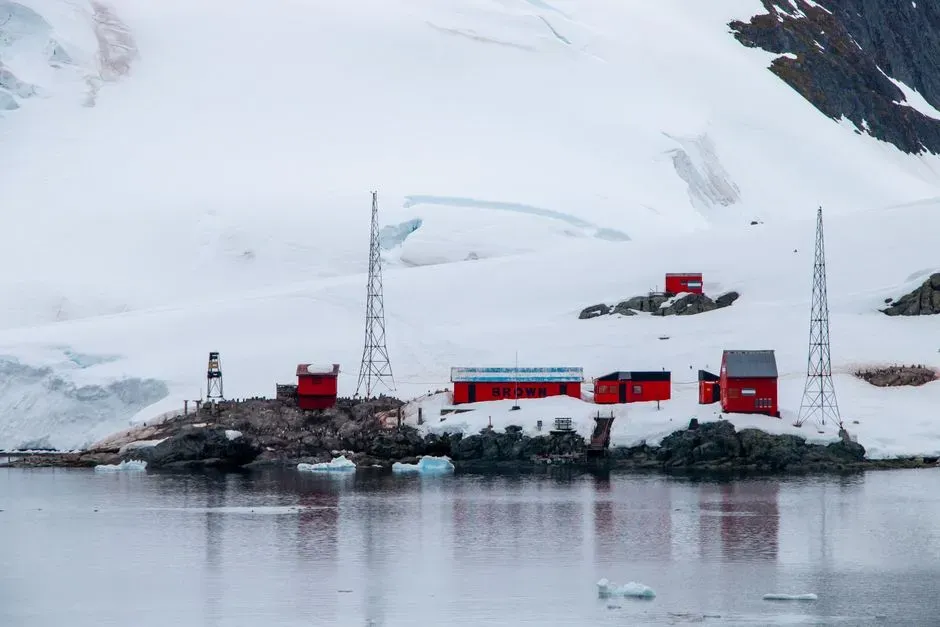
Time off is limited. The U.S. Antarctic Program runs a 54 hour workweek, with nine hour shifts from Monday through Saturday. On research vessels, schedules can reach 84 hours a week.
At Concordia, the workday runs from an 8:00 a.m. briefing to dinner at 7:00 p.m., with a lengthy lunch break. Long days like these leave little room for idle hours, which may help in a place with few distractions.
Living Quarters Are Small but Functional
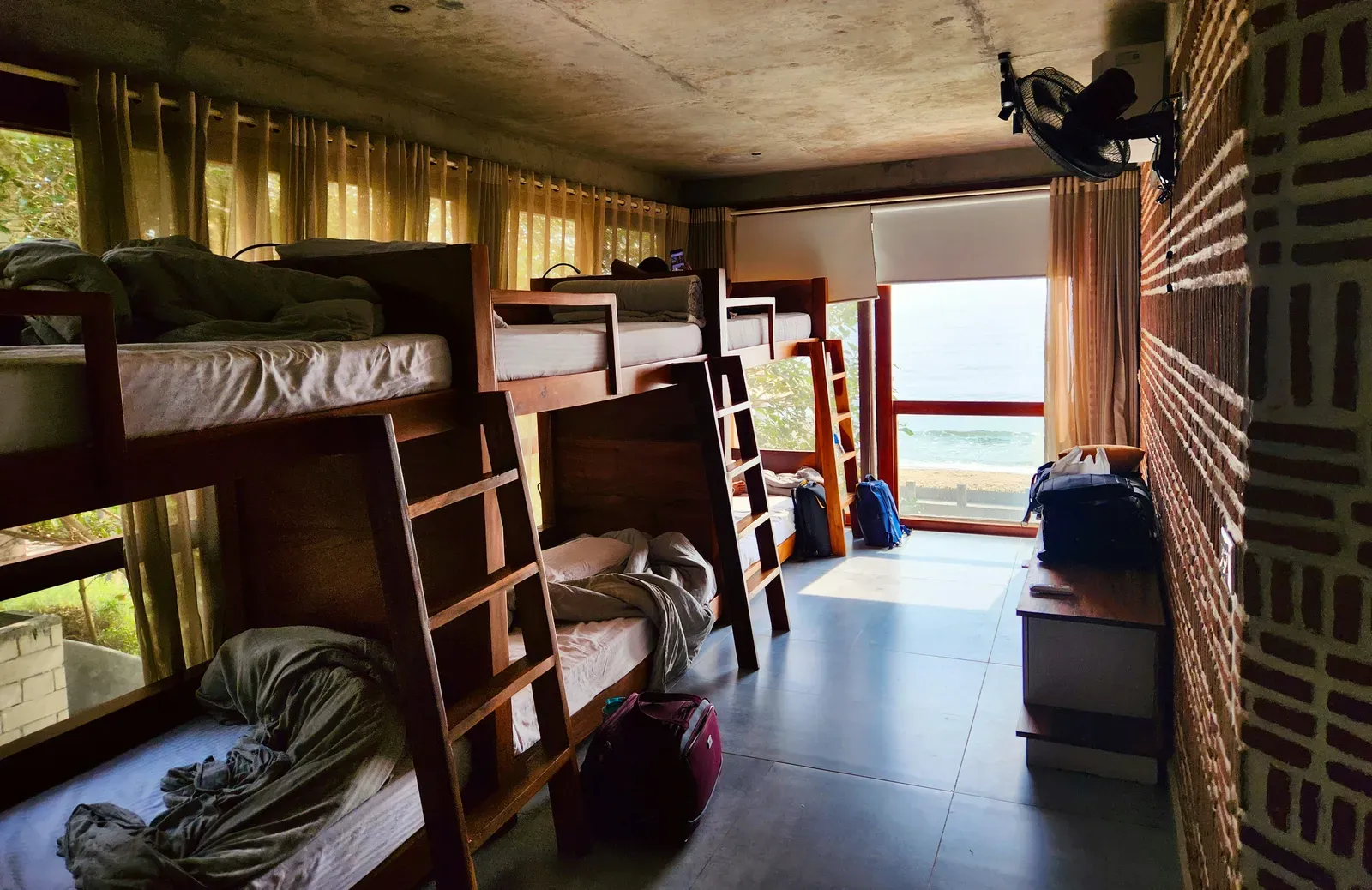
Space is tight at most bases. At the Amundsen-Scott South Pole Station, rooms are about the size of a walk in closet, though they fit a twin bed, storage and a desk. Elsewhere, dormitories, tents or ship spaces can be cramped, with several people sharing.
Newer stations can feel roomier. Concordia opened in 2005 and is built as two towers of three levels each, one for living, communications and labs, the other for dining and recreation.
Food Changes as the Season Wears On

Meals are prepared by professional chefs, and they’re a big part of morale. Pantries start the season stocked with fresh fruit, vegetables, dairy and meat, but meals lean more on frozen, canned and dried food as months pass.
Larger stations have some workarounds. McMurdo offers varied menus and even runs a greenhouse for fresh produce. Smaller bases don’t have that option.
Weather Decides the Plan
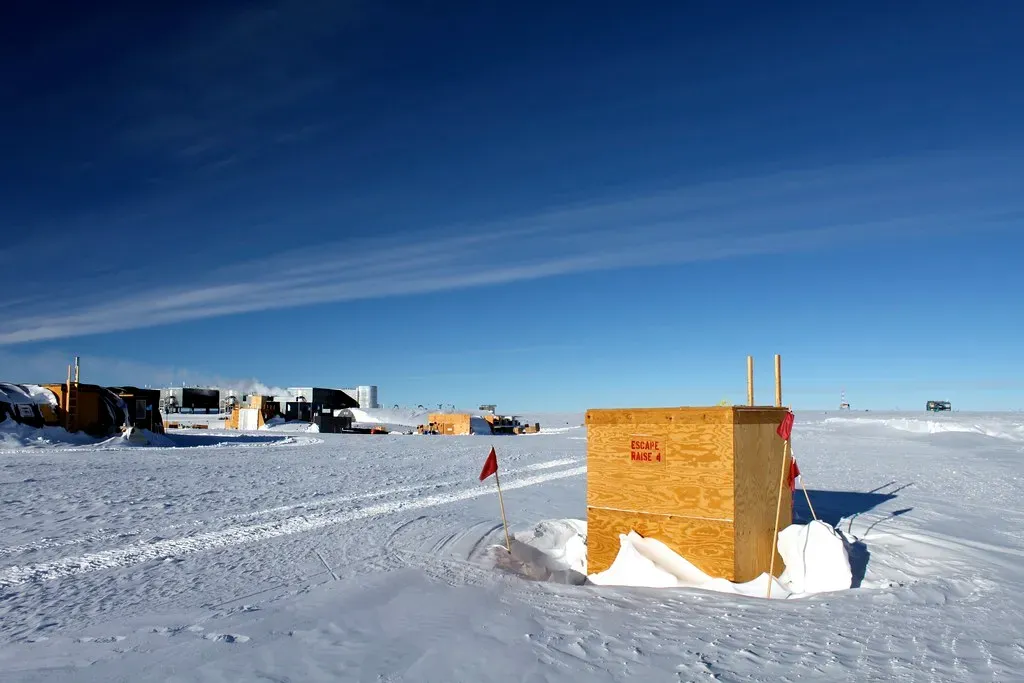
Nobody on the ice controls the schedule for long. Weather conditions dictate daily life, and when blizzards stop fieldwork, activities move indoors. The engineer’s 2025 account mentions that for two months, there were only one or two calm days because the wind was almost constant.
Cold adds its own demands. Layering is crucial for staying warm in temperatures that can fall well below freezing. At the South Pole in winter, temperatures can drop below minus 100 degrees Fahrenheit.
Winter Brings Darkness and Isolation
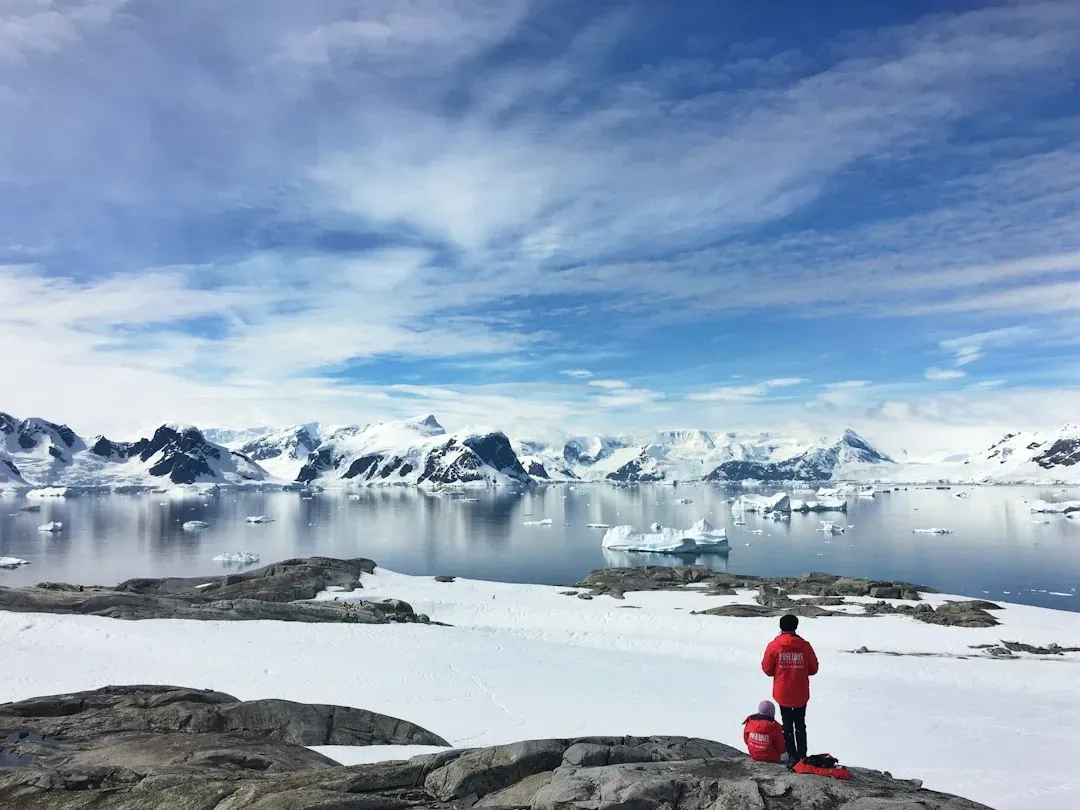
The population shifts sharply with the seasons. Up to 5,000 people may be in Antarctica at the busiest time, falling to about 1,000 in winter. Those who winter over can’t leave their stations for months while travel is impossible.
At the South Pole, flights are suspended from mid February to late August. Researchers rely on sun lamps and supplements to make up for the lack of vitamin D.
Mental Health Is Screened and Managed

Selection is rigorous. Winter applicants must pass psychological exams and medical tests before starting. That’s because the stress of months in darkness and confinement is considered a real risk.
Training helps too. Researchers are trained to manage isolation and to build strong team bonds. Returning is its own challenge, since coming back to a fast paced world after months in close quarters can be overwhelming.
Evenings, Traditions and Connection
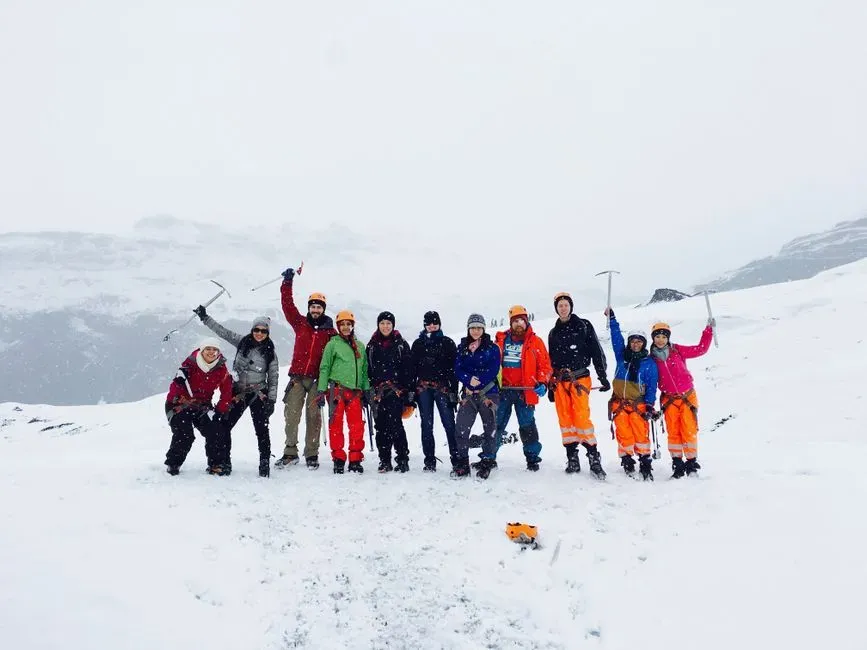
After dinner at 7 p.m., the engineer’s crew often gathers in the lounge to watch a movie together. He’s in bed around 10 p.m. Small rituals like this keep a group of colleagues feeling like a community.
Bigger traditions matter as well. Midwinter Day, held on the winter solstice, marks the halfway point through the polar night, with large meals and gift exchanges. Since no winter deliveries arrive, ingredients for the feast are brought in months in advance. Wi-Fi is generally available at larger stations, though smaller field camps may have limited connectivity.
Life on the Ice, Summed Up
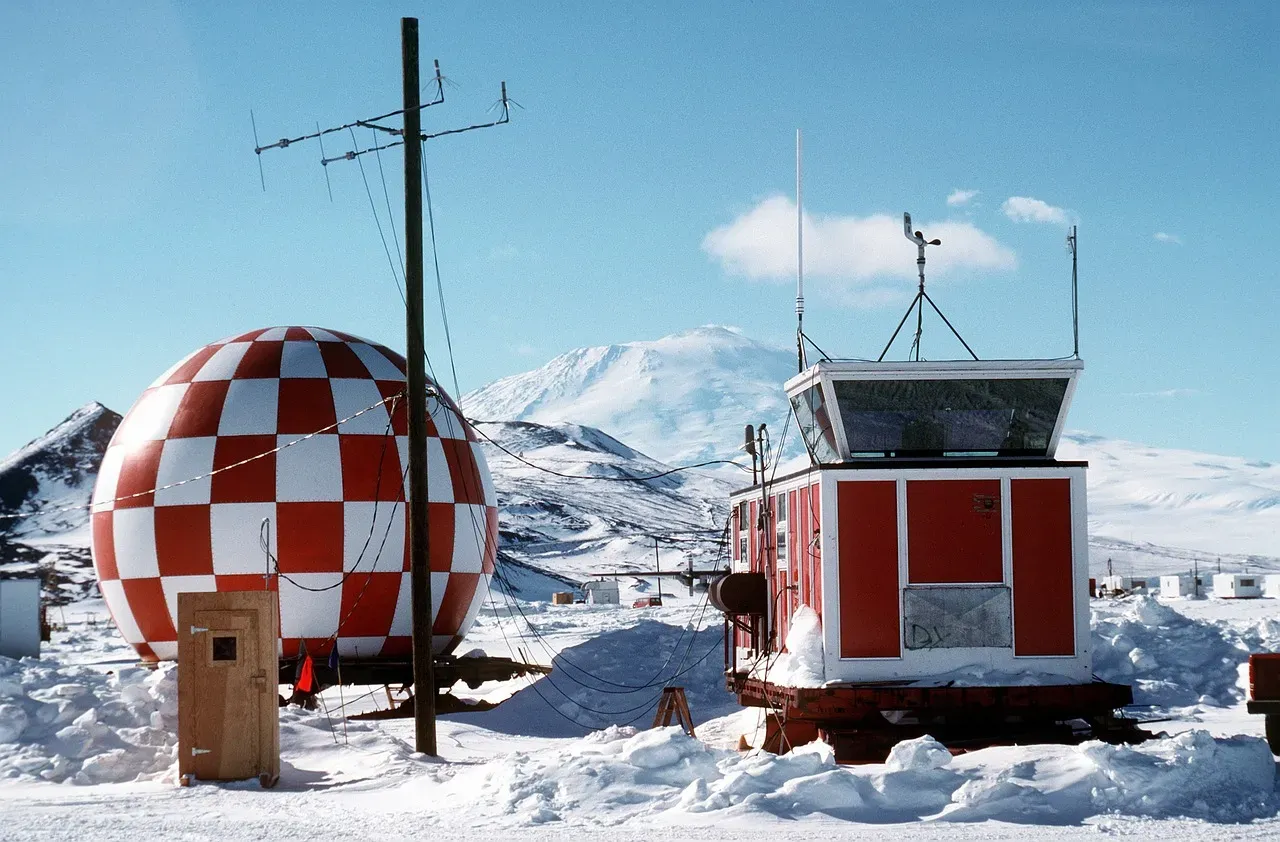
Daily life at a remote station comes down to early starts, shared meals, long shifts and a crew that depends on each other. The work is mostly maintenance, logistics and careful science.
The sky still delivers. On rare nights, the aurora australis lights up the horizon.
